Golden Lake Populus Euphratica Scenic Area in Kashgar
I. Introduction
The Golden Lake Populus Euphratica Scenic Area in Kashgar, abbreviated as the Golden Lake Populus Euphratica Scenic Area, is located in Zepu County, Kashgar Prefecture, Xinjiang Uygur Autonomous Region. It is the first national 5A-level scenic area in southern Xinjiang, situated 36 kilometers from Zepu County town.
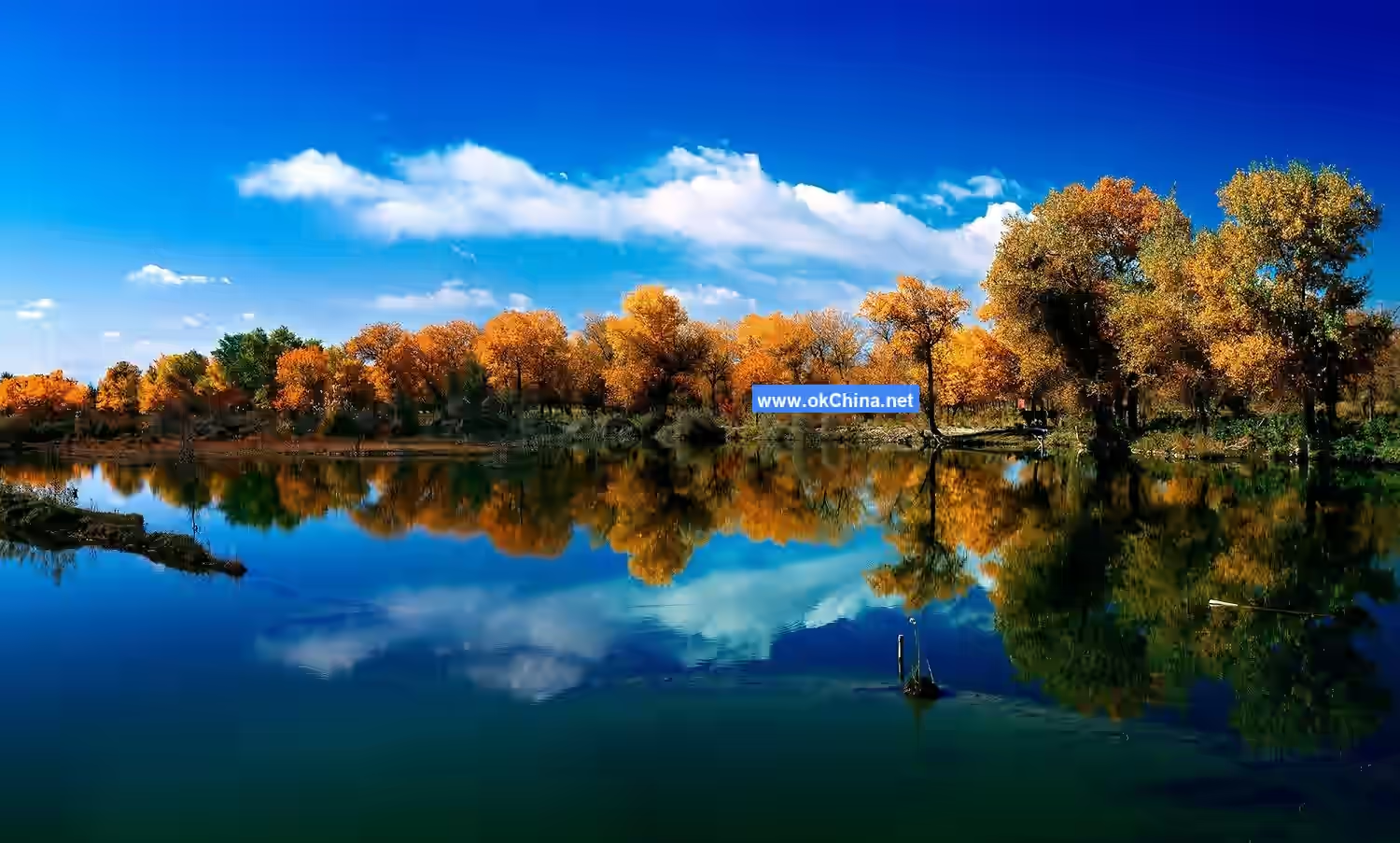
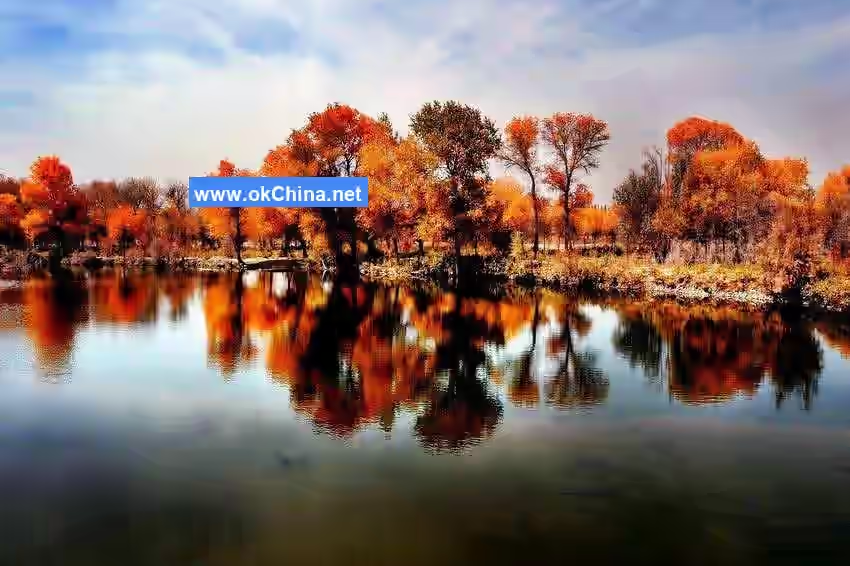
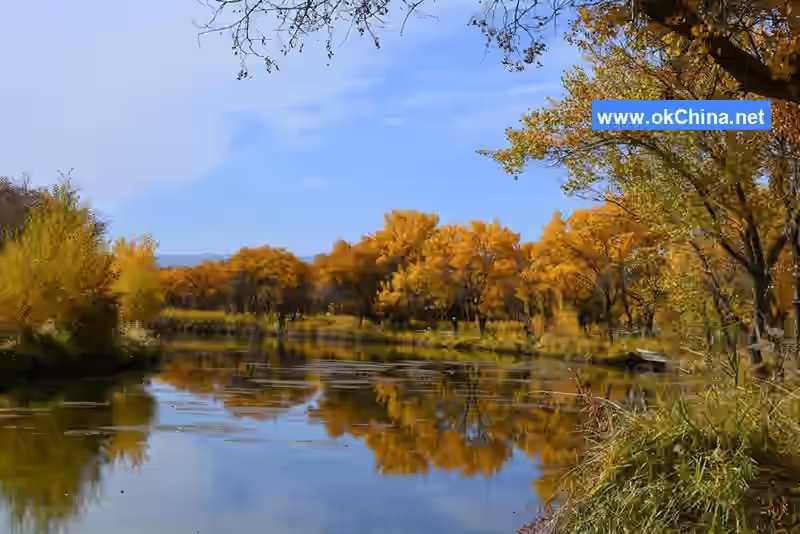
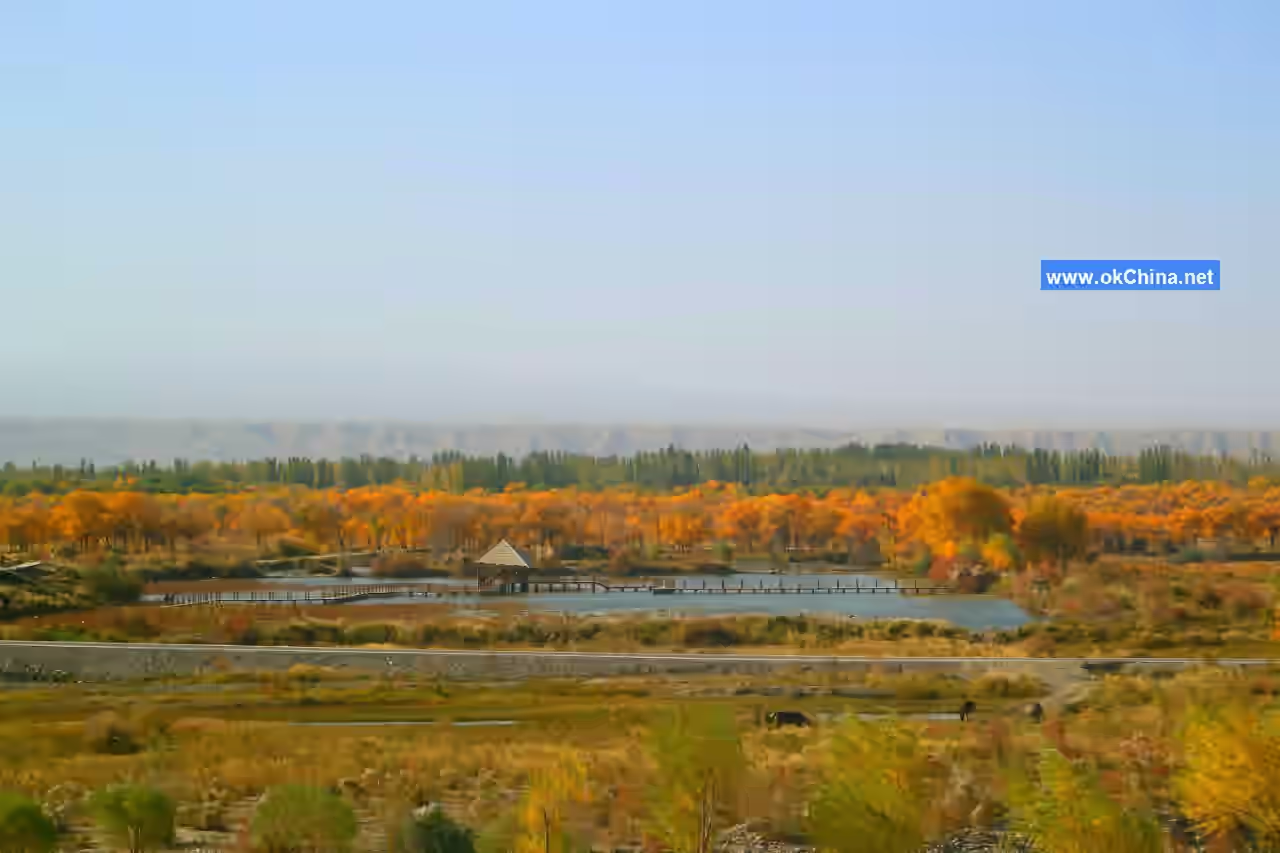
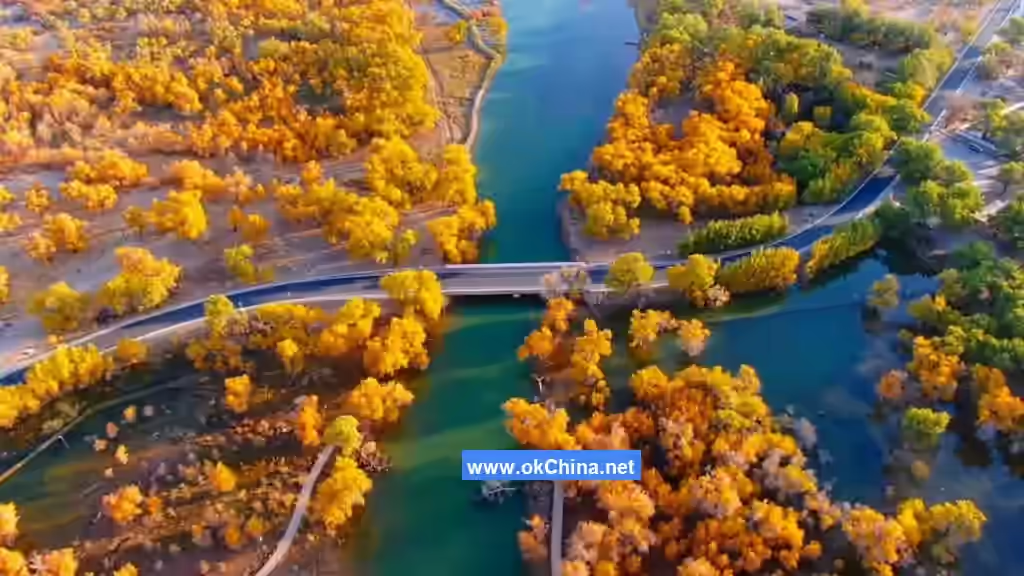
The scenic area is situated on the upper edge of the alluvial fan of the Yarkant River, surrounded by water on all sides with pleasant scenery. It covers a total area of 40,000 mu, with natural Populus euphratica forests spanning approximately 30,000 mu. Backed by the majestic Kunlun Mountains and resting beside the ancient Yarkant River, this magical land is nurtured by both the snowy Kunlun and the Yarkant River. Its unique natural landscape, integrating mountains, water, forests, fields, lakes, and grasslands, presents a beautiful picture of the frontier region from midsummer to golden autumn. It has been hailed by the China Forest Landscape Resources Evaluation Committee as the best combination of landscapes and has been successively named "Xinjiang Photography Hometown" and "China Evening News Photography Base." The Populus euphratica trees in the scenic area are nourished year-round by snowmelt from the Kunlun Mountains, giving them a graceful and elegant appearance, earning them the reputation of "noble Populus euphratica" and "water-town Populus euphratica."
II. Orientation and Layout
Location and Territory
The Golden Lake Populus Euphratica Scenic Area is located southwest of Zepu County town in Kashgar Prefecture, Xinjiang Uygur Autonomous Region. It is bounded by the Yarkant River to the northwest, facing Shache County, and neighbors Yecheng County to the southeast. Its geographic coordinates are 76°52′38"–76°59′50" east longitude and 37°58′15"–38°03′49" north latitude. The park includes the spindle-shaped area of the Yasidun Forest Farm between the Yarkant River and its branches, the artificial main canal (channel), and the northwestern area with concentrated Tamarix distribution (including the Kaqun Water Diversion Hub attraction) extending to the Yarkant River region. The total planned area is 2,000 hectares.
Topography and Landforms
Zepu County, where the Golden Lake Populus Euphratica Scenic Area is located, lies on the alluvial fan of the middle reaches of the Yarkant River. The terrain slopes from southwest to northeast, with a maximum length of 61 kilometers from southwest to northeast and a width of approximately 14 to 23 kilometers from northwest to southeast. The elevation ranges from 1,215 to 1,490 meters.
Climate Characteristics
Zepu County, home to the Xinjiang Golden Lake Populus Euphratica National Forest Park, features a continental warm temperate arid climate. It has abundant sunlight, dry conditions, frequent wind and sand, and significant diurnal temperature variations. Springs are marked by rapid but unstable warming, often with late cold spells; summers are long and hot; autumns are short with rapid cooling; and winters have prolonged low temperatures. The historical extreme maximum temperature is 41°C, and the extreme minimum is -23.3°C. The average annual precipitation (1971–2000) is 54.8 mm, with an average evaporation of 2,079 mm and an average frost-free period of 212 days.
Natural Resources
Plant Resources
The Golden Lake Populus Euphratica Scenic Area hosts 74 species of plants belonging to 51 genera and 21 families. Major plants include Populus euphratica, Tamarix ramosissima, Tamarix taklamakanensis, Tamarix hispida, Tamarix laxa, Tamarix leptostachys, Sparganium simplex, Taraxacum mongolicum, and Potentilla chrysantha. Nationally protected plants include Tamarix taklamakanensis and Glycyrrhiza glabra (second-class protection).
Animal Resources
The Xinjiang Golden Lake Populus Euphratica National Forest Park is home to 102 species of wild animals across 44 families and 23 orders. This includes 8 species of fish (2 families, 1 order), 5 species of amphibians and reptiles (4 families, 2 orders), 10 species of mammals (7 families, 5 orders), and 79 species of birds (31 families, 15 orders). Nationally protected animals include the white stork and black stork (first-class protection), and the Tarim hare, whooper swan, black kite, Eurasian sparrowhawk, and corn crake (second-class protection).
III. Key Scenic Areas
Natural Populus Euphratica Forest
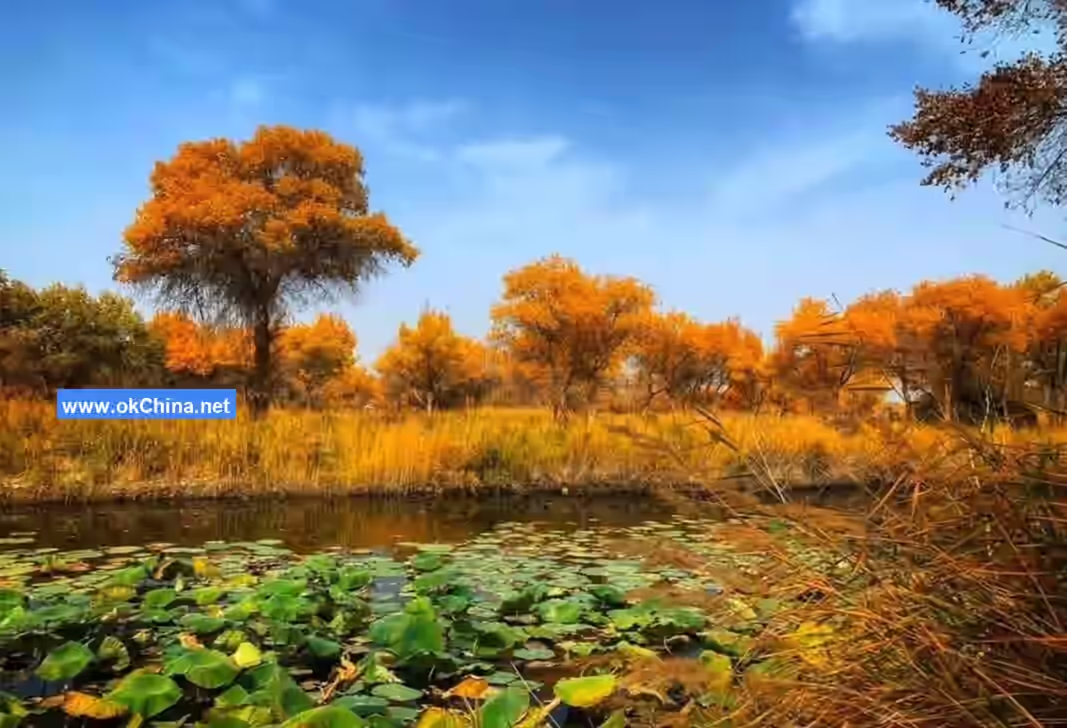
The Xinjiang Golden Lake Populus Euphratica National Forest Park contains approximately 640 hectares of relatively well-preserved natural Populus euphratica forest. Among them, about 200 meters northeast of the Yasidun Forest Farm headquarters, there is a Populus euphratica tree known as the "Populus Euphratica King," standing 10.05 meters tall with a diameter at breast height of 1.2 meters, estimated to be over a thousand years old.
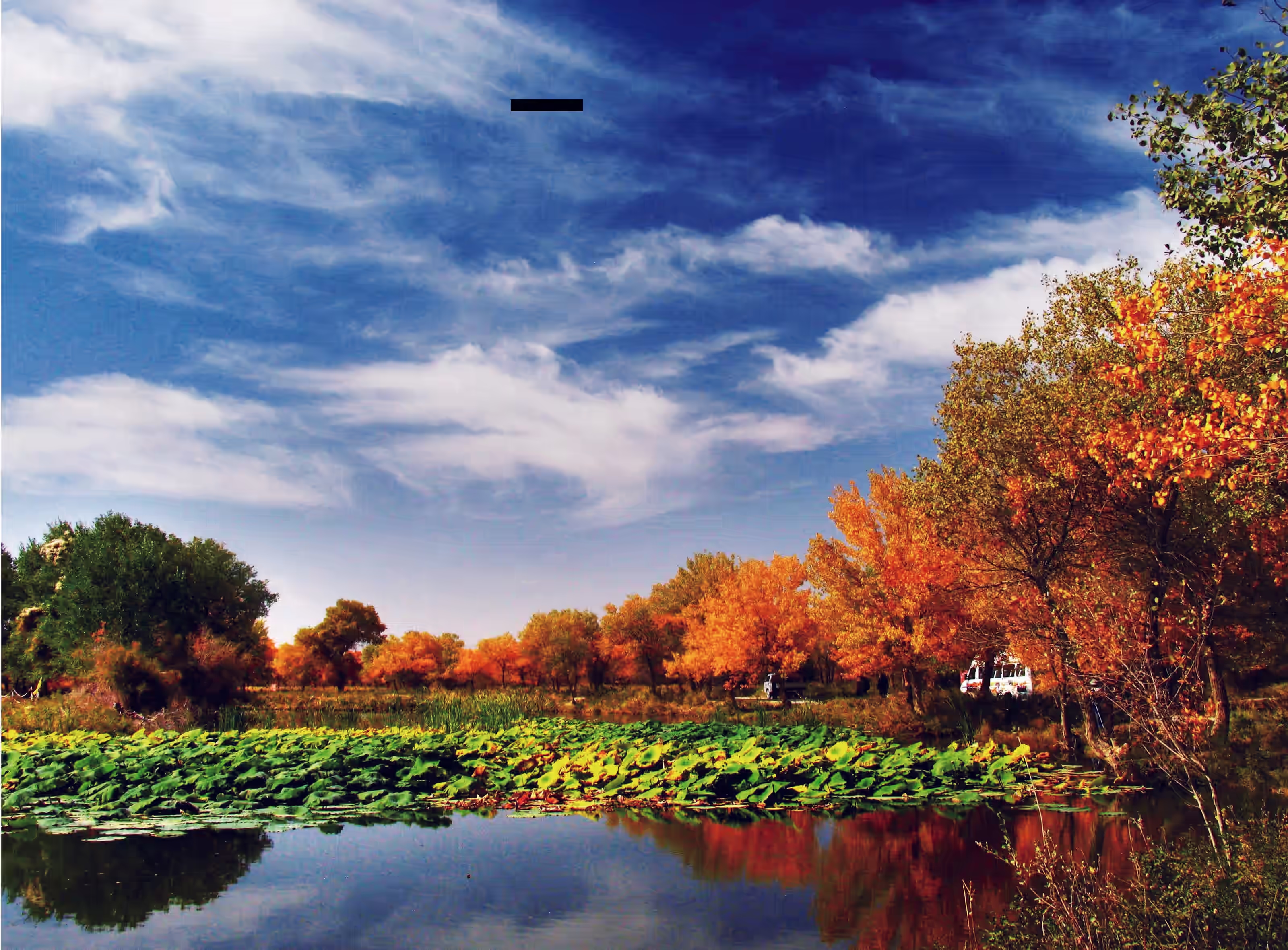
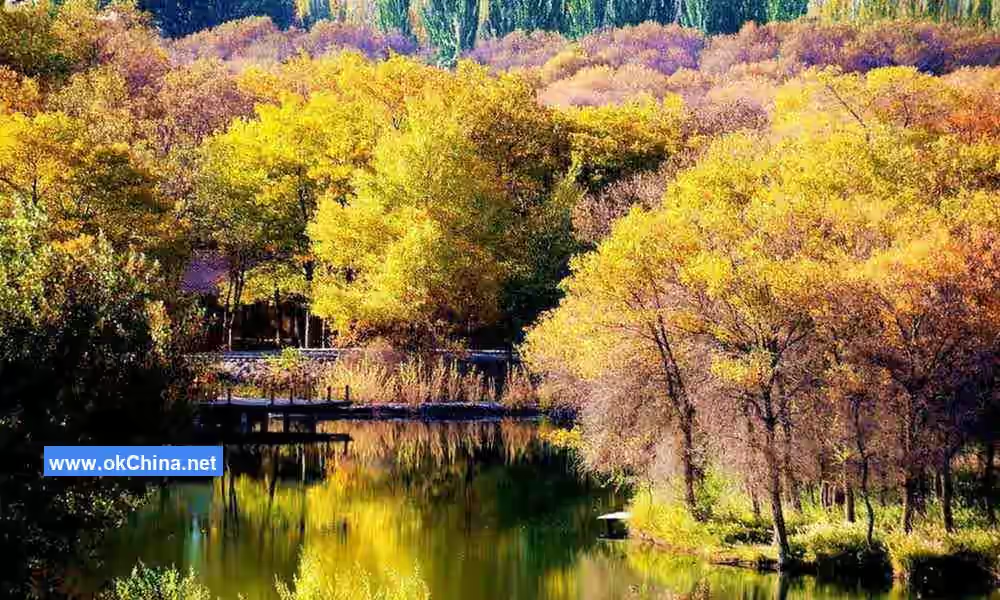
Stepping into this Populus euphratica forest feels like entering an isolated golden world. The trees are tall and straight, with thick trunks and rough, cracked bark, yet they exude a tenacious and unyielding vitality. Each tree resembles an elder who has weathered the ages, standing quietly on this land, witnessing the passage of time and the sedimentation of history. Some trees have lush foliage that blocks the sun, with sunlight filtering through the leaves to create dreamlike dappled patterns; others have peculiar shapes, with twisted and coiled trunks resembling natural works of art, inspiring awe at nature's craftsmanship. In autumn, the Populus euphratica forest reaches its most splendid moment. The leaves turn from green to yellow, then to red, as if the entire forest has been painted with brilliant colors, resembling a vast oil painting. A gentle breeze rustles the leaves, as if whispering ancient tales. Walking through the forest, the thick layer of fallen leaves underfoot produces crisp sounds, like a beautiful musical composition. Whether taking photos or simply admiring the scenery, visitors can become enchanted and reluctant to leave. Beyond appreciating the beauty of the Populus euphratica, visitors can also learn about its ecological value and cultural significance. Populus euphratica is an extremely resilient tree species, capable of thriving in harsh, arid, and saline-alkali environments, earning it the title "hero tree of the desert." In this forest, visitors can observe how Populus euphratica coexists with other plants and animals, forming a complete ecosystem. Additionally, Populus euphratica holds an important place in Xinjiang's culture, symbolizing resilience, tenacity, and an indomitable spirit, deeply cherished and revered by the local people. The natural Populus euphratica forest in the Xinjiang Golden Lake Populus Euphratica National Forest Park is not only a beautiful natural landscape but also a place where the soul can be purified and elevated. Here, visitors can escape the noise of the city, immerse themselves in nature's embrace, and experience the miracles of life and the charm of the natural world.
Tamarix Beach
The Xinjiang Golden Lake Populus Euphratica National Forest Park features various species of Tamarix, including Tamarix taklamakanensis, Tamarix ramosissima, Tamarix hispida, Tamarix laxa, and Tamarix leptostachys. In the northeastern part of the park, along the banks of the Yarkant River, there is an approximately 100-hectare area of naturally concentrated Tamarix growth.
Tamarix, also known as red willow, is a shrub or small tree adapted to arid environments. On the Tamarix Beach of the Golden Lake Populus Euphratica National Forest Park, Tamarix grows in clusters with lush foliage. Their branches are slender and flexible, displaying a faint red hue that shimmers enchantingly in the sunlight. The needle-like leaves are dense and verdant, adding a touch of fresh greenery to the entire beach. The beauty of the Tamarix Beach lies not only in its colors and forms but also in the tenacious vitality it demonstrates. Tamarix can grow in dry, saline-alkali soil, with well-developed root systems that penetrate over ten meters underground to access water sources, enabling survival in harsh conditions. On this beach, visitors can see traces of Tamarix's struggle against wind and sand: some are bent by the wind yet continue to grow stubbornly; others have branches partially buried in sand but sprout fresh green shoots from the mounds, showcasing an indomitable spirit that is deeply moving. The Tamarix Beach is also a habitat for numerous wild animals. Here, visitors can see hares darting through the Tamarix thickets and birds singing joyfully on the branches, as if in a vibrant animal kingdom. The Tamarix provides food and shelter for wildlife, while the animals' activities add a dynamic beauty to the beach. Additionally, the Tamarix Beach offers unique ornamental value. It presents different vistas across seasons. In spring, new green shoots emerge, filling the beach with vitality; in summer, Tamarix blooms with pink flowers covering the branches like brilliant rosy clouds; in autumn, the leaves gradually turn yellow, complementing the surrounding Populus euphratica forest to form a colorful tapestry; in winter, the Tamarix is draped in a pure white coat of snow, creating a silver-clad fairy-tale world. The Tamarix Beach in the Xinjiang Golden Lake Populus Euphratica National Forest Park attracts numerous visitors with its unique natural landscape and resilient vitality. Here, visitors can experience the wonder and charm of nature and appreciate the tenacity and perseverance of life.
Two Bridges Reflecting Snow
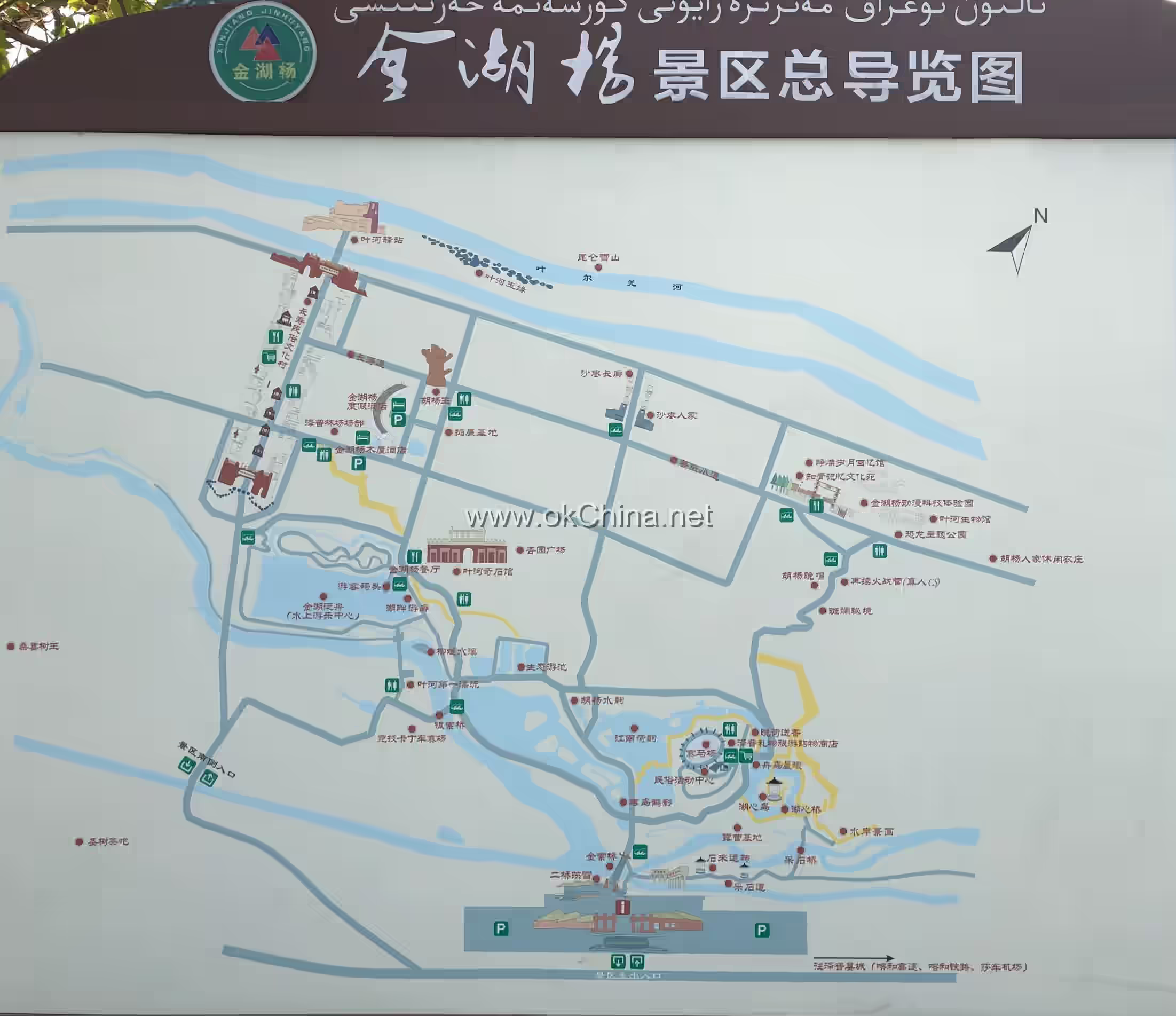
Located at the entrance of the scenic area, Two Bridges Reflecting Snow is the first attraction upon entering the Golden Lake Populus Euphratica Park. It is named for its two bridges—the Golden Cable Bridge and the Silver Cable Bridge—with the Yarkant River flowing gently beneath and the distant Kunlun snow-capped mountains towering in the background, creating a harmonious interplay between the bridges and the snowy scenery.
The Golden Cable Bridge is 2–6 meters wide and over 120 meters long, with a height difference of about 5 meters between its two ends. Walking on the bridge, visitors can not only admire the clear river below and the beautiful scenery on both banks but also feel a slight sway, adding to the fun of the experience. When winter arrives and snow falls, the scenery of Two Bridges Reflecting Snow becomes even more breathtaking. The bridges are covered with a layer of pure white snow, blending seamlessly with the surrounding snowy landscape, as if entering a silver-clad world. The distant Kunlun snow-capped mountains, set against the snowy backdrop, appear even more majestic and spectacular, inspiring awe at nature's craftsmanship.
Lake Center Boat Island
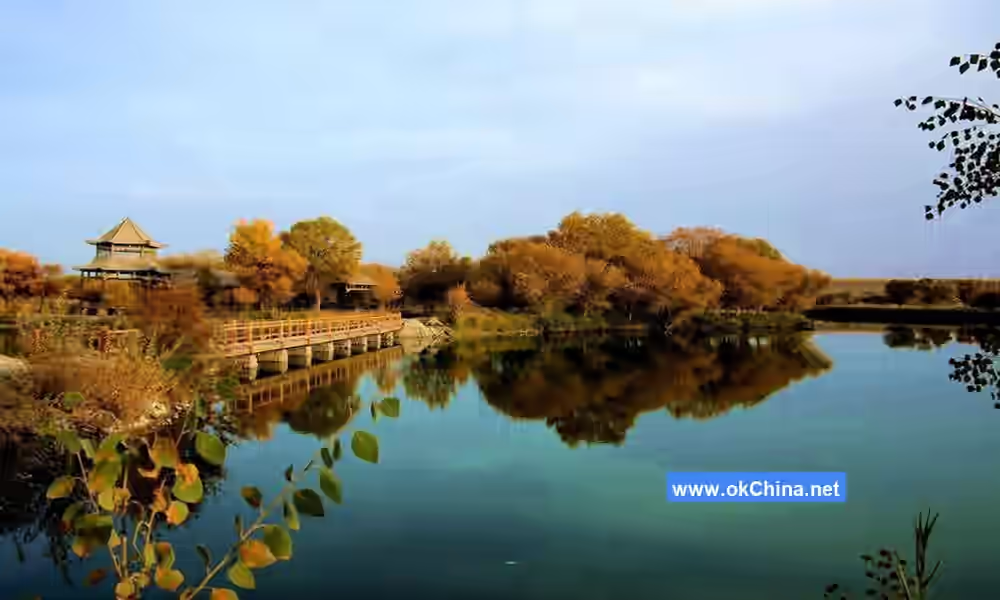
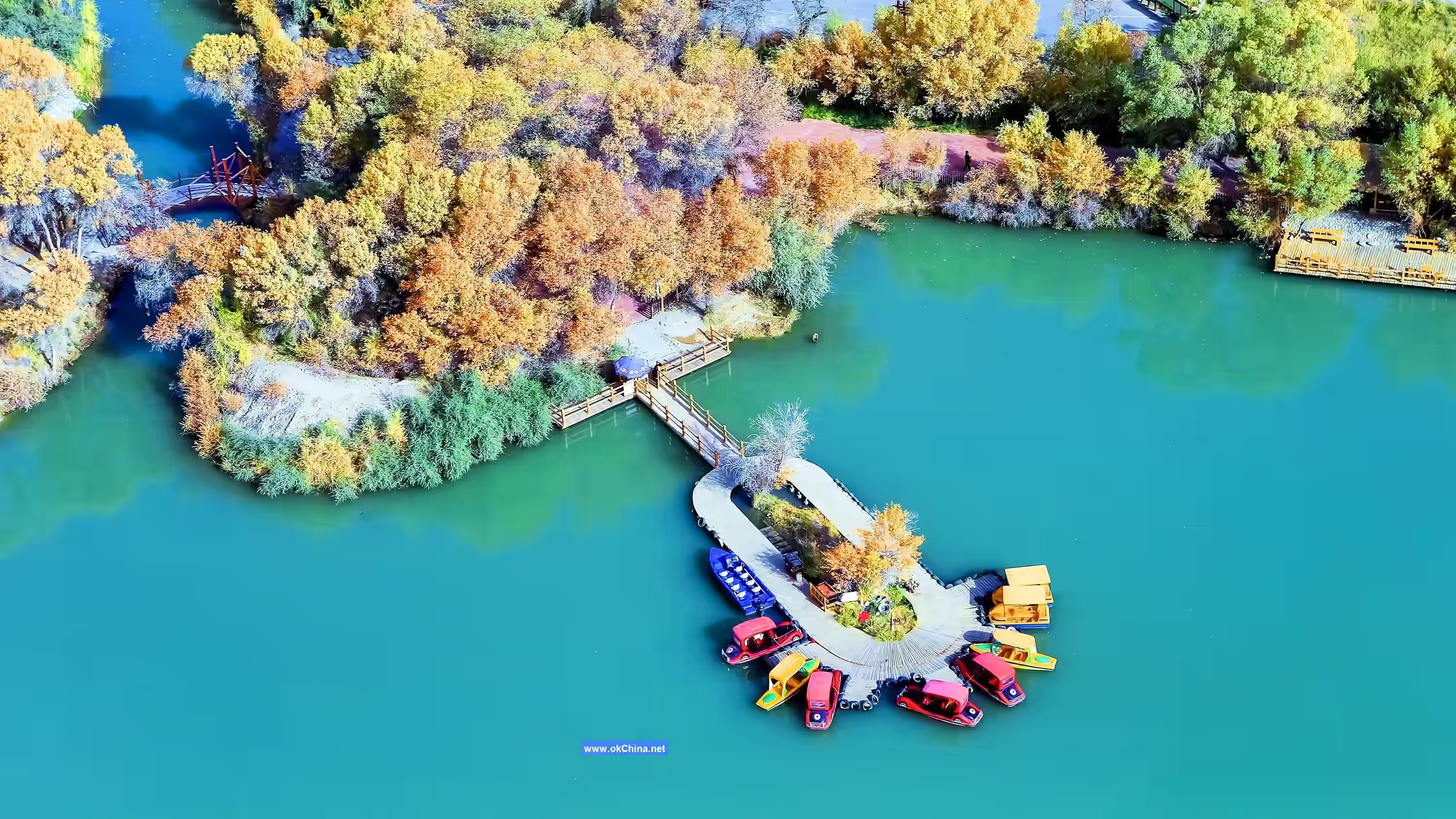
Lake Center Boat Island is a small island isolated in the lake, named for being surrounded by water and connected only by a single bridge. The island is densely vegetated and features many Populus euphratica trees of various shapes—some tall and straight, others curved and twisted—adding a unique natural landscape to the island.Visitors can reach the Lake Center Boat Island via a small bridge and stroll along the island’s paths, enjoying the surrounding lake, mountains, and the beauty of the poplar trees. The island offers fresh air and a tranquil environment, making it an ideal place to relax and unwind. On the lake, one can also observe waterbirds such as wild ducks and egrets playing in the water—sometimes foraging on the surface, sometimes soaring into the sky—adding vitality and energy to the entire scene. For those interested, boats can be rented by the lakeside to paddle across the water, offering a different perspective of Lake Center Boat Island and the surrounding scenery while experiencing a sense of peace and contentment.
Sea Buckthorn Lane
Sea Buckthorn Lane is named after its sea buckthorn corridor and is located northwest of the scenic area’s main entrance. In 1970, Shanghai-educated youth came here and planted a nearly 2-kilometer-long sea buckthorn shelterbelt, forming the unique sea buckthorn corridor landscape seen today.
The trunks of the sea buckthorn trees bend in the same direction, forming an arch that resembles lovers embracing, creating a very romantic atmosphere. Every spring in April, sea buckthorn flowers bloom, filling the entire corridor with a rich, intoxicating fragrance, often referred to as the "most enchanting buckthorn aroma." Walking beneath the sea buckthorn corridor, sunlight filters through the leaves, casting patches of light and creating a dreamlike world. Here, visitors can appreciate the hard work and dedication of the educated youth from that era and learn about that unique historical period. Additionally, there are several local farmhouse restaurants operated by residents around Sea Buckthorn Lane, where visitors can savor authentic Xinjiang cuisine, such as grilled lamb skewers, pilaf, and big plate chicken, experiencing the rich Xinjiang culture.
IV. Cultural Resources
Longevity Folk Culture Village
The Longevity Folk Culture Village is a quaint settlement within the Golden Lake Poplar Scenic Area. Known for its longevity and developed through tourism, this southern Xinjiang village is a demonstration zone in Zepu County for promoting longevity, health, leisure, and wellness as part of the "Longevity Cultural Destination."
The village is home to 86 households with a total of 386 residents, 98% of whom are Uyghur and 2% Han Chinese. It preserves many distinctive Western-style dwellings, allowing visitors to step inside and learn about the local residents’ way of life and traditional culture. Within the cultural village, visitors can also experience Uyghur handicraft-making, such as traditional handmade tapestries, pottery, and ironware, appreciating the wisdom and creativity of the Uyghur people. Additionally, every evening, the village’s rural stage hosts Meshrep song and dance performances, where visitors can enjoy the passionate and lively Uyghur dances, join in the cheerful dancing, and spend wonderful moments with the local residents. The Longevity Folk Culture Village is not only a tourist attraction but also a window for visitors to gain a deeper understanding of Xinjiang’s folk culture, allowing them to appreciate the beautiful scenery while experiencing the rich ethnic customs and profound cultural heritage.
Meshrep Song and Dance Performance
Meshrep is typically held during various Uyghur festivals, celebrations, weddings, family gatherings, and other joyful occasions. Its dance forms are rich and diverse, with dancers’ movements being graceful and rhythmic. Male dancers often perform with strength and vigor, showcasing the masculinity and exuberance of Uyghur men through bold steps, agile postures, and powerful arm movements. Female dancers captivate with their light and graceful dance styles. Their fingers move like nimble spirits, their wrists are soft and flexible, and their bodies sway like flowers in the wind—sometimes gently twisting their waists, sometimes elegantly swinging their skirts—all while wearing sweet smiles that vividly express the gentleness, grace, and playfulness of Uyghur women.
Music is also an essential component of Meshrep. Traditional Uyghur instruments such as the rawap, dutar, and hand drum produce beautiful melodies. The rawap’s sound is crisp and bright, its notes jumping like droplets of water, adding a cheerful rhythm to the dance. The dutar’s tone is mellow and melodious, its strings seeming to tell ancient stories and creating a rich ethnic atmosphere for the performance. The hand drum, meanwhile, is the soul of the music. Drummers rhythmically strike the drumhead with both hands, producing a "dong-dong-dong" beat like a heartbeat that controls the dance’s rhythm and pace, guiding the dancers’ movements and seamlessly blending the dancers with the music.
Comments
Post a Comment