Xishuangbanna Tropical Botanical Garden, Chinese Academy of Sciences
1. Introduction
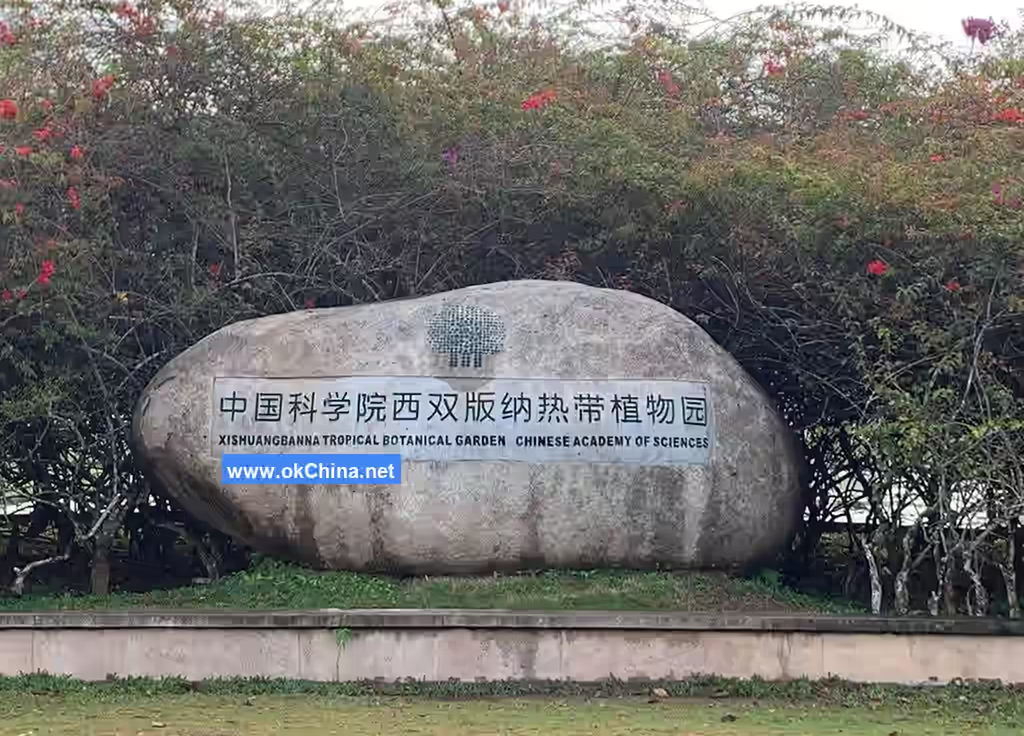
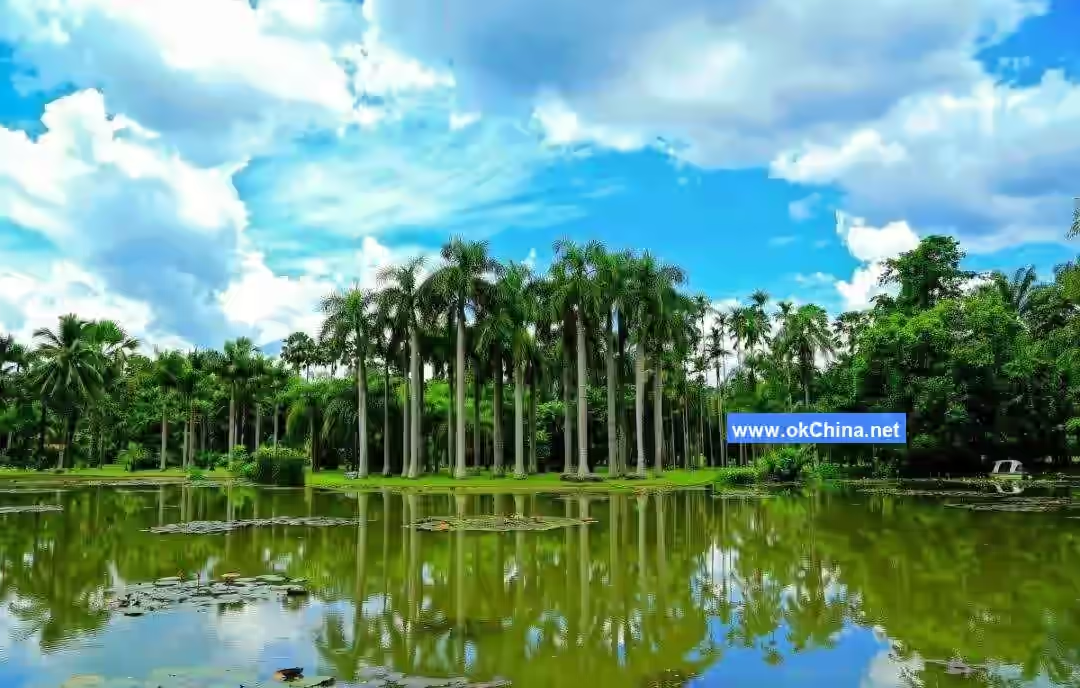
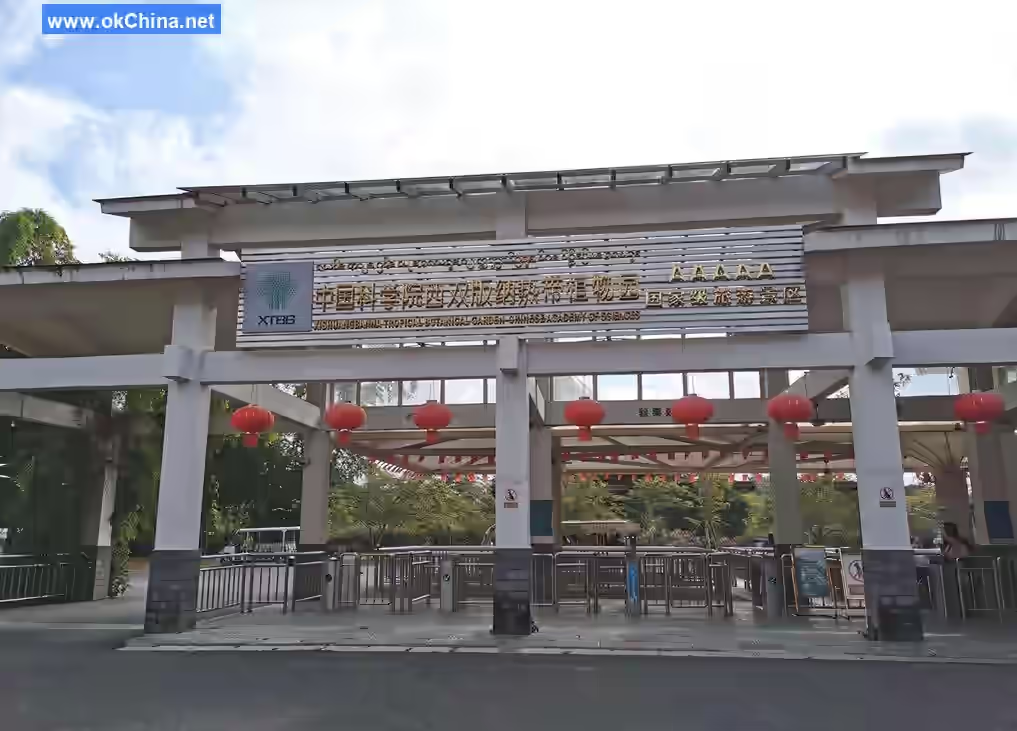
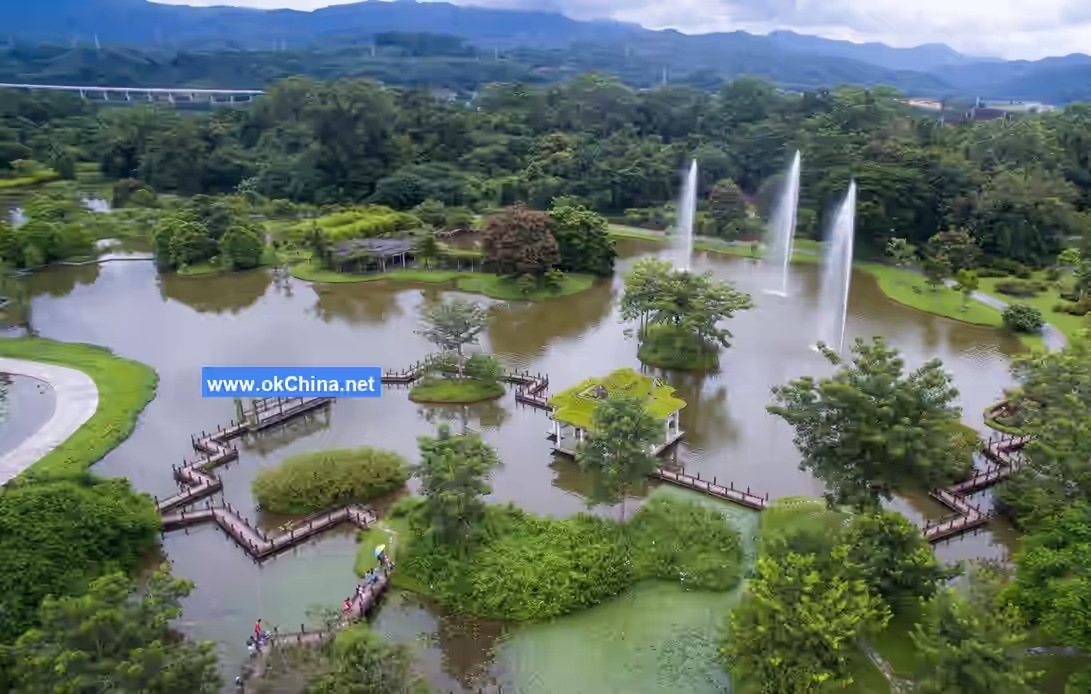
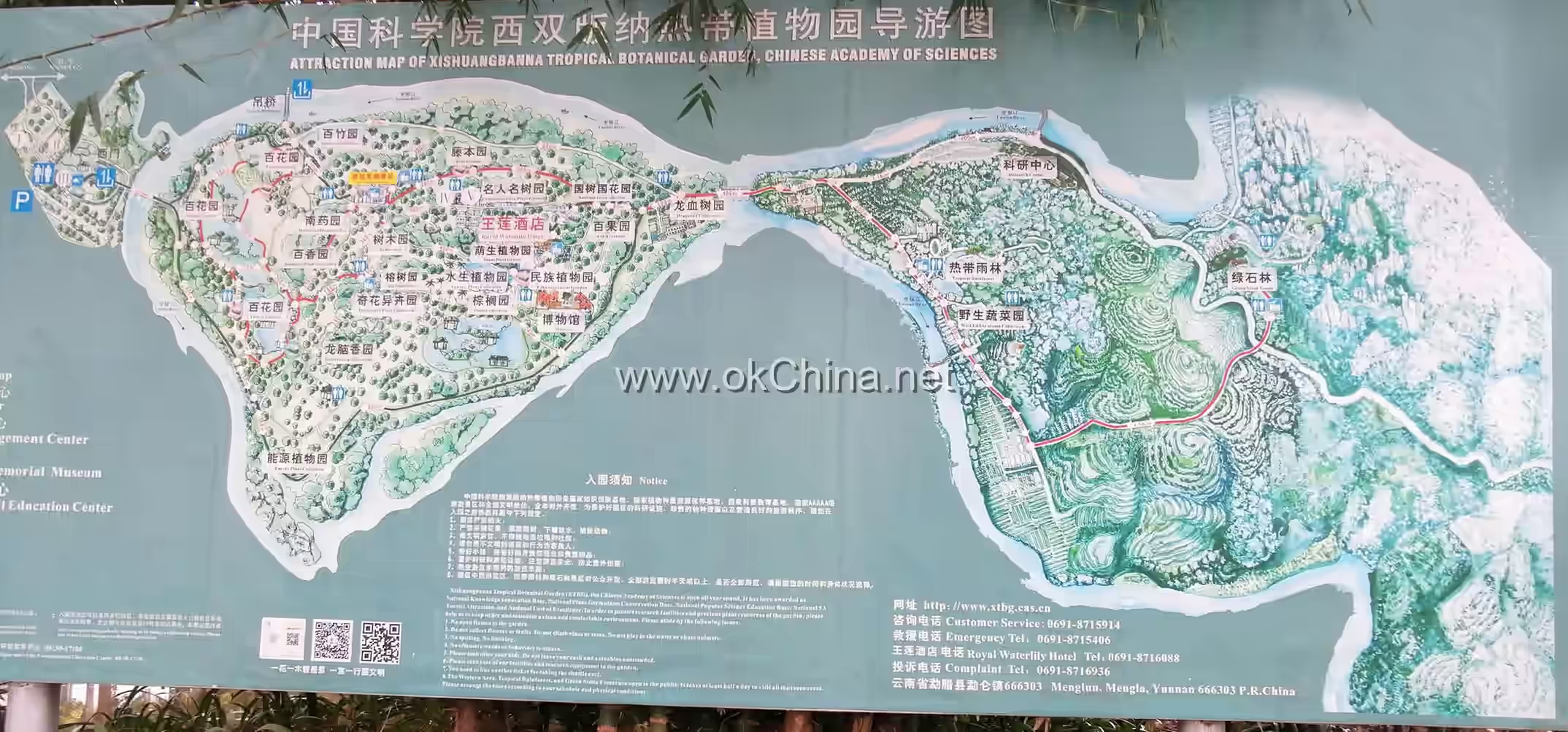
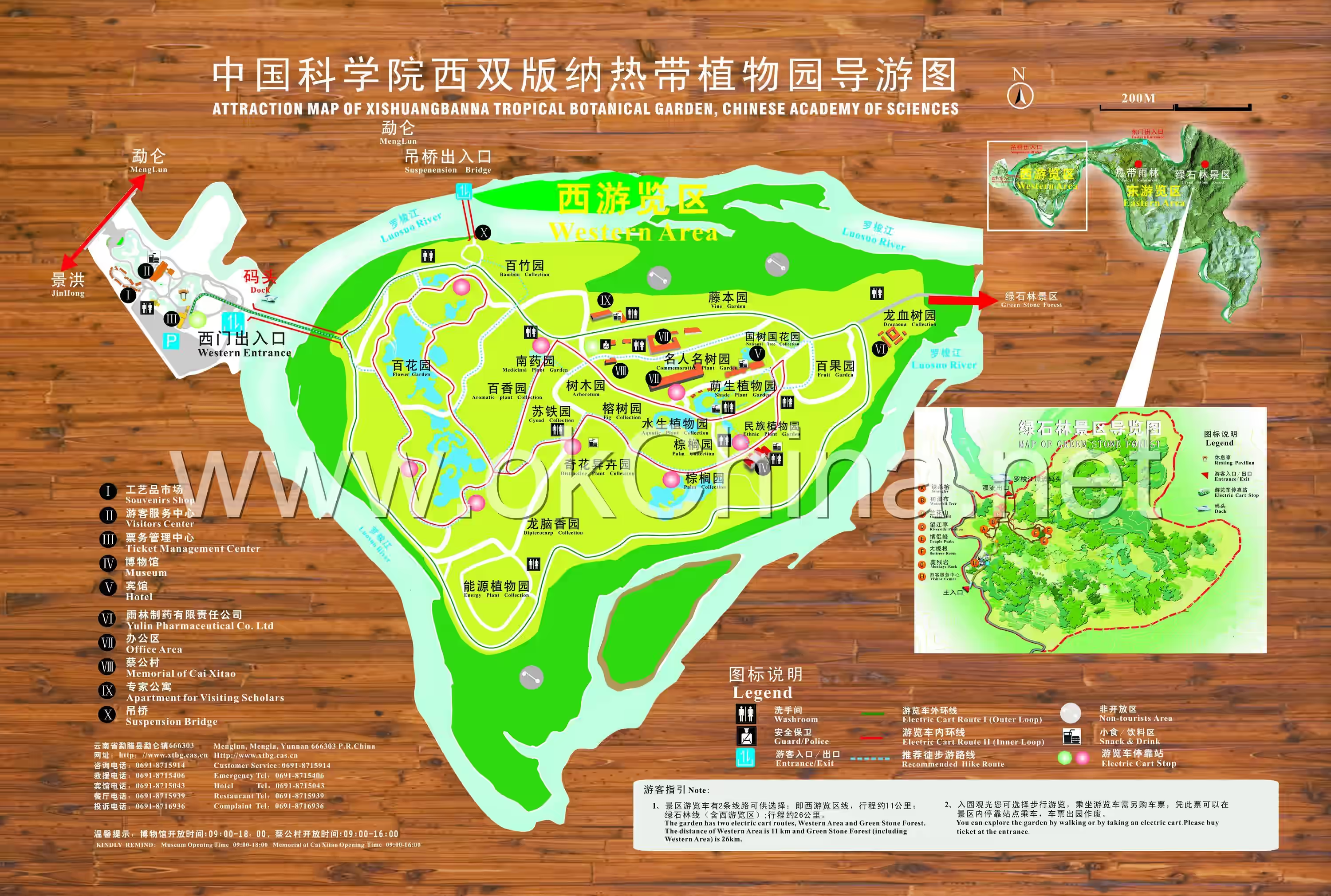
The Xishuangbanna Tropical Botanical Garden (XTBG) of the Chinese Academy of Sciences is located in Menglun Town, Mengla County, Xishuangbanna Dai Autonomous Prefecture, Yunnan Province, China. It is a public institution directly under the Chinese Academy of Sciences, serving as a comprehensive research institute and scenic area that integrates scientific research, species conservation, and science education. XTBG was founded in 1959 under the leadership of Chinese botanist Mr. Cai Xitao. Covering an area of approximately 1,125 hectares, the garden houses over 13,000 species of living plants, features 38 specialized plant collections, and preserves a pristine tropical rainforest spanning about 250 square kilometers. It is the largest botanical garden in China in terms of area, species richness, and number of specialized collections. It is also recognized as the botanical garden with the highest number of outdoor plant species and plant groups displayed to the public worldwide.
2. Geographical Location
The Xishuangbanna Tropical Botanical Garden of the Chinese Academy of Sciences is situated in Menglun Town, Mengla County, Xishuangbanna Dai Autonomous Prefecture, Yunnan Province, China.
3. Major Attractions
3.1 Ficus Garden
Established in 1996 and covering 44 mu (approximately 2.93 hectares), the Ficus Garden conserves over 100 species of Ficus resources. Specimens such as Ficus altissima, Ficus benjamina, Ficus religiosa, Ficus curtipes, and Ficus auriculata have formed distinctive tropical landscapes like "single tree forests," "strangler figs," "tree-wrapped pagodas," and "tree-wrapped stones." Its rich scientific significance has gradually shaped the garden into an ecological and cultural landscape resembling a natural rainforest.
3.2 Liana Garden
Opened to the public in 2014, the Liana Garden spans about 100 mu (approximately 6.67 hectares). It is divided into sections based on climbing methods and display effects: Ornamental Lianas, Natural Ecological Lianas, Population Lianas, and Hanging Lianas. The area features ornamental liana flowers and climbing shrubs, as well as vibrant, freely growing native wild lianas, along with some woody plants planted during the garden's initial establishment. As of October 2022, the Liana Garden houses over 700 plant species, including more than 400 liana species. Major plant families include Apocynaceae, Fabaceae, Bignoniaceae, Schisandraceae, Capparaceae, Annonaceae, Convolvulaceae, Vitaceae, Cucurbitaceae, Jasminum, Passiflora, and Aristolochia. It is one of XTBG's specialized gardens with relatively rich species diversity.
3.3 Shade Plants Garden
Built in 2002 and covering 15 mu (1 hectare), the Shade Plants Garden is a specialized collection dedicated to displaying foliage plants, flowering plants, terrestrial plants, and epiphytes. It conserves approximately 600 species (including varieties), with major groups including tropical orchids, epiphytes (notably Bromeliaceae and ferns), Zingiberaceae, Araceae, and Gesneriaceae.
3.4 Wild Vegetable Garden
Supported by a Chinese Academy of Sciences innovation project and built over three years starting in 2009 on the basis of a former wild vegetable collection, the Wild Vegetable Garden covers about 150 mu (10 hectares). It conserves nearly 400 species of wild edible plants and their cultivated relatives, organized into sections for wild fruits, wild flowers, wild stems and leaves, and wild roots, with cultivated relatives interspersed throughout. It is the world's largest specialized garden in terms of area and diversity of conserved wild edible plants.
3.5 Aquatic Plants Garden
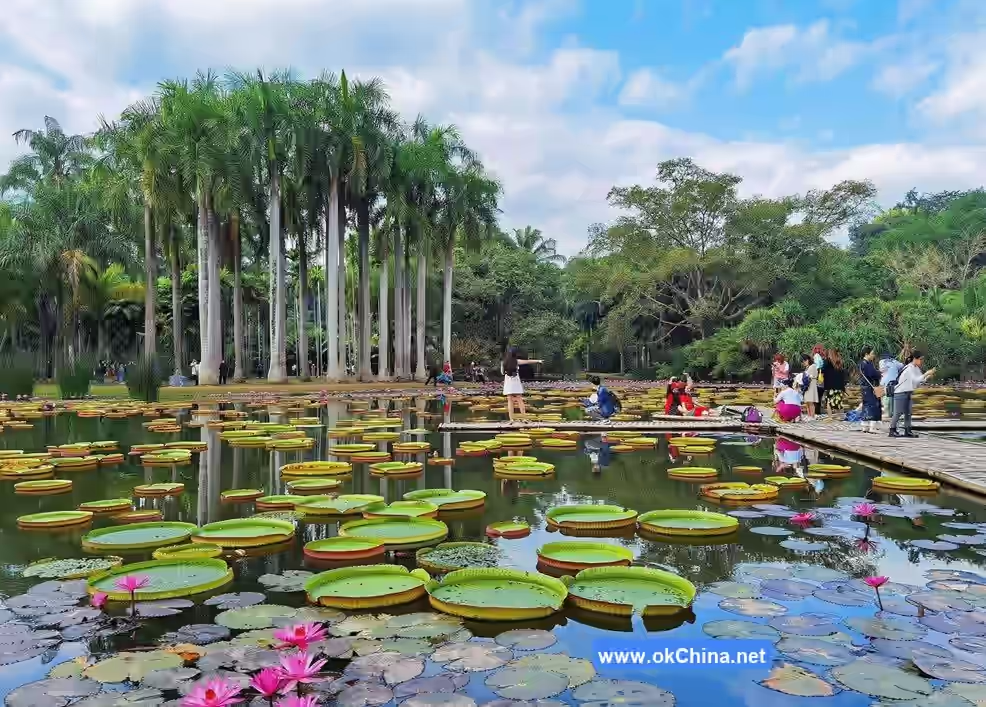
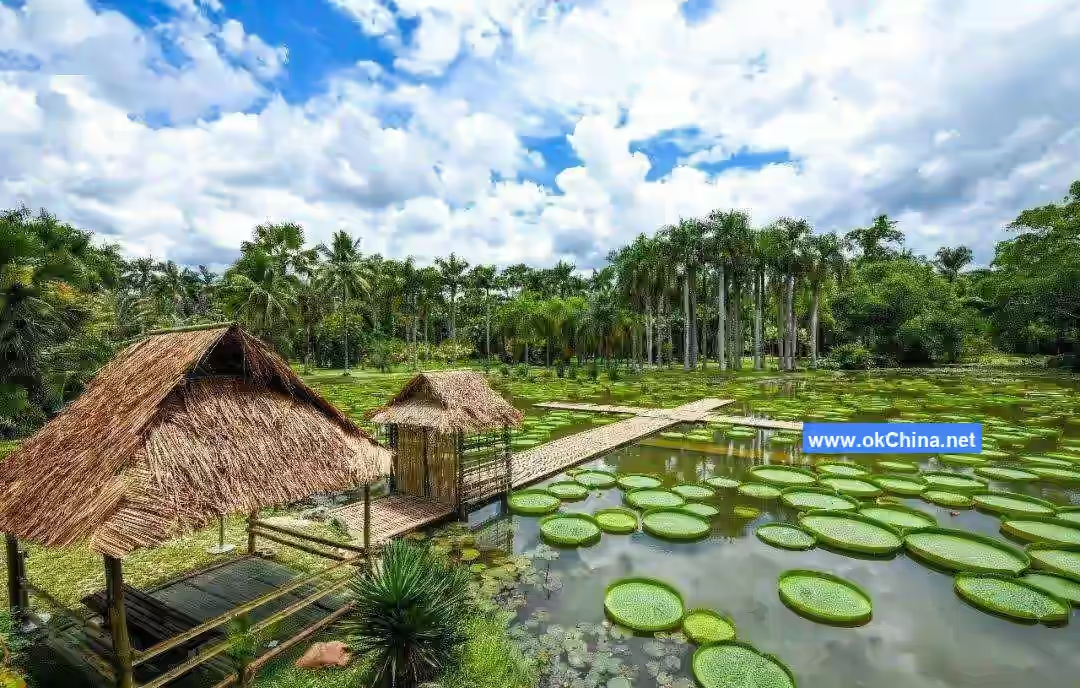
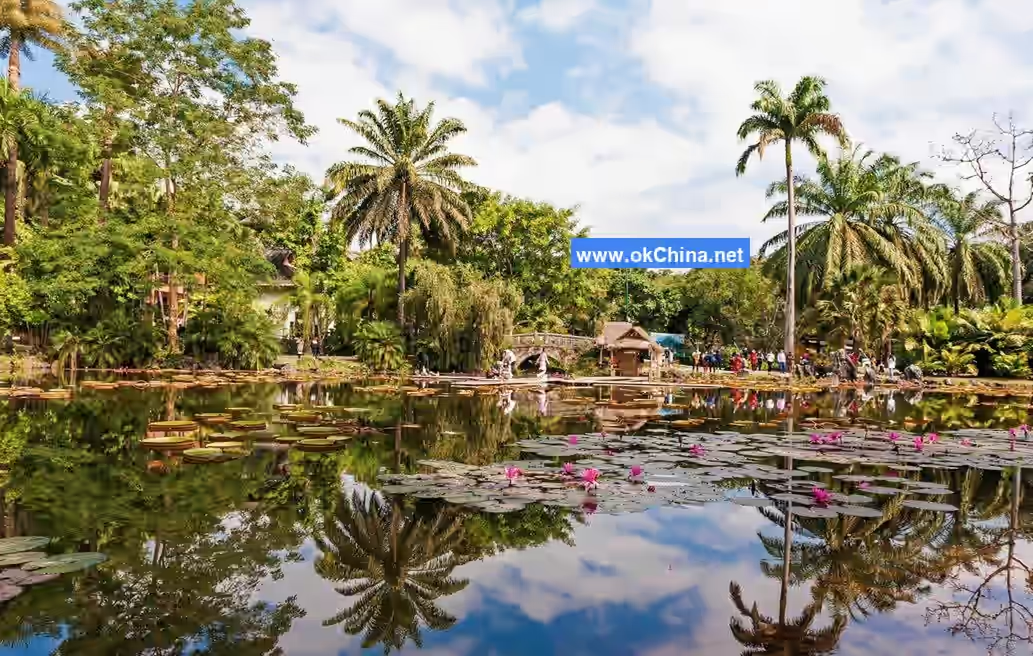
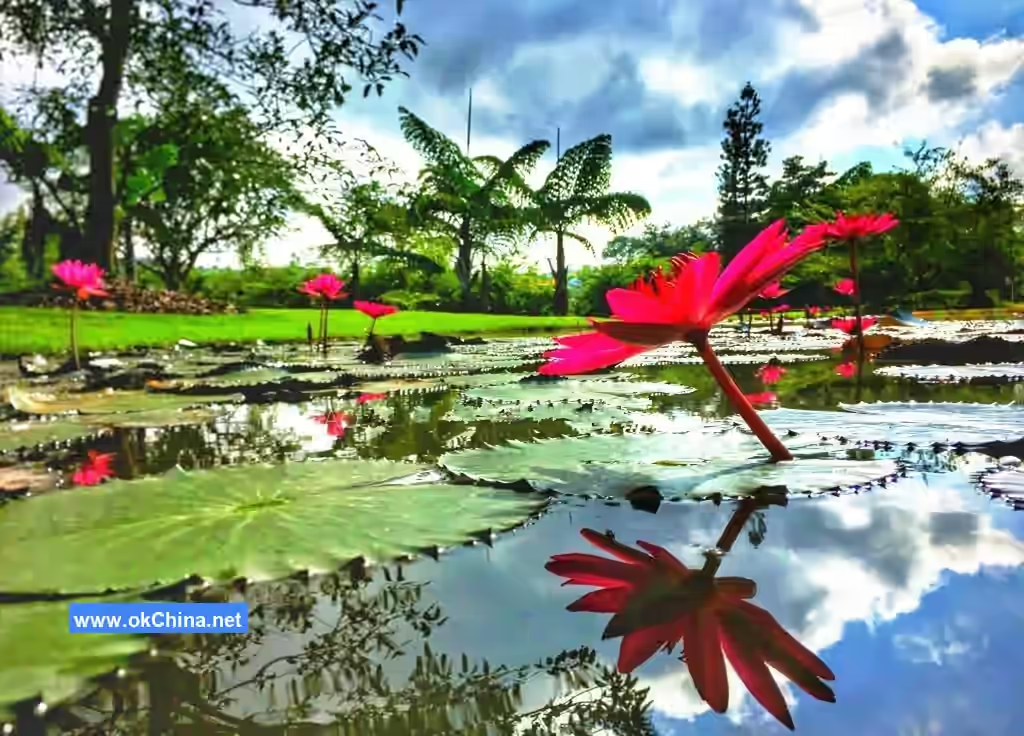
With a water surface area of 15 mu (1 hectare), the Aquatic Plants Garden collects and displays a wide variety of aquatic plants from tropical regions, conserving about 100 species (and varieties). Plants are arranged according to water depth, micro-environment, and ecological habits, including floating-leaved plants, free-floating plants, submerged plants, emergent plants, and riparian plants.
3.6 Palm Garden
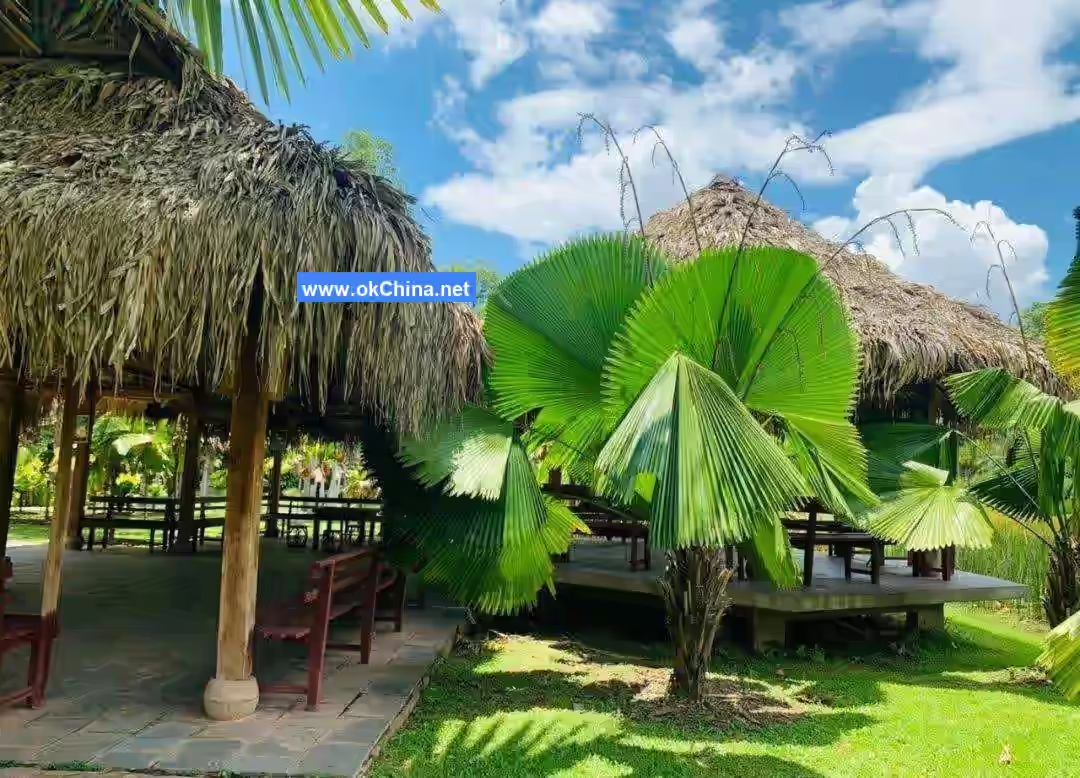
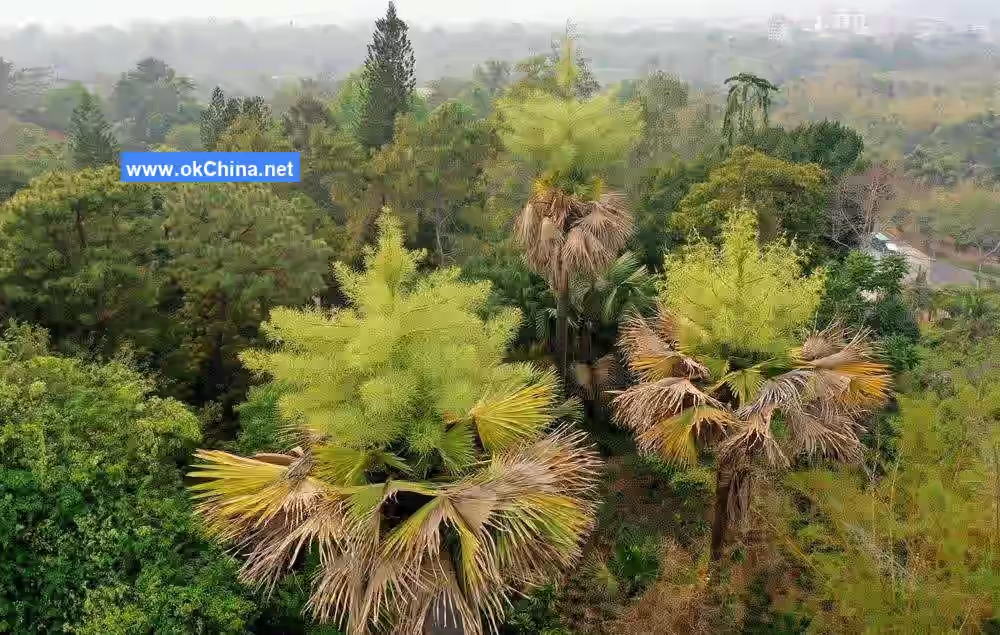
The Palm Garden is known for its rich collection of Arecaceae (palm) species, beautiful scenery, and tropical ambiance. Established in 1976 and continuously renovated and expanded, it now covers about 140 mu (approximately 9.33 hectares) and houses around 400 palm species from around the world. It conserves nationally protected species such as Chuniophoenix hainanensis, Chuniophoenix nana, Caryota urens, and Trachycarpus nanus, as well as the Chinese endemic Wallichia disticha. It also features the palm fruit snake fruit (Salacca) native from the Malay Peninsula to Java, and the peach palm (Bactris gasipaes), one of the four major economic palms. Economically promising species like Calamus caesius and Calamus exilis have been introduced from the Philippines. Additionally, a dedicated Rattan Collection Area within the Palm Garden, covering 30 mu (2 hectares), conserves 35 species of climbing palms from genera such as Calamus, Daemonorops, and Plectocomia, including high-quality rattans like Calamus yunnanensis, Calamus multispicatus, Calamus gracilis, and Calamus henryanus.
3.7 Arboretum
Established in 1959, the Arboretum covers 76.32 mu (approximately 5.09 hectares) and has introduced and conserved thousands of plant species. Notable specimens include the flame tree (Spathodea campanulata) from tropical Africa, ylang-ylang (Cananga odorata) for perfume extraction, the sausage tree (Kigelia africana) with sausage-like fruits, the showy Oriental bittersweet (Celastrus orbiculatus), the large-fruited African sausage tree (Kigelia africana), the majestic and beautiful rain tree (Samanea saman), world-famous macadamia nut (Macadamia integrifolia) and cashew (Anacardium occidentale), as well as protected species like Terminalia myriocarpa, Parashorea chinensis, and Tetrameles nudiflora.
3.8 Southern Medicinal Plants Garden
Completed in 2002 and expanded in 2012 from 30 to 50 mu (approximately 3.33 hectares), the Southern Medicinal Plants Garden now conserves nearly 500 species of medicinal plants. It aims to establish a collection focused on Southern Chinese, Dai, and Hani ethnic medicinal plant resources, providing materials for scientific research and educational purposes. Divided by garden paths, it includes sections for Southern Medicinal Plants, Ethnic Medicinal Plants, Traditional Chinese Medicinal Plants, and Medicinal Raw Materials, with an emphasis on Southern Medicinal Plants. This section displays over 30 famous species such as dragon's blood tree (Dracaena), betel nut palm (Areca catechu), Alpinia oxyphylla, Amomum villosum, cinnamon (Cinnamomum cassia), Ceylon cinnamon (Cinnamomum verum), sterculia seed (Scaphium affine), sandalwood (Santalum album), chaulmoogra (Hydrocarpus anthelminticus), nux vomica (Strychnos nux-vomica), rauwolfia (Rauvolfia), sappan wood (Caesalpinia sappan), catechu (Acacia catechu), croton (Croton tiglium), and coca (Erythroxylum coca). The Traditional Chinese Medicinal Plants section conserves plants like khat (Catha edulis) used for stimulant extraction, Sambucus williamsii used for bone-setting, and other important medicinal plants such as datura (Datura), aloe (Aloe vera), Cyathula officinalis, Buddha's hand (Citrus medica var. sarcodactylis), plantain (Plantago), Curculigo orchioides, and Flemingia philippinensis. The Ethnic Medicinal Plants section showcases medicinal plants used by the Dai, Hani, and Jinuo peoples of Xishuangbanna, such as Leea macrophylla, Tadehagi triquetrum, Pothos chinensis, and Hedychium flavum. The garden also conserves medicinal plants like glory lily (Gloriosa superba) with high colchicine content, Yunnan rauwolfia (Rauvolfia yunnanensis) for hypertension drugs, maytenus (Maytenus) for tumor prevention, and Strychnos species.
3.9 Rare & Special Plants Garden
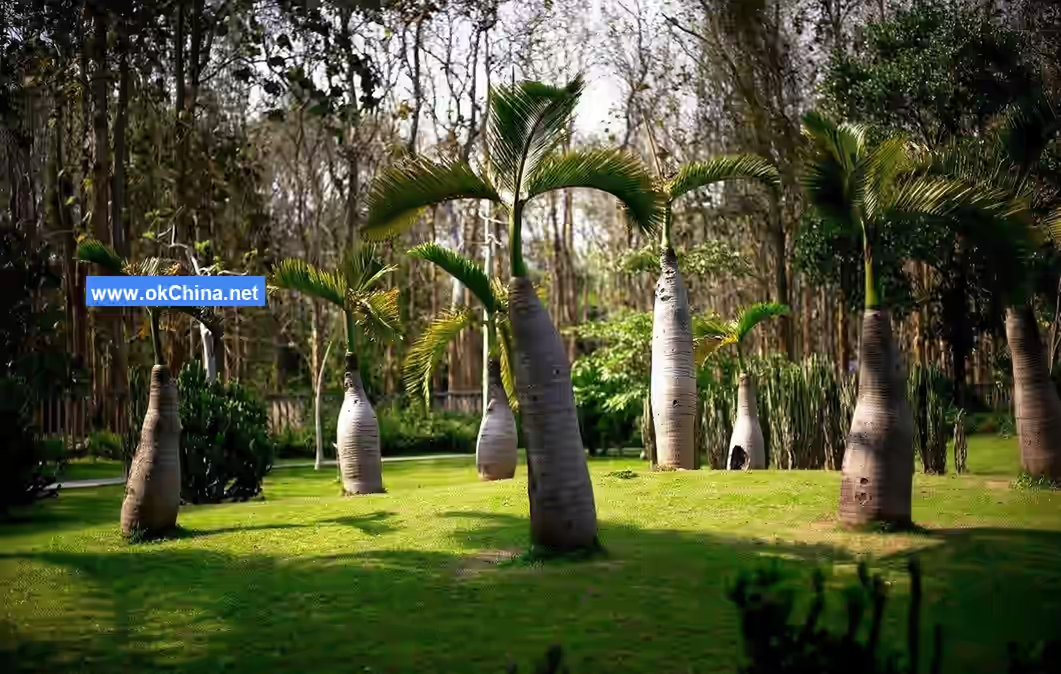
Established in 1999 and covering 12 mu (0.8 hectares), the Rare & Special Plants Garden primarily collects various tropical rare flowers and peculiar trees, displaying them to the public through horticultural design. It is divided into sections for Ornamental Fruit Plants, Herbaceous Flowering Plants, Foliage Plants, Sensitive Plants, and Ornamental Stem Plants, housing 254 species (and varieties) of rare and special plants. These include cauliflorous plants like Saraca dives, ornamental fruit plants like miracle fruit (Synsepalum dulcificum), Burmese grape (Baccaurea ramiflora), cacao (Theobroma cacao), balloon plant (Gomphocarpus physocarpus), and apple of Sodom (Solanum mammosum); plants with swollen stems like bottle palm (Hyophorbe lagenicaulis), ponytail palm (Beaucarnea recurvata), elephant's foot (Beaucarnea recurvata), and Buddha's belly plant (Jatropha podagrica); plants with enlarged tubers like Stephania; the world's largest flower, giant Dutchman's pipe (Aristolochia gigantea); plants with whisker-like floral parts like tiger's whiskers (Tacca chantrieri) and cat's whiskers (Orthosiphon aristatus); plants with uniquely shaped and colorful flowers like red passionflower (Passiflora coccinea), golden cup (Solandra maxima), and double-paper扇 (Mussaenda); herbaceous flowering plants like shrimp plant (Justicia brandegeeana) and portulaca (Portulaca grandiflora); foliage plants like copperleaf (Acalypha wilkesiana) and variegated agave (Agave americana var. marginata); sensitive plants like telegraph plant (Codariocalyx motorius), sensitive plant (Mimosa pudica), and four o'clock flower (Mirabilis jalapa); the world's lightest wood, balsa (Ochroma pyramidale); and nationally protected plants like Dendrocnide species. Due to its unique and visually striking collection, the Rare & Special Plants Garden is a must-visit specialized garden, playing a significant role in popularizing botanical and ecological knowledge.
3.10 Hundred Flowers Garden
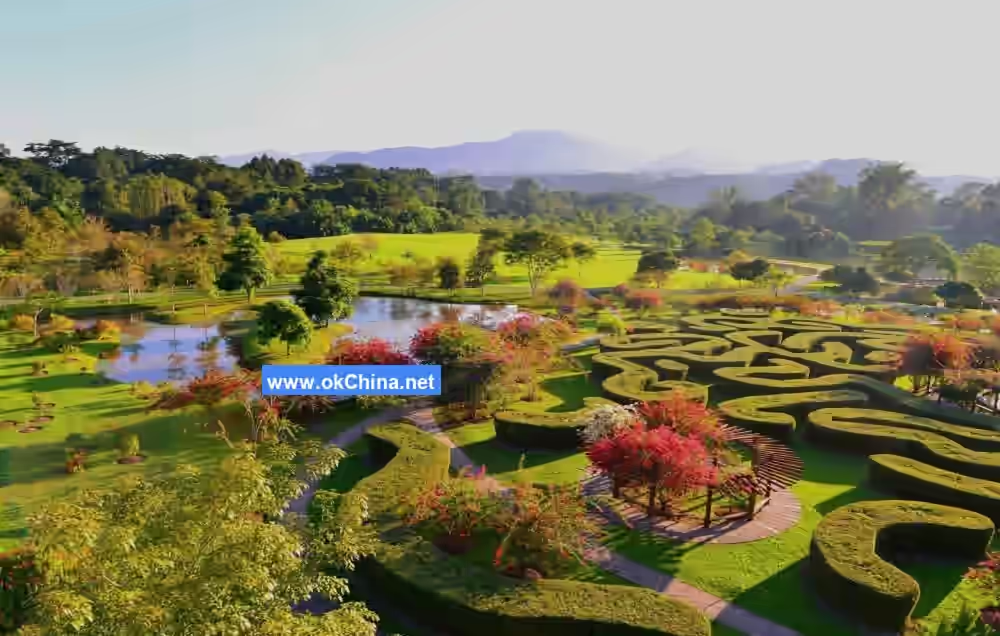
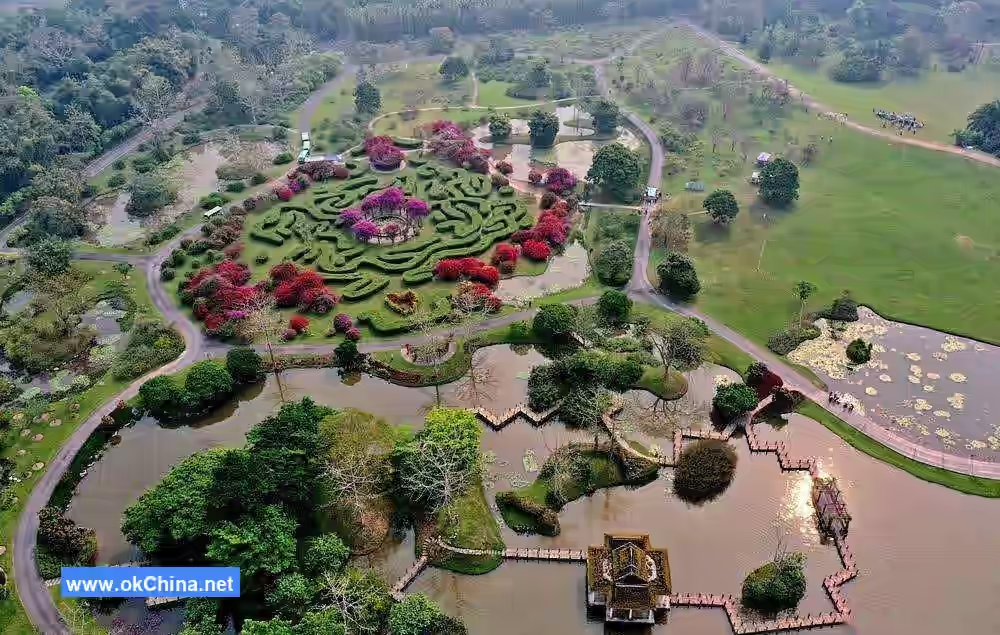
As the premier scenic spot of XTBG, the Hundred Flowers Garden covers 353 mu (approximately 23.53 hectares) and collects, conserves, and displays 645 species (and varieties) of tropical flowering plants. The garden's layout employs various display methods such as solitary planting, large-scale pure stands, concentrated collections of multiple varieties within a species, specialized family/genus conservation, and displays of climbing and aquatic flowering plants. Skillfully integrated with the terrain and water bodies, it creates different viewing spaces and scenic effects like "Apsaras Scattering Flowers," "Forests Dyed in Layers," "A Riot of Color," and "Flowers Blooming and Falling." Leveraging the abundance of flowers, the garden explores their connections to daily life, beliefs, and emotions, and displays literary works like legends, stories, and poems created by scholars throughout history featuring flowers, through couplets, paintings, and plaques, fully showcasing the scientific and cultural significance of flowering plants.
3.11 Wild Orchid Garden
Covering 9.08 mu (approximately 0.61 hectares) and established in 2000, the Wild Orchid Garden at XTBG is dedicated to the conservation and research of orchid resources. It focuses on the introduction, domestication, conservation, cultivation, and biological studies of orchids. It conserves nearly 200 species of wild orchids from genera such as Dendrobium, Vanda, Phaius, Thunia, Coelogyne, Aerides, Arachnis, Papilionanthe, Bulbophyllum, Rhynchostylis, Calanthe, Arundina, Miltonia, Hygrochilus, and Ornithochilus. This area has become an important base for orchid research in China.### 3.12 National Trees and Flowers Garden The National Trees and Flowers Garden was established in 1999 and is planned and zoned according to the six continents of the world, namely Asia, South America, North America, Oceania, Africa, and Europe. Covering a total area of 20 mu, it collects and displays 58 species of national trees and flowers from 80 countries suitable for growth in the Xishuangbanna region. Examples include the national flower of Myanmar—Ixora, the national flower of Laos—Frangipani, the national flower of Libya—Pomegranate flower, the national flower of Madagascar—Flamboyant tree, and the national flower of Belgium—Azalea, among others.
3.13 Hundred Fruits Garden
Located in the southeastern corner of the West Garden, the Hundred Fruits Garden covers an area of approximately 90 mu. Its primary goal is to collect and preserve tropical and subtropical fruit tree varieties from southern China, South Asia, and Southeast Asia, as well as their wild relatives. It has collected and preserved about 350 species (including varieties) of fruit tree resources. Major groups include pomelo, banana, jackfruit, mangosteen, longkong, rambutan, avocado, and muntingia, among others. The garden features specialized areas such as the Rutaceae Zone focusing on pomelo varieties and citron plants, the Mango Grove dominated by mango varieties, the Banana Cultivar Garden, and the Beverage Plant Zone represented by plants like cocoa and kola nut. The Banana Cultivar Garden, established in 2002, covers 19 mu and cultivates 9 species and 66 varieties of Musa plants. Among them, local varieties with special traits, such as Hekou small banana and Xiangming small banana, are difficult to find in their original habitats and serve as important breeding materials.
3.14 Celebrity and Famous Trees Garden
Covering an area of about 54 mu, the Celebrity and Famous Trees Garden collects and displays 340 species (including varieties) of tropical plants. This garden is distinguished by trees planted by leaders of the Chinese Communist Party and the Chinese state, renowned public figures, and international scholars. It preserves trees such as the Ormosia hosiei planted by President Jiang Zemin, the Mesua ferrea planted by Premier Li Peng, the Ficus microcarpa planted by Li Ruihuan, the Parashorea chinensis planted by Prince Philip of Edinburgh, UK, two Dracaena cambodiana trees planted respectively by Professor Cai Xitao, the founder of the botanical garden, and Professor Lu Yongxiang, President of the Chinese Academy of Sciences, as well as various precious tree species planted by many other celebrities.
3.15 Hundred Bamboos Garden
The Hundred Bamboos Garden in the West Garden was established in 1965, covering an area of 104 mu and introducing and cultivating over 250 species of bamboo. It collects bamboo species from southern Yunnan, Guangdong, Guangxi, Hainan, and tropical Southeast Asian countries, including many precious varieties. Examples include the giant bamboo with stems up to 25 cm thick (Dendrocalamus sinicus), the Buddha belly bamboo with internodes resembling a Buddha's belly (Bambusa ventricosa), the golden bamboo with alternating yellow and green stripes (Bambusa vulgaris 'Vittata'), the thorny bamboo with branches covered in hooks (Bambusa blumeana), the glutinous fragrant bamboo used by the local Dai people for bamboo tube rice, the rare climbing rattan bamboo, and the graceful fernleaf hedge bamboo with strong Dai ethnic characteristics. This garden is one of the specialized gardens in China with the largest collection of bamboo species and is the world's largest collection garden for clumping bamboos.
3.16 Wild Ginger Garden
The Wild Ginger Garden covers an area of approximately 100 mu and currently preserves over 170 species from 16 genera of wild Zingiberaceae plants. It includes rare and endangered plants such as Etlingera yunnanensis, Paramomum petaloideum, Siliquamomum tonkinense, and Zingiber menghaiense, as well as important medicinal herbs like Amomum villosum, Alpinia oxyphylla, Amomum tsaoko, Zingiber officinale, Alpinia katsumadai, Alpinia officinarum, Curcuma aromatica, Curcuma zedoaria, Curcuma longa, and Costus speciosus. Additionally, it preserves Zingiberaceae plants used for spices, pigments, starch, vegetables, and as beautiful ornamental plants. The West Garden Wild Ginger Garden has become an important global base for research in Zingiberaceae taxonomy, systematics and evolution, pollination biology, ecology, phytochemistry, and development and utilization.
3.17 Dipterocarp Garden
Since its establishment in 1959, Xishuangbanna Tropical Botanical Garden has been introducing and cultivating Dipterocarpaceae plants from China and abroad. The Dipterocarp Garden was formally established in 1981, covering an area of 101 mu. It has successfully introduced 34 species from 7 genera of Dipterocarpaceae plants from Thailand, Laos, Indonesia, Vietnam, Sri Lanka, Singapore, as well as from Guangxi, Hainan, Dehong (Yunnan), Xishuangbanna, and other regions within China. The collection includes the tropical rainforest "giant," Parashorea chinensis (Shorea chinensis). Since 1959, due to severe forest destruction and habitat degradation, some species of Dipterocarpaceae have become endangered, and almost all native Chinese Dipterocarpaceae plants are listed as nationally protected rare and endangered plants.
3.18 Tropical Plant Germplasm Resource Collection Area
The Tropical Plant Germplasm Resource Collection Area of Xishuangbanna Tropical Botanical Garden was established in 2001, located within the garden's tropical rainforest area. Covering over 100 mu, it is one of the cultivation bases for the "Ten-Thousand Species Garden Project," a major cooperative project between the Chinese Academy of Sciences and Yunnan Province. It is also a specialized area in China for the artificial collection, preservation, and cultivation of plant germplasm resources from tropical regions such as Guangdong, Fujian, Tibet, Hainan, Guangxi, Yunnan in China, and neighboring countries in South and Southeast Asia. This area has collected, cultivated, and preserved approximately 1,400 accessions of tropical plants, belonging to about 130 families and over 1,000 species (including native plants of the area), of which more than 20 are nationally rare and endangered plants. It has become the most extensive and important base in Chinese botanical gardens for the artificial collection, cultivation, and preservation of tropical plant species, providing a solid scientific research platform for activities like science popularization and scientific research.
3.19 Tropical Agroforestry Model Demonstration Area
The Tropical Agroforestry Model is based on the principle of multi-species coexistence in tropical rainforests. It involves artificially arranging and planting multiple layers and species of plants, comprehensively applying agricultural and forestry techniques to establish a land-use model characterized by rich species diversity, high productivity, comprehensive benefits, and sustainable development. The Tropical Agroforestry Model Demonstration Area, expanded on the basis of the artificial community experimental plot established in 1960, covers 103 mu. It utilizes various economic plants such as rubber, tea, coffee, and cocoa to establish over 10 agroforestry models. Among them, the artificial rubber-tea community model is the most famous, having been widely promoted in rubber planting areas like Hainan and Yunnan, and receiving the First Prize for Scientific and Technological Progress from the Chinese Academy of Sciences in 1986.
3.20 Green Stone Forest Conservation Area
The Green Stone Forest scenic area covers 225 hectares and is located in the eastern part of Huludao. It boasts a beautiful natural environment with forest coverage exceeding 90%. It features typical limestone mountain forest vegetation, hosting over 1,000 species of higher plants and providing habitat for hundreds of wildlife species. The area is replete with landscapes where diverse and fantastical rock formations blend with lush rainforest, creating the rare spectacle of "forest above, stone forest below," hence the name "Green Stone Forest." The Green Stone Forest scenic area is the original habitat for many rare and endangered animals, such as the Great Hornbill, Phayre's Langur, Stump-tailed Macaque, and Gibbon. It also possesses rich tropical orchid resources, serving as a demonstration base for the reintroduction and comprehensive conservation of these rare and endangered plants and animals.
3.21 Economic Timber Tree Demonstration Area
The Economic Timber Tree Demonstration Area of Xishuangbanna Tropical Botanical Garden covers approximately 900 mu and serves as a demonstration site for the selection of afforestation tree species and the introduction and domestication of tropical plants. This area cultivates over 20 species of precious tropical timber trees, including the nationally first-class protected plant Parashorea chinensis, the nationally second-class protected plants Gmelina arborea and Anogeissus acuminata, as well as valuable timber species like teak, rosewood, and Calophyllum polyanthum. The plants in this area are lush and vigorous, with straight trunks reaching heights of 20-30 meters. After years of research, the garden's scientific and technical personnel have successfully mastered the propagation and cultivation techniques for these precious tree species. Several species have been promoted, making significant contributions to economic development and environmental protection in tropical mountainous areas of China.
3.22 Ex-situ Conservation Area for Rare and Endangered Plants
The Ex-situ Conservation Area for Rare and Endangered Plants in the West Garden covers 90 hectares. It was designated for protection and development in 1974, aiming at the conservation and research of rare and endangered plants and tropical rainforest biodiversity. Through decades of collection, protection, and development, the area now hosts over 3,000 species of higher plants, including about 1,500 introduced species. It preserves more than 100 species of nationally rare, endangered, and key protected plants. The area is also equipped with facilities for ecological research, such as a forest ecosystem observation tower and a surface runoff observation station. Additionally, several distinctive specialized plant gardens have been established, which both preserve species and enrich the content of science education. The forest community in this area is characterized by indicator tree species such as Tetrameles nudiflora and Pometia pinnata.
3.23 Southern Yunnan Tropical Wild Flower Garden
The Southern Yunnan Tropical Wild Flower Garden of Xishuangbanna Tropical Botanical Garden was established in 2004 with support from the major joint project "Ten-Thousand Species Garden Project" between the Chinese Academy of Sciences and Yunnan Province. It is the first specialized garden for tropical wild flowers in China. The garden covers 31 mu. It primarily collects germplasm resources of wild flowers from the Southern Yunnan region (broadly referring to the tropical and subtropical areas of Yunnan), preserving about 250 species of wild ornamental flowers from 65 families. The garden landscape fully applies the principles of community ecology, scientifically and reasonably arranging trees, shrubs, herbs, and vines. With a 10-mu water body as a backdrop, the flowers reflect in the water, creating a unique and picturesque scene. The garden has become a specialized area integrating plant germplasm resource conservation, scientific research, science popularization, and ecotourism.### 3.24 Fragrant Garden The Fragrant Garden covers an area of 86 mu (approximately 5.73 hectares) and has introduced and preserved over 104 important spice plant species from both China and abroad. It houses world-renowned precious spice plants such as ylang-ylang, clove, sandalwood, Chinese eaglewood, vanilla, nutmeg, Peruvian balsam, Tolu balsam, Dalbergia odorifera, Ceylon cinnamon, cinnamon, and white champaca. It also preserves important native spice plants, including the fine-haired camphor tree with high contents of farnesol, geraniol, linalool, or methyl eugenol; the Jilong grass with high citral content; the narrow-leaf cinnamon with high safrole content; and the Menghai camphor tree with high camphor content. Many of these are endemic to Yunnan and rare spice plants globally, holding significant potential for development and utilization. Additionally, the garden collects many traditional ethnic edible spices, such as lemongrass and sawtooth coriander, commonly used by the local Dai people as barbecue seasoning; Yunnan Gmelina flowers used in making glutinous rice cakes during Dai New Year; and traditional Buddhist plants like ironwood. It is the largest living gene bank of spice plants in China.
3.25 Gymnosperm Area
The Gymnosperm Area covers an area of 10.2 mu (approximately 0.68 hectares) and collects and preserves 121 species of gymnosperms from families such as Araucariaceae, Pinaceae, Taxodiaceae, Cupressaceae, Podocarpaceae, Cephalotaxaceae, and Taxaceae. Among them are nationally protected plants like Fujian cypress, Chinese incense cedar, chicken feather pine, cryptomeria, fleshy-stalked podocarp, and Yunnan plum yew.
3.26 Dragon's Blood Tree Garden
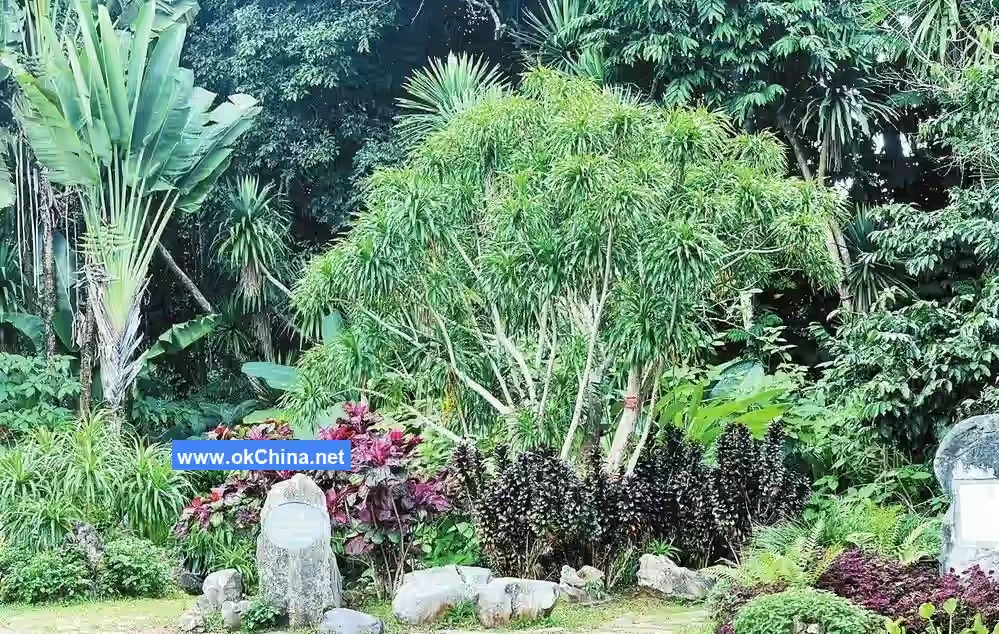
The Dragon's Blood Tree Garden was established in 2002 and covers an area of 16 mu (approximately 1.07 hectares). Built on a hill, it is divided into two sections: cultivated dragon's blood trees and wild dragon's blood trees. The wild section is further divided into Chinese dragon's blood trees and foreign dragon's blood trees. The garden cultivates a total of 78 species and varieties, including 31 species and varieties of the genus Dracaena, essentially preserving all species distributed in China. To create a multi-layered and diverse landscape with enhanced colors, the garden also collects and cultivates 30 species and varieties of plants from the same family but different genera, such as colorful-leaved Cordyline, Agave, and Yucca. The Dragon's Blood Tree Garden is the only specialized garden in Chinese botanical gardens dedicated to preserving the raw material plants for the southern medicinal "Dragon's Blood Resin." Its establishment laid an important foundation for China's application to the National Development and Reform Commission for the major project "High-Tech Industrialization Demonstration Project for the Propagation of Excellent Germplasm of Rare Medicinal Material Dragon's Blood Resin Raw Material Plants" under the GAP program. It also provides excellent germplasm resources for China's research and development of this important "blood-activating holy medicine."
3.27 Fern Garden
The Wild Fern Garden of Xishuangbanna Tropical Botanical Garden covers an area of approximately 10 mu (about 0.67 hectares). It was established in 2001 and has collected and preserved over 300 species of ferns from tropical and tropical-subtropical transitional zones, including lithophytic, terrestrial, and epiphytic ferns. Among them are more than 10 nationally protected and rare fern species. This garden is not only an important site for the collection and preservation of wild ferns in China but also a specialized garden integrating scientific research, education, and science tourism.
3.28 Banyan Garden
The Banyan Garden was established in 1996 and covers an area of 20 mu (approximately 1.33 hectares). It collects and preserves about 150 species of the genus Ficus. The giant banyan (Ficus altissima) collected in the garden is a keystone species of the tropical rainforest. Its towering crown and sturdy branches provide diverse ecological niches for epiphytes, lianas, shade-loving, and shade-tolerant plants. Its abundant fruits, tender leaves, and litter offer a year-round food source for birds, mammals, insects, and other animals in the rainforest, while its strangling phenomenon regulates species renewal in the tropical rainforest. Some species, such as the sacred fig (Ficus religiosa), are regarded as sacred and Buddhist trees by local ethnic groups, forming a unique ethnic banyan culture. Species like Ficus auriculata, Ficus oligodon, Ficus callosa, Ficus altissima, Ficus racemosa, Ficus nervosa, and Ficus virens are important sources of wild woody vegetables for local ethnic groups, and many others are significant ethnic medicinal plants. The giant banyan, weeping fig, sacred fig, obtuse-leaf fig, and Ficus auriculata in the garden have formed landscapes such as "tree wrapping pagoda," "single tree forming a forest," and strangling phenomena. The rich scientific significance makes the garden increasingly an ecological and cultural landscape resembling a natural rainforest. It has become an important knowledge innovation base in China and abroad for research on banyan ecology, ethnobotanical culture, and plant co-evolution, with research on the interaction between banyans and fig wasps particularly leading in China.
3.29 Ethnic Forest Culture Garden
The establishment of this specialized garden is based on years of fruitful research in Chinese ethnobotany and ethnic forest culture. Its planning revolves around the "Tropical Rainforest Ethnic Forest Museum" and is divided into four sections: Ethnic Medicinal Plants, Edible Plants, Religious Plants, and Literary and Artistic Plants. Covering an area of 80 mu (approximately 5.33 hectares), it collects and cultivates 359 species of ethnobotanical plants from 82 families, including 220 species of medicinal and edible plants, 56 species of religious plants, and 55 species of plants related to literature and art. The Ethnic Medicinal Plants section mainly displays various plant-based medicines, primarily from Dai medicine, and separately showcases the medicinal plants used in eight famous Dai medical prescriptions. The Edible Plants section mainly features flower-eating and leaf-eating plants. The Religious Plants section is divided into Buddhist Plants and Primitive Polytheistic Forest and Plant Beliefs. The Buddhist Plants subsection centers on artistic reliefs depicting the relationship between plants and the three key periods of Shakyamuni's life: birth, enlightenment, and nirvana. It displays the "Five Trees and Six Flowers" that must be cultivated in Buddhist gardens, the legendary "Enlightenment Trees" of the 28 Buddhas, and plants related to Buddhist activities. The Primitive Polytheistic Forest and Plant Beliefs subsection centers on a hill, artificially creating a "Dragon Mountain Forest" and some "Sacred Trees." Through the connection between the hill forest and a pond, it further illustrates the Dai people's traditional ecological view: "Without forests, there is no water; without water, there are no farmlands; without farmlands, there is no food; without food, people cannot survive." The Literary and Artistic Plants section mainly displays the writing carriers of the Dai people, from ancient plantain leaves and bamboo strips to palm leaves and finally paper made from the bark of the paper mulberry tree. It also uses plants, garden features, and displays to present the poetic legends of the Dai "Zanha" (singers) closely related to the tropical rainforest, such as "Drops of Water Form a Song," "Inspiration from Swallowtail Butterflies," and "Messages from Little Birds." In a subsection, it plants flowers and trees that young men and women metaphorically refer to in love songs when expressing affection to each other.
4. Historical Development
In May 1958, the Xishuangbanna Tropical Botanical Garden of the Chinese Academy of Sciences was initially established in Xiaojie, Damenglong, Jinghong, Xishuangbanna. By the end of the same year, it was relocated to Menglun, Mengla County, due to its proximity to the border and social security reasons. On January 1, 1959, the Xishuangbanna Tropical Botanical Garden of the Chinese Academy of Sciences was officially established on Huludao Island. From 1959 to June 1970, the Xishuangbanna Tropical Botanical Garden of the Chinese Academy of Sciences was institutionally affiliated with the Kunming Institute of Botany, Chinese Academy of Sciences. In July 1970, with the approval of the State Council of the People's Republic of China, it was transferred to local management and renamed the "Yunnan Institute of Tropical Botany," under the leadership of the Yunnan Provincial Science and Technology Commission. In March 1978, with the approval of the State Council of the People's Republic of China, it was returned to the Chinese Academy of Sciences and renamed the "Yunnan Institute of Tropical Botany, Chinese Academy of Sciences," directly under the leadership of the Chinese Academy of Sciences. In January 1987, as part of the Chinese Academy of Sciences' restructuring of three biological institutions in Yunnan, except for the Experimental Plant Community Research Office, which was transferred to the Kunming Institute of Ecology, Chinese Academy of Sciences, the rest were merged into the Kunming Institute of Botany. The name "Xishuangbanna Tropical Botanical Garden of the Chinese Academy of Sciences" was restored, and it was institutionally affiliated with the Kunming Institute of Botany, Chinese Academy of Sciences. In September 1996, with the approval of the Central Office for Institutional Organization, the Xishuangbanna Tropical Botanical Garden was separated from the Kunming Institute of Botany, Chinese Academy of Sciences, and integrated with the former Kunming Institute of Ecology to form an independent research institution of the Chinese Academy of Sciences, retaining its current name and institutionally affiliated with the Chinese Academy of Sciences. By the end of 1998, the Xishuangbanna Tropical Botanical Garden of the Chinese Academy of Sciences became one of the first pilot units of the Chinese Academy of Sciences Knowledge Innovation Program. In 2013, the Xishuangbanna Tropical Botanical Garden of the Chinese Academy of Sciences became the host institution of the Chinese Union of Botanical Gardens (now renamed the Chinese Botanical Gardens Conservation Partnership). In 2015, the Xishuangbanna Tropical Botanical Garden of the Chinese Academy of Sciences took the lead in establishing the Southeast Asia Biodiversity Research Institute of the Chinese Academy of Sciences. In 2019, the Chinese Academy of Sciences approved the Xishuangbanna Tropical Botanical Garden of the Chinese Academy of Sciences to become one of the three core botanical gardens of the Chinese Academy of Sciences. The original site was originally a local deity temple. During the War of Resistance against Japan, it served as the command headquarters of the Chinese Expeditionary Force and later became the Heshun Town Government. The museum houses nearly 7,000 cultural relics, including artifacts from the Chinese Expeditionary Force, Chinese Army in India, American and British Allied Forces, civilian resistance, and Japanese invaders.
Comments
Post a Comment