
Weihai Huaxia City Scenic Area
1. Introduction
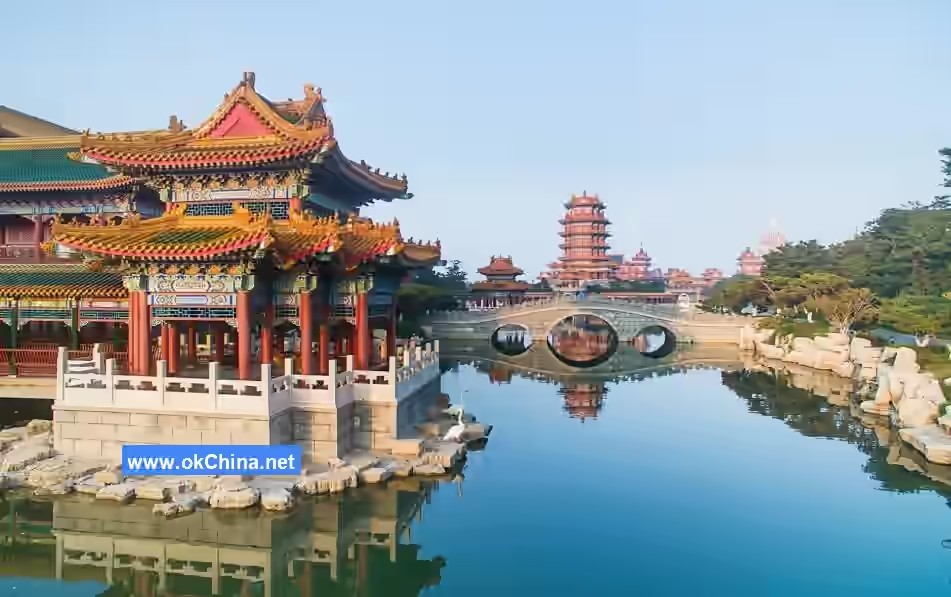
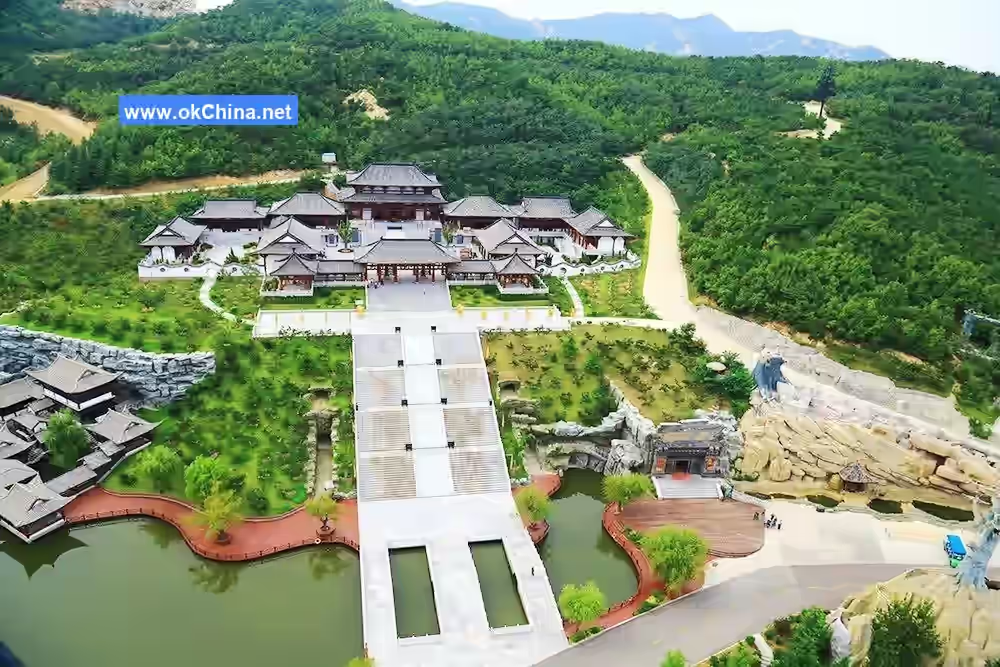
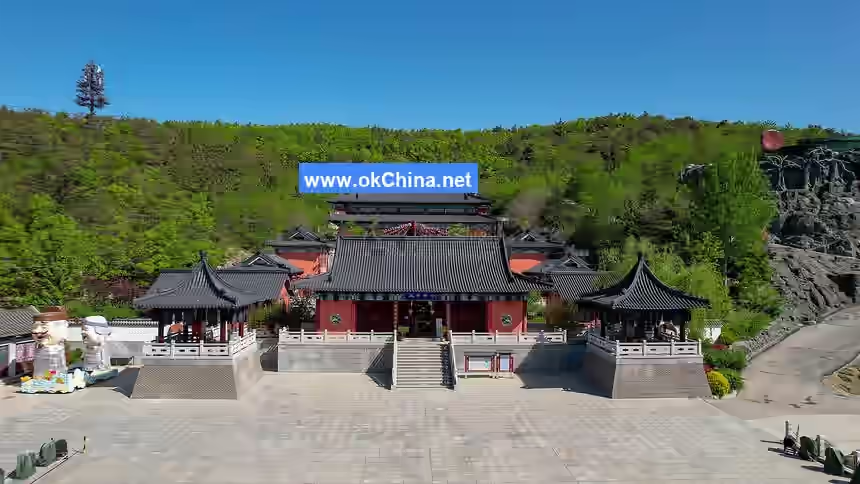
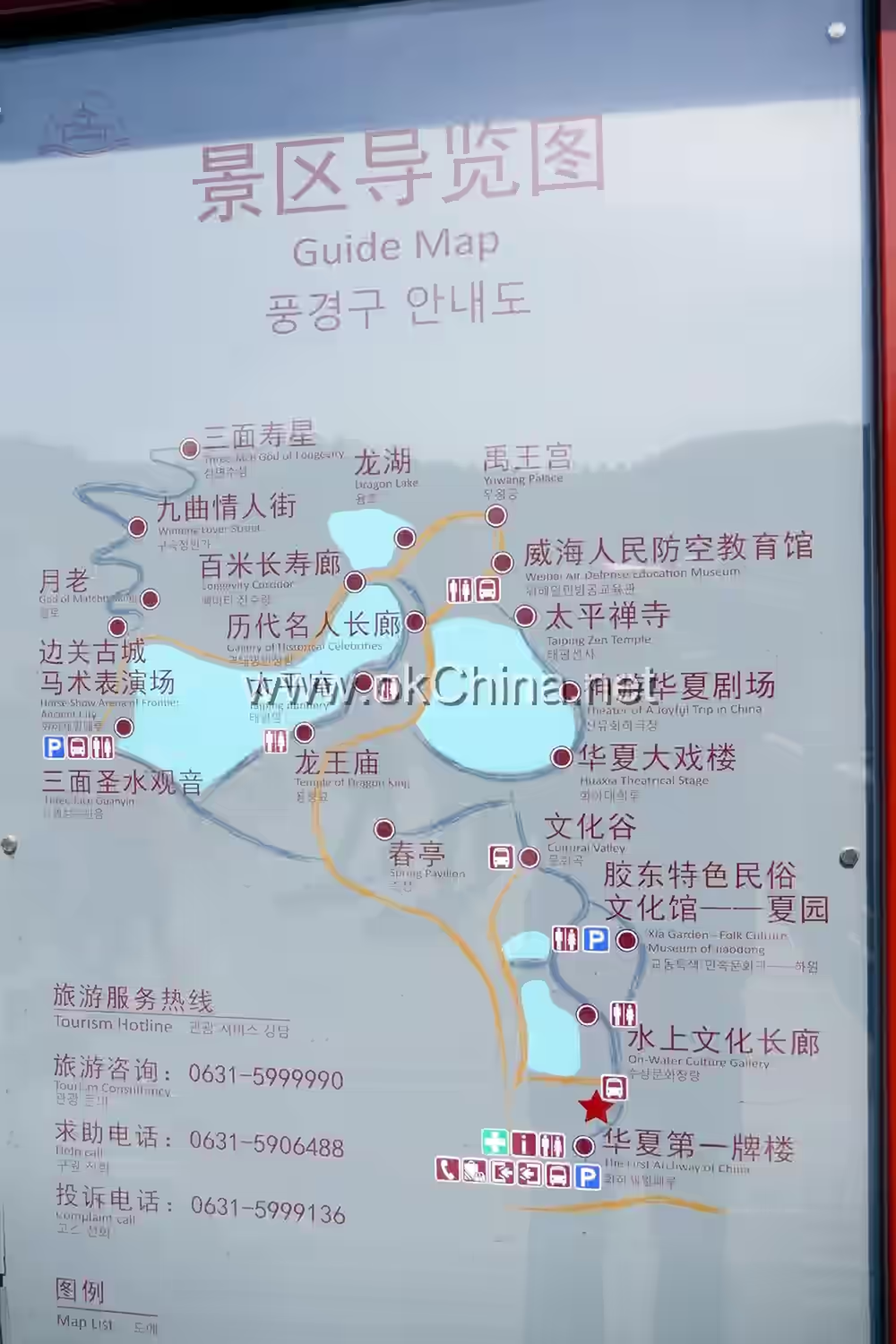
Weihai Huaxia City Scenic Area, affiliated with Huaxia Cultural Tourism Group Co., Ltd., is located in the beautiful coastal resort city of Weihai. It is a large-scale ecological and cultural scenic area primarily showcasing Eastern classical culture. On February 25, 2017, the Weihai Huaxia City Scenic Area in Weihai City, Shandong Province, was promoted to a National AAAAA-level Tourist Attraction.
Weihai Huaxia City Scenic Area, known as China's premier ecological and environmental protection city, is a significant achievement of Huaxia Cultural Tourism Group. Starting in 2003, the group spent over a decade rehabilitating 44 mining pits on Weihai's Longshan Mountain, combining environmental management with tourism development through arduous efforts akin to "the Foolish Old Man who moved mountains" and "the phoenix rising from the ashes." The attractions now built upon various quarries each possess unique characteristics.
2. Main Attractions
2.1 Huaxia First Memorial Archway
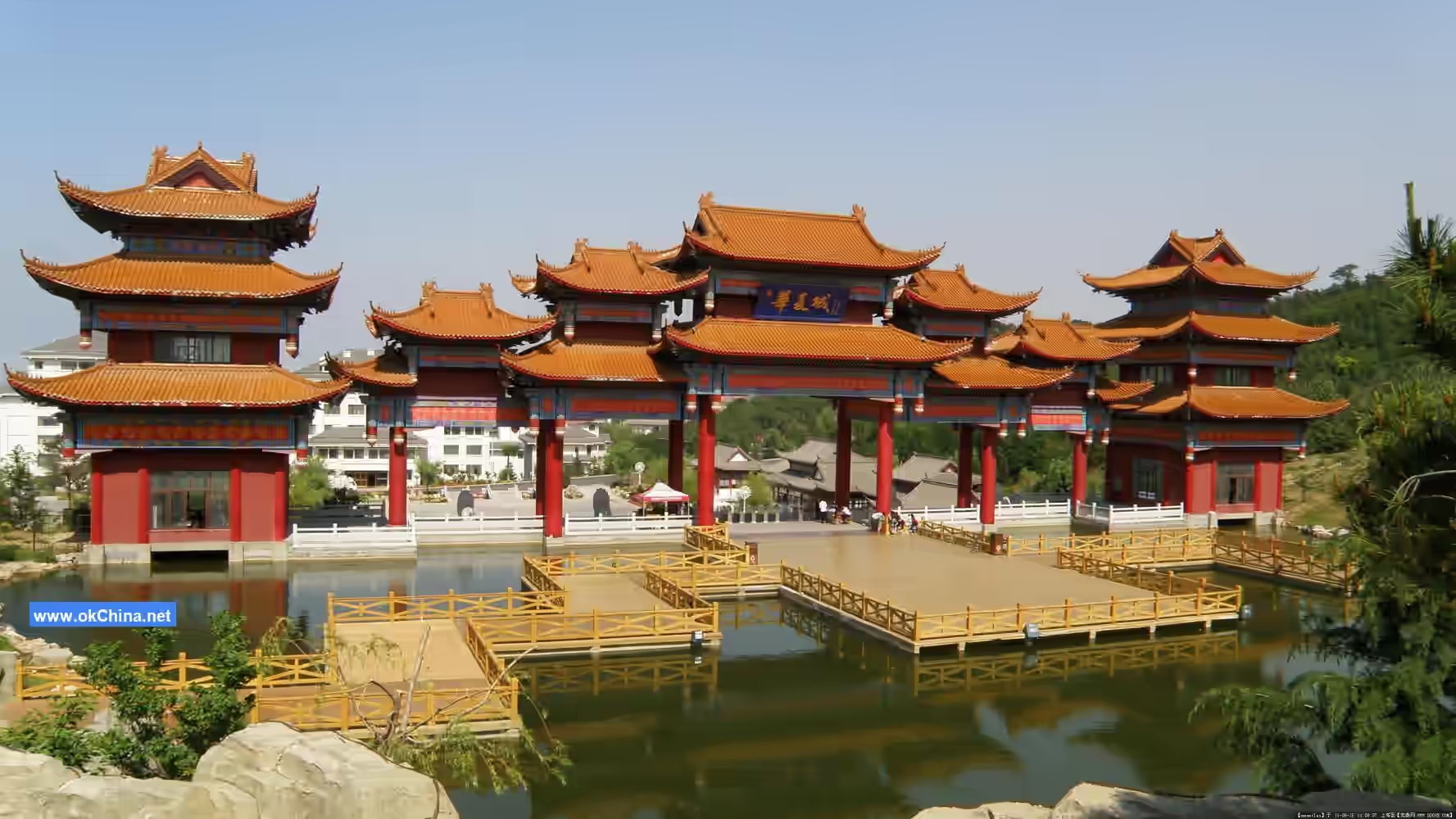
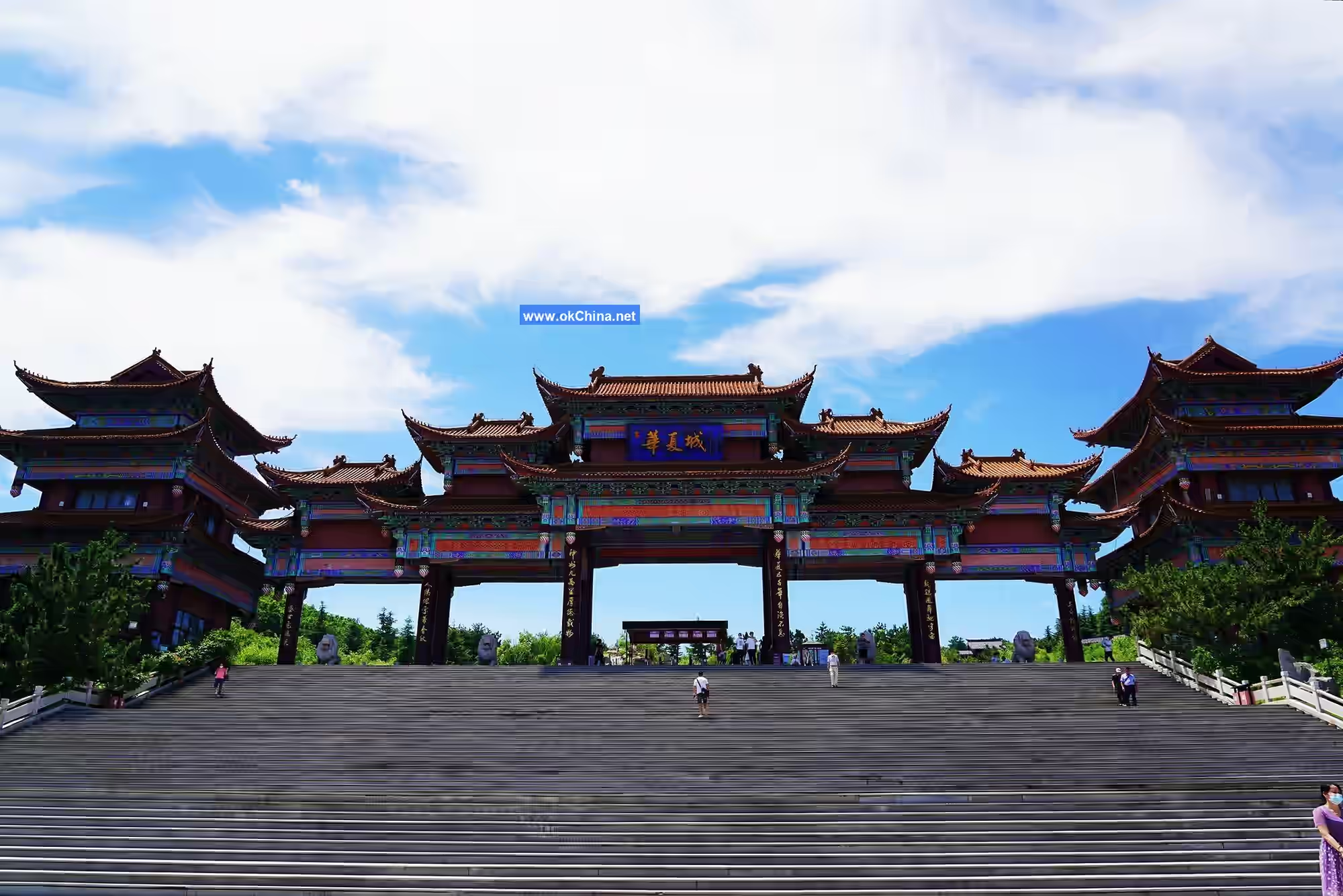
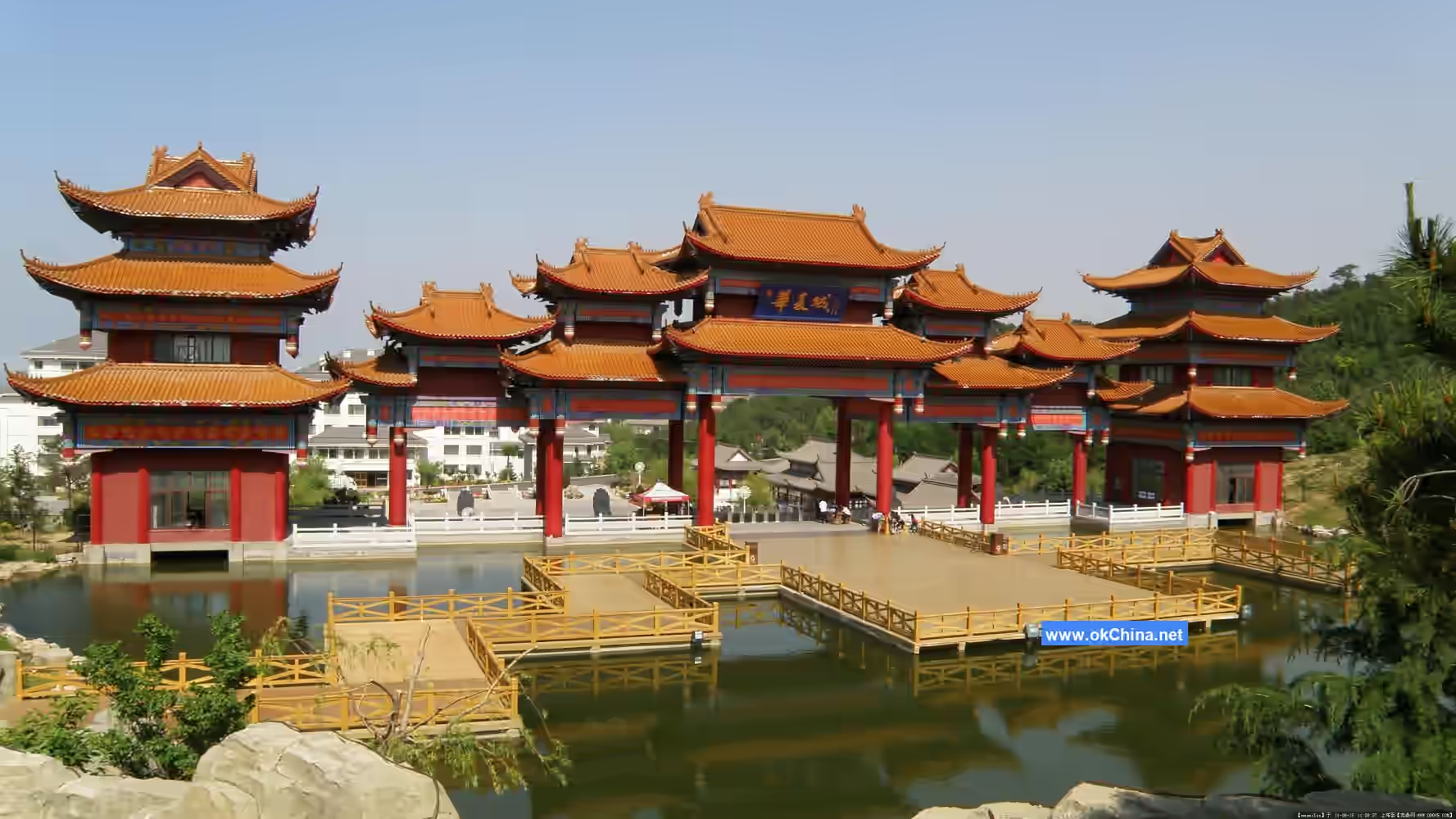
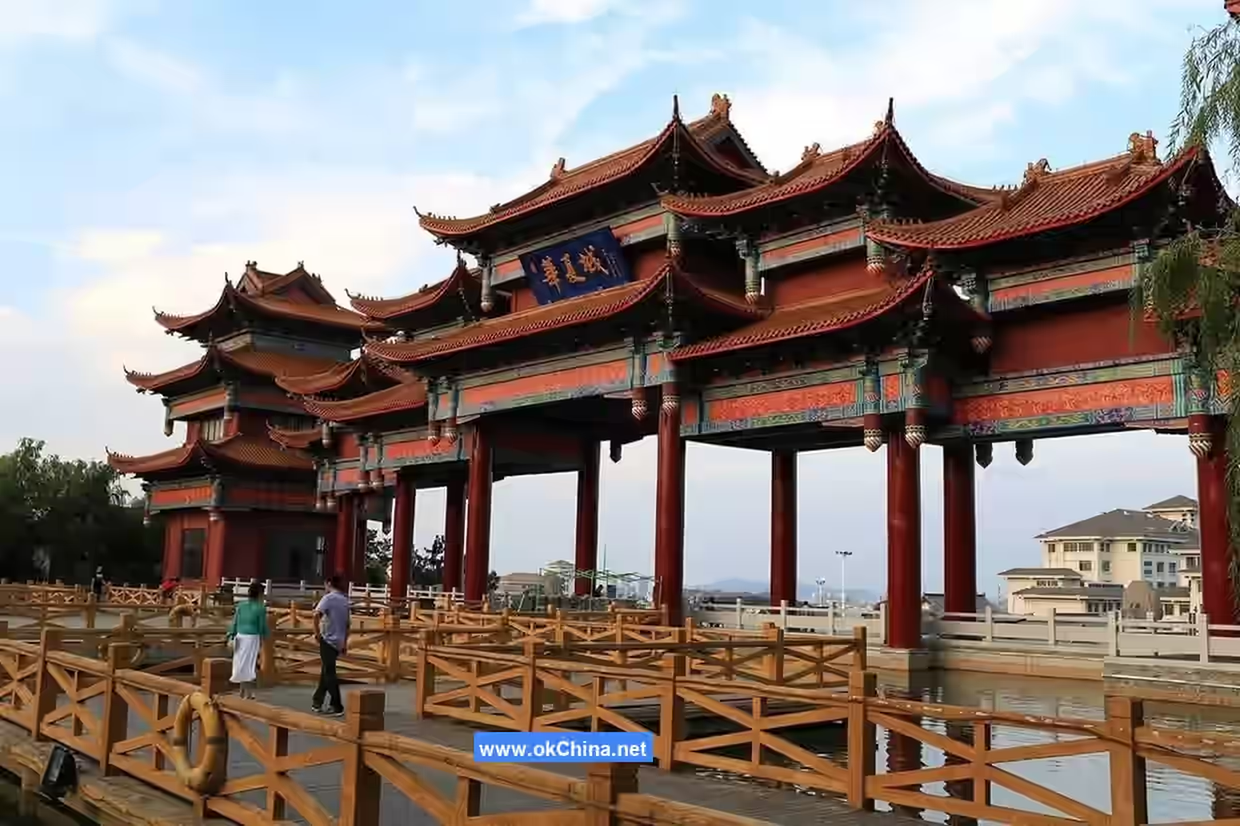
The Huaxia First Memorial Archway adopts the ancient architectural style of Ming and Qing dynasty memorial archways. It is a six-pillar, five-bay archway with a north-south span of 86 meters and a height of 21 meters, making it the largest-span archway in China. From afar, the archway appears towering and majestic; up close, one can appreciate its intricately carved beams and painted rafters, resplendent in gold and jade. It features three pairs of couplets:
- For five thousand years, Huaxia has striven tirelessly for self-improvement; across nine hundred thousand li, the Divine Land upholds virtue to carry all things.
- Dragons soar and phoenixes dance across the cosmos; this blessed land nurtures outstanding figures who make their mark through the ages.
- Peace bestows splendor and elegance; a flourishing age competes in grace and talent.
2.2 Xia Garden
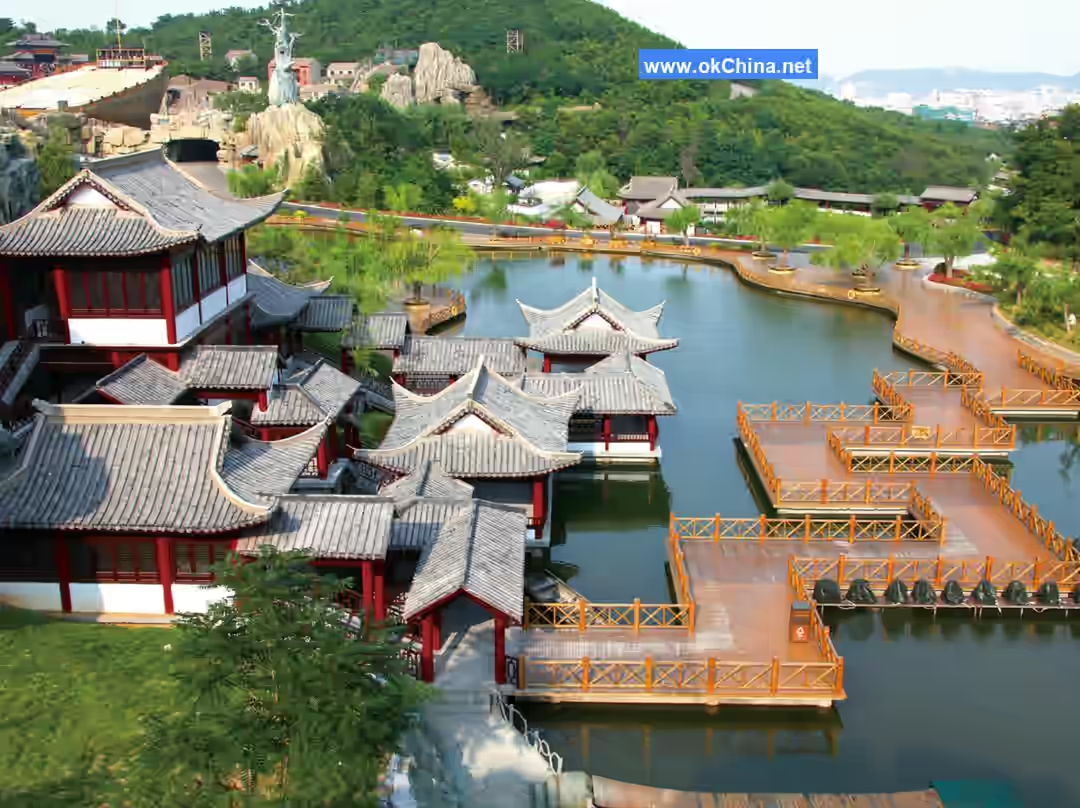
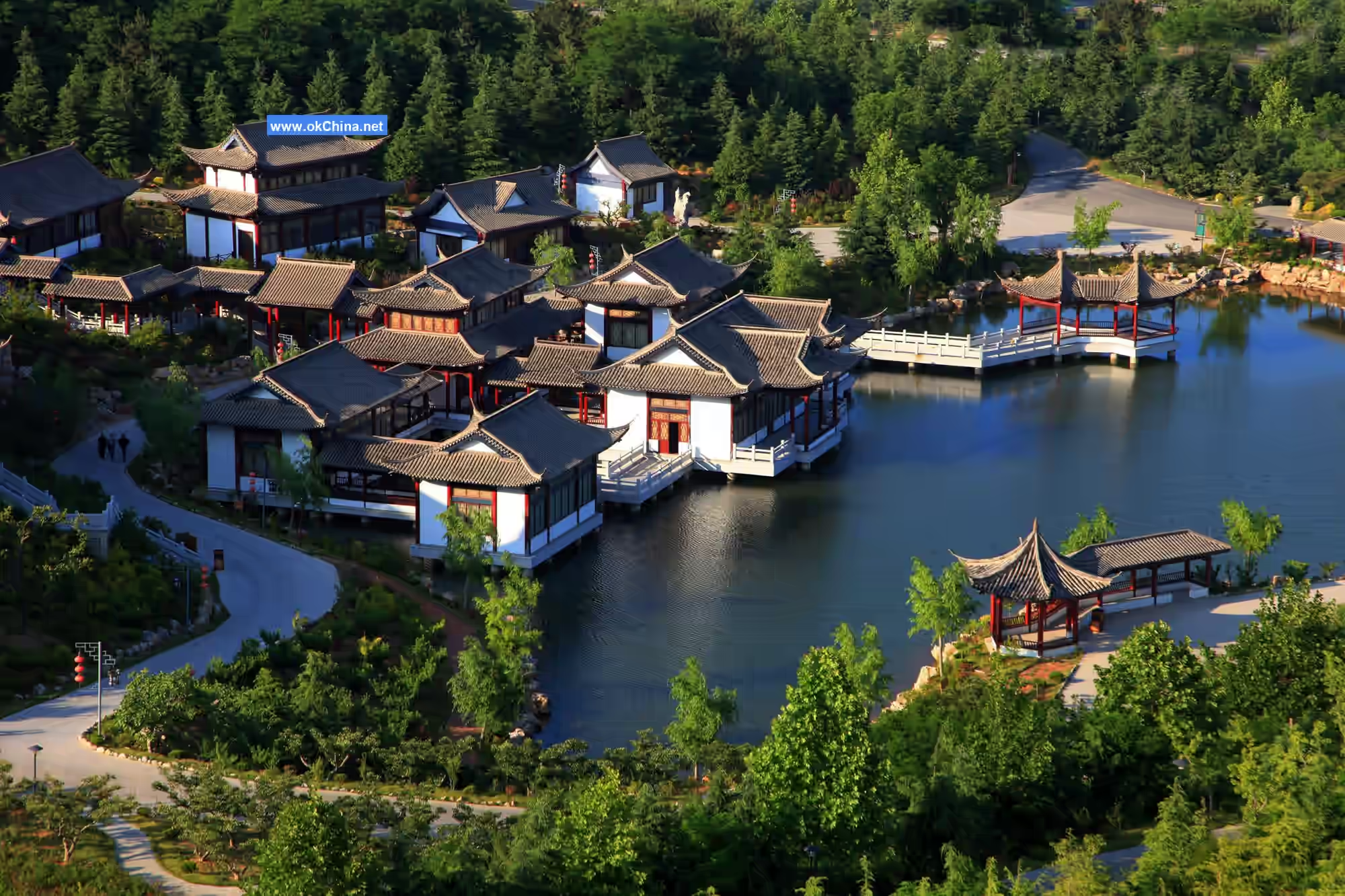
Xia Garden skillfully incorporates the essence of ancient architecture from both northern and southern China, embodying the rich beauty of Eastern classical architecture while blending with modern, fashionable design elements. The entire Xia Garden is divided into two parts: the Water Landscape and the Jiaodong Folk Culture Exhibition Area.
The Water Landscape creatively integrates land-based structures with water bodies while fully utilizing low-lying land for water storage and scenery creation, resulting in a waterside charm that rivals, if not surpasses, that of the Jiangnan region.
The Jiaodong Folk Culture Exhibition Area is one of the most distinctive attractions in Huaxia City. Using the life stories of Ming Dynasty minister Xia Yuanji and Xia Xian, the progenitor of the Xia clan in Weihai, as a narrative thread, this area vividly and interestingly displays the daily life of Jiaodong's common people and the historical changes of the region through wax figures, lighting, sound, and physical objects. Lifelike scenes such as weddings, sea worship ceremonies, and threshing grounds fully showcase the local folk customs of Jiaodong, recreating the diligence and wisdom of its working people.
2.3 High-altitude 5D Glass Bridge
The High-altitude 5D Glass Bridge is a newly developed attraction in Huaxia City Scenic Area and the first 5D glass bridge in Weihai City. Spanning between two mountain peaks within the scenic area, the bridge is 370 meters long and 80 meters high. Standing on the bridge, visitors can enjoy views of rolling hills, lush greenery, and beautiful scenery. Gazing into the distance, they can also take in the cityscape of Weihai, experiencing the震撼的震撼的震撼的震撼的震撼的震撼的震撼的震撼的震撼的震撼的震撼的震撼的震撼的震撼的震撼的震撼的震撼的震撼的震撼的震撼的震撼的震撼的震撼的震撼的震撼的震撼的震撼的震撼的震撼的震撼的震撼的震撼的震撼的震撼的震撼的震撼的震撼的震撼的震撼的震撼的震撼的震撼的震撼的震撼的震撼的震撼的震撼的震撼的震撼的震撼的震撼的震撼的震撼的震撼的震撼的震撼的震撼的震撼的震撼的震撼的震撼的震撼的震撼的震撼的震撼的震撼的震撼的震撼的震撼的震撼的震撼的震撼的震撼的震撼的震撼的震撼的震撼的震撼的震撼的震撼的震撼的震撼的震撼的震撼的震撼的震撼的震撼的震撼的震撼的震撼的震撼的震撼的震撼的震撼的震撼的震撼的震撼的震撼的震撼的震撼的震撼的震撼的震撼的震撼的震撼的震撼的震撼的震撼的震撼的震撼的震撼的震撼的震撼的震撼的震撼的震撼的震撼的震撼的震撼的震撼的震撼的震撼的震撼的震撼的震撼的震撼的震撼的震撼的震撼的震撼的震撼的震撼的震撼的震撼的震撼的震撼的震撼的震撼的震撼的震撼的震撼的震撼的震撼的震撼的震撼的震撼的震撼的震撼的震撼的震撼的震撼的震撼的震撼的震撼的震撼的震撼的震撼的震撼的震撼的震撼的震撼的震撼的震撼的震撼的震撼的震撼的震撼的震撼的震撼的震撼的震撼的震撼的震撼的震撼的震撼的震撼的震撼的震撼的震撼的震撼的震撼的震撼的震撼的震撼的震撼的震撼的震撼的震撼的震撼的震撼的震撼的震撼的震撼的震撼的震撼的震撼的震撼的震撼的震撼的震撼的震撼的震撼的震撼的震撼的震撼的震撼的震撼的震撼的震撼的震撼的震撼的震撼的震撼的震撼的震撼的震撼的震撼的震撼的震撼的震撼的震撼的震撼的震撼的震撼的震撼的震撼的震撼的震撼的震撼的震撼的震撼的震撼的震撼的震撼的震撼的震撼的震撼的震撼的震撼的震撼的震撼的震撼的震撼的震撼的震撼的震撼的震撼的震撼的震撼的震撼的震撼的震撼的震撼的震撼的震撼的震撼的震撼的震撼的震撼的震撼的震撼的震撼的震撼的震撼的震撼的震撼的震撼的震撼的震撼的震撼的震撼的震撼的震撼的震撼的震撼的震撼的震撼的震撼的震撼的震撼的震撼的震撼的震撼的震撼的震撼的震撼的震撼的震撼的震撼的震撼的震撼的震撼的震撼的震撼的震撼的震撼的震撼的震撼的震撼的震撼的震撼的震撼的震撼的震撼的震撼的震撼的震撼的震撼的震撼的震撼的震撼的震撼的震撼的震撼的震撼的震撼的震撼的震撼的震撼的震撼的震撼的震撼的震撼的震撼的震撼的震撼的震撼的震撼的震撼的震撼的震撼的震撼的震撼的震撼的震撼的震撼的震撼的震撼的震撼的震撼的震撼的震撼的震撼的震撼的震撼的震撼的震撼的震撼的震撼的震撼的震撼的震撼的震撼的震撼的震撼的震撼的震撼的震撼的震撼的震撼的震撼的震撼的震撼的震撼的震撼的震撼的震撼的震撼的震撼的震撼的震撼的震撼的震撼的震撼的震撼的震撼的震撼的震撼的震撼的震撼的震撼的震撼的震撼的震撼的震撼的震撼的震撼的震撼的震撼的震撼的震撼的震撼的震撼的震撼的震撼的震撼的震撼的震撼的震撼的震撼的震撼的震撼的震撼的震撼的震撼的震撼的震撼的震撼的震撼的震撼的震撼的震撼的震撼的震撼的震撼的震撼的震撼的震撼的震撼的震撼的震撼的震撼的震撼的震撼的震撼的震撼的震撼的震撼的震撼的震撼的震撼的震撼的震撼的震撼的震撼的震撼的震撼的震撼的震撼的震撼的震撼的震撼的震撼的震撼的震撼的震撼的震撼的震撼的震撼的震撼的震撼的震撼的震撼的震撼的震撼的震撼的震撼的震撼的震撼的震撼的震撼的震撼的震撼的震撼的震撼的震撼的震撼的震撼的震撼的震撼的震撼的震撼的震撼的震撼的震撼的震撼的震撼的震撼的震撼的震撼的震撼的震撼的震撼的震撼的震撼的震撼的震撼的震撼的震撼的震撼的震撼的震撼的震撼的震撼的震撼的震撼的震撼的震撼的震撼的震撼的震撼的震撼的震撼的震撼的震撼的震撼的震撼的震撼的震撼的震撼的震撼的震撼的震撼的震撼的震撼的震撼的震撼的震撼的震撼的震撼的震撼的震撼的震撼的震撼的震撼的震撼的震撼的震撼的震撼的震撼的震撼的震撼的震撼的震撼的震撼的震撼的震撼的震撼的震撼的震撼的震撼的震撼的震撼的震撼的震撼的震撼的震撼的震撼的震撼的震撼的震撼的震撼的震撼的震撼的震撼的震撼的震撼的震撼的震撼的震撼的震撼的震撼的震撼的震撼的震撼的震撼的震撼的震撼的震撼的震撼的震撼的震撼的震撼的震撼的震撼的震撼的震撼的震撼的震撼的震撼的震撼的震撼的震撼的震撼的震撼的震撼的震撼的震撼的震撼的震撼的震撼的震撼的震撼的震撼的震撼的震撼的震撼的震撼的震撼的震撼的震撼的震撼的震撼的震撼的震撼的震撼的震撼的震撼的震撼的震撼的震撼的震撼的震撼的震撼的震撼的震撼的震撼的震撼的震撼的震撼的震撼的震撼的震撼的震撼的震撼的震撼的震撼的震撼的震撼的震撼的震撼的震撼的震撼的震撼的震撼的震撼的震撼的震撼的震撼的震撼的震撼的震撼的震撼的震撼的震撼的震撼的震撼的震撼的震撼的震撼的震撼的震撼的震撼的震撼的震撼的震撼的震撼的震撼的震撼的震撼的震撼的震撼的震撼的震撼的震撼的震撼的震撼的震撼的震撼的震撼的震撼的震撼的震撼的震撼的震撼的震撼的震撼的震撼的震撼的震撼的震撼的震撼的震撼的震撼的震撼的震撼的震撼的震撼的震撼的震撼的震撼的震撼的震撼的震撼的震撼的震撼的震撼的震撼的震撼的震撼的震撼的震撼的震撼的震撼的震撼的震撼的震撼的震撼的震撼的震撼的震撼的震撼的震撼的震撼的震撼的震撼的震撼的震撼的震撼的震撼的震撼的震撼的震撼的震撼的震撼的震撼的震撼的震撼的震撼的震撼的震撼的震撼的震撼的震撼的震撼的震撼的震撼的震撼的震撼的震撼的震撼的震撼的震撼的震撼的震撼的震撼的震撼的震撼的震撼的震撼的震撼的震撼的震撼的震撼的震撼的震撼的震撼的震撼的震撼的震撼的震撼的震撼的震撼的震撼的震撼的震撼的震撼的震撼的震撼的震撼的震撼的震撼的震撼的震撼的震撼的震撼的震撼的震撼的震撼的震撼的震撼的震撼的震撼的震撼的震撼的震撼的震撼的震撼的震撼的震撼的震撼的震撼的震撼的震撼的震撼的震撼的震撼的震撼的震撼的震撼的震撼的震撼的震撼的震撼的震撼的震撼的震撼的震撼的震撼的震撼的震撼的震撼的震撼的震撼的震撼的震撼的震撼的震撼的震撼的震撼的震撼的震撼的震撼的震撼的震撼的震撼的震撼的震撼的震撼的震撼的震撼的震撼的震撼的震撼的震撼的震撼的震撼的震撼的震撼的震撼的震撼的震撼的震撼的震撼的震撼的震撼的震撼的震撼的震撼的震撼的震撼的震撼的震撼的震撼的震撼的震撼的震撼的震撼的震撼的震撼的震撼的震撼的震撼的震撼的震撼的震撼的震撼的震撼的震撼的震撼的震撼的震撼的震撼的震撼的震撼的震撼的震撼的震撼的震撼的震撼的震撼的震撼的震撼的震撼的震撼的震撼的震撼的震撼的震撼的震撼的震撼的震撼的震撼的震撼的震撼的震撼的震撼的震撼的震撼的震撼的震撼的震撼的震撼的震撼的震撼的震撼的震撼的震撼的震撼的震撼的震撼的震撼的震撼的震撼的震撼的震撼的震撼的震撼的震撼的震撼的震撼的震撼的震撼的震撼的震撼的震撼的震撼的震撼的震撼的震撼的震撼的震撼的震撼的震撼的震撼的震撼的震撼的震撼的震撼的震撼的震撼的震撼的震撼的震撼的震撼的震撼的震撼的震撼的震撼的震撼的震撼的震撼的震撼的震撼的震撼的震撼的震撼的震撼的震撼的震撼的震撼的震撼的震撼的震撼的震撼的震撼的震撼的震撼的震撼的震撼的震撼的震撼的震撼的震撼的震撼的震撼的震撼的震撼的震撼的震撼的震撼的震撼的震撼的震撼的震撼的震撼的震撼的震撼的震撼的震撼的震撼的震撼的震撼的震撼的震撼的震撼的震撼的震撼的震撼的震撼的震撼的震撼的震撼的震撼的震撼的震撼的震撼的震撼的震撼的震撼的震撼的震撼的震撼的震撼的震撼的震撼的震撼的震撼的震撼的震撼的震撼的震撼的震撼的震撼的震撼的震撼的震撼的震撼的震撼的震撼的震撼的震撼的震撼的震撼的震撼的震撼的震撼的震撼的震撼的震撼的震撼的震撼的震撼的震撼的震撼的震撼的震撼的震撼的震撼的震撼的震撼的震撼的震撼的震撼的震撼的震撼的震撼的震撼的震撼的震撼的震撼的震撼的震撼的震撼的震撼的震撼的震撼的震撼的震撼的震撼的震撼的震撼的震撼的震撼的震撼的震撼的震撼的震撼的震撼的震撼的震撼的震撼的震撼的震撼的震撼的震撼的震撼的震撼的震撼的震撼的震撼的震撼的震撼的震撼的震撼的震撼的震撼的震撼的震撼的震撼的震撼的震撼的震撼的震撼的震撼的震撼的震撼的震撼的震撼的震撼的震撼的震撼的震撼的震撼的震撼的震撼的震撼的震撼的震撼的震撼的震撼的震撼的震撼的震撼的震撼的震撼的震撼的震撼的震撼的震撼的震撼的震撼的震撼的震撼的震撼的震撼的震撼的震撼的震撼的震撼的震撼的震撼的震撼的震撼的震撼的震撼的震撼的震撼的震撼的震撼的震撼的震撼的震撼的震撼的震撼的震撼的震撼的震撼的震撼的震撼的震撼的震撼的震撼的震撼的震撼的震撼的震撼的震撼的震撼的震撼的震撼的震撼的震撼的震撼的震撼的震撼的震撼的震撼的震撼的震撼的震撼的震撼的震撼的震撼的震撼的震撼的震撼的震撼的震撼的震撼的震撼的震撼的震撼的震撼的震撼的震撼的震撼的震撼的震撼的震撼的震撼的震撼的震撼的震撼的震撼的震撼的震撼的震撼的震撼的震撼的震撼的震撼的震撼的震撼的震撼的震撼的震撼的震撼的震撼的震撼的震撼的震撼的震撼的震撼的震撼的震撼的震撼的震撼的震撼的震撼的震撼的震撼的震撼的震撼的震撼的震撼的震撼的震撼的震撼的震撼的震撼的震撼的震撼的震撼的震撼的震撼的震撼的震撼的震撼的震撼的震撼的震撼的震撼的震撼的震撼的震撼的震撼的震撼的震撼的震撼的震撼的震撼的震撼的震撼的震撼的震撼的震撼的震撼的震撼的震撼的震撼的震撼的震撼的震撼的震撼的震撼的震撼的震撼的震撼的震撼的震撼的震撼的震撼的震撼的震撼的震撼的震撼的震撼的震撼的震撼的震撼的震撼的震撼的震撼的震撼的震撼的震撼的震撼的震撼的震撼的震撼的震撼的震撼的震撼的震撼的震撼的震撼的震撼的震撼的震撼的震撼的震撼的震撼的震撼的震撼的震撼的震撼的震撼的震撼的震撼的震撼的震撼的震撼的震撼的震撼的震撼的震撼的震撼的震撼的震撼的震撼的震撼的震撼的震撼的震撼的震撼的震撼的震撼的震撼的震撼的震撼的震撼的震撼的震撼的震撼的震撼的震撼的震撼的震撼的震撼的震撼的震撼的震撼的震撼的震撼的震撼的震撼的震撼的震撼的震撼的震撼的震撼的震撼的震撼的震撼的震撼的震撼的震撼的震撼的震撼的震撼的震撼的震撼的震撼的震撼的震撼的震撼的震撼的震撼的震撼的震撼的震撼的震撼的震撼的震撼的震撼的震撼的震撼的震撼的震撼的震撼的震撼的震撼的震撼的震撼的震撼的震撼的震撼的震撼的震撼的震撼的震撼的震撼的震撼的震撼的震撼的震撼的震撼的震撼的震撼的震撼的震撼的震撼的震撼的震撼的震撼的震撼的震撼的震撼的震撼的震撼的震撼的震撼的震撼的震撼的震撼的震撼的震撼的震撼的震撼的震撼的震撼的震撼的震撼的震撼的震撼的震撼的震撼的震撼的震撼的震撼的震撼的震撼的震撼的震撼的震撼的震撼的震撼的震撼的震撼的震撼的震撼的震撼的震撼的震撼的震撼的震撼的震撼的震撼的震撼的震撼的震撼的震撼的震撼的震撼的震撼的震撼的震撼的震撼的震撼的震撼的震撼的震撼的震撼的震撼的震撼的震撼的震撼的震撼的震撼的震撼的震撼的震撼的震撼的震撼的震撼的震撼的震撼的震撼的震撼的震撼的震撼的震撼的震撼的震撼的震撼的震撼的震撼的震撼的震撼的震撼的震撼的震撼的震撼的震撼的震撼的震撼的震撼的震撼的震撼的震撼的震撼的震撼的震撼的震撼的震撼的震撼的震撼的震撼的震撼的震撼的震撼的震撼的震撼的震撼的震撼的震撼的震撼的震撼的震撼的震撼的震撼的震撼的震撼的震撼的震撼的震撼的震撼的震撼的震撼的震撼的震撼的震撼的震撼的震撼的震撼的震撼的震撼的震撼的震撼的震撼的震撼的震撼的震撼的震撼的震撼的震撼的震撼的震撼的震撼的震撼的震撼的震撼的震撼的震撼的震撼的震撼的震撼的震撼的震撼的震撼的震撼的震撼的震撼的震撼的震撼的震撼的震撼的震撼的震撼的震撼的震撼的震撼的震撼的震撼的震撼的震撼的震撼的震撼的震撼的震撼的震撼的震撼的震撼的震撼的震撼的震撼的震撼的震撼的震撼的震撼的震撼的震撼的震撼的震撼的震撼的震撼的震撼的震撼的震撼的震撼的震撼的震撼的震撼的震撼的震撼的震撼的震撼的震撼的震撼的震撼的震撼的震撼的震撼的震撼的震撼的震撼的震撼的震撼的震撼的震撼的震撼的震撼的震撼的震撼的震撼的震撼的震撼的震撼的震撼的震撼的震撼的震撼的震撼的震撼的震撼的震撼的震撼的震撼的震撼的震撼的震撼的震撼的震撼的震撼的震撼的震撼的震撼的震撼的震撼### 2.17 Yue Lao (The Old Man Under the Moon) Yue Xia Lao Ren, abbreviated as Yue Lao and respectfully called Yue Lao Ye or Yue Lao Gong, is one of the deities in Taoism, known as the god in charge of marriage between men and women, traditionally regarded as the "God of Matchmaking." Later generations believe that the union of a man and a woman is facilitated by Yue Lao tying a red thread to bring them together, and matchmakers are also referred to as Yue Lao. With a kind and benevolent expression, Yue Lao witnesses the couples and lovers who visit here.
2.18 Longshan Flower Valley
Below the mountain, the lake sparkles with shimmering light; on the mountain, flowers bloom in endless red. In the distance, the Shoushan Mountain stands with its peculiar rocks, and a rainbow bridge overlooks the beautiful scenery from high above. It is aptly described: green waters reflect the blue mountains, red flowers dye the dragon valley. At Longshan Flower Valley, over ten recreational facilities have been created, including a rainbow slide, a thrilling rainbow bridge, a train restaurant, and amphibious armored vehicles. Known as the "back garden" of the scenic area, visitors can fully relax and enjoy the happiness brought by this rural complex.
2.19 Mining Village and Mine Pit Heritage Site
To commemorate the hard-won development of the scenic area, Huaxia Cultural Tourism Group specially created the Mining Village and Mine Pit Heritage Site in Longshan Flower Valley, which restores the original appearance of the mountain quarrying from the past. Now, the mine pit ruins have been transformed into lush green mountains and clear waters. The restoration of this heritage site fully demonstrates the significant importance of ecological and environmental protection.
Comments
Post a Comment