Lianzhou Underground River
1. Introduction
The Lianzhou Underground River is located amidst the lofty mountains at the junction of Guangdong, Guangxi, and Hunan provinces, formed 250 million years ago. It is a typical giant natural limestone cave of subtropical karst topography. Renowned both domestically and internationally for its mysterious and magnificent stalactites and subterranean rivers, it is hailed as the premier underground river in Guangdong.
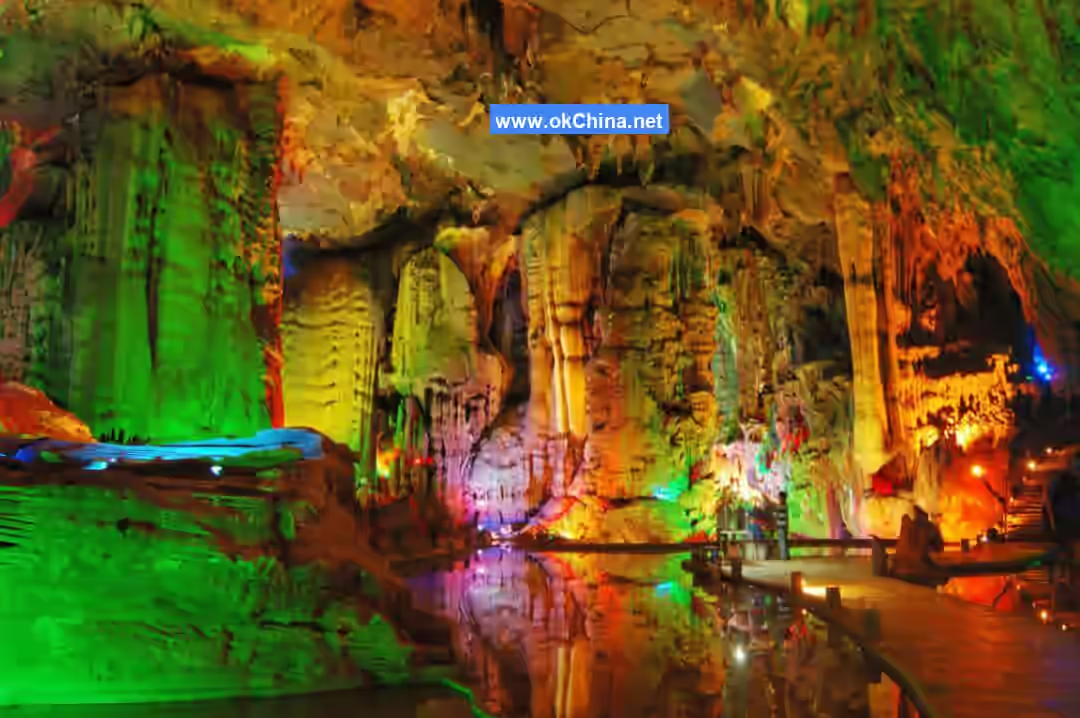
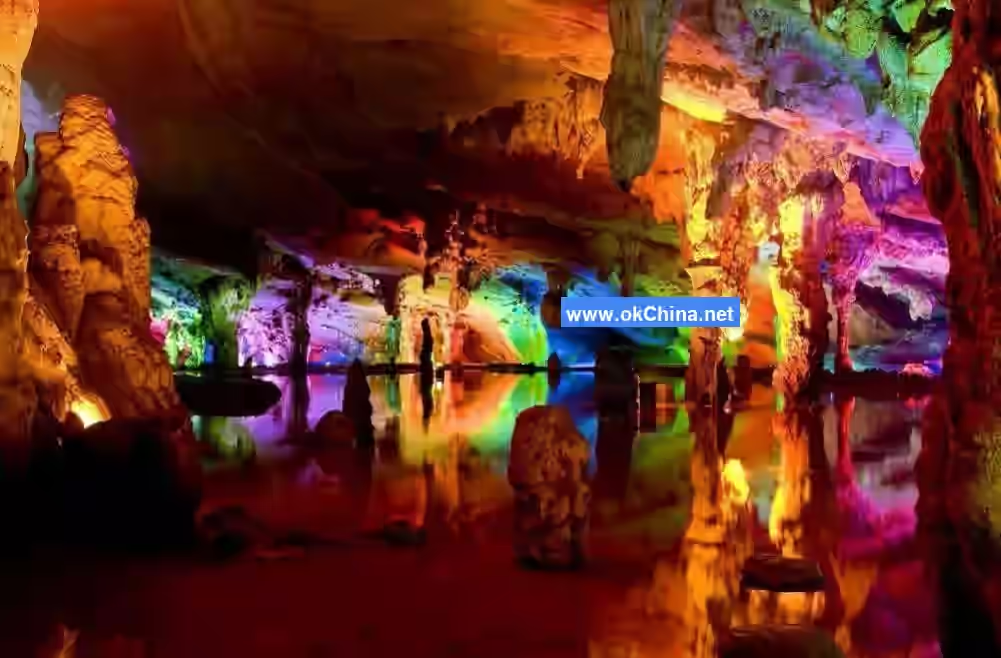
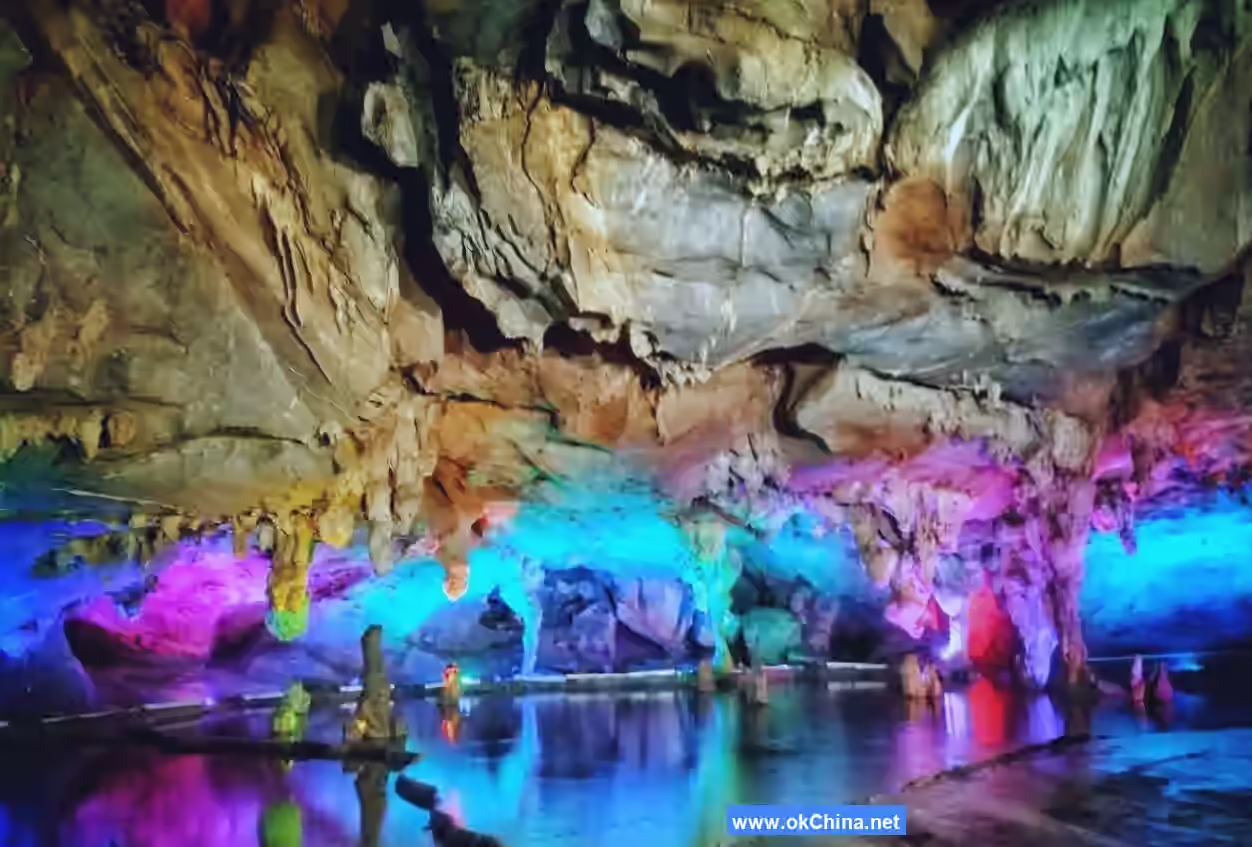
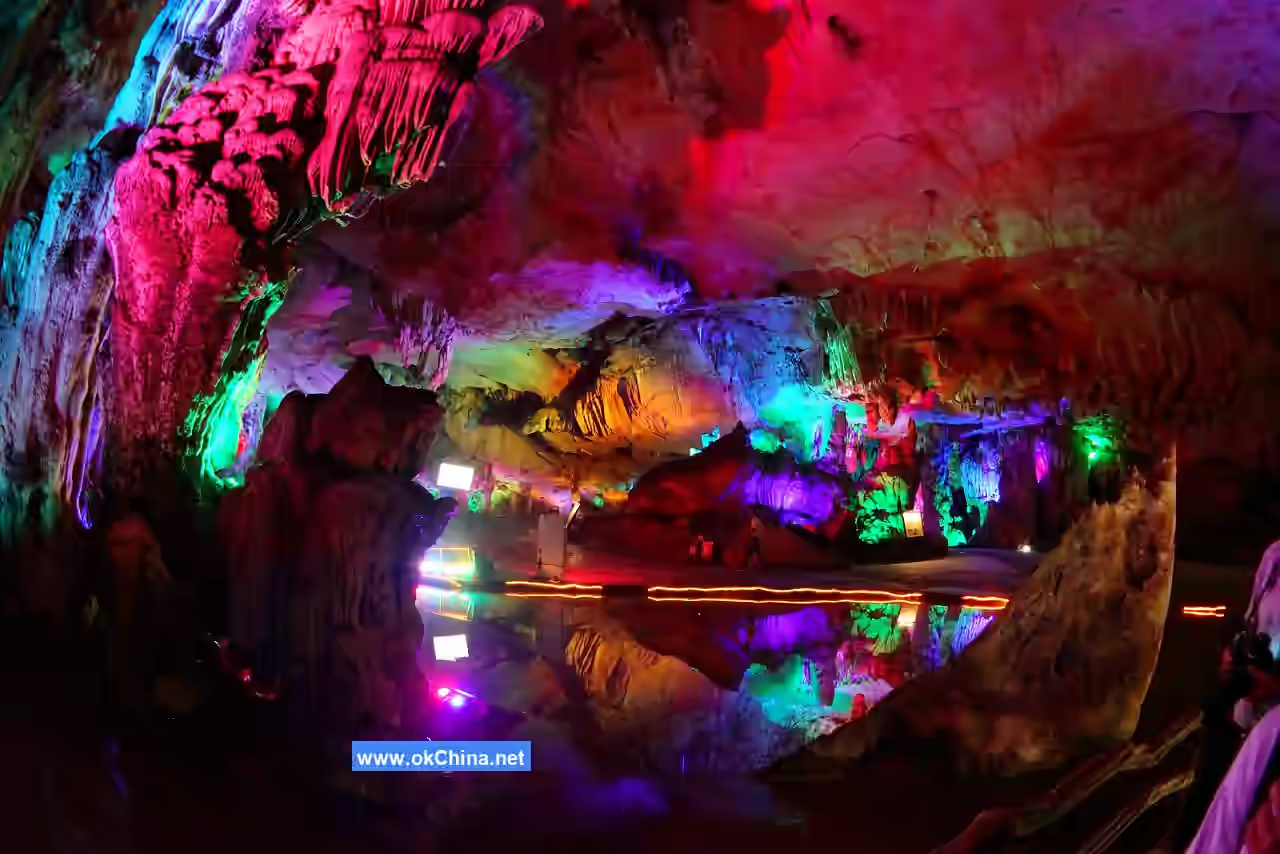
The temperature inside the cave remains constant year-round at 18°C to 22°C, with fresh air, warm in winter and cool in summer. Walking through its winding, deep, and secluded passages, one encounters a forest of strange rocks and breathtaking formations like stone bells, stone stalactites, and giant stone pillars, all exquisitely shaped by nature over hundreds of millions of years. The land route formed by the karst cave and the water route formed by the underground river, with their grand scale, magnificent scenery, and unique combination, are considered a unique wonder of the Lingnan region.
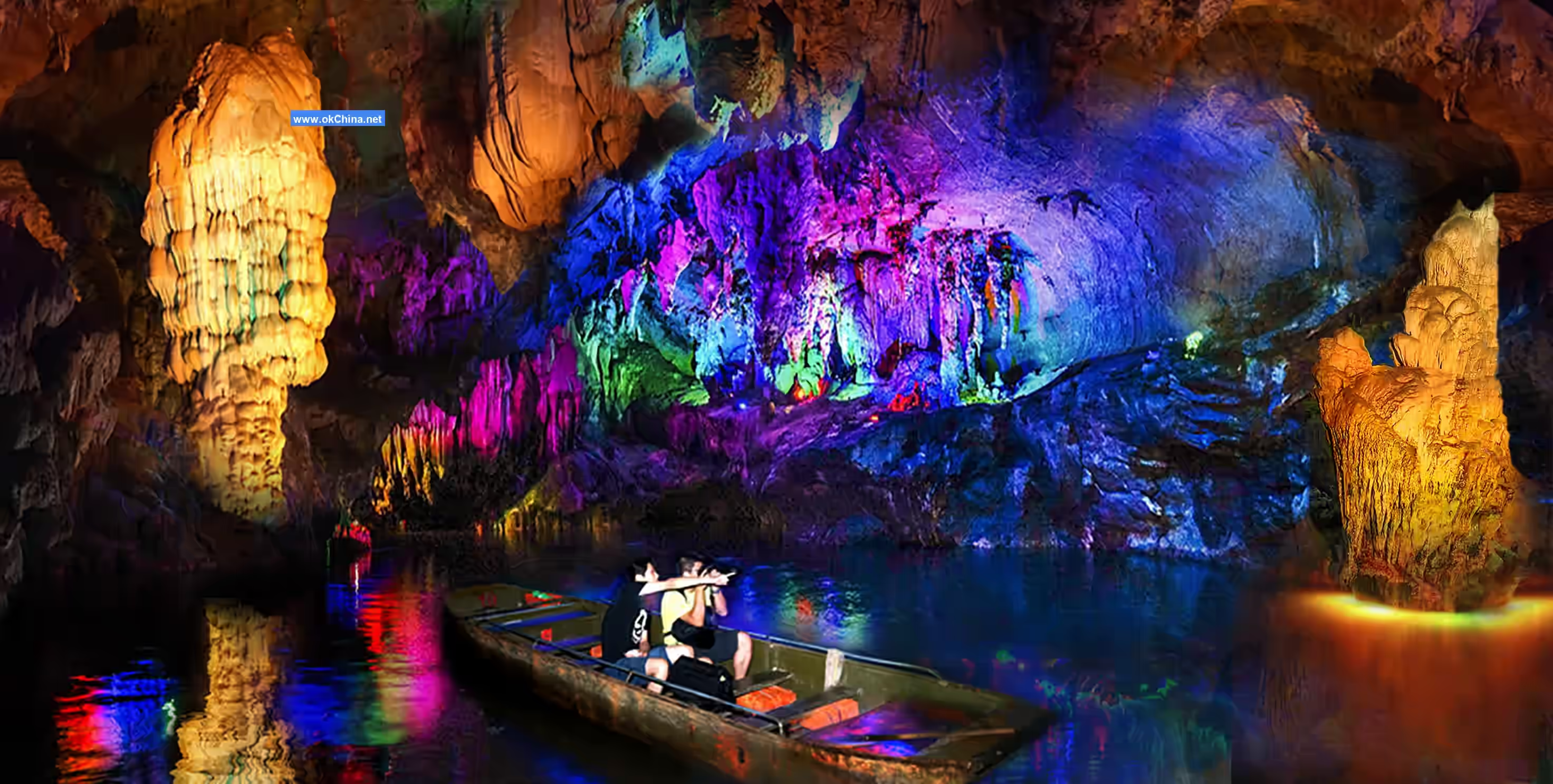
The distinctive features of the Lianzhou Underground River—caves within caves, rivers within caves, bridges within caves, and waterfalls within caves—leave every visitor in awe of nature's miraculous craftsmanship. The famous writer Qin Mu once visited and wrote an article praising it as the "Mysterious and Magnificent Underground River."
2. Geographical Environment
2.1 Location and Territory
The Lianzhou Underground River Scenic Area is located in Dadong Village, Dongbei Town, Lianzhou City, Qingyuan City, Guangdong Province. It is a typical subtropical karst cave of South China.
2.2 Climatic Characteristics
Lianzhou City belongs to the central subtropical monsoon climate zone, influenced by monsoons throughout the year. During the winter half-year (October to March of the following year), the northeast monsoon prevails; during the summer half-year (April to September), the summer monsoon, primarily the southwest wind, prevails. Under the influence of the East Asian monsoon circulation, Lianzhou City often experiences northerly winds in winter, resulting in a dry and cold climate; in summer, southerly winds prevail, bringing warm and humid air currents, leading to a hot and rainy climate. Additionally, due to the influence of the terrain (Nanling Mountains), it exhibits distinct mountainous climate characteristics of "delayed spring warmth and early autumn chill." The large and medium-scale weather systems that directly affect Lianzhou's climate and weather changes are: the polar continental high pressure and its associated cold fronts in winter and spring, and the subtropical high pressure and tropical cyclones (typhoons) in summer and autumn.
3. Main Attractions
3.1 Attractions of the Underground River
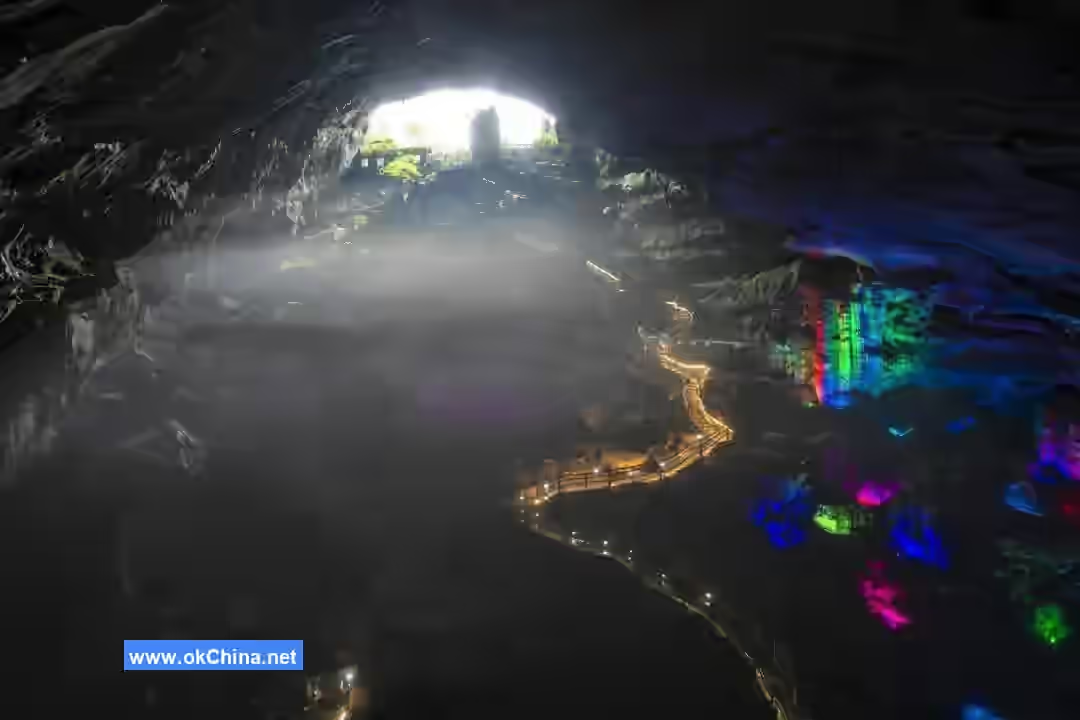
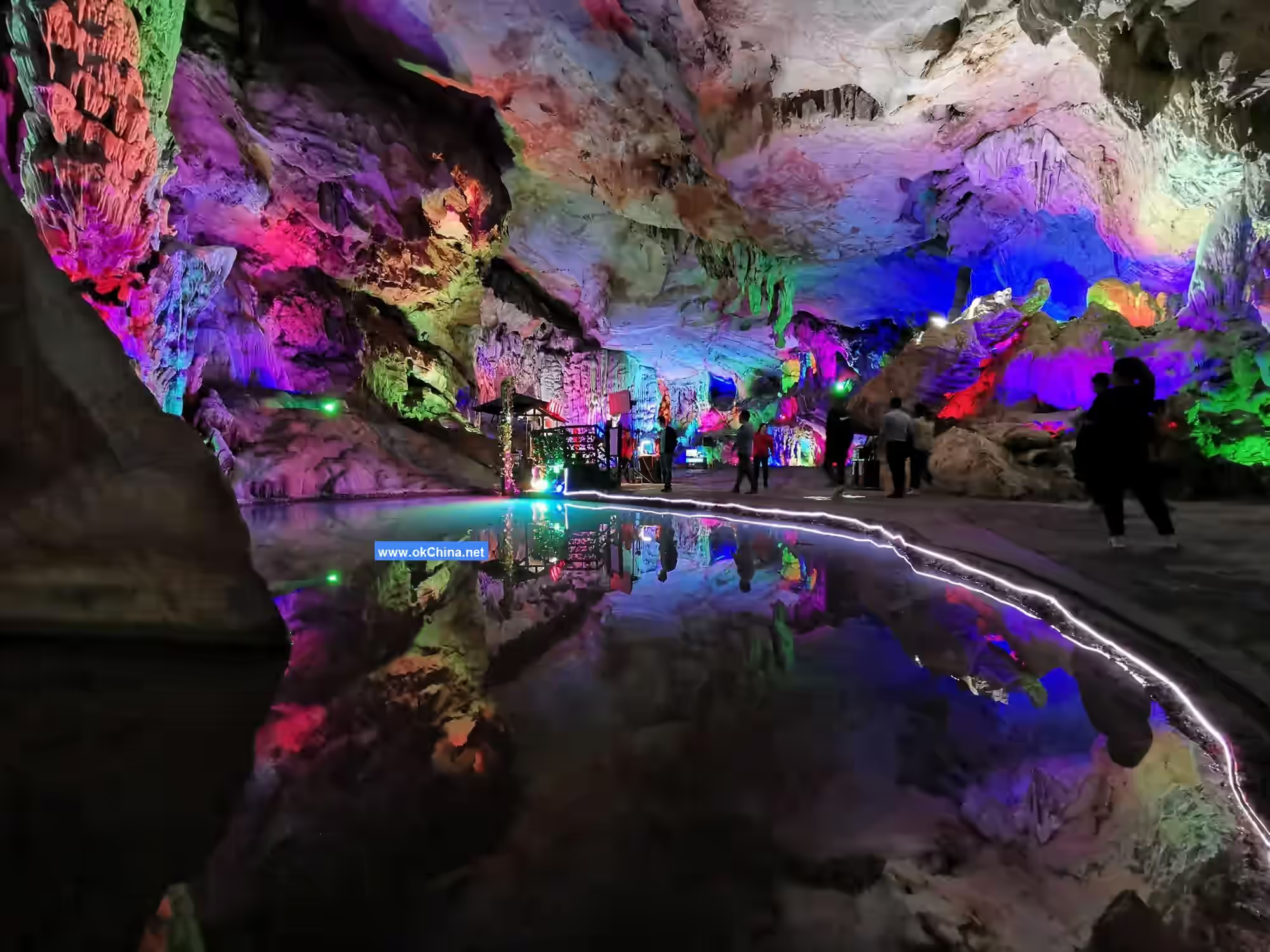
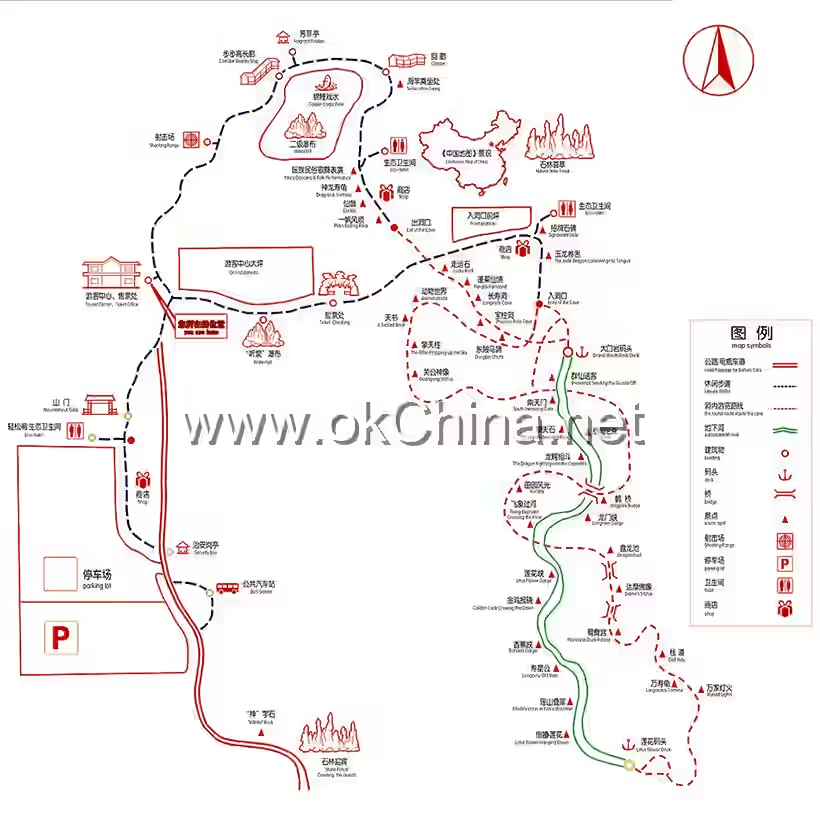
The attractions of the underground river are divided into two parts: the land route (the karst cave) and the water route (the underground river). The Lianzhou Underground River, offering tours by both land and water with its grand scale, magnificent scenery, and unique combination, is considered a unique wonder of Lingnan. The cave covers an area of 100,000 square meters, with a maximum height of 47.8 meters, a maximum width of 53.6 meters, and a total length of 1,500 meters. The area open for tourism is 60,000 square meters. The temperature inside the cave remains constant year-round at 18°C to 22°C, with humidity between 96% and 98%. Furthermore, the oxygen content inside the cave is as high as 21.4% to 21.6%, while carbon dioxide content is only between 0.01% and 0.019%. With its fresh air, warm in winter and cool in summer, it is a holy land for tourism and summer retreat.
3.1.1 Land Route Karst Cave Attractions
- Buddha's Halo Illumination: Under simulated religious atmosphere lighting, stalactites and stone curtains present a sacred glow, resembling a miracle of nature.
- Dongbei Water Chestnut: A rock formation strikingly similar in shape to a water chestnut, evoking thoughts of Lianzhou's local specialty—Dongbei water chestnuts, embodying the union of nature and local culture.
- Statue of Guan Gong: A naturally formed stone statue resembling the historical figure Guan Gong, adding to the cave's mysterious aura.
- Brazilian Cactus: Unique stalactite formations mimicking the tropical cactus plant, showcasing nature's miraculous craftsmanship.
- South Heavenly Gate: A natural gateway inside the cave, like an entrance to another world.
- Lianzhou White Jade Magpie Bridge: A bridge composed of white stalactites, resembling the Magpie Bridge, symbolizing beautiful love stories.
- Dinosaur Fossils: Simulating dinosaur images through the shapes and arrangements of stalactites, offering visitors a time-travel experience.
- Meng Jiangnu Weeps at the Great Wall: Artistically recreating scenes from ancient Chinese legends through naturally formed landscapes.
- Immortal Cave, Garden of Eden: These areas, with their unique rock formations and tranquil environment, create an atmosphere detached from the mundane world.
3.1.2 Water Route Underground River Attractions
- Dragon Gate Gorge: The first gorge of the underground river, famous for its narrowness and mystery.
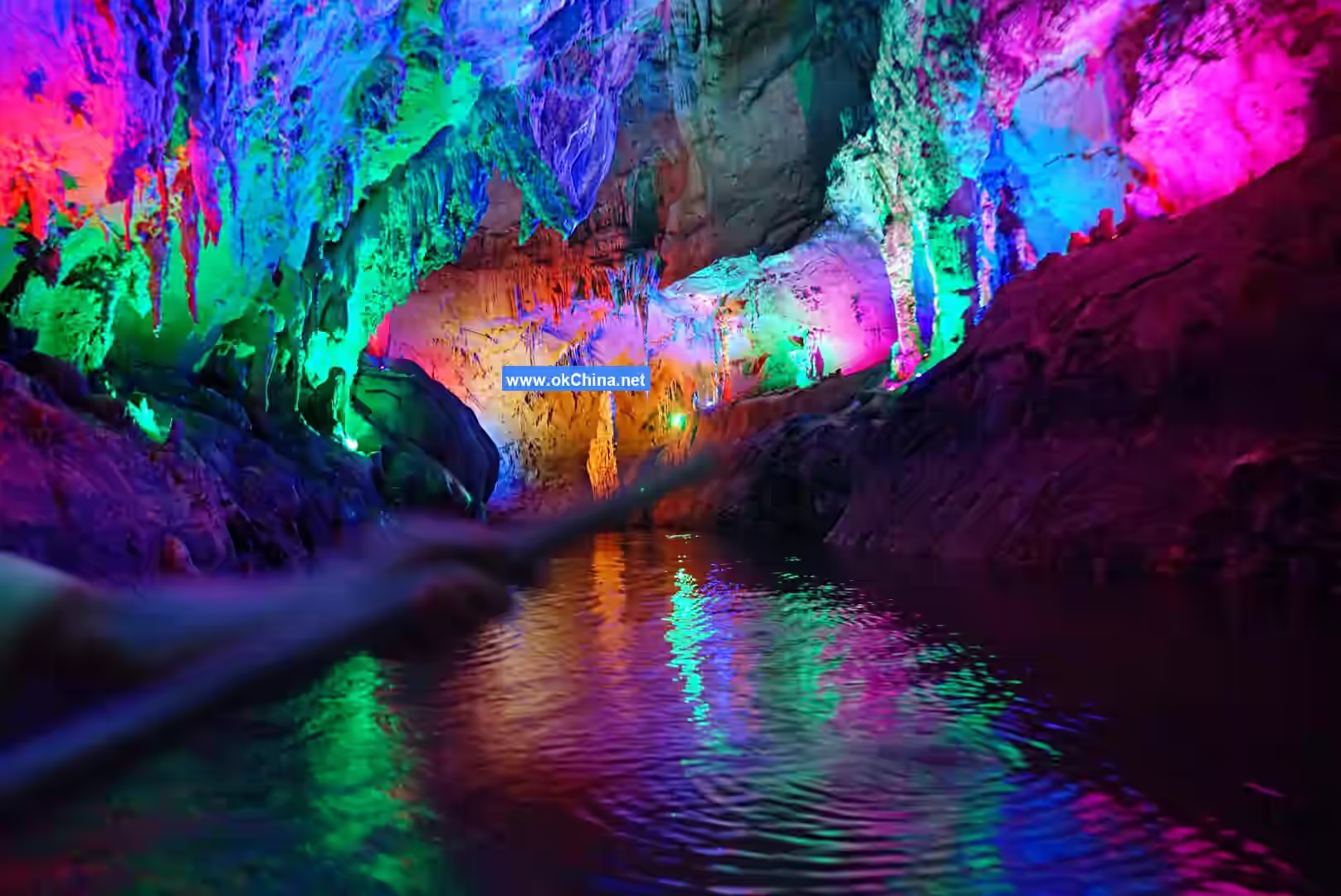
- Lotus Gorge: Named after stalactite clusters resembling lotus flowers, featuring winding waterways and beautiful scenery.
- Banana Gorge: Named for stalactites on both banks shaped like bananas, adding a touch of fun.
- Underground Dragon Palace: A section of the underground river where stalactites form palace-like scenes, astonishing visitors.
- Sea Lion Welcoming Guests: Specific stalactite combinations resembling sea lions greeting visitors.
- Scenic Rocks Along the Way: Including "Flying Elephant Crossing the River" and "Little Bird Pecking Insects," vividly displaying the wonders of nature.
The entire tour of the Lianzhou Underground River is not only a visual feast but also a journey of profound understanding of natural wonders. Each attraction carries the miracle of nature and the imprint of time, allowing every visitor to feel the mystery and grandeur of nature.
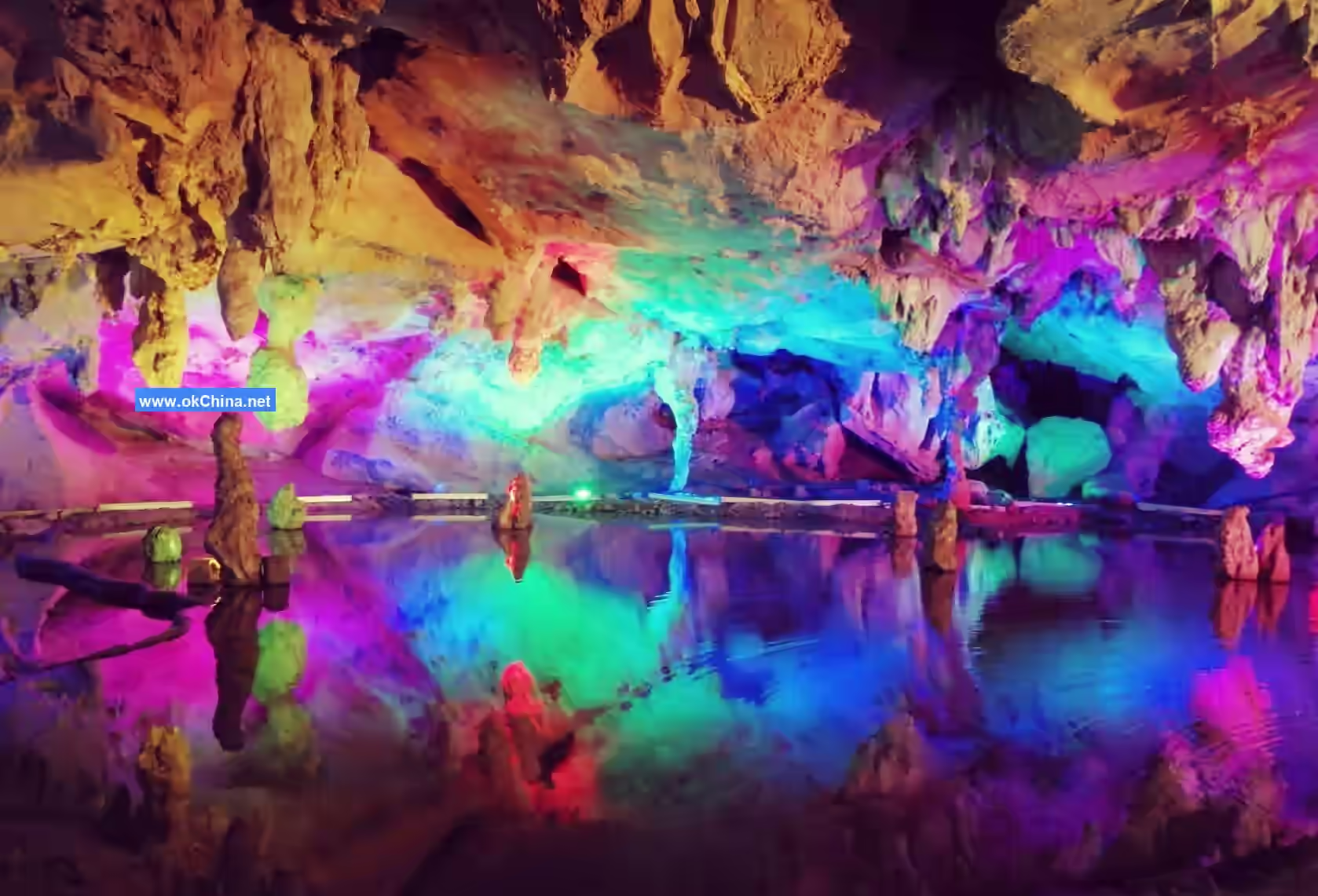
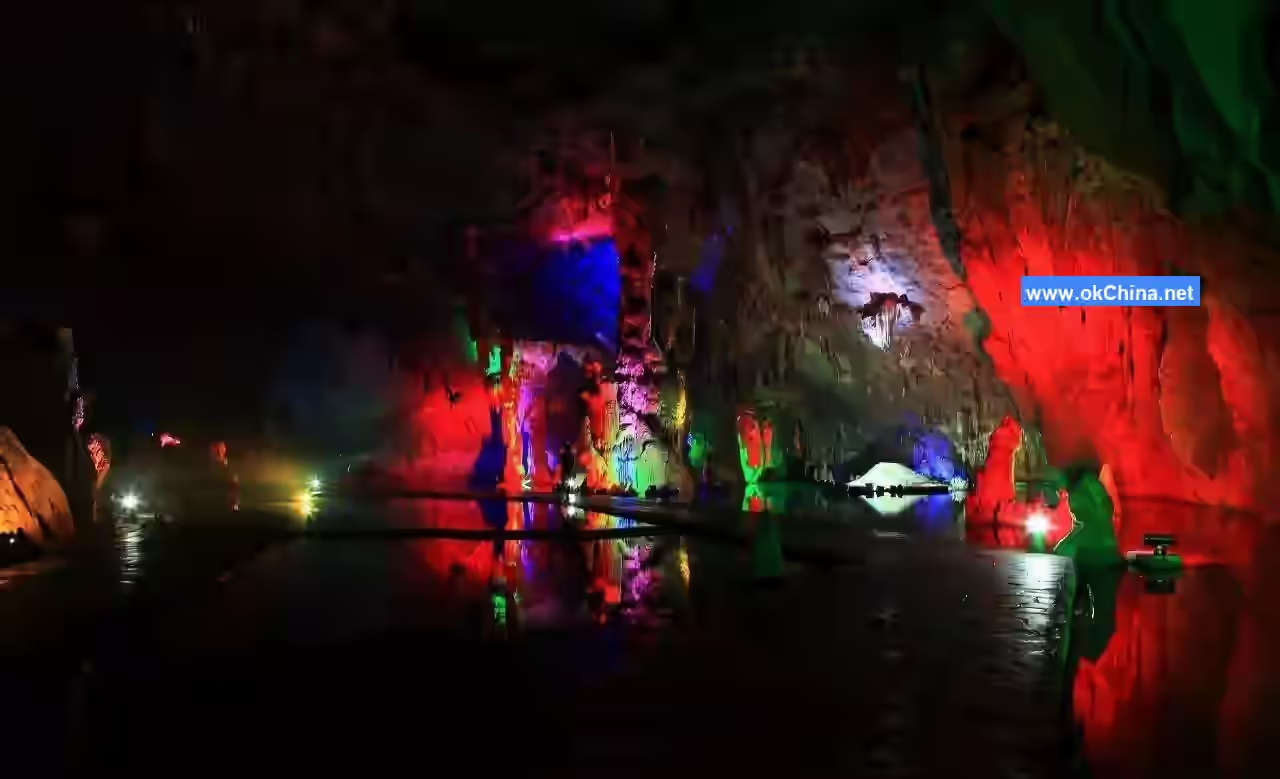
Inside the cave, there are countless stalactites of various shapes and dazzling colors. The tour area is divided into three levels: the upper and middle levels are land layers, featuring tall, broad halls with solid rock walls, majestic and spectacular. Scenes like "waterfalls," "mountain forests," "secluded valleys," "farmlands," and "Yao villages" present a vibrant picture where a hundred flowers bloom, birds fly, and clouds drift... The lower level is an underground river, meandering 1,500 meters from north to south, passing through three beautiful gorges and beneath four mountain peaks. The river is 1.6 to 10 meters wide and 1 to 7 meters deep, with both banks densely packed with marvelous, ingeniously crafted scenery too beautiful to absorb all at once. Treasures of the cave include the "Golden Rooster Crows at Dawn" and "Flying Elephant Crossing the River." There is also the "God of Longevity," the tallest and largest feature in the underground river, presenting two scenes in one object. Furthermore, there are nearly a hundred wonders naturally formed by stone pillars, stone curtains, stone stalagmites, stone lotus roots, stone flowers, and more.
Comments
Post a Comment