Shennongjia Ecological Tourism Zone
1. Introduction
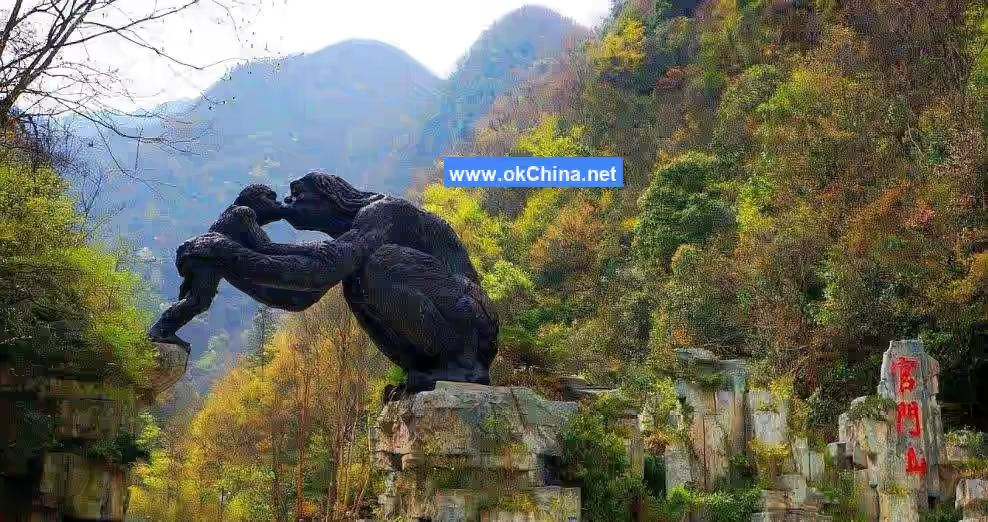
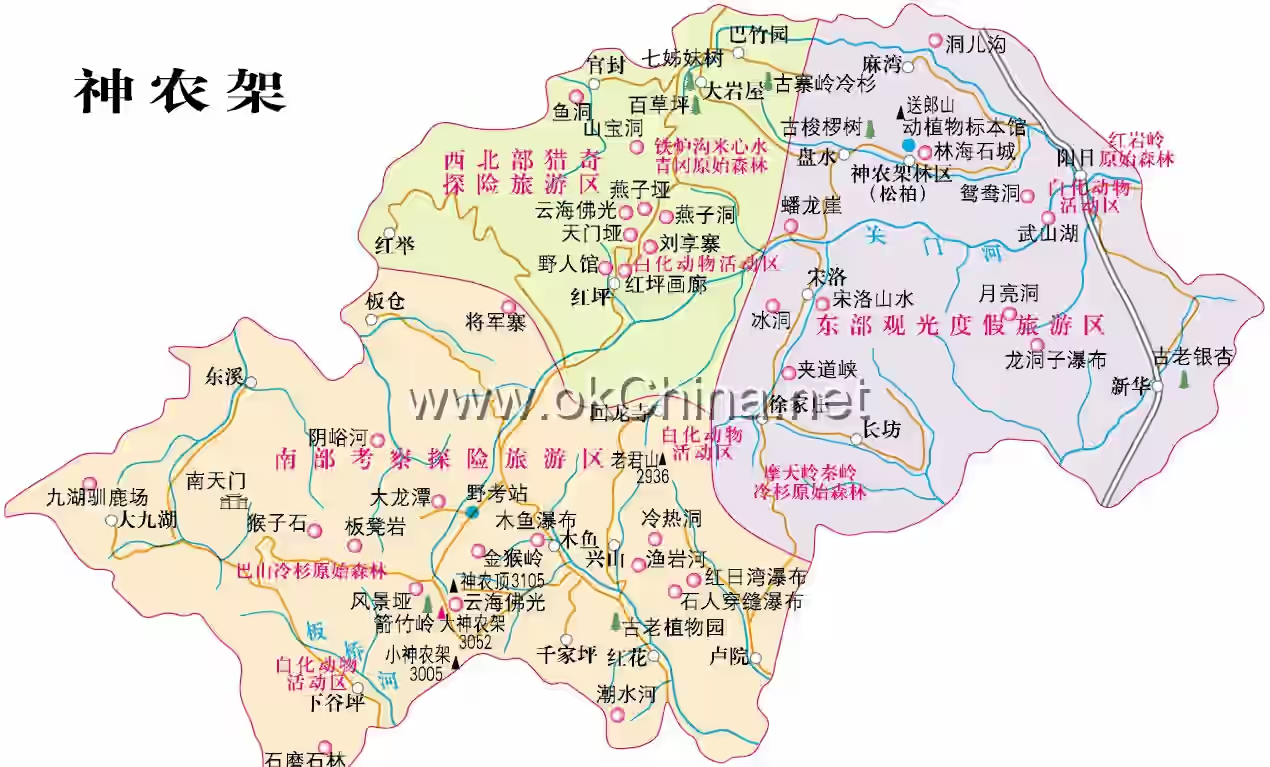
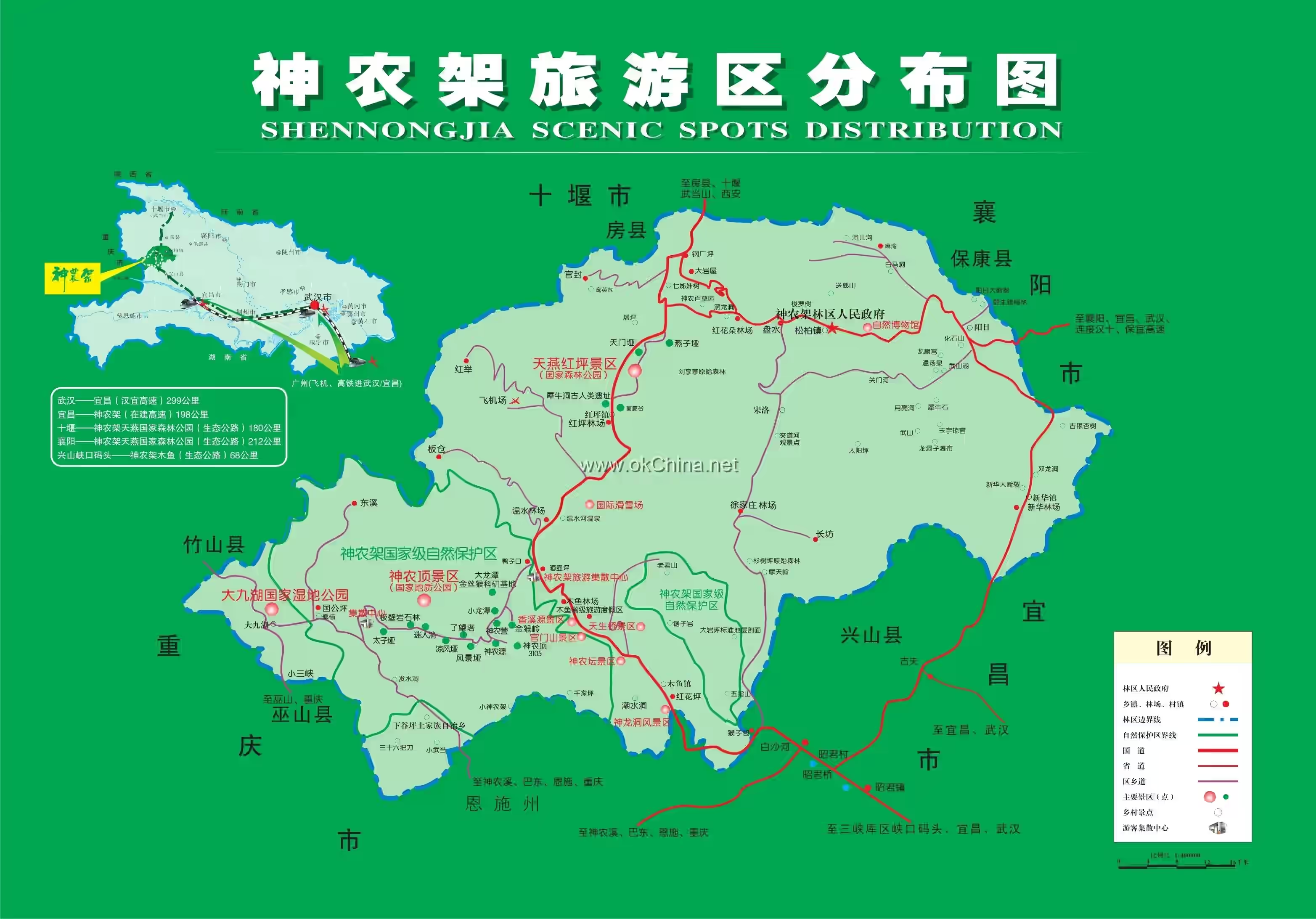
The Shennongjia Ecological Tourism Zone is located within Muyu Town, Shennongjia Forestry District, Hubei Province, covering an area of 45.4 square kilometers. It comprises the Shennongding Scenic Area and the Guanmenshan Scenic Area. The Shennongding Scenic Area is situated within the Shennongjia National Nature Reserve of Hubei Province and is the largest, most ecologically pristine, and most scenic core eco-tourism region of Shennongjia. The Guanmenshan Scenic Area is located along the Shicao River on the southern outskirts of the Muyu Tourism Resort. It is a large-scale ecological science education and tourism area primarily focused on ecological environment, species display, scientific research, and cultural exhibitions.
2. Geographical Environment
2.1 Formation
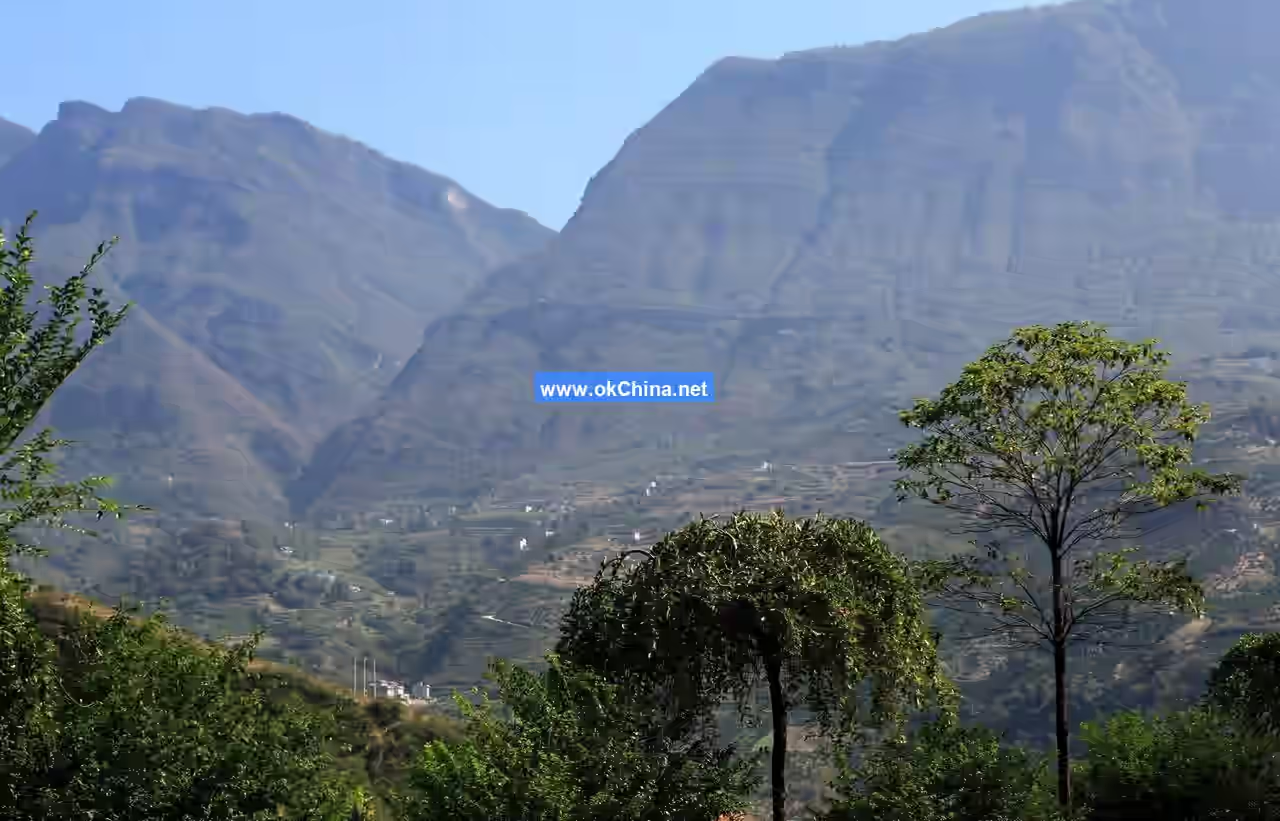
In ancient times, the Shennongjia region was a vast ocean. The Yanshan and Himalayan orogenies uplifted it into multi-level land, forming the eastern extension of the Daba Mountains. The mountain range extends east-west, with the terrain gradually descending from south to north. Most peaks exceed 1,500 meters in elevation, with over 20 peaks surpassing 2,500 meters. The highest peak, Shennongding, stands at 3,105.4 meters, known as the "First Peak of Central China." The Shizhu River in the southwest, at 398 meters, is the lowest point in Shennongjia, resulting in a relative height difference of 2,707.4 meters between the highest and lowest points.
2.2 Climate and Hydrology
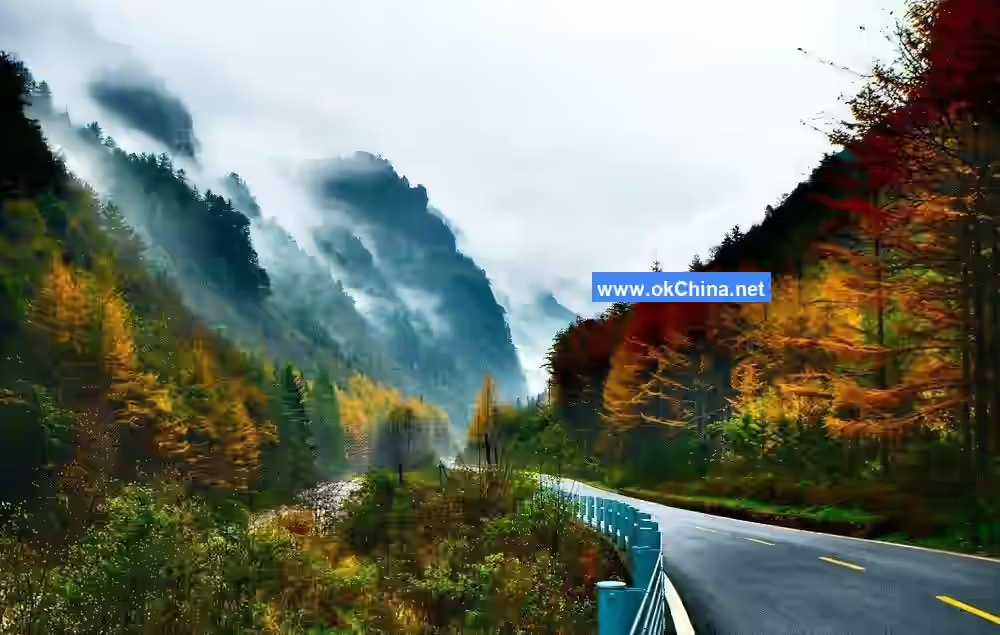
Shennongjia serves as the watershed between the Yangtze River and the Han River, encompassing four river systems: the Xiangxi River, Yandu River, Nan River, and Du River. Located in the mid-latitude northern subtropical monsoon zone, the region experiences cool temperatures and abundant rainfall. For every 100-meter increase in altitude, the seasons shift by 3-4 days. The climate is vividly described: "Summer at the foot, spring at the peak; autumn colors at the base, ice at the summit; a riot of colors hard to capture, the four seasons hardest to distinguish." Influenced year-round by alternating humid southeast monsoons and dry, cold continental high-pressure systems, coupled with the moderating effects of the high mountain forests on heat and precipitation, Shennongjia enjoys a pleasant climate with no extreme heat in summer nor severe cold in winter. While southern cities typically swelter in summer, Shennongjia remains a cool and refreshing world.
2.3 Biological Resources
The unique geographical environment and varied microclimates make Shennongjia a transitional zone for plant species between northern and southern China and a crossroads for numerous animal species. Shennongjia boasts over 3,700 types of plants (including over 730 fungi, over 190 lichens, over 290 ferns, over 30 gymnosperms, over 2,430 angiosperms, totaling over 4,000 species including bryophytes), with 40 species under national key protection. It is home to over 1,050 animal species (over 70 mammals, over 300 birds, over 20 amphibians, over 40 reptiles, over 40 fish, over 560 insects), with 70 species under national key protection. It encompasses nearly all animal and plant species ranging from Mohe in the north to Xishuangbanna in the south, and from central Japan in the east to the Himalayas in the west.
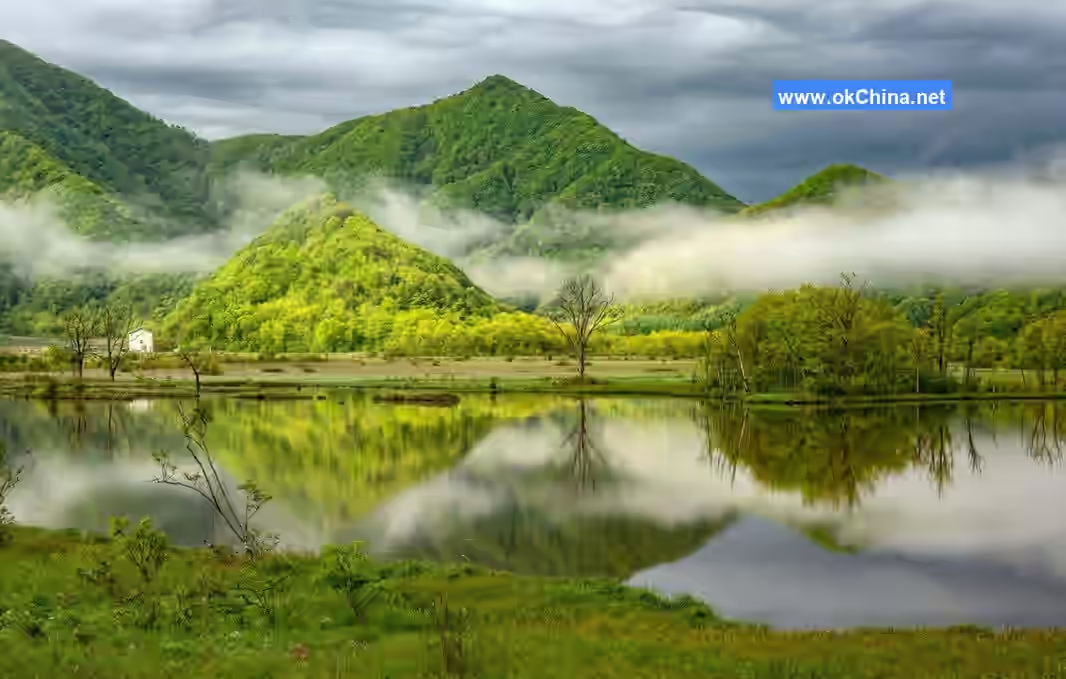
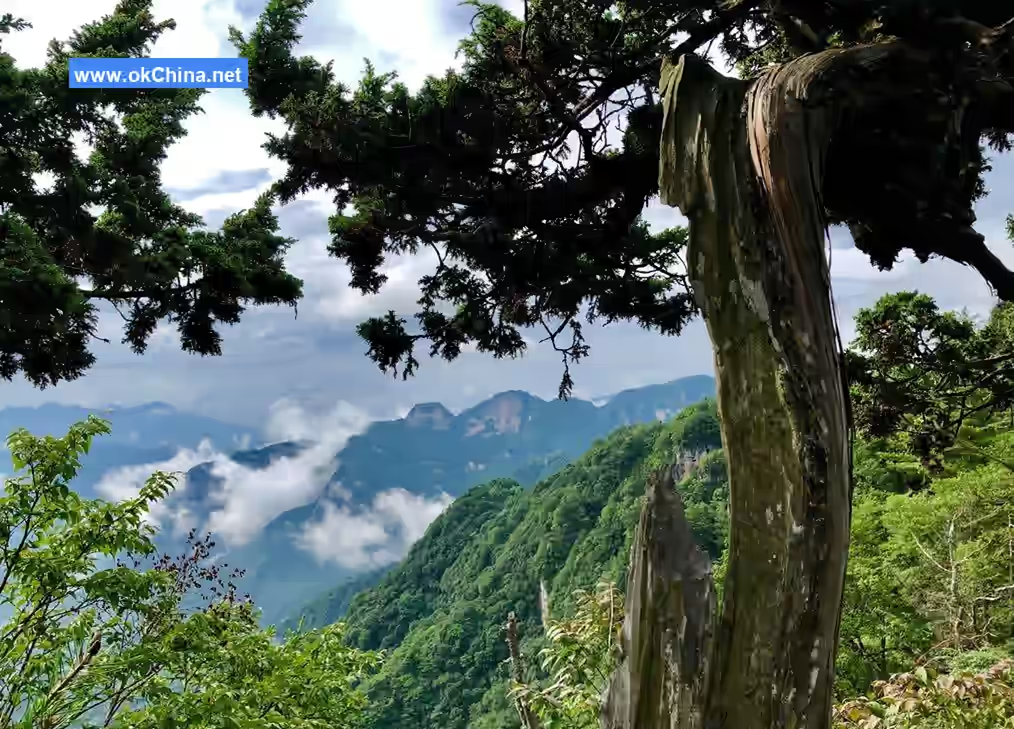
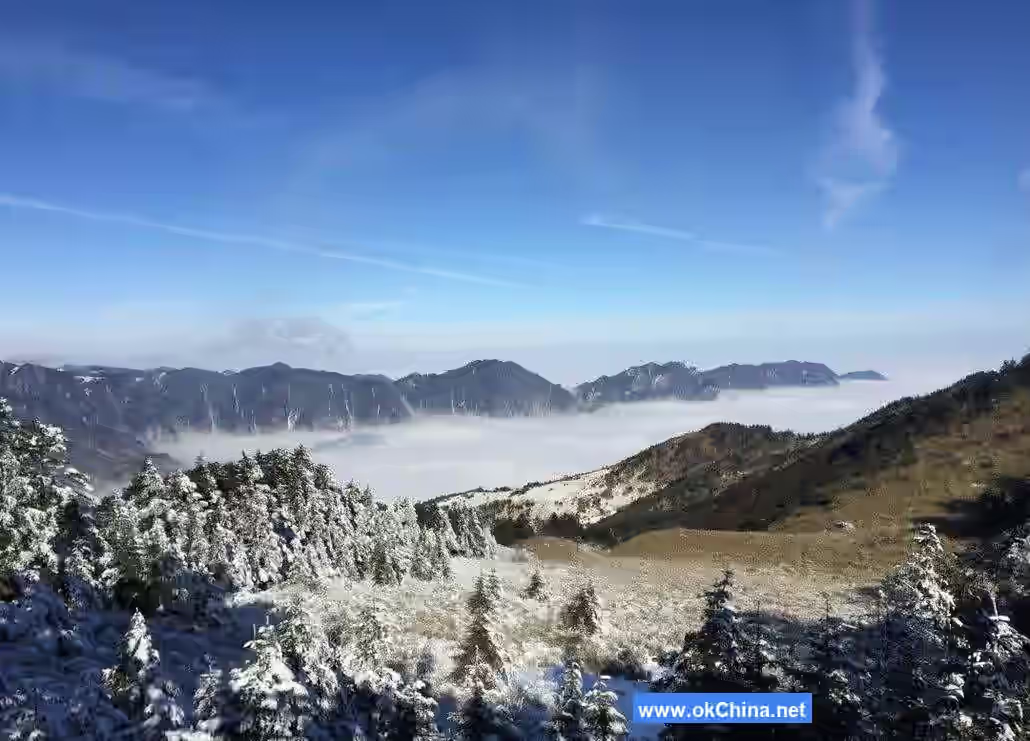
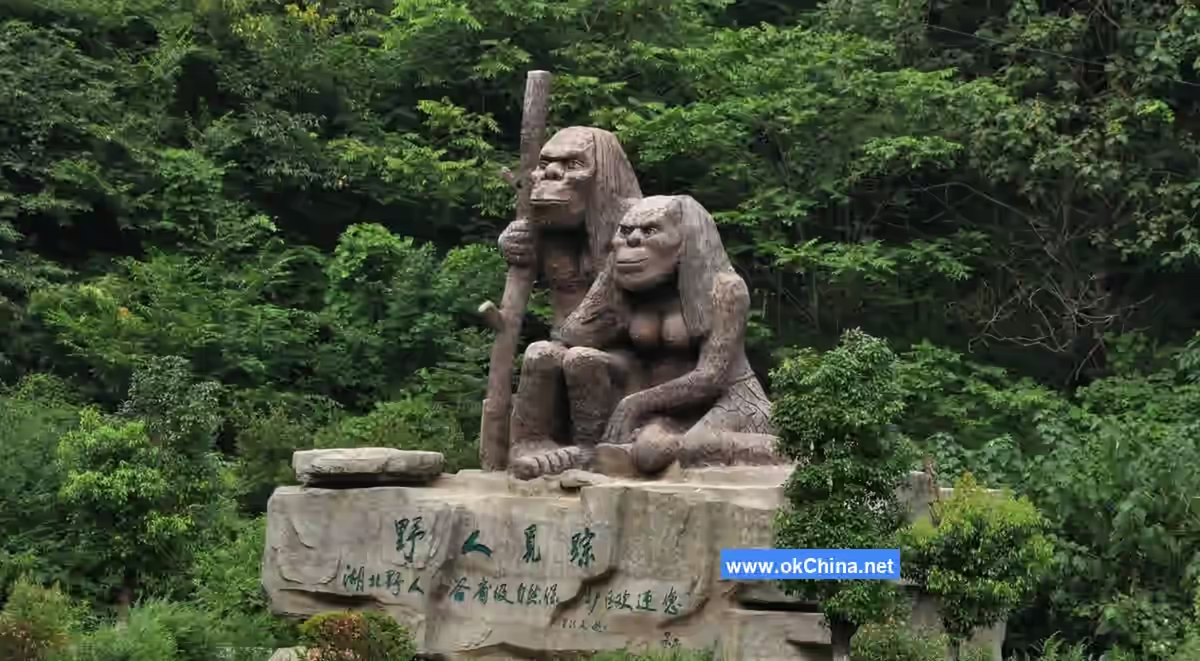
Shennongjia is the only well-preserved inland oasis in China and the sole green treasure in the mid-latitude regions of the world. Its intact subtropical forest ecosystem, unique in the world's mid-latitudes today, represents a distinctive, monopolistic world-class tourism resource. Its flora and fauna are rich, diverse, ancient, endemic, and rare. Majestic firs, ancient and fragrant rock cypresses, elegant tree ferns, graceful dove trees, and dominant Chinese firs thrive with lush foliage, blocking out the sky. Golden snub-nosed monkeys, white bears, serows, giant salamanders, as well as white storks, white cranes, golden eagles, and other beasts and birds roam the grasslands and soar through the forests. Everything exists in harmonious tranquility and serene contentment. The area also features beautiful ancient legends and simple yet mysterious folk customs. Together, humanity and nature form a high-mountain primitive ecological cultural circle in inland China. The legends of Shennong tasting herbs, the mystery of the "Wild Man," the Han ethnic mythological epic "Song of Darkness," the ancient Sichuan-Hubei salt road, Tujia wedding customs, and the charm of mountain villages all possess captivating allure. The peaks are magnificent, the springs sweet and clear, and the scenery superb. Shennongding proudly stands as the "First Peak of Central China," while Fengjingya ranks among the "Top Scenery of Shennongjia." The Hongping Gorge, Guanmenhe Gorge, Jiadaohe Gorge, and Yemahe Gorge are majestic and spectacular. The Yinju River, Yandu River, Xiangxi River, and Dajiuhu Lake offer enchanting landscapes. The Swallow Cave inhabited by tens of thousands of swallows, the Cold-Hot Cave with alternating temperatures, the Ice Cave frozen even in midsummer, the Tide Water Cave with three tides daily, and the Qianyu Cave where fish emerge with thunderclaps are all astounding wonders. Gushing springs, flying waterfalls, sea of clouds, and Buddha's halos present magnificent sights.
Shennongjia's vast forest sea, intact primitive ecosystem, rich biodiversity, pleasant climate, and unique inland high-mountain culture together compose a splendid landscape painting. These attributes have earned Shennongjia numerous accolades such as "Green Pearl," "Natural Zoological and Botanical Garden," "Biological Refuge," "Species Gene Bank," "Natural Museum," and "Cool Kingdom." In today's world where the global ecological environment is increasingly damaged and pollution worsens, Shennongjia is drawing worldwide attention precisely for its pristine and perfect ecological environment.
3. Main Attractions
3.1 Shennongjia National Nature Reserve
The Shennongjia National Nature Reserve is located in the southwestern part of Shennongjia Forestry District, Hubei Province, with a total area of 70,467 hectares. It is divided into eastern and western sections. The eastern section centers on Laojun Mountain, covering 10,467 hectares, while the western section centers on the Greater and Lesser Shennongjia peaks, covering 60,000 hectares.
The Shennongjia National Nature Reserve is rich in biological species, with a forest coverage rate of 98%. It features various vegetation types including evergreen broad-leaved forests, mixed evergreen and deciduous broad-leaved forests, deciduous broad-leaved forests, mixed coniferous and broad-leaved forests, coniferous forests, shrubs, arrow bamboo, and alpine meadows, serving as a microcosm of the main vegetation types from subtropical to cold-temperate zones across Eurasia. According to incomplete statistics, the reserve hosts 3,216 species of higher vascular plants, 493 species of wild mammals, birds, fish, and amphibians, and 4,143 species of insects. Among these, 73 animal species, including the golden snub-nosed monkey and golden eagle, are listed as national key protected animals. There are 259 species of wild animals considered beneficial or of significant economic and scientific research value under state protection. The reserve contains six peaks over 3,000 meters, forming the "Roof of Central China" and acting as the watershed between the Yangtze River and Han River basins within Hubei Province. The highest peak, Shennongding, at 3,105.4 meters, is the "First Peak of Central China."
3.2 Shennongding Scenic Area
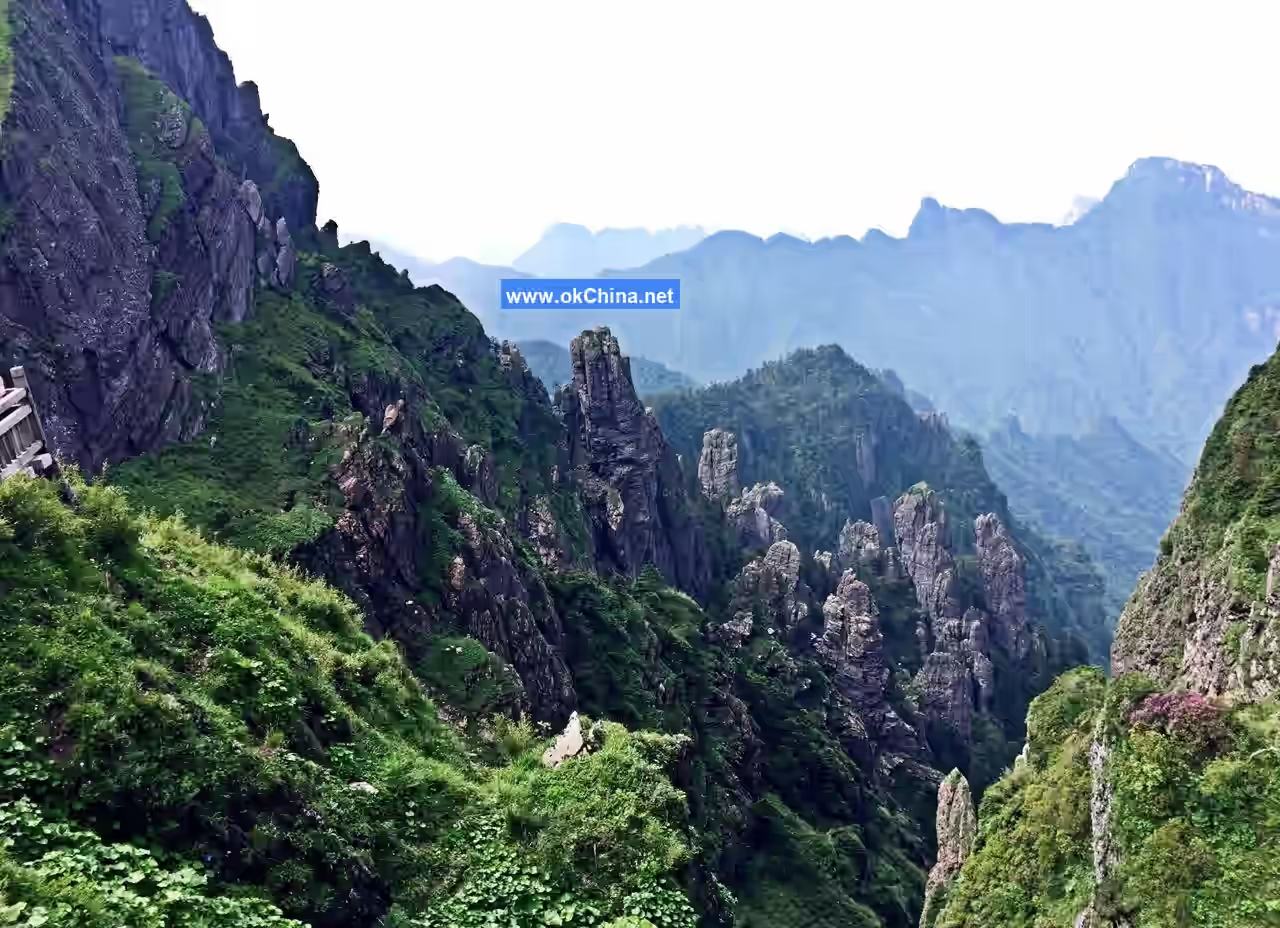
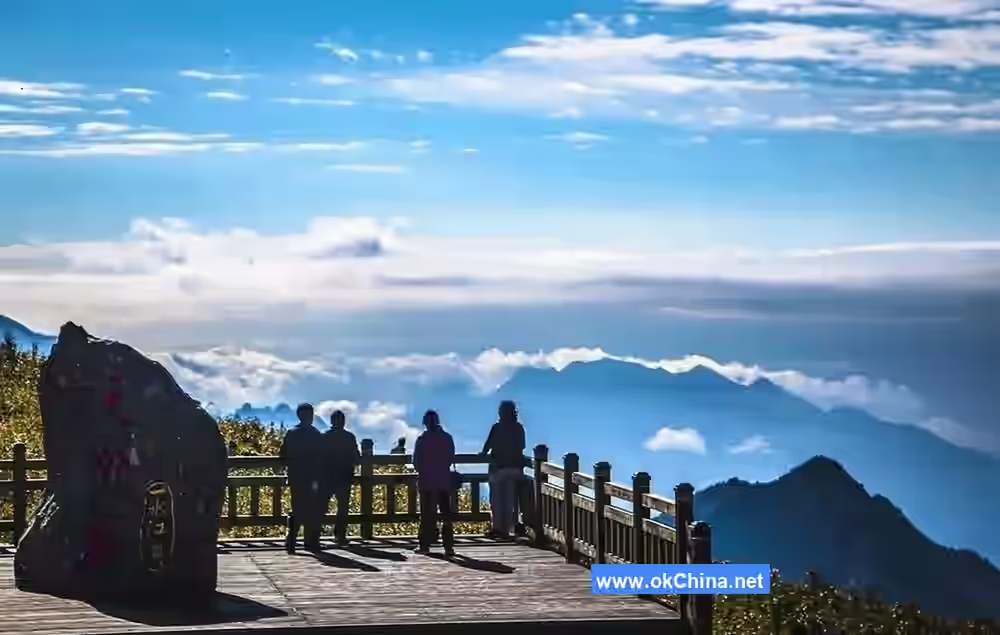
The Shennongding Scenic Area is located in southwestern Shennongjia. It is a natural eco-tourism zone themed on harmonious coexistence between humans and nature, centered on the well-preserved ecological environment of the nature reserve, supported by the Three Gorges Double Gods Route, and characterized by its forest ecosystem and biodiversity. It also serves as a demonstrative ecological landscape area constructed by the national forestry department. Rated as a 4A-level scenic area by the National Tourism Administration in 2002, it covers an area of 1.057 million mu. Within it, six peaks over 3,000 meters collectively form the Roof of Central China, serving as the watershed between the Yangtze and Han Rivers and playing vital roles in environmental protection, air purification, and soil conservation. Its vegetation exhibits distinct vertical zonation. Main attractions include: Xiaolongtan, Golden Monkey Ridge, Shennong Valley, Banbiyan, Observation Tower, and Taiziya.
- Xiaolongtan: A comprehensive service area integrating dining, accommodation, transportation, tourism, shopping, and entertainment. It houses a wildlife rescue station and a golden monkey dynamic video hall.
- Golden Monkey Ridge: At an elevation of 3,019.4 meters and covering approximately 5 square kilometers, with an average altitude around 2,500 meters, its highest point is one of the six pillar peaks of the "Roof of Central China." It is a main activity area for golden snub-nosed monkeys within the Shennongding Scenic Area and a typical representative of Shennongjia's hundreds of thousands of mu of primitive forest.
- Shennong Valley: At 2,785 meters, it connects to the First Peak of Central China in the east, links to the Greater and Lesser Shennongjia in the west, overlooks Golden Monkey Ridge to the north, and looks down upon Banqiao River to the south. It is said that "coming to Shennongjia without visiting Shennong Valley is like not having come at all."
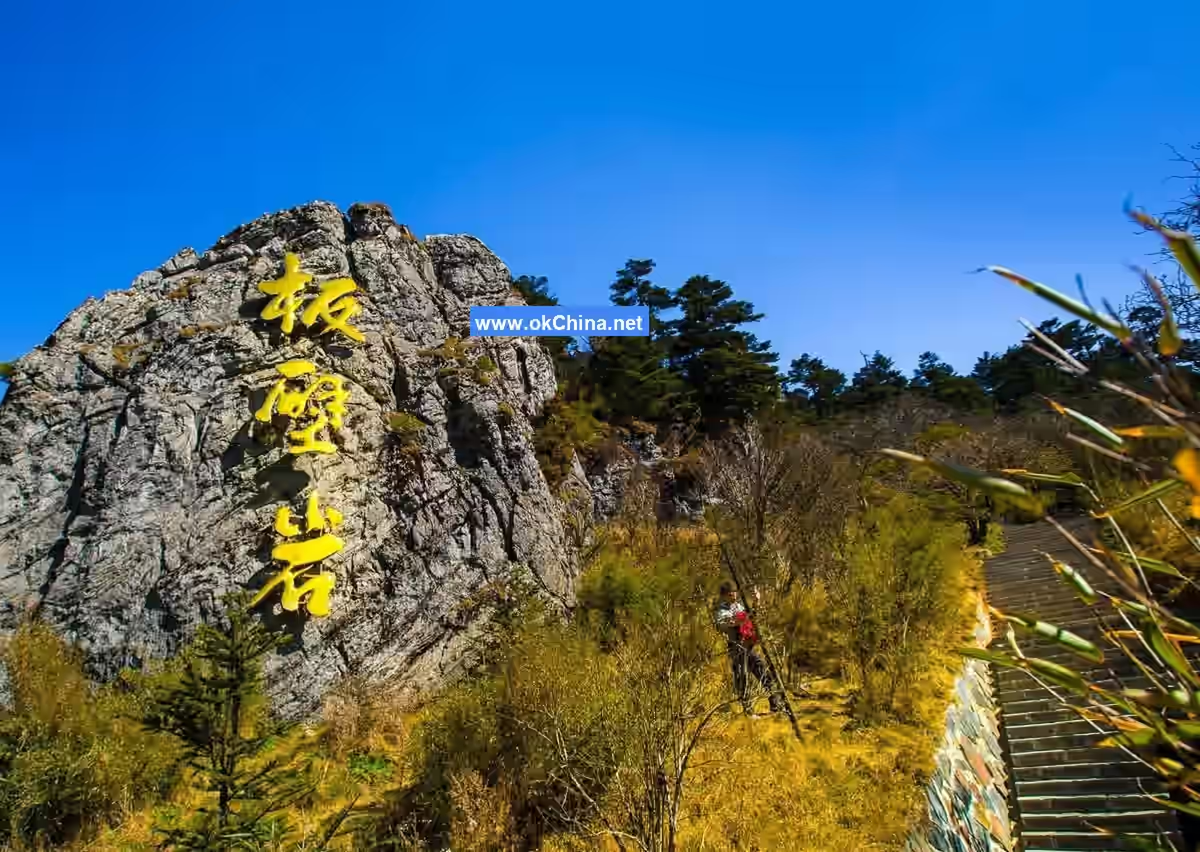
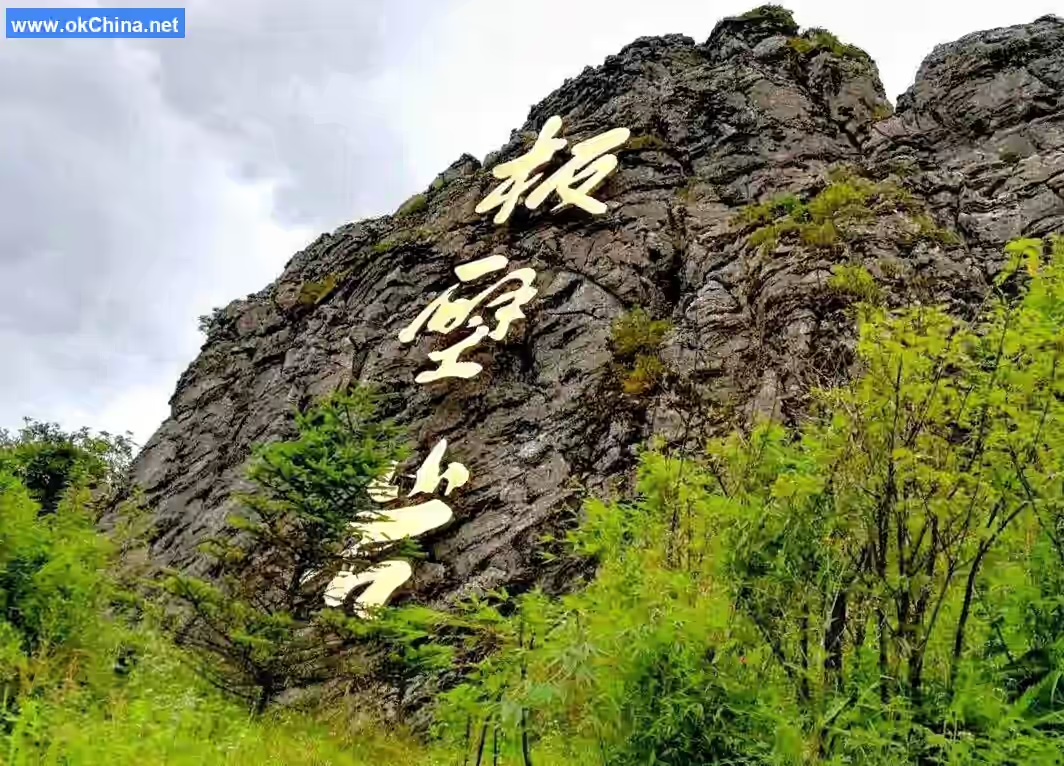
- Banbiyan (Slab Wall Rock): Named for its steep, cliff-like terrain at 2,590 meters, it is also a place where "Wild Men" are frequently sighted and leave traces. The Banbiyan attraction is a typical area of primitive alpine vegetation distribution, featuring alpine meadows, arrow bamboo, alpine rhododendrons, primitive forests, and rock forests of various shapes. Clusters of alpine rhododendrons dot the velvety meadows on the slopes. When the breeze rises, vast stretches of arrow bamboo forests roll like waves with a continuous rustling sound. Footprints, hair, and feces attributed to "Wild Men" have been discovered multiple times in the forests.
- Observation Tower: Built on Wangnong Mountain on the northern slope of Greater Shennongjia at an elevation of 2,949.7 meters. The tower was completed on October 1, 1985. It stands 13 meters tall, constructed of reinforced concrete. Originally a supporting facility for forest fire prevention and pest observation in the nature reserve, it now provides services for tourists.
3.3 Dalongtan Golden Snub-Nosed Monkey Protection and Research Base
The golden snub-nosed monkey is a rare primate endemic to China, listed as a National Category I protected animal and one of the most beautiful and precious animals in the world. The Shennongjia golden snub-nosed monkey represents the easternmost distribution of this species in China. It is the population with the smallest numbers and the lowest genetic diversity among all golden snub-nosed monkey groups in the country, making it the most valuable species for research and conservation.Dalongtan, at an altitude of 2,300 meters, is one of the natural habitats of the golden snub-nosed monkey in Shennongjia. The Dalongtan Golden Snub-Nosed Monkey Protection and Research Base was established on April 15, 2005, and was approved by the Hubei Provincial Department of Science and Technology as the Hubei Golden Snub-Nosed Monkey Protection and Research Center on January 28, 2007. Its main tasks are to conduct long-term monitoring of golden snub-nosed monkeys, understand the trends in their population changes, and provide a scientific basis for their effective protection. After the establishment of the research base, based on years of research on golden snub-nosed monkeys, a small population with the smallest number (105 individuals) and a reasonable structure (consisting of 8 families and 1 all-male unit) was selected for long-term tracking and study.
3.4 National Forest Park
In 2009, Shennongjia National Forest Park was ranked among the "Top Ten Most Beautiful Forest Parks in China" in the voting selection of the "China's Most Beautiful Tourist Destinations Ranking." Tianyan Scenic Area is located in the northwest of Shennongjia, with a control area of 110 square kilometers and a planned development area of 55.18 square kilometers. The average altitude of the scenic area is 2,200 meters, and it is named after Yanzhiya to the north and Tianmenya to the south. It is a primitive ecological tourism area that features a backdrop of pristine forest scenery, incorporates the legends of Shennong and the simple mountain forest culture, and combines rare trees, flowers, caves, and the unique customs of mountain villagers. Its theme revolves around reflecting primitive antiquity and exploring mysteries. It is an ecological tourism area under construction in China and a demonstration base for biodiversity in Asia. It is a nationally key-invested ecological tourism demonstration area and was rated as a 4A-level scenic spot by the National Tourism Administration in 2002. Its main attractions include: Swallow Cave, Yantian Flying Bridge, Liuxiangzhai, Xiantao Peak, Purple Bamboo River Primitive Forest, Sea of Clouds and Buddha's Light, Huixian Bridge, Ox Nose Cave, and Wild Man Cave.
- Swallow Cave: The cave entrance is at an altitude of 2,400 meters, with a main cave length of 3.7 kilometers. The cave has flowing spring water year-round and is home to tens of thousands of short-billed swiftlets, making it a typical representative of the hundreds of unique caves in Shennongjia.
- Yantian Flying Bridge: A fully steel-structured viewing bridge, this steel bridge is suspended high with a large span and is the highest-altitude viewing bridge in Asia. Standing on the viewing bridge, the entire Yanzhiya is visible at a glance, and the forest vegetation of the Purple Bamboo River Valley is fully displayed.
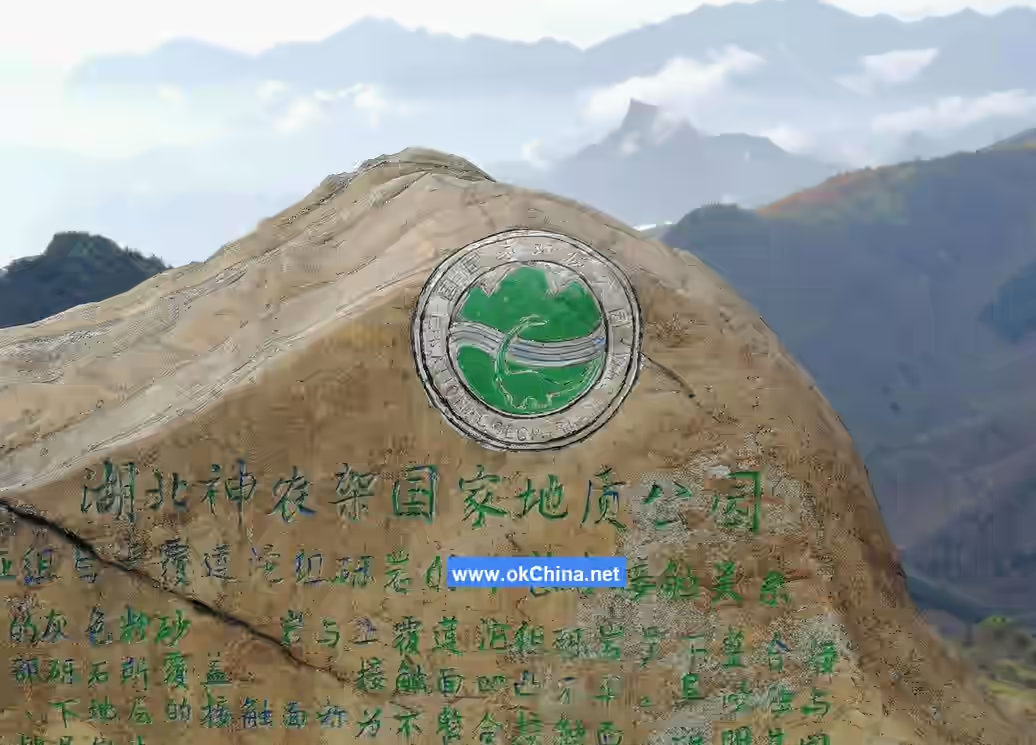
3.5 National Geopark
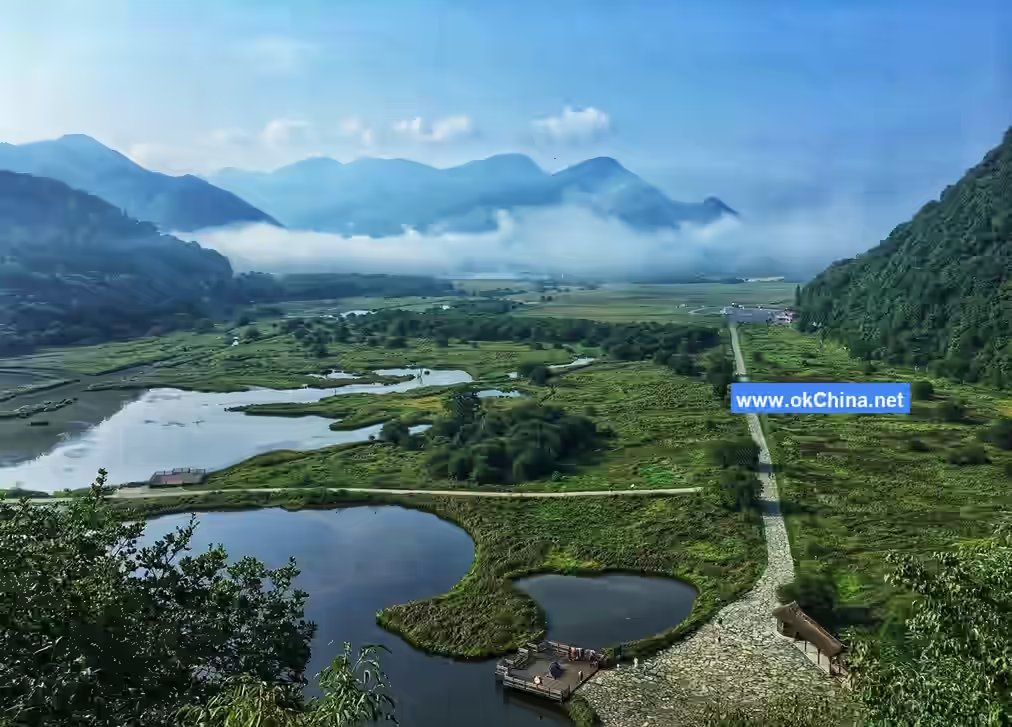
Hubei Shennongjia National Geopark is located in the central and southern part of the Shennongjia Forest Region, covering an area of approximately 1,700 km². It was approved by the National Ministry of Land and Resources in 2005 and officially designated in May 2008. Shennongjia Geopark has the world's most complete Upper Precambrian strata, with intact geological structures, comprehensive stratigraphic exposures, and clear tectonic evidence. It preserves traces of the Yanshanian orogeny while also revealing the strong influence of the Himalayan movement. It contains fossil groups from the Cambrian and Ordovician periods and exhibits karst topography and glacial landforms. The specific geological background, geographical location, and climatic conditions of Shennongjia integrate numerous geological and geomorphological landscapes. Complete Precambrian strata, typical fault-dome structures, Quaternary glacial relics, denudation surfaces above 2,000 meters, alpine wetland meadows, canyons, rivers, waterfalls, underground rivers, springs, stone forests, and karst caves constitute the unique geological wonders of Shennongjia.
Shennongjia National Geopark is divided from west to east into six scenic areas: the Dajiuhu Scenic Area is characterized by developed glacial landforms and alpine meadows; the Banqiao Scenic Area mainly features erosional tectonic landforms; the Shennongding Scenic Area showcases magnificent mountain landforms and typical geological profiles; the Tianyan Scenic Area features developed canyons and karst landforms; the Xiangxiyuan Scenic Area is characterized by canyon and river source landscapes; and the Laojunshan Scenic Area features fault structures and water landscapes.
3.6 Emperor Yan Shennong Cultural Park
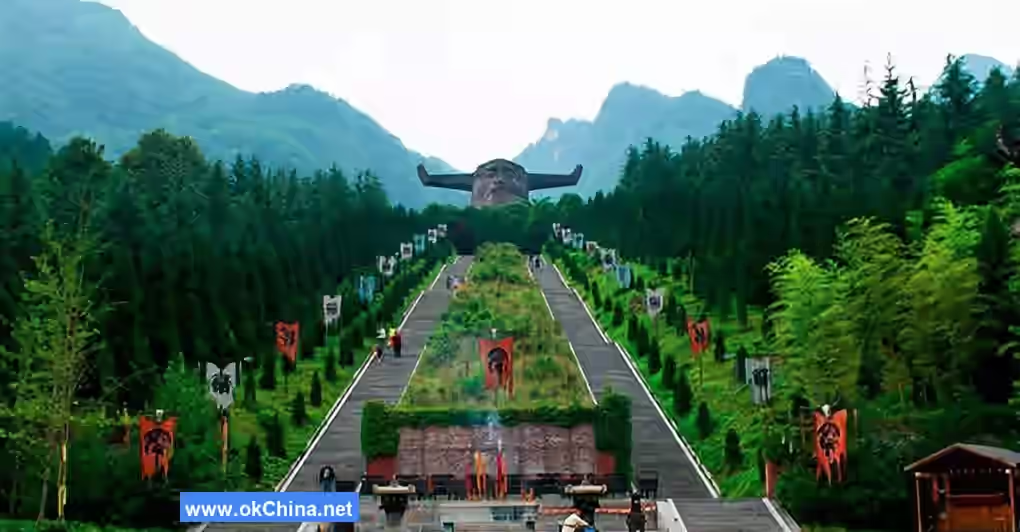
Emperor Yan Shennong Cultural Park is located next to National Highway 209 in the south of Muyu Town. It is a cultural tourism area that focuses on showcasing the achievements and virtues of the ancestor Shennong, integrating rare ancient natural relict tree species and scientific research, with an emphasis on the theme of tracing roots and ancestral worship. Surrounded by peaks competing in beauty, it gathers the spiritual energy of the mountains and the elegance of all rivers. In 2002, it passed the national quality ISO9001 and ISO 14000 system certifications and was rated as a national 4A-level scenic spot. The scenic area is distinctively divided into four parts: Ancient Botanical Garden, Millennium King Fir, Shennong Altar, and Shopping Corridor. Inside the altar, the statue of Shennong is tall, majestic, solemn, and serene, with eyes slightly closed as if observing all things in the world. With the earth as its body, the head is 21 meters high, symbolizing the rising prosperity of the Chinese nation in the 21st century, and 35 meters wide. Combined with its height, it totals 56 meters, symbolizing the great unity of the 56 ethnic groups. The five-colored stones around the altar represent the five elements: metal, wood, water, fire, and earth. The inner square and outer circle signify the concept of a round heaven and square earth. On both sides of the altar, eight groups of murals record the merits of the ancient Shennong: taming cattle for plowing, creating the five-stringed zither, weaving hemp and kudzu, making pottery and wooden tools, primitive farming, establishing markets at noon, and digging wells for irrigation. These eight groups of murals artistically narrate the great achievements of Shennong, expressing the infinite nostalgia of his descendants.
3.7 Xiangxiyuan Scenic Area
Xiangxiyuan Scenic Area is located 4 kilometers north of Muyu Town. Xiangxiyuan is an important tributary on the north bank of the Xiling Gorge of the Yangtze River. It is an underground river originating from Fengjingya at an altitude of 2,800 meters. Legend has it that before Wang Zhaojun went to the frontier for a marriage alliance, she returned to her hometown to visit her family. While washing her face in the stream, she accidentally dropped a string of pearl necklaces into the water. Since then, the stream water has been clear year-round and fragrant, hence the name Xiangxi (Fragrant Stream). At the source of Xiangxi, strange peaks compete in beauty, deep within the forest sea, clouds and mist drift; wild flowers bloom in the forest, and streams and rivers crisscross the mountains. The water of Xiangxi is clear to the bottom, cool and sweet. Xiangxiyuan is also known as the "Fourteenth Spring Under Heaven."
3.8 Tianshengqiao Scenic Area
Tianshengqiao Scenic Area is located in Caiqi Village in the south of Shennongjia, adjacent to National Highway 209, and 4.8 kilometers from Shennong Altar. It is a new ecological tourism area officially opened to the public in April 2003. The scenic area is at an altitude of 1,200 meters and covers an area of 60 square kilometers. It is a tourism area for leisure, adventure, and sightseeing, characterized by strange caves, bridges, waterfalls, and pools. Here, there are charming flying waterfalls, a natural stone bridge crafted by nature, an orchid mountain with fragrance wafting for miles, and a perilous and strategic stone cliff plank road, forming a colorful landscape painting.
Comments
Post a Comment