
Shapotou Tourist Attraction in Zhongwei City
I. Introduction
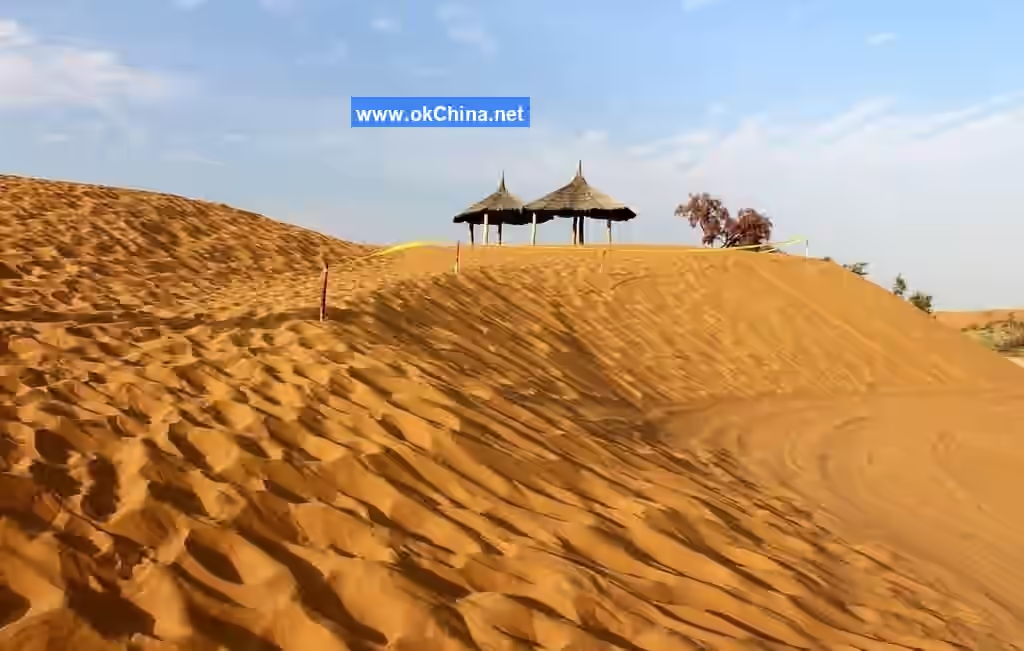
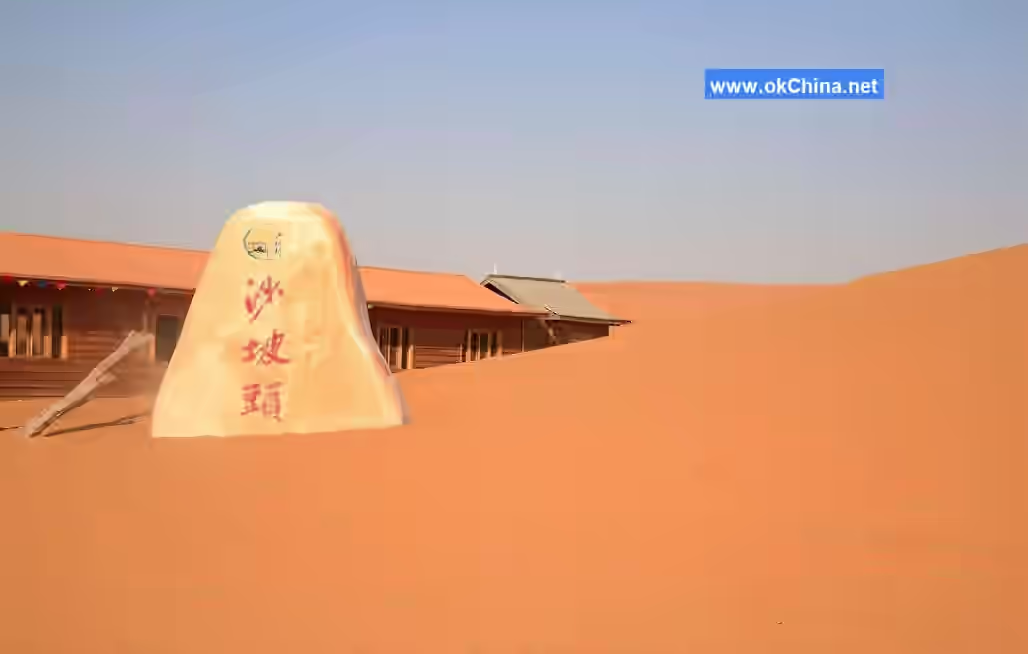
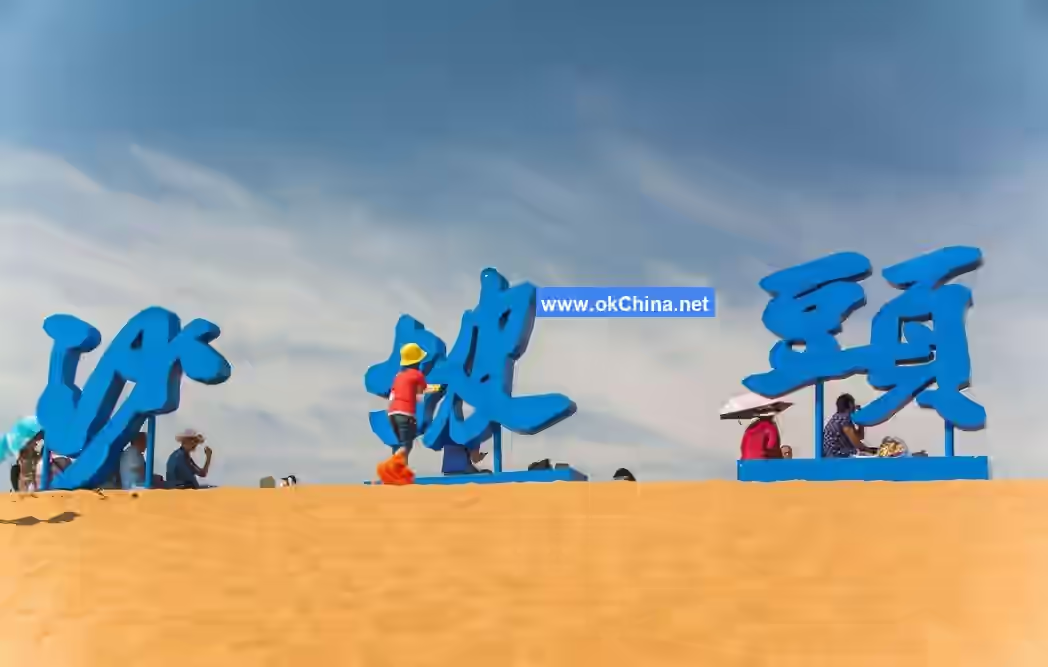
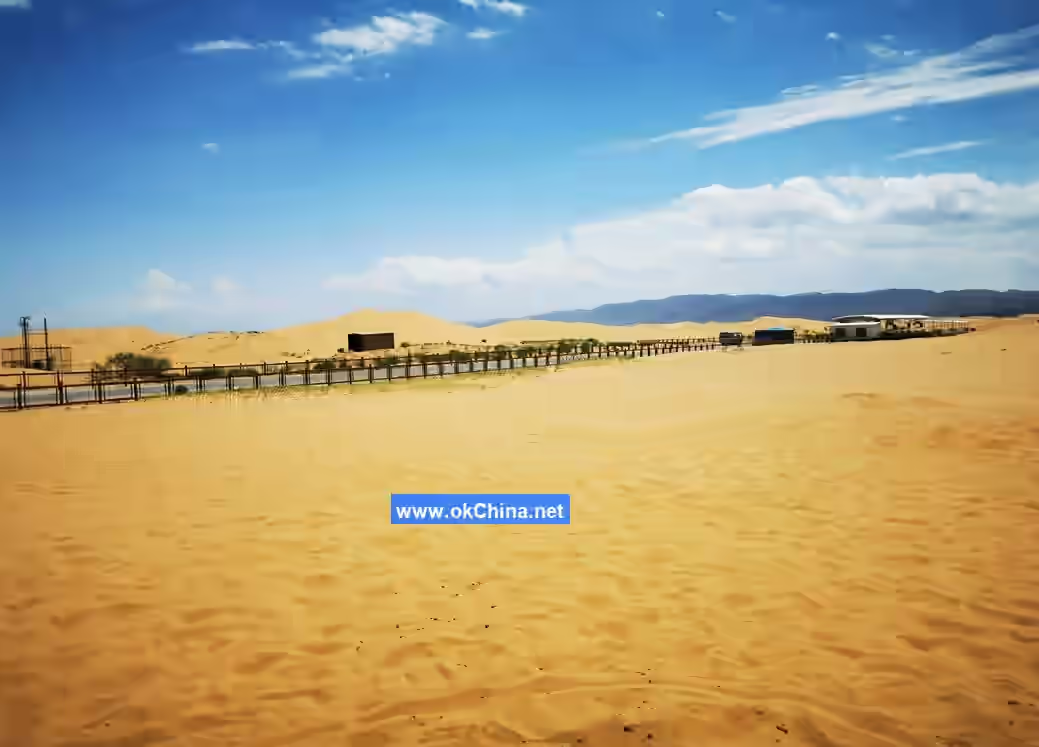
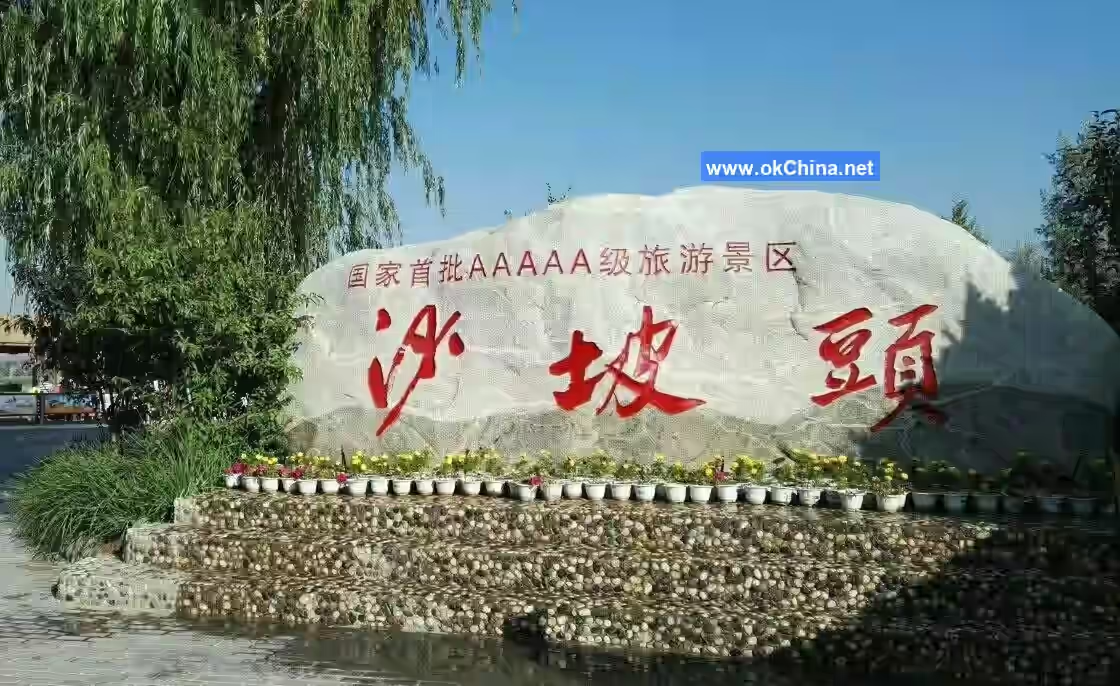
The Shapotou National Nature Reserve in Ningxia is located on the southeastern edge of the Tengger Desert, west of Zhongwei City in the Ningxia Hui Autonomous Region. It stretches from the Nanhulinfang area of Erdaoshagou in the east to Toudaodun in the west, bordering the Tengger Desert to the north and the Yellow River to the south. Spanning approximately 38 kilometers in length and 5 kilometers in width, with an elevation ranging from 1,300 to 1,500 meters, the reserve covers a total area of 4,599.3 hectares, accounting for 3% of Zhongwei City's urban land area. It is one of China's twenty key desertification control areas. Currently, it is recognized as a National AAAAA Tourist Attraction, a National Desert Ecological Nature Reserve, one of the Global 500 Roll of Honour for Environmental Achievement, one of the twenty famous landscapes for national fitness, and a recipient of the Special Award for Scientific and Technological Progress.
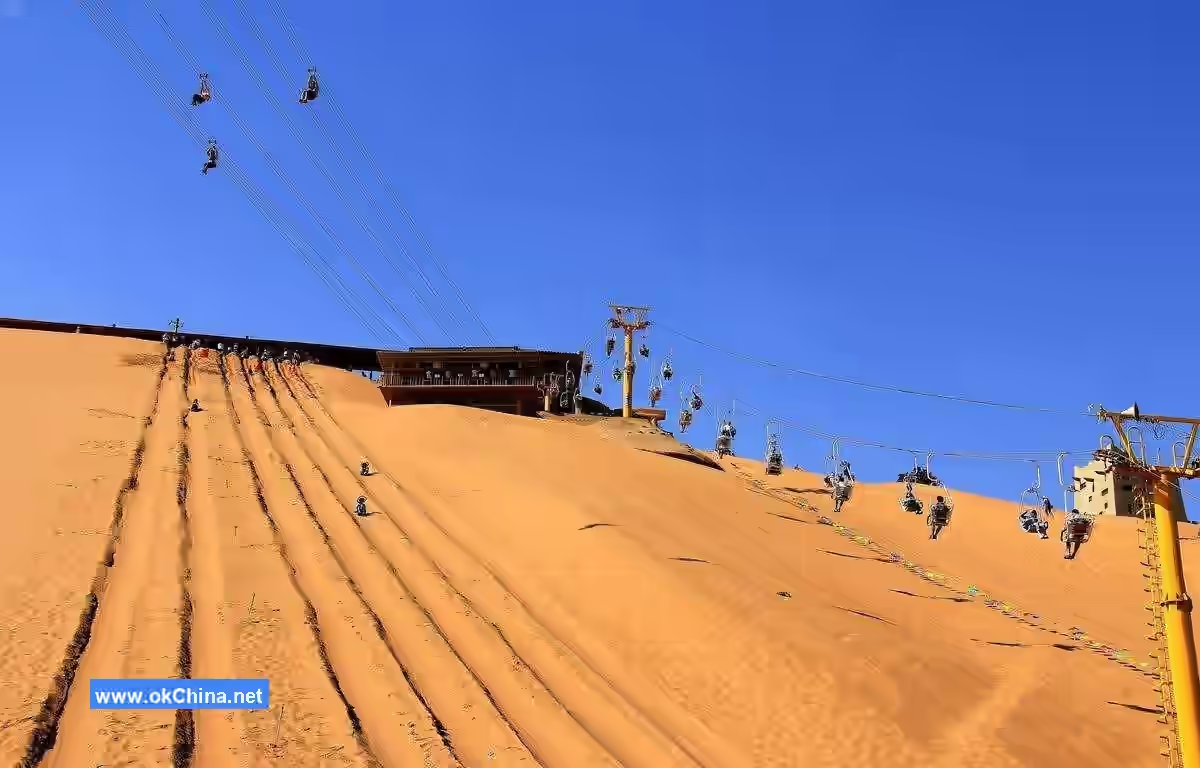
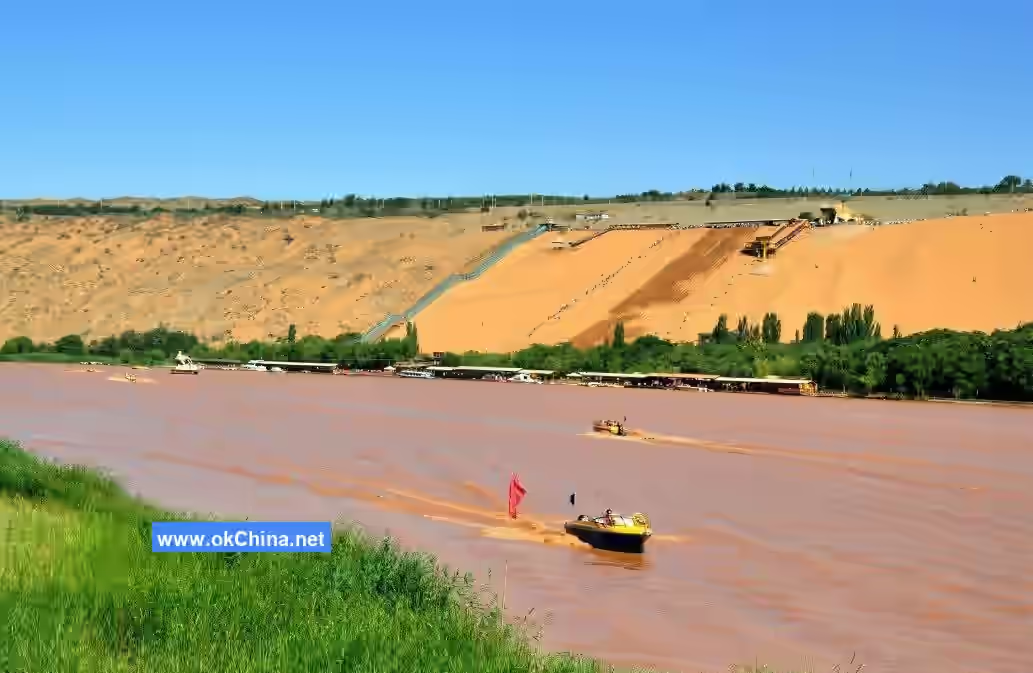
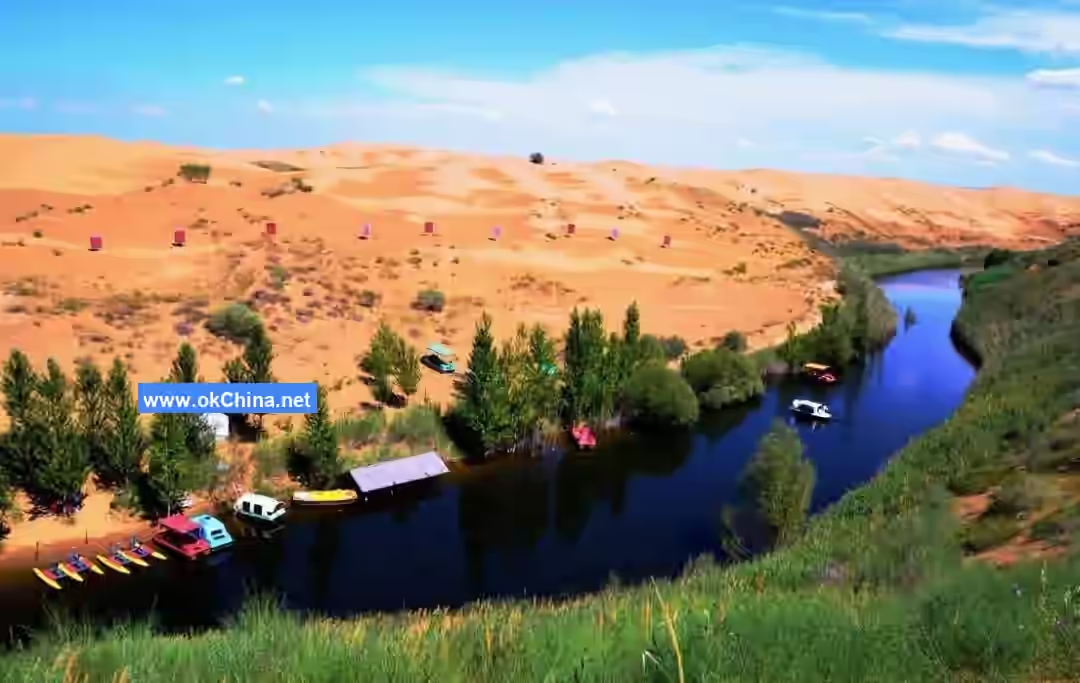
Shapotou uniquely combines vast deserts, the Yellow River, towering mountains, and lush oases into one scenic area, showcasing the majestic grandeur of northwestern landscapes alongside the delicate beauty of southern scenery. It features China's largest natural sand sliding field, the "First Cableway over the Yellow River" spanning the river, ancient waterwheels representing Yellow River culture, the oldest means of transportation on the Yellow River—the sheepskin raft—and rare desert mirages. Visitors can ride camels across the Tengger Desert, enjoy off-road vehicle adventures on sand dunes, and witness the spectacular phenomena of "solitary smoke rising from the desert" and "the sun setting over the long river" all within a compact area.
The primary conservation targets at Shapotou include natural desert landscapes, indigenous desert vegetation, achievements in desertification control research, wildlife, historical and cultural sites such as the Ming Dynasty Great Wall and the "Singing Sand Dune," as well as their integrated natural complexes. In 2018, it was listed among the "100 Magical Scenes of Northwest China" at the China Northwest Tourism Marketing Conference and Tourism Equipment Exhibition. It was also honored as one of the "50 Scenes of the Yellow River in China" at the China Yellow River Tourism Conference and named the "Best Leisure Tourism Destination" by China National Travel magazine in 2018.
The picturesque scenery of the Yellow River, vast deserts, and sand mountains, combined with over four decades of efforts by desertification control experts and local communities to secure railway safety by taming sand dunes and creating oases, has not only benefited the people of Zhongwei but also made Shapotou renowned both domestically and internationally.
II. Geographical Location
Location and Territory
The Shapotou Tourist Attraction in Zhongwei City is situated 16 kilometers west of Zhongwei City in the Ningxia Hui Autonomous Region, on the southeastern edge of China's fourth-largest desert—the Tengger Desert.
Climate
Located deep inland, far from the ocean, and adjacent to the desert, the Shapotou Tourist Attraction experiences a semi-arid climate characterized by typical continental monsoon and desert climate features. These include late springs, early autumn coolness, short hot summers, long cold winters, frequent strong winds with abundant sand, and scarce rainfall.
III. Main Attractions
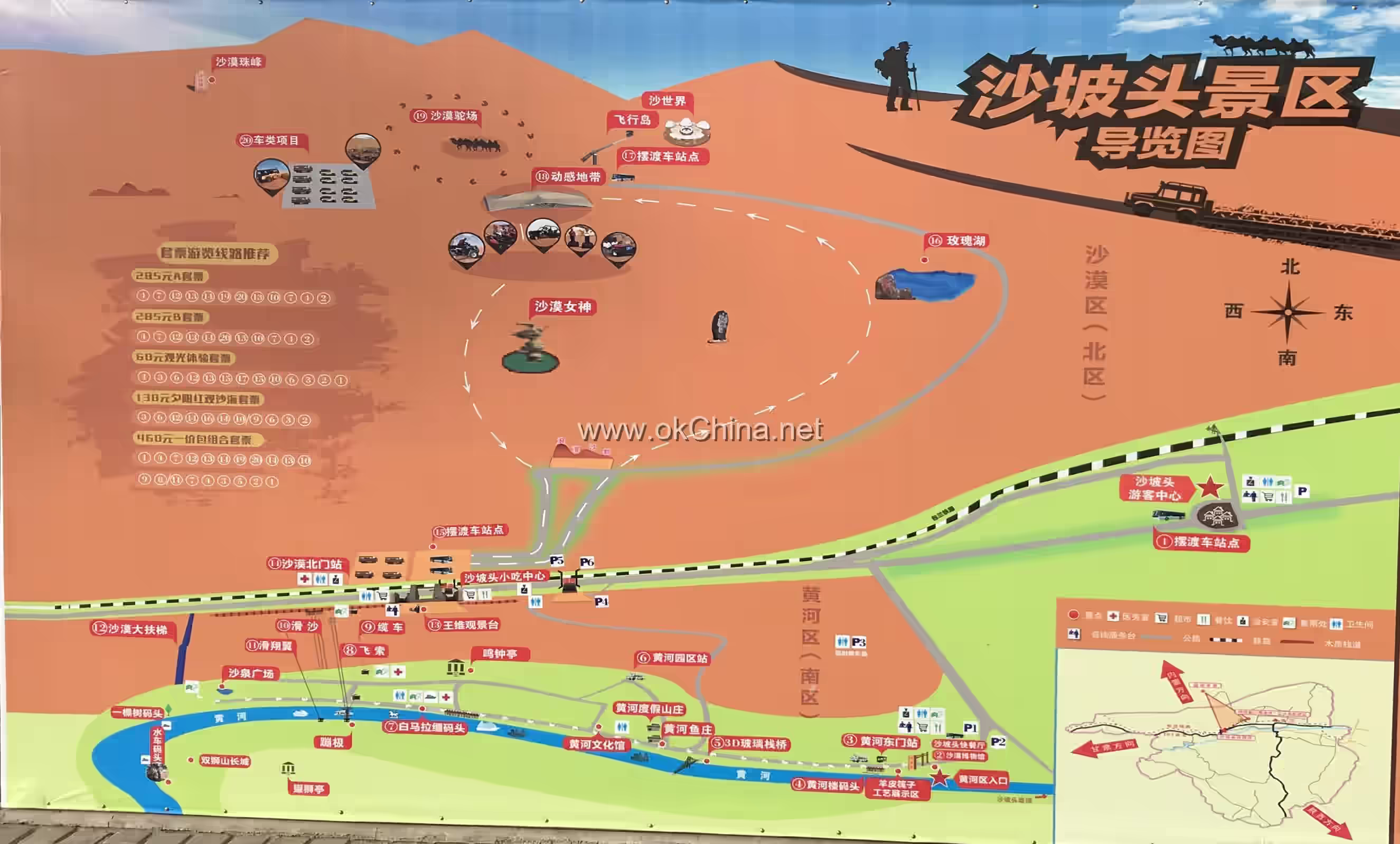
Desert Escalator
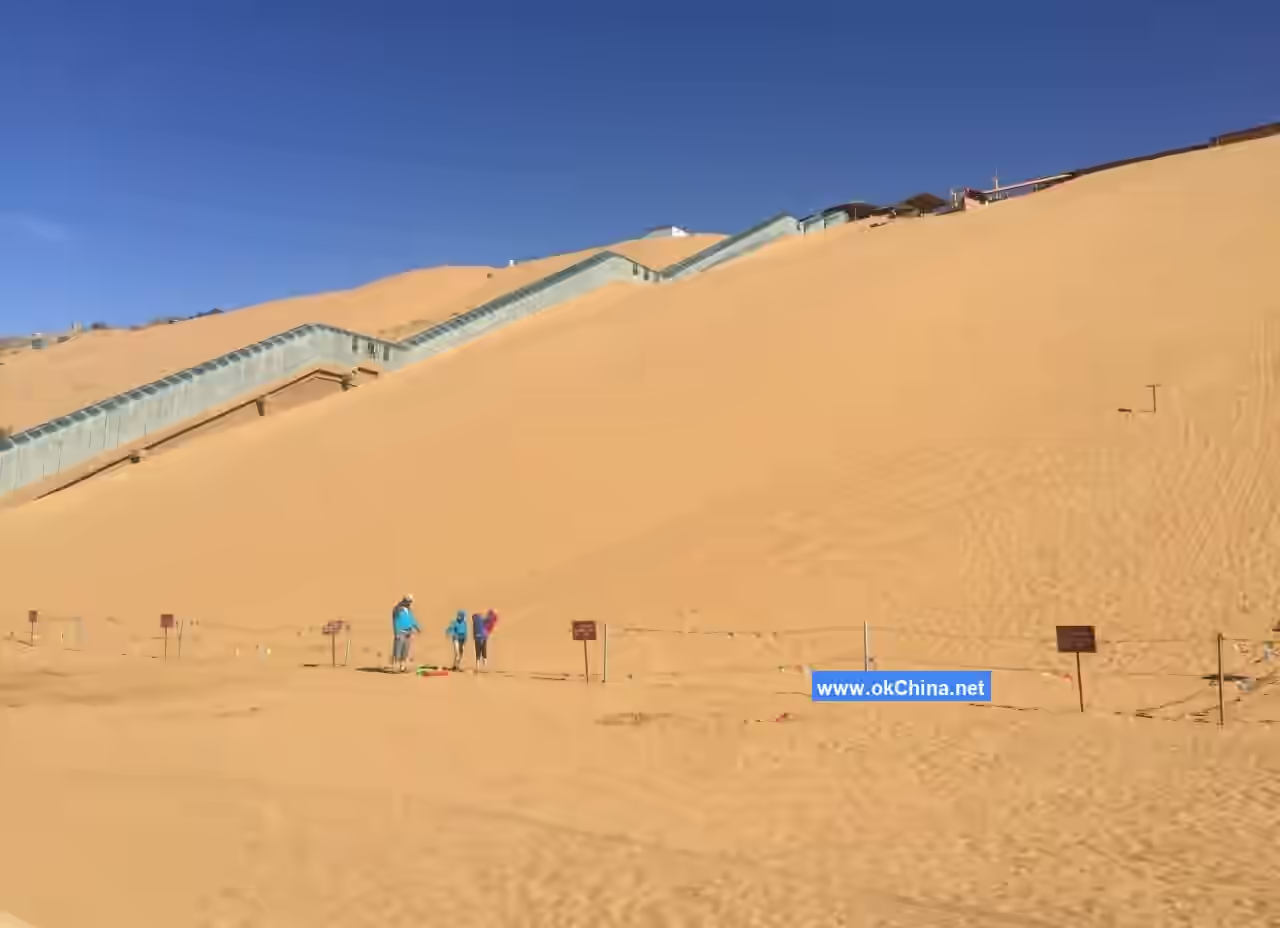
In the Yellow River area of Shapotou, there is a large sand embankment approximately 2,000 meters wide and 100 meters high. To facilitate visitor access to the embankment, the scenic area has constructed a "Desert Escalator," which is free for tourists to use. This is the world's first desert tunnel escalator, consisting of six automatic escalators and walking platforms, with a total length of 160 meters and a vertical drop of 72 meters. The walkway is designed with musical and aesthetic elements, with its three sections themed as piano keys, the staff notation of the "Yellow River Cantata," and the brightest star in the desert. Standing dozens of meters high with a suitable incline, its metallic structure gleams silver under the sunlight, creating a striking contrast with the surrounding golden desert. Handrails on both sides ensure visitor safety. As visitors ascend slowly on the escalator, they can feel the sand beneath their feet sinking slightly with each step, evoking a sense of exploration and conquest over the desert. From the top of the escalator, one can overlook the boundless Tengger Desert, with its undulating dunes stretching like waves toward the horizon. Under the wind's influence, the dunes' contours constantly shift, showcasing nature's awe-inspiring craftsmanship. In the distance, the Yellow River meanders through the desert like a green ribbon, with lush oases along its banks creating a stark visual contrast with the desert, inspiring admiration for nature's wonder and harmony.
The Desert Escalator is not merely a means of transportation but also an excellent viewing platform for panoramic desert vistas. In the early morning, as the first rays of sunlight illuminate the escalator, the entire desert turns golden, and the escalator appears like a divine ladder leading to the sky under the morning sun. Visitors can greet the magnificent desert sunrise here, feeling the hope and vitality of a new day. In the evening, the sunset bathes the desert and escalator in orange-red hues. Standing on the escalator at this time, watching the sun gradually set, feeling the desert temperature drop, and enjoying the cool evening breeze brings a sense of relaxation. Visitors can also appreciate the breathtaking scenery of "solitary smoke rising straight from the desert, the sun setting round over the long river," experiencing the majestic and vast desert depicted in ancient poetry. Whether for photography enthusiasts or general tourists, the Desert Escalator offers a unique perspective to capture the desert's beauty, allowing everyone who visits Shapotou to create unforgettable memories and embark on an exciting desert journey.
Wang Wei Viewing Platform
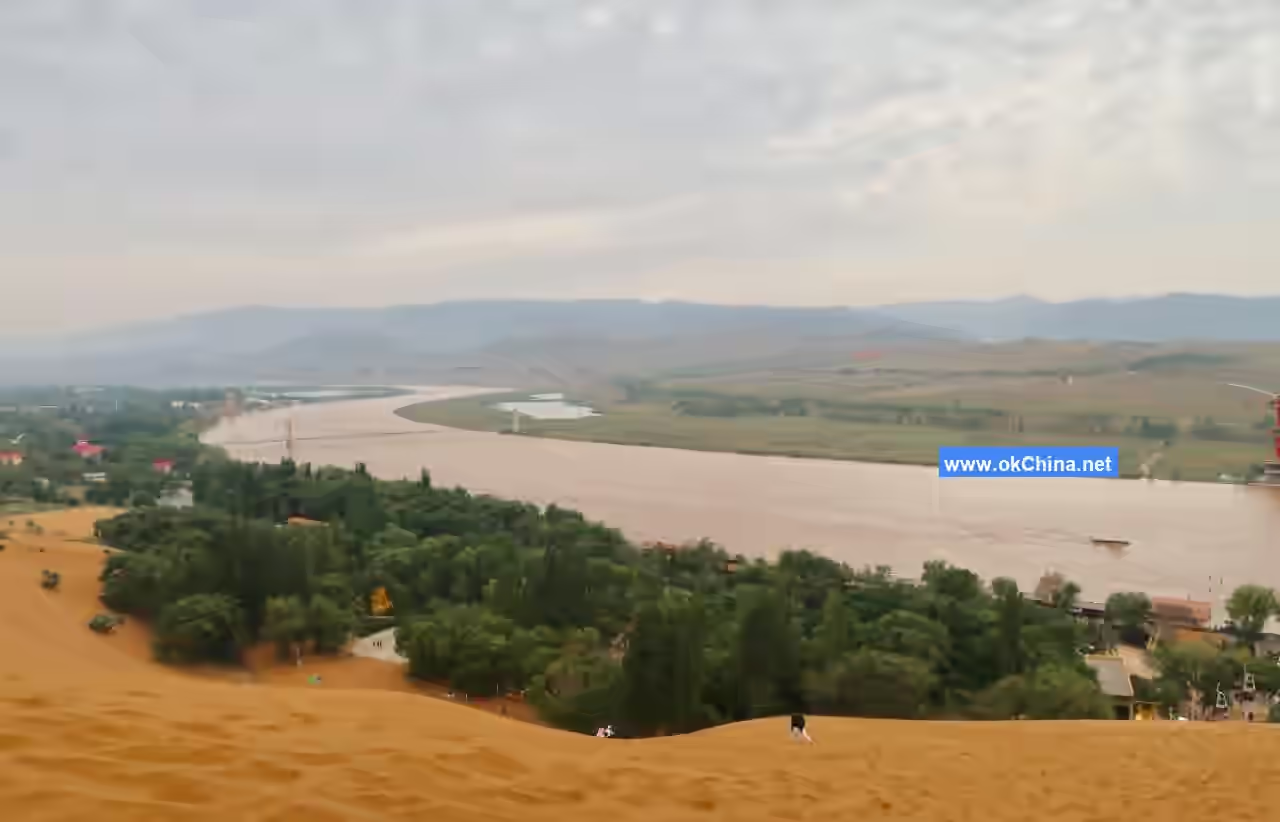
The Tang Dynasty poet Wang Wei, while on a diplomatic mission to the frontier, passed through Shapotou and left behind the timeless verse: "Solitary smoke rises straight from the desert, the sun sets round over the long river." Ascending the viewing platform, one can see the convergence of the Yellow River, desert, mountains, and oasis. The platform is situated on a highland along the Yellow River bank, offering a uniquely advantageous geographical position. From here, a broad vista unfolds: the mighty Yellow River flows eastward, its surface shimmering with sparkling ripples under the sunlight like countless diamonds dancing on the water. The lush oasis vegetation along the riverbanks, with dense and verdant trees, complements the Yellow River, forming a vibrant picture. In the distance, the Tengger Desert resembles a golden sea, with undulating dunes whose ridges constantly shift in the wind, displaying a majestic yet desolate beauty.
This is precisely where Wang Wei penned his famous line. Standing on the viewing platform, one can almost travel through time, imagining the poet gazing upon the desert and Yellow River, and sensing the surge of emotion and inspiration evoked by this magnificent scenery. The view is particularly enchanting at dusk. As the sun gradually sets, painting the sky in shades of orange-red and purple-red, the colorful sunset reflects in the Yellow River, dyeing the water in brilliant hues. At this moment, cooking smoke rises straight from the desert into the sky, forming a perfect picture with the distant sunset, Yellow River, and desert, vividly embodying the意境 described in Wang Wei's poem. Visitors often pause here to capture this beautiful moment with their cameras or stand quietly, immersed in the poetic scenery, allowing their souls to experience a poetic cleansing. The Wang Wei Viewing Platform is not only an excellent spot for appreciating natural landscapes but also a site of cultural heritage. It allows people to deeply feel the perfect integration of ancient Chinese poetry culture with natural scenery while enjoying the view, appreciating the profound内涵 and endless charm of Shapotou as seen through the poet's eyes.
White Horse Pulling the Reins
White Horse Pulling the Reins is a milestone in Ningxia's history of Yellow River irrigation. Initially constructed during the reign of Emperor Wu of the Han Dynasty, ancient people built a dam in the middle of the Yellow River to divert water, creating a miracle of gravity-flow irrigation and composing the timeless tale of "the Yellow River enriching Ningxia." This landscape comprises a dam, a water intake, and a main canal. The dam stands firmly on the Yellow River bank, resisting the river's turbulent impact. The water intake is ingeniously set on the dam, acting like a precise valve to channel Yellow River water into the main canal. The main canal resembles a winding dragon, traversing between the desert and oasis, delivering Yellow River water to farmlands in need of irrigation. Viewed from afar under the sunlight, as the Yellow River water rushes into the main canal, white splashes fly, resembling a white horse galloping strenuously, with the long main canal as its reins, hence the name "White Horse Pulling the Reins."
The history of White Horse Pulling the Reins dates back to ancient times, and its existence has brought vitality and hope to this arid land. In the past, it was a crucial water source for local agricultural irrigation. Thanks to this hydraulic engineering project, land on the desert edge could be cultivated, crops thrived, and generations of people were sustained. Today, although modern water conservancy facilities are more advanced, White Horse Pulling the Reins retains its original appearance, serving as a living textbook for visitors to learn about ancient hydraulic culture and history. Strolling along the main canal, visitors can see clear Yellow River water flowing gently, appreciating the ingenious design of the ancient engineering. Vegetation on both sides of the canal, nourished by the Yellow River water, flourishes lushly, forming a sharp contrast with the surrounding desert. In some sections, ancient waterwheels can still be seen, slowly turning under the water's force, emitting creaking sounds as if recounting stories of the past. White Horse Pulling the Reins not only showcases the exceptional wisdom and creativity of ancient laborers in hydraulic engineering but also embodies the concept of harmonious coexistence between humans and nature, fostering a deeper understanding and respect for the history and culture of this land.
IV. Recreational Activities
Sheepskin Raft
"Rolling waves surge on the Yellow River, sheepskin rafts serve as boats; the winding Yellow River has eighteen bends, from Ningxia to Tongguan; among myriad landscapes, which ranks first? Still, Shapotou in Ningxia takes the lead." In ancient times, sheepskin rafts, made from inflated sheepskins, were the oldest means of transportation on the Yellow River in Ningxia. Today, they have become a tourist attraction. A small raft composed of 14 whole sheepskins can carry a load of up to one ton.The craftsmanship of the sheepskin raft is unique and ancient. It is made by treating an entire sheepskin, inflating it to expand, and then tying multiple sheepskins onto a wooden frame. These rafts may appear simple and rustic, yet they embody the wisdom of the working people and a profound understanding of the Yellow River's flow characteristics. When you first see a sheepskin raft, you might have doubts about its safety, but in fact, it has a long history of navigation on the Yellow River. Experienced raft operators skillfully control the raft to ensure the safety of tourists.
Riding a sheepskin raft and slowly drifting away from the shore, you will immediately feel the unique charm of the Yellow River. The river flows endlessly, and the raft gently sways with the current, emitting a faint creaking sound. Sitting on the raft, you can reach out and touch the Yellow River water. The slightly muddy river slips through your fingertips, allowing you to truly experience the grandeur and weight of the Yellow River. Along the way, you can admire the magnificent scenery on both banks of the river. On one side, the towering Shapotou sand dunes shimmer with golden sand under the sunlight, their contours appearing particularly spectacular against the blue sky. On the other side, lush vegetation thrives along the riverbank, with trees, flowers, and grass full of vitality, blending harmoniously with the Yellow River to create a beautiful ecological painting. During the journey, the raft operators often sing melodious Yellow River work songs. Their rugged yet powerful voices echo over the river, as if recounting the stories and past eras of the Yellow River. Riding a sheepskin raft is not just a mode of transportation but also a cultural experience, allowing tourists to gain a deeper understanding of the folk culture of the Yellow River basin, feel the lives and labor of ancient people on the river, and appreciate the unique charm and allure of Zhongwei in the embrace of the Yellow River, leaving behind unforgettable memories on the water.
Yellow River Zip Line
The Yellow River Zip Line spans 820 meters round trip with a height difference of 54 meters, allowing visitors to fly forward at an average speed of 8 meters per second. It offers an exhilarating and thrilling experience of crossing the Yellow River in an instant, fulfilling the dream of "soaring to success." The starting and ending points of the zip line are located on high ground on opposite banks of the Yellow River, with two sturdy steel cables stretching across the river, gleaming coldly under the sunlight. After putting on professional safety gear, visitors can step onto the zip line platform and prepare for this heart-pounding adventure. Standing on the platform and looking down at the rushing Yellow River below, you may feel a mix of nervousness and anticipation for the upcoming flight. At the signal from the staff, you will soar off the platform like an eagle spreading its wings, gliding swiftly through the air. At this moment, the wind whistles past your ears, and the turbulent Yellow River flows beneath your feet, creating an exhilarating sensation of soaring freely through the sky.
During the flight, you can clearly see the magnificent scenery of the Yellow River. The river winds eastward like a giant dragon, its surface sparkling with ripples. The water crashes against rocks in the river, splashing layers of white foam. In the distance, the desert intertwines with the Yellow River, the lines of the sand dunes appearing particularly distinct under the sunlight, with the golden sand forming a striking contrast against the emerald-green river. The oasis vegetation on both banks is also visible, with dense forests and lush green grass adding a touch of vitality to this majestic land. The Yellow River Zip Line not only tests visitors' courage but also allows them to appreciate the beauty of Shapotou from a completely new perspective. When you safely reach the end, you will be filled with a sense of accomplishment and unforgettable memories of this adventure. Whether it's thrill-seeking young people or tourists looking to challenge themselves, the Yellow River Zip Line meets their needs and becomes the most exciting and memorable part of their Shapotou journey, leaving behind a legendary tale of bravery in this magical land.
Camel Riding
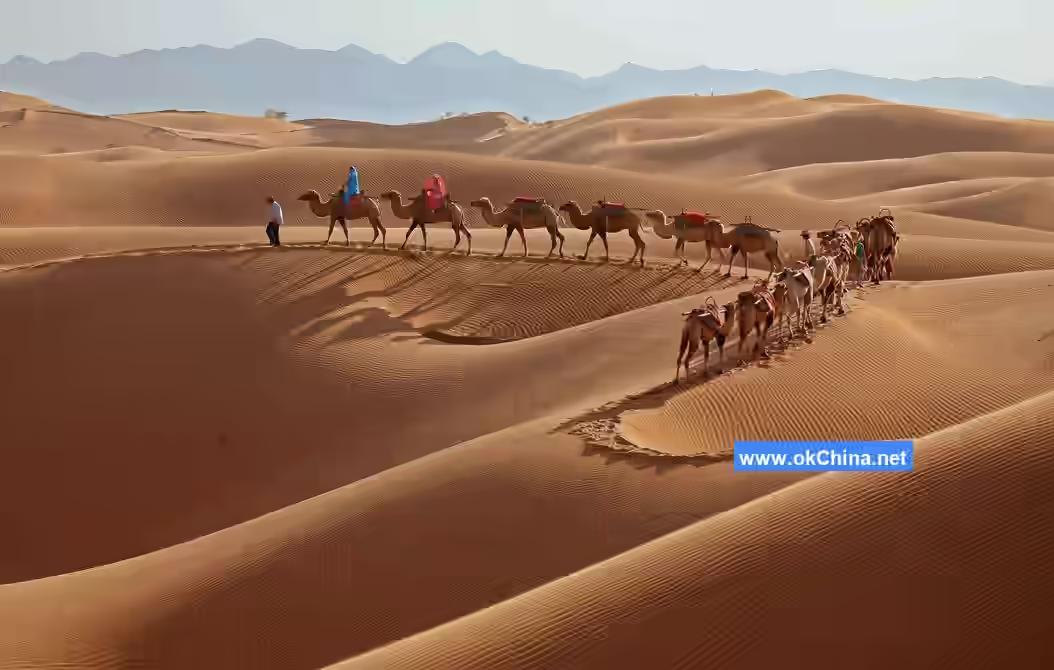
Camels were the most important means of transportation for traversing the desert during the ancient Silk Road, serving as a vital bridge connecting the economies, cultures, and friendships of Europe and Asia. In the boundless sea of sand where the sky meets the desert, with endless waves of sand dunes, visitors can ride camels to immerse themselves in the mysterious beauty of the ancient Silk Road.
Sand Surfing
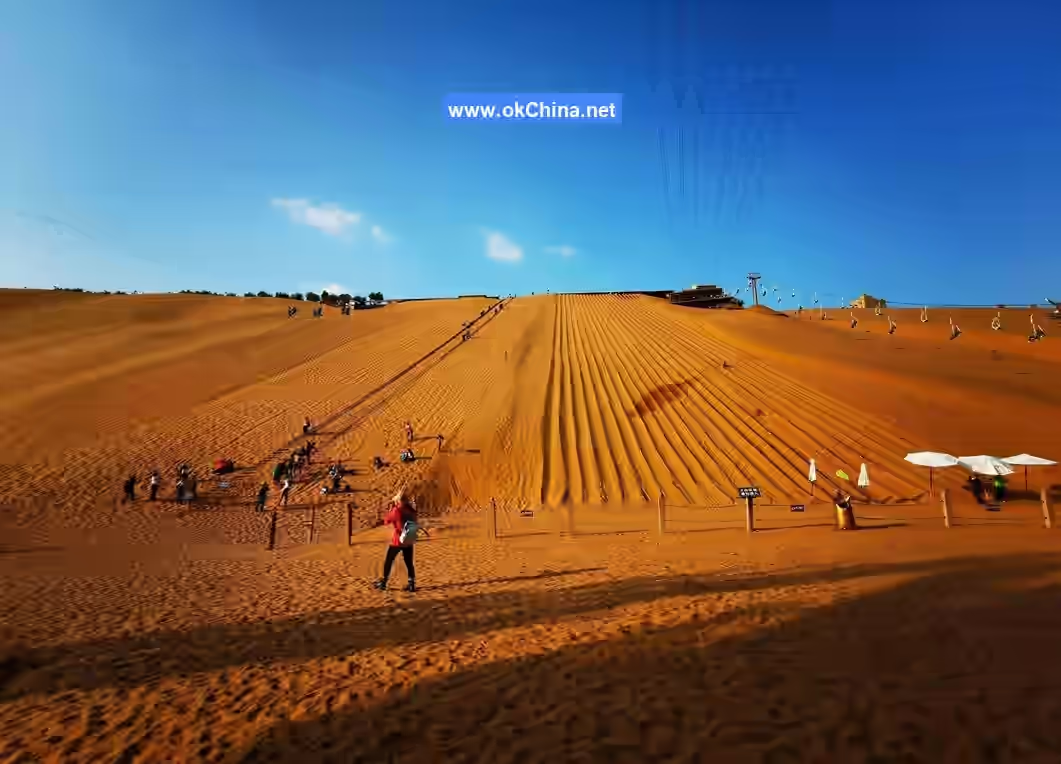
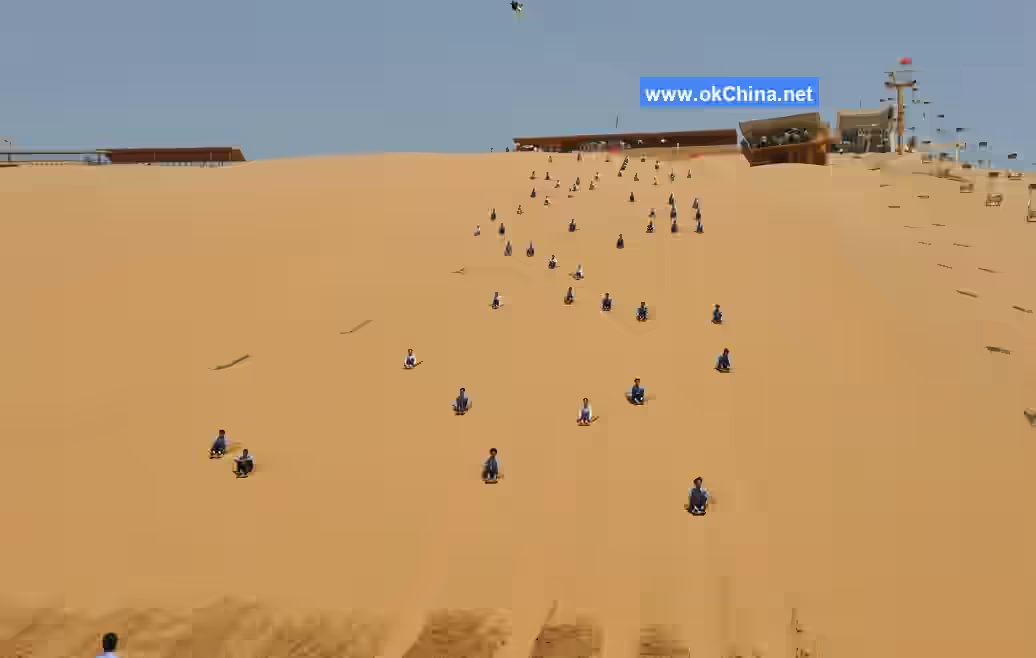
At Shapotou, there is a 200-meter-long, 80-meter-high sand sliding field, the largest of its kind in China. Visitors can ride sandboards to slide down from the heights at high speed, experiencing the sensation of surfing on a sea of sand.
Comments
Post a Comment