
Shanghai Science and Technology Museum
1. Introduction
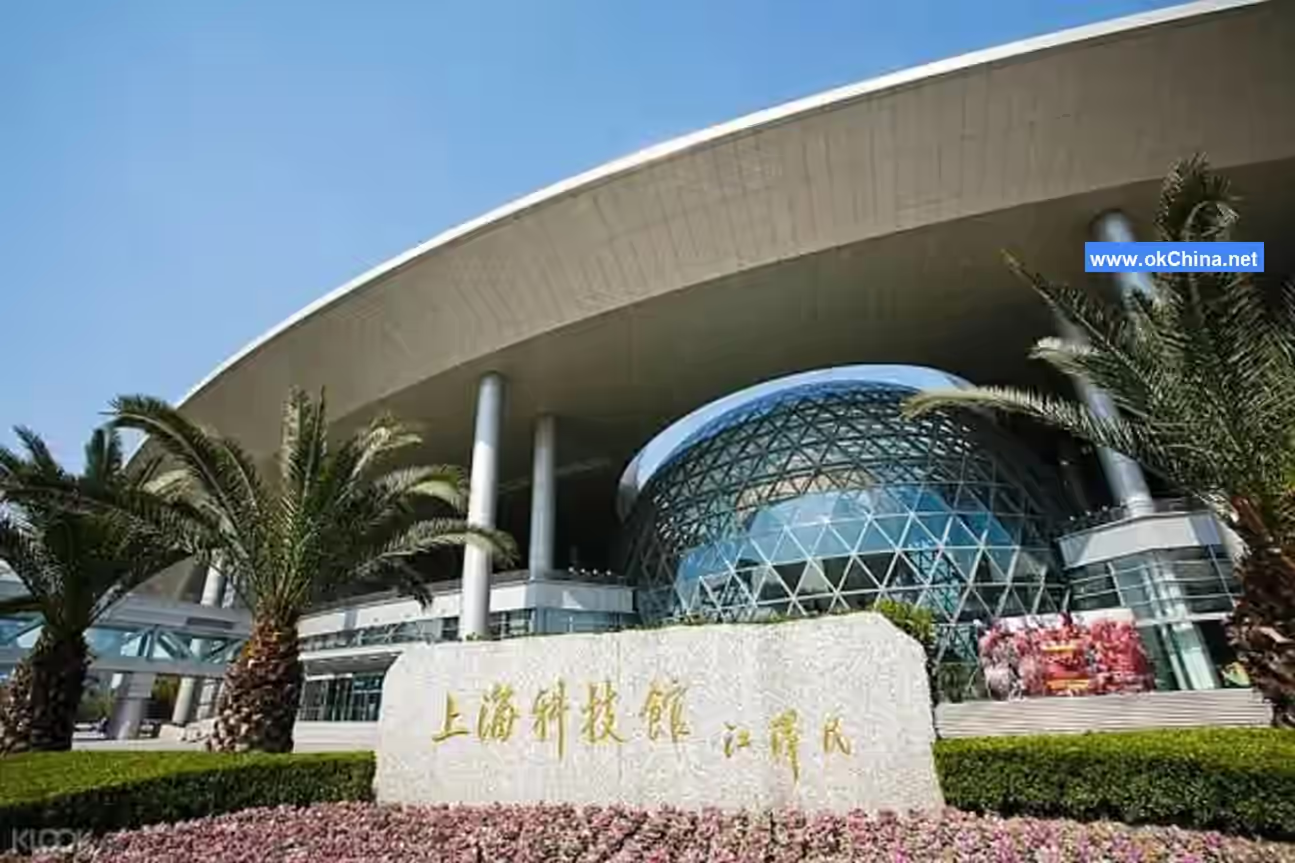
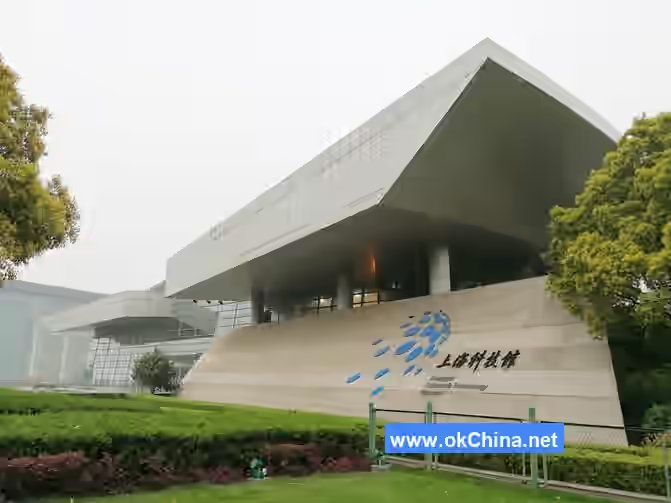
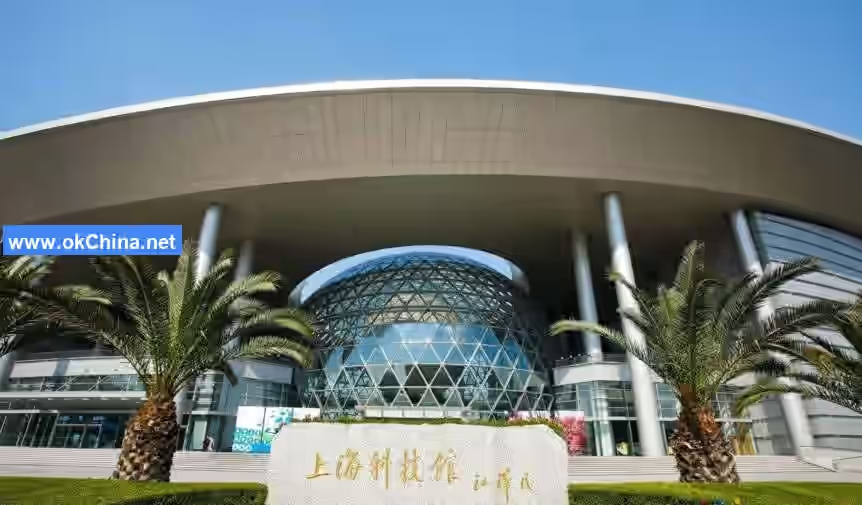
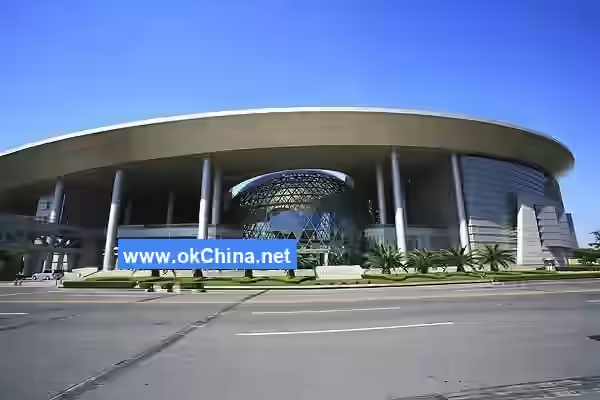
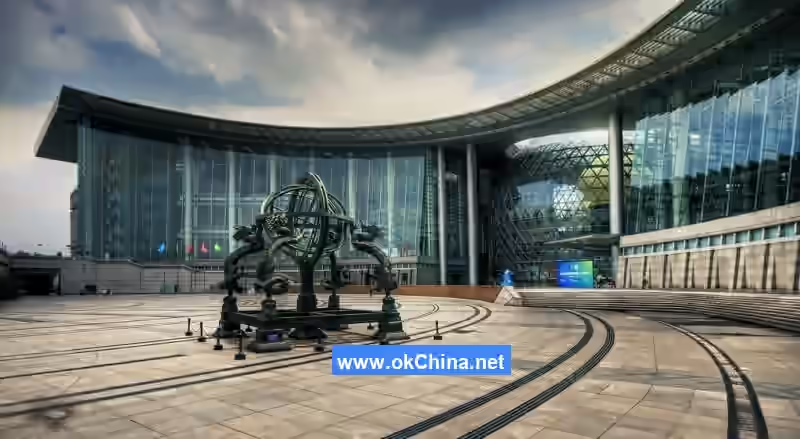
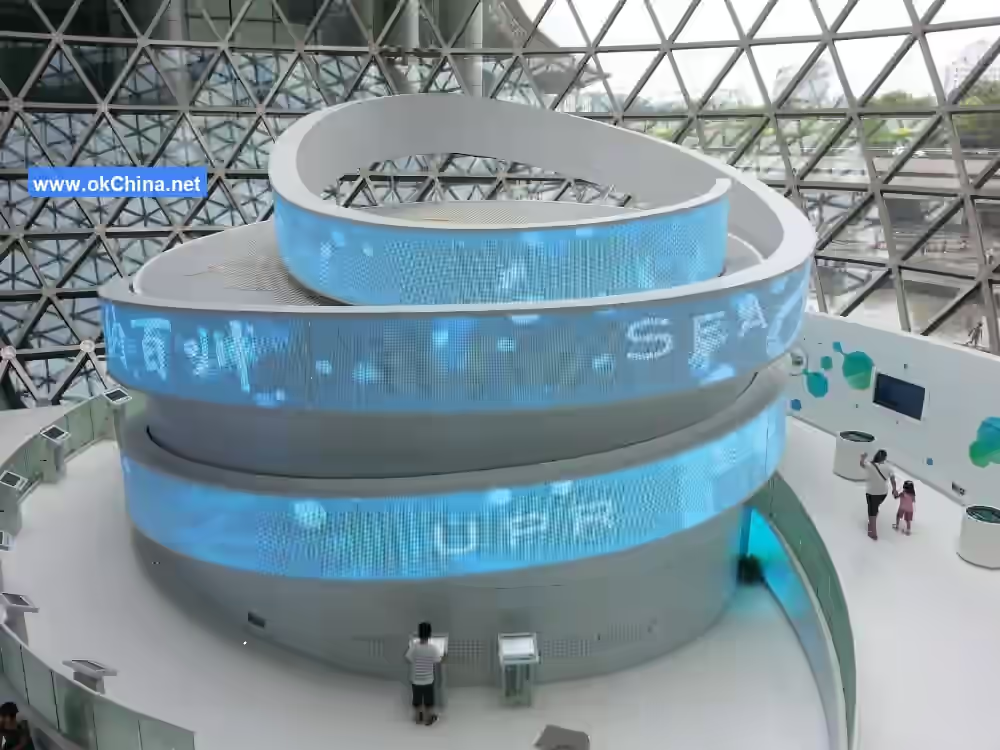
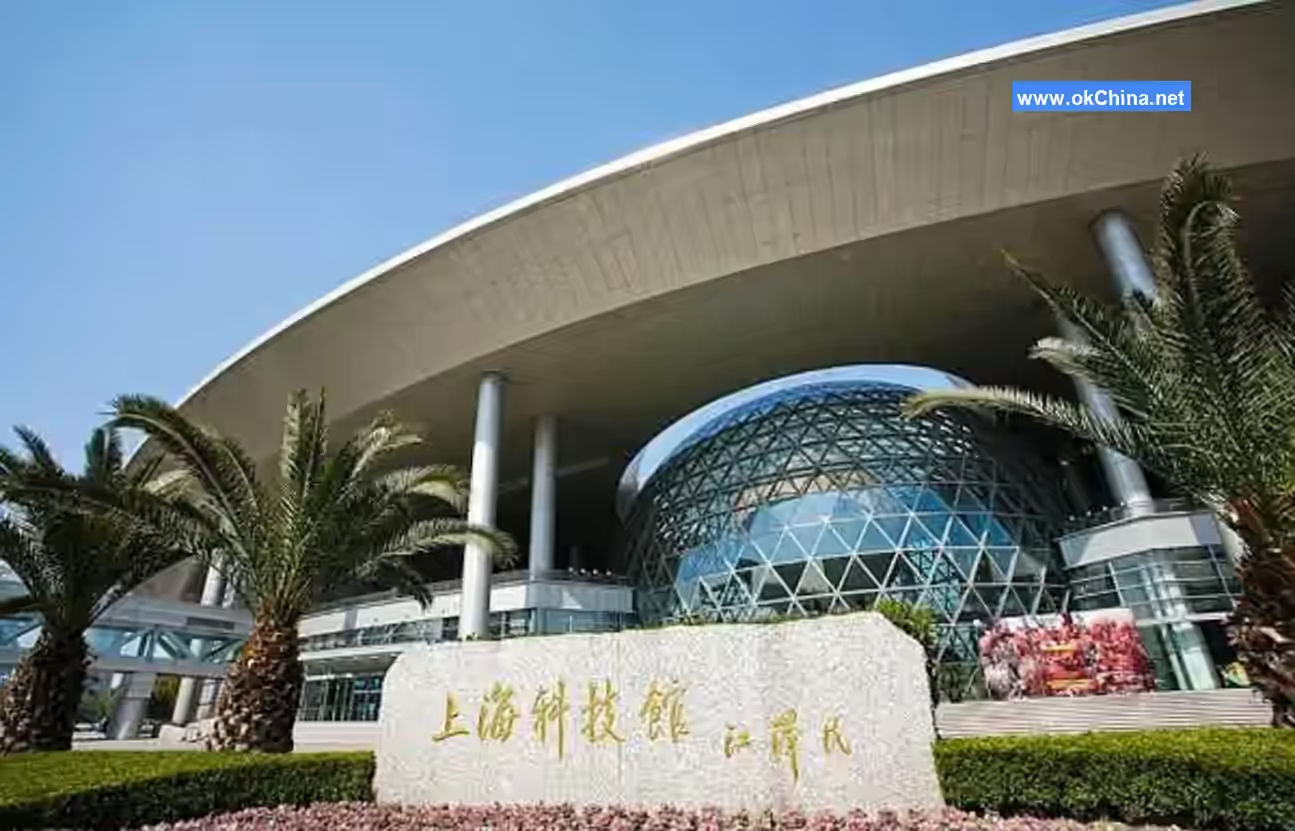
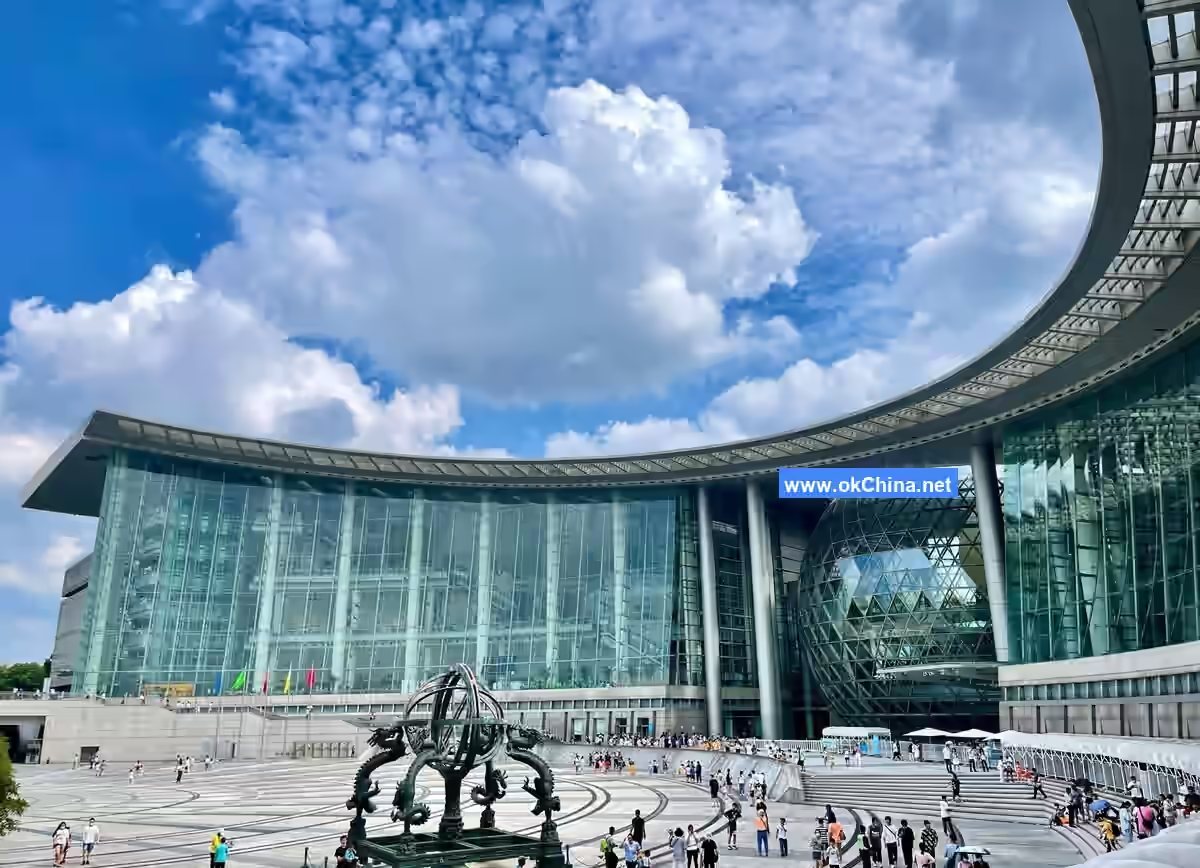
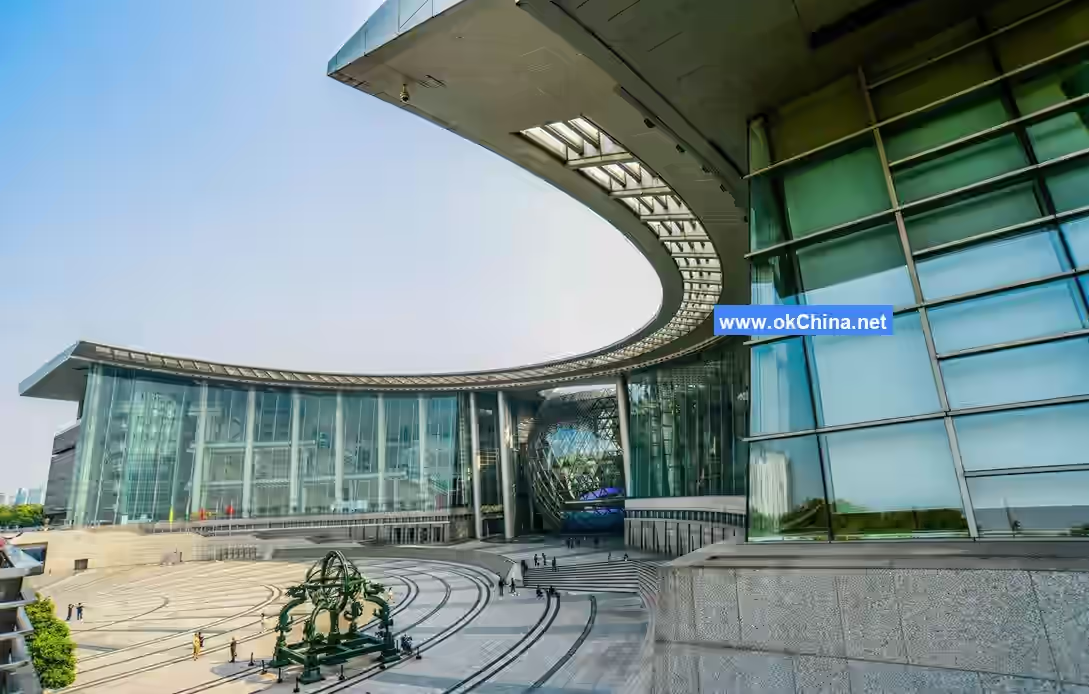
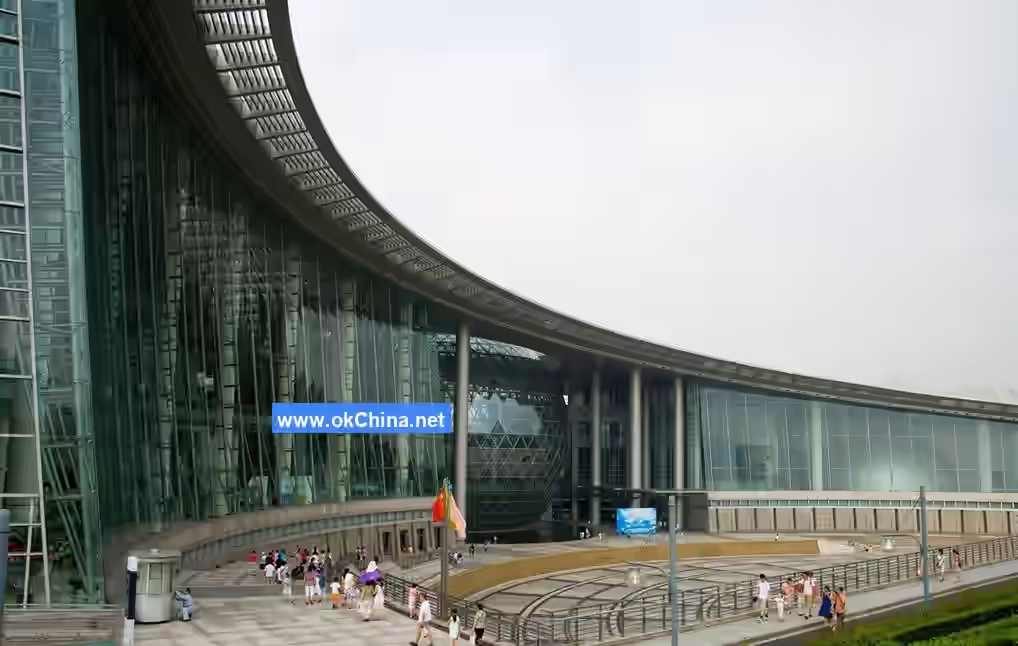
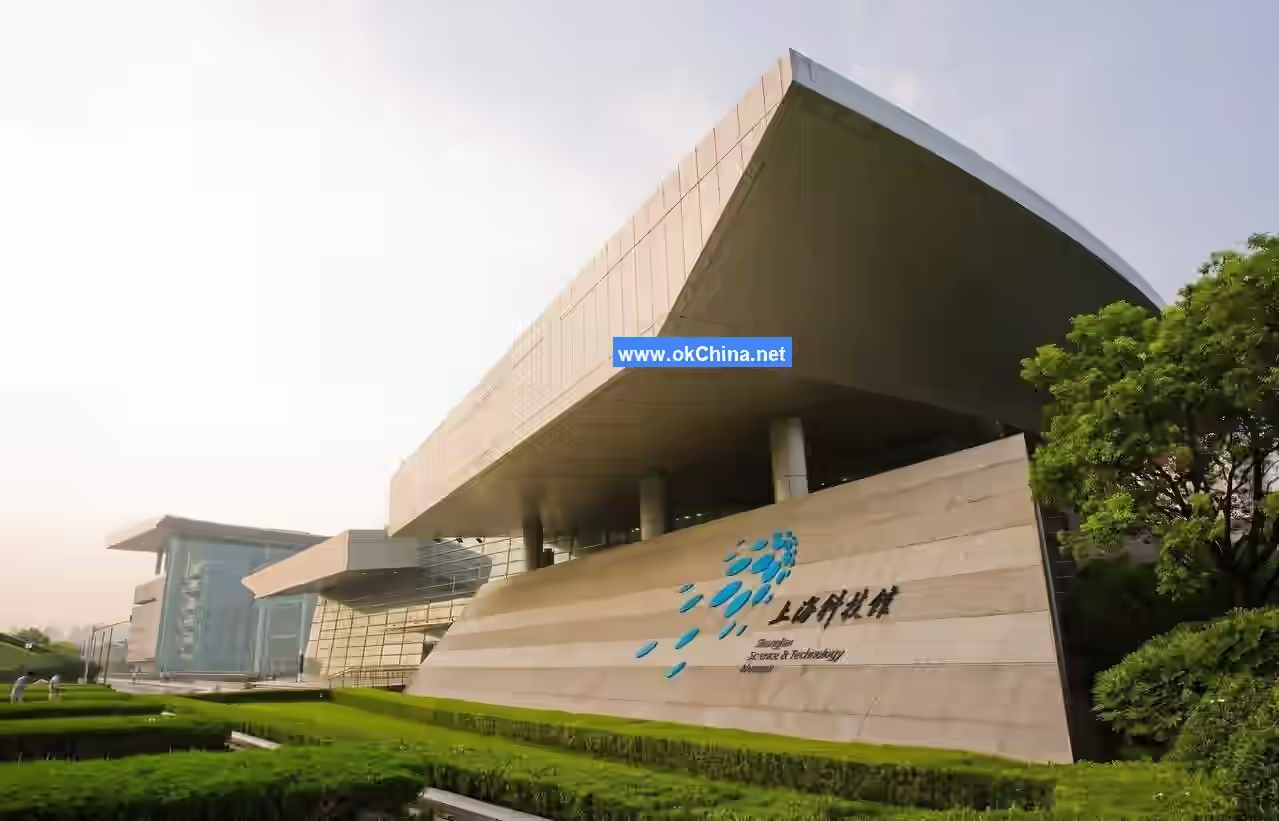
The Shanghai Science and Technology Museum is located at 2000 Century Avenue, Pudong New District, Shanghai. The main building covers an area of over 58,000 square meters, with a floor area of 98,000 square meters. The architecture of the Shanghai Science and Technology Museum features an asymmetrical structure that is lower on the west side, higher on the east side, and spirals upward. The entire building is divided into three parts: the west side consists of a fan-shaped space that gradually increases in height from low to high; the central part features a transparent glass oval lobby and a central yellow sphere; the east side is a four-story frame structure. The overall design embodies a sense of dynamism—rising, soaring, and continuous development—as well as the weighty mission borne by the museum.
The main building of the Shanghai Science and Technology Museum officially opened to the public on December 18, 2001. With science communication as its purpose and popular science exhibitions as its vehicle, the museum revolves around the overarching theme of "Nature • Humanity • Technology." It houses 11 permanent exhibition halls: Spectrum of Life, Earth's Crust Exploration, Cradle of Designers, Light of Wisdom, Home on Earth, Information Era, World of Robots, Light of Exploration, Human and Health, Space Navigation, and Rainbow Children's Paradise. Additionally, there are two special exhibitions: Spiders and Animal World; two relief galleries: Ancient Chinese Science and Technology and Chinese and Foreign Scientific Explorers; an information wall featuring academicians from the Chinese Academy of Sciences and the Chinese Academy of Engineering; and a Science Cinema composed of four special theaters: IMAX Giant Screen, Dome Screen, 4D, and Space Theater.
On March 18, 2010, the Shanghai Science and Technology Museum was officially awarded the title of a National 5A Tourist Attraction by the China National Tourism Administration.
2. Historical Development
- The Shanghai Science and Technology Museum is a major social education institution invested 1.755 billion yuan by the Shanghai Municipal Government to enhance the scientific and cultural literacy of its citizens. It is affiliated with the Shanghai Science and Technology Commission.
- The project for the Shanghai Science and Technology Museum was officially approved by the municipal government in March 1996. Construction began on December 18, 1998.
- In April 2001, the basic construction was completed; the first phase of exhibitions opened to the public on December 18 of the same year.
- On May 14, 2005, the second phase of exhibitions was completed and opened to the public.
- On July 1, 2022, the Shanghai Science and Technology Museum resumed operations.
- On August 20, 2022, the "Yangtze River Delta Science Communication Alliance" was jointly established.
- On March 31, 2023, the Shanghai Science and Technology Museum closed for an upgrade and renovation project, scheduled for completion in 2025, after which it will reopen to the public.
- In October 2024, the Shanghai Science and Technology Museum released the "Three-Year Action Plan for the Innovation Demonstration Museum," promoting the deep integration of culture and technology, new quality productive forces, and new quality science popularization capabilities. It is expected to begin trial operations by the end of 2025.
3. Architectural Layout
3.1 Overview
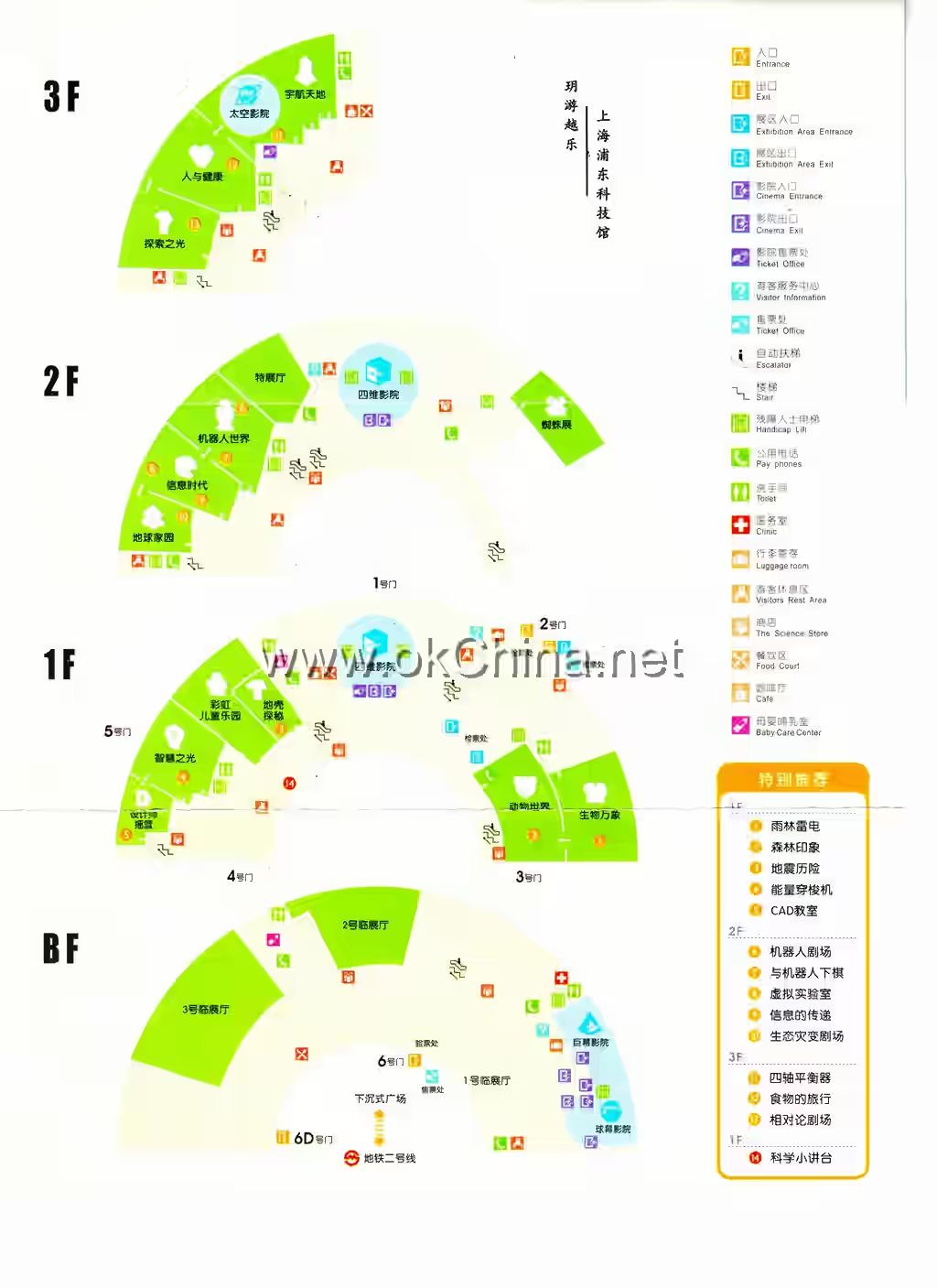
The main building of the Shanghai Science and Technology Museum covers an area of over 58,000 square meters, with a floor area of 100,600 square meters. It is divided into 11 thematically distinct exhibition areas, 4 high-tech special theaters, 3 art galleries featuring ancient and modern scientists and their footprints from China and abroad, 2 special thematic exhibitions, and several temporary exhibition halls.
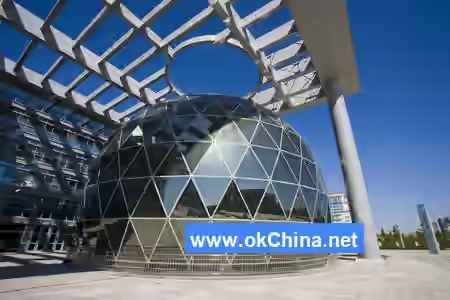
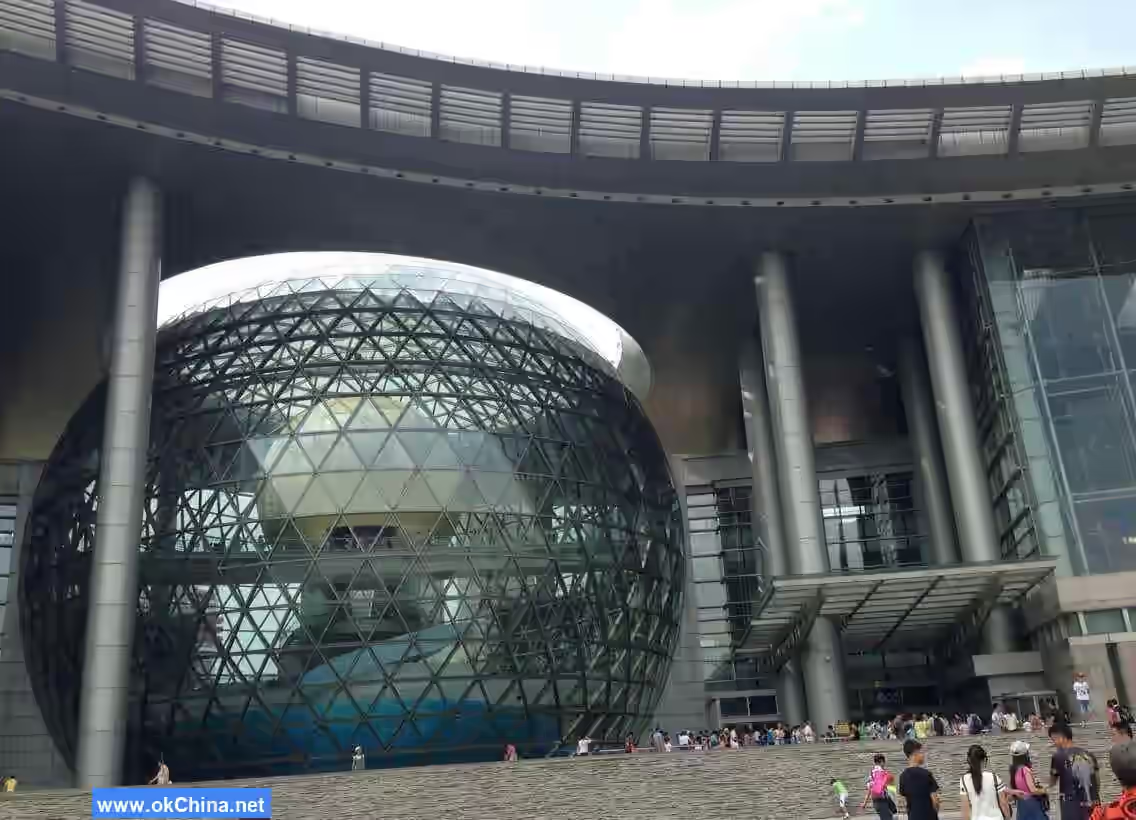
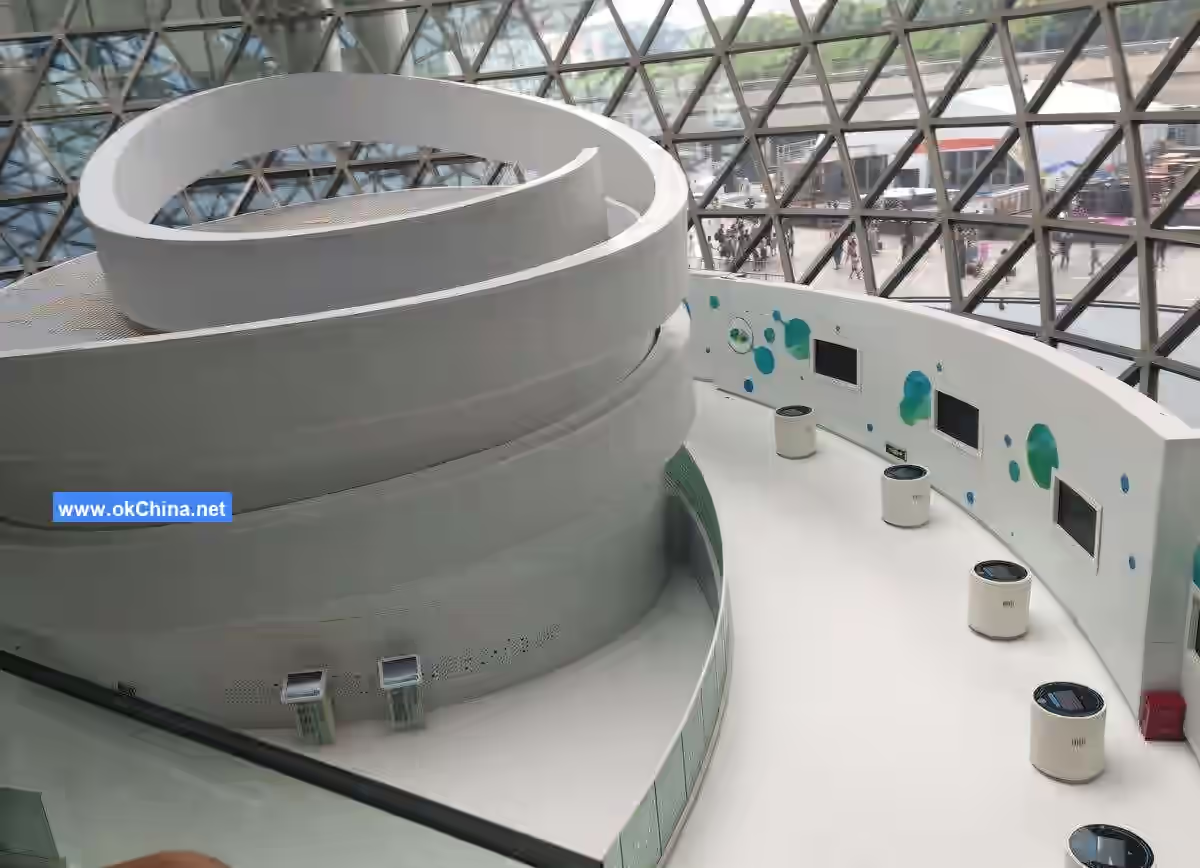
The Shanghai Science and Technology Museum building consists of one underground floor, four above-ground floors, and an attached office complex. The entire structure exhibits a spiraling upward form, symbolizing the continuous progress of science and technology. At the center of the building is an iconic giant glass sphere, set amidst a pool of water, symbolizing the birth of life.
3.2 Architectural Features
The architecture of the Shanghai Science and Technology Museum features an asymmetrical structure that is lower on the west side, higher on the east side, and spirals upward, symbolizing the evolutionary paths of natural history and human civilization. The entire building is divided into three parts: the west side consists of a fan-shaped space that gradually increases in height from low to high; the central part features a transparent glass oval lobby and a central yellow sphere, symbolizing the boundlessness of the universe and the gestation of life; the east side is a four-story frame structure. The overall design embodies a sense of dynamism—rising, soaring, and continuous development—as well as the weighty mission borne by the museum.
4. Main Attractions
4.1 Overview
With science communication as its purpose and popular science exhibitions as its vehicle, the Shanghai Science and Technology Museum revolves around the overarching theme of "Nature • Humanity • Technology." It houses 11 permanent exhibition halls: Spectrum of Life, Earth's Crust Exploration, Cradle of Designers, Light of Wisdom, Home on Earth, Information Era, World of Robots, Light of Exploration, Human and Health, Space Navigation, and Rainbow Children's Paradise. Additionally, there are two special exhibitions: Spiders and Animal World; two relief galleries: Ancient Chinese Science and Technology and Chinese and Foreign Scientific Explorers; an information wall featuring academicians from the Chinese Academy of Sciences and the Chinese Academy of Engineering; and a Science Cinema composed of four special theaters: IMAX Giant Screen, Dome Screen, 4D, and Space Theater, sparking visitors' interest in exploring the mysteries of nature and technology.
4.2 Spectrum of Life
The Spectrum of Life exhibition area is located on the first floor. Its landscape mimics the natural scenery of Yunnan, China, and is mainly divided into the Tropical Rainforest Zone, Stone Forest Zone, and Dai Ethnic Stilt House Landscape Zone. It showcases biodiversity from three aspects: species diversity, ecological diversity, and genetic diversity.
4.3 Rainbow Children's Paradise
Rainbow Children's Paradise is located on the first floor. It is mainly divided into Powerful Wind, The World Through Animal Eyes, Rainbow House, and Mirror Maze, designed for children's entertainment.
4.4 Light of Wisdom
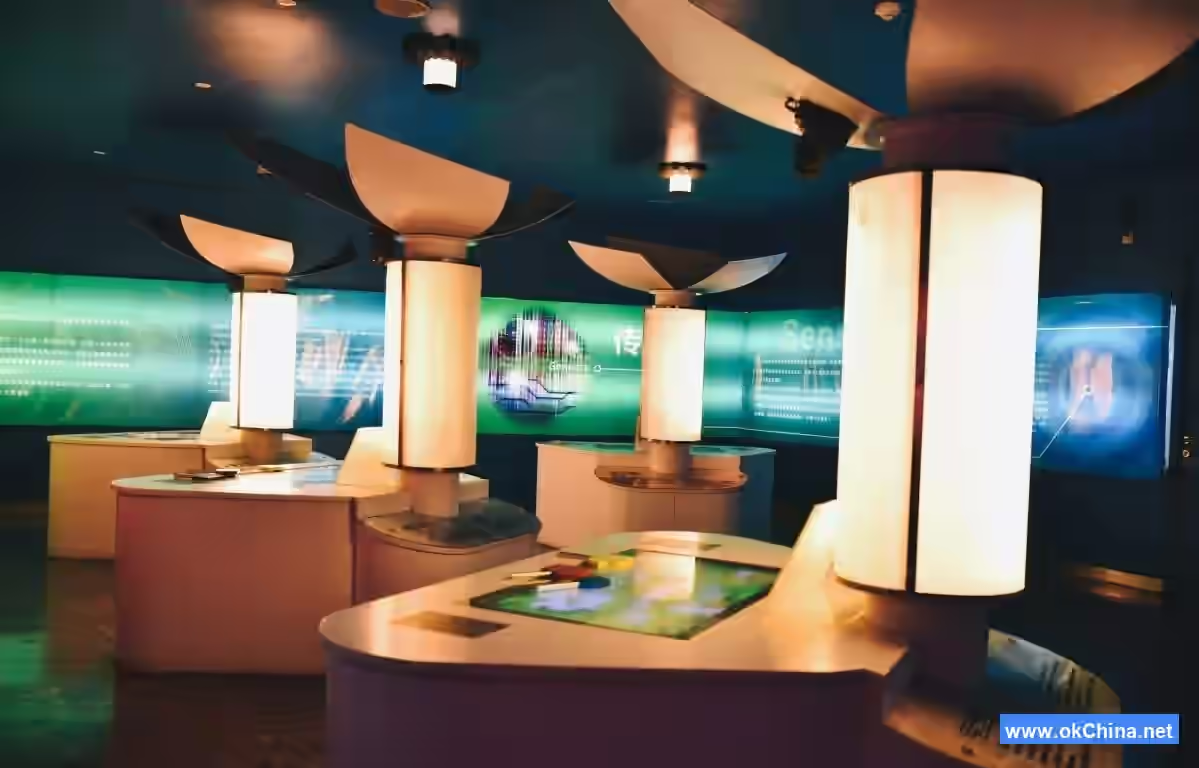
Light of Wisdom is located on the first floor. It primarily uses a large number of interactive exhibits as the main display method to demonstrate typical phenomena in mathematics, physics, chemistry, biology, and other disciplines, revealing their basic laws and principles. It aims to cultivate visitors' hands-on abilities and explore the mysteries of science through experience.
4.5 Cradle of Designers
Cradle of Designers is located on the first floor. Its main featured exhibits include the 3D Printing World, MTV Production, Laser Internal Engraving, and the Infinite Creativity Corridor—World Famous Chairs. Here, visitors can participate in some simple design and manufacturing activities, experiencing the basic techniques of modern design and advanced manufacturing.
4.6 Animal World
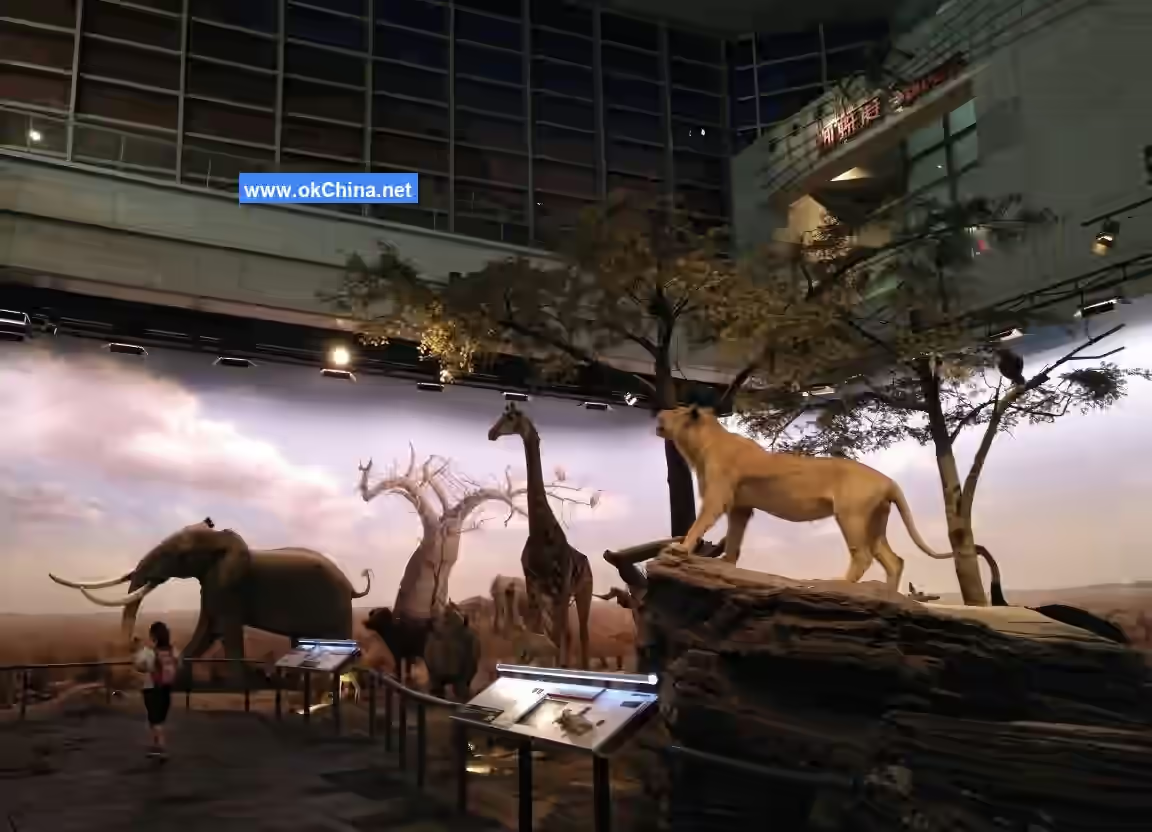
Animal World is located on the first floor. Its featured exhibits include African Animal Groups, Eurasian Animal Groups, American Animal Groups, and Forest Impressions. Visitors can learn how animals from five continents and four major landmasses adapt morphologically, physiologically, and behaviorally to different environments.
4.7 World of Robots
World of Robots is located on the second floor. With "Robot Development and Application" as its exhibition theme, its featured exhibits include Playing Chess with a Robot, Robot Painter, and Archery Competition with a Robot. It features various types of robots such as fixed-program robots, intelligent control robots, special-purpose robots, and general-purpose robots.
4.8 Information Era
Information Era is located on the second floor. Its featured exhibits include Virtual Laboratory, Information Tree, Virtual Dog Training, and Information Transmission. Visitors can learn about technologies such as networks, image recognition, speech recognition, virtual reality, and computer simulation.
4.9 Home on Earth
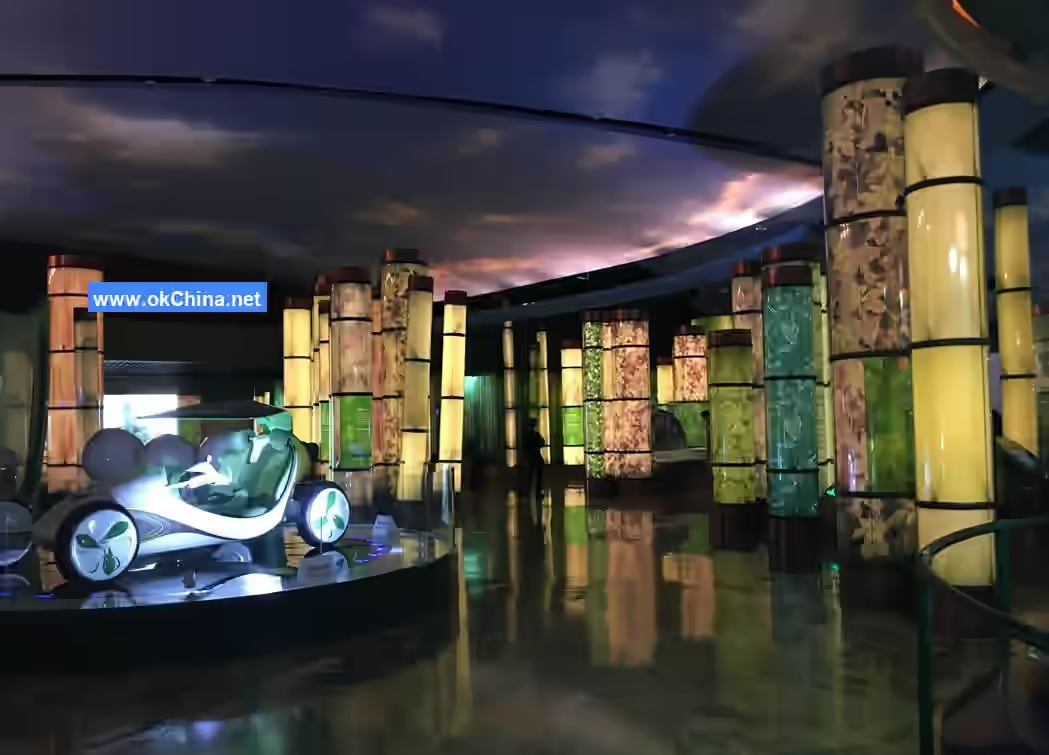
Home on Earth is located on the second floor. Its featured exhibits include a Water-Free Ecological Circulation System, Leaf Car, Garbage Sorting, and Ecological Disaster Theater. Visitors can learn about a series of ecological and environmental issues triggered by rapid population growth and the swift development of productive forces.
4.10 Space Navigation
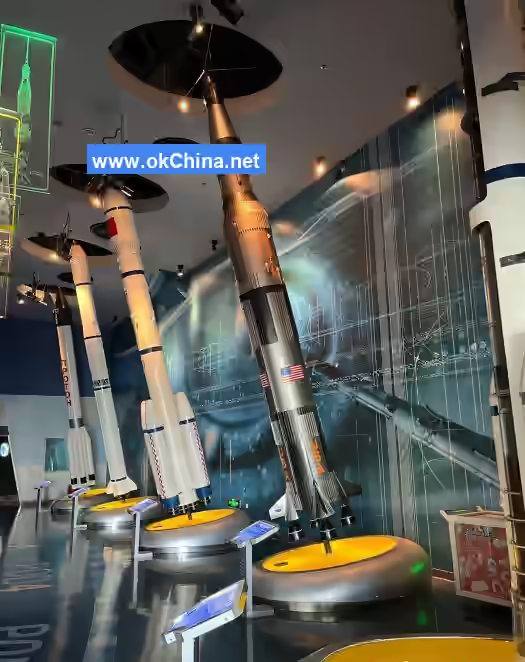
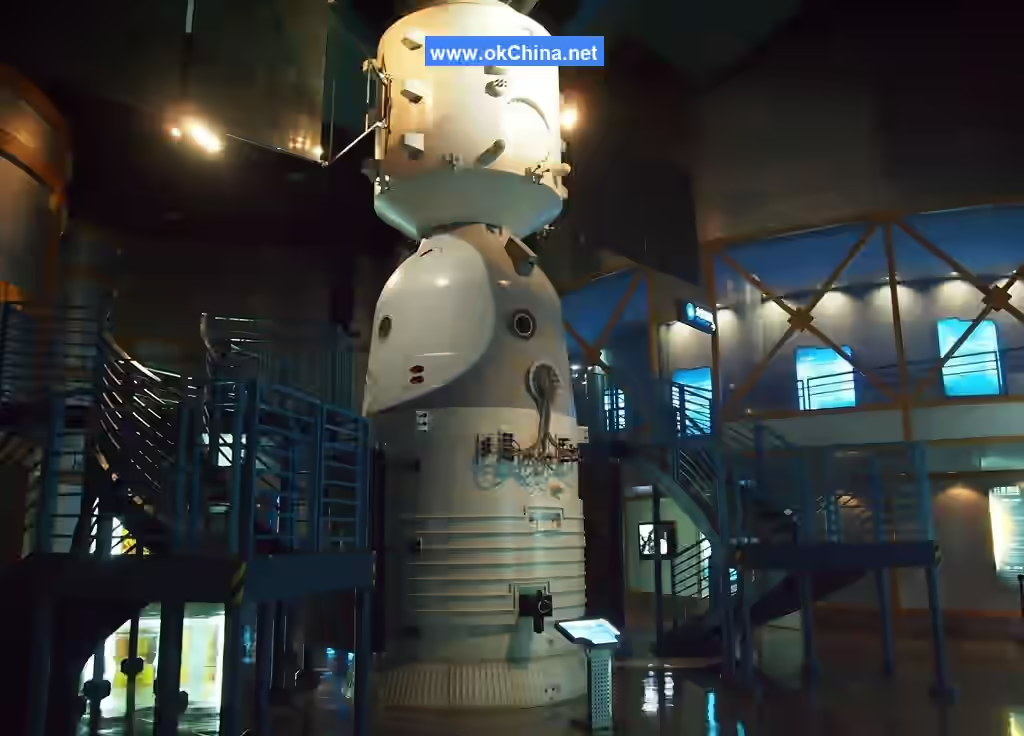
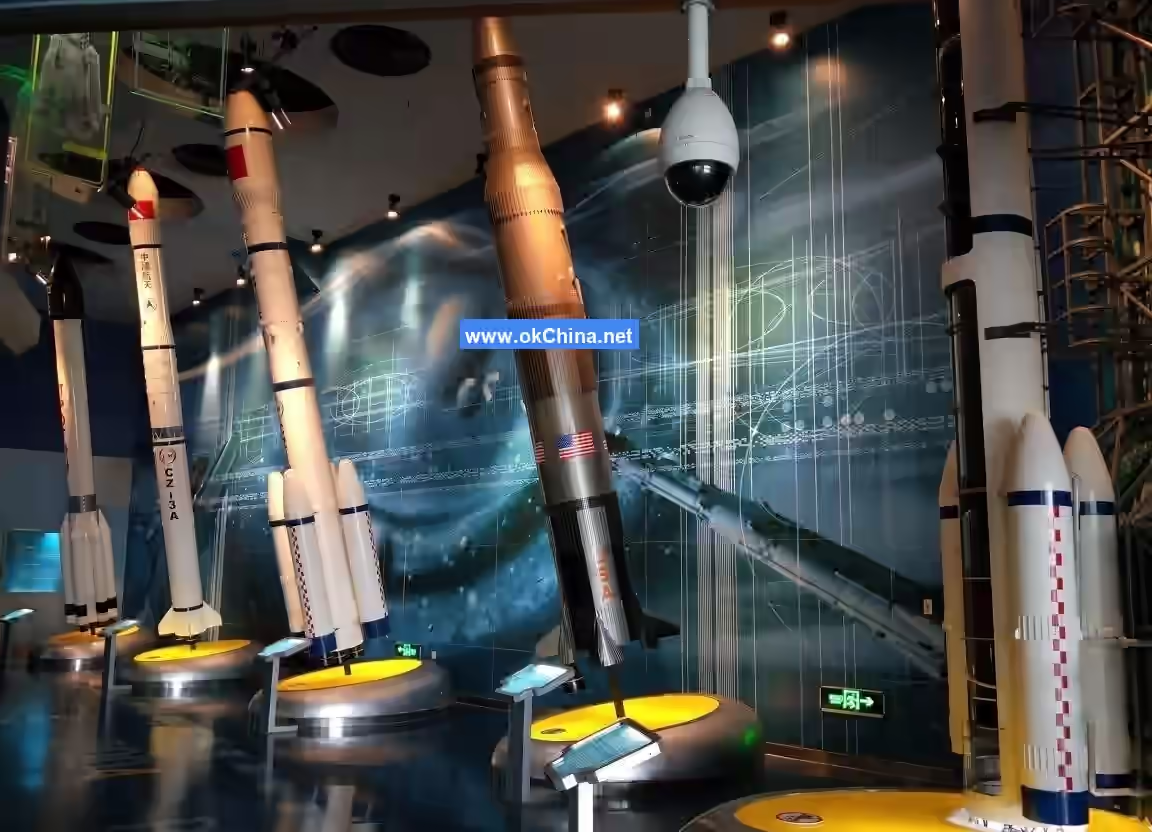
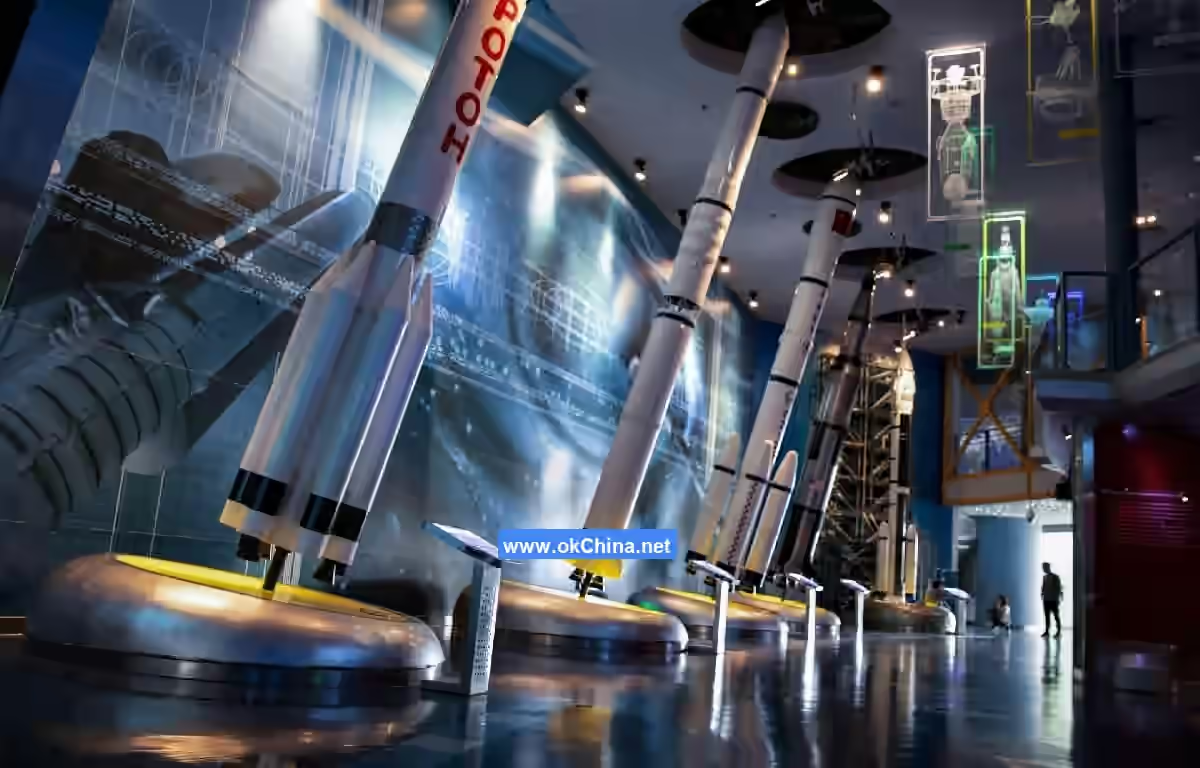
Space Navigation is located on the third floor. Its featured exhibits include the Space Achievement Display Area, Shenzhou V, Intravehicular Space Suit, and Four-Axis Balancer. Visitors can learn about the process from the millennium-old dream of flight in legend to its realization.
4.11 Human and Health
Human and Health is located on the third floor. Its featured exhibits include Playing Table Tennis, Physical Fitness Testing Workstation, Giant Human Body Model, and Playing Soccer. Visitors can learn various knowledge about human health and how to maintain it.
4.12 Light of Exploration
Light of Exploration is located on the third floor. Its featured exhibits include the Classical Physics Laboratory, Relativity Theater, Mendel's Pea Experiment, and Morgan's Fruit Fly Experiment. Visitors can learn about the human exploration process of the scientific world since the 19th century.
4.13 Spider Exhibition
The Spider Exhibition is located on the second floor. Visitors can learn about various habits and knowledge of spiders, understand how spiders communicate with the outside world, and the differences between different spiders.
4.14 Science Cinema
4.14.1 Overview
The Shanghai Science and Technology Museum's Science Cinema features four distinct special theaters: the IMAX 3D Giant Screen Theater, the IWERKS 4D Theater, the IMAX Dome Screen Theater, and the Space Digital Theater. These four special theaters are distributed throughout the museum's exhibition areas, forming the largest science cinema in Asia. The cinema complex has over 800 seats. The Giant Screen Theater and Dome Screen Theater are located on the underground level, the 4D Theater is on the first floor, and the Space Theater is on the third floor.
4.14.2 Giant Screen Theater
The IMAX 3D Giant Screen Theater is the first 3D giant screen theater in mainland China. The museum's IMAX screen is as tall as a six-story building and as wide as a basketball court. The screen of the Giant Screen Theater is 18.3 meters high and 24.3 meters wide, making it the largest IMAX screen in Shanghai and the third largest in China. The theater's projection equipment uses film projectors, rather than the digital projectors used in most commercial cinemas. Compared to digital films, film offers higher clarity and more vibrant colors. Additionally, the content on the超大 giant screen contains about 10% more image area than most commercial cinema screens.#### 4.14.3 IMAX Dome Theater The IMAX Dome Theater features a screen with a diameter of 23 meters, accommodating 280 viewers. It utilizes an IMAX single-projector system, ensuring clear and stable images. The screen is tilted at a 30-degree angle. Underneath the dome, the audience is enveloped by the surrounding visuals, enhancing the sensation of suspension and immersion. The IMAX Dome Theater employs 70mm film with 15 perforations per frame, which is ten times larger than standard 35mm film frames. The projector uses a 15kW xenon lamp, producing images that are clearer than those from conventional film. The IMAX projector employs a "rolling loop" film-advance mechanism, where the film moves horizontally at 24 frames per second, resulting in greater image stability when projected onto the giant dome screen. Coupled with an 18kW, 6+1 channel high-fidelity digital sound system, the experience is immensely powerful, offering viewers a fully immersive and sensational enjoyment.
4.14.4 4D Theater
The 4D Theater is a Disney-concept cinema with a capacity for 56 viewers. Building upon 3D visuals, it incorporates "fourth-dimensional" special effects such as environmental water sprays, mists, wind blasts, vibrations, smoke, and seat movements. These effects seamlessly synchronize with the stereoscopic film imagery, completely immersing the audience within the movie's plot.
4.14.5 Space Theater
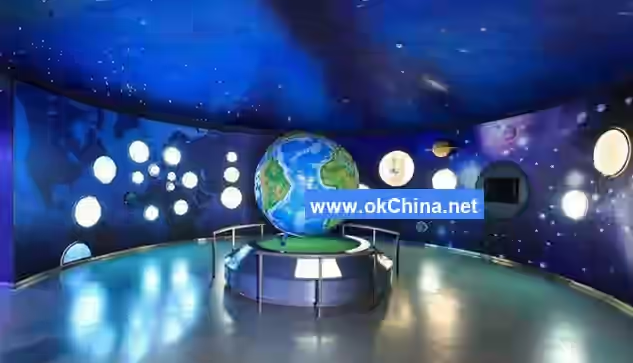
The Space Theater is equipped with a Digistar5 projection system, which uses two JVC DLA-SH7NLG projectors to replace six CRT projectors, ensuring higher brightness, clarity, and stable equipment operation. It can accommodate 69 viewers and is a multimedia dome theater that integrates video stitching technology, image processing technology, and computer integration technology.
5. Cultural Activities
5.1 Publications
"Nature & Science" is a popular science magazine supervised by the Shanghai Municipal Science and Technology Commission and published by the Shanghai Science and Technology Museum, distributed nationwide. Its predecessor was "Nature and Man," founded in 1979. To better meet the needs of the development of popular science, the magazine was renamed "Nature & Science" in 2006.
5.2 Activities
- On October 21, 2001, the 9th APEC Economic Leaders' Meeting was held at the Shanghai Science and Technology Museum.
- The "Shanghai Popular Science Forum" is a public-oriented science communication platform initiated by the Shanghai Municipal Science and Technology Commission. It is jointly organized by four institutions: the Shanghai Science and Technology Museum, the Shanghai Branch of the Chinese Academy of Sciences, the Shanghai Academician Consultation and Academic Activity Center of the Chinese Academy of Engineering, and the Shanghai Science Education Development Foundation. The forum integrates scientific rigor, forward-looking perspectives, approachability, diversity, and openness.
- The purpose of the "Shanghai Popular Science Forum" is to enhance public scientific literacy. It aims to explore a new model of science communication that focuses on scientific and technological issues within social development and is oriented toward public understanding.
6. Location
The Shanghai Science and Technology Museum is located at 2000 Century Avenue, Pudong New Area, Shanghai.
7. Significance and Value
The Shanghai Science and Technology Museum is a comprehensive natural science and technology museum with Chinese characteristics, contemporary features, and Shanghai's unique attributes. It was invested in and constructed by the Shanghai Municipal People's Government to implement the national strategy of invigorating the country through science and education, enhance the city's comprehensive competitiveness, and improve the scientific and cultural literacy of its citizens. As a public welfare institution dedicated to popular science education for the public, it serves as an important base for science education and the construction of spiritual civilization in China.
Comments
Post a Comment