
Shizuishan Sand Lake Scenic Area
I. Introduction
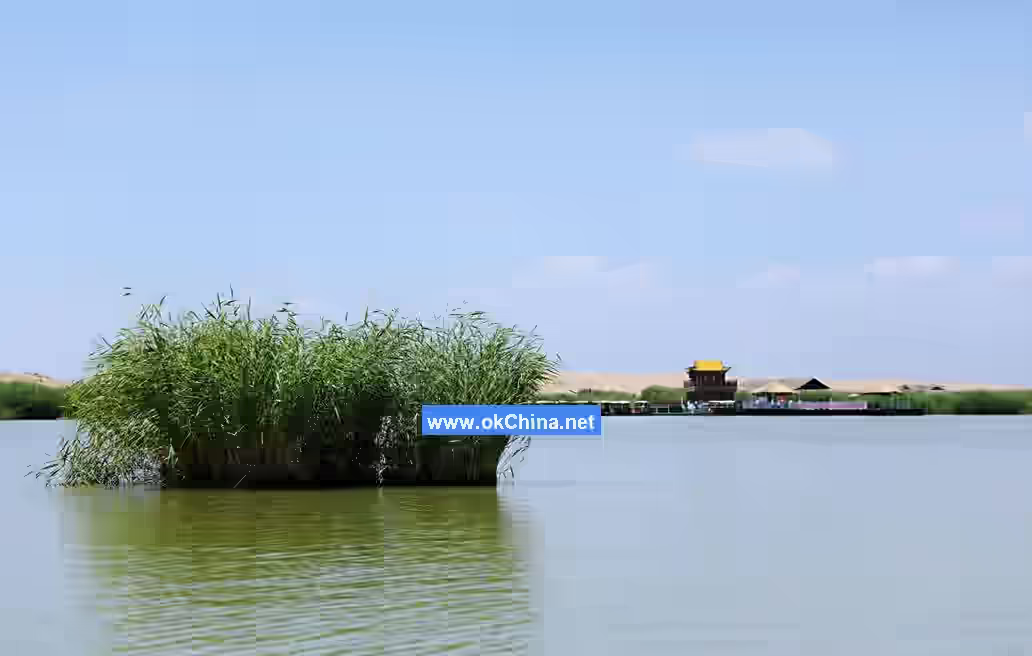
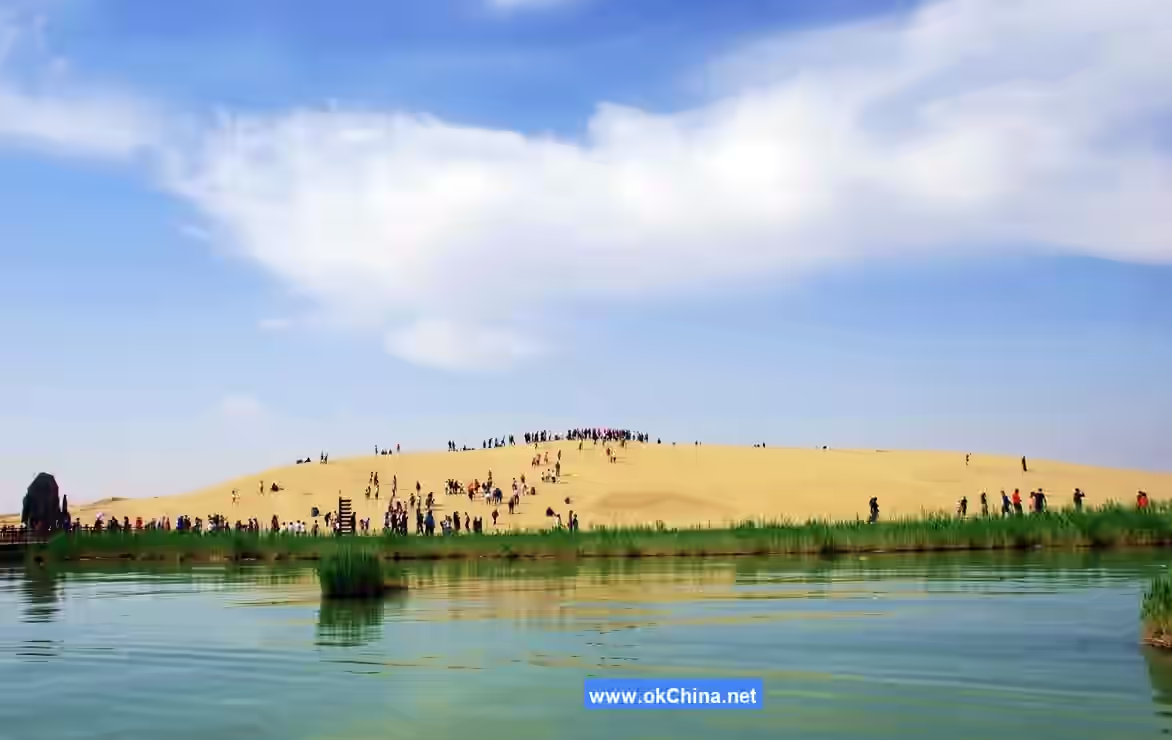
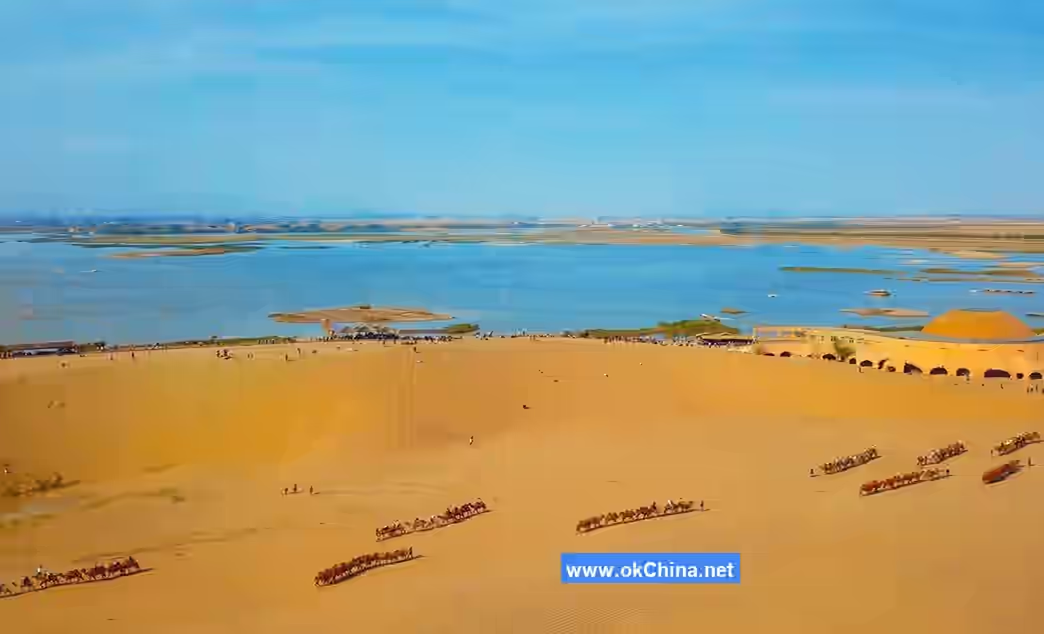
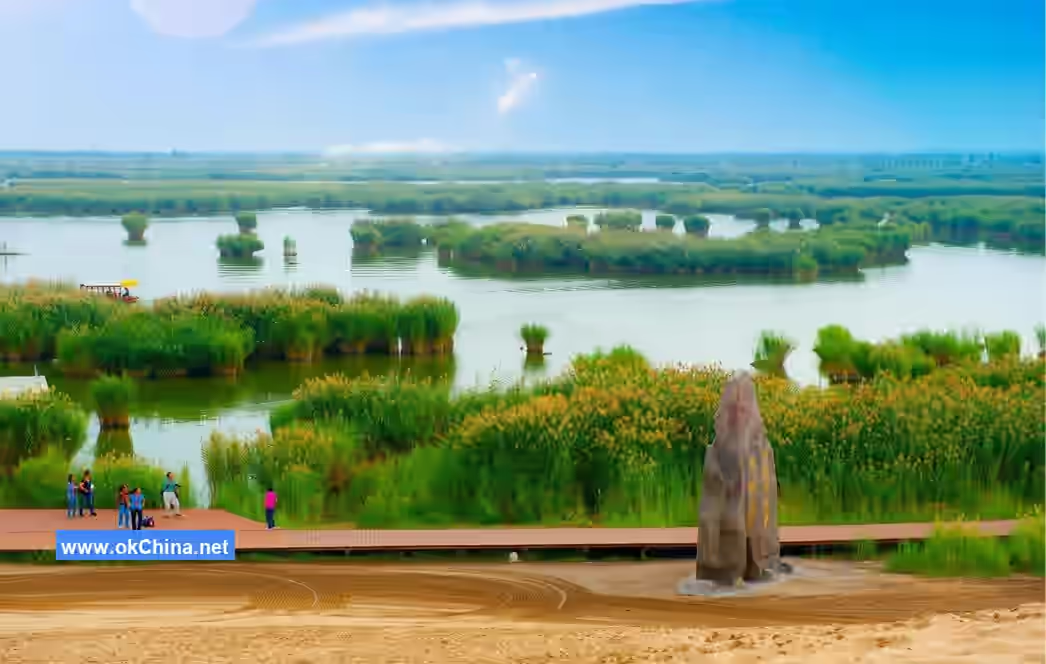
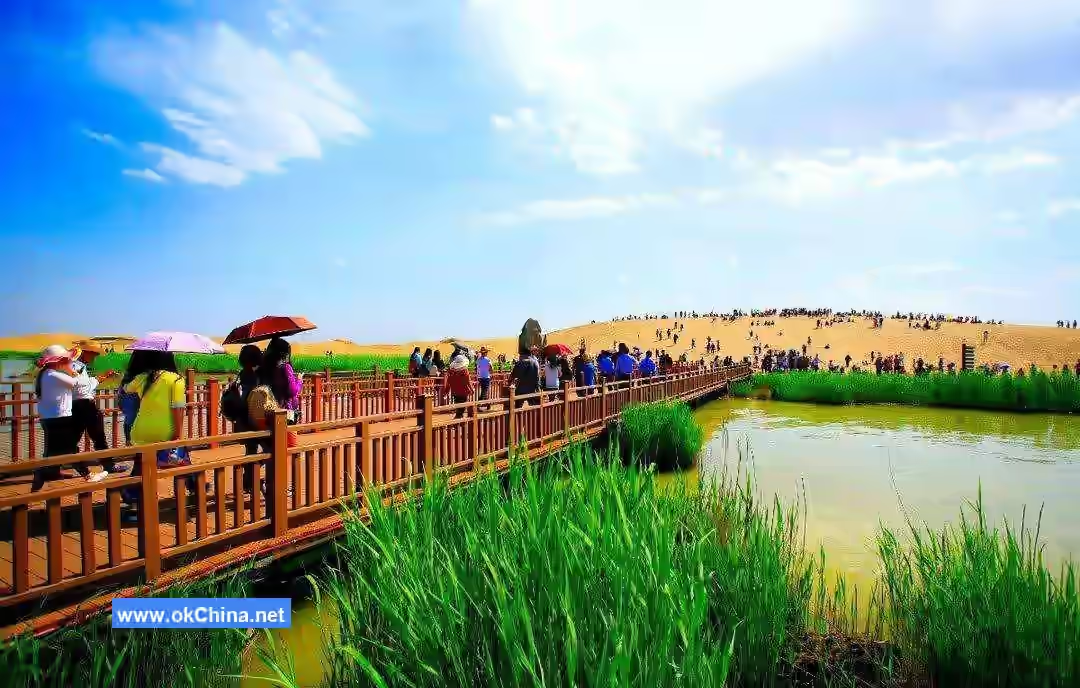
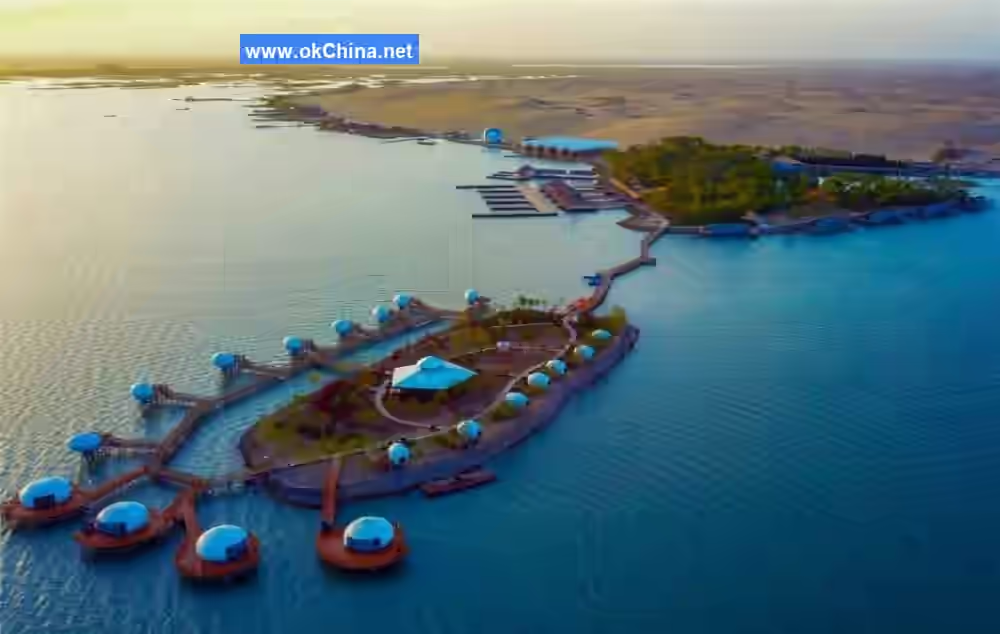
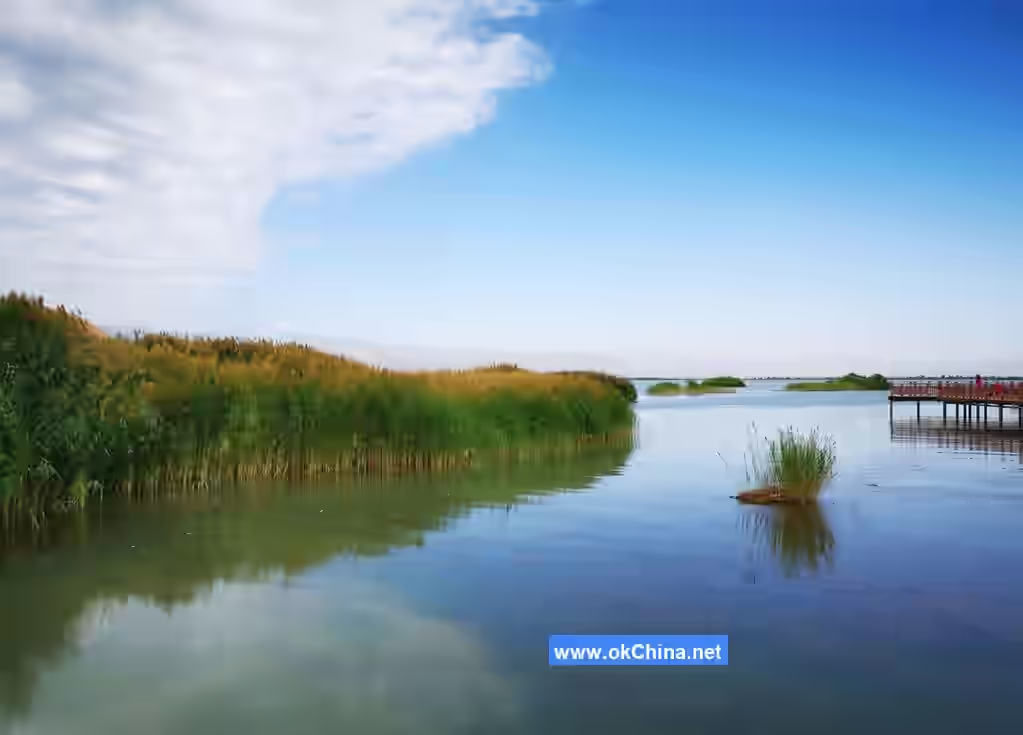
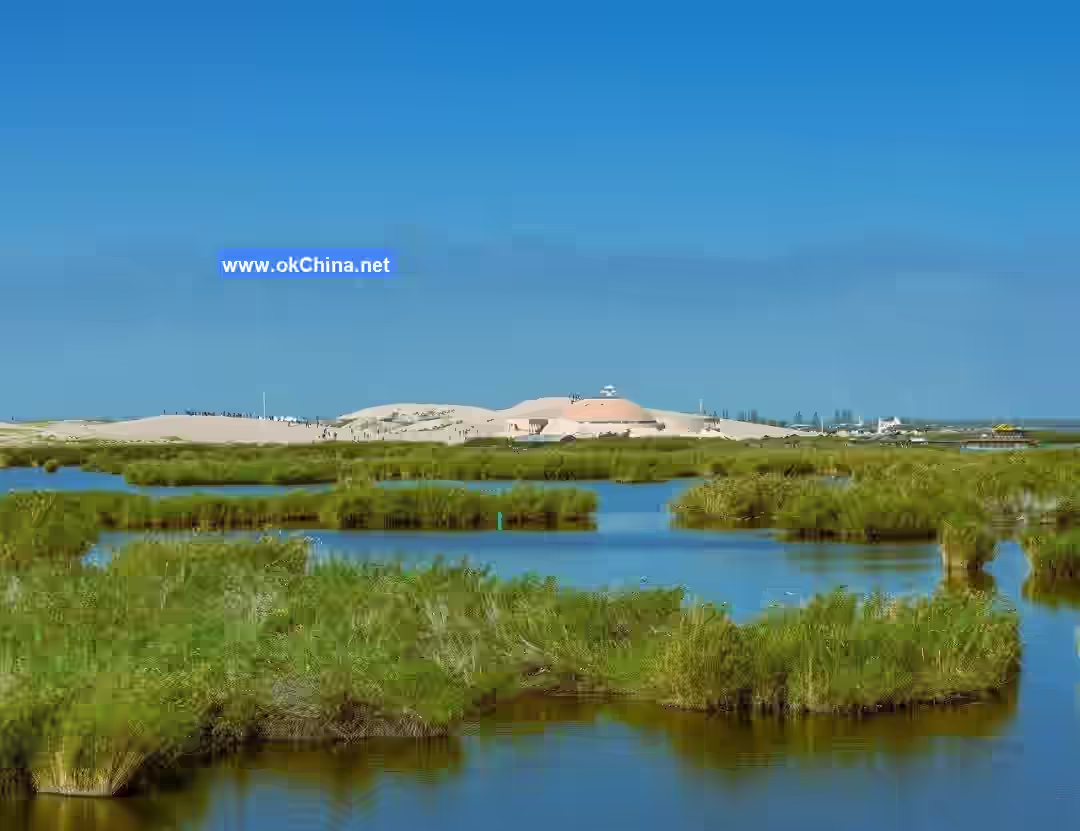
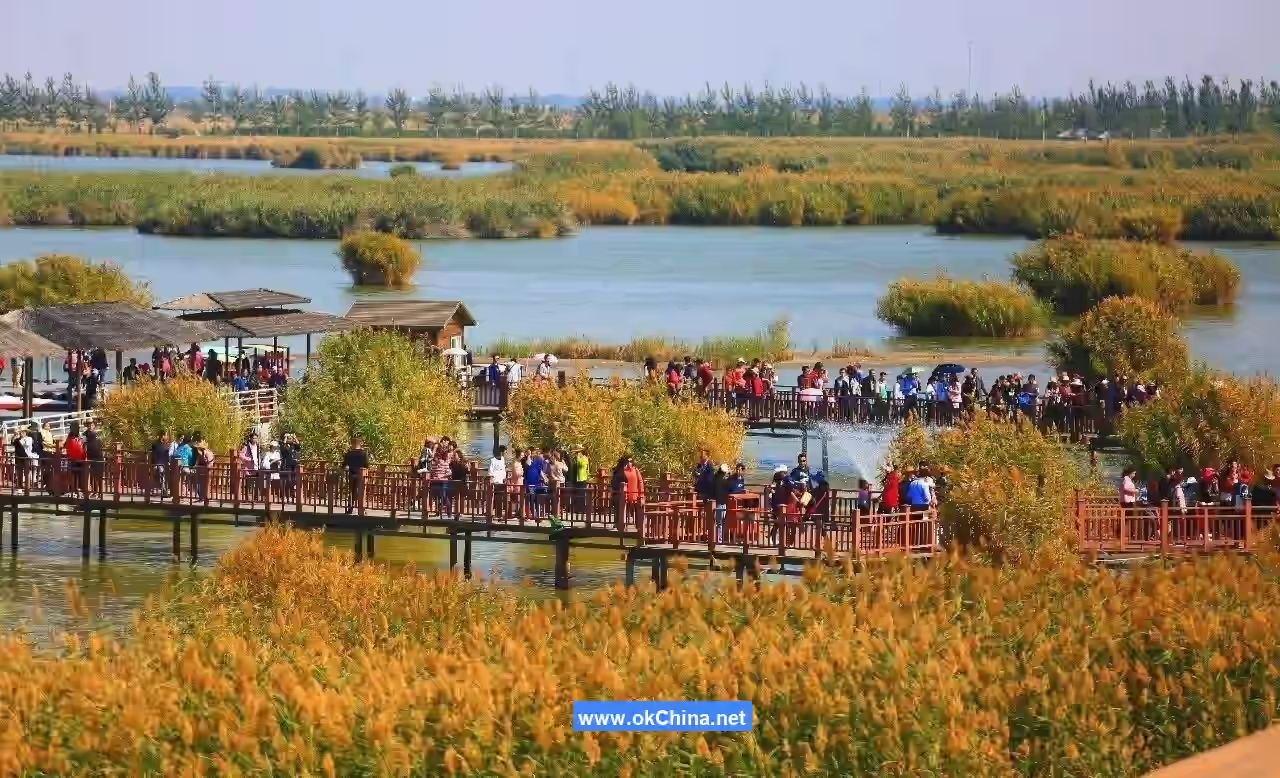
The Shizuishan Sand Lake Scenic Area in Ningxia is located within Pingluo County, Shizuishan City, Ningxia Hui Autonomous Region. It is 26 kilometers from downtown Shizuishan and 56 kilometers from the regional capital, Yinchuan. National highways and the Baotou-Lanzhou Railway run alongside the lake, and the Beijing-Tibet Expressway provides direct access to Sand Lake. The scenic area covers a total area of 80.1 square kilometers, including a water area of 45 square kilometers and a desert area of 22.5 square kilometers. It is a national AAAAA-level tourist attraction primarily featuring natural landscapes, organically combining five major scenic elements: sand, water, reeds, birds, and mountains. It is hailed as a "rare gem" among cultural and tourist destinations.
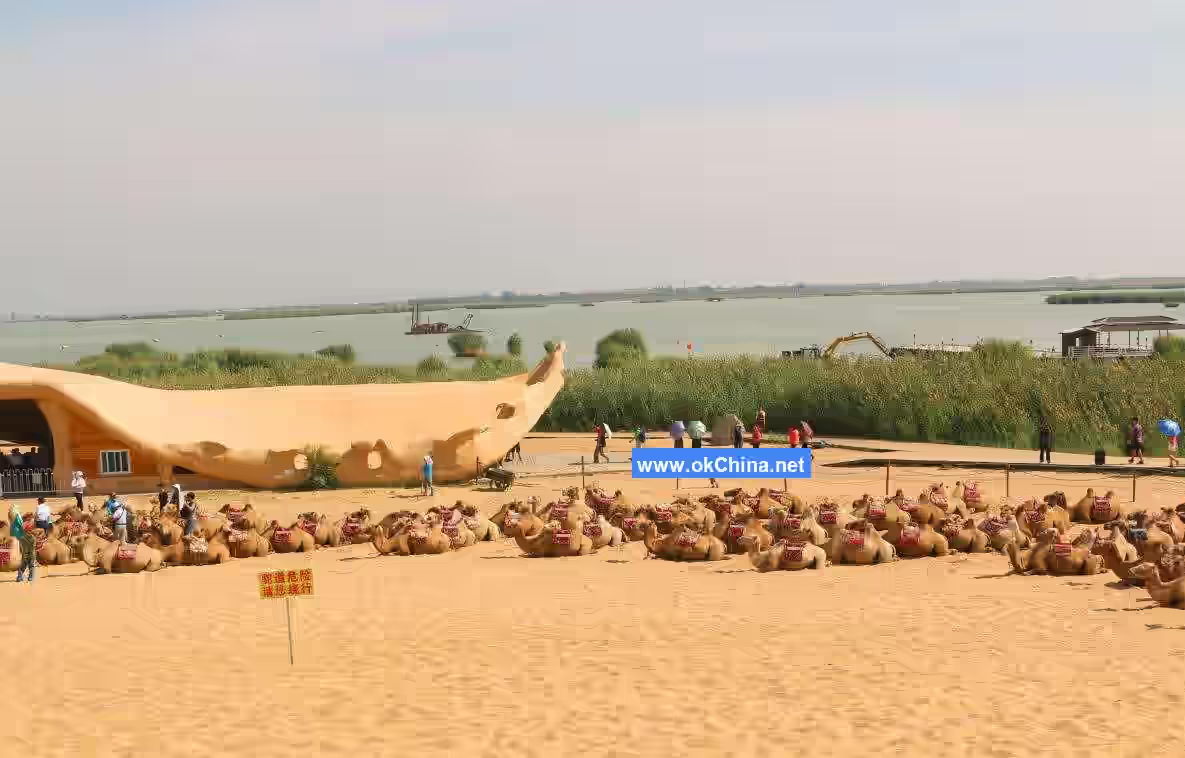
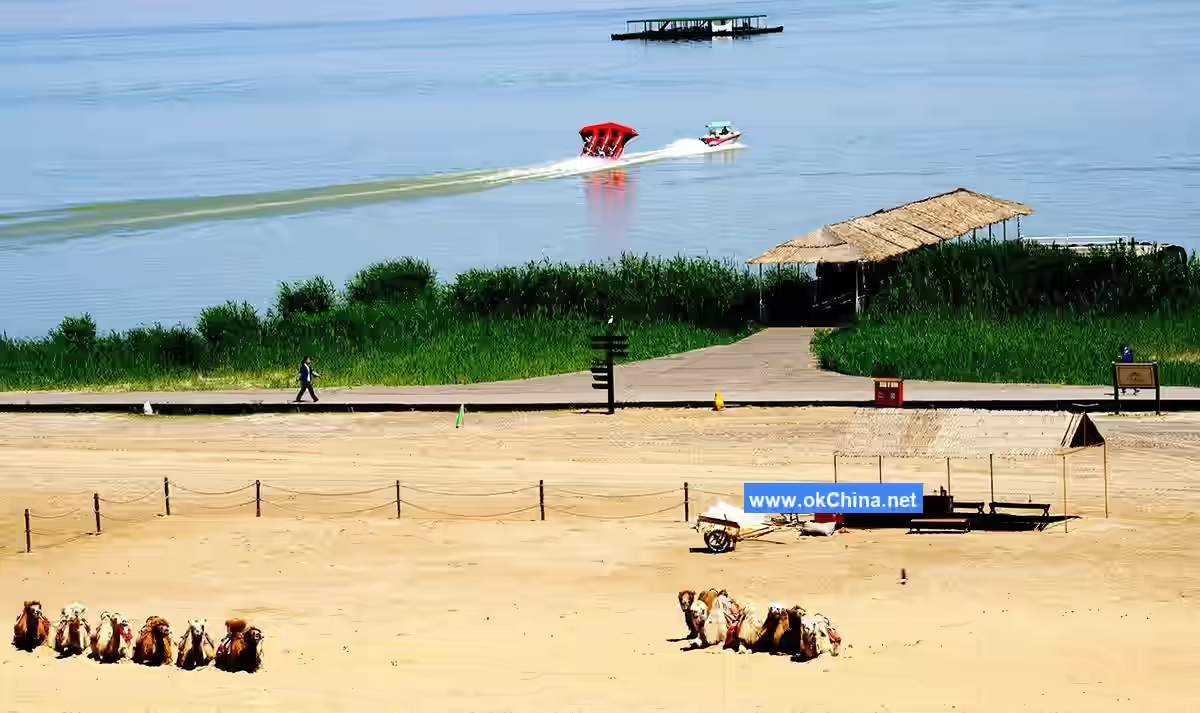
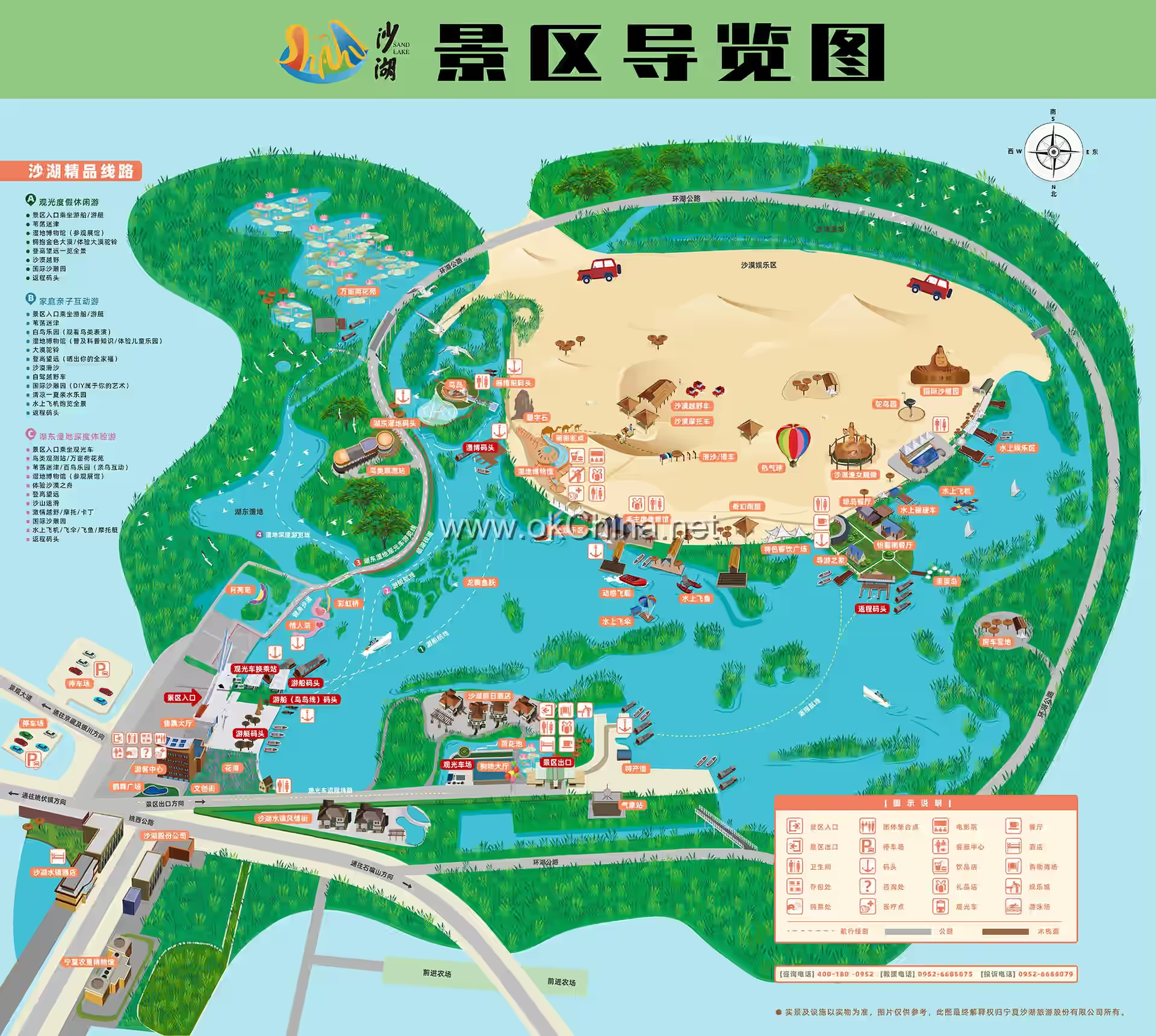
Ningxia Sand Lake Ecological Tourism Zone is a "Silk Road post" tourism pearl that blends the elegance of the Jiangnan water towns with the grandeur of the northern deserts. Its main attractions include the Sand Lake International Sand Sculpture Park, Bird Island (Hundred Birds Paradise), East Lake Wetland (Bird Observation Station), New Entrance Plaza, Sand Lake Inscription Stone, and numerous other scenic spots.
II. Development History
The Sand Lake Scenic Area was originally a saucer-shaped depression in the Xidatan area of the Yinchuan Plain. Records of land reclamation and border defense date back to 407 AD, with larger-scale development occurring in the early Qing Dynasty.
In 1952, 5,804 officers and soldiers of the First Agricultural Construction Division of the Chinese People's Liberation Army established the state-owned Qianjin Farm, one of the earliest state-owned farms.
In 1977, the farm began utilizing the Sand Lake wetlands for fish farming.
In 1986, the Ningxia Hui Autonomous Region Nature Reserve Zoning Leading Group conducted a bird survey at Sand Lake and included it in the "Ningxia Nature Reserve Zoning Plan." The plan, approved by the Regional People's Government under document Ning Zheng Fa (1986) No. 57, designated 39 protected area sites, with Sand Lake (Qianjin Lake) listed as a no-hunting zone.
In 1990, it was officially named Sand Lake.
In 1994, it was rated by the National Tourism Administration as "One of the 35 Premier Tourist Attractions in China."
On January 27, 1997, the Ningxia Hui Autonomous Region People's Government approved the establishment of the Ningxia Sand Lake Nature Reserve.
In 2001, Sand Lake was rated by the National Tourism Administration as one of the first national AAAA-level ecological tourism zones.
In 2007, it was rated by the National Tourism Administration as one of the first national AAAAA-level scenic areas.
In 2013, it was awarded the title of "China's Top Ten Charming Wetlands" by CCTV.
III. Geographical Layout
Location and Territory
The Shizuishan Sand Lake Tourist Area is located in Pingluo County, Shizuishan City, Ningxia Hui Autonomous Region, 42 kilometers from Yinchuan, the capital of Ningxia Hui Autonomous Region.
Topography and Landforms
Sand Lake was originally a saucer-shaped depression in the Xidatan area of the Yinchuan Plain. In 1952, water was diverted from the Yellow River, and the increasing water volume eventually formed a freshwater lake covering 10,000 mu.
Climate Characteristics
Situated in the northwestern inland plateau, Sand Lake experiences a typical continental semi-humid and semi-arid climate. Rainfall is concentrated from June to September. The climate features long, cold winters; short, hot summers; scarce rain and snow; dry conditions; strong winds with much sand; and colder temperatures in the south compared to the north. As Sand Lake is over 1,000 meters above sea level, summers are generally not extremely hot. The average January temperature is below -8°C, with extreme lows below -22°C.
The most notable climatic features of Sand Lake are the large diurnal temperature variation, long sunshine hours, and strong solar radiation. In most areas, the daily temperature difference can generally reach 12–15°C. The period from May to October is the best time for tourism.
IV. Important Attractions
International Sand Sculpture Park
Stepping into the Sand Sculpture Park is like entering a fantastical world built from sand. The sand sculptures within the park cover a wide range of themes, including historical stories, myths and legends, modern architecture, and cartoon characters. Among them, sand sculptures themed on the ancient Egyptian pyramids accurately replicate their majestic outlines. Their intricate textures and realistic quality make visitors feel as if they have traveled through time to the ancient Egyptian desert. Meanwhile, sand sculpture groups inspired by the Chinese classic Journey to the West vividly depict the adventurous scenes of the monk Xuanzang and his three disciples on their pilgrimage to the West. The wit and bravery of Sun Wukong, the endearing simplicity of Zhu Bajie, the compassion of Tang Sanzang, and the loyalty and honesty of Sha Wujing are all masterfully portrayed by the sand sculptors. Each character seems to come to life, reenacting that legendary journey in the world of sand sculpture.
The craftsmanship of these sand sculptures is exquisite. The artists make full use of Sand Lake's high-quality sand, employing clever concepts, meticulous carving, and careful polishing to create sculptures that are remarkably lifelike. During the creative process, artists must understand the properties of the sand, control its moisture and compactness, and use various tools like shovels and carving knives to shape the sculptures bit by bit. Tools like spray guns are then used to add texture and depth, making the sculptures even more realistic. Furthermore, to protect the works, the park employs special reinforcement and preservation techniques, ensuring visitors can appreciate these fine sand sculptures in different seasons and weather conditions.
The International Sand Sculpture Park also regularly hosts sand sculpture competitions and themed exhibitions. During competitions, sand sculptors from around the world gather here to showcase their skills, using their tools to breathe new life into the sand and create astonishing works. Visitors can not only watch the artists create on-site and experience the charm of sand sculpture art but also have the opportunity to interact with the artists, gaining deeper insights into the creative concepts and techniques of sand sculpture. Themed exhibitions change according to different festivals, cultural events, or seasons. For example, during the Spring Festival, an exhibition themed "New Year Blessings" showcases sand sculptures related to traditional Spring Festival culture. In summer, exhibitions with themes like "Cool Summer" present many sand sculptures featuring water, ocean elements, and more, offering visitors a unique visual experience. Whether art enthusiasts or general tourists, the International Sand Sculpture Park allows everyone to appreciate the perfect fusion of art and nature through the sand sculptures, experiencing the infinite charm and impact of sand sculpture art.
Reclamation Museum
Opened in August 2008 as a tribute to the Beijing Olympics and the 50th anniversary of Ningxia, the Ningxia Reclamation Museum is the first autonomous region-level industry museum in Ningxia.
The museum's exhibition hall covers 1,800 square meters and houses over 2,000 artifacts, collecting various objects and materials from the initial stages of Ningxia's reclamation efforts to its current reform and development, spanning half a century. Entering the Reclamation Museum is like stepping back in time. Through a rich variety of exhibits and detailed historical materials, the museum comprehensively showcases the origin and development of reclamation at Sand Lake. In the early reclamation exhibition area, visitors can see the simple farming tools used by the reclamation pioneers, such as worn hoes, sickles, and plowshares. Though crude, these tools bear witness to the initial hard work of the reclamation people on this land. There are also yellowed photographs and handwritten diaries recording the harsh living conditions when the pioneers first arrived at Sand Lake. They lived in simple thatched huts and ate coarse food, yet faced with恶劣的自然条件和艰苦的生活环境, they did not retreat. Instead, with firm信念和顽强的意志, they took root in this wasteland.
As time progressed, the exhibition area shows the continuous advancement of agricultural production technology at Sand Lake. The various agricultural machinery used during the transition from traditional manual farming to mechanized operations, such as old tractors, seeders, and harvesters,见证 the gradual improvement of agricultural productivity at Sand Lake. Simultaneously, the museum displays the development achievements of Sand Lake reclamation in fish farming. Various fishing tools, aquaculture equipment, and specimens of different fish species illustrate the process of Sand Lake evolving from a wasteland wetland into a famous fishery production base. In the Reclamation Culture and Life exhibition area, visitors can see the cultural and recreational items of the reclamation pioneers, such as old musical instruments, books, and sports equipment. These exhibits reflect the rich spiritual and cultural life of the reclamation people amidst their arduous labor. There are also exhibits reflecting the social customs and family life of that era, such as old-fashioned furniture, clothing, and ration coupons, allowing visitors to gain a deeper understanding of people's lifestyles and social features during that time.
The Reclamation Museum employs diverse display methods. In addition to physical exhibits, pictures, and textual materials, it utilizes modern presentation techniques like场景复原 and multimedia displays. In some场景复原 areas, lifelike mannequins and道具布置 vividly recreate the labor scenes,生活场景, and important historical event scenes of the reclamation pioneers, making visitors feel as if they are there, experiencing the authenticity and weight of that history more直观. The multimedia display area plays documentaries, interview videos, and other materials, allowing visitors to hear firsthand accounts from the reclamation pioneers, further deepening their understanding and knowledge of Sand Lake's reclamation history. Whether for tourists interested in history and culture or those wanting to understand the development and changes of the Sand Lake area, the Reclamation Museum offers a valuable opportunity to delve into reclamation history and experience the reclamation spirit. During their visit, they can深刻体会 the arduous struggle and selfless dedication of their predecessors, thereby cherishing today's美好生活 even more.
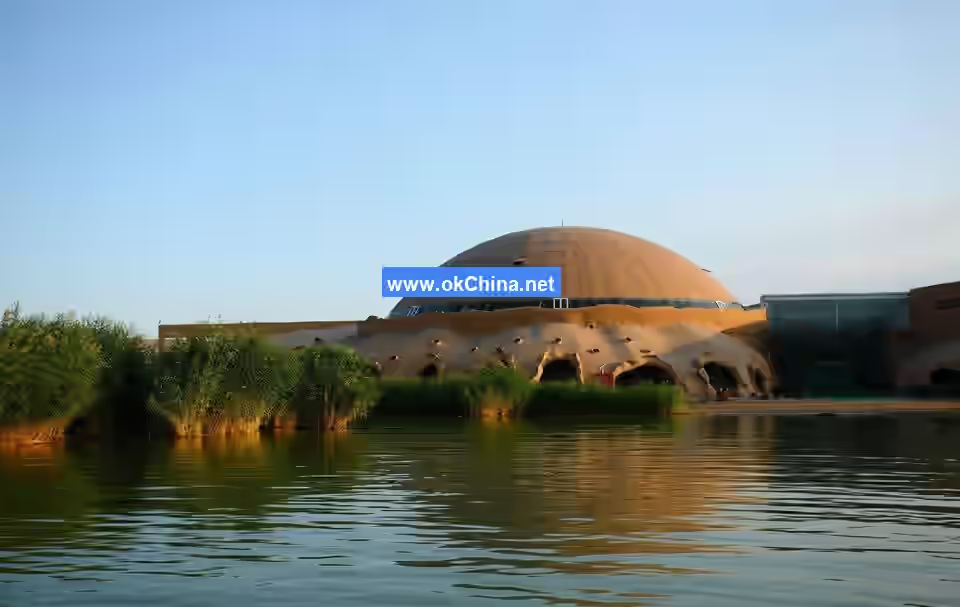
Wetland MuseumThe Ningxia Wetland Museum was inaugurated and opened on October 29, 2010. It focuses on popularizing wetland knowledge and bird exhibitions, with wetlands as the main theme of the display, Shahu Lake as the centerpiece, and the harmonious unity of nature, society, and humanity as its overarching concept.
The Ningxia Wetland Museum primarily uses reeds, birds, water, and sand as design elements. It adopts a "sand dune" as its main architectural form and integrates technologies such as sound, light, electricity, and imagery. The museum organically combines wetland knowledge, wetland biodiversity, wetland culture, the relationship between wetlands and humans, popular science and research, collection exhibitions, performance entertainment, and tourism services.
Shahu Bird Island
Bird Island is located in the core area of the Shahu Bird Reserve and is also known as the "Hundred Birds Paradise." It is one of the bird-watching sites in China where visitors can get the closest to birds, with the greatest variety and number of bird species.
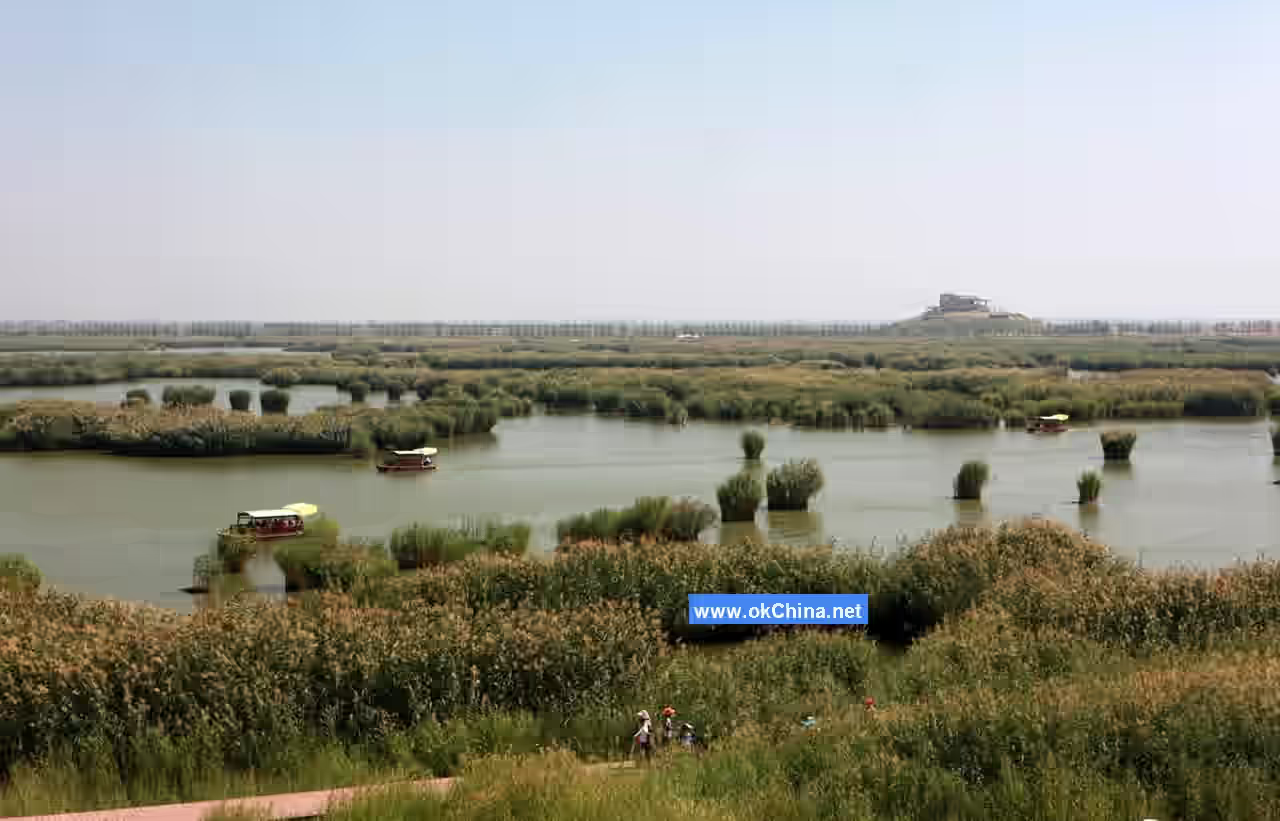
Bird Island is home to over 1.5 million birds from 178 species across 44 families and 17 orders. Among them, there are five species of nationally protected first-class birds, including the Great Bustard, Chinese Merganser, Black Stork, White-tailed Sea Eagle, and Golden Eagle. Additionally, there are 21 species of nationally protected second-class birds, such as the Whooper Swan, Tundra Swan, and Mandarin Duck, as well as 24 species of key protected animals in the Ningxia Hui Autonomous Region. The ecological environment of Bird Island is uniquely favorable, surrounded by water on all sides and covered with lush vegetation. The verdant reed marshes are one of the iconic landscapes of Bird Island, with vast stretches of reeds swaying gently in the breeze and rustling softly, as if playing beautiful melodies for the birds. These reeds not only provide abundant food sources for birds, such as reed seeds, tender leaves, and insects inhabiting the reed beds, but also create safe habitats and breeding grounds for them. The island also hosts various shrubs and trees, such as willow and locust trees, which intertwine with the reed marshes to form a multi-layered ecological space, meeting the habitat needs of different bird species.
In this tranquil paradise, a wide variety of birds thrive. According to statistics, nearly a hundred species of birds inhabit Shahu Bird Island, with numbers reaching hundreds of thousands. Among them are rare species, such as the nationally protected first-class animals like the Black Stork and Chinese Merganser. The presence of these rare birds adds a touch of mystery and preciousness to Bird Island. Every spring and autumn, during the bird migration seasons, Shahu Bird Island becomes particularly lively. Flocks of migratory birds travel long distances from the south or north, stopping at the island to rest, forage, and replenish their energy before continuing their migratory journey. In the sky, groups of geese fly past in orderly formations, emitting loud and clear calls. On the lake, various waterfowl play and frolic, mandarin ducks swim in pairs, wild ducks forage in groups, and egrets gracefully stroll along the shallows, occasionally soaring into the sky or diving into the water to catch fish. Their agile and elegant movements add infinite vitality and energy to Shahu Bird Island.
To facilitate bird watching for visitors, Bird Island is equipped with dedicated bird-watching boardwalks and pavilions. Visitors can stroll along the boardwalks to observe the daily lives of birds up close without disturbing them. The bird-watching pavilions offer a higher vantage point, allowing visitors to overlook the entire beauty of Bird Island and take in scenes of birds soaring in the sky, playing on the water, and resting in the reed marshes. During bird watching, visitors can also listen to the cheerful songs and calls of the birds, experiencing the harmony and beauty of nature. Additionally, the scenic area is staffed with professional guides and volunteers who explain the species, habits, and migration patterns of birds to visitors. This allows visitors to gain knowledge about birds and raise awareness of bird conservation while enjoying the spectacle. Shahu Bird Island is not only a beautiful natural landscape but also an important bird conservation base. It enables people to appreciate the beauty of nature while deeply understanding the importance of protecting the ecological environment and maintaining biodiversity.
Performance Shows
Sichuan Opera Bird Tea Art
The bird performances at Shahu feature bird spirits from South America, Singapore, and Sichuan, China, as well as local birds from Shahu. The performances incorporate elements of Shahu culture and present stories that showcase the harmonious coexistence of humans and nature.
Sea Lion Show
The humorous and滑稽 sea lion performances include ball balancing, basketball shooting, saluting, acting shy, one-handed handstands, disco dancing, balancing balls on bars, sit-ups, and playing the recorder.
Hui Wedding
The original Hui folk song-style drama "Hui Wedding" uses the lyrics of Hua'er songs as its rhythmic structure, Hua'er music as its main melody, and combines life scenarios with Hua'er songs and dances as its表现形式. It artistically再现 the unique marriage customs and wedding process of the Hui people.
Comments
Post a Comment