
Yinxu Scenic Area in Anyang City
1. Introduction
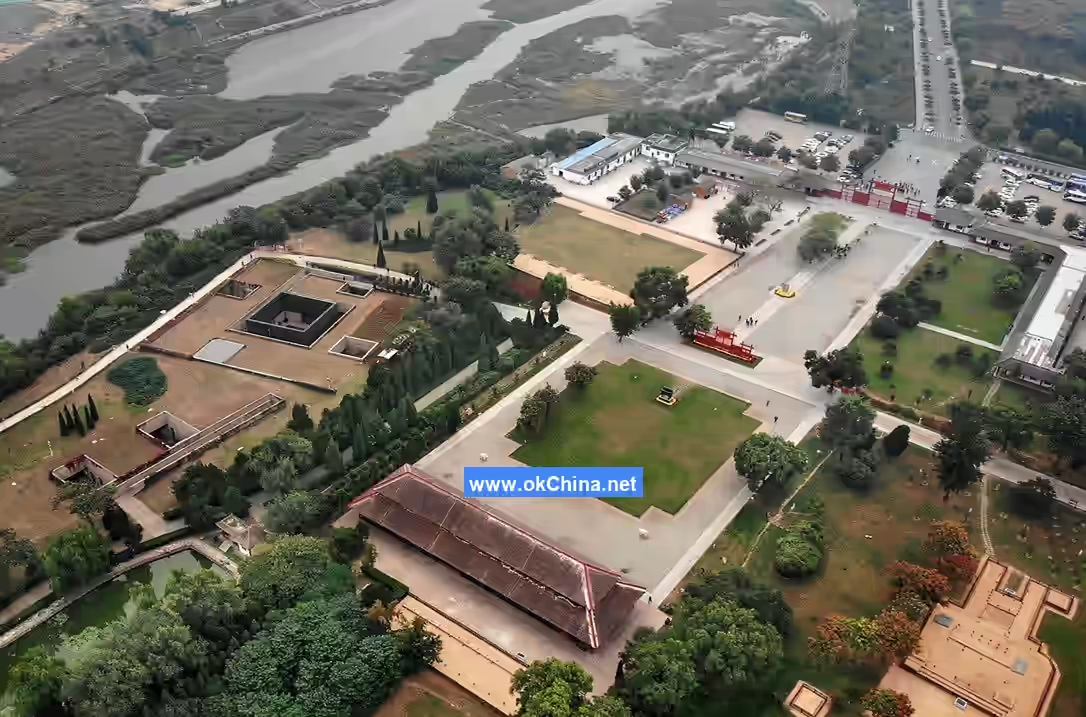
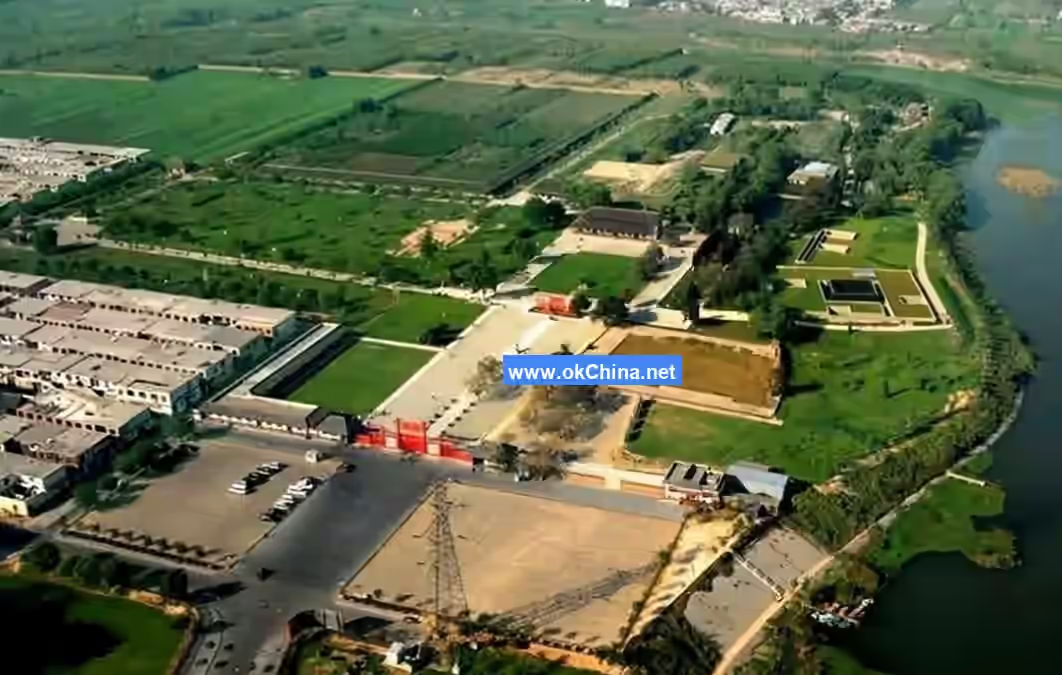
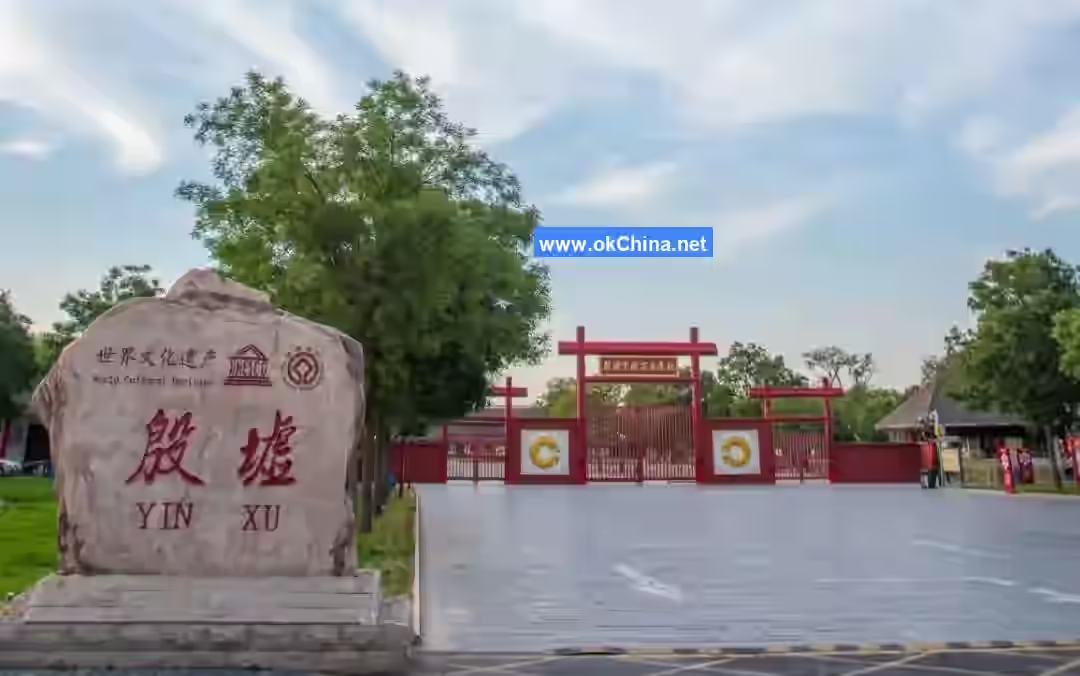
Yinxu is the site of the late Shang dynasty capital, located on both banks of the Huan River in the northwestern suburbs of Anyang City, Henan Province. Centered around Xiaotun Village, it covers an area of approximately 30 square kilometers. During the late Shang period, it was called Beimeng, also known as Yin. In the 14th century BCE, King Pangeng moved the capital here. It served as the capital through the reigns of 8 generations and 12 kings until the fall of King Zhou, spanning 273 years. After the Zhou dynasty conquered Yin, King Zhou's son Wugeng was initially enfeoffed here. Following Wugeng's rebellion and execution, the Yin people were relocated, and the site gradually fell into ruins, hence the name Yinxu (Ruins of Yin).
Over 90 years of scientific excavation, a vast and diverse array of artifacts has been unearthed at Yinxu. These include over 150,000 oracle bone inscriptions, tens of thousands of pottery pieces, approximately 1,500 bronze ritual vessels, about 3,500 bronze weapons, around 2,600 jade artifacts, more than 6,500 stone implements, and over 30,000 bone artifacts.
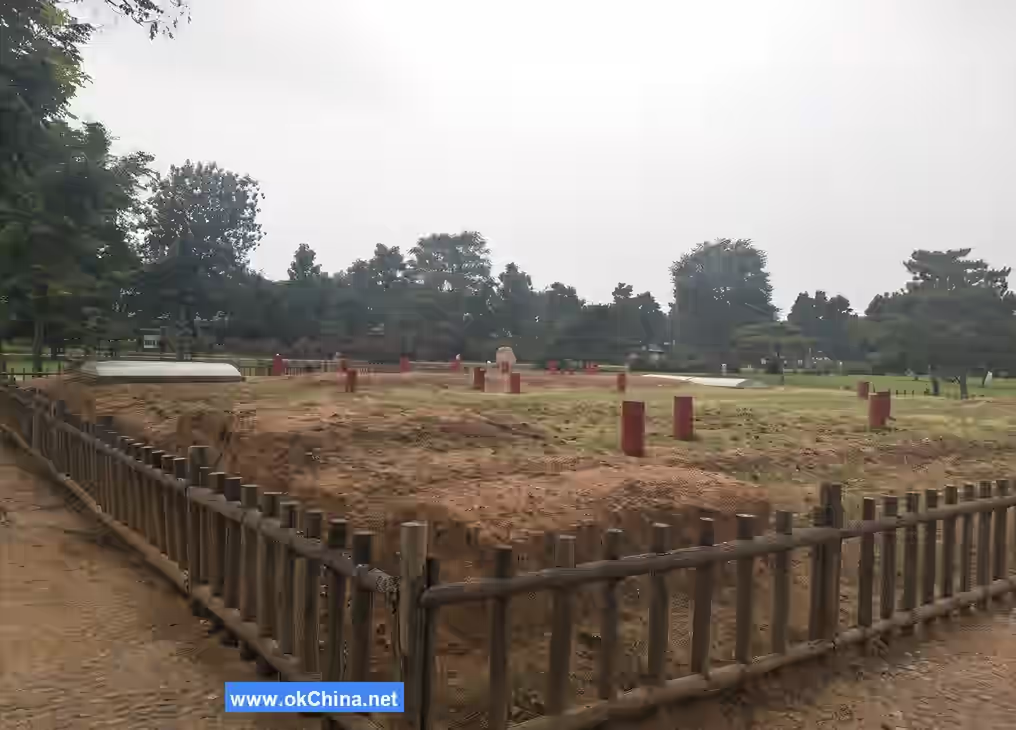
The remains at Yinxu primarily include city wall foundations, large ash ditches, roads, rammed-earth building foundations, pit and semi-subterranean dwellings, ash pits and storage pits, wells, sacrificial remains, handicraft workshop sites, the royal cemetery area, family burial grounds, and chariot and horse pits. Yinxu is the first capital site in Chinese history that is documented in historical records and corroborated by archaeology and oracle bone inscriptions. Consequently, the Yin capital of Anyang ranks first among China's ancient capitals.
2. Historical Development
- In the 14th year of Pangeng's reign, Pangeng, the 19th ruler of the Shang dynasty, moved the capital to Beimeng (present-day Anyang, Henan) and renamed it "Yin".
- In the 15th year of Pangeng's reign, construction of the Yin capital began.
- From Pangeng's relocation to Yin until the fall of King Di Xin in 1046 BCE, spanning the reigns of 8 generations and 12 kings—Pangeng, Xiao Xin, Xiao Yi, Wu Ding, Zu Geng, Zu Jia, Lin Xin, Kang Ding, Wu Yi, Wen Ding, Di Yi, and Di Xin—over 273 years, Yin remained the political, economic, cultural, and military center of the late Shang dynasty.
- In the 25th year of the Guangxu reign of the Qing dynasty (1899), the discovery of oracle bone inscriptions at Yinxu, along with the Dunhuang manuscripts from the Dunhuang scripture cave, the Han dynasty slips from the Juyan Beacon Site, and the archives of the Qing Grand Secretariat, constituted the four major discoveries of historical materials in modern China, presenting precious primary materials from four different historical periods. Among these, the discovery of the Yinxu oracle bones holds the highest value and most profound significance.
- In the 34th year of the Guangxu reign (1908), Luo Zhenyu confirmed that the oracle bones originated from Xiaotun Village in Anyang, Henan.
- In the 17th year of the Republic of China (1928), the Institute of History and Philology of the Academia Sinica commissioned Dong Zuobin to conduct trial excavations at Xiaotun Village in Anyang. Over the next decade, remains such as palace and temple architectural foundations, royal tombs, and sacrificial pits were discovered at Yinxu, yielding a large number of oracle bone inscriptions, bronze vessels, jade artifacts, and more.
3. Main Attractions
3.1 Palace and Temple Complex
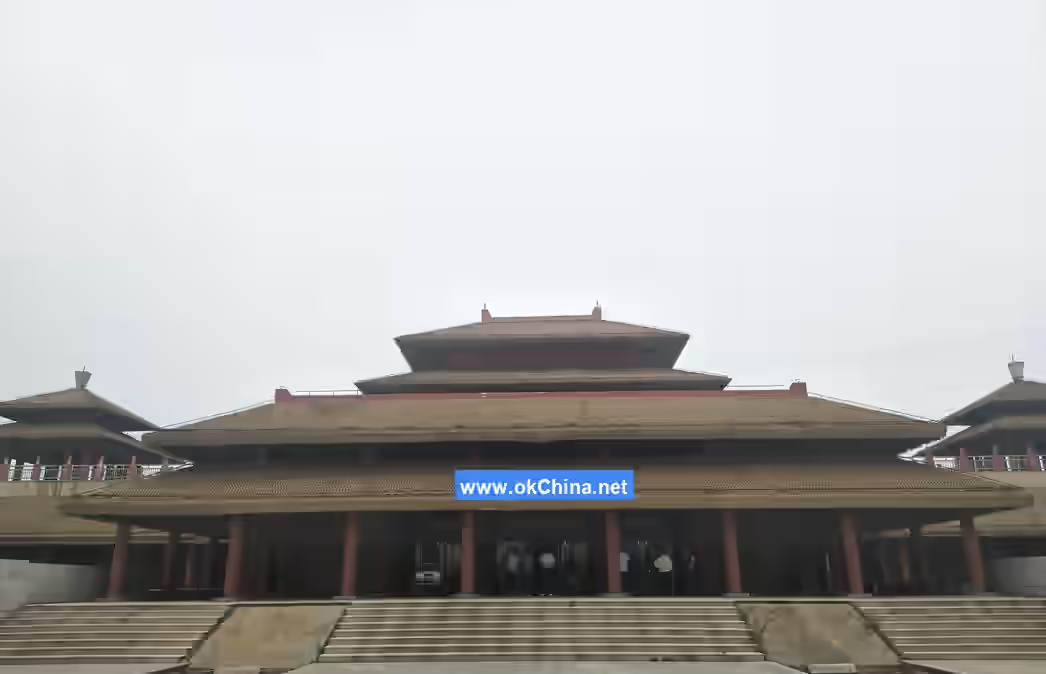
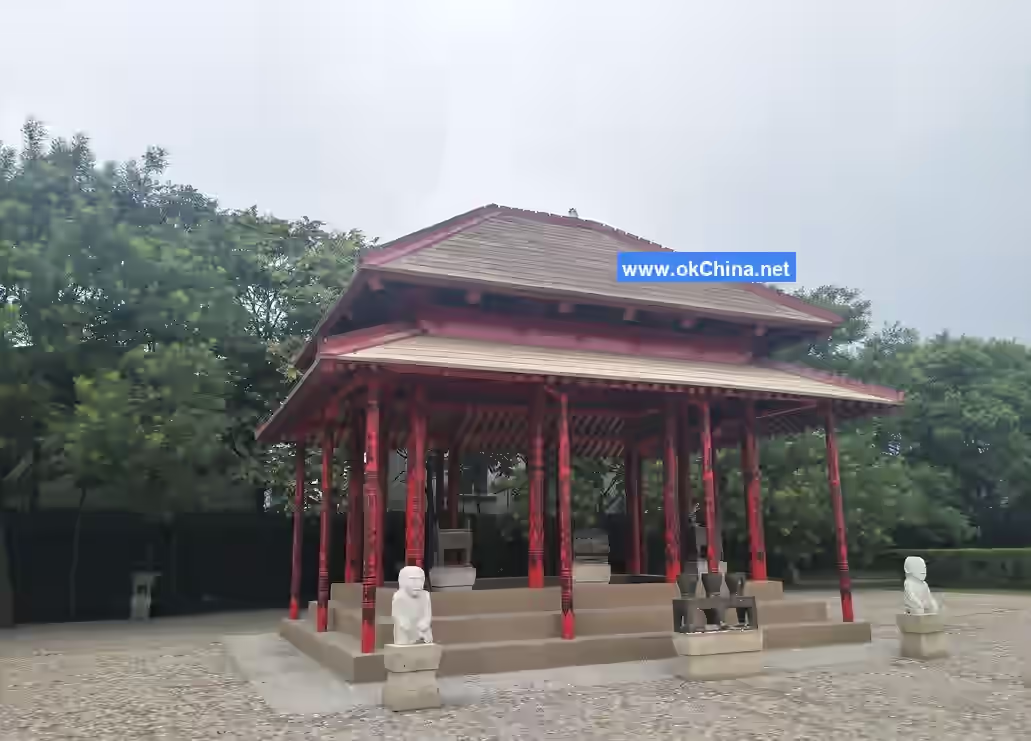
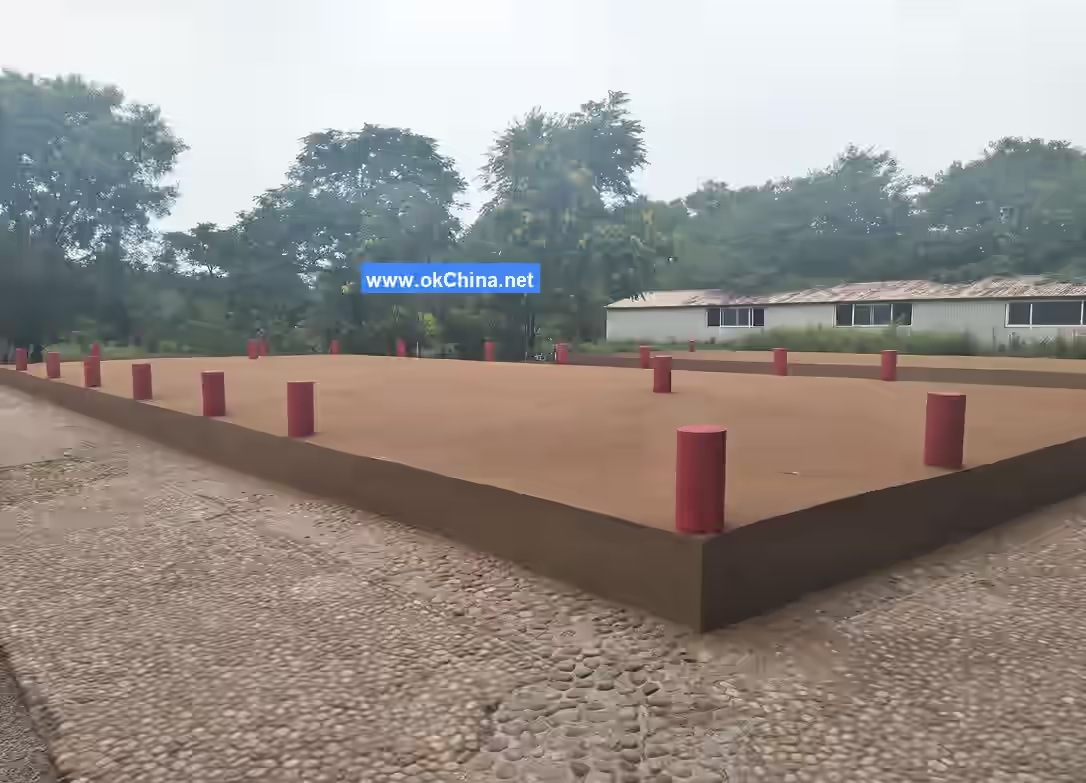
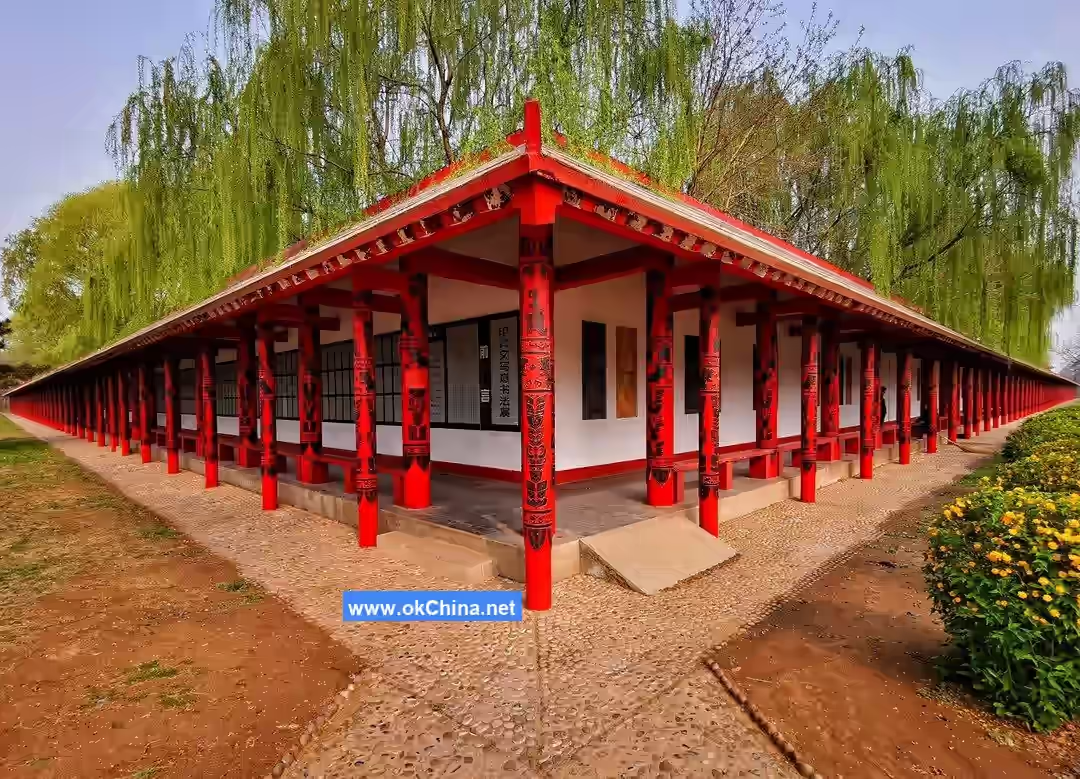
The palace and temple architectural remains at Yinxu are mainly distributed northeast of Xiaotun Village in Anyang, stretching 1 km north-south and 0.65 km east-west, covering a total area of approximately 0.65 square kilometers. After nearly 90 years of excavation, over 80 large-scale building foundations from the late Shang period have been discovered. Most of these large foundations at Yinxu are courtyard-style buildings. In 1937 (the 26th year of the Republic of China), the Institute of History and Philology of the Academia Sinica excavated 54 palace building foundations north and northeast of Xiaotun Village, categorizing them into Groups A, B, and C. Group A foundations, located in the northern part of the palace area, served as the "rear living quarters." Group B foundations, situated in the central part of the palace and temple area, are grand in scale and meticulously laid out, representing the "front court." After the founding of the People's Republic of China, a significant number of additional palace foundations were discovered. The Yinxu palace and temple complex exhibits grand planning, largely conforming to the architectural pattern of "front court, rear living quarters, ancestral temple to the left, altar to the right." The palace buildings are large in scale, constructed on rammed-earth platforms, and come in various shapes such as square, rectangular, and "U"-shaped. The architectural style consists of large rammed-earth structures with "thatched roofs and earthen steps, four-sloped double-eaved roofs." The construction method involved first digging a rectangular vertical foundation pit slightly smaller than the intended platform, then filling it layer by layer with relatively pure loess and compacting it. Each layer of rammed earth was about 9 cm thick, with densely packed compaction marks. Once the rammed-earth platform reached a certain height above ground, circular vertical post foundation pits were dug according to the structural needs of the palace, where foundation stones were placed and pillars erected. Notably, some large palaces even had bronze post foundations. Particularly significant is the discovery of human "foundation sacrifices." After the rammed-earth platform was completed, rectangular vertical pits were dug into it, and individuals used as "foundation sacrifices" were wrapped in mats, placed in the pits, and covered with compacted earth. These sacrificial victims were mostly prisoners of war and slaves. Many palace building foundations of varying sizes and shapes have also been excavated in and around Xiaotun. These large, regularly distributed palace foundations are situated on the high ground within the natural meander of the Huan River, forming the core part of the Yinxu site. In 1987, based on archaeological and documentary evidence, Anyang City reconstructed the B20 foundation, which became the main structure within the Yinxu palace and temple area.
3.2 Yinxu Royal Cemetery
The royal cemetery site is located on the high ground north of Houjiazhuang and Wuguancun on the north bank of the Huan River in Anyang City, Henan Province. It measures approximately 450 meters east-west and 250 meters north-south. Thirteen large and relatively large tombs and over 2,500 sacrificial pits have been discovered here, with 12 large tombs and over 1,400 sacrificial pits excavated.
The royal cemetery is divided into eastern and western sections. The western section mainly contains 8 large tombs. The eastern section is primarily composed of sacrificial pits, mainly distributed in the southern part and central northern part of the eastern section, along with 1 large tomb and 4 relatively large tombs. None of the 13 large or relatively large tombs have burial mounds above ground. All tombs are oriented north-south, with tomb chambers wider at the opening and narrower at the bottom, resembling an inverted trapezoid. The tomb plans are shaped like the Chinese characters "亞" (ya), "中" (zhong), or "甲" (jia).
These tombs are arranged in an orderly and dense manner. Although there are instances where tomb passages of individual tombs intersect, the tomb chambers themselves never overlap, indicating that the positions of the 13 tombs in the royal cemetery were planned accordingly. Among the 13 tombs, 8 are "亞"-shaped, each with four tomb passages, considered the highest规格 (specification) tombs. For a considerable period thereafter, imperial tombs adopted this form. There are 3 "中"-shaped tombs, each with one tomb passage to the north and south. There is 1 "甲"-shaped tomb, with only a southern tomb passage.
A prominent feature of the Yinxu royal cemetery is the prevalent practice of human and animal sacrifices. The sacrificial pits in the Yinxu royal cemetery area are mainly concentrated in the eastern section, arranged in a concentrated and regular pattern. These pits are grouped based on factors such as pit opening size, orientation, depth, burial contents, skeleton posture and quantity, and distance between pits. Each group consists of one or several rows of pits, with varying numbers of pits, some groups containing dozens. Pits within the same group likely belong to the same sacrificial event. Based on their contents, sacrificial pits can be categorized into human pits, animal pits, and object pits.
3.3 Huanbei Shang City
Huanbei Shang City is located in the northern suburbs of Anyang City, Henan Province. Named for its location on the north bank of the Huan River, it is designated "Huanbei Shang City." The city site is square and overlaps with the traditionally defined Yinxu site. Ramped-earth wall foundation trenches have been confirmed around its perimeter, measuring 2200 meters north-south and 2150 meters east-west, covering a total area of approximately 4.7 square kilometers. Its orientation is 13 degrees east of north. The palace and temple area is located on the southern segment of the city's central north-south axis. Dozens of rammed-earth foundations have been discovered within the palace area. The largest foundation covers a total area of 16,000 square meters, making it the largest single Shang dynasty building foundation discovered in China. Large residential areas surround the palace zone. Partial excavation in the northwestern residential area has revealed numerous house foundations, wells, and storage pits. Some tombs have also been found around the settlements.
The discovery of Huanbei Shang City undoubtedly revises the traditional concept of "Yinxu." The artifacts, architectural remains, related stratigraphy, and radiocarbon dating from the city site indicate that it is a city site slightly earlier in date than the main remains and artifacts previously known within the "Yinxu" area. Scholars speculate that this city site and the traditional Yinxu centered on Xiaotun represent successive Shang dynasty capitals.
3.4 Xiongnu Tombs
In May 2017, archaeologists discovered 18 Xiongnu tombs during excavations within the Yinxu Grand Site protected area. These Xiongnu tombs are neatly arranged and share the same tomb structure. Based on the unearthed artifacts, these tombs date later than the Yinxu period and differ in form and content from Central Plains tombs. Their era likely falls between the late Eastern Han dynasty and the Wei-Jin period, around 1800 years ago.
4. Cultural Relics
4.1 Oracle Bone InscriptionsOracle bone inscriptions, characters carved on tortoise shells or animal bones to record divination activities, are also known as divination texts, oracle bone engravings, or Yinxu script. As early as the late 19th century, farmers in Xiaotun Village, Anyang, Henan, repeatedly discovered these bones while plowing the land and used them as traditional Chinese medicine called "dragon bones." In the 25th year of the Guangxu reign of the Qing Dynasty (1899), Wang Yirong, the Chancellor of the Imperial Academy, first identified their textual value and further confirmed them as divination bones from the Shang Dynasty. Subsequent research by scholars such as Wang Xiang and Luo Zhenyu unraveled the mysteries of the oracle bones and led to the discovery of the Yinxu site. Over 150,000 oracle bone fragments have been discovered, containing approximately 4,500 non-repetitive individual characters. Each oracle bone character is essentially composed of strokes formed by the interplay of long and short lines, with a square or rectangular shape. From the perspective of Chinese character structure, oracle bone inscriptions primarily consist of pictograms, pictophonetic characters, and loan characters, indicating that they represent a relatively mature form of writing and are considered the origin of Chinese characters. Oracle bone inscriptions, along with the cuneiform script of the ancient Sumerians in Mesopotamia and the Phoenician alphabet, are regarded as the three major ancient writing systems of humanity. Oracle bone inscriptions contain the world's earliest records of solar and lunar eclipses, the earliest medical records, and a complete decimal numeral system. According to archaeological excavations, oracle bone inscriptions existed as early as the late primitive society, flourished mainly during the Shang Dynasty, and were gradually replaced by bronze inscriptions during the Western Zhou Dynasty.
4.2 Bronze Ware
Compared to bronze cultures in other parts of the world, the bronze ware of the Shang Dynasty is characterized by a greater emphasis on bronze containers, specifically ritual vessels. The various bronze artifacts unearthed from Yinxu are exquisitely crafted with delicate patterns, making them rare artistic treasures. Their metallurgical technology was highly advanced and sophisticated, representing the highest level worldwide at the time and showcasing the highly developed metallurgical techniques of China's Shang Dynasty. Over 3,000 years ago, the people of the Shang Dynasty already understood the alloy composition of bronze. Artisans cast bronze products for different purposes by adjusting the ratios of copper, lead, and tin. Bronze weapons were naturally the primary arms used by the Shang Dynasty to consolidate and expand the state's power through warfare. Bronze ware also symbolized the power, wealth, and status of the Shang royal family. Many sets of bronze burial objects have been unearthed from the Yinxu tomb sites. The combination and quantity of these artifacts can indicate the social status of the tomb occupants during their lifetimes.
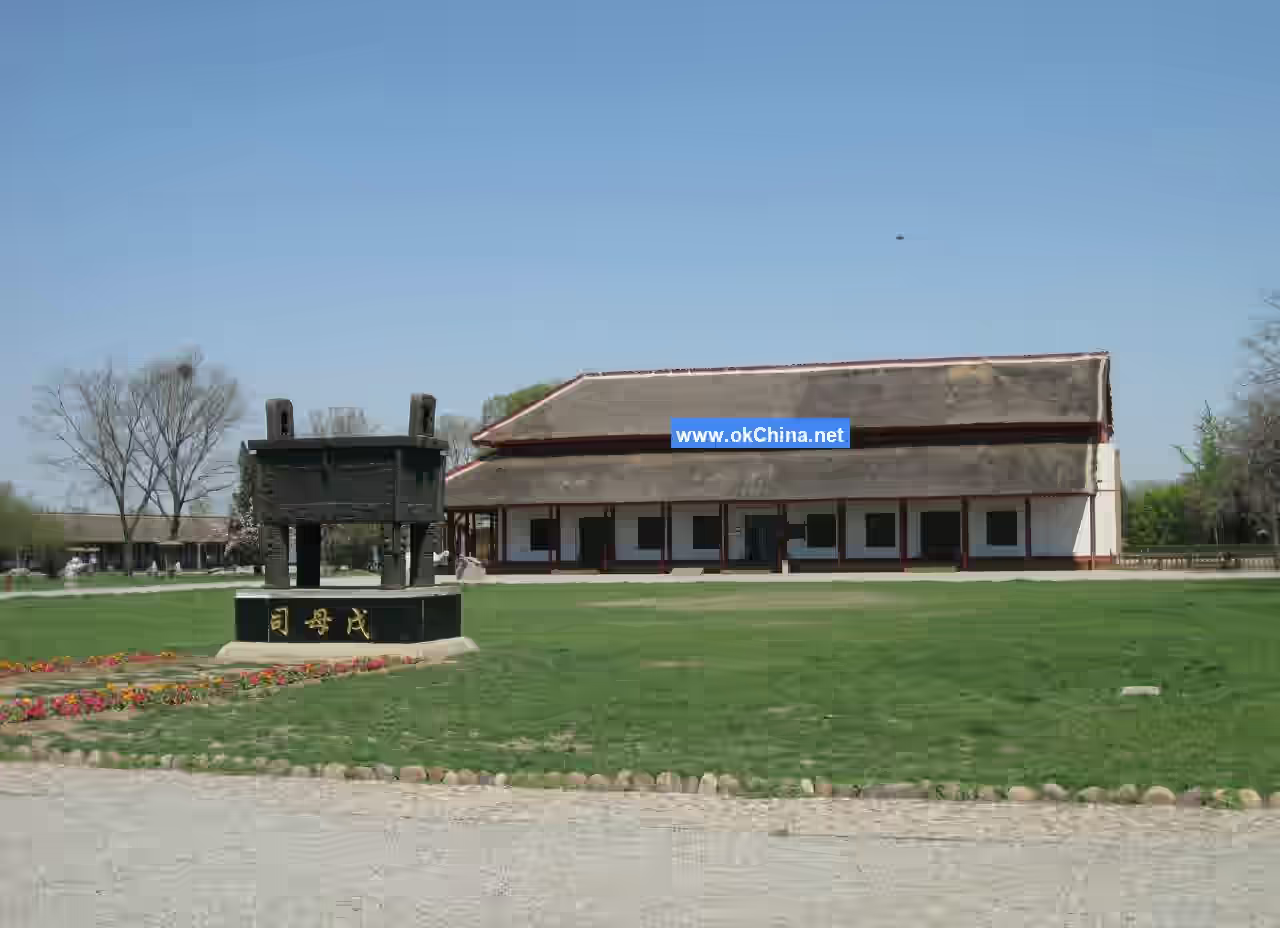
4.3 Houmuwu Ding
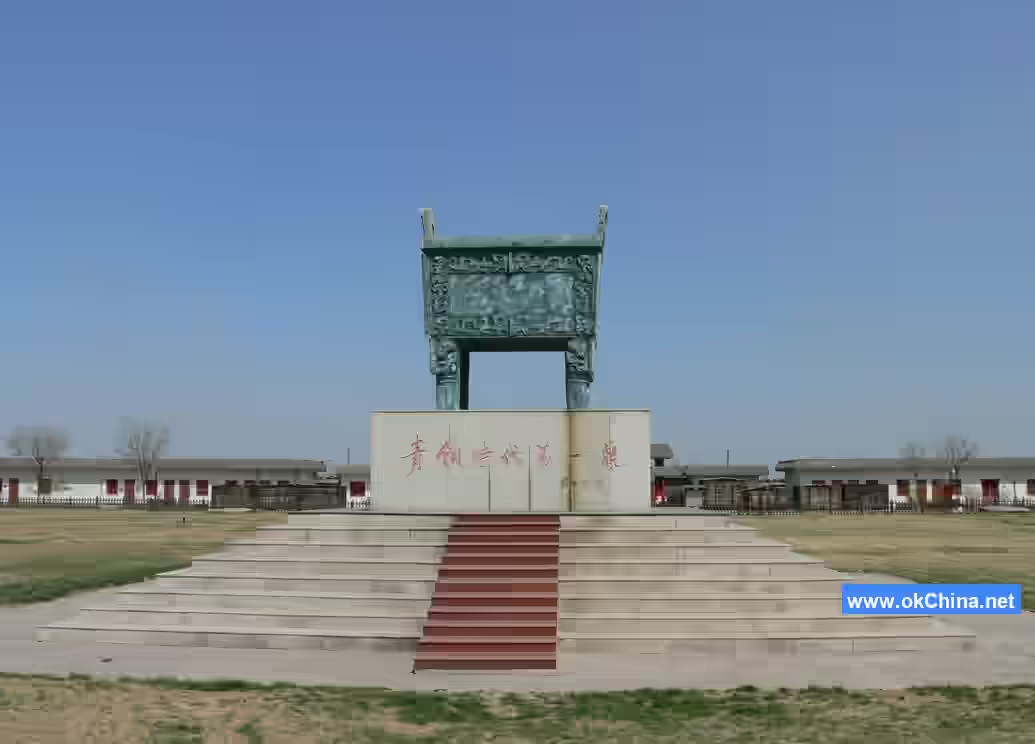
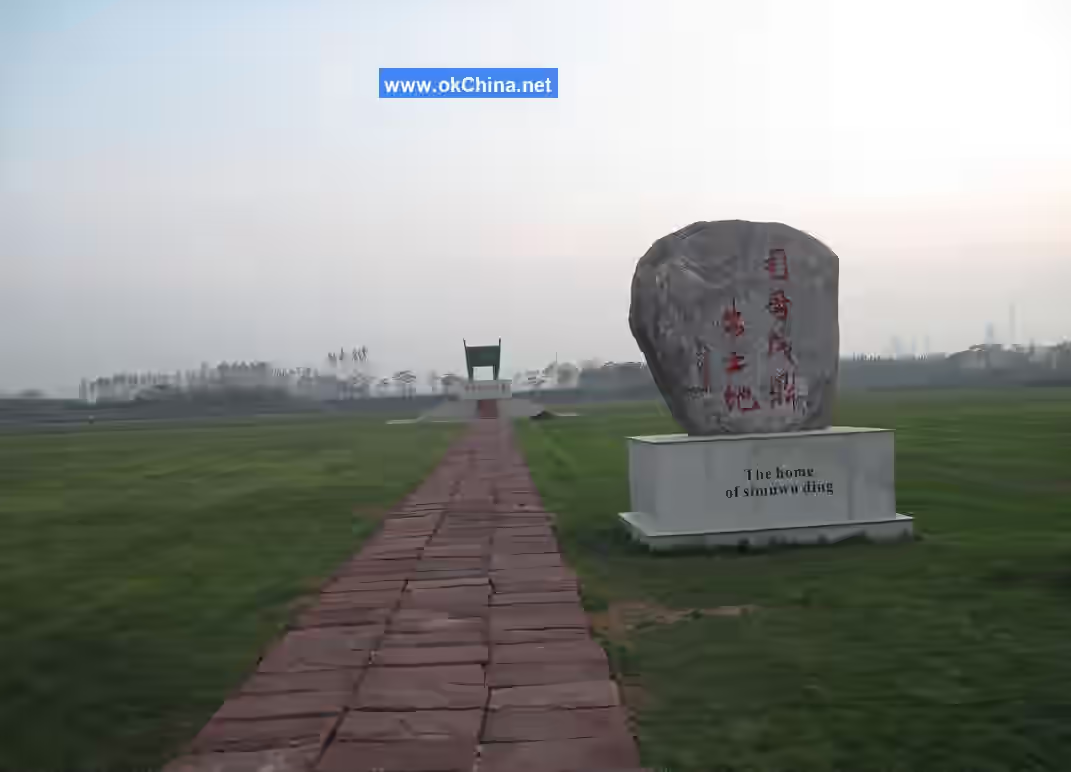
The Houmuwu Ding, unearthed from the royal tomb area in 1939, stands 1.33 meters tall, measures 1.10 meters in length and 0.78 meters in width, and weighs 875 kilograms. It is the largest bronze artifact ever excavated in the world and is considered a national treasure of China. Casting such a massive and heavy vessel was particularly challenging. It is estimated that producing such a significant artifact required clear division of labor and collaboration, involving over 130 people working simultaneously from copper smelting and casting to mold making and removal. The proportions of copper, tin, and lead in this bronze ware are essentially the same as those in modern bronze casting, illustrating the remarkable sophistication of the metallurgical technology at the time. Initially, the ding served merely as a pot for cooking meat. Later, with the development of productive forces, it gradually became a symbol of power.
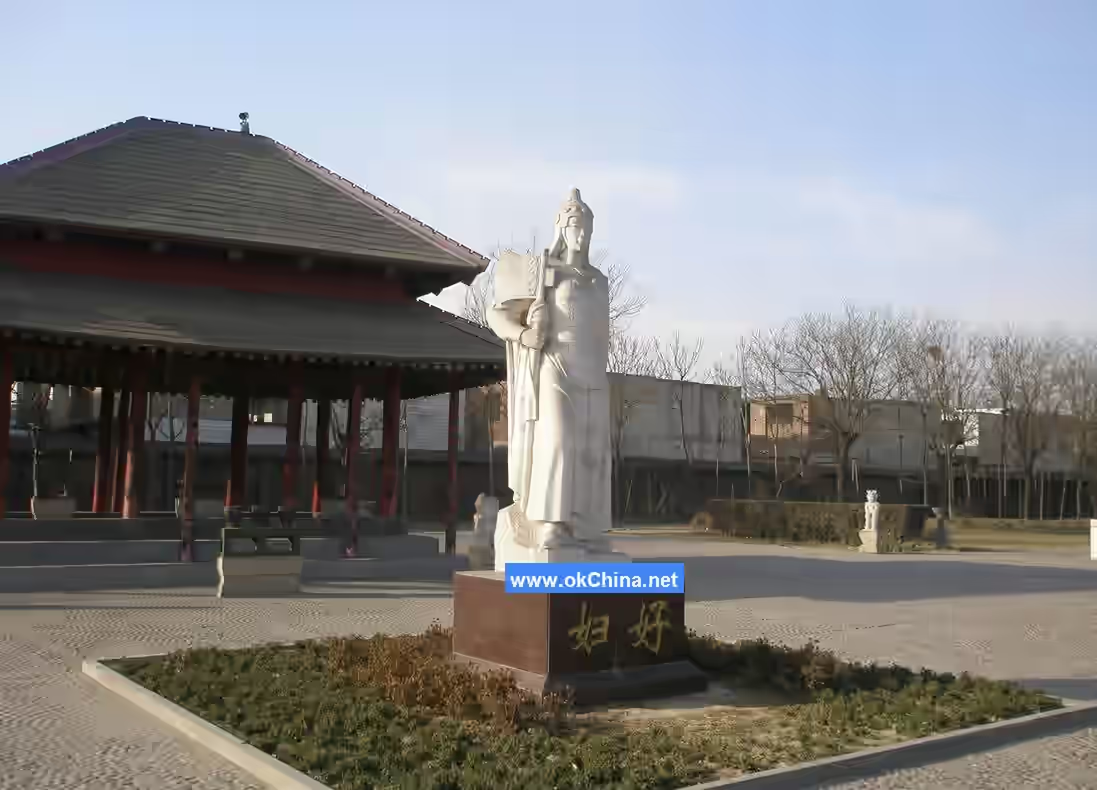
4.4 Tomb of Fu Hao
The Tomb of Fu Hao is 7.5 meters deep and yielded a large number of burial objects totaling 1,928 items. These include over 400 bronze artifacts, more than 750 jade objects, over 560 bone artifacts, as well as stone tools, ivory products, pottery, shell artifacts, conches, and cowrie shells. More importantly, among the unearthed bronze ware, many bear inscriptions with the two characters "Fu Hao," and even a weapon bears Fu Hao's name. Through research, scholars have identified this as the tomb of Fu Hao, the wife of King Wu Ding, who appears over 200 times in oracle bone divination records.
Among the burial objects, in addition to exquisite bronze and jade artifacts, there are also ulnae placed in niches, which belonged to slaves sacrificed at the time. These include 16 human skeletons and 6 dog sacrifices. Among the human sacrifices, there are 4 males, 2 females, 2 children, and the rest are unidentifiable due to dismemberment.
4.5 Seals
In 1998, a beast-face pattern seal was unearthed from a rammed-earth foundation within the Anyang Water Resources Bureau compound in the southeastern part of Yinxu.
In 2009, a character seal was excavated from a diviner's tomb in Wangyukou Village in the southwestern part of Yinxu.
In 2010, a seal featuring characters and a kui-dragon pattern was discovered in a sacrificial pit at Liujiazhuang in the southern part of Yinxu.
5. Cultural Relic Value
5.1 Archaeological Impact
The excavation of Yinxu is the product of combining traditional Chinese epigraphy with Western field archaeology and marks the rise of modern Chinese archaeology.
The excavation of the palace and royal tomb areas at Yinxu, along with the discovery of numerous precious cultural relics such as bronze and jade artifacts, attracted the attention of academic circles both in China and abroad, establishing the international status of Chinese archaeology.
In 1931, Liang Siyong's discovery of the "triple-layer" stratigraphy at the Hougang site in Anyang provided the first stratigraphic division of the relative chronological relationships among the Yangshao Culture, Longshan Culture, and Shang Culture, laying the foundation for the development of stratigraphy in Chinese archaeology.
The Yinxu excavation site became a cradle for training Chinese archaeological talents, producing the first generation of elites in Chinese archaeology, including Li Ji, Dong Zuobin, Shi Zhangru, Gao Quxun, Liang Siyong, Guo Baojun, Yin Da, Xia Nai, and Hu Houxuan.
The excavation of Yinxu provided a positive response to the prevailing skeptical trend in Chinese historical research since the early 20th century. With the existence of the Shang Dynasty confirmed by archaeology, Chinese academia was able to explore the "Xia Dynasty" recorded in historical texts.
5.2 Oracle Bone Inscriptions Illuminate the Splendor of Chinese Civilization
The discovery of oracle bone inscriptions is a beacon illuminating Chinese civilization. Xu Guangde, a researcher at the Institute of Archaeology of the Chinese Academy of Social Sciences, stated that oracle bone inscriptions are not merely symbols of civilization or cultural markers; they verify the authenticity of a series of documents, including the "Records of the Grand Historian," pushing the recorded history of Chinese civilization forward by nearly five centuries.
Among the world's four major ancient writing systems, only the ancient Chinese writing system represented by the Yinxu oracle bone inscriptions has evolved and continued over thousands of years, composing a vast and profound history of Chinese civilization.
5.3 The World of Bronze Ware
The bronze processing industry of the Shang Dynasty was highly developed, but there were no high-grade copper ores or the tin and lead ores necessary for bronze smelting in the vicinity of Anyang. Some scholars speculate that artisans at the time had already learned to perform preliminary smelting at the ore sources, transporting the processed crude copper, tin, and lead to Anyang for proportioning and melting. The copper ore likely came from areas along the Yangtze River, such as Jiangxi and Anhui, while tin and lead deposits were mainly in Jiangxi. Some scholars suggest that the frequent wars during the Shang Dynasty might have been related to competition for mineral resources.
The stone and jade artifacts of the Shang Dynasty are also dazzling in variety. The jade objects unearthed from Yinxu reflect the high level of craftsmanship and artistic imagination of China's Bronze Age. Scholars have determined that the raw materials for the jade artifacts unearthed from Yinxu were mostly Hetian jade from Xinjiang and Xiuyu jade from Liaoning. This suggests that as early as the Shang Dynasty over 3,000 years ago, there was already a "Road of Gold and Stone" connecting to Xinjiang, predating the Silk Road, which began in the 2nd century BCE, by more than 1,200 years.
5.4 Yinxu Architecture Fills Archaeological Gaps
The discovery of the Huanbei Shang City and the rammed-earth architectural complex near its central axis holds epoch-making significance in archaeological history. This Shang Dynasty capital site was identified by archaeologists through years of field surveys and analysis of numerous ancient cultural remains and paleogeomorphological data. It fills the gap between the early Shang culture represented by the Erligang site in Zhengzhou and the late Shang culture represented by Yinxu, thereby refining the chronological framework of the Shang Dynasty.
Archaeologists have discovered over 110 palace and temple structures. These buildings are arranged in groups, serving either as ancestral temples or altars, already exhibiting the embryonic planning of Chinese palace architecture with "court in the front, living quarters in the rear; ancestral temple on the left, altar of the land on the right."
5.5 The Yin Calendar Adopted in the Lunar Calendar
Natural science and technology during the Yinxu period reached advanced world levels in many fields. Oracle bone inscriptions indicate that the people of Yin could accurately record solar and lunar eclipses and celestial phenomena, and had early knowledge of astronomical events such as supernovae. The Yin calendar adopted a lunisolar system, dividing the year into 12 months and incorporating intercalary months to reconcile with the actual solar days of the tropical year. These methods are still used in China's current lunar calendar.
In mathematics, the people of Yin had concepts of units, tens, hundreds, thousands, and ten-thousands, and employed a decimal system.
In medicine, by the late Shang Dynasty, over ten types of human diseases could be identified. In addition to药物治疗, treatments such as acupuncture and massage were applied, achieving a relatively high level.
Archaeological excavations show that handicraft production during the Yinxu period was unprecedentedly developed, not only comprehensive in variety but also extremely high in工艺水平. Major handicraft production sectors, such as bronze casting, jade working, pottery making, bone tool production, chariot making, and textile weaving, had reached considerable scales. Among these, white pottery and proto-porcelain from this period hold important places in the history of Chinese ceramics.
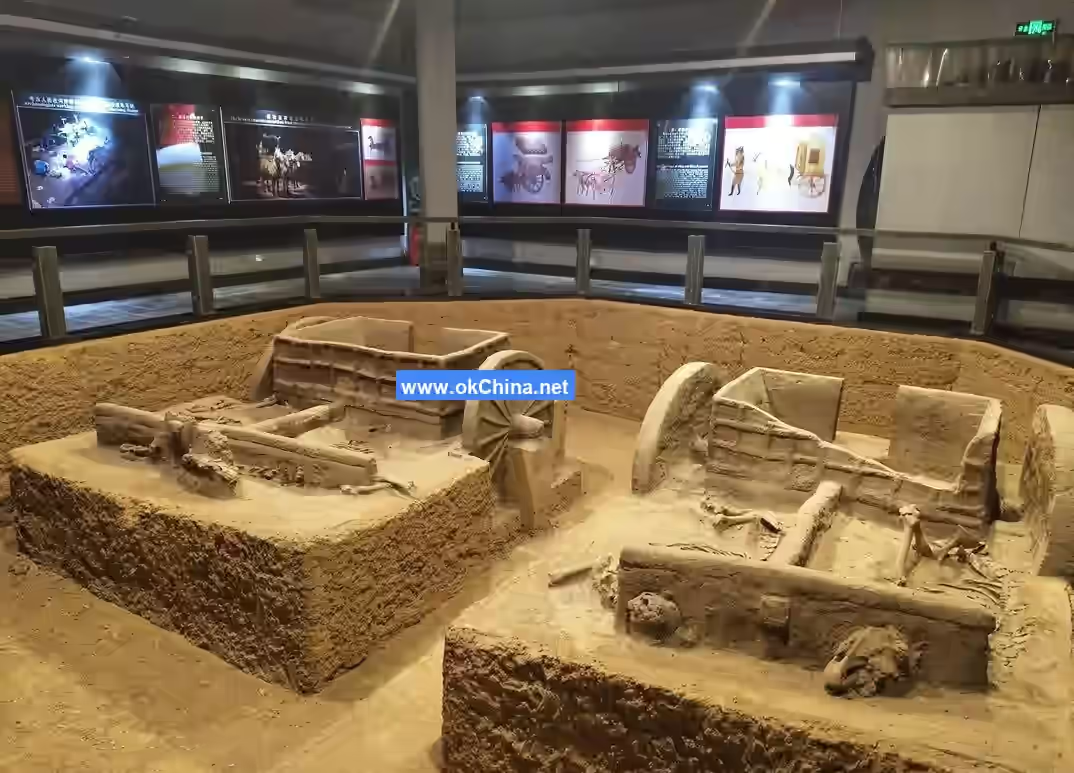
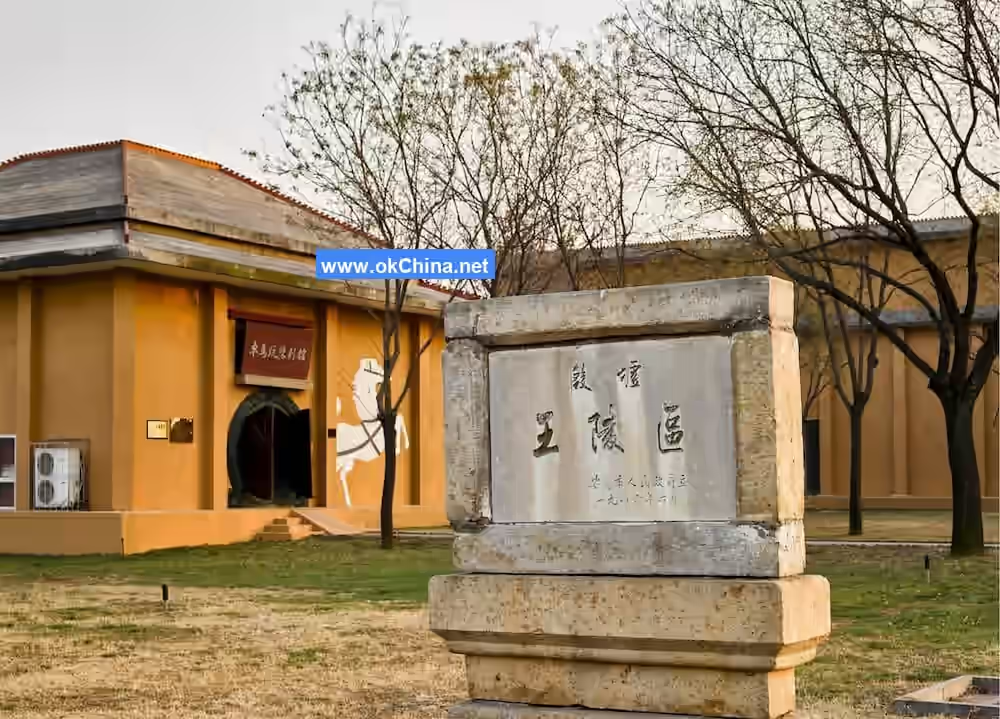
The Shang Dynasty chariots unearthed from Yinxu already utilized numerous bronze components. Featuring a single shaft, double harness, and double wheels, their structure was精致复杂, demonstrating advanced复合技术 in mechanics and bronze casting.
The highly developed science and technology of the Yinxu period made significant contributions to the development of human technology.
Comments
Post a Comment