Red Beach National Scenic Corridor
1. Introduction
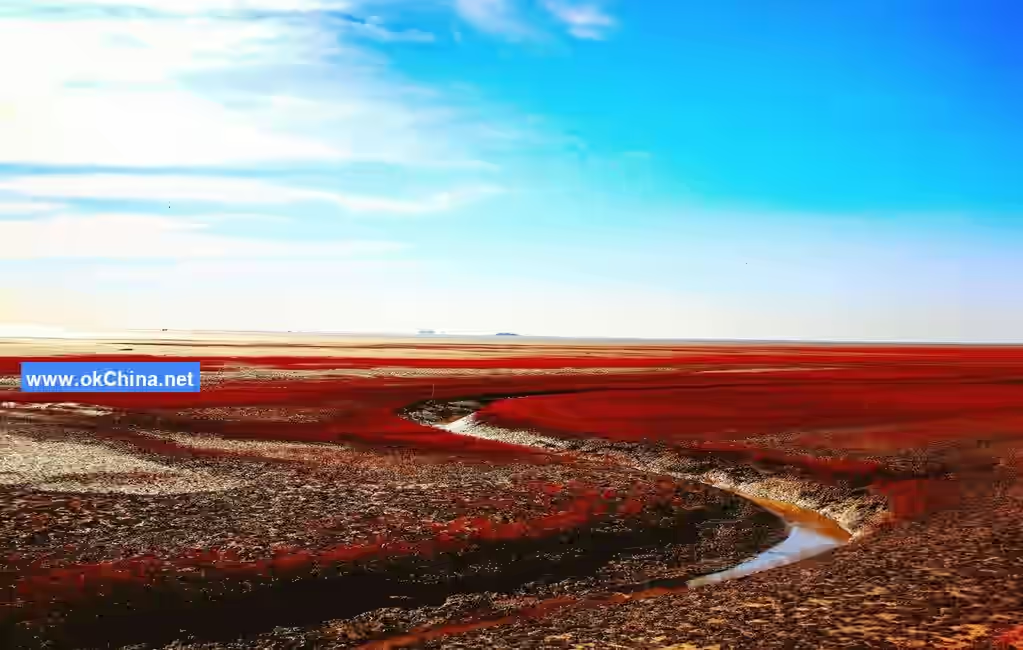
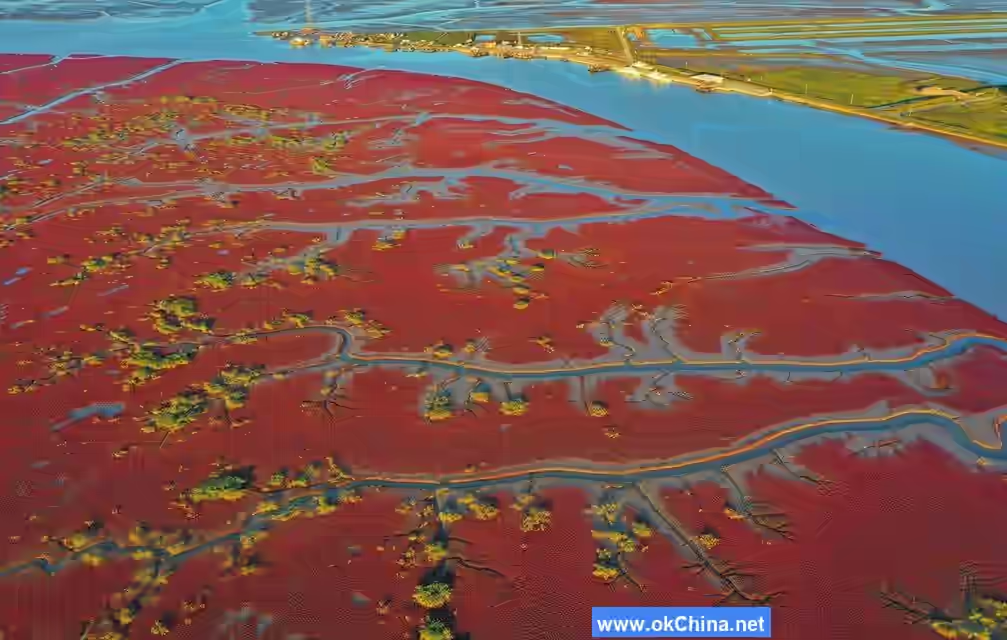
The Panjin Red Beach Scenic Corridor, also known as the Red Beach National Scenic Corridor, is located in Zhaoquanhe Township, Dawa County, Panjin City, Liaoning Province. The scenic area covers a total area of over 200,000 mu. Characterized by the red beach, supported by wetland resources, and set against a backdrop of vast reed marshes, along with tens of thousands of waterbirds and endless shallow tidal flats, it forms a wetland eco-tourism destination that perfectly combines natural and cultural landscapes. The Panjin Red Beach Scenic Corridor is one of the world's most well-preserved and largest wetland resources. It is also a National AAAAA Tourist Attraction, a National Nature Reserve, and an Outstanding Tourist Attraction of Liaoning Province.
2. Natural Resources
2.1 Location and Area
The Panjin Red Beach National Scenic Corridor is located in Zhaoquanhe Township, Dawa County, Panjin City, Liaoning Province. It is one of the world's most well-preserved and largest wetland resources, a National 5A Tourist Attraction, a National Nature Reserve, and an Outstanding Tourist Attraction of Liaoning Province. Renowned as a "land of fish and rice," it is a comprehensive green eco-tourism area integrating sightseeing, leisure, and vacationing. The Panjin Red Beach is a wetland eco-tourism area situated within Panjin's over 1.2 million mu of reed wetland.
2.2 Fauna
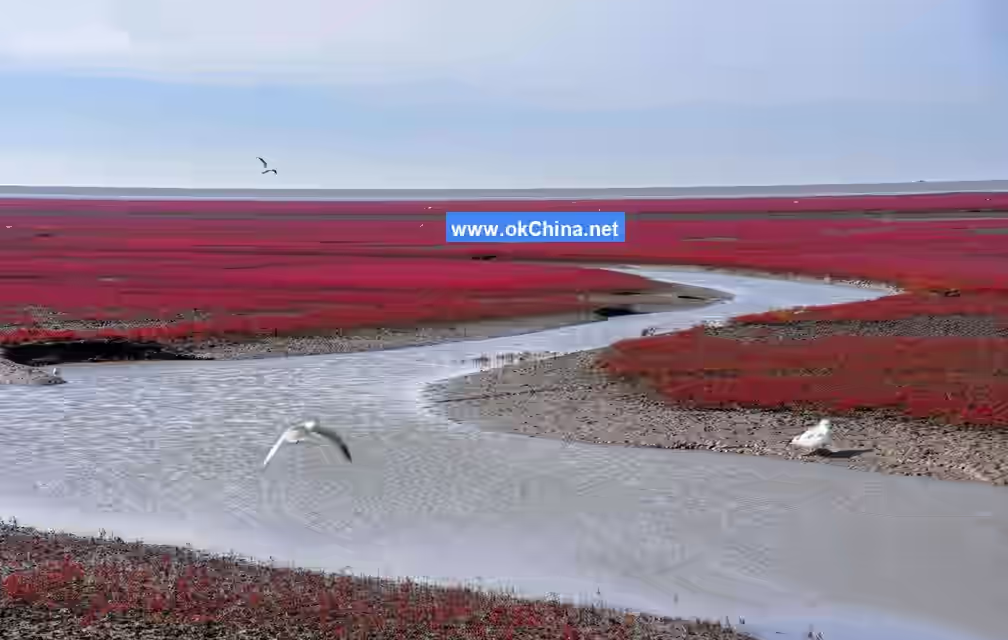
The Panjin Red Beach Scenic Corridor hosts millions of migratory birds stopping over annually. Recorded species include 24 types of National Class I protected wild animals such as Saunders's Gull, Baer's Pochard, Red-crowned Crane, Oriental Stork, and Spotted Seal (Western Pacific population), and 55 types of National Class II protected wild animals such as Black-necked Grebe, Eastern Marsh Harrier, and East Asian Finless Porpoise.
2.3 Flora
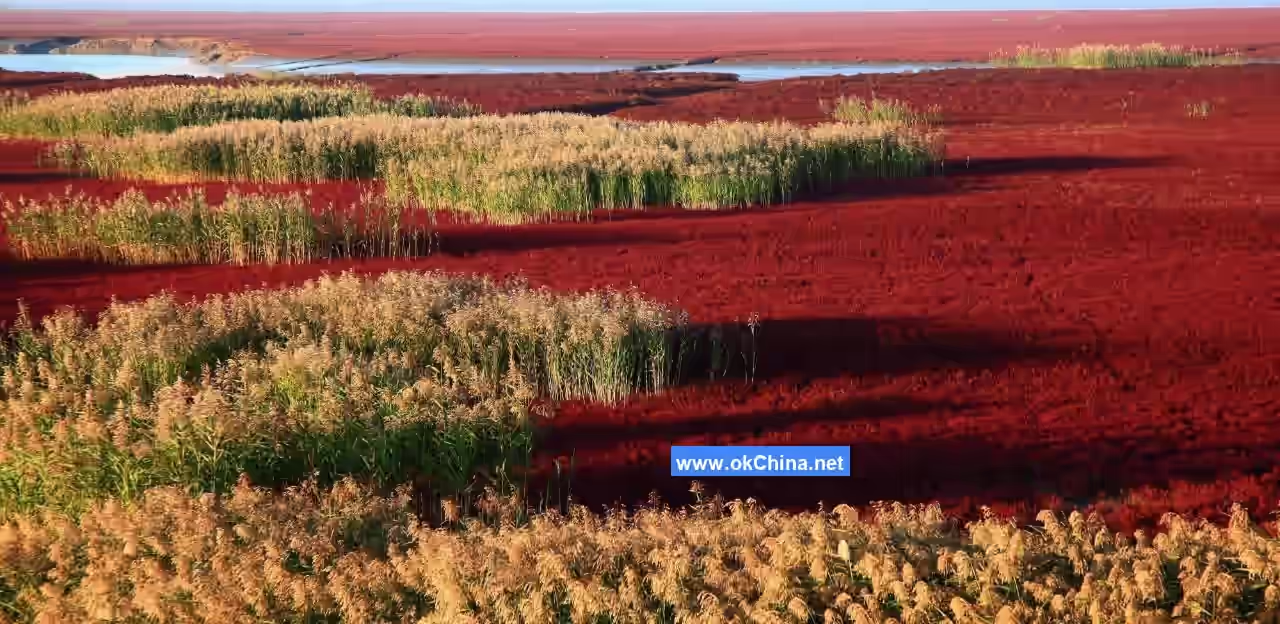
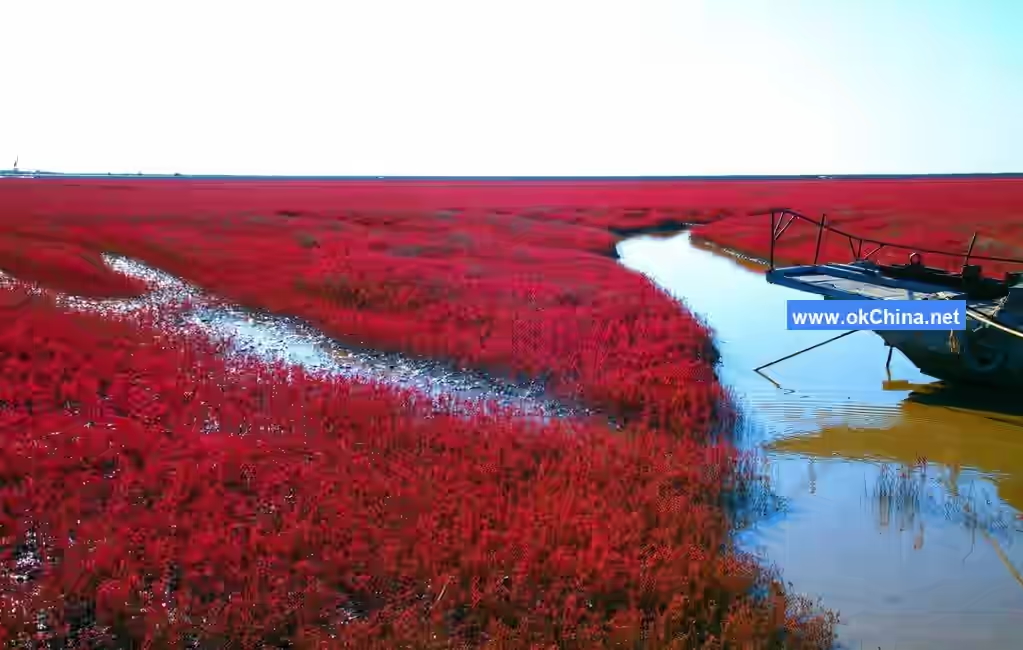
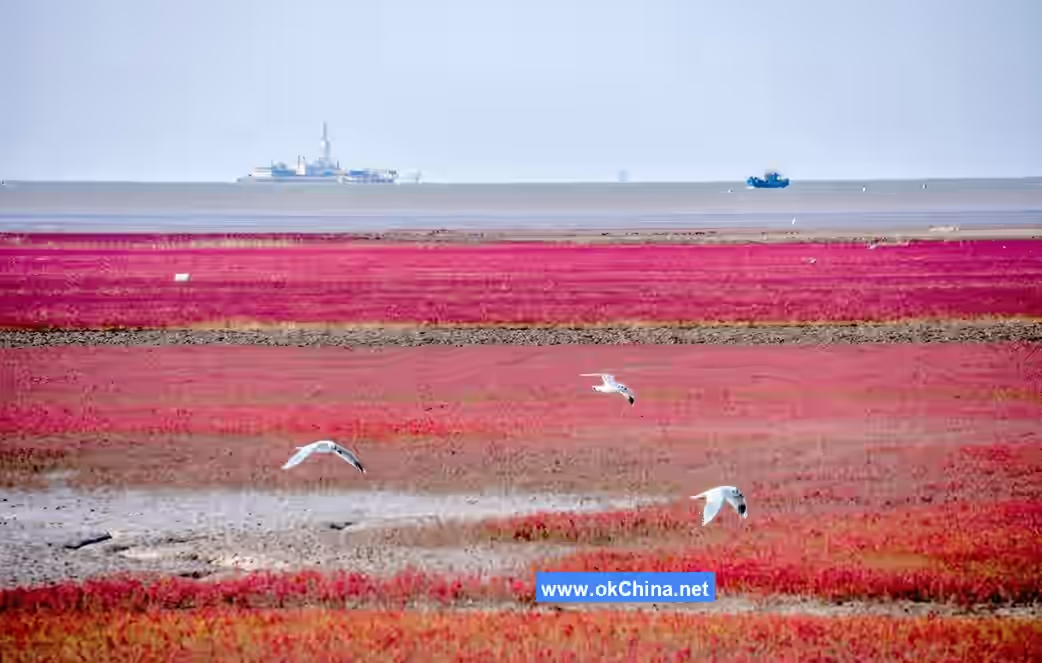
The main plant in the Panjin Red Beach Scenic Corridor is the delicate seepweed (Suaeda salsa), a type of plant adapted to saline-alkali soil and the only grass that can survive in such conditions.
2.4 Formation Reasons
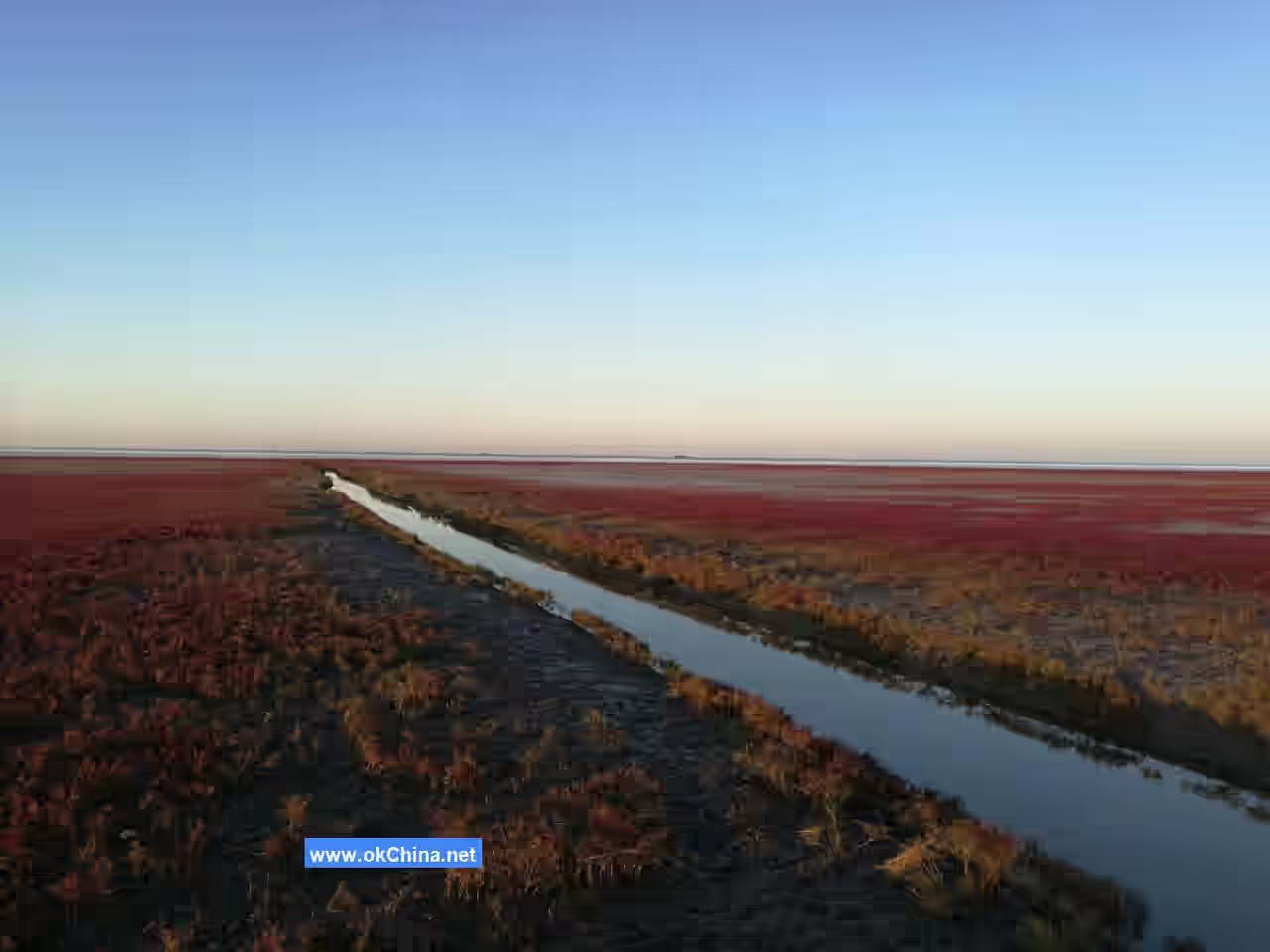
The red aquatic plant of the Red Beach is a type of seepweed (Suaeda salsa), which grows in the intertidal zones of China, Japan, and Korea. This plant has adapted to the high salinity and alkalinity of the soil, growing in thick carpet-like layers on the beach.
The red color of the plant is due to high concentrations of carotenoids, pigments produced in response to the high salt content in the soil. Carotenoids protect the plant from harsh environmental conditions and help it absorb and utilize limited nutrients from the soil.
The formation of the Red Beach's unique ecosystem can be attributed to a combination of various environmental factors, including the mixing of salt and fresh water in the intertidal zone, high nutrient content in the soil, and the specific climate and weather patterns of the region.
The wetland's location in the Liaohe River Delta also plays a significant role in the formation of the Red Beach. The Liaohe River Delta is one of the world's most sediment-rich areas, with a high rate of river sediment deposition. The sediment accumulates along the shore, and over time, it creates an ideal environment for the growth of the red seepweed.
3. Main Attractions
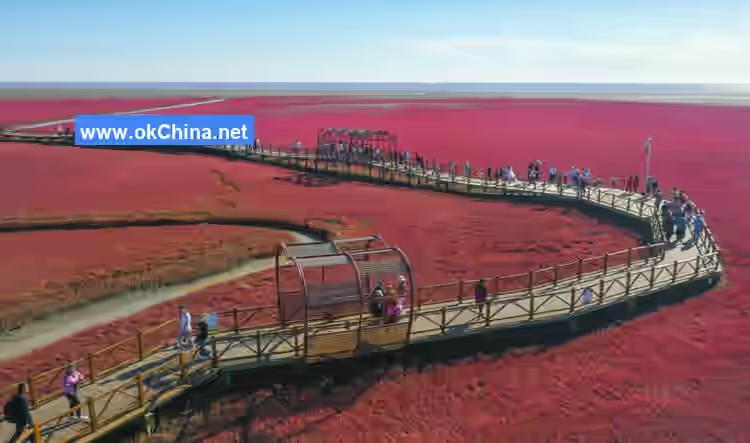
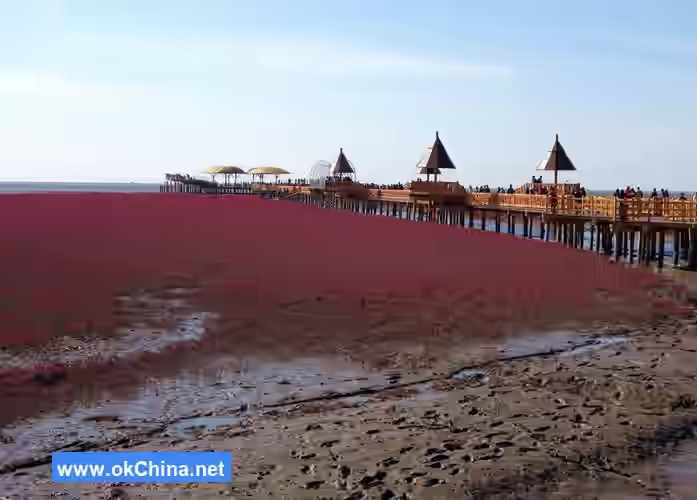
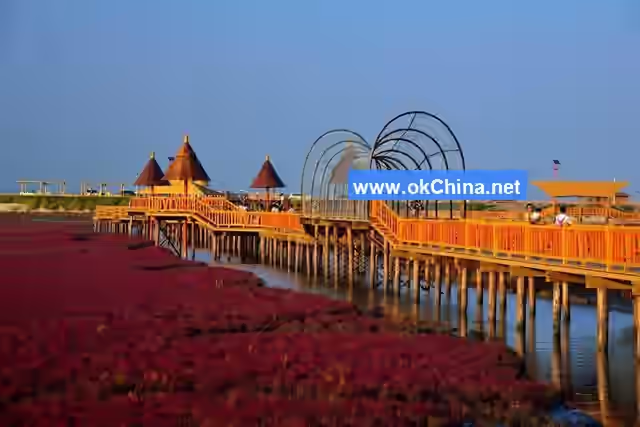
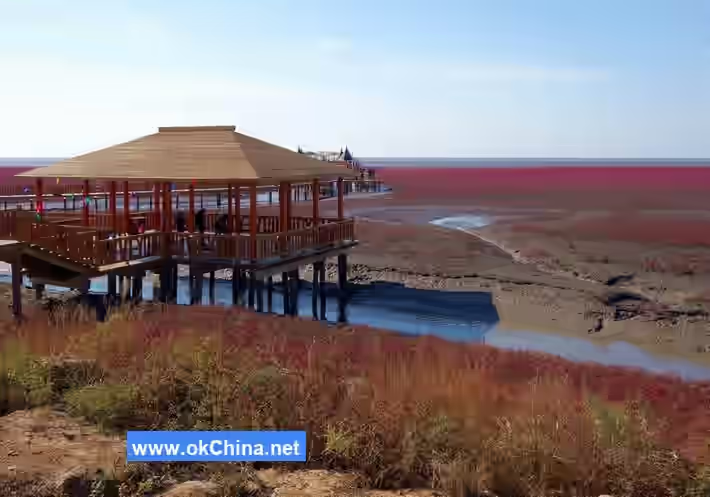
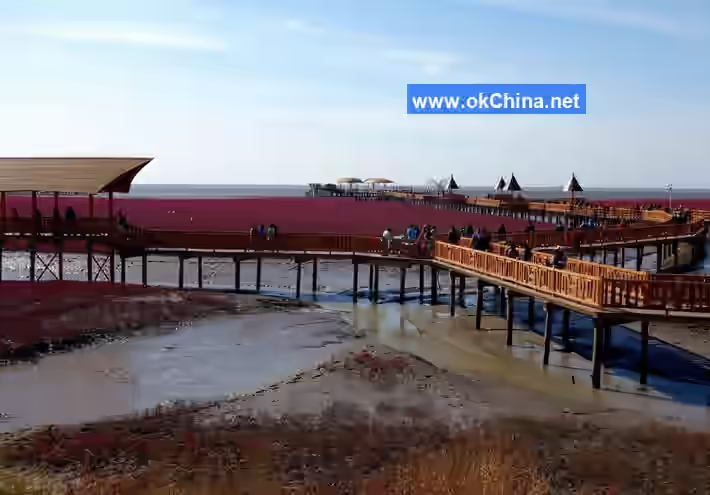
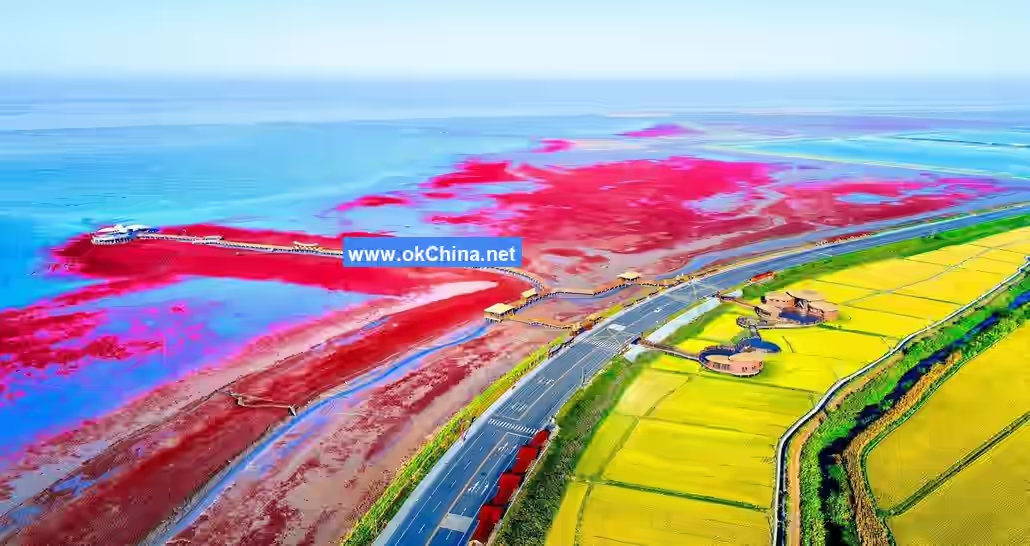
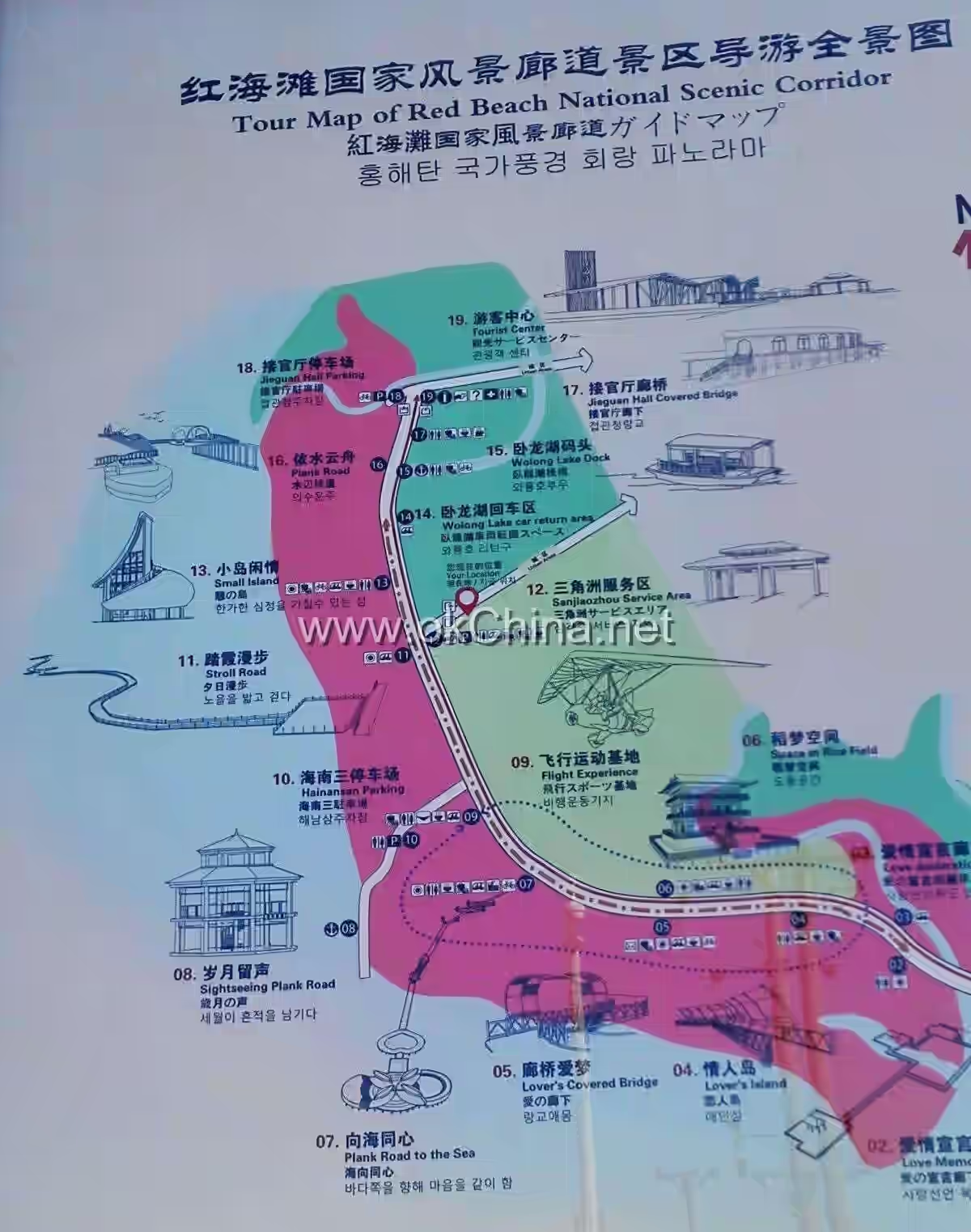
The Panjin Red Beach Scenic Corridor, relying on the vast reed marshes and the pioneer plant seepweed in the retreating sea wetland, forms a spectacular wonder of red and green. From north to south, it features 10 scenic spots: Yishui Yunzhou (Boat by Water), Wolong Lake Dock, Xiaodao Xianqing (Island Leisure), Taxia Manbu (Strolling in Rosy Clouds), Suiyue Xiaozhan (Time Inn), Xianghai Tongxin (Facing the Sea with One Heart), Langqiao Aimeng (Corridor Bridge of Love Dreams), Daomeng Kongjian (Rice Dream Space), Lover's Island, and Love Declaration Corridor.
3.1 Love Declaration Corridor
The Love Declaration Corridor provides a unique space for couples to leave their shared declarations of love. Single visitors can also make wishes for love here, drawing upon the mystical power of the Red Beach's love declarations, hoping for future fate and encounters.
3.2 Lover's Island
Lover's Island is a naturally formed island imbued with mysterious love power. Visitors can make wishes here, hoping the island's spiritual energy will help them come true.
3.3 Langqiao Aimeng (Corridor Bridge of Love Dreams)
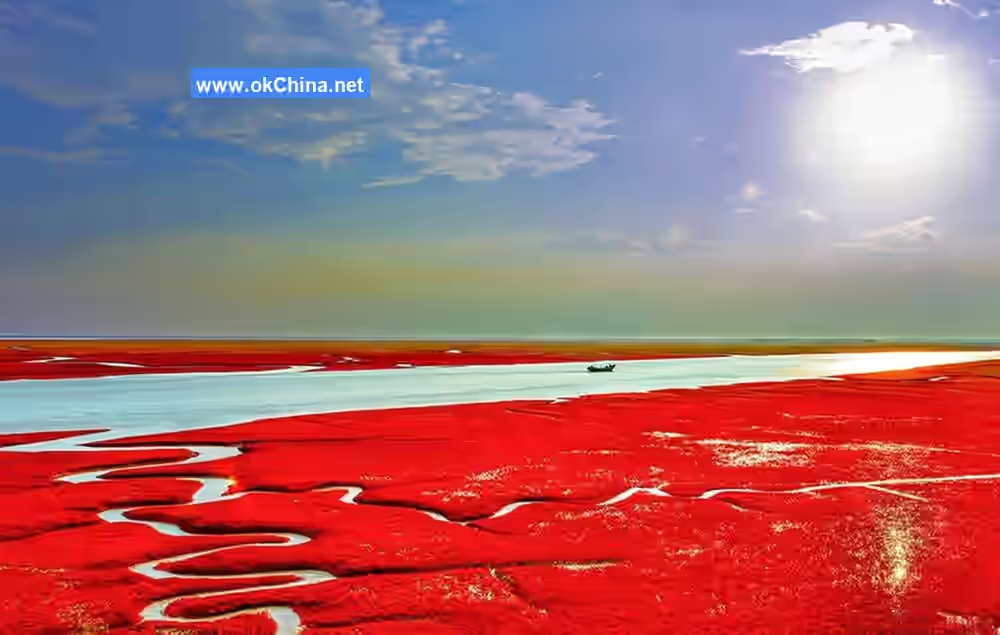
Langqiao Aimeng is a natural wonder where romantic stories of encounters are said to circulate in the red sea. The winding river channel is like a poem, narrating the romantic sentiment of the Corridor Bridge of Love Dreams. Visitors can observe small holes in the mudflat here, each inhabited by a fiddler crab, adding to the natural charm.
3.4 Suiyue Xiaozhan (Time Inn)
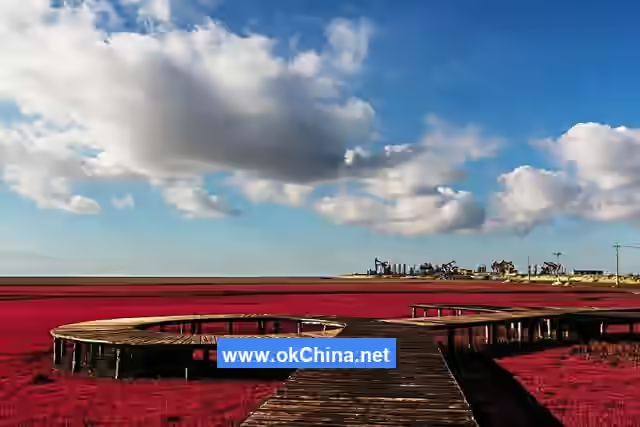
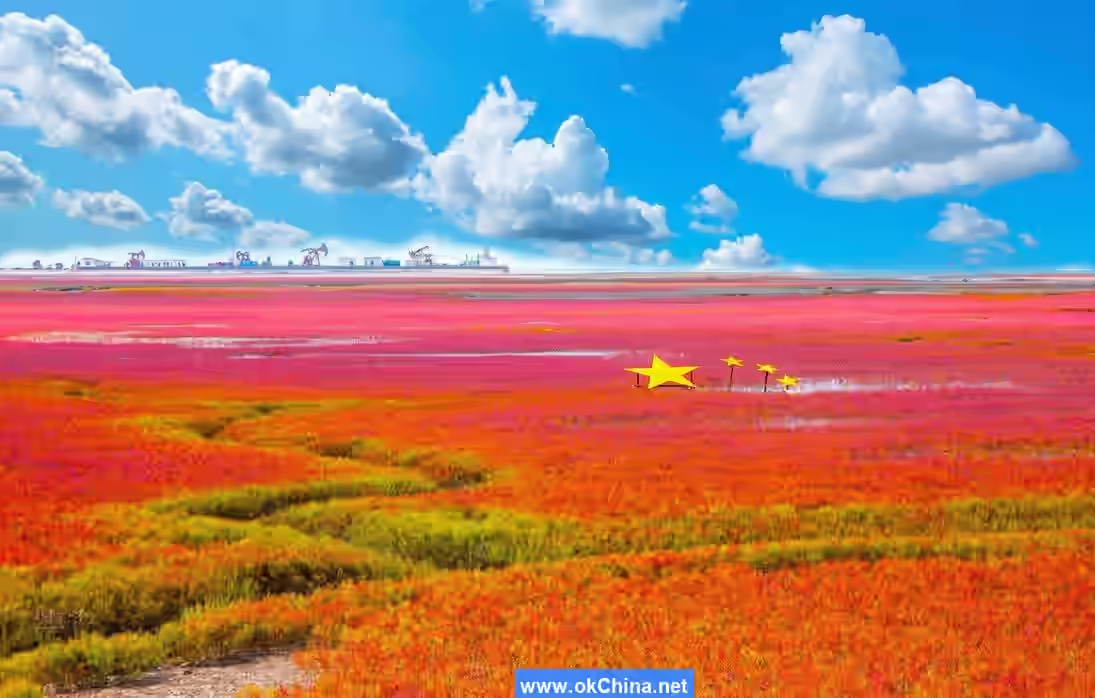
Suiyue Xiaozhan showcases the industrial landscape of the Haiwaihe Oil Production Plant. Visitors can see rows of derricks and Christmas trees (wellheads). As an important production unit of the Liaohe Oilfield, the Haiwaihe Oil Production Plant witnessed the development history of the Liaohe Oilfield. The Liaohe Oilfield has now built 26 oil and gas fields, forming nine production bases such as Huanxiling and Gaosheng, with over 6,000 various oil wells drilled cumulatively and an annual crude oil output of 15 million tons, demonstrating the glorious achievements of China's petroleum industry.
3.5 Taxia Manbu (Strolling in Rosy Clouds)
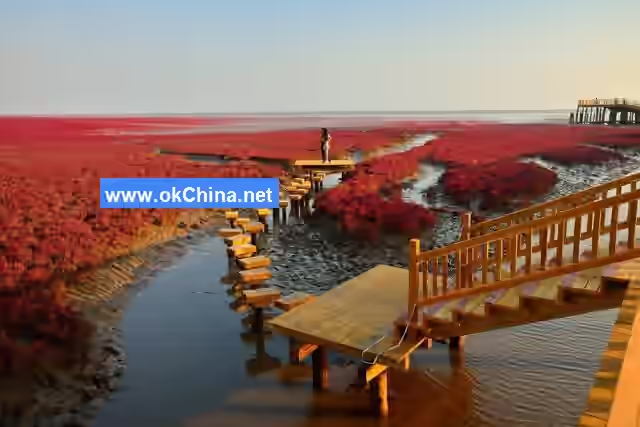
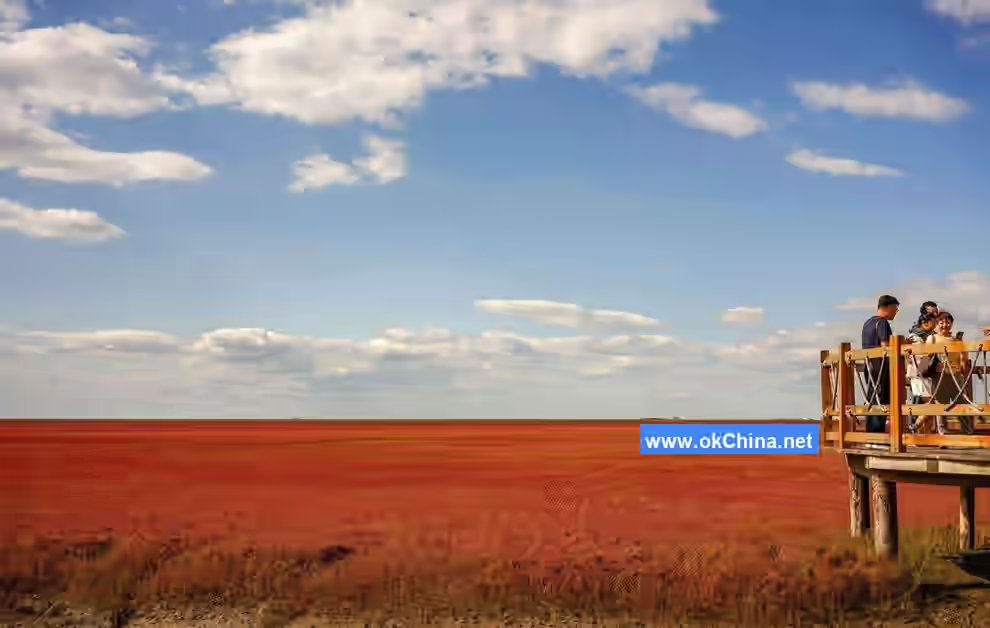
Taxia Manbu is a romantic spot suitable for couples to stroll. Visitors can walk hand-in-hand with their loved ones amidst the magnificent red sea against the charming sunset, enjoying a leisurely and pleasant atmosphere to enhance their affection. The beautiful combination of red and green offers visitors a visual feast.
3.6 Xiaodao Xianqing (Island Leisure)
Xiaodao Xianqing is located at the confluence of the Liaohe River Estuary and the Bohai Sea, featuring a unique landscape where the two waters wash over the seepweed. The seepweed becomes more vibrant under the冲刷 of seawater. During the spring tides on the first and fifteenth days of the lunar month, seawater covers the seepweed, forming a magnificent marine spectacle. After the tide recedes, the vibrant seepweed still stands in the mud, showcasing tenacious vitality.
3.7 Wolong Lake Dock
Wolong Lake Dock is the core attraction of the Reed Sea Adventure area, providing an excellent opportunity for visitors to get close to nature and experience life. The scenic area offers boat tours. Visitors can feel the breath of nature in the reed ponds, listen to bird calls, ride sightseeing boats through the reed marshes to appreciate their unique charm, and interact with fish in the lake. The electric boat price is 40 RMB per person, with a tour duration of about 40 minutes, and each boat can accommodate 12 people. Wolong Lake Dock has abundant waters, rich in various fish such as silver carp, grass carp, carp, and crucian carp. The annual Winter Fishing Festival in winter is a grand harvest scene that attracts many visitors.
3.8 Yishui Yunzhou (Boat by Water)
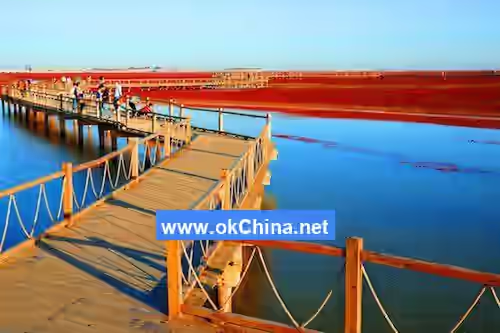
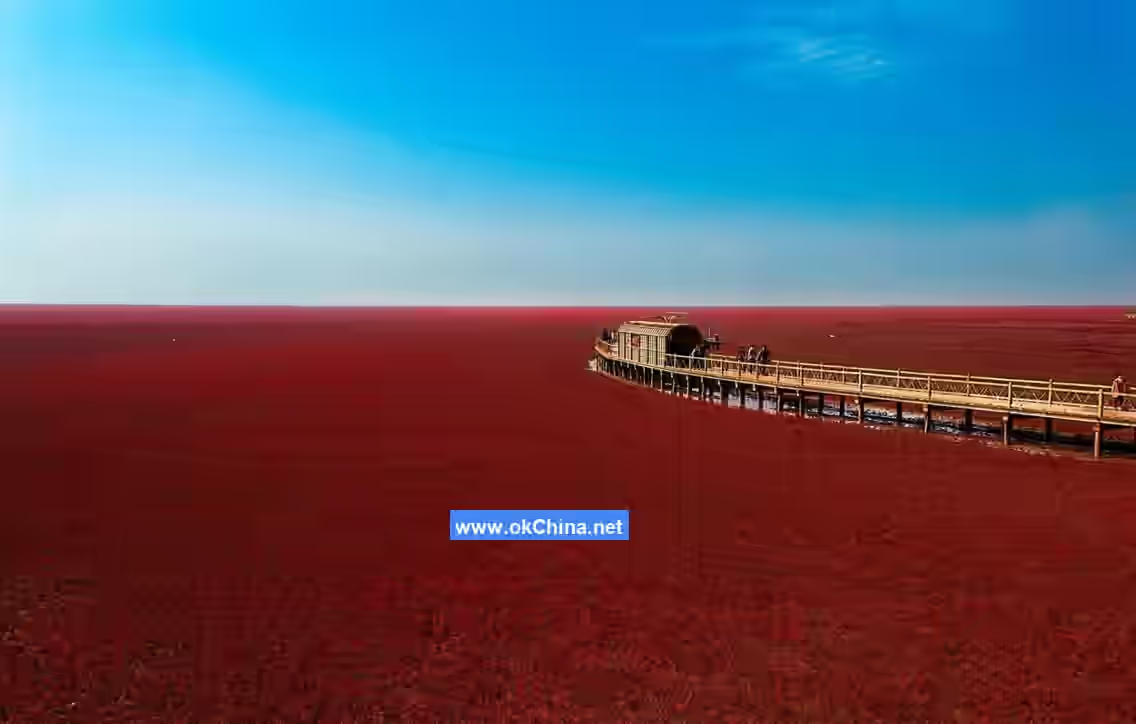
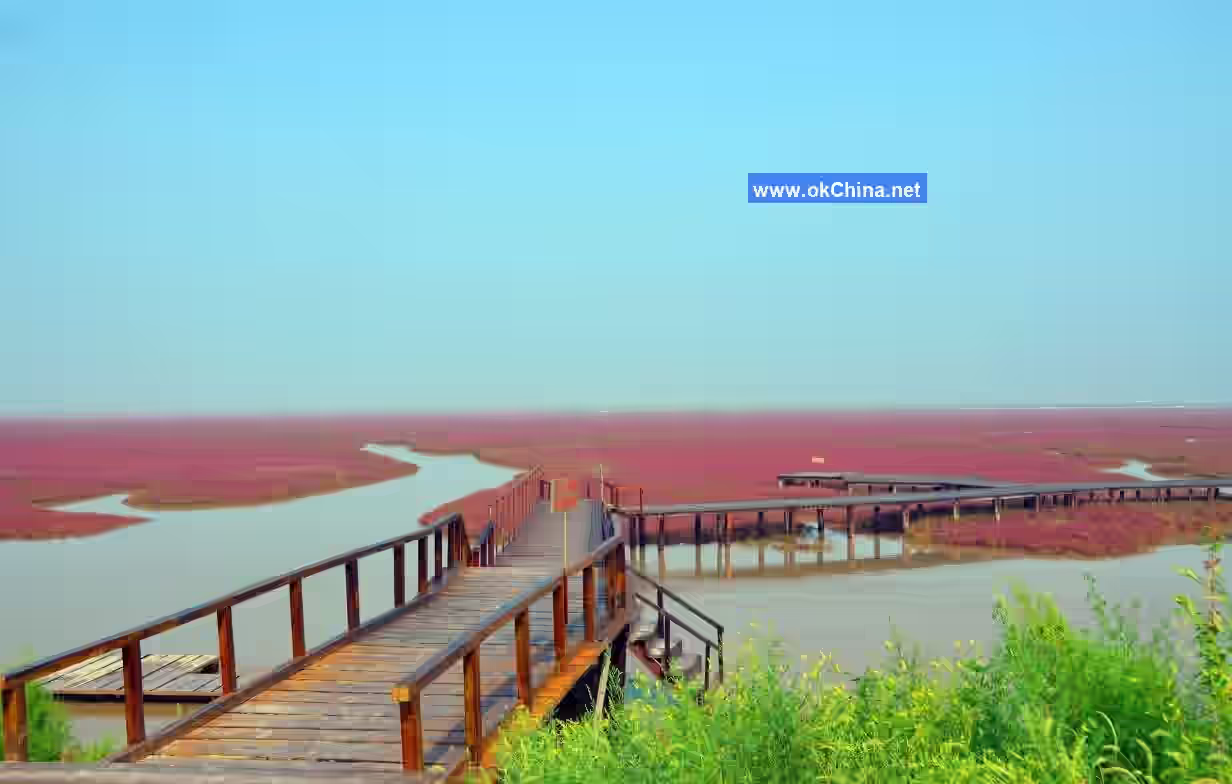
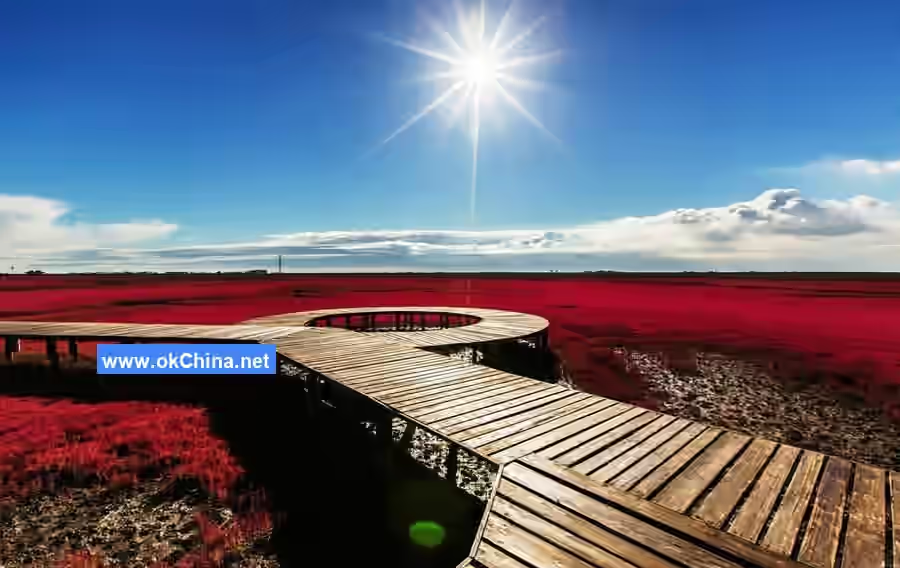
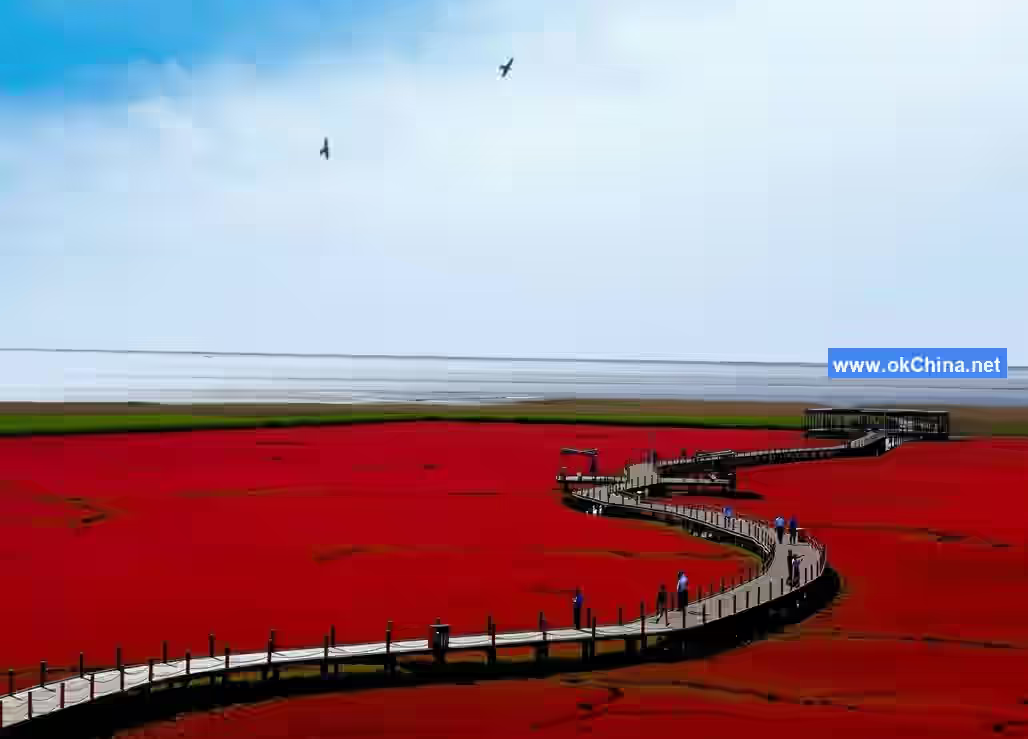
Yishui Yunzhou is a long, winding boardwalk that connects to the sea and sky, resembling a large ship about to set sail. Strolling on the boardwalk, visitors can admire the red beaches and green reeds on both sides, listen to the calls of migratory birds, and feel the vastness of the sea, as if sailing on a boat by the water, lingering and reluctant to leave. Immersed in this setting, visitors can deeply appreciate the poetic意境 of "the sunset clouds fly with a lonely duck; the autumn river shares the same hue with the vast sky."
3.9 Daomeng Kongjian (Rice Dream Space)
Daomeng Kongjian uses rice paddy art as its theme, also known as rice paddy murals. It primarily involves planting rice with yellow, green, and purple leaves in the fields to form unique artistic landscapes. During planting, a traditional line marker is first used to draw a nine-square grid in the field. Coordinates are determined according to the design, then lines are drawn to outline the pattern or characters, and finally, yellow seedlings are planted. As the rice grows, the pre-planned graphics or text naturally appear in the field. Different rice varieties are planted in different positions. Through meticulous and ingenious arrangements, the rice paddy murals display beautiful pictures during their growth, with a viewing period lasting about two and a half months.
4. Cultural Activities
4.1 Red Beach Myths and Legends
The Red Beach has a long history and unique folk culture, allowing visitors to feel a strong local character. Within the scenic area, visitors can visit local fishing villages to learn about their lifestyle and traditional customs. The Red Beach is not only famous for its spectacular natural scenery but also carries rich historical, cultural stories, and folk legends. Legend has it that a long time ago, the Panjin area was barren land where people lived in hardship. One day, a beautiful fairy descended from heaven. Seeing the people's difficult lives, she decided to help them. Using her magic, she turned this land into a red beach, where various seafood grew, bringing harvest and happiness to the local residents. The fairy also taught them how to fish for seafood and grow crops, making the land prosperous. However, one day, an evil monster heard about the richness of this place and came to plunder it. To protect the land and its people, the fairy engaged in a fierce battle with the monster. Ultimately, the fairy defeated the monster, but she also exhausted her power and turned into a stone statue. To commemorate her kindness, people named this beach "Red Beach" and built temples around the stone statue, praying for peace and harvest. This legend not only reflects the Panjin people's reverence and gratitude for nature but also shows their pursuit and yearning for a better life.
4.2 Local Specialties
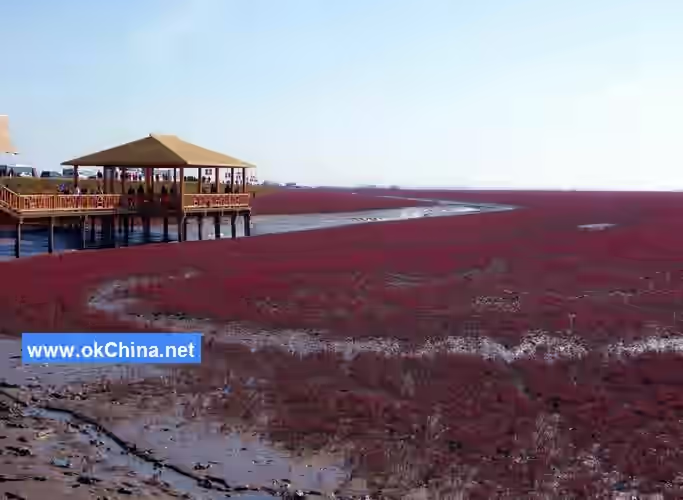
The Red Beach National Scenic Corridor is located in Panjin City, in the southwest of Liaoning Province. This is an ecological new city that prospered due to oil and is famous for its rice, also holding the title of "China's No. 1 City for River Crabs." Panjin, where rivers meet the sea, is rich in resources and has a beautiful environment. It is a paradise for migratory birds and is hailed as the "Hometown of the Red-crowned Crane," "Capital of the Saunders's Gull," "Capital of Wetlands," "City of Petroleum," and "Jiangnan of the North."Panjin's tourist attractions each have their own unique characteristics, boasting abundant historical sites and natural resources. It is recognized as one of China's best eco-tourism cities. Among its most captivating attractions is the famous Red Beach National Scenic Corridor. This stretch of coastline transforms in autumn when the coastal plants (suaeda salsa) gradually turn red, covering the entire beach in a vast crimson hue, creating an exceptionally spectacular and beautiful landscape. Additionally, there is the naturally formed reed sea, a picturesque scene woven together by distinct four-season climates, rare birds, and rivers amidst rice fields. The cultural landscape is uniquely charming, truly a land of natural treasures, earning it the title of the beautiful and prosperous "Golden Triangle of the Liao River."
Panjin rice, originating from Liaoning Province, is one of Panjin's famous geographical indication specialties. Other geographical indication products include Panjin river delicacies such as Panjin river crab, Panjin pufferfish, Panjin hairtail, Panjin clam, Panjin loach, cattail shoots, and Panjin freshwater fish. Beyond these geographical products, there are many local specialties worth bringing back for tourists, as well as Panjin handicrafts, like green reed products, wild duck eggs, and goose eggs.
Panjin holds the reputation of "China's First City for River Crabs." The Panjin river crab, scientifically known as the Chinese mitten crab, is the most abundant freshwater crab species in China. Located at the confluence of nine rivers, Panjin features a network of waterways. The Liao River crab, which thrives in the lower reaches of the Liao River, along with the Yangtze River crab, belongs to the Chinese mitten crab species and is considered a delicacy among crabs. A local saying once popular in Panjin, "Beat the roe deer with a stick, scoop fish with a gourd, and crabs crawl into the cooking pot," illustrates Panjin's deep connection with crabs and its abundant crab production.
4.3 Conservation Measures
The Red Beach is an important ecological site and a crucial breeding ground for migratory birds. It is home to a variety of plant and animal species, many of which are rare and endangered.
The mix of saltwater and freshwater in the wetlands creates a unique ecosystem that supports diverse species. The red suaeda salsa provides shelter and food for various marine animals, including crabs, shrimp, and fish. The suaeda salsa also helps stabilize the soil and prevent erosion, playing a significant role in maintaining the integrity of the wetland ecosystem.
This wetland is also a vital breeding ground for migratory birds, attracting thousands of them each year. Various bird species, such as the red-crowned crane, black-faced spoonbill, and white-naped crane, use the wetland as a breeding site. The conservation of the wetland is crucial for the survival of these birds and other species that depend on its unique ecosystem.
The Red Beach has been designated as a national-level nature reserve, and conservation efforts are ongoing to protect and preserve the area's fragile ecosystem. Visitors are encouraged to follow responsible tourism practices, such as staying on designated paths and not disturbing wildlife or plants, to help minimize the impact on the wetland environment.
The environmental significance of the Red Beach extends beyond its immediate vicinity, as it is part of the larger Liao River Delta wetlands—an important ecosystem that supports numerous plant and animal species and provides essential ecological services, such as carbon sequestration and water purification.
4.4 Cultural Significance
The Red Beach holds significant cultural importance in China. In Chinese culture, the vibrant red color of the suaeda salsa is considered a symbol of good luck and prosperity. It frequently appears in traditional Chinese paintings, textiles, and other art forms, regarded as an important cultural symbol.
The wetland also hosts several cultural sites, including the Dawa Estuary Nature Reserve, a popular tourist attraction that offers visitors the opportunity to explore the wetland and learn about the area's cultural and ecological significance. The reserve features a visitor center providing information on the wetland's history, ecology, and cultural importance, along with educational programs and guided tours.
The cultural significance of the Red Beach extends beyond China, as it is an important destination for international birdwatchers and nature enthusiasts. The wetland's unique ecosystem and diverse plant and animal species attract visitors from around the world to explore and appreciate its natural and cultural beauty.
Efforts are being made to promote sustainable tourism practices and preserve the wetland's cultural significance for future generations. Developing responsible tourism practices helps ensure that the cultural heritage of the Red Beach is preserved and protected while providing economic benefits to local communities.
Comments
Post a Comment