

Qianshan Scenic Area
1. Introduction
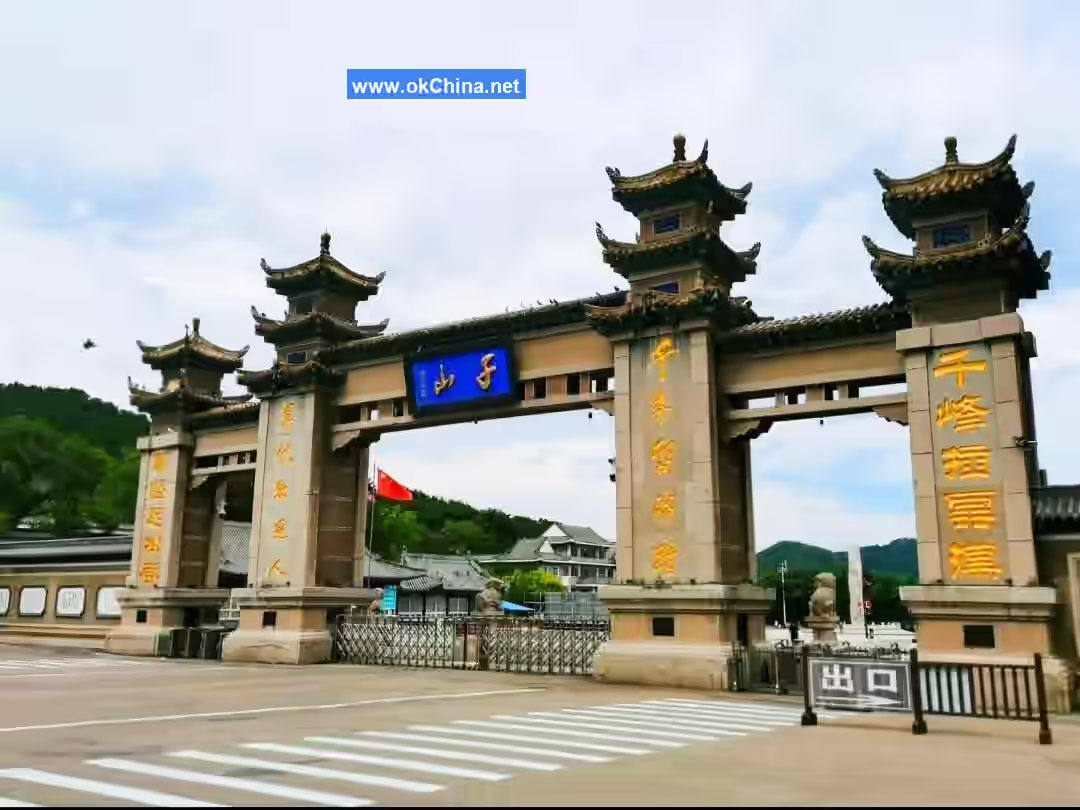
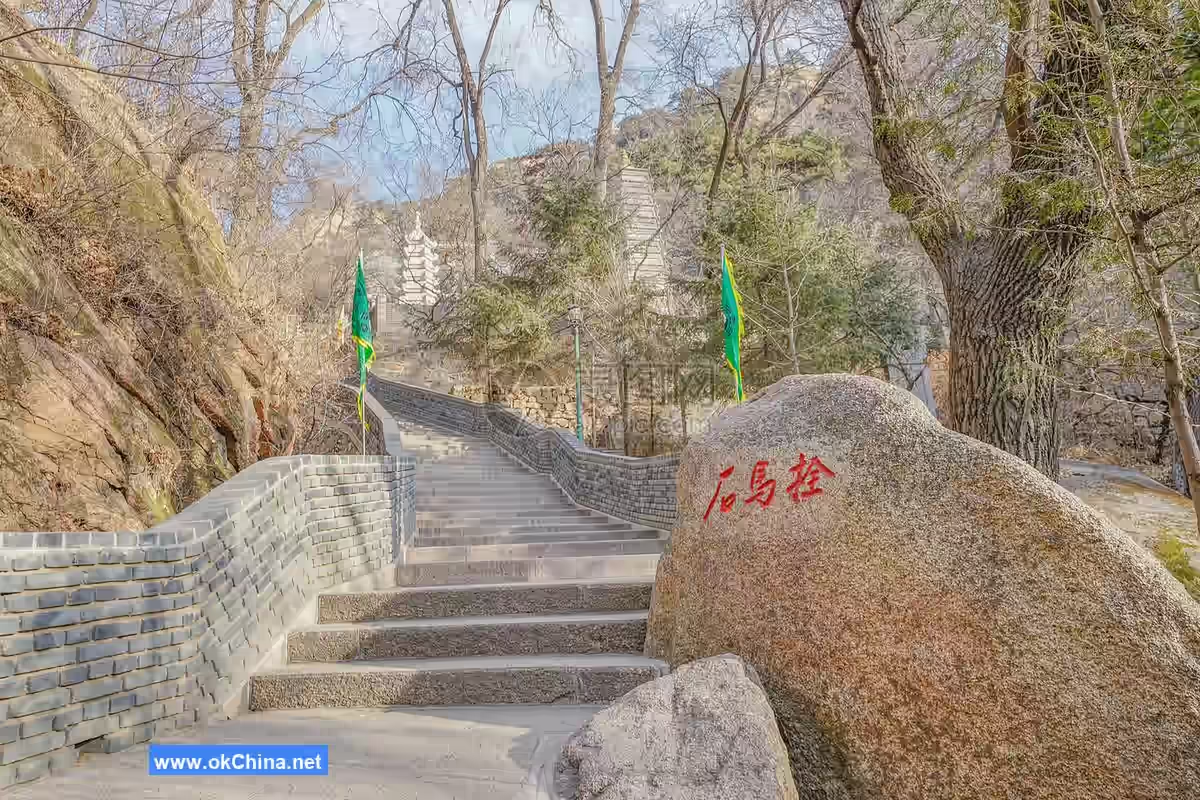
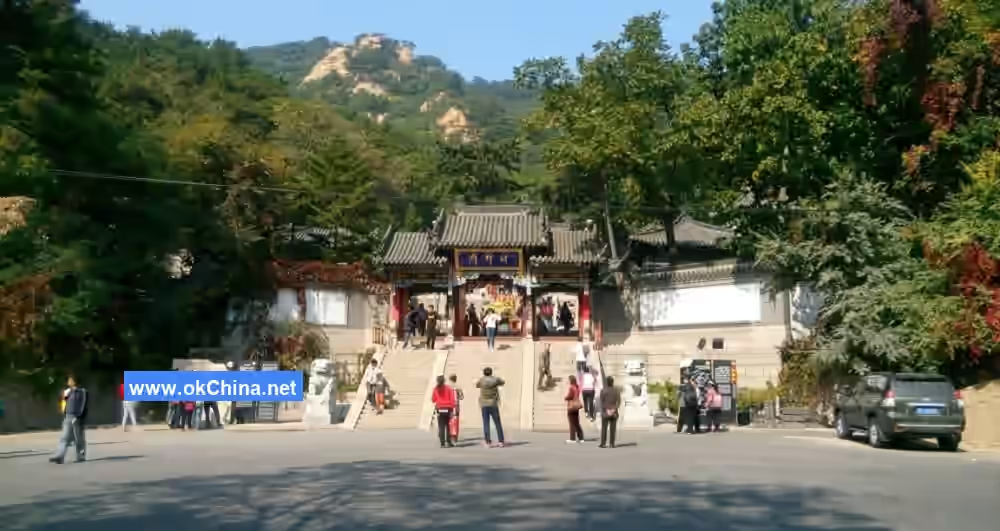
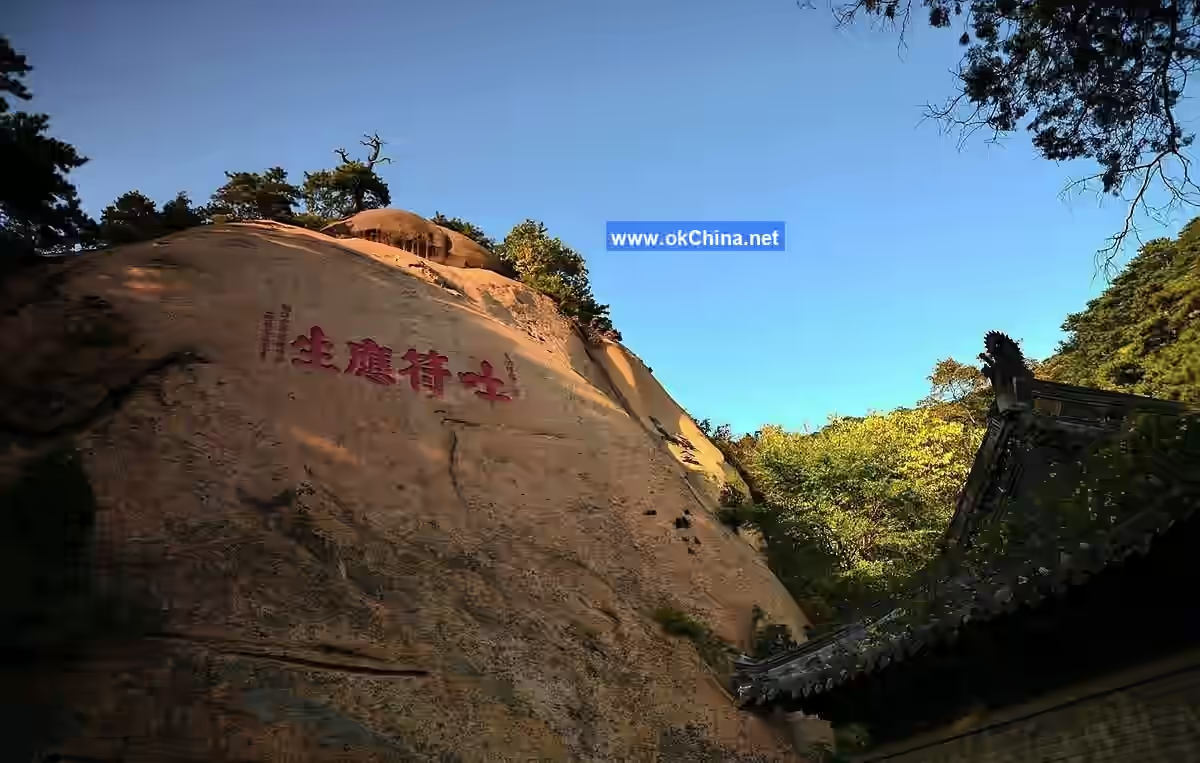
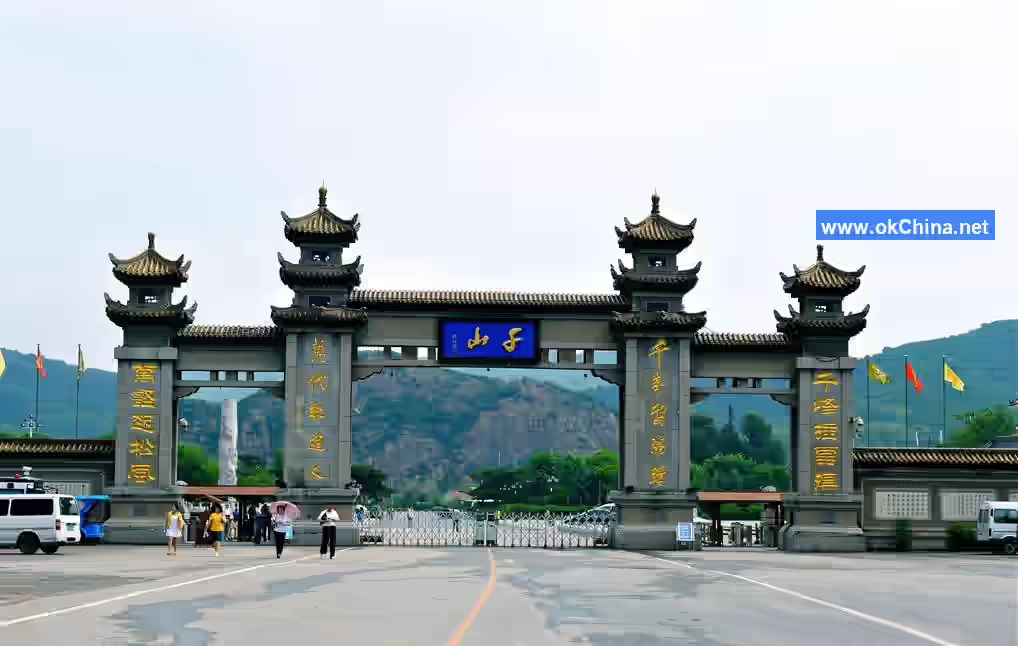
Qianshan is located 17 kilometers southeast of Tiedong District, Anshan City, Liaoning Province, with a total area of 125 square kilometers. Its highest peak, Xianrentai (Immortal's Terrace), stands at an altitude of 708.5 meters. Legend has it that the area consists of 999 peaks resembling lotus flowers, hence it is also known as "Thousand Lotus Flower Mountain," or simply Qianshan for short. As an extension of the Changbai Mountain range, Qianshan is often called the "Pearl of Northeast China." It is renowned for its "unparalleled peaks, sheer cliffs, ancient temples, and serene landscapes" and is a sacred site of the Quanzhen School of Taoism. The inscription "Eight Thousand Miles to the South Sea, the First Mountain in Liaodong" can be seen at the main entrance. Throughout history, it has been a captivating destination attracting numerous visitors.
2. Geographical Environment
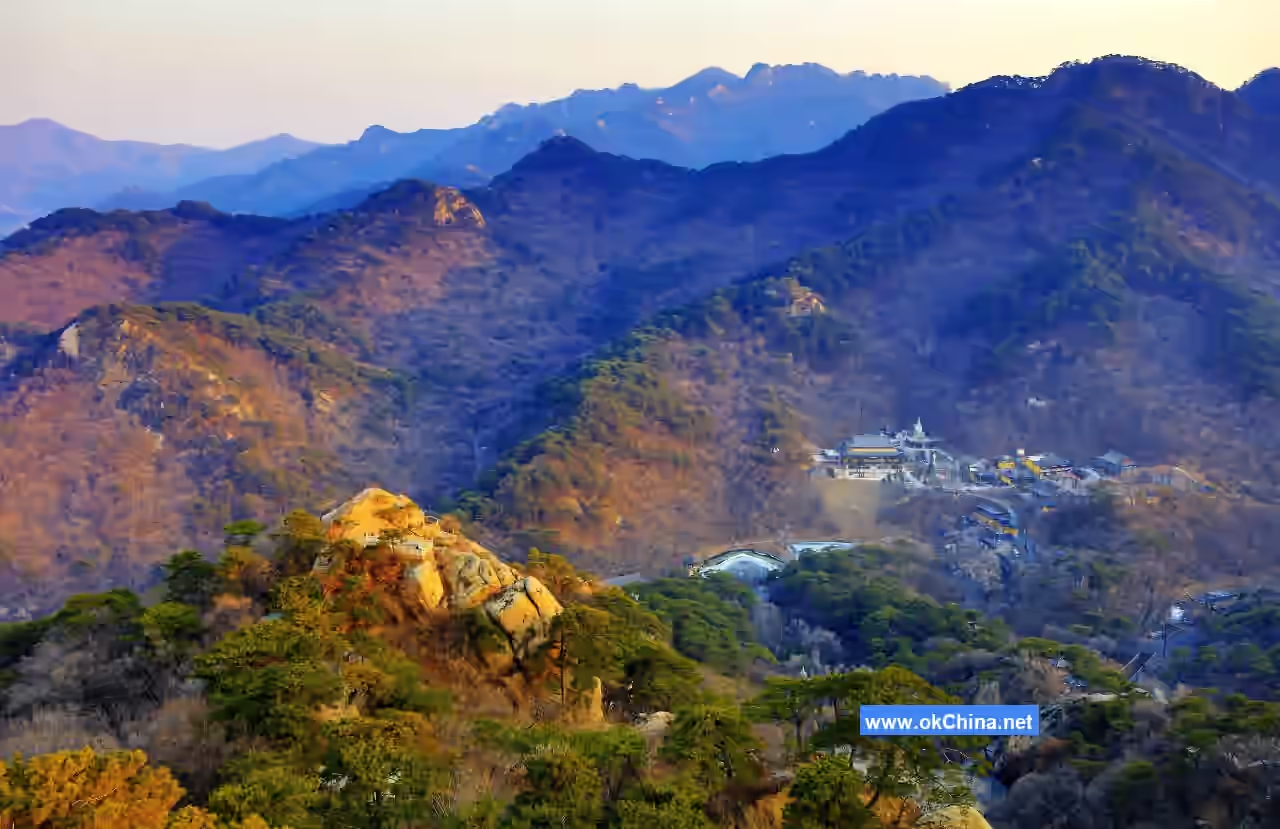
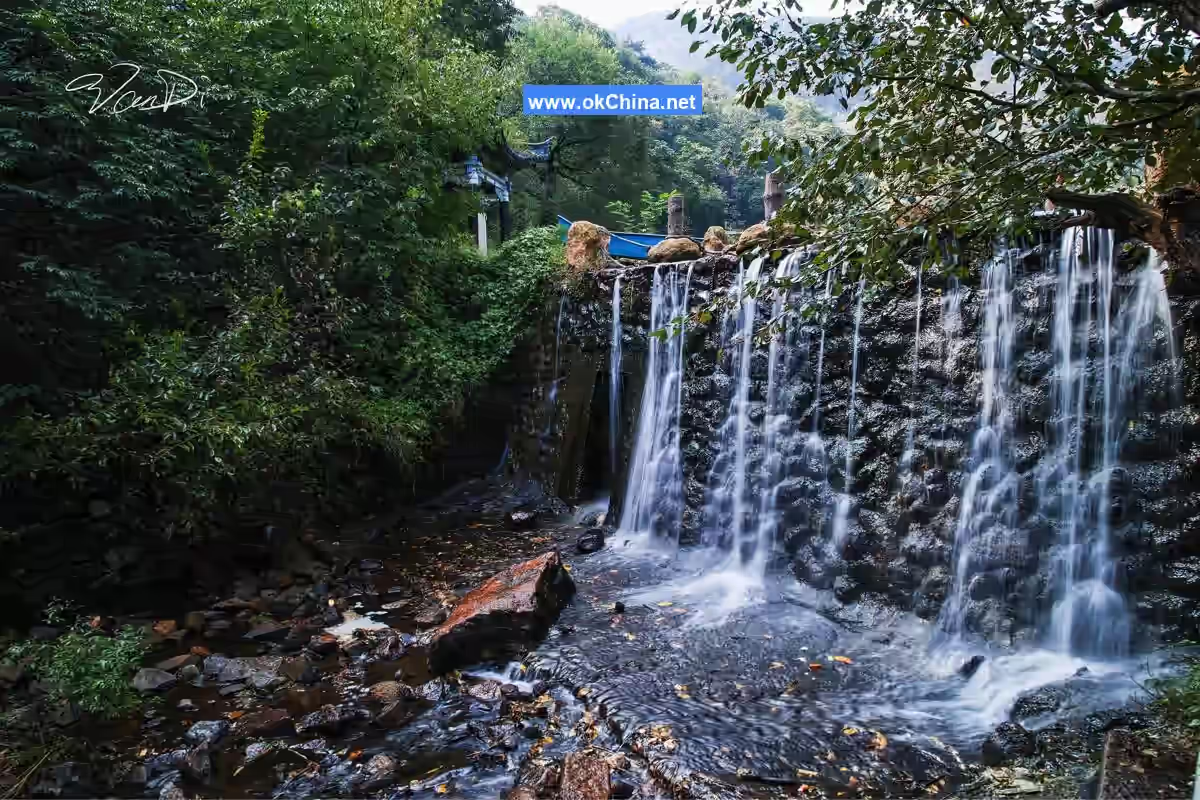
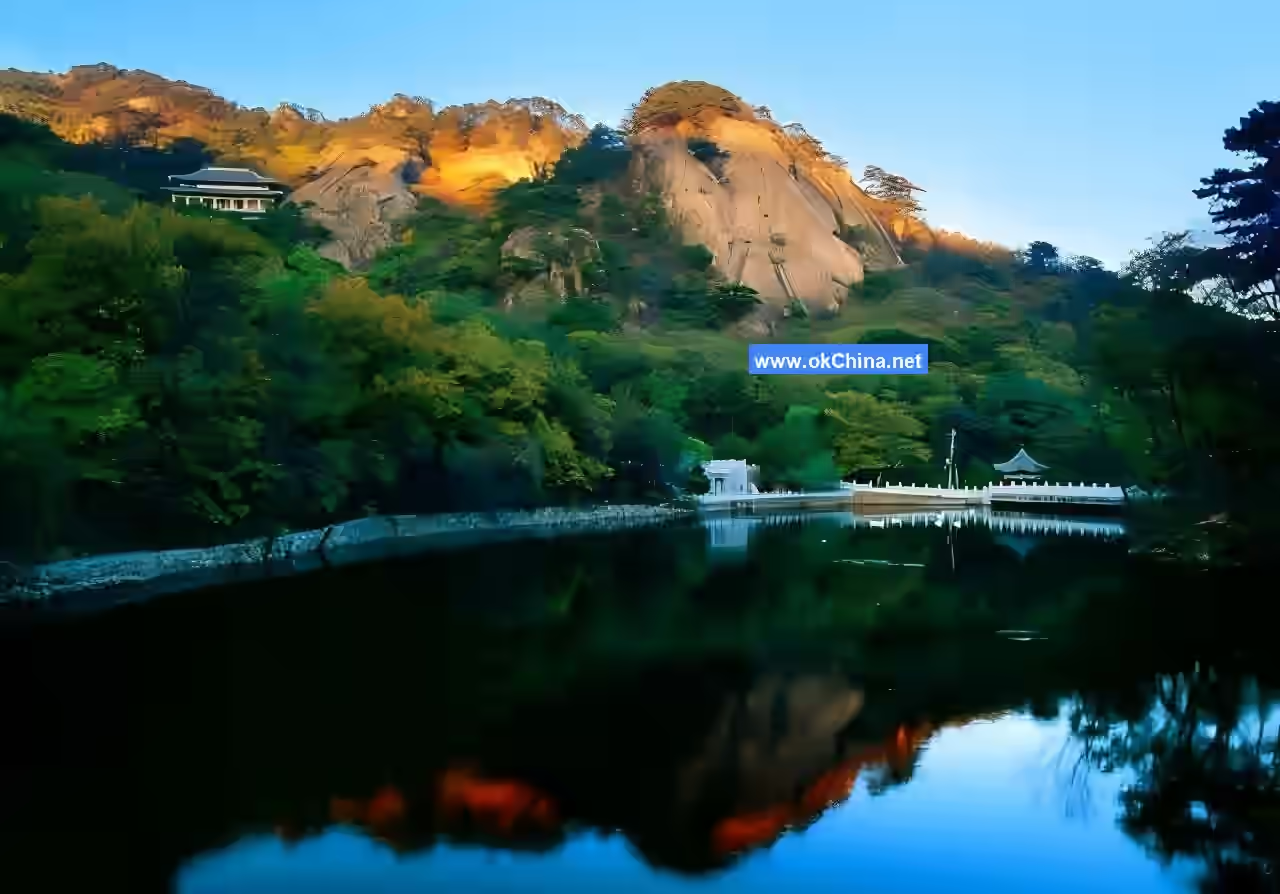
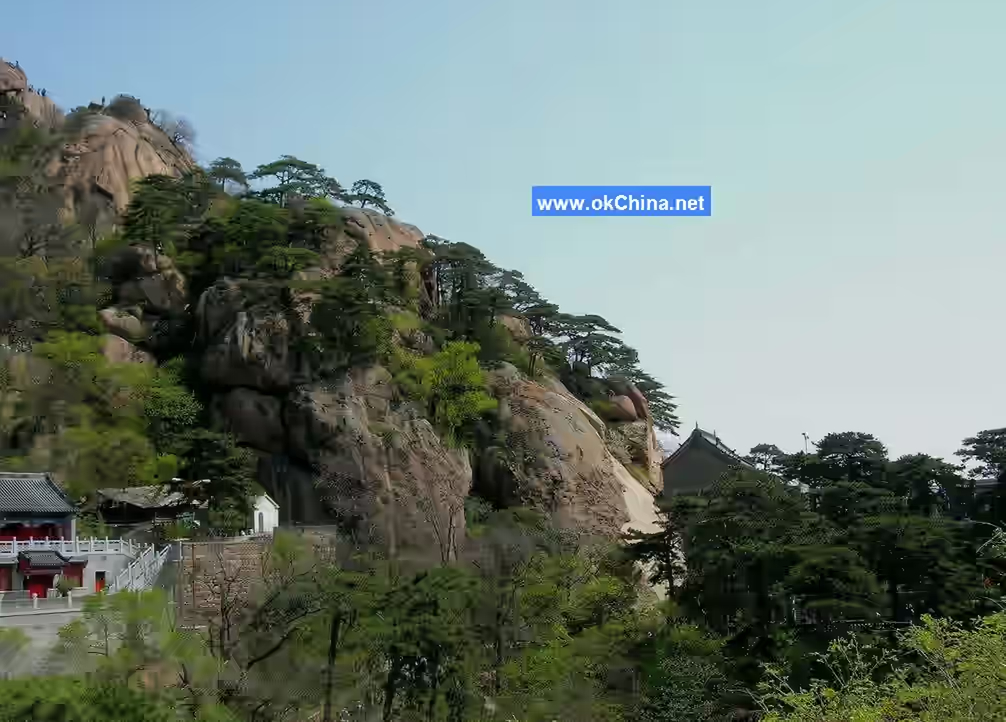
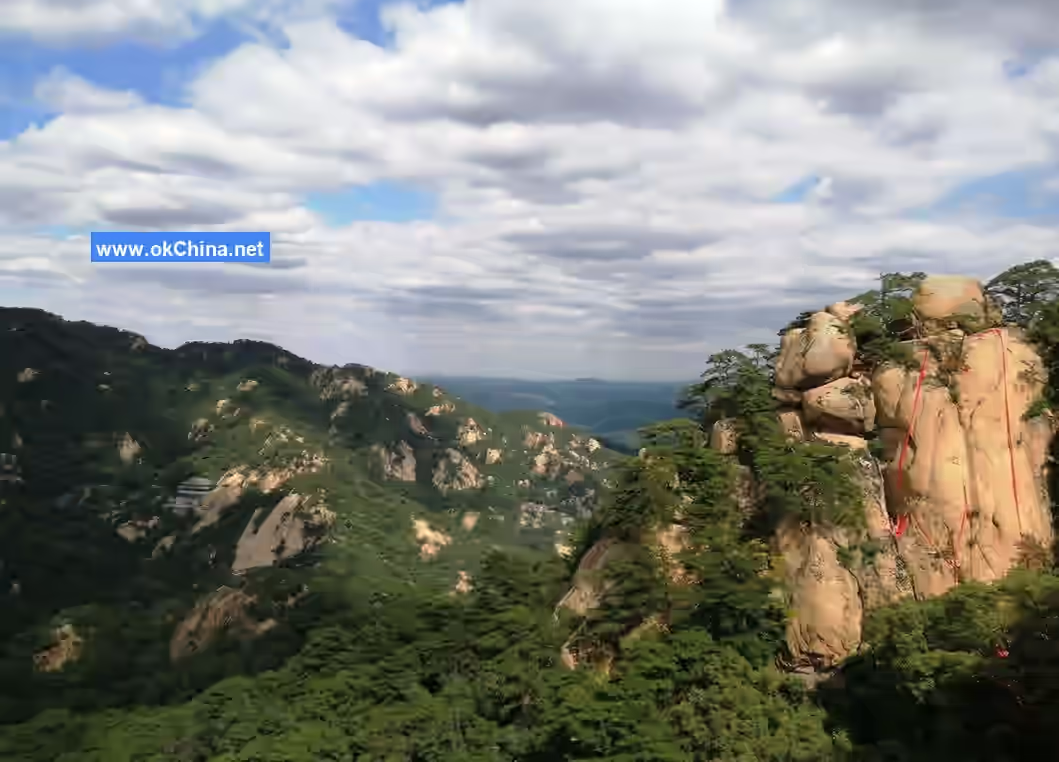
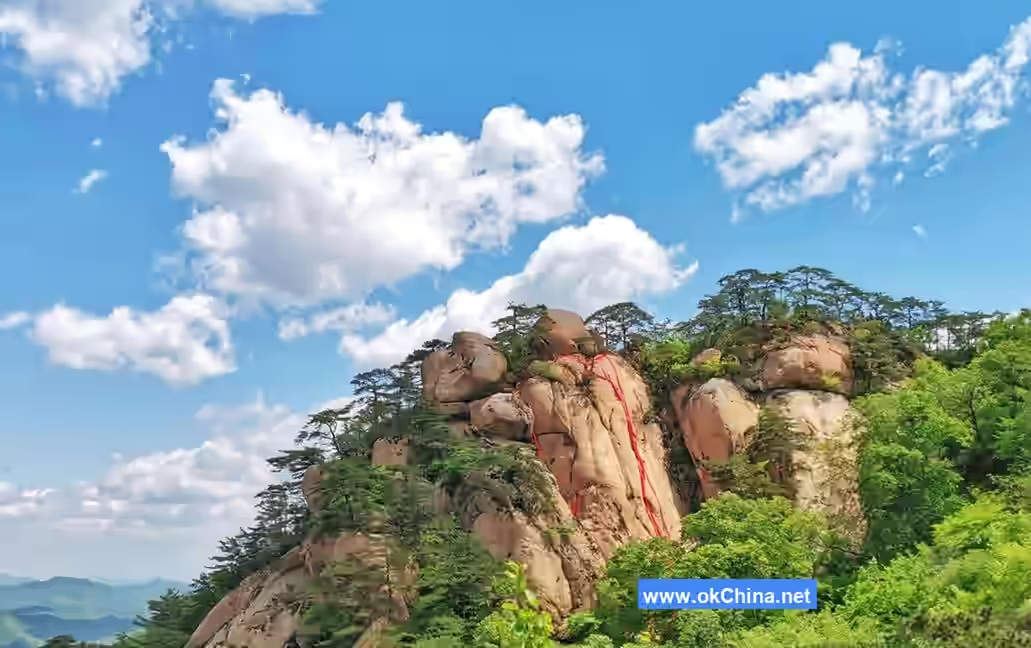
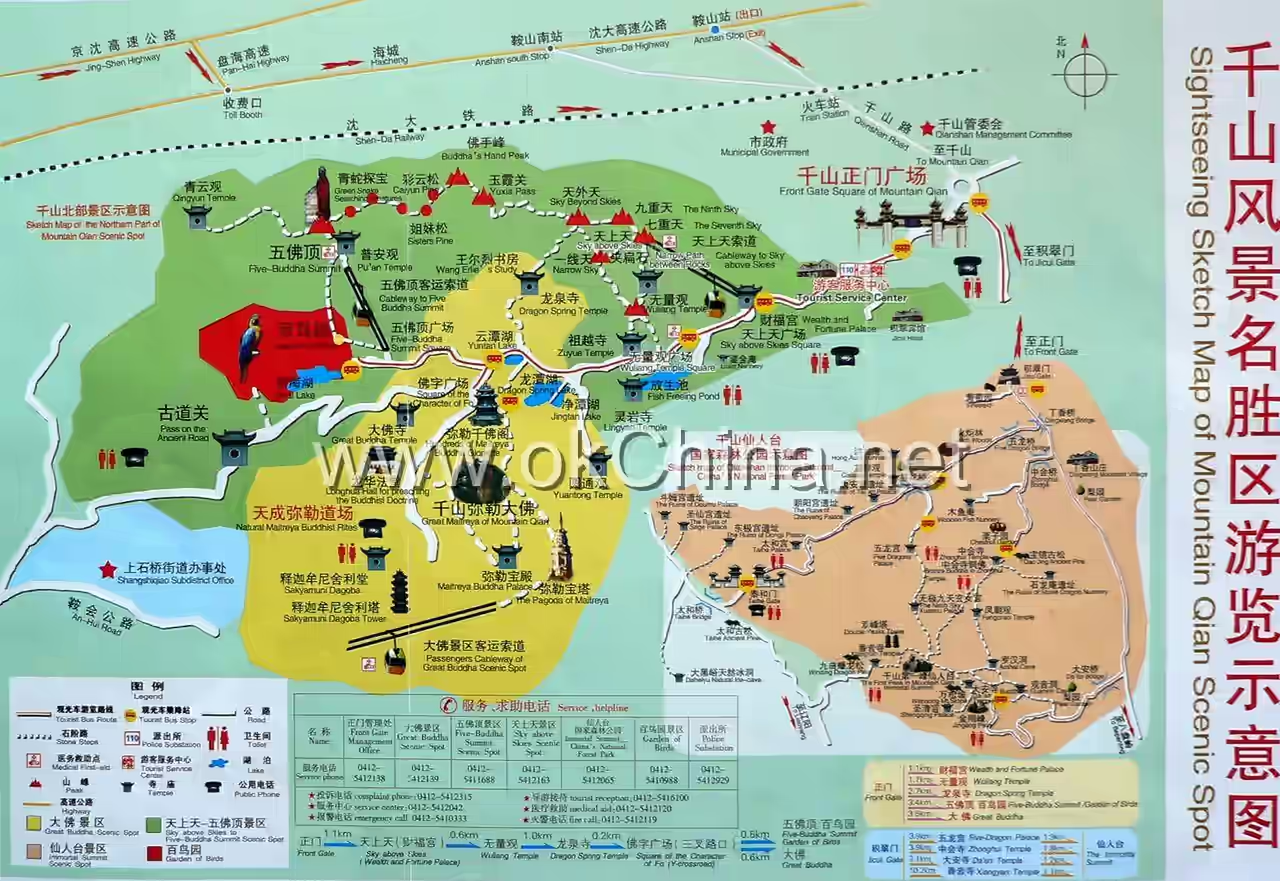
Qianshan borders the Bohai Sea to the south and connects to the Changbai Mountain range to the north. It comprises 999 peaks, with the main peak reaching 708.3 meters and covering a total area of 72 square kilometers. The scenic area is famous for its elegant peaks, steep rocks, tranquil valleys, ancient temples, towering Buddha statues, peculiar pines, and abundant flowers. It features densely packed attractions, ever-changing scenery, and exquisite landscapes. Divided by natural terrain into northern, central, southern, and western sections, it includes 20 sub-areas and 228 scenic spots distributed across several valleys. It is a scenic tourist destination integrating temples and gardens.
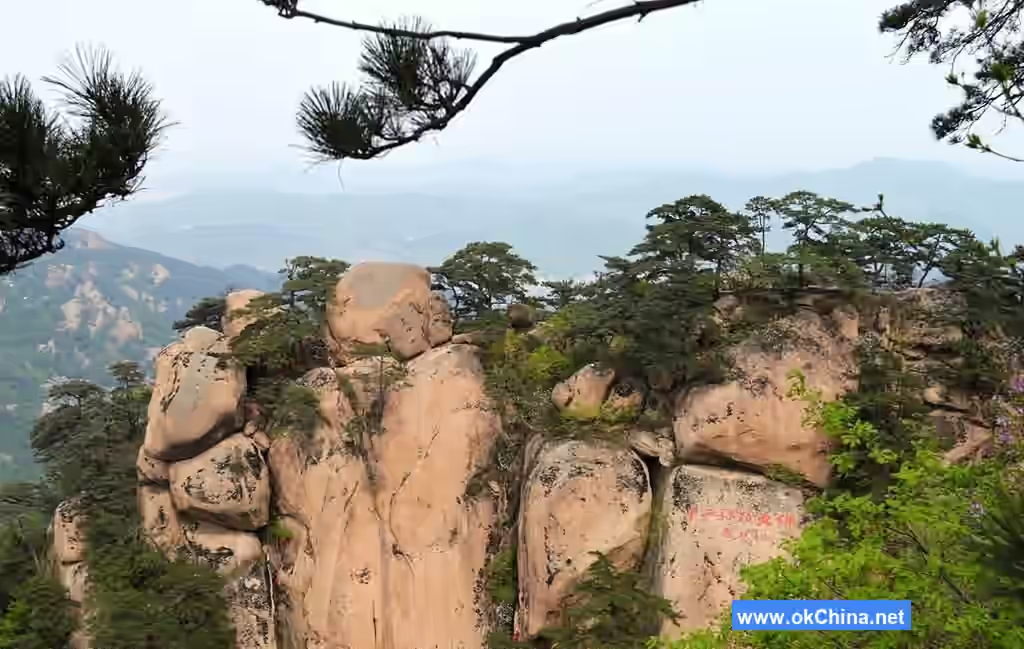
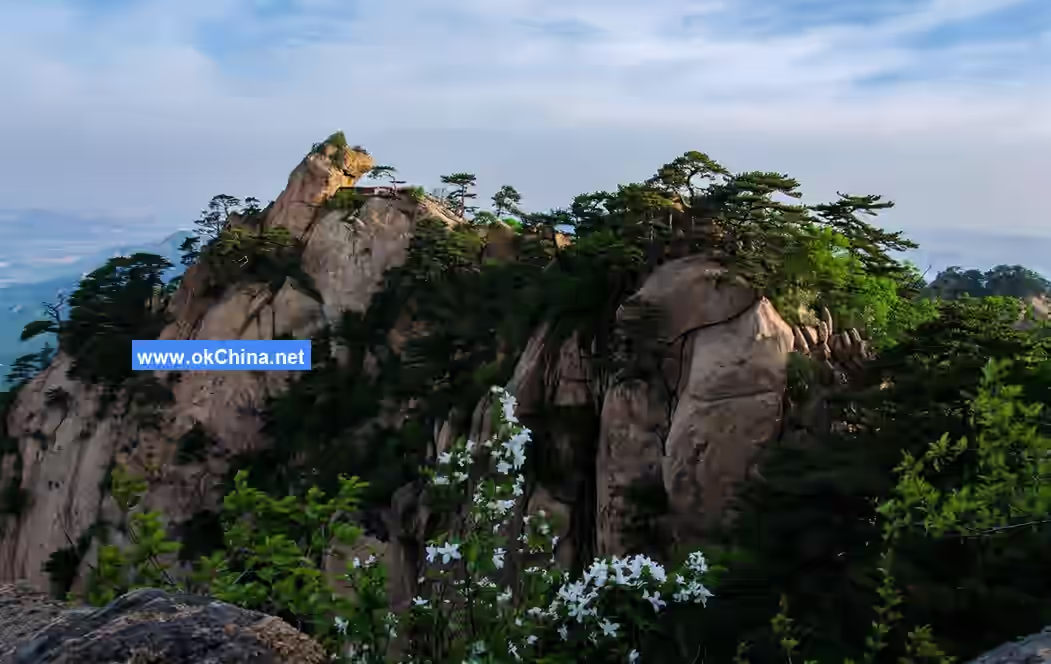
Qianshan is celebrated for four major landscapes: peculiar peaks, rocky pines, ancient temples, and pear blossoms, each offering distinct seasonal views.
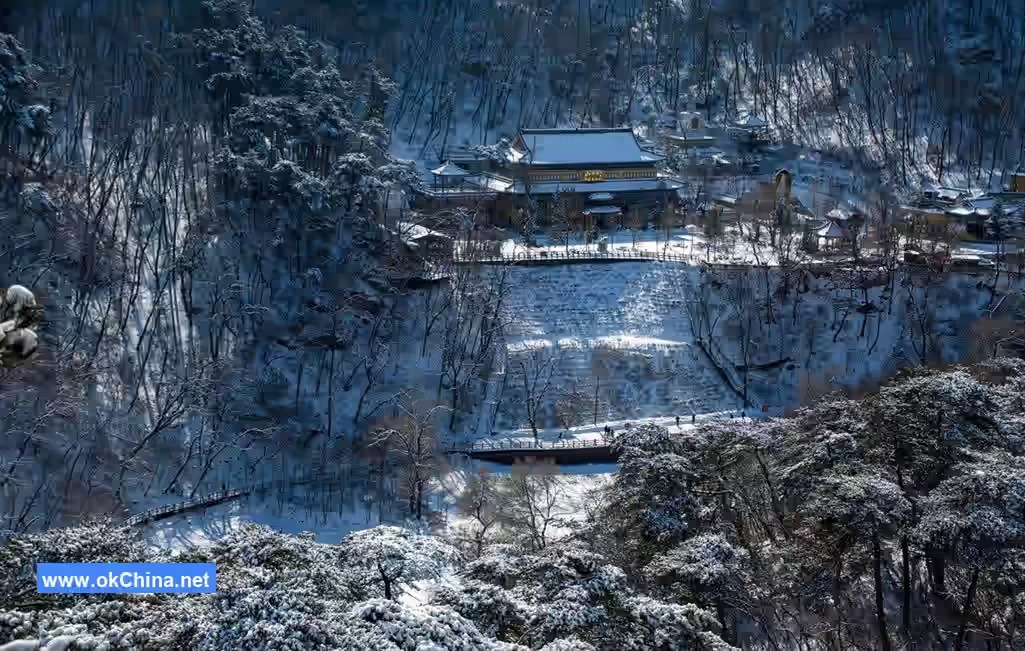
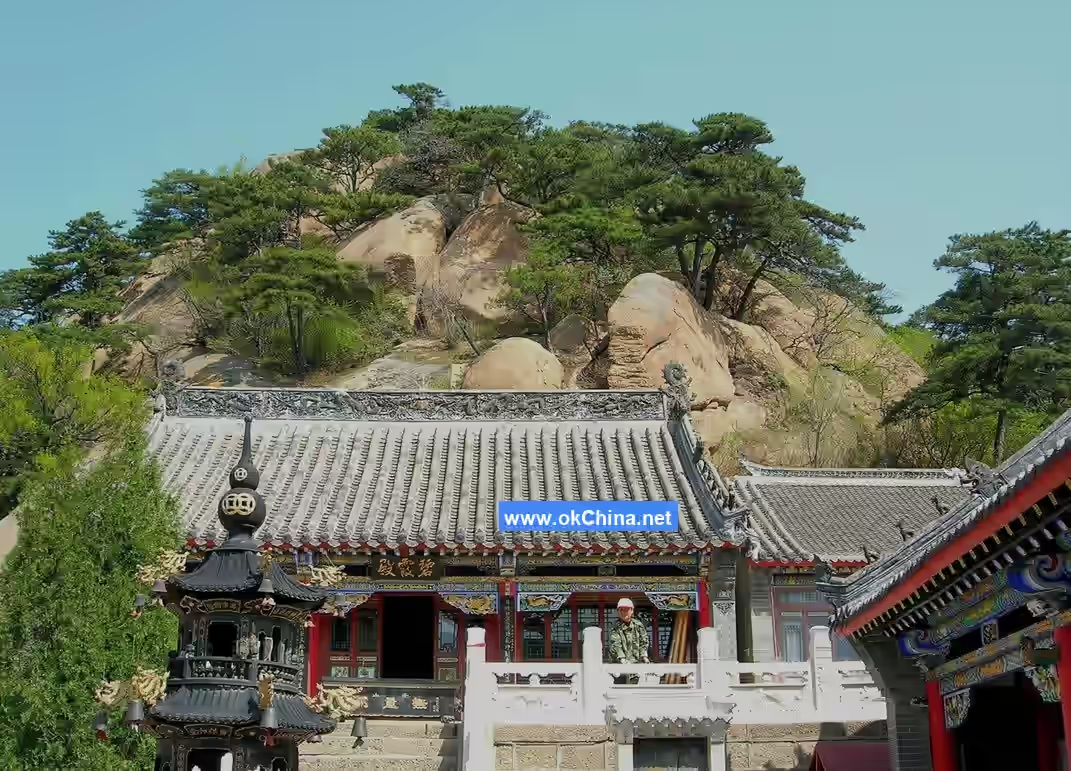
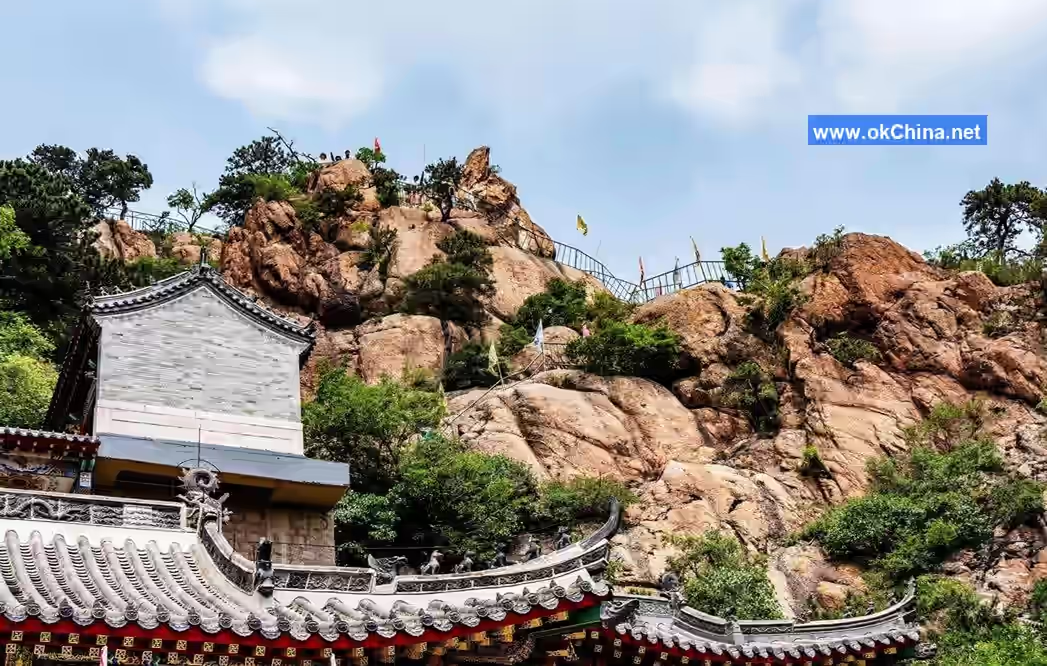
The area boasts a rich religious culture, with over 20 temples, Taoist monasteries, palaces, shrines, and nunneries scattered like glittering gems among the peaks and valleys. These structures harmonize with the natural scenery, blending into elegant and picturesque scenes. Some temples perch atop perilous peaks, others nestle within mountain embraces, some sit on sun-facing slopes, and others hide in the shade of ancient pines and strange rocks, showcasing the perfect unity of nature and human culture.
Additionally, Qianshan features numerous cultural landscapes such as caves, pagodas, pavilions, and steles, which are integral parts of the scenic area. As Aisin Gioro Gaosai, a Qing dynasty duke, once said: "Temples rise to the mid-heaven, fragrant rocks echo with clear springs. Empty halls greet the morning dew, secluded ravines quiet the cicadas' song. Verdant peaks spiral freely, pines embrace misty summits. Temples use peaks as screens, mountains borrow temples for prominence."
3. Main Attractions
3.1 Main Peak
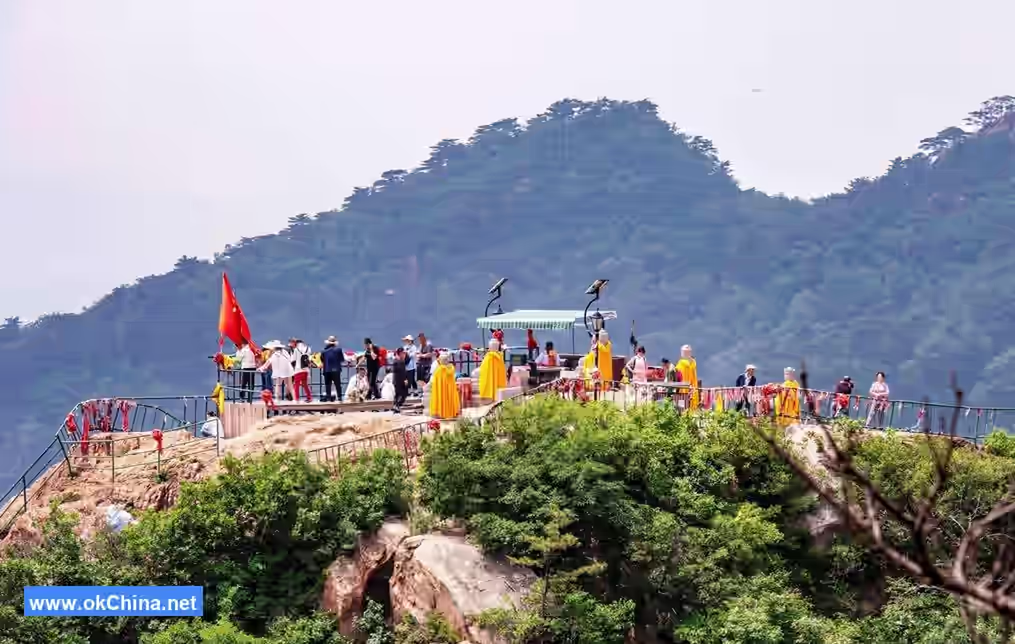
Xianrentai, also known as Guanyin Peak, is named after the legend of Ding Lingwei transforming into a crane and returning as an immortal. Located atop the southern mountain range, surrounded by temples such as Da'an, Zhonghui, Xiangyan, and Wulong Palace, it is the highest peak and an ideal spot for watching the sunrise.
At an altitude of 708.5 meters, it is the highest peak in the Qianshan Scenic Area. From its summit, visitors can enjoy panoramic views of the myriad peaks in various forms. Ancient pines reach for the sky, swaying in the wind; bizarre rocks are scattered like stars; ancient caves and pagodas are shrouded in mist; and lakes and mountains complement each other beautifully.
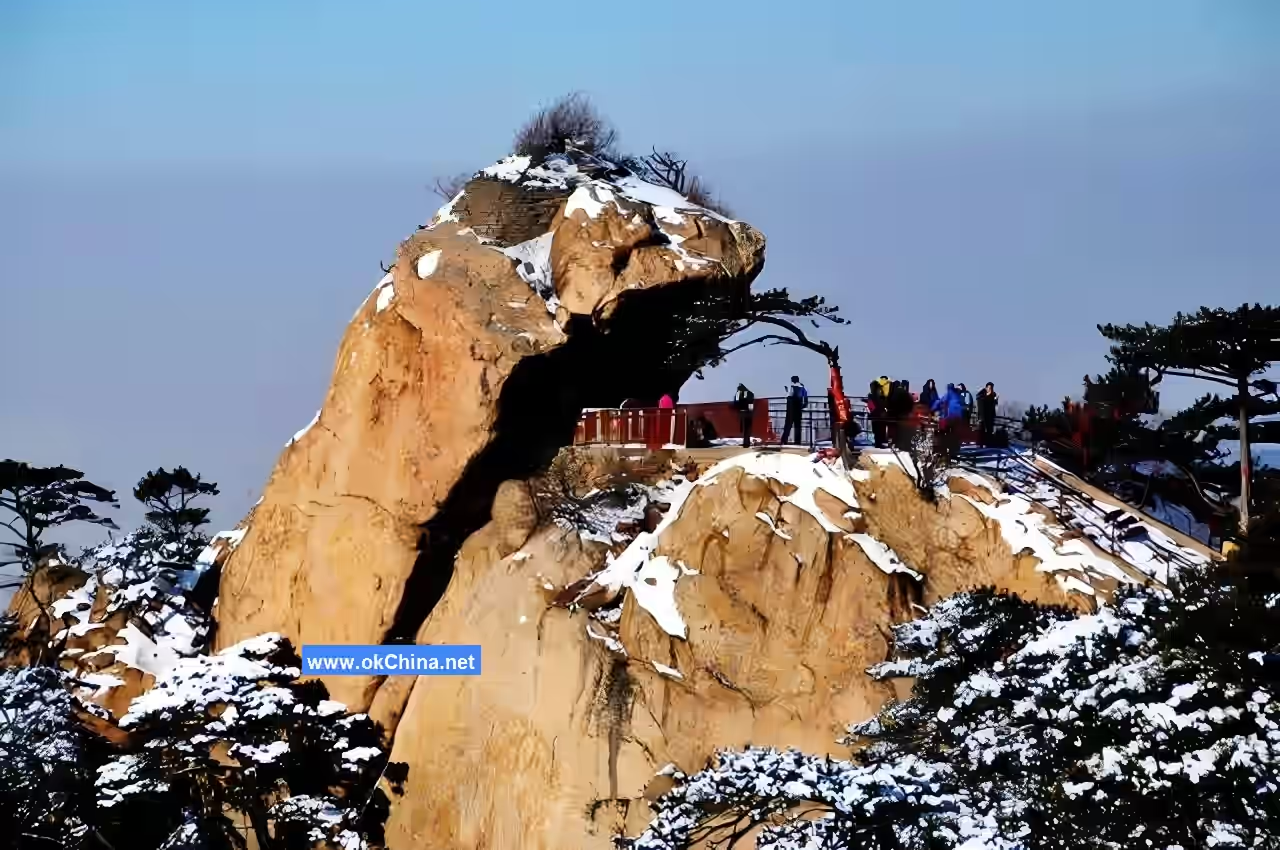
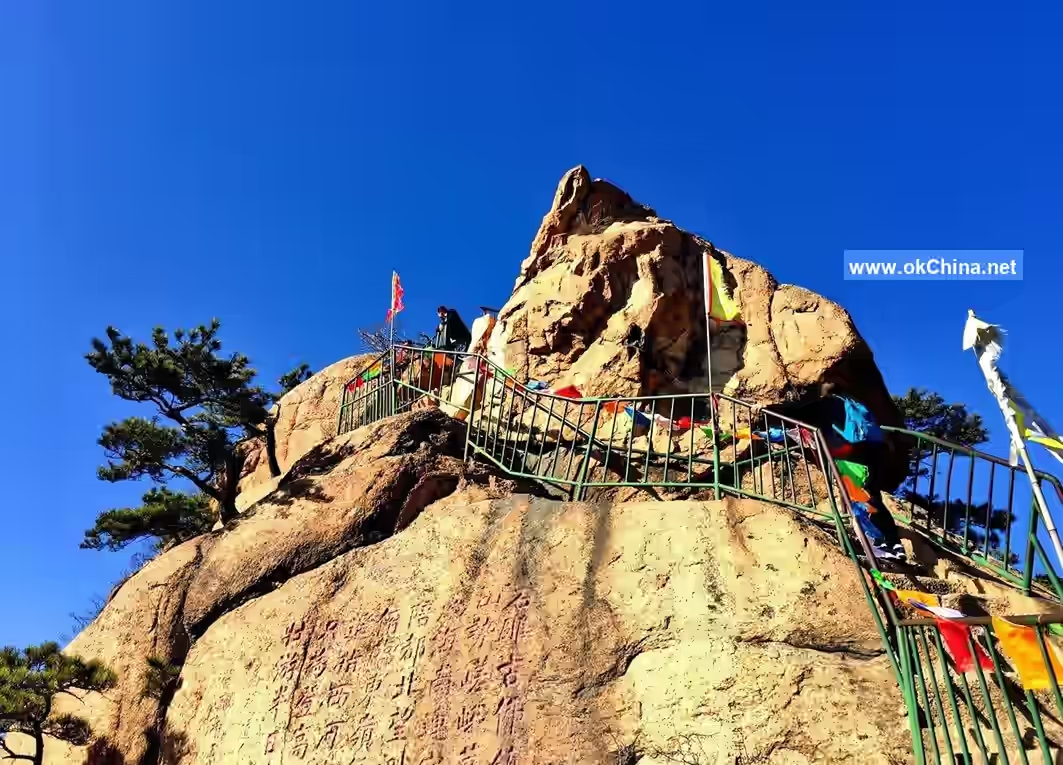
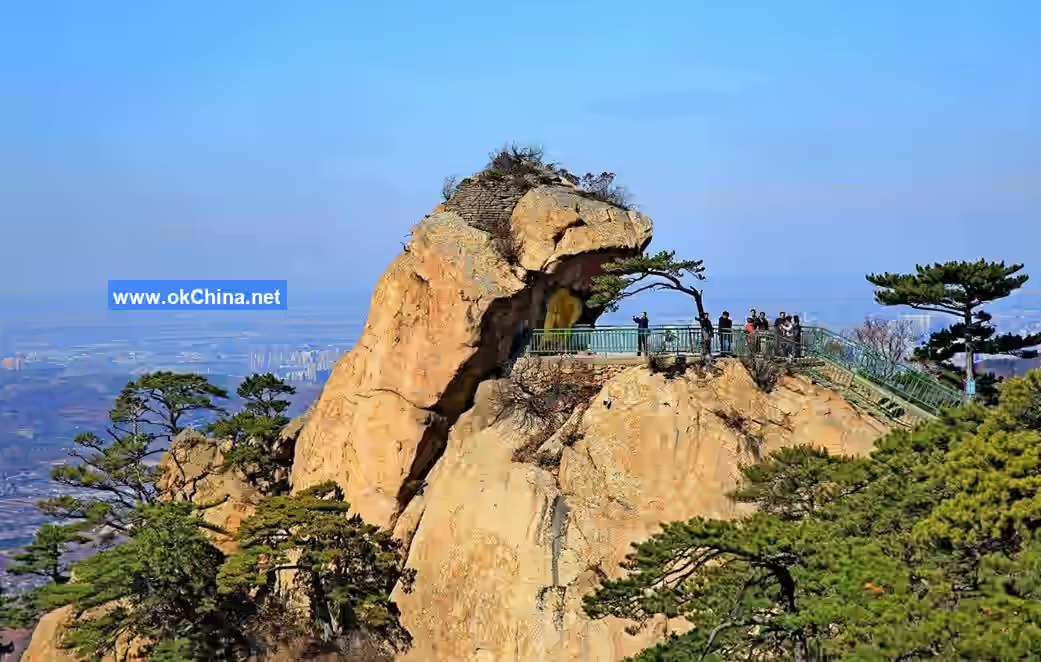
Xianrentai is known for its peculiar peaks and perilous terrain. The peak resembles a snake's back, measuring over 20 meters long and 10 meters wide. At its western end, a massive four-sided stone pillar rises 7 meters high with a diameter of about 20 meters. Leaning slightly northeast, it looks like a goose's head, hence its nickname "Goose Head Peak." It is surrounded by steep cliffs and deep abysses on the south, west, and north sides, with only the east side accessible.
In the early Ming dynasty, construction transformed the hemispherical peak into a platform, creating Xianrentai. A chessboard is carved into the foundation stone, surrounded by stone statues of the Eight Immortals and the South Pole Star God of Longevity, arranged as if celebrating longevity and playing chess. Below the Goose Head cliff, there is a niche with a half-body relief statue of Guanyin Bodhisattva. Above the niche, the three seal-script characters "仙人台" (Xianrentai) are inscribed, written by Xu Jingtao, a Qing dynasty scholar. The Goose Head Peak was originally called Huabiao Pillar.
3.2 The Great Buddha
Among the many peculiar peaks, the most extraordinary is the Qianshan Great Buddha.
The Qianshan Maitreya Great Buddha (Stone Buddha) is located in the northern part of the Qianshan Scenic Area and is one of China's largest naturally formed stone Buddhas. The statue is 70 meters tall, 46 meters wide, with a head height of 9.9 meters, head width of 11.8 meters, and ear length of 4.8 meters. Seated against the mountain, it resembles Maitreya with vivid and lifelike features, adding a mystical aura to the Thousand Lotus Flower Mountain.
The Great Buddha is situated southeast of Wufoding, the second-highest peak of Qianshan, 300 meters southeast of the famous Nanquan Nunnery, at an altitude of 520 meters. The entire Buddha is a towering mountain peak.
Its round, smooth head is as tall as a three-story building. Beneath thick, moss-covered eyebrows are a pair of bright, expressive eyes, with facial features proportionally and appropriately placed. The Buddha's left hand rests on its knee, while the right hand forms a fist pressed against the right leg. Above the right arm sits a statue of the South Pole Star God of Longevity. Overall, the Buddha appears to lean slightly to the right.
A naturally formed prayer bead adorns its chest, with proportions and placement so miraculous that the round bead ring can be seen glinting in the sunlight. On the back of the Buddha's right hand, a manually carved circular ring about 3 meters in diameter creates a contrasting halo of light and shadow when viewed from afar in the sunlight. Some say this halo is a "Bagua diagram," while others call it a "Dharma wheel," with various interpretations.
At the center of the Buddha's abdomen is an oval hollow measuring 2 meters high and 1.2 meters wide, with a small pine tree growing at its edge. From a distance, it resembles tufts of hair covering the Buddha's "navel." At the base, two broad feet are also visible.
During excavations and research, traces of historical worship were discovered. On a cliff about 70 meters high and 200 meters opposite the Buddha, there is a manually carved ancient worship platform measuring 1 meter wide and 6 meters long. The granite surface has weathered significantly, with geological experts estimating that such weathering would require at least a thousand years.
Thirty meters below the ancient worship platform, people discovered porcelain offering plates and incense ash nearly a foot thick, evidence of past worship. Archaeologists confirmed that the excavated plates were from the Ming and Qing dynasties, indicating that the Great Buddha was recognized and worshipped by monks as early as the Ming and Qing periods or even earlier.
On March 19, 1993, the Qianshan Management Bureau received a letter from Zhang Liuchun, a senior lecturer at Panjin Health School. In the letter, he mentioned that during the Republic of China period, a man named Yu Wenbo became a monk at Qianshan and was instructed to worship the Great Buddha. This letter suggests that some monks during the Republic of China era were aware of the Maitreya Great Buddha.
3.3 Tianshangtian (Heavenly Sky) Scenic Area
The Tianshangtian Scenic Area is located in the northern part of Qianshan, stretching from the main entrance in the east to Wufoding in the west. Covering about 5 square kilometers at an altitude of 450–550 meters, it is the second-highest ridge in Qianshan. It is renowned for its peculiarly shaped peaks, bizarre rocks, steep cliffs, and lush pines and cypresses, celebrated for its unique peaks, rocks, and pines.
As the only high-ridge touring area in Qianshan, with an average altitude of 520 meters, it has been visited by emperors such as Tang Taizong Li Shimin, and Qing emperors Kangxi and Qianlong. Legend has it that Emperor Taizong of Tang shook his battle robe at the "Zhenyi Gang" of Wuliang Temple while staying at Da'an Temple.
Emperor Shizong of the Jin dynasty, Wanyan Yong, visited Lingyan Temple at Qianshan to see his mother, Empress Zhenyi.
Qing emperors Kangxi, Qianlong, and Jiaqing also visited or viewed Qianshan from the ancient city of Liaoyang, leaving behind inscriptions, poems, and relics.
The "Wooden Fish Stone" that Wang Erlie accompanied Emperor Jiaqing to find at Qianshan—the spiritual stone mentioned in Cao Xueqin's Dream of the Red Chamber—the ruins where Emperor Shizong of Jin stayed, Zhelong Pavilion, the Tree of Universal Love, and over 300,000 copper coins excavated from the ruins of Empress Zhenyi's residence are all within this scenic area.
In 1996, a cableway was built in the area, with the Yulan Hall constructed beneath it. The hall features a high-platform, single-eave, hip-and-gable roof structure with five bays, intricately carved beams and painted rafters. Behind it, a crescent-moon-shaped corridor was added, embedded with 18 bluestone reliefs depicting famous Qianshan legends: Fairy Embroidering Lotus, Boys Playing Chess, Lingwei Transforming into a Crane, Xue Cai's Eastern Expedition, Five Buddhas Without Buddha, Imperial Bestowal of Dragon Spring, Monk Subduing a Tiger, Xiangyan's Snow Hut, Empress Cultivating Zen, Imperial Construction of Dragon Spring, Monk Boiling Stones, Monk Hanka, Rootless Strange Stone, Tailin Casting a Cauldron, Unity of Buddhism and Taoism, Kangxi's Tour, Dwelling at Dragon Spring, and Jiaqing Searching for the Stone. Visiting here allows one to savor the tranquility of Buddhas and immortals, witness the brilliance of sage rulers, recall historical anecdotes, and appreciate each relief, experiencing joy and the pleasure of being in a sublime environment.
The Tianshangtian Scenic Area focuses on natural landscapes, famous for its peculiar peaks, bizarre rocks, ancient temples, and rocky pines. The renowned Taoist temple Wuliang Temple and one of the five major Zen monasteries, Zuyue Temple, are located here.
The area is divided into three sections: from the main entrance to Yulan Peak (upper section), to Yuxia Pass (middle section), and to Wufoding (lower section). The upper section features bizarre rocks, the middle section elegant peaks, and the lower section peculiar pines. Notable attractions include Tianshangtian, Seven Heavens, Nine Heavens, Beyond Heaven, One-Line Sky, One-Word Sky, Squeezed Flat Stone, Rootless Stone, Wooden Fish Stone, Parrot Stone, Pitiful Pine, Sea-Exploring Pine, Sky-Gazing Frog, and over 100 others.
Taking the Tianshangtian Cableway allows visitors to safely and quickly reach the main peak, Tianshangtian, and enjoy the beautiful scenery of Qianshan. The area also features unique temples dedicated to folk deities widely worshipped in China, such as the God of Joy, God of Wealth, Three Stars (Fortune, Prosperity, Longevity), and Wenchang Dijun (God of Literature). Annual rituals for increasing fortune, longevity, and wealth are held here, with Wenchang Dijun being particularly revered as the star of scholarly advancement.
3.4 Hundred Birds Garden Scenic Area
The Qianshan Hundred Birds Garden is adjacent to Wufoding, the second-highest peak of Qianshan, with the natural Maitreya Great Buddha to the southeast and the Tang Dynasty Ancient Pass to the west. Surrounded by mountains and filled with birdsong, the garden showcases the elegance of various bird species. It is a unique attraction within Qianshan and the largest bird paradise in Asia, offering a natural, leisurely, and观赏 (observation) sanctuary where visitors can experience the connection between humans and nature, and humans and birds.The entire garden covers an area of over 56,000 square meters and consists of two parts: the outer garden and the inner garden. The outer garden connects with the West Sea Square to form a unified whole, comprising a dam over ten meters high, a reservoir, a lawn, and a crafted sculpture inscribed with the garden’s name. The inner garden includes an artificial lake of more than 20,000 square meters, service facilities in European-style architecture, and a classical-style Peach Blossom Island. A net-enclosed bird-watching garden spanning 24,000 square meters forms a "garden within a garden."
The garden is home to nearly 5,000 birds of over 100 species across seven major categories, including cranes, egrets, ostriches, ducks, small birds, turtledoves, and pigeons. National first-class protected birds include the red-crowned crane, golden eagle, and black swan. National second-class protected birds include the white swan, vulture, mandarin duck, goshawk, and golden pheasant, among others.
Additionally, there are rare species such as the Bahama bird and the Central American "hyacinth macaw." These natural envoys are as beloved by people as giant pandas and Siberian tigers.
Moreover, carefully prepared interactive programs like "human-bird dialogue" and "human-bird coexistence" will offer you a refreshing experience. The "red-crowned crane release" showcases these majestic birds soaring through the skies between green mountains and white clouds. As dozens of peacocks fly southeast, the parrot "Taotao" spells out greetings saying "Hello, everyone." The leisurely bicycle-riding "Benben," along with thrilling performances like tightrope walking and flag-raising, will bring a smile to your face. Meanwhile, the seemingly gentle raptors unexpectedly subduing their prey will surely astonish you!
4. Specialty Products
Hawthorn
Hawthorn, also known as mountain hawthorn, red fruit, or rouge fruit, boasts high nutritional and medicinal value. Because elderly people often consume hawthorn products to enhance appetite, improve sleep, maintain stable calcium levels in bones and blood, and prevent atherosclerosis—thereby promoting longevity—hawthorn is regarded as a "longevity food."
Benefits: Hawthorn can help prevent and treat cardiovascular diseases by dilating blood vessels, increasing coronary blood flow, improving cardiac vitality, stimulating the central nervous system, and lowering blood pressure.
Nanguo Pear
The origin of the Nanguo pear remains shrouded in many legends. However, whether viewed from satellite monitoring maps or considering its planting regions and scale, the Anshan area is widely recognized as the birthplace of the Nanguo pear.
The Chronicle of Chinese Fruit Trees clearly records that the earliest verifiable Nanguo pear tree to date is located in Shangduizhuangshi Village, Dagushan Town, Anshan City, Liaoning Province.
According to inscriptions, on a mid-autumn day in the 20th year of the Guangxu reign of the Qing Dynasty, an elderly villager named Gao Yongqing was walking along the northern slope when he suddenly noticed an extraordinary fragrance. Following the scent, he arrived under a pear tree as thick as a bowl, where the ground was covered with fallen fruits tinged yellow and red. Picking up one of the fruits to taste, he was instantly struck by its refreshing aroma, which lingered delightfully.
To determine the origin of this pear, Gao Yongqing asked his son-in-law to take it to Liaoyang for identification by pear merchants traveling from north to south. The merchants praised the pear’s flavor profusely, acclaiming it as possessing the best qualities of southern fruits. Thus, they named it "Nanguo" (Southern Fruit). Since it was produced in Anshan, the Nanguo pear also earned another name—Anguo (Anshan Fruit). Over a century has passed since the discovery of the ancestral tree, and through nearly a hundred years of artificial grafting and propagation, the Nanguo pear has become a unique product of the Anshan region.
5. Historical Culture
5.1 Historical Evolution
Qianshan has a long history, with traces of Buddhist followers dating back to the Northern Wei Dynasty. During the Liao and Jin dynasties, Buddhism flourished even more, and famous ancient architectural complexes such as the "Five Great Chan Monasteries"—Xiangyan Temple, Da'an Temple, Zuyue Temple, Zhonghui Temple, and Longquan Temple—were established. Since the Ming and Qing dynasties, Taoism reached its peak, with nine palaces, eight temples, and twelve thatched hermitages. The entire scenic area boasts over 30 temples and hundreds of monks and Taoist priests. The highest peak of Qianshan, Xianrentai (Immortal Terrace), is located in the southeast of Qianshan, featuring stone statues of the Eight Immortals and a stone chessboard. Legend has it that immortals flew in on cranes to play chess here, hence the name. Wuliang Temple, situated in the North Valley, is the largest among Qianshan’s many temples and is renowned for its exquisite architecture, ranking first in Qianshan.
5.2 Poetry Culture
The poetry culture of Qianshan has a long and rich history, with literati from the Jin Dynasty’s Wang Ji to Qing Dynasty emperors continuously praising Qianshan. These poems not only depict the natural beauty of Qianshan but also express the literati’s pursuit of harmony between nature and humanity, as well as their lofty patriotic sentiments.
For example, the Qing Dynasty Emperor Kangxi’s poem Entering Qianshan portrays the scenic beauty of Qianshan: "At dawn, I enter the paths of Qianshan, where misty light weaves emerald vines. Winding along rugged stone steps, I traverse the winding cliffs." Through delicate description, this poem captures the tranquility and grandeur of Qianshan. Emperor Qianlong’s poem Inscribed for Qianshan expresses his boundless affection for the scenery: "The splendid views of Qianshan have long been my hometown muse; thrice I’ve tried to convey my feelings in verse."
Additionally, Huan Ke’s Qianshan Poetry Collection includes numerous poems he created with members of the Bingtian Society. These works document the local customs, flora, and geography of the Liaodong region in the early Qing Dynasty, holding significant literary and documentary value. During his exile, Huan Ke composed a large number of poems, many of which are related to Qianshan, reflecting his deep affection for this land.
Comments
Post a Comment