
Pudacuo National Park, Diqing Prefecture
1. Introduction
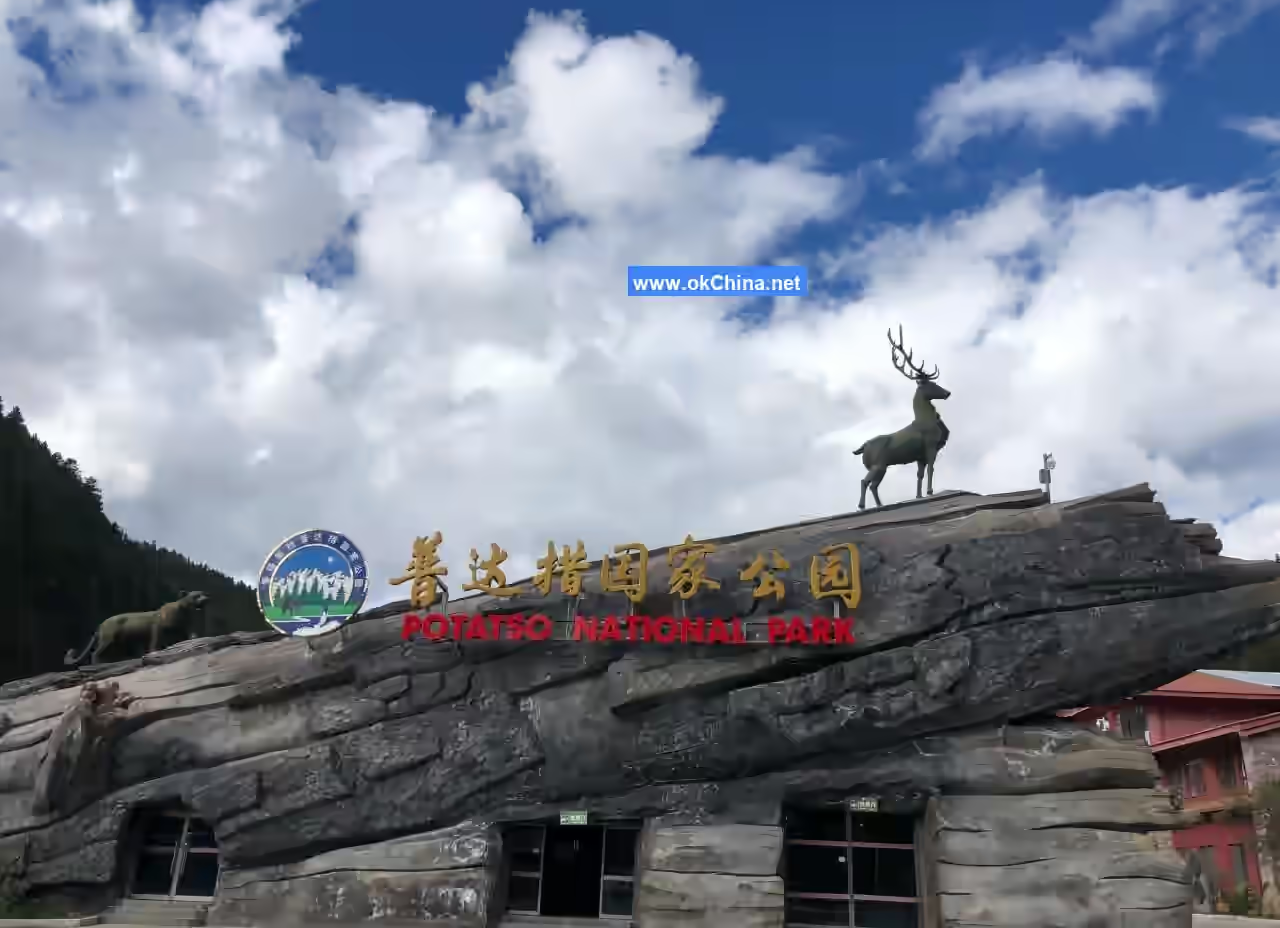
Pudacuo National Park is located in Hongpo Village, Jiantang Town, Shangri-La City, Diqing Tibetan Autonomous Prefecture, Yunnan Province. Situated in the central area of the "Three Parallel Rivers" World Natural Heritage site in northwestern Yunnan, it is approximately 22 kilometers from downtown Shangri-La and covers a total area of about 1,313 square kilometers.
Within the park, the highest point reaches an altitude of 4,670 meters, while the lowest point is at 2,347 meters. The landscape features a unique interweaving of numerous fault scarps, forest streams, deep gullies, and canyons. It encompasses relatively pristine and intact ecosystems, including forest shrublands, alpine meadows, wetland lakes, geological relics, and river valley systems.
2. Geographical Environment
2.1 Location
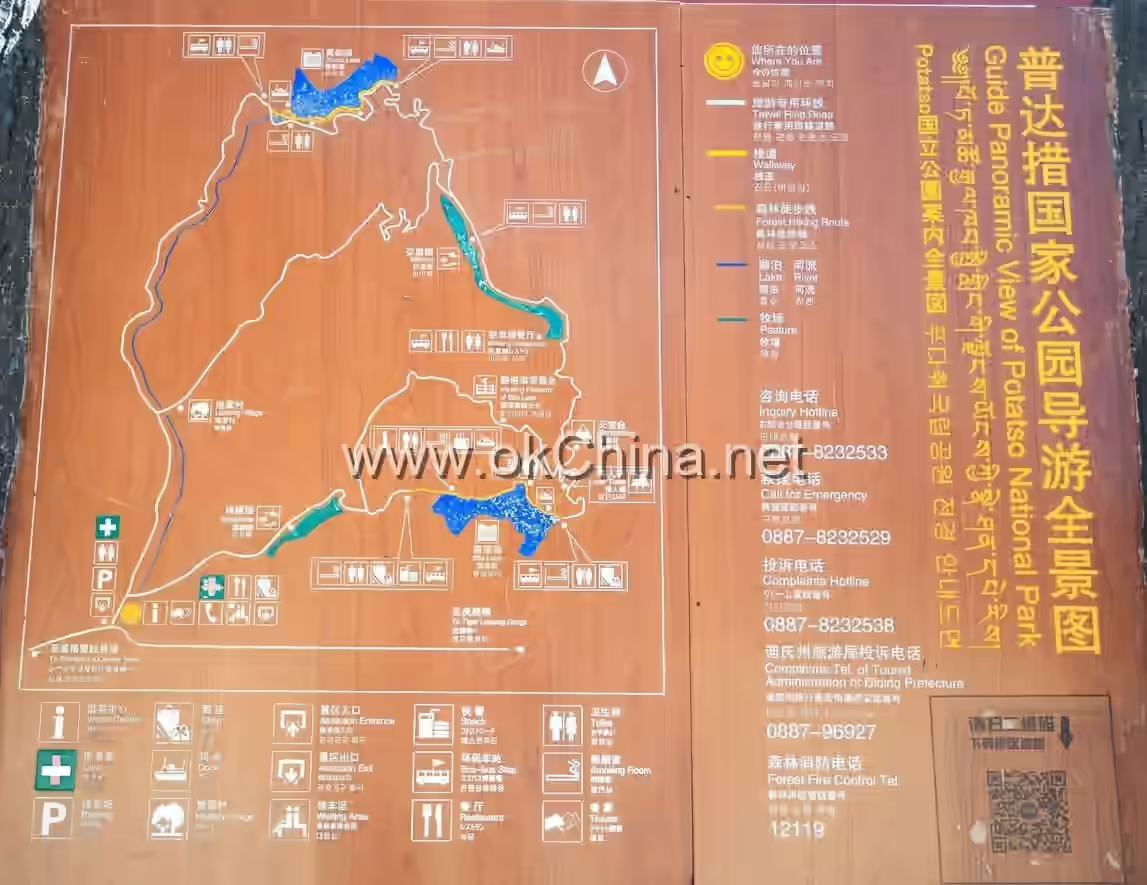
Pudacuo National Park is located in Hongpo Village, Jiantang Town, Shangri-La City, Diqing Tibetan Autonomous Prefecture, Yunnan Province. It lies in the central area of the "Three Parallel Rivers" World Natural Heritage site in northwestern Yunnan, approximately 22 kilometers from downtown Shangri-La. Covering a total area of about 1,313 square kilometers, the park is developed into seven major zones. It consists of two parts: the internationally important wetland of the Bita Lake Nature Reserve and the Shudu Lake Scenic Area, which is part of the Haba section of the "Three Parallel Rivers" World Natural Heritage site. The main components of the park are Bita Lake, Shudu Lake, and the Milirang Alpine Pasture.
2.2 Topography and Landforms
Within the park, the highest point reaches an altitude of 4,670 meters, while the lowest point is at 2,347 meters. The landscape features a unique interweaving of numerous fault scarps, forest streams, deep gullies, and canyons. It encompasses relatively pristine and intact ecosystems, including forest shrublands, alpine meadows, wetland lakes, geological relics, and river valley systems, holding significant geographical scientific value and tourism appeal.
2.3 Climate Characteristics
The Pudacuo National Park reserve experiences a subtropical temperate and cold temperate monsoon climate, with abundant rainfall and long autumns/winters but short springs/summers. The annual average temperature is 5.4°C. The hottest month (July) has an average temperature of 13.2°C, while the coldest month (January) averages -3.8°C.
2.4 Natural Resources
2.4.1 Plant Resources
Pudacuo National Park is home to 2,275 species of seed plants belonging to 568 genera and 140 families, including five species under national first-class protection.
The dominant vegetation in the park is Abies georgei (George's fir). Additionally, depending on altitude and sun exposure, other species include various rhododendrons, arrow bamboo, mosses, honeysuckle, spruce, alpine pine, alpine oak, short-spine oak, larch, red birch, aspen, and white birch. In terms of meadows and aquatic plants, the main meadow type is Kobresia sedge meadow. Aquatic vegetation primarily consists of communities of Myriophyllum spicatum, Potamogeton lucens, Myriophyllum verticillatum, and Batrachium trichophyllum.
2.4.2 Animal Resources
The Pudacuo National Park Nature Reserve has recorded 74 species of mammals from 23 families and 8 orders; 297 species of birds from 58 families and 19 orders; 11 species of reptiles from 5 families and 2 orders; 13 species of amphibians from 5 families and 2 orders; and 17 species of indigenous fish. This includes 4 species of national first-class protected wild animals and 6 species of national first-class protected birds. There are also 24 species of wild mammals and 75 species of birds.
There are 8 species of first-class protected animals: leopard, forest musk deer, alpine musk deer, black-necked crane, Chinese monal, Chinese grouse, chestnut-throated partridge, and bearded vulture.
There are 21 species of second-class protected animals, including rhesus macaque, brown bear, Asiatic black bear, Eurasian otter, Asiatic golden cat, Eurasian lynx, red panda, black muntjac, Reeves's muntjac, tufted deer, forest musk deer, Tibetan eared pheasant, and Chinese monal.
Third-class protected animals include the blood pheasant.
Provincially protected animals in Yunnan include the greylag goose, bar-headed goose, and wolf. Common wild animals include wild boar and hare.
The park also hosts some economically valuable and ornamental animals, mainly Asiatic black bears, plateau pikas, flying squirrels, plateau hares, red-bellied squirrels, bamboo rats, common pochard, common shelduck, as well as highly ornamental parrots and various species of laughingthrushes.
3. Main Attractions
3.1 Shudu Lake
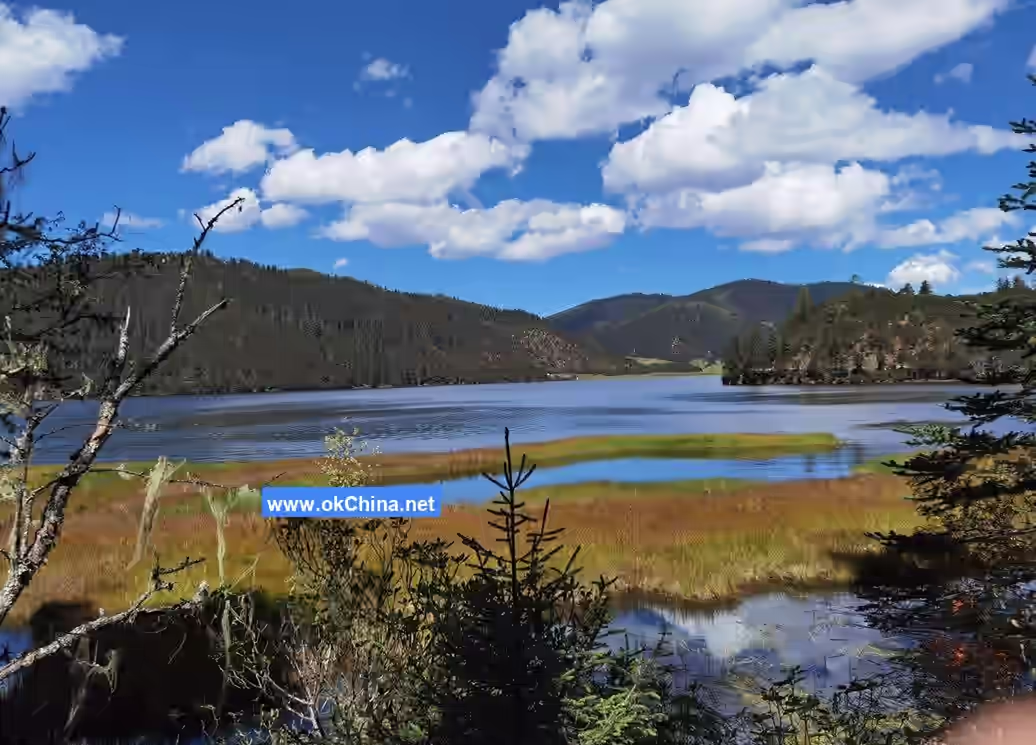
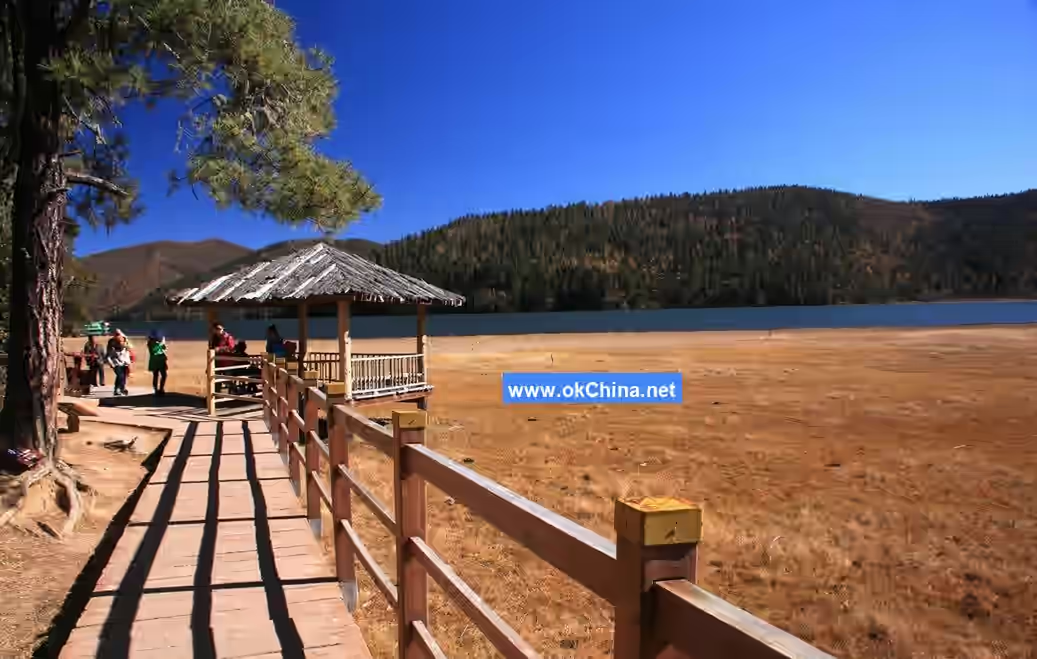
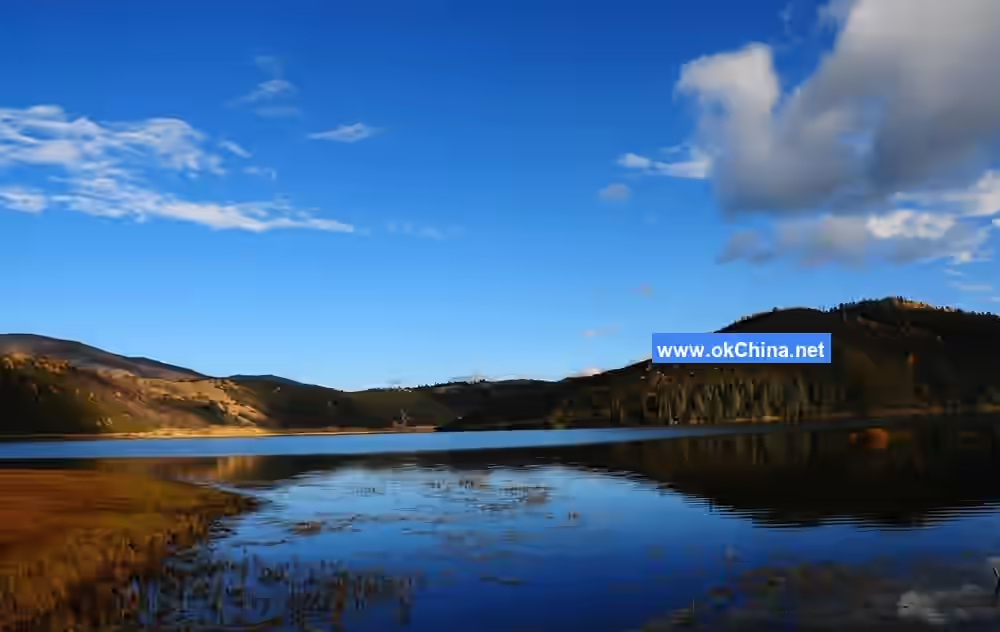
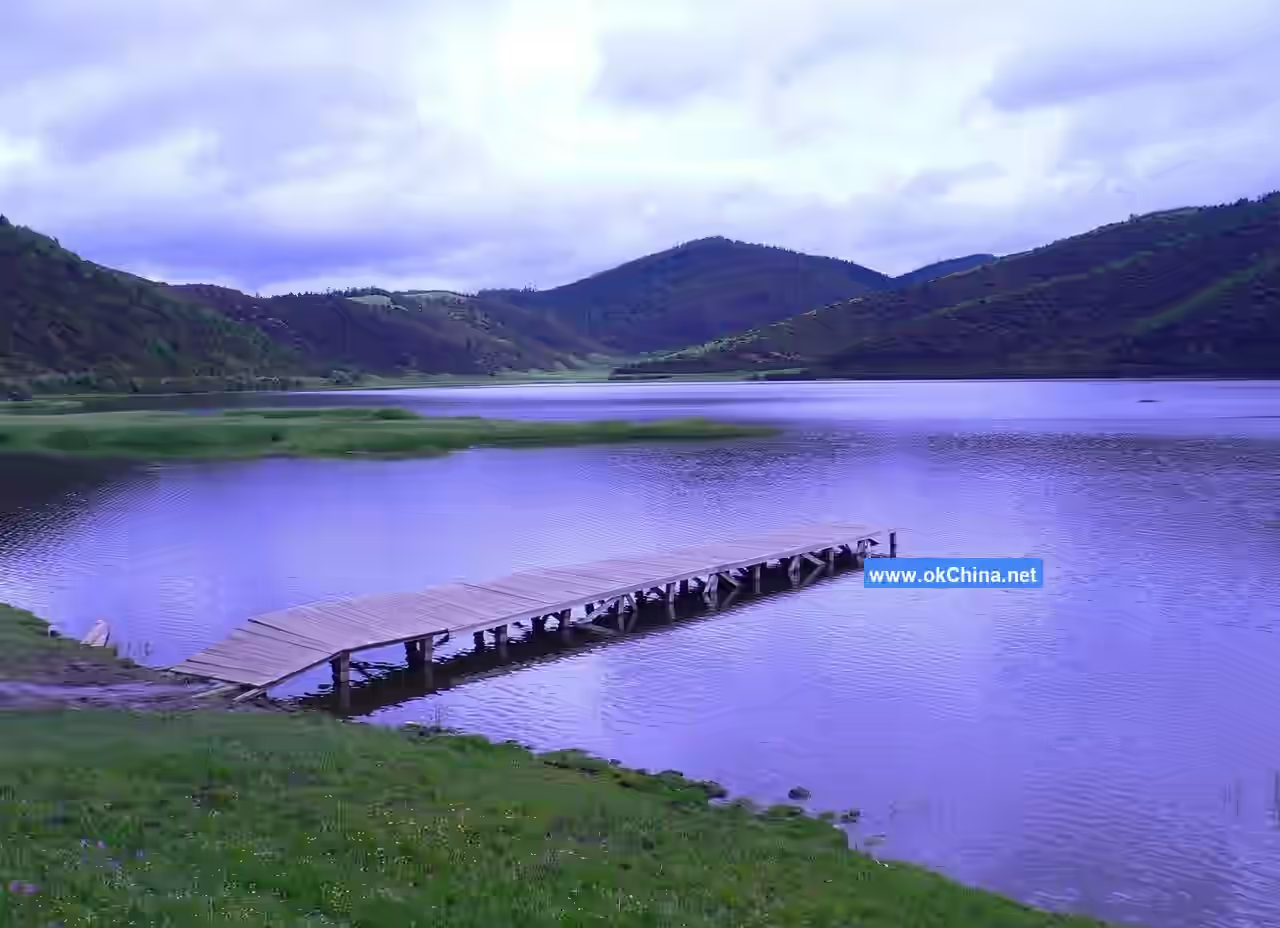
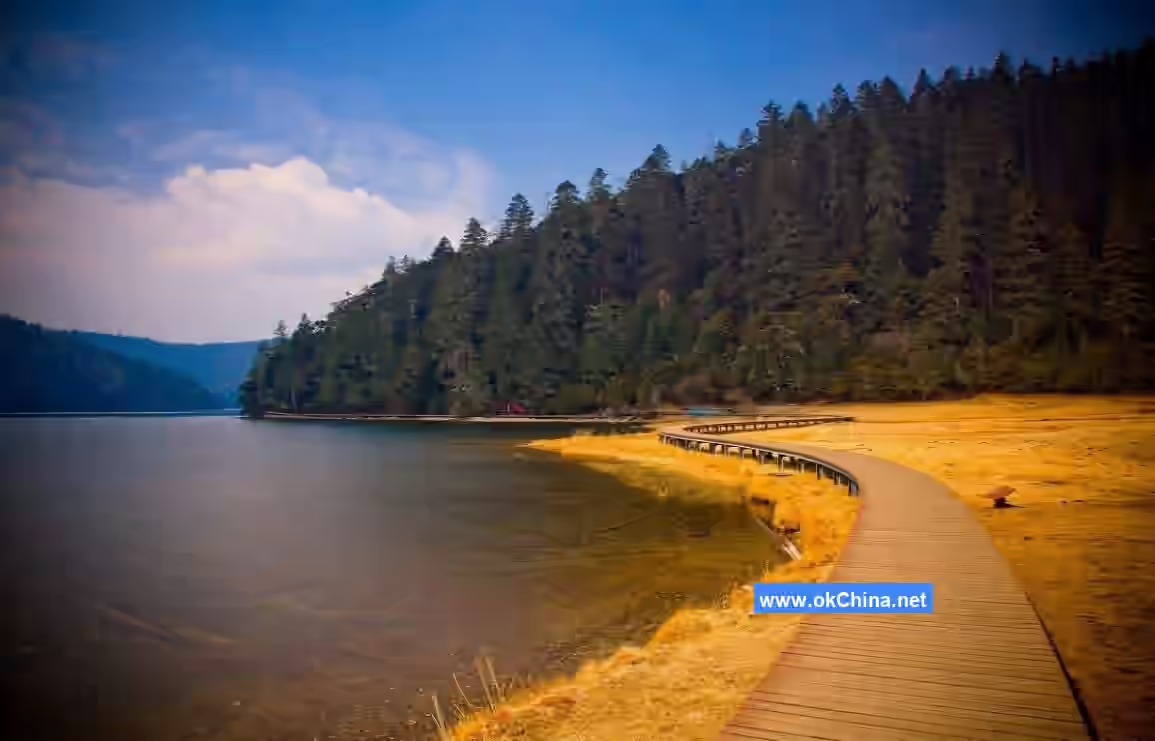
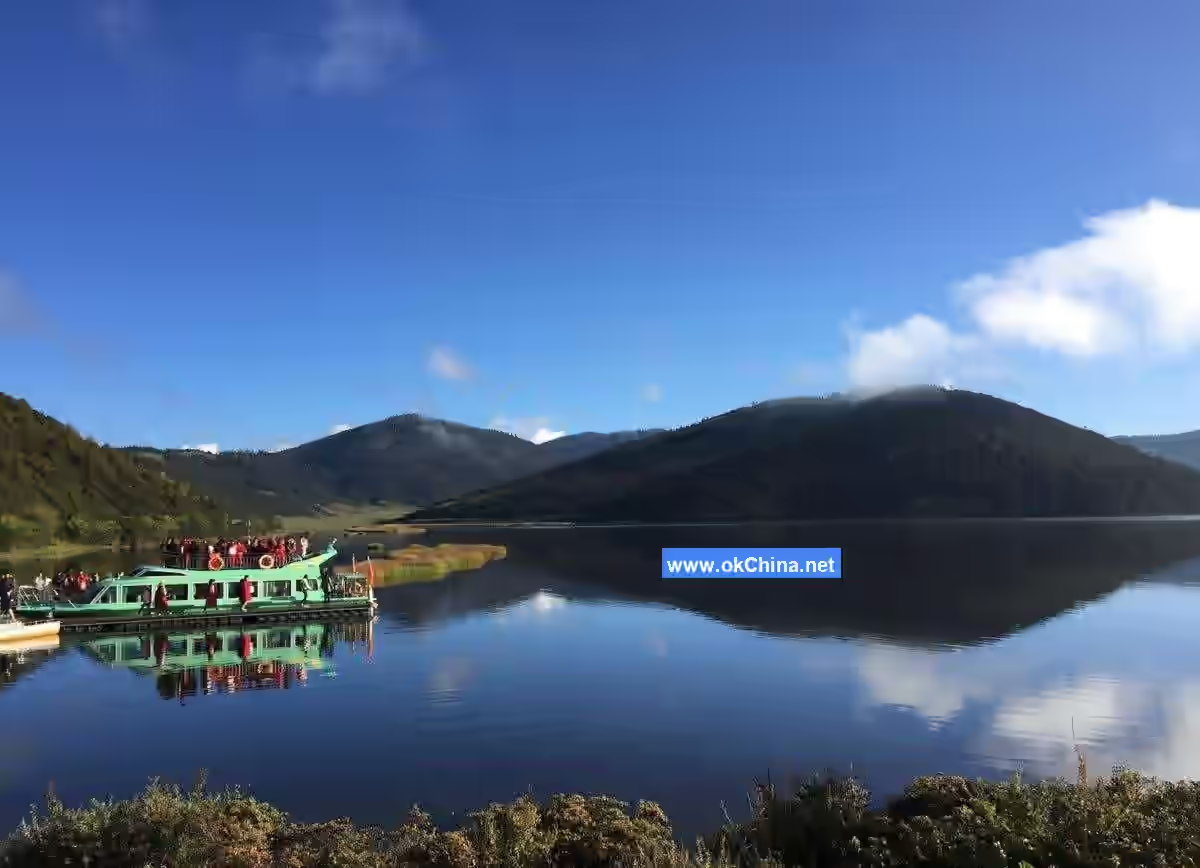
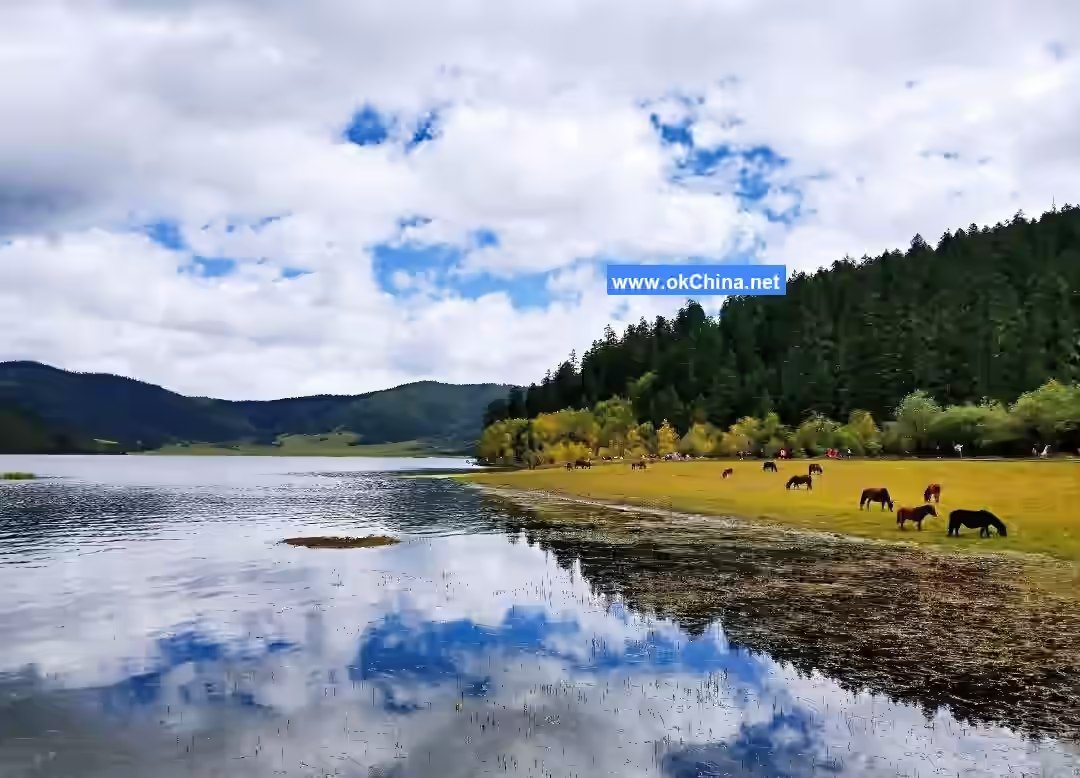
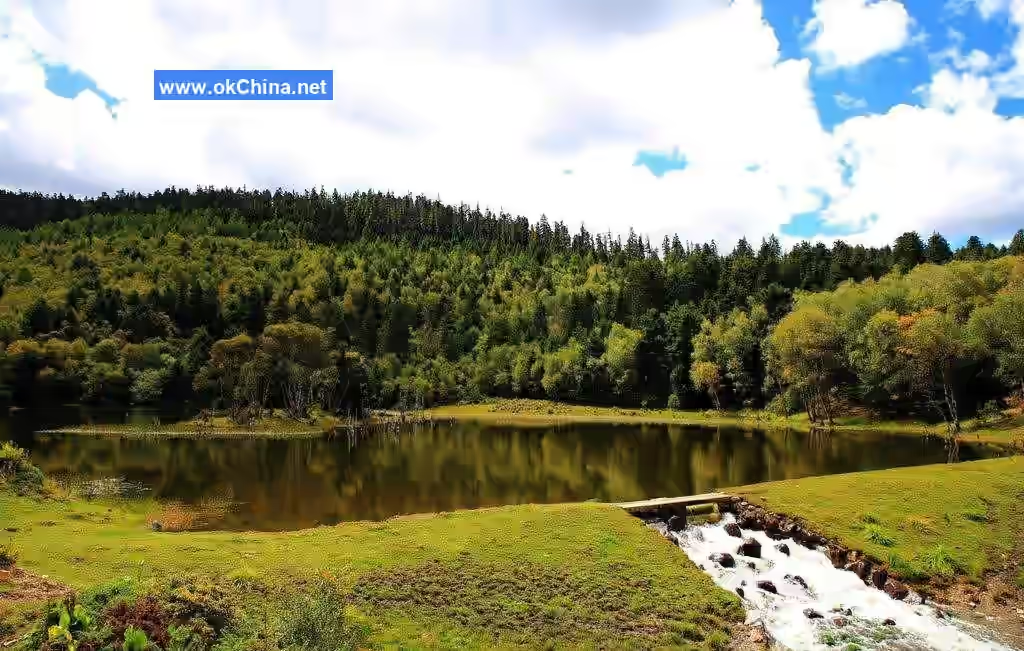
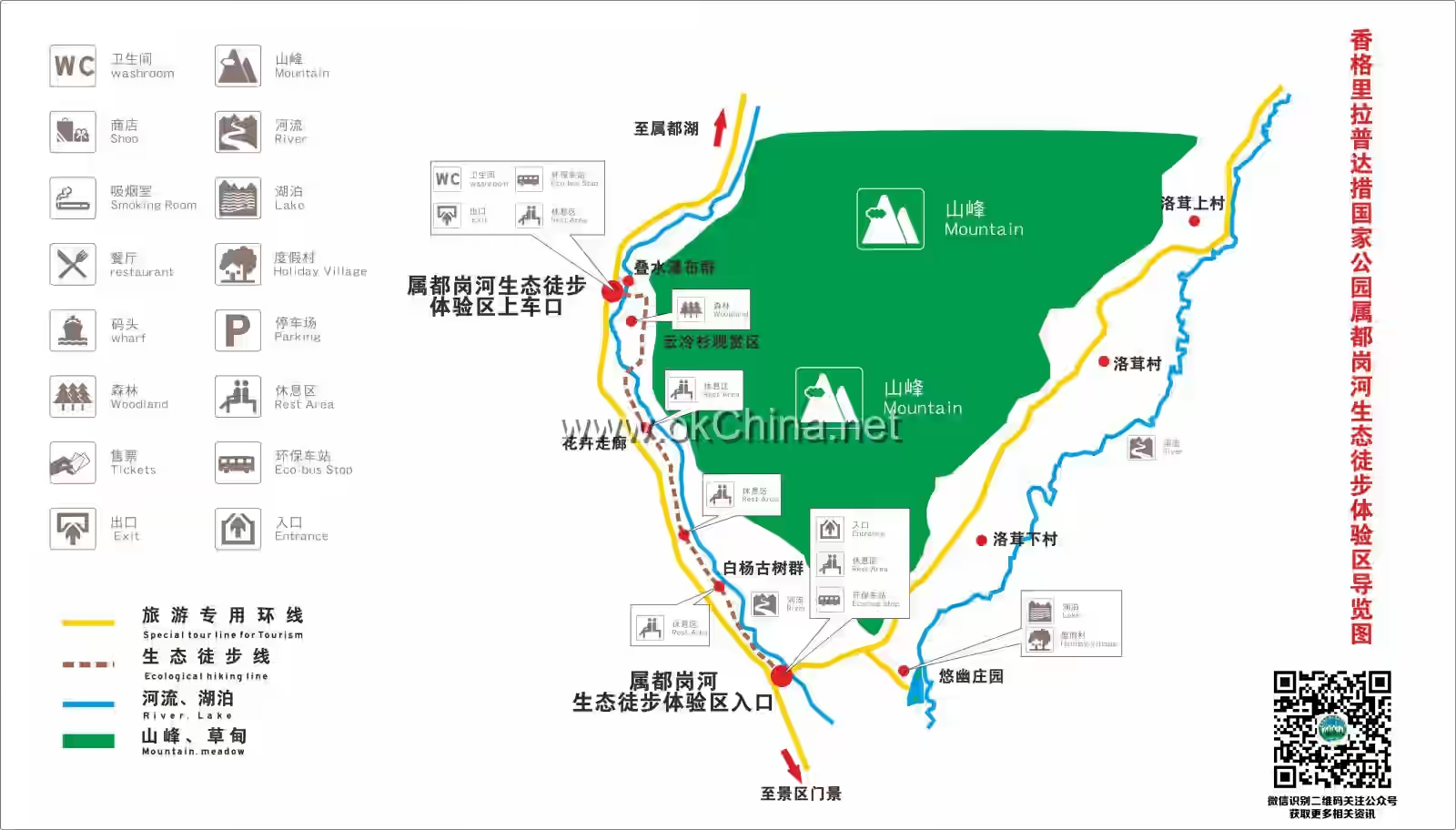
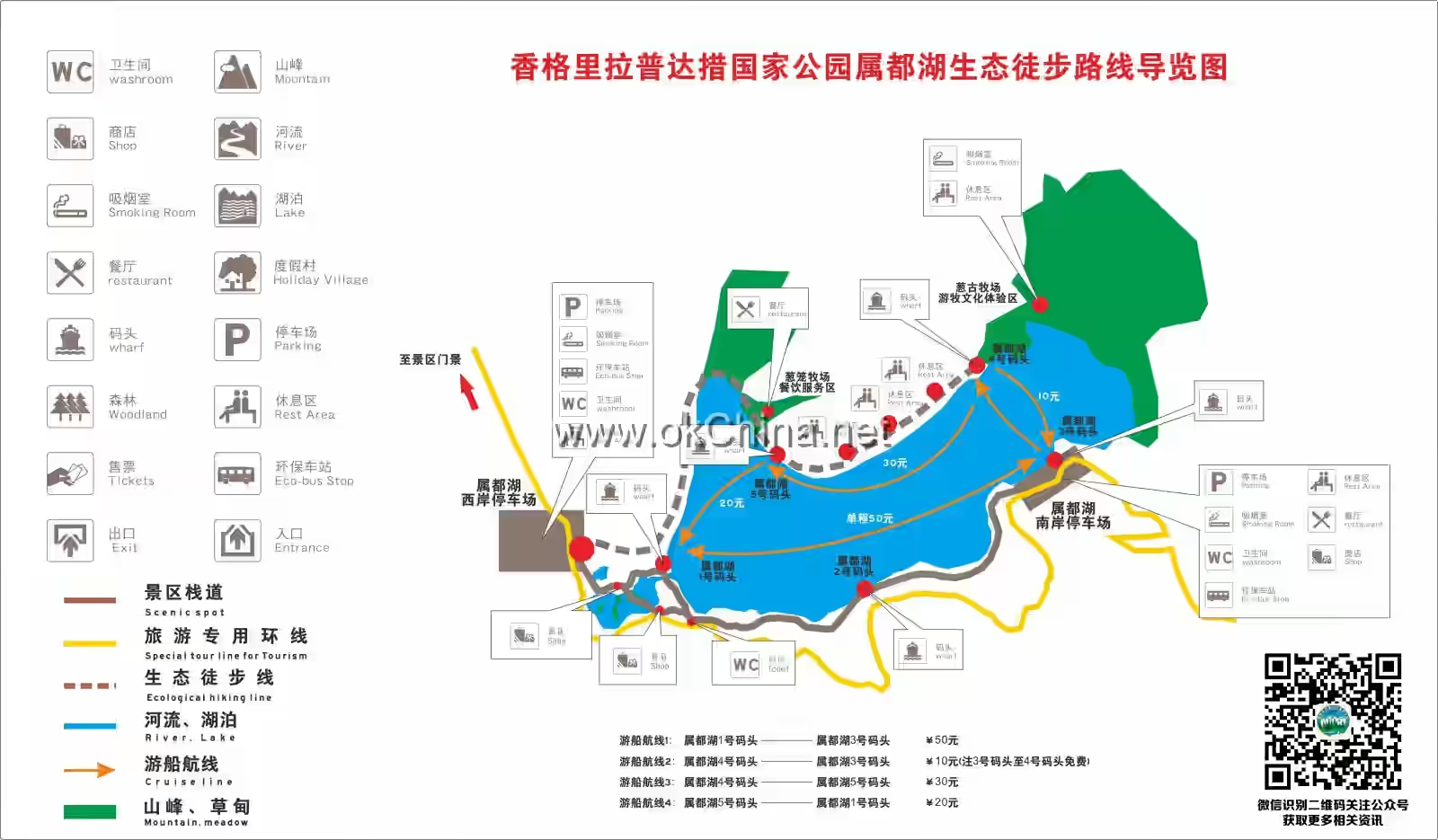
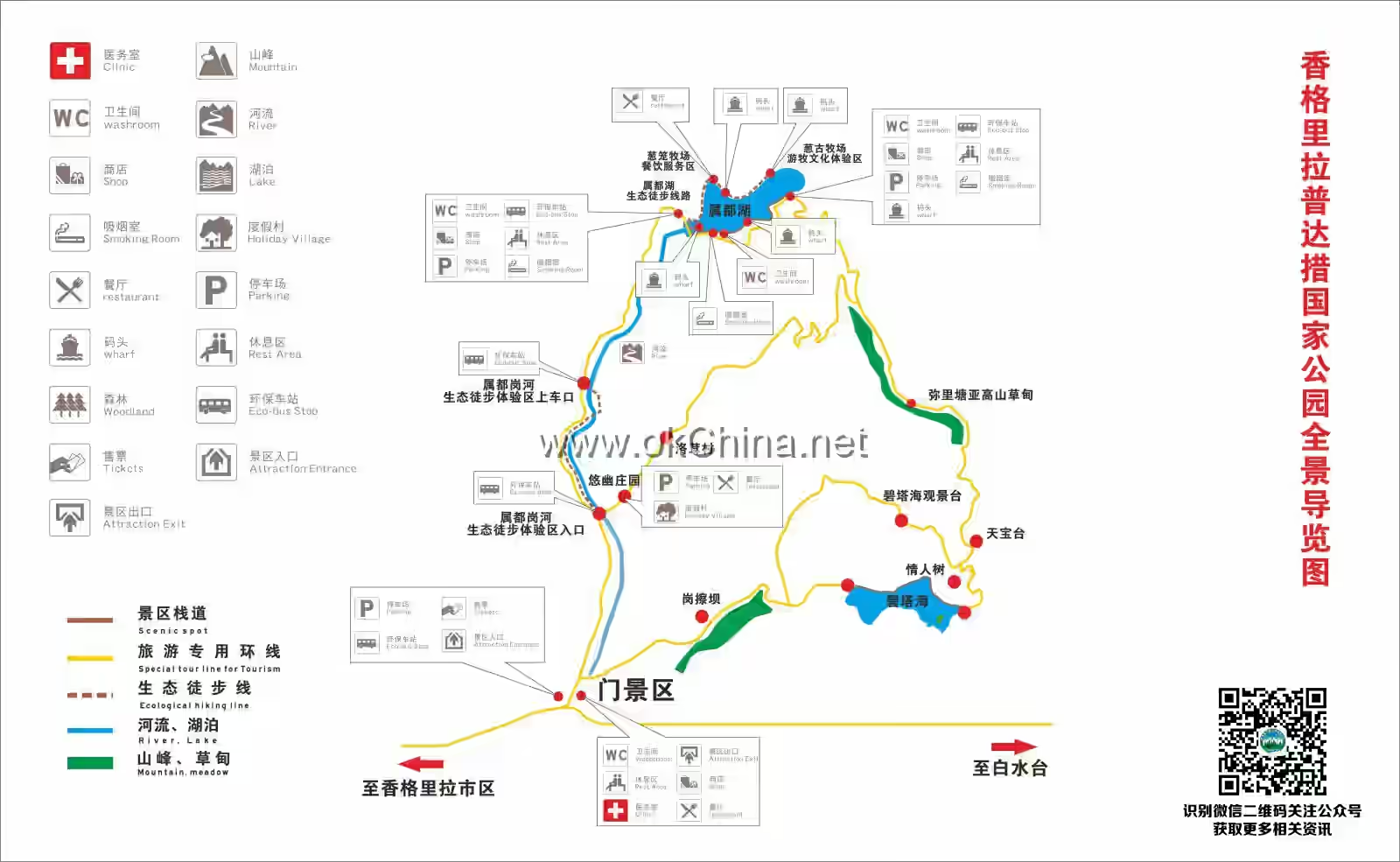
Shudu Lake is a key component of the park's main scenic area, located about 40 kilometers from Shangri-La City. It is one of the largest lakes in Shangri-La and is designated as an "Internationally Important Wetland." "Shudu" in Tibetan means "cheese as hard as stone." The lake has a large water area, and its ecosystem integrates plateau lakes, marshy meadows, and pristine dark coniferous forest vegetation, boasting abundant rare animal and plant resources. The lake is rich in "Shudu Schizothorax" fish, which have golden bodies with a crack-like line on the abdomen and delicate, delicious meat. The lake also hosts large numbers of wild ducks, coots, and shelducks. There are three main routes around Shudu Lake: a 3.3-kilometer wooden boardwalk along the southern shore, a 2.2-kilometer ecological hiking trail along the Shudugang River, and a 3-kilometer cultural experience trail along the northern shore showcasing traditional Tibetan nomadic tribal culture.
Shudugang Lake, one of the largest plateau lakes in the county, has clear, transparent water and is abundant in "Shudu Schizothorax" fish, known for their golden bodies, distinctive abdominal crack, and delicate, delicious meat. The lake also hosts large numbers of wild ducks and shelducks.
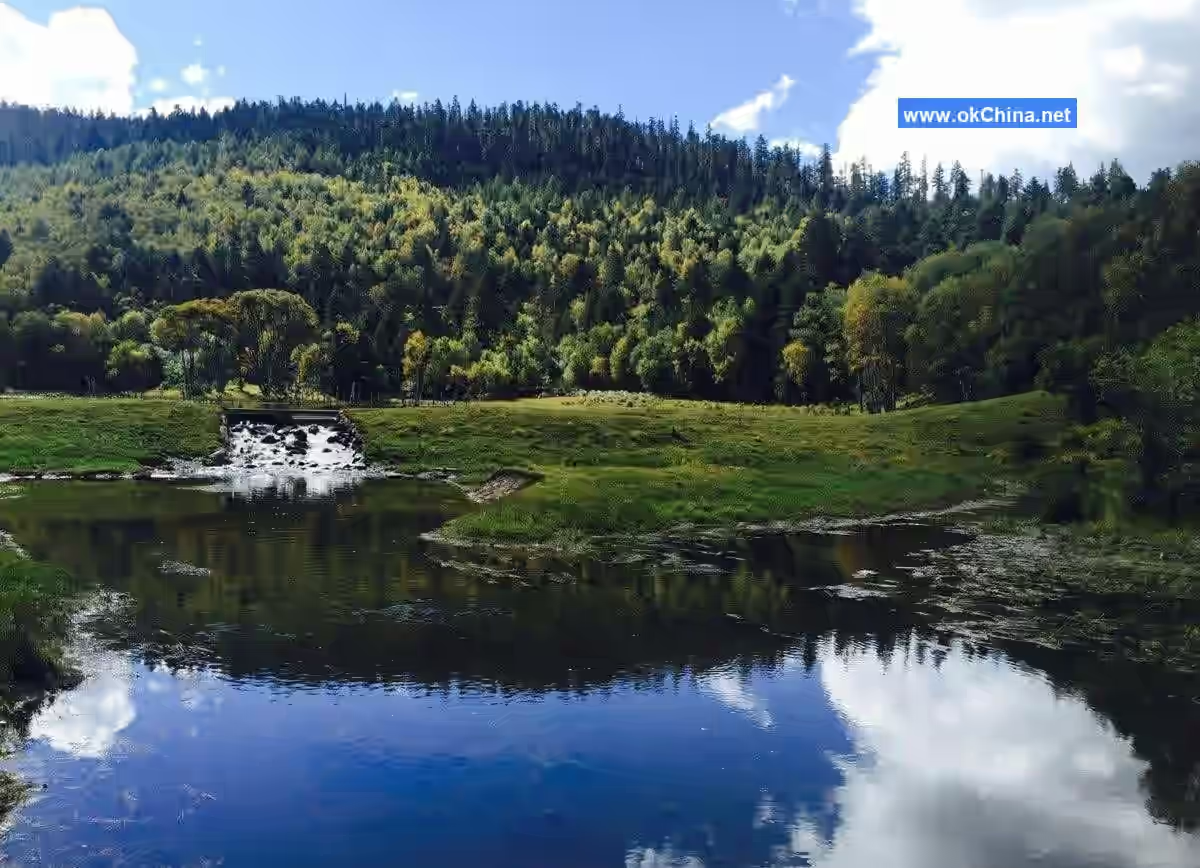
The area around Shudugang Lake is surrounded by lush green mountains and pristine forests that block out the sky. To the east of the lake are extensive white birch forests, which turn golden in autumn. The mountains are home to tall, sturdy spruce and fir trees reaching for the sky, with dense, dark green canopies providing shelter from wind and rain. The forests are inhabited by various rare birds and animals such as musk deer, bears, Tibetan eared pheasants, and lynxes.
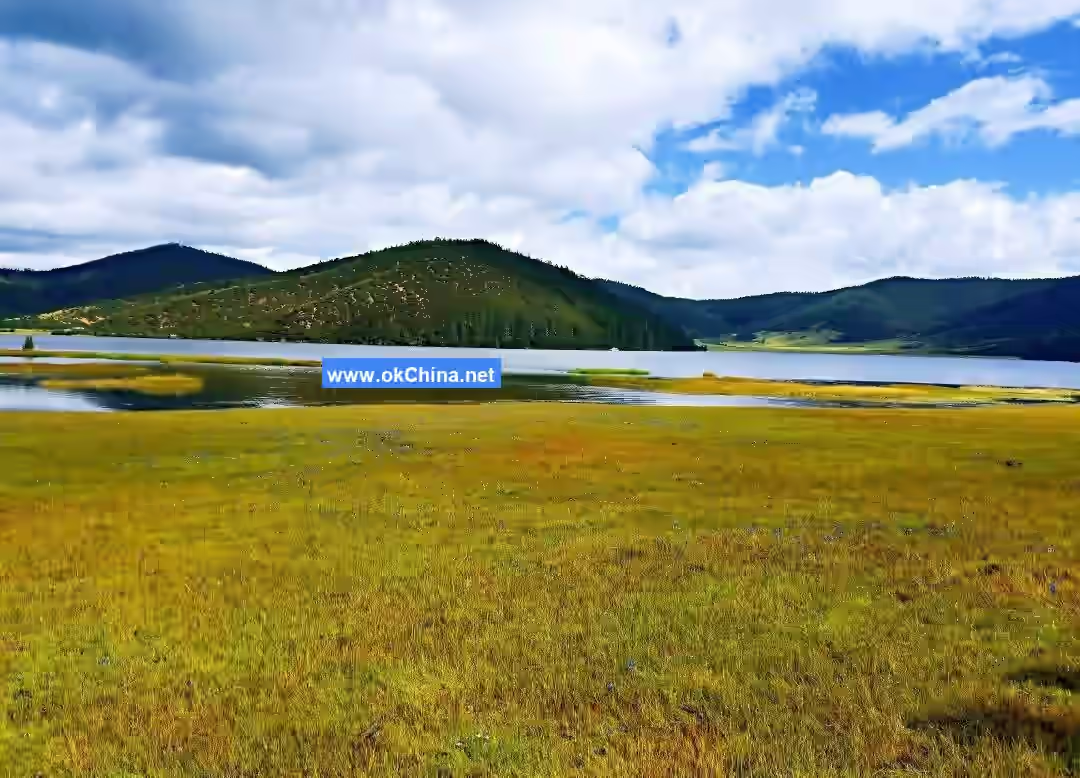
The shores of Shudugang Lake are famous pastures in Shangri-La, featuring vast grasslands with lush water and vegetation. Every spring and summer, herds of cattle and sheep graze by the lakeshore. Scattered shepherd huts dot the shoreline, backed by green mountains and facing clear waters. The sight of black cattle dots and the sound of shepherd flutes deeply convey the leisurely and carefree lifestyle of the plateau people.
Transportation to Shudugang Lake is very convenient, with rural roads leading directly to the lakeshore. Visitors can make a round trip from the city in a single day. To the southeast of Shudugang Lake lies Bita Lake, about ten kilometers away. Visitors can also reach Bita Lake via forest paths.
3.2 Bita Lake
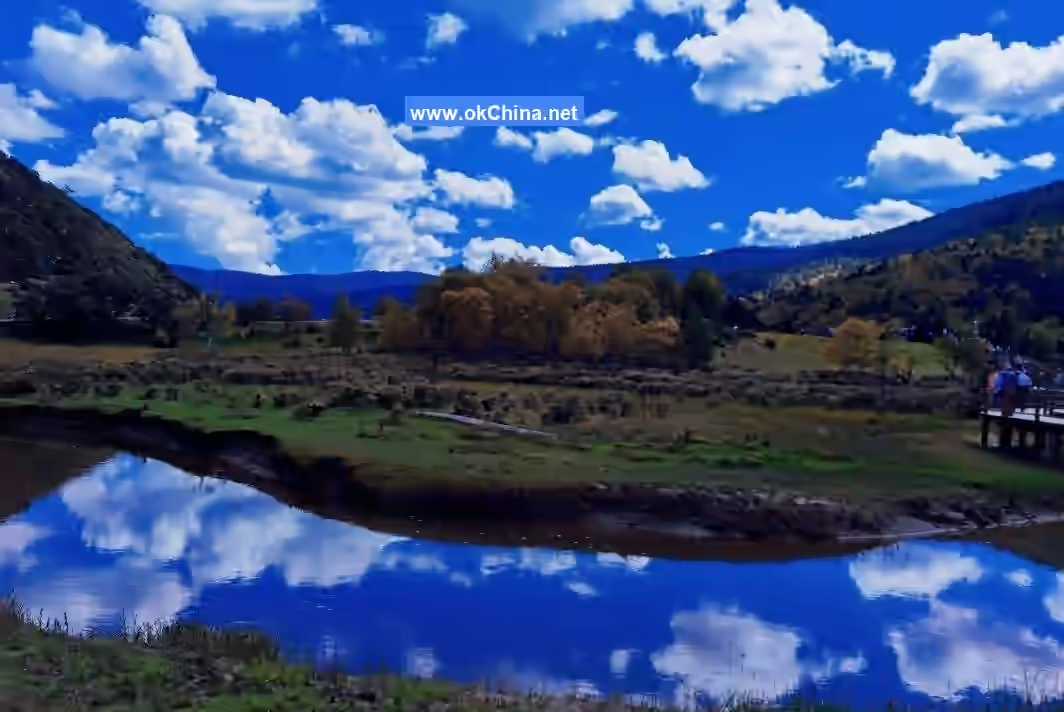
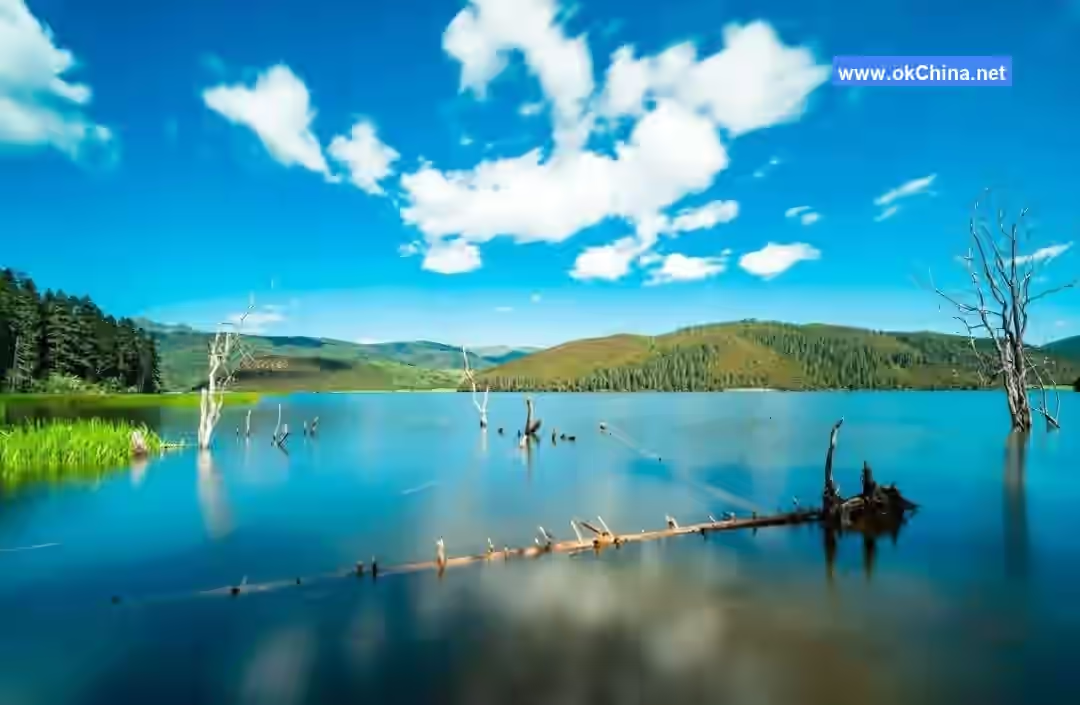
Bita Lake is one of the main scenic areas within the park, designated as a provincial-level nature reserve and an internationally important plateau freshwater lake wetland. The wetland ecosystem and the surrounding forest, marsh, and meadow ecosystems remain largely pristine. It serves as a habitat for rare fish species like the Shangri-La stone loach and provides stopover and wintering grounds for rare birds such as the black-necked crane. "Bita" in Tibetan means "oak trees forming a felt blanket," referring to the extensive oak forests and pristine woods distributed around the lake, their reflections mirrored in the water. The walking boardwalk around Bita Lake is approximately 4.4 kilometers long.
Bita Lake is a typical karst tectonic lake, formed by an east-west main fault. Large limestone outcrops are found on the northern and southern shores, while a solution remnant hill island rises 30 meters above the lake surface in the center. This "island in the lake" resembles a green hat adorning the water's surface, covered with spruce, fir, and rhododendron trees. In spring and summer, rhododendron buds burst into bloom, creating a vibrant ring of red and white flowers encircling the island. On clear, calm days, boating on the lake allows one to see the bottom over 10 meters below, where schools of "thick-lipped fish" play and swim, their patterns clearly visible.
Known as the "Pearl of the Plateau," Bita Lake's most striking features are its pagoda-like hill and the lake's clear, tranquil water. Legend has it that this is the poisonous lake mentioned in the Epic of King Gesar—during the Jiang-Ling battle at Bita Lake, amid icy, snowy conditions and朦胧 lake light, Ling Kingdom knights pursuing the enemy mistakenly rode into the lake and drowned. The victorious Jiang Kingdom attributed this to the protection of the Bita Mountain deity and built a temple on the hill to offer sacrifices.
Bita Lake's unique water, flowers, and animals create the奇异 phenomena of "drunken fish among azaleas" and "old bears fishing." Around the Dragon Boat Festival in the fifth lunar month each year, rhododendrons bloom in profusion along the lakeshore. A gentle breeze causes petals to fall into the water, attracting fish that compete to eat them. After consuming the petals, the fish appear intoxicated, first swaying in the water before floating on the surface. Some soon wake up and swim away, while others remain "sound asleep." Scientific analysis shows that rhododendron petals contain微量 toxins; consuming too many can cause昏迷 or even中毒死亡. Thus, the醉鱼 and azaleas create a奇特景观 on the lake surface. It is said that馋嘴 bears from the forest come under moonlight to捞食 the昏醉 fish.
As an important catchment area on the Qinghai-Tibet Plateau, Bita Lake receives meltwater and rainfall runoff, playing a significant role in flood control and water regulation for the middle and lower reaches of the Yangtze River. Simultaneously, the Bita Lake wetland provides a complex and完备的特殊生境 for plant and animal communities, especially endemic species with narrow distributions like the Shangri-La stone loach, nurturing rich biodiversity. Furthermore, the Bita Lake wetland ecosystem experiences minimal human disturbance, remaining largely pristine. The accumulated lake water not only replenishes the underlying aquifer, forming part of the groundwater system, but its high transparency and good water quality also create a亮丽,观赏价值极佳的高原湖泊景观.
3.3 Three Parallel Rivers
Deep within the towering mountains of the land south of the colorful clouds (Yunnan), lies a举世罕见的自然奇观—the Three Parallel Rivers. The Nu River (Salween), Lancang River (Mekong), and Jinsha River (upper Yangtze)—three mighty, torrential rivers—flow side by side from north to south through the lofty peaks of the Hengduan Mountains. Traversing ranges such as the Dandanglika Mountain, Gaoligong Mountain, Nushan Mountain, and Yunling Mountain, they form the世界上独一无二的奇特地理景观 of "rivers flowing in parallel without converging."Stepping into this magical land, the first sight that greets the eyes is the majestic grandeur of the mountains and rivers. Towering peaks stretch endlessly into the distance, their summits perpetually crowned with pristine snow that glistens with a sacred glow under the sunlight. Between the mountain ranges, three great rivers wind and coil like three giant dragons, their waters roaring and thundering with a deafening sound, as if narrating the power and passion deep within the earth. The Nu River surges with wild, untamed force, showcasing a primitive, untamed beauty; the Lancang River flows with magnificent breadth, holding within its currents the mystery of diverse cultural intermingling; the Jinsha River shimmers with golden waves, its waters carrying the sedimentation of time and the weight of history.
Walking along the plank paths by the rivers, one can intimately feel the awe-inspiring spectacle of the Three Parallel Rivers. The waters rush swiftly, with whirlpools and spray interweaving, creating a dazzling rainbow in the sunlight refracted through the mist. The cliffs and precipices on both banks are steep and perilous, adorned with jagged rocks—some like sharp swords piercing the sky, others resembling giant beasts crouching by the river—standing as witnesses to the vicissitudes of time and the millennia of erosion by the river waters.
Beyond the magnificent river landscapes, the Three Parallel Rivers region boasts a rich and diverse ecological environment. It is home to numerous rare flora and fauna, with dense, lush primeval forests and ancient trees reaching for the sky. From alpine coniferous forests to subtropical evergreen broadleaf forests, distinct vegetation zones provide ideal habitats for various wild animals. Yunnan golden monkeys leap and play among the trees, black-necked cranes dance gracefully in the wetlands, and many rare plants such as dove trees and Taiwania cryptomerioides grow silently here, composing a vibrant natural tapestry.
This land is also inhabited by several ethnic minorities, who have created unique and splendid cultures within the embrace of the Three Parallel Rivers. The joyful songs and dances of the Lisu people, the sacred religious rituals of the Tibetans, and the ancient Dongba culture of the Naxi people all shine brightly here. Visitors can enter the villages of these ethnic groups, experience their unique customs, savor traditional cuisine, and feel their simplicity and warmth, appreciating the perfect fusion of ethnic culture and natural scenery.
Whether it's hiking and exploring to uncover the mysteries of nature, sailing down the rivers to admire their majestic power, or delving into ethnic villages to experience the warmth of human culture, the Three Parallel Rivers can fulfill all your desires. This is a treasure trove of nature and humanity, where every scene is enchanting and every journey is filled with surprises. It awaits every traveler who loves adventure and yearns for natural wonders to unveil its mysterious veil, leave unforgettable memories amidst the mountains and waters, and listen to the magnificent symphony played by this natural spectacle.
4. Cultural Value
4.1 Human Stories
It is said that in Bita Lake lives a rare fish species called the "Bita double-lipped fish," an ancient fish left over from the Quaternary glacial period. Its flesh is tender and delicious, making it a standout among fish delicacies. However, since Pudacuo belongs to the Tibetan region and Tibetans practice sky burials and water burials—believing that fish consume human flesh—they do not eat fish.
The Bita double-lipped fish lives in Bita Lake, undisturbed by fishing, and typically remains deep at the lake bottom, rarely approaching the shore. Thus, the Tibetan people revere it as a divine fish, and those who catch a glimpse of it are considered exceptionally fortunate.
4.2 Myths and Legends
Legend has it that when a celestial maiden was grooming, she accidentally dropped her mirror, which shattered into many highland lakes. Bita Lake is said to be the most beautiful fragment, inlaid with an emerald. Another legend claims this is the "poisonous lake" mentioned in the Epic of King Gesar. During the Jiang-Ling war, when the battle reached Bita Lake, the icy, snowy conditions and the hazy lake light caused the Ling knights to mistakenly chase their enemies into the lake and drown. The victorious Jiang kingdom believed this was the result of the protection of the Bita Mountain deity and thus built a temple on a small hill. Some also say the island served as a summer retreat for the Naxi chieftain Mu during the Ming Dynasty, while others claim it was a temple built by treasure hunters.
4.3 Naxi Culture
The Naxi people possess a unique Dongba culture, with Dongba script being the only "living pictographic script" in the world today. These characters are古朴 (simple and unadorned) in form, resembling vivid sketches that record various aspects of Naxi history, religion, literature, and art. The Dongba scriptures are written in this script, covering myths, legends, sacrificial rituals, astronomy, geography, and more. They represent the crystallization of Naxi wisdom and hold immeasurable value for studying the development and evolution of the Naxi people.
In terms of religious beliefs, Dongba religion holds a significant place. Its sacrificial rituals are solemn and mysterious, with Dongba priests dressed in splendid attire and wearing five-Buddha crowns. They communicate with deities through chanting, dancing, painting, and other forms, praying for favorable weather and the safety of people and livestock. These rituals are not only religious activities but also concentrated displays of Naxi traditional culture, reflecting their reverence for nature and the divine.
Naxi architecture is distinctive, with the Old Town of Lijiang being a typical example. Centered around Sifang Street, the town's streets are built along waterways, and the houses are mostly wooden and earthen structures that blend architectural styles from the Han, Bai, Yi, and Tibetan ethnic groups, forming a unique layout known as "three rooms and one screen wall, four courtyards and five skylights." The Mufu (Mu Residence) is a gem among these buildings, grand in scale and exquisite in craftsmanship, showcasing the glory and splendor of the Naxi chieftain era.
Music and dance are also integral parts of Naxi culture. Naxi ancient music features melodious tunes and a variety of instruments, including some ancient Han Chinese instruments. It is like a living musical history book, passing down melodies from a thousand years ago. Meanwhile, Naxi folk dances, such as the "Da Tiao," are lively and rhythmic with simple, easy-to-learn movements. People join hands in a circle, jumping joyfully, displaying the enthusiasm and vitality of the Naxi people. This dance is often performed during festivals, celebrations, or leisure time, serving as an important way for people to bond and enjoy life. Naxi culture, with its unique charm, attracts people from all over the world to explore and appreciate it.
Comments
Post a Comment