Mount Wugong
1. Introduction
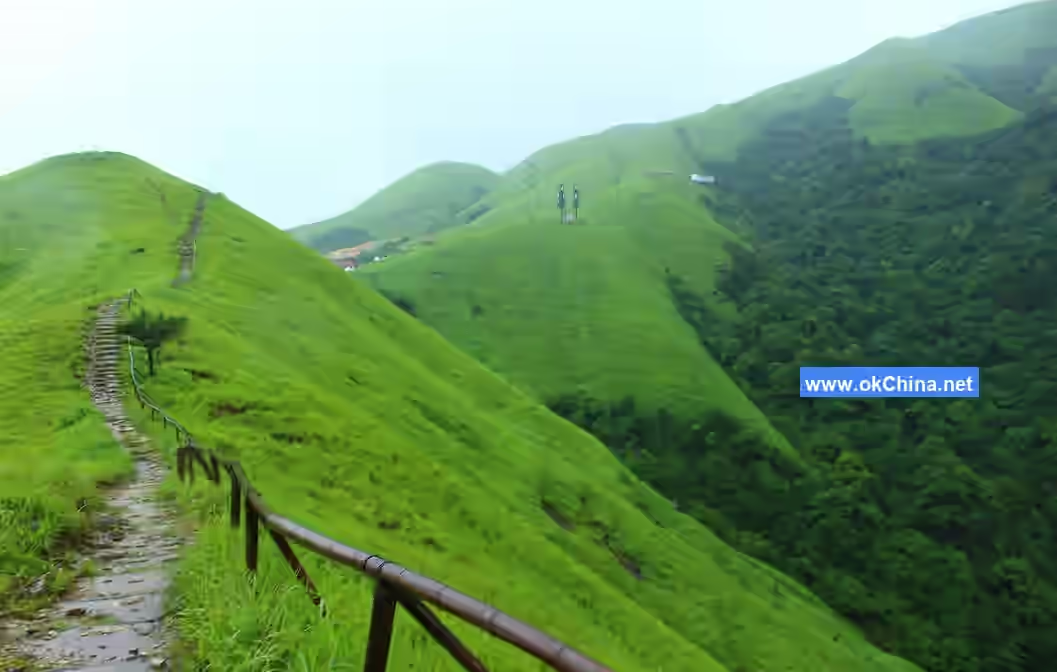
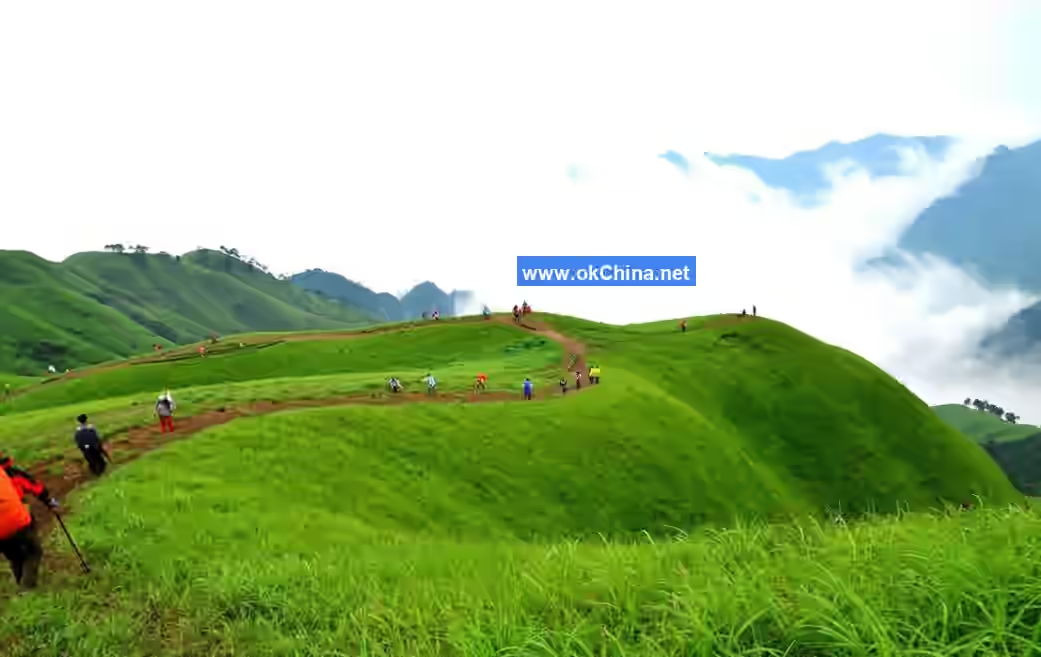
Mount Wugong, also known as Mount Luoxiao or Mount Luxiao, is located in the central-western part of Jiangxi Province, forming the northern branch of the Luoxiao Mountain Range. The mountain range stretches northeast to southwest, spanning Luxi County in Pingxiang City, Anfu County in Ji'an City, and Yuanzhou District in Yichun City, Jiangxi Province. Its main ridge extends over 120 kilometers, covering a total area of approximately 970 square kilometers.
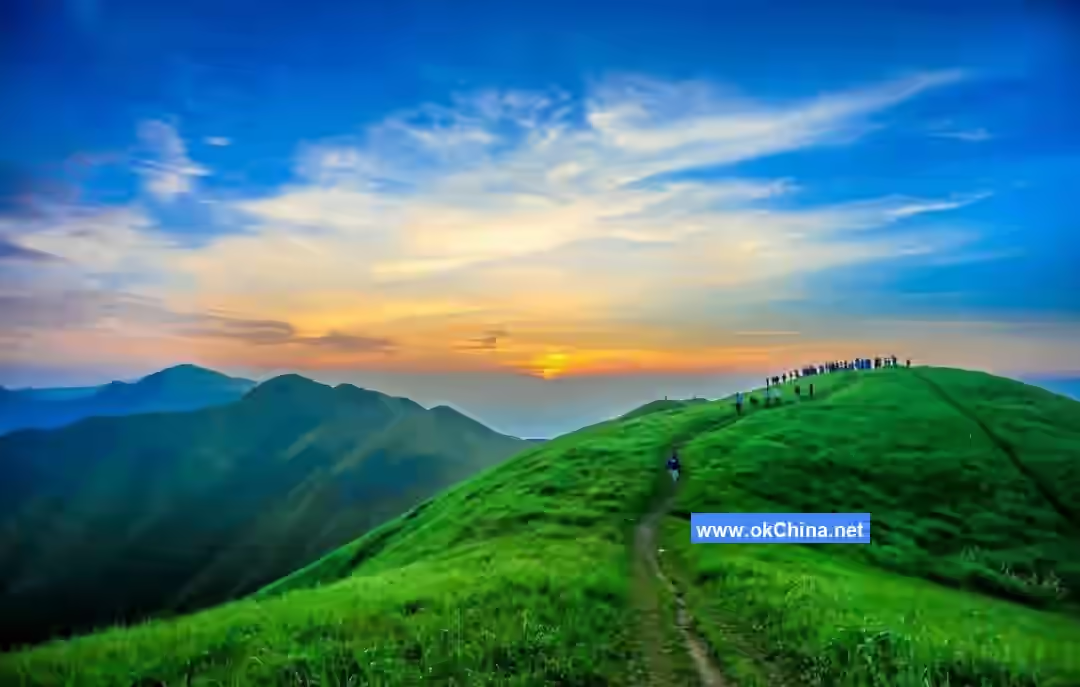
Centered around the Golden Summit, Mount Wugong has established the "Mount Wugong National Geopark" (covering about 378.3 square kilometers), the "Mount Wugong National Forest Park" (about 260 square kilometers), and the "Mount Mingyue National Forest Park" (about 136 square kilometers). The main peak, Baihe Peak (Golden Summit), stands at an elevation of 1,918.3 meters. Since the Han and Jin dynasties, Mount Wugong has been chosen by Taoist and Buddhist practitioners as a sacred land for spiritual cultivation. During the Ming Dynasty, religious activities reached their peak, with over 100 temples, halls, monasteries, and Taoist temples built on the southern and northern slopes. From the Tang and Song dynasties onwards, numerous renowned scholars and literati, drawn by its fame, have continuously visited the mountain to appreciate its scenery and compose poetry. Mount Wugong holds titles including a National Key Scenic Area of Mountainous Type, a National AAAAA Tourist Attraction, a National Scenic Area, a National Forest Park, a National Geopark, a National Natural Heritage Site, and a China Youth Outdoor Sports Camp.
In 2009, Mount Wugong was selected by Chinese National Geography as one of China's top ten "non-famous" mountains. On March 28, 2019, the "Jiangxi Mount Wugong Tourism Operational Business Entrusted Management Agreement" was signed in Nanchang, marking the end of the "one mountain, three administrations" system and the official implementation of unified management and operation. On January 7, 2020, the Mount Wugong Scenic Area in Pingxiang City, Jiangxi Province, was designated as a National 5A Tourist Attraction by the Ministry of Culture and Tourism. In March 2024, Mount Wugong was included in the UNESCO Global Geoparks Network.
2. Geographical Environment
2.1 Location and Territory
The Mount Wugong Scenic Area is situated at the junction of Pingxiang City, Yichun City, and Ji'an City in Jiangxi Province. It is a mountainous scenic area integrating cultural and natural landscapes. The section located in Pingxiang is called the Pingxiang Mount Wugong Scenic Area, the section in Yichun is called the Yichun Mount Mingyue Scenic Area, and the section in Ji'an is called the Ji'an Mount Wugong Scenic Area.
The Mount Wugong Scenic Area lies on the golden tourism belt between Hunan and Jiangxi provinces. The Shanghai-Kunming Expressway, National Highway 320, the Beijing-Kowloon Railway, and the double-track Zhejiang-Jiangxi Railway run east-west, while National Highway 319 runs north-south, forming a convenient transportation network. The scenic area features an elevation difference of 1,600 meters, characterized by unique granite and mixed rock landforms. Red soil, yellow soil, yellow-brown soil, and alpine meadows are distributed in a stepped pattern according to altitude.
2.2 Climate
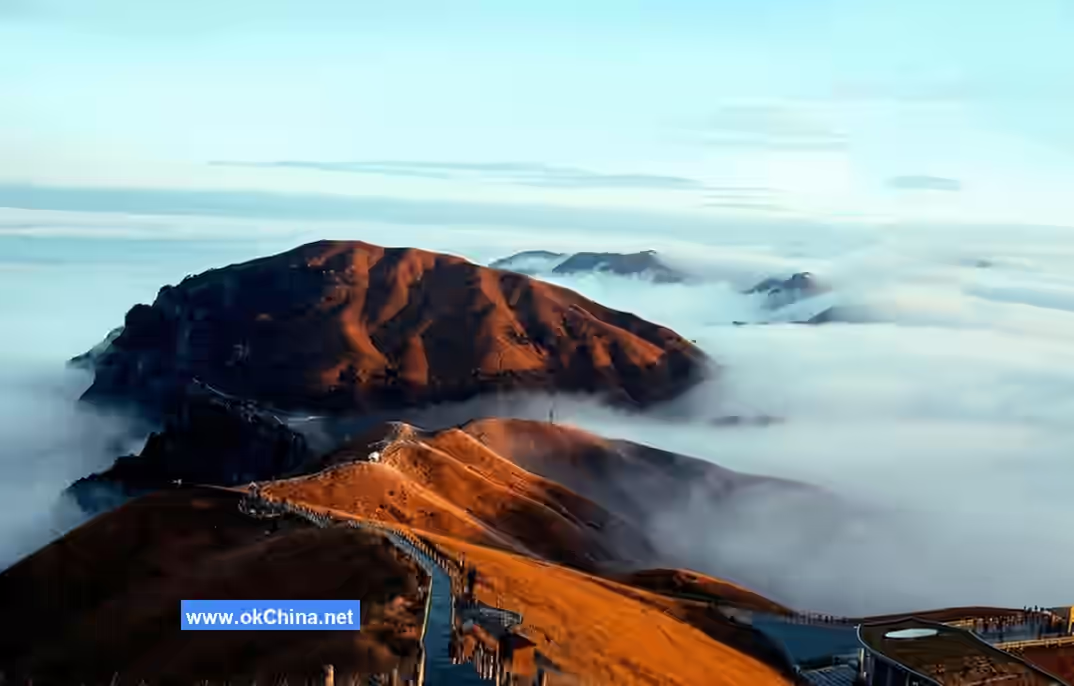
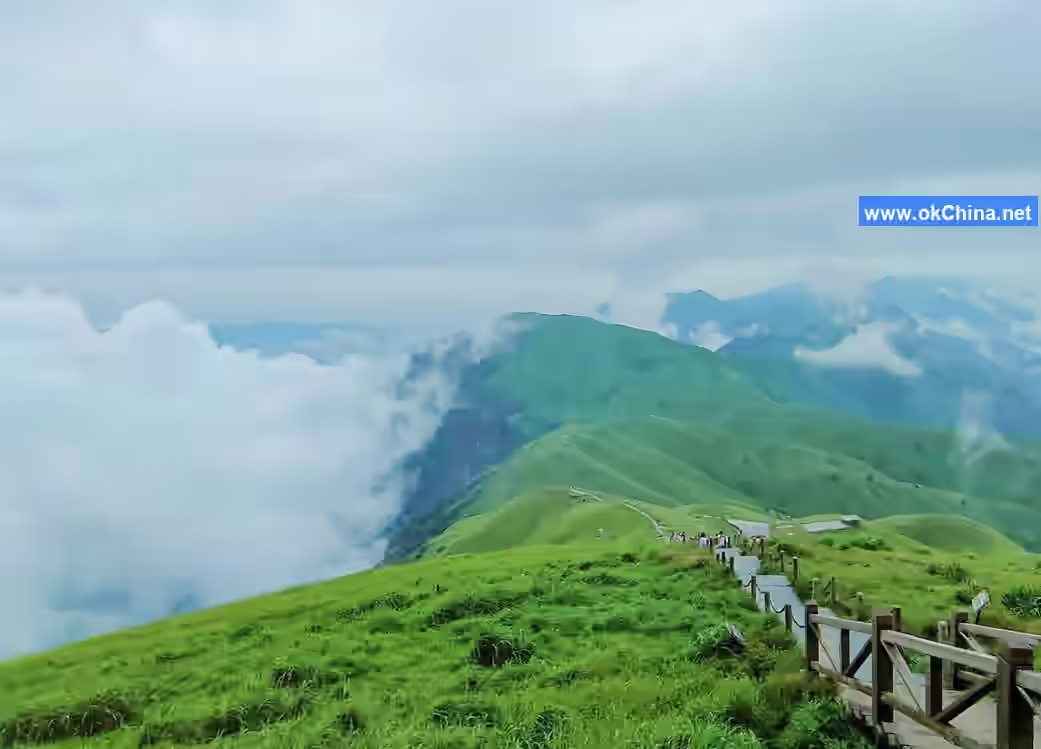
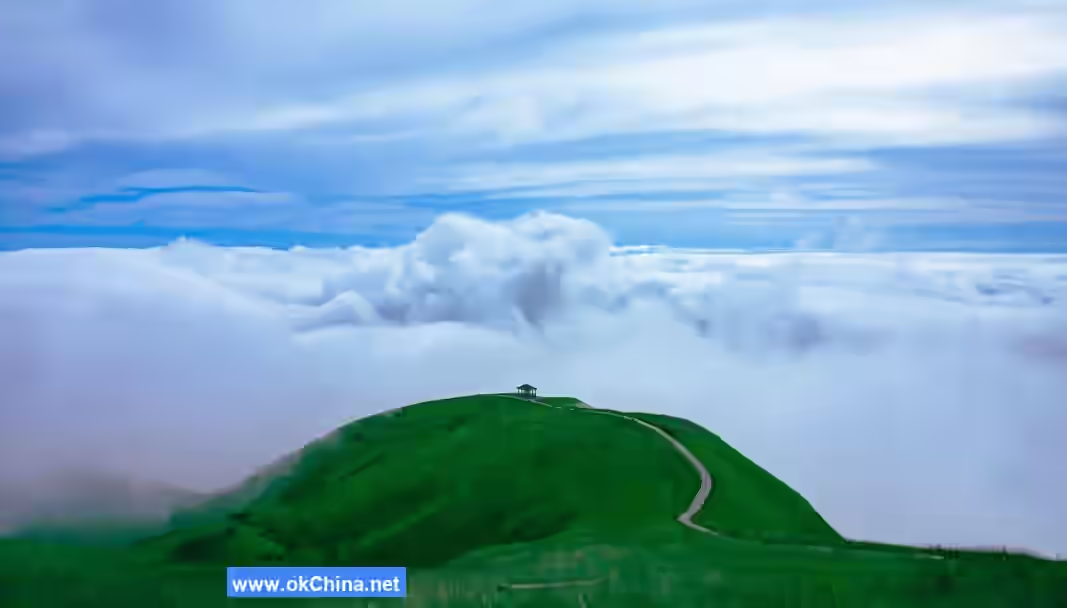
The climate of the Mount Wugong Scenic Area belongs to the central subtropical monsoon climate zone, characterized by mild temperatures, abundant rainfall, and four distinct seasons. The mountainous area experiences frequent cloud and fog, with more foggy days than Mount Lu.
2.3 Topography
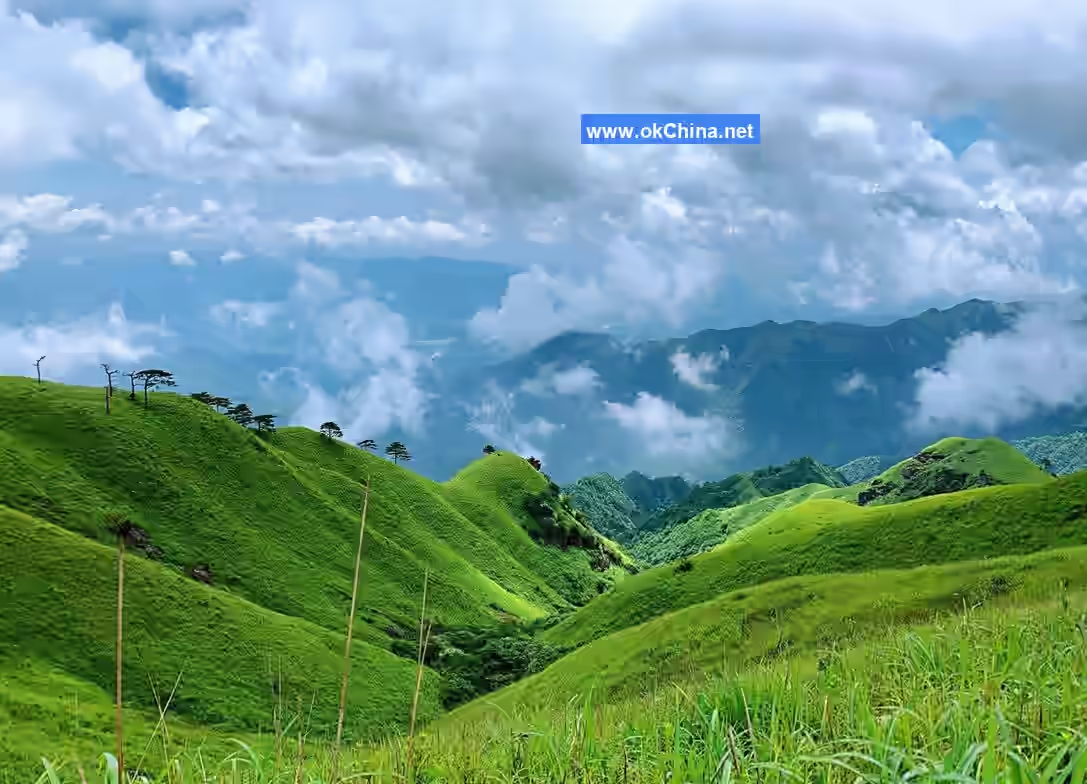
The geological structure of the Mount Wugong Scenic Area is primarily composed of granite core complex structures and peak-cliff landforms, indicating that the mountain was an isolated island in the ancient Xiang-Gan Sea. The mountain body mainly consists of gneiss, granite, and limestone, featuring steep and towering terrain. Most areas are over 1,000 meters above sea level, with many peaks exceeding 1,500 meters.
2.4 Hydrology
Within the mountains, the headwaters of rivers belonging to the Gan River basin—the Yuan River and the He River—and the Lu River (Ping River) belonging to the Xiang River basin flow through, developing multi-level river valley terraces of varying widths on both sides. The formed Yuan River and Ping River valleys also serve as important natural passages between Hunan and Jiangxi. The limestone deposits from various periods such as the Cambrian, Carboniferous, and Triassic vary in thickness, lithology, and fissure development. Consequently, surface karst features not only undulating hills and saw-toothed peaks but also isolated peaks, residual hills, sinkholes, solution grooves, and depressions. Underground, uniquely shaped and variously sized underground rivers and karst caves have formed. Additionally, glacial activity has resulted in diverse glacial erosion and accumulation landforms.
3. Main Scenic Areas
3.1 Pingxiang Mount Wugong Scenic Area
3.1.1 Yunding (Cloud Summit) Scenic Area
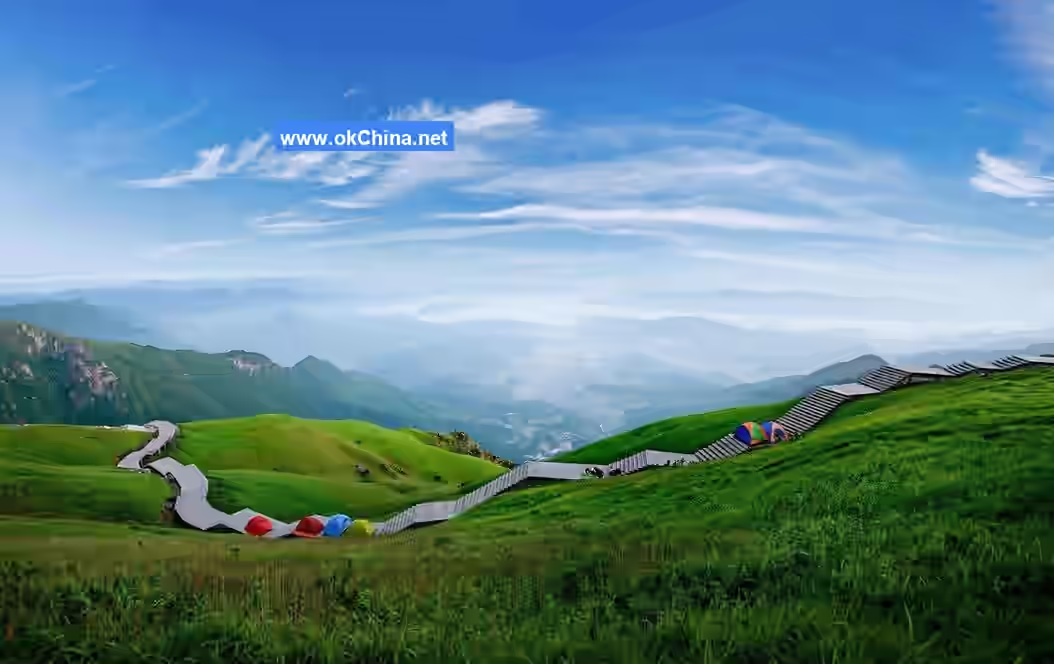
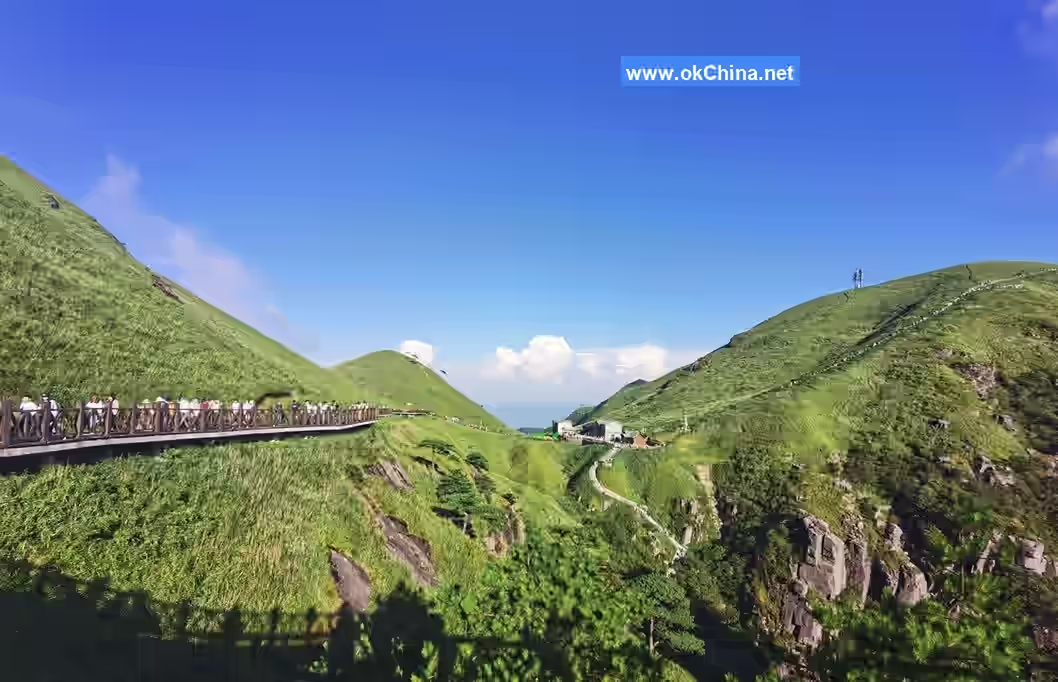
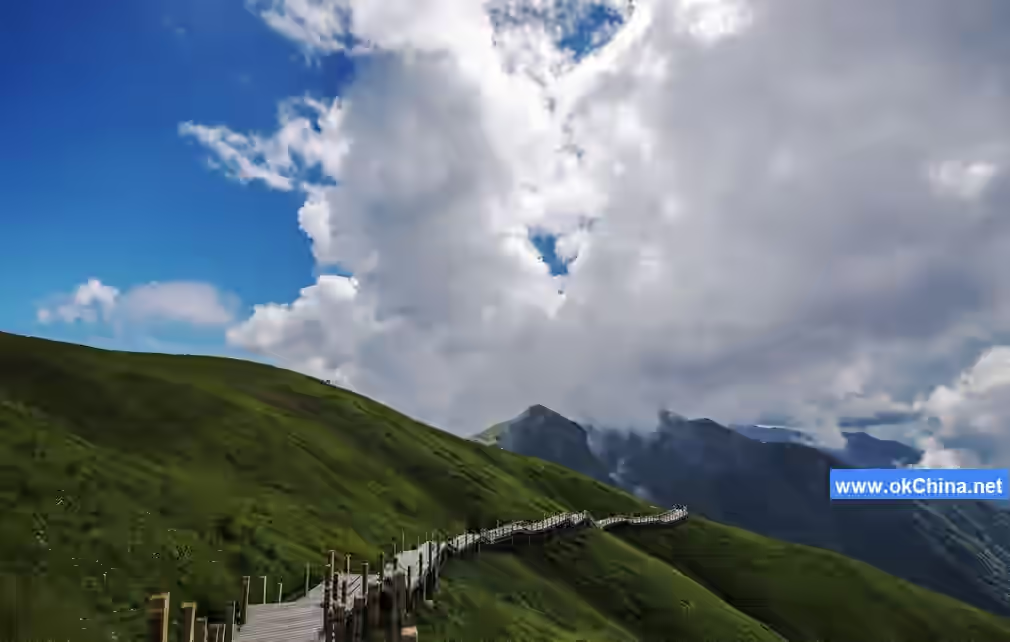
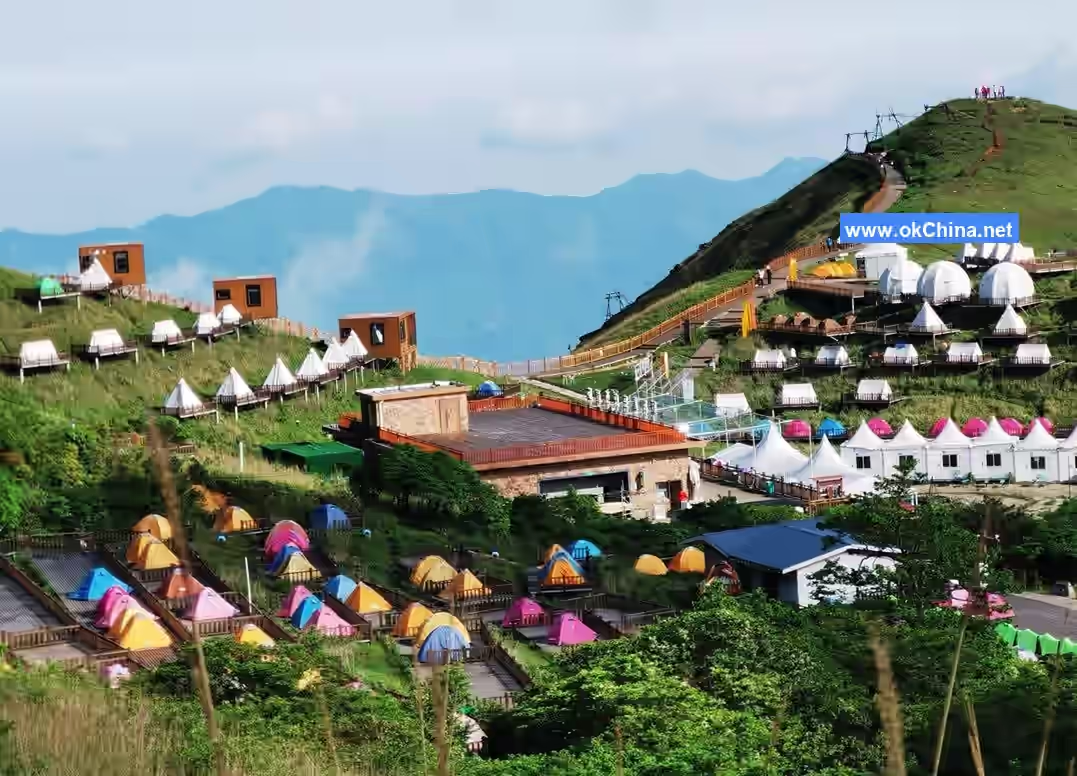
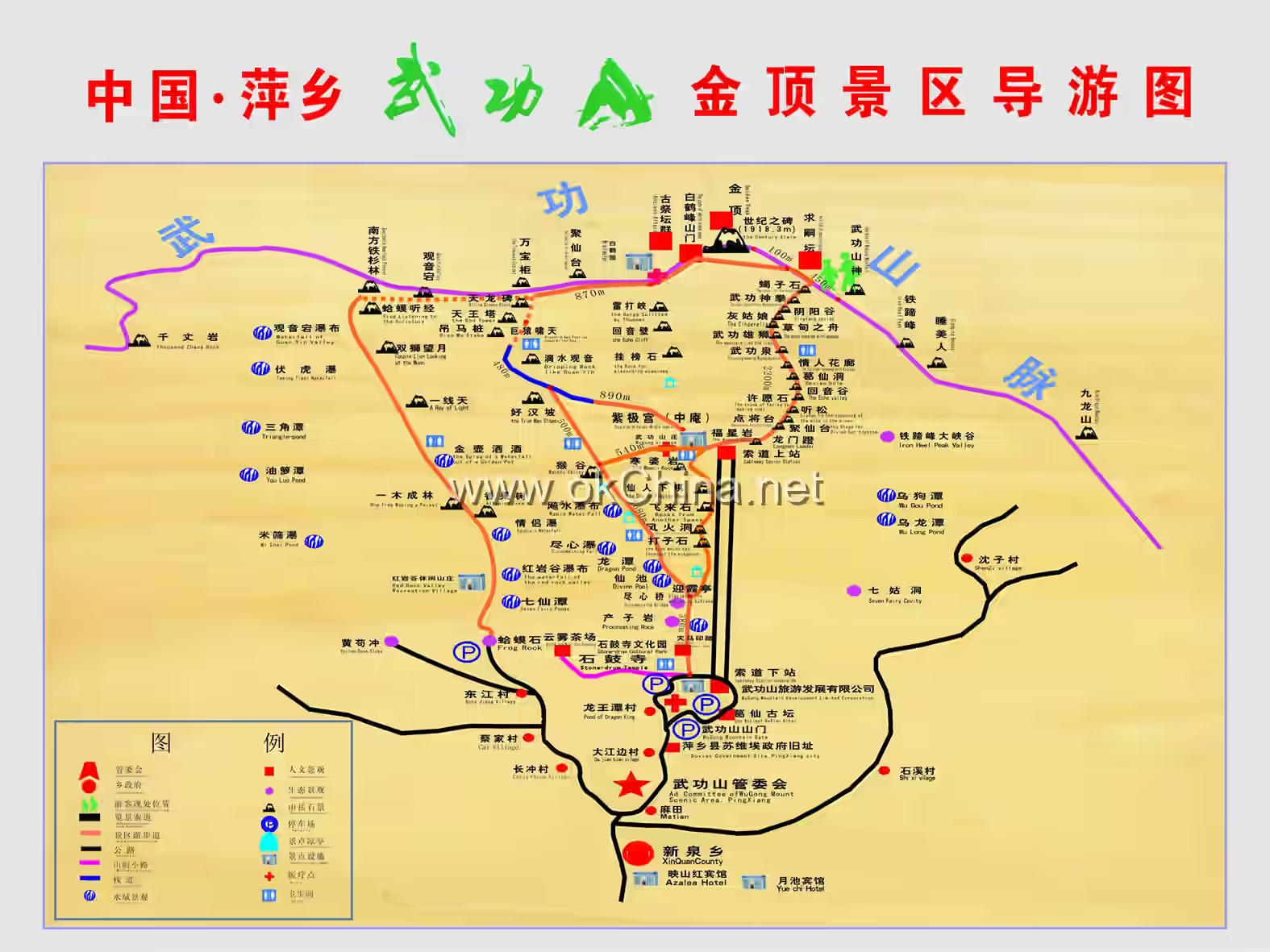
The Yunding Scenic Area of Mount Wugong is located at the northern foot of Mount Wugong in Pingxiang City, Jiangxi Province. It features natural and cultural landscapes such as Guanyin Dang, Hongyan Valley, the Yunding Plank Walk, the Jinhu Sajiu (Golden Pot Pours Wine) Waterfall, and the Husband-and-Wife Waterfall. Situated in a subtropical monsoon climate zone, Mount Wugong receives ample rainfall, has frequent clouds and heavy fog, high air humidity, and a highly developed water system. The mountains are dotted with numerous streams, springs, pools, and over 1,000 uniquely shaped waterfalls and deep pools. Some cascade down with great momentum, while others meander continuously, earning the mountain the reputation of the "Mountain of a Thousand Waterfalls." The waterfall with the greatest drop reaches 120 meters.
3.1.2 Huajianli (Flower Stream) Scenic Area
The Huajianli Scenic Area of Mount Wugong is located at the foot of Mount Wugong in Pingxiang City, Jiangxi Province. Covering an area of approximately 600 mu (about 40 hectares) with a total investment of 300 million RMB, it is a comprehensive agricultural tourism demonstration park integrating modern agricultural cultivation, seedling breeding, science education, agricultural tourism, wellness, and vacationing. The first-phase facilities, including the High-Efficiency Cultivation Hall, Dutch Model Hall, Beautiful Vegetable Village Hall, and Flower Photography Hall, opened on October 1, 2019.
3.1.3 Longxigu (Dragon Stream Valley) Scenic Area
The Longxigu Scenic Area is situated between the Pingxiang Mount Wugong Scenic Area and the Mount Mingyue Scenic Area, serving as the必经之地 connecting these two 5A-level tourist attractions. The area boasts excellent landscapes of mountains, waters, streams, and waterfalls, along with over a hundred plant species, making it a natural "forest oxygen bar." The全程徒步线路 hiking trail in Longxigu is 2.5 kilometers long, "拼接"而成 pieced together from original stone paths, wooden plank walks, and glass walkways, offering a total of 3 route options.
3.2 Ji'an Mount Wugong Scenic Area
3.2.1 Yangshimu Scenic Area
The Yangshimu Scenic Area is located at the border of Anfu County, Ji'an City, and Yichun City. It connects to Mount Mingyue in the east and Fayunjie in the west, forming part of the Mount Wugong Scenic Area - Anfu Mount Wugong Scenic Area, with a total area of 37.5 square kilometers. The highest peak in the area is Tianzi Peak, also known as "Stone Bamboo Shoot Peak," at 1,764 meters. Along with the Golden Summit of Mount Wugong, the highest peak in Jiangxi Province, they are called the "Sister Peaks."
As a newly developed scenic area, Yangshimu now features over a hundred developed景观. With its unique geography and geology, it has become one of the most prominent scenic spots in central Jiangxi. Peculiar peaks and strange rocks, ancient trees and famous flowers, flowing springs and flying waterfalls, and seas of clouds and misty waves are known as the "Four Wonders" of Yangshimu, along with the rare "Buddha's Halo." The area is dominated by granite peak forest landforms, diverse and majestic, often called the "Little Huangshan." The unique wonders of Wugong are concentrated here, and the scenery is all within Yangshimu. Yangshimu conceals beauty within beauty and wonder within wonder. The Buddha's Halo, sea of clouds, sunrise, and sunset glow are breathtakingly beautiful, making visitors feel as if they have entered a fairyland. The famous two "Peaks" and five "Fu (Blessing)" wonders within the area are awe-inspiring. Simultaneously, they coincide with the traditional Chinese Taoist and Buddhist "Fu" culture,处处彰显处处彰显处处彰显处处彰显处处彰显处处彰显处处彰显处处彰显处处彰显处处彰显处处彰显处处彰显处处彰显处处彰显处处彰显处处彰显处处彰显处处彰显处处彰显处处彰显处处彰显处处彰显处处彰显处处彰显处处彰显处处彰显处处彰显处处彰显处处彰显处处彰显处处彰显处处彰显处处彰显处处彰显处处彰显处处彰显处处彰显处处彰显处处彰显处处彰显处处彰显处处彰显处处彰显处处彰显处处彰显处处彰显处处彰显处处彰显处处彰显处处彰显处处彰显处处彰显处处彰显处处彰显处处彰显处处彰显处处彰显处处彰显处处彰显处处彰显处处彰显处处彰显处处彰显处处彰显处处彰显处处彰显处处彰显处处彰显处处彰显处处彰显处处彰显处处彰显处处彰显处处彰显处处彰显处处彰显处处彰显处处彰显处处彰显处处彰显处处彰显处处彰显处处彰显处处彰显处处彰显处处彰显处处彰显处处彰显处处彰显处处彰显处处彰显处处彰显处处彰显处处彰显处处彰显处处彰显处处彰显处处彰显处处彰显处处彰显处处彰显处处彰显处处彰显处处彰显处处彰显处处彰显处处彰显处处彰显处处彰显处处彰显处处彰显处处彰显处处彰显处处彰显处处彰显处处彰显处处彰显处处彰显处处彰显处处彰显处处彰显处处彰显处处彰显处处彰显处处彰显处处彰显处处彰显处处彰显处处彰显处处彰显处处彰显处处彰显处处彰显处处彰显处处彰显处处彰显处处彰显处处彰显处处彰显处处彰显处处彰显处处彰显处处彰显处处彰显处处彰显处处彰显处处彰显处处彰显处处彰显处处彰显处处彰显处处彰显处处彰显处处彰显处处彰显处处彰显处处彰显处处彰显处处彰显处处彰显处处彰显处处彰显处处彰显处处彰显处处彰显处处彰显处处彰显处处彰显处处彰显处处彰显处处彰显处处彰显处处彰显处处彰显处处彰显处处彰显处处彰显处处彰显处处彰显处处彰显处处彰显处处彰显处处彰显处处彰显处处彰显处处彰显处处彰显处处彰显处处彰显处处彰显处处彰显处处彰显处处彰显处处彰显处处彰显处处彰显处处彰显处处彰显处处彰显处处彰显处处彰显处处彰显处处彰显处处彰显处处彰显处处彰显处处彰显处处彰显处处彰显处处彰显处处彰显处处彰显处处彰显处处彰显处处彰显处处彰显处处彰显处处彰显处处彰显处处彰显处处彰显处处彰显处处彰显处处彰显处处彰显处处彰显处处彰显处处彰显处处彰显处处彰显处处彰显处处彰显处处彰显处处彰显处处彰显处处彰显处处彰显处处彰显处处彰显处处彰显处处彰显处处彰显处处彰显处处彰显处处彰显处处彰显处处彰显处处彰显处处彰显处处彰显处处彰显处处彰显处处彰显处处彰显处处彰显处处彰显处处彰显处处彰显处处彰显处处彰显处处彰显处处彰显处处彰显处处彰显处处彰显处处彰显处处彰显处处彰显处处彰显处处彰显处处彰显处处彰显处处彰显处处彰显处处彰显处处彰显处处彰显处处彰显处处彰显处处彰显处处彰显处处彰显处处彰显处处彰显处处彰显处处彰显处处彰显处处彰显处处彰显处处彰显处处彰显处处彰显处处彰显处处彰显处处彰显处处彰显处处彰显处处彰显处处彰显处处彰显处处彰显处处彰显处处彰显处处彰显处处彰显处处彰显处处彰显处处彰显处处彰显处处彰显处处彰显处处彰显处处彰显处处彰显处处彰显处处彰显处处彰显处处彰显处处彰显处处彰显处处彰显处处彰显处处彰显处处彰显处处彰显处处彰显处处彰显处处彰显处处彰显处处彰显处处彰显处处彰显处处彰显处处彰显处处彰显处处彰显处处彰显处处彰显处处彰显处处彰显处处彰显处处彰显处处彰显处处彰显处处彰显处处彰显处处彰显处处彰显处处彰显处处彰显处处彰显处处彰显处处彰显处处彰显处处彰显处处彰显处处彰显处处彰显处处彰显处处彰显处处彰显处处彰显处处彰显处处彰显处处彰显处处彰显处处彰显处处彰显处处彰显处处彰显处处彰显处处彰显处处彰显处处彰显处处彰显处处彰显处处彰显处处彰显处处彰显处处彰显处处彰显处处彰显处处彰显处处彰显处处彰显处处彰显处处彰显处处彰显处处彰显处处彰显处处彰显处处彰显处处彰显处处彰显处处彰显处处彰显处处彰显处处彰显处处彰显处处彰显处处彰显处处彰显处处彰显处处彰显处处彰显处处彰显处处彰显处处彰显处处彰显处处彰显处处彰显处处彰显处处彰显处处彰显处处彰显处处彰显处处彰显处处彰显处处彰显处处彰显处处彰显处处彰显处处彰显处处彰显处处彰显处处彰显处处彰显处处彰显处处彰显处处彰显处处彰显处处彰显处处彰显处处彰显处处彰显处处彰显处处彰显处处彰显处处彰显处处彰显处处彰显处处彰显处处彰显处处彰显处处彰显处处彰显处处彰显处处彰显处处彰显处处彰显处处彰显处处彰显处处彰显处处彰显处处彰显处处彰显处处彰显处处彰显处处彰显处处彰显处处彰显处处彰显处处彰显处处彰显处处彰显处处彰显处处彰显处处彰显处处彰显处处彰显处处彰显处处彰显处处彰显处处彰显处处彰显处处彰显处处彰显处处彰显处处彰显处处彰显处处彰显处处彰显处处彰显处处彰显处处彰显处处彰显处处彰显处处彰显处处彰显处处彰显处处彰显处处彰显处处彰显处处彰显处处彰显处处彰显处处彰显处处彰显处处彰显处处彰显处处彰显处处彰显处处彰显处处彰显处处彰显处处彰显处处彰显处处彰显处处彰显处处彰显处处彰显处处彰显处处彰显处处彰显处处彰显处处彰显处处彰显处处彰显处处彰显处处彰显处处彰显处处彰显处处彰显处处彰显处处彰显处处彰显处处彰显处处彰显处处彰显处处彰显处处彰显处处彰显处处彰显处处彰显处处彰显处处彰显处处彰显处处彰显处处彰显处处彰显处处彰显处处彰显处处彰显处处彰显处处彰显处处彰显处处彰显处处彰显处处彰显处处彰显处处彰显处处彰显处处彰显处处彰显处处彰显处处彰显处处彰显处处彰显处处彰显处处彰显处处彰显处处彰显处处彰显处处彰显处处彰显处处彰显处处彰显处处彰显处处彰显处处彰显处处彰显处处彰显处处彰显处处彰显处处彰显处处彰显处处彰显处处彰显处处彰显处处彰显处处彰显处处彰显处处彰显处处彰显处处彰显处处彰显处处彰显处处彰显处处彰显处处彰显处处彰显处处彰显处处彰显处处彰显处处彰显处处彰显处处彰显处处彰显处处彰显处处彰显处处彰显处处彰显处处彰显处处彰显处处彰显处处彰显处处彰显处处彰显处处彰显处处彰显处处彰显处处彰显处处彰显处处彰显处处彰显处处彰显处处彰显处处彰显处处彰显处处彰显处处彰显处处彰显处处彰显处处彰显处处彰显处处彰显处处彰显处处彰显处处彰显处处彰显处处彰显处处彰显处处彰显处处彰显处处彰显处处彰显处处彰显处处彰显处处彰显处处彰显处处彰显处处彰显处处彰显处处彰显处处彰显处处彰显处处彰显处处彰显处处彰显处处彰显处处彰显处处彰显处处彰显处处彰显处处彰显处处彰显处处彰显处处彰显处处彰显处处彰显处处彰显处处彰显处处彰显处处彰显处处彰显处处彰显处处彰显处处彰显处处彰显处处彰显处处彰显处处彰显处处彰显处处彰显处处彰显处处彰显处处彰显处处彰显处处彰显处处彰显处处彰显处处彰显处处彰显处处彰显处处彰显处处彰显处处彰显处处彰显处处彰显处处彰显处处彰显处处彰显处处彰显处处彰显处处彰显处处彰显处处彰显处处彰显处处彰显处处彰显处处彰显处处彰显处处彰显处处彰显处处彰显处处彰显处处彰显处处彰显处处彰显处处彰显处处彰显处处彰显处处彰显处处彰显处处彰显处处彰显处处彰显处处彰显处处彰显处处彰显处处彰显处处彰显处处彰显处处彰显处处彰显处处彰显处处彰显处处彰显处处彰显处处彰显处处彰显处处彰显处处彰显处处彰显处处彰显处处彰显处处彰显处处彰显处处彰显处处彰显处处彰显处处彰显处处彰显处处彰显处处彰显处处彰显处处彰显处处彰显处处彰显处处彰显处处彰显处处彰显处处彰显处处彰显处处彰显处处彰显处处彰显处处彰显处处彰显处处彰显处处彰显处处彰显处处彰显处处彰显处处彰显处处彰显处处彰显处处彰显处处彰显处处彰显处处彰显处处彰显处处彰显处处彰显处处彰显处处彰显处处彰显处处彰显处处彰显处处彰显处处彰显处处彰显处处彰显处处彰显处处彰显处处彰显处处彰显处处彰显处处彰显处处彰显处处彰显处处彰显处处彰显处处彰显处处彰显处处彰显处处彰显处处彰显处处彰显处处彰显处处彰显处处彰显处处彰显处处彰显处处彰显处处彰显处处彰显处处彰显处处彰显处处彰显处处彰显处处彰显处处彰显处处彰显处处彰显处处彰显处处彰显处处彰显处处彰显处处彰显处处彰显处处彰显处处彰显处处彰显处处彰显处处彰显处处彰显处处彰显处处彰显处处彰显处处彰显处处彰显处处彰显处处彰显处处彰显处处彰显处处彰显处处彰显处处彰显处处彰显处处彰显处处彰显处处彰显处处彰显处处彰显处处彰显处处彰显处处彰显处处彰显处处彰显处处彰显处处彰显处处彰显处处彰显处处彰显处处彰显处处彰显处处彰显处处彰显处处彰显处处彰显处处彰显处处彰显处处彰显处处彰显处处彰显处处彰显处处彰显处处彰显处处彰显处处彰显处处彰显处处彰显处处彰显处处彰显处处彰显处处彰显处处彰显处处彰显处处彰显处处彰显处处彰显处处彰显处处彰显处处彰显处处彰显处处彰显处处彰显处处彰显处处彰显处处彰显处处彰显处处彰显处处彰显处处彰显处处彰显处处彰显处处彰显处处彰显处处彰显处处彰显处处彰显处处彰显处处彰显处处彰显处处彰显处处彰显处处彰显处处彰显处处彰显处处彰显处处彰显处处彰显处处彰显处处彰显处处彰显处处彰显处处彰显处处彰显处处彰显处处彰显处处彰显处处彰显处处彰显处处彰显处处彰显处处彰显处处彰显处处彰显处处彰显处处彰显处处彰显处处彰显处处彰显处处彰显处处彰显处处彰显处处彰显处处彰显处处彰显处处彰显处处彰显处处彰显处处彰显处处彰显处处彰显处处彰显处处彰显处处彰显处处彰显处处彰显处处彰显处处彰显处处彰显处处彰显处处彰显处处彰显处处彰显处处彰显处处彰显处处彰显处处彰显处处彰显处处彰显处处彰显处处彰显处处彰显处处彰显处处彰显处处彰显处处彰显处处彰显处处彰显处处彰显处处彰显处处彰显处处彰显处处彰显处处彰显处处彰显处处彰显处处彰显处处彰显处处彰显处处彰显处处彰显处处彰显处处彰显处处彰显处处彰显处处彰显处处彰显处处彰显处处彰显处处彰显处处彰显处处彰显处处彰显处处彰显处处彰显处处彰显处处彰显处处彰显处处彰显处处彰显处处彰显处处彰显处处彰显处处彰显处处彰显处处彰显处处彰显处处彰显处处彰显处处彰显处处彰显处处彰显处处彰显处处彰显处处彰显处处彰显处处彰显处处彰显处处彰显处处彰显处处彰显处处彰显处处彰显处处彰显处处彰显处处彰显处处彰显处处彰显处处彰显处处彰显处处彰显处处彰显处处彰显处处彰显处处彰显处处彰显处处彰显处处彰显处处彰显处处彰显处处彰显处处彰显处处彰显处处彰显处处彰显处处彰显处处彰显处处彰显处处彰显#### 3.2.6 Wugong Mountain Hot Spring Villa The Wugong Mountain Hot Spring Villa is located in Wenjia Village, Taishan Township, Anfu County, at the foot of Wugong Mountain in the western section of the Luoxiao Mountain Range in Jiangxi. It is one of the scenic spots of Wugong Mountain and was rated as an AAA-level tourist attraction by the National Tourism Administration in 2008. The villa is divided into a guest reception area and a hot spring bathing area. The guest reception area includes three-star hotel accommodations, restaurants, large, medium, and small conference rooms, a music tea house, and an outdoor swimming pool. The hot spring bathing area includes the Fushou (Fortune and Longevity) Hot Spring Pools, a hot spring wave swimming pool, a "Bullet Rain" pool, a waterfall pool, a whirlpool, a waterbed massage pool, a floating pool, a foot massage pool, an indoor hot spring wave pool, dry sauna, and more.
3.2.7 Wugong Lake Scenic Area
Wugong Lake is located within the Anfu scenic area of Jiangxi's Wugong Mountain. It is one of the twenty-four large reservoirs in Jiangxi Province, with a storage capacity of 170 million cubic meters and a water area of over 20,000 mu. It is an important component of the Anfu Wugong Mountain National Forest Park scenic area, with a surface area of 11.5 square kilometers. The scenic area features numerous lake bays and islands, is surrounded by mountains, and boasts a beautiful environment characterized by dark green mountains and a serene lake, along with picturesque lake and island scenery.
3.3 Yichun Mingyue Mountain Scenic Area
The Mingyue Mountain Tourist Area is located 31 kilometers southwest of Yuanzhou District, Yichun City, with a planned area of 136 square kilometers and a core scenic area of 80 square kilometers. It belongs to the northeastern foothills of Wugong Mountain. The area is primarily known for its "peculiar peaks and perilous ravines, hot springs and flying waterfalls, rare flora and fauna, and Zen Buddhist culture." It is a mountainous scenic spot that integrates "ecological tourism, leisure vacations, popular science education, and religious tourism." It is mainly composed of over ten peaks with elevations exceeding 1,000 meters, including Taiping Mountain, Yujing Mountain, Lao Mountain, and Yang Mountain. The main peak, Taiping Mountain, stands at 1735.6 meters. Because the entire mountain range forms a semicircle resembling a half-moon, it is called Mingyue (Bright Moon) Mountain. The main scenic spots are listed as follows: Yungu Flying Waterfall, Wuyun Cliff, Ruiqing Pagoda, Natural Stone Scenery Group, Yangshan Tomb Pagoda Group, Puyue Pagoda, and the Natural Botanical Garden.
4. Cultural History
4.1 Origin of the Mountain's Name
Li Daoyuan's Commentary on the Water Classic: Lushan River states: "In ancient times, when Yu the Great controlled the floods, he reached this place and carved stones to record his achievements."
According to historical records such as the Ming Dynasty's Wugong Mountain Annals and Records of Famous Mountains Under Heaven, the naming of Wugong Mountain is intricately linked to Taoist legends.
It is recorded that Wugong Mountain was originally named "Zi Mountain." The character "Zi" (兹) in ancient classical Chinese is interchangeable with "Zi" (滋), meaning lush vegetation. The area north of the mountain, Yuanzhou, referred to it as "Luoxiao Mountain."
"Luxiao" (泸潇) and "Luoxiao" (罗霄) are similar in pronunciation, a variation arising from different dialect pronunciations and written representations, but both refer to a high mountain and large cave west of the Golden Summit (present-day "Luoxiao Cave"). Legend has it that in ancient times, two Taoist practitioners named "Lu" (or "Luo") and "Xiao" (or "Xiao") once lived in seclusion and cultivated themselves here. Residents from the south and north of the mountain, according to their local accents, named this cave "Luoxiao Cave" and "Luxiao Cave" respectively.
Thus, "Luoxiao Mountain" and "Luxiao Mountain" got their names, and the entire "Luoxiao Mountain Range" is also named after this (though there are other theories regarding the origin of the Luoxiao Mountain Range's name).
The Luoxiao Cave is also the source of the "Lu River" (also known as "Xiu River" or "Yuan River") belonging to the Gan River system and the "Xiao River" (also known as "Ping River" or "Lu River") belonging to the Xiang River system. A single water source divides two boundaries, which is considered a marvel of the world.
During the Jin Dynasty, a couple named Wu from Sichuan, having heard of its fame, traveled far to this place to cultivate themselves. From then on, "Luoxiao Mountain" and "Luxiao Mountain" also became known as "Wugong Mountain" (武公山).
During the Chen Dynasty of the Southern Dynasties, General Ouyang Wei led troops to assist Emperor Wu of Chen (Chen Baxian) in suppressing the Hou Jing rebellion. Passing by "Wugong Mountain," he prayed and received a dream where the martial immortal (武仙人) bestowed upon him strategies to quell the rebellion. Later, Emperor Wu of Chen, having achieved his imperial ambitions, was grateful for the divine assistance from the mountain's spirits and ordered it to be bestowed the name "Wugong" (武功). From then on, "Wugong Mountain" replaced all other names and has been celebrated throughout history.
4.2 Historical Culture
Three Kingdoms Period (220–280 AD): A Taoist site was already established on Wudang Mountain.
Jin Dynasty (265–420 AD): A couple named Wu from Sichuan, having heard of its fame, traveled far to this place to cultivate themselves. From then on, "Luoxiao Mountain" and "Luxiao Mountain" also became known as "Wugong Mountain."
Chen Dynasty of the Southern Dynasties (557–589 AD): General Ouyang Wei led troops to assist Emperor Wu of Chen (Chen Baxian) in suppressing the Hou Jing rebellion. Passing by "Wugong Mountain," he prayed and received a dream where the martial immortal bestowed upon him strategies to quell the rebellion. Later, Emperor Wu of Chen, having achieved his imperial ambitions, was grateful for the divine assistance from the mountain's spirits and ordered it to be bestowed the name "Wugong." From then on, "Wugong Mountain" replaced all other names and has been celebrated throughout history.
Emperor Jiajing of the Ming Dynasty, Zhu Houcong (1507–1567): Once dispatched an imperial envoy to offer incense at the Three Heavenly Gates (三天门), greatly enhancing the fame of Wugong throughout the land. Liu Jian of the Ming Dynasty wrote in Records of Wugong: "There are three pillars of the southeastern sky, namely Heng, Lu, and Wugong. Heng is the head, Lu the tail, and Wugong the middle... It is a supreme landscape between heaven and earth, a blessed land for immortals." The famous Ming Dynasty traveler Xu Xiake, after visiting Wugong Mountain, wrote and composed a poem titled Travels in Wugong (recorded in Ming Unified Gazetteer: Arts and Literature), greatly admiring the scenery of Wugong Mountain. The famous line "A thousand peaks towering like jade hairpins, the Five Ridges are comparable to Wugong Mountain" has become the best calling card for Wugong Mountain.
4.3 Taoist Culture
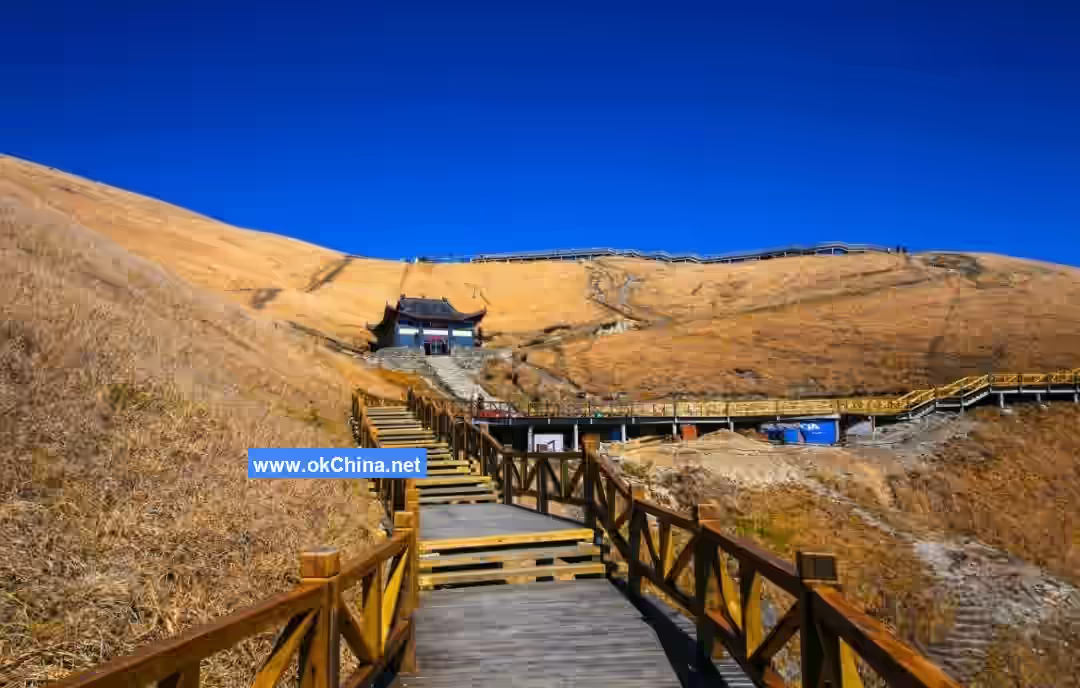
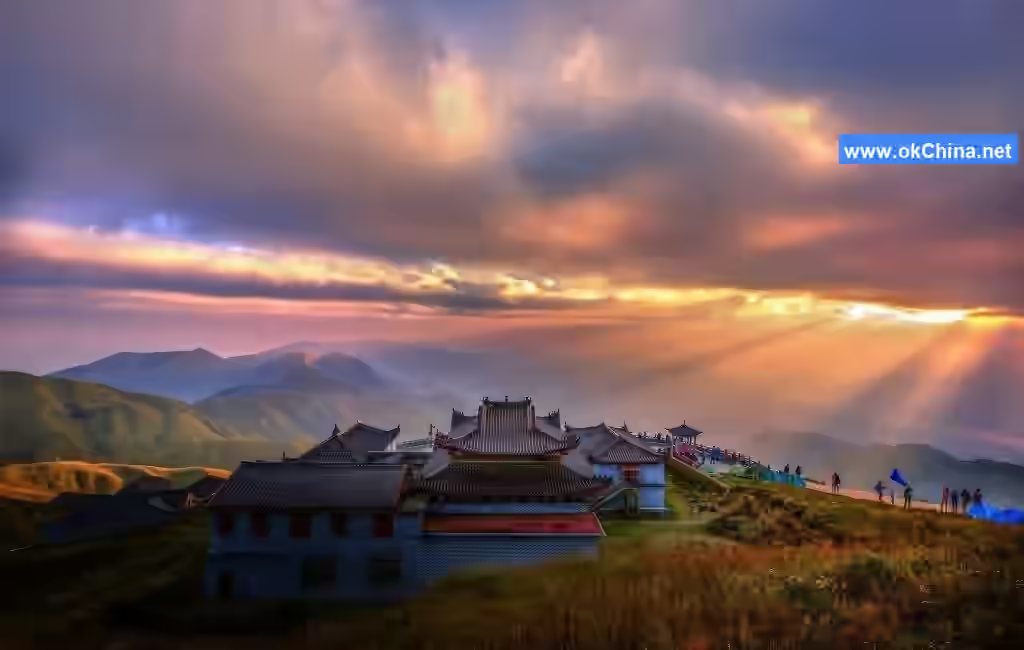
Wugong Mountain has a long history and culture, with Taoist culture being particularly prominent. Historical records indicate that Ge Xuan of the Eastern Han Dynasty and Ge Hong of the Eastern Jin Dynasty came here to practice alchemy. Taoism has had a site here since the Three Kingdoms Period, spanning over 1,700 years, while Buddhism on Wugong Mountain began in the Tang Dynasty. Especially after the Southern Song Dynasty when Wen Tianxiang inscribed a giant plaque for "Gexian Temple," Wugong Mountain's fame spread far and wide, with continuous incense offerings and frequent additions of historical sites. By the Ming Dynasty, due to the founding Emperor Zhu Yuanzhang's promotion of religion, the incense at Wugong Mountain reached its peak. Nearly a hundred temples, monasteries, nunneries, and halls were built on the southern and northern sides of the mountain, with several thousand monks and Taoists, forming Taoist and Buddhist systems such as Baifa, Jiyun, Santianmen, Mingyue, and Jiulong. It became a famous Taoist and Buddhist sacred site in Hunan and Jiangxi at the time, attracting countless devotees to come and worship. Throughout history, numerous literati and scholars, drawn by its fame, also came here to compose poetry and prose, adding infinite elegance to Wugong Mountain.
Comments
Post a Comment