Pamir Tourist Area, Kashgar Region
I. Introduction
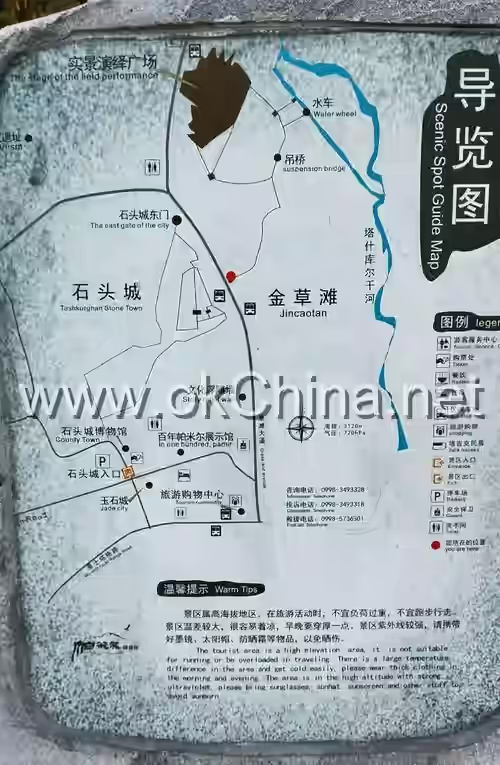
The Pamir Tourist Area in Kashgar Region, commonly referred to as the Pamir Tourist Area, is located in Taxkorgan Tajik Autonomous County, Kashgar Region, Xinjiang Uygur Autonomous Region. The Pamir Tourist Area boasts rich and unique tourism resources. It features the world-renowned Stone City ruins, the distinctive Tajik ethnic customs, the captivating national wetland park Golden Grass Beach, the historically profound Silk Road culture, precious and rare plateau flora and fauna, all of which offer an eye-opening experience. The Pamir Tourist Area has a total planned area of 3.1 square kilometers, comprising five main zones: the Stone City Scenic Area, Golden Grass Beach, Tajik Folk Village, Comprehensive Service Center, and Tourism Shopping Center.
II. Orientation and Layout
Geographical Location
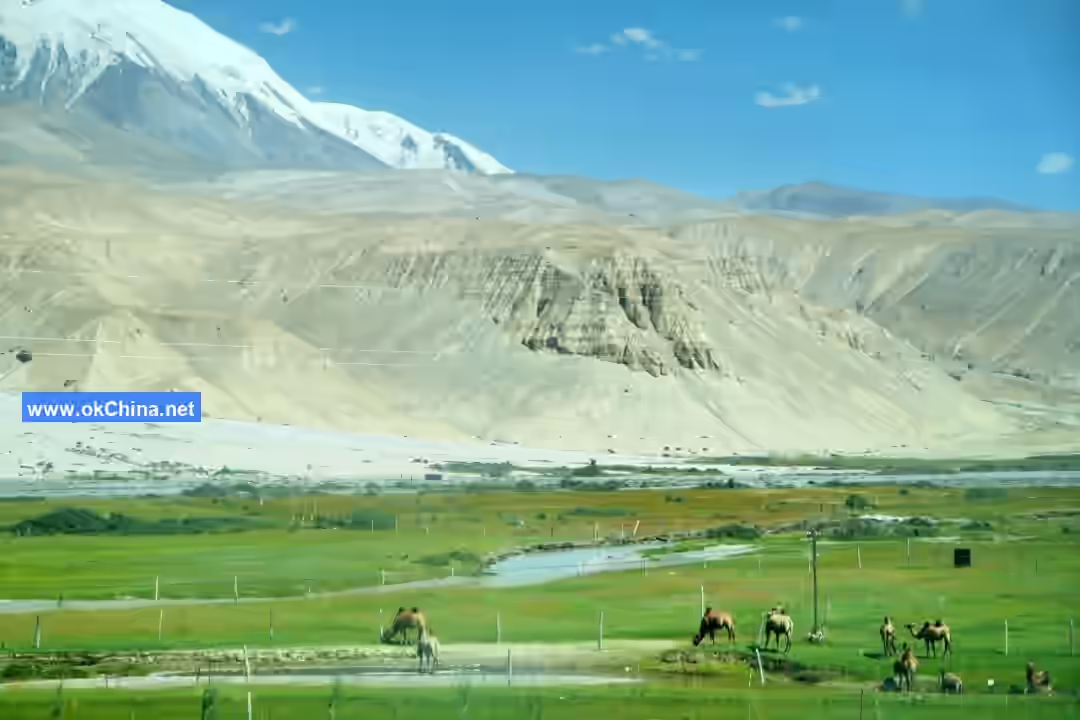
The Pamir Tourist Area is situated within Taxkorgan Tajik Autonomous County, Kashgar Region, in the eastern part of the Pamir Plateau. It borders Yecheng County and Shache County to the east, Akto County to the north, and shares boundaries with Tajikistan, Afghanistan, and Pakistan to the west and south. Its geographical location is extremely unique, lying in the heart of the Asian continent. It served as a vital passage on the ancient Silk Road, connecting Central Asia, South Asia, and West Asia, and is often called the "Roof of the World." The average altitude here exceeds 3,000 meters, featuring numerous peaks over 5,000 meters high. The crisscrossing mountain ranges and forest of snow-capped peaks compose a magnificent and imposing plateau landscape.
Climate and Hydrology
The climate of the Pamir Plateau is a plateau mountain climate, characterized by distinct vertical zonality. Due to the high altitude, the air is thin, solar radiation is intense, and the diurnal temperature range is extreme. During the day, temperatures are relatively high under direct sunlight, but once the sun sets, heat dissipates rapidly, causing temperatures to plummet, often resulting in bitterly cold nights. Annual precipitation here is relatively low, concentrated mainly in summer, often in the form of snowfall. Winters are long and cold, frequently blanketed by thick snow, creating a world of silver-white.
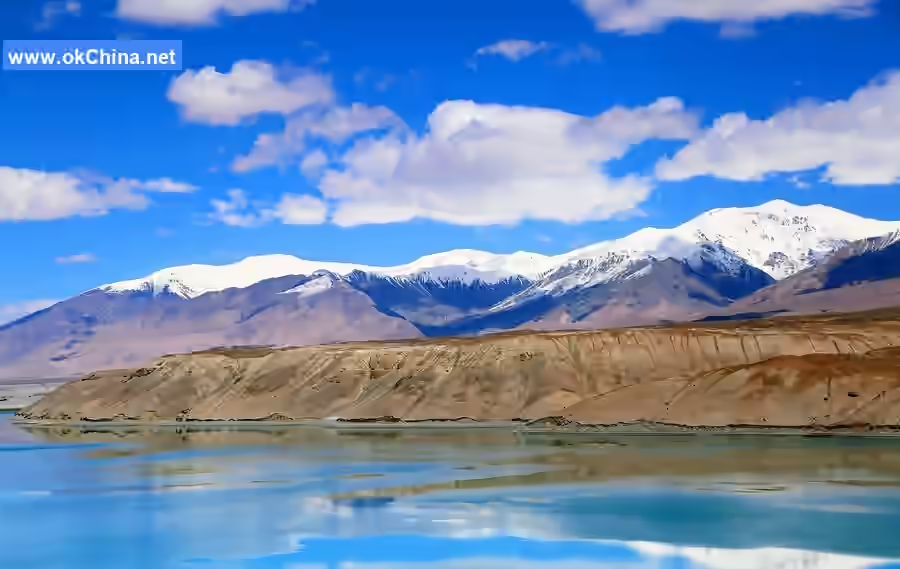
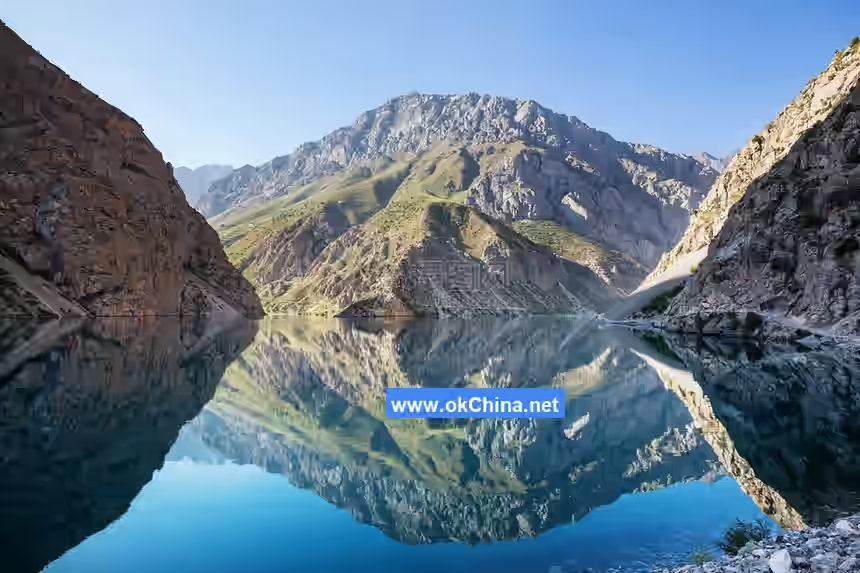
The Pamir Tourist Area possesses diverse and abundant hydrological resources. Numerous glaciers are a crucial water source here, acting like solid reservoirs storing vast amounts of freshwater. Among them, the glaciers of Muztagh Ata are particularly spectacular, with extensive glacial areas and ice tongues extending into valleys, shimmering with dazzling blue light under the sun. Glacial meltwater forms many rivers and lakes. For instance, the Taxkorgan River flows ceaselessly, its crystal-clear waters nourishing this plateau land; while Karakul Lake resembles a sapphire inlaid on the plateau, its deep, dark blue waters changing hues with light and weather—sometimes azure, sometimes emerald green—creating an intoxicating sight.
Flora and Fauna Resources
Despite the harsh environment, the Pamir Plateau nurtures unique and rich flora and fauna resources. In terms of vegetation, plants adapted to the alpine environment dominate. Alpine meadows are covered with various high-quality forage grasses, such as Stipa purpurea and fescue, which are important food sources for plateau livestock. Additionally, there are rare alpine flowers, like the snow lotus (Saussurea), which grows on cliffs and moraines above 4,000 meters. Its pure white flowers bloom proudly in the cold wind, possessing high medicinal and ornamental value.
Animal resources are equally remarkable. This area is a habitat for many rare wild animals. For example, the snow leopard, as the apex predator of the plateau ecosystem, is agile and swift, one of the iconic animals of the Pamir Plateau. There are also argali sheep, large in size with uniquely shaped horns, adept at climbing and running on steep mountain slopes. Furthermore, Tibetan gazelles, brown bears, wolves, foxes, marmots, and other animals thrive here. Numerous migratory birds also pass through during migration seasons, resting around lakes and rivers, adding a lively touch to the plateau.
III. Major Scenic Areas
Muztagh Ata
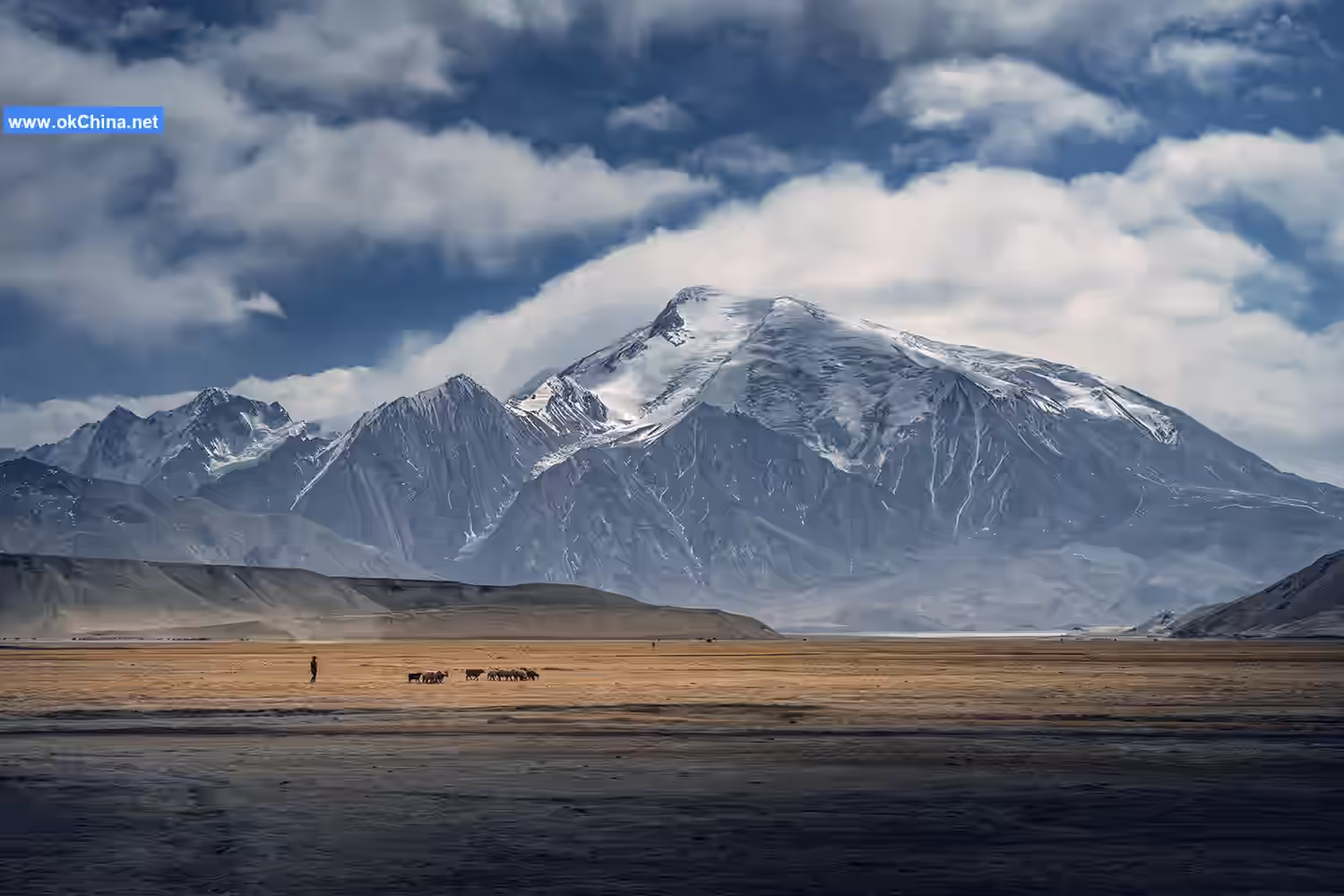
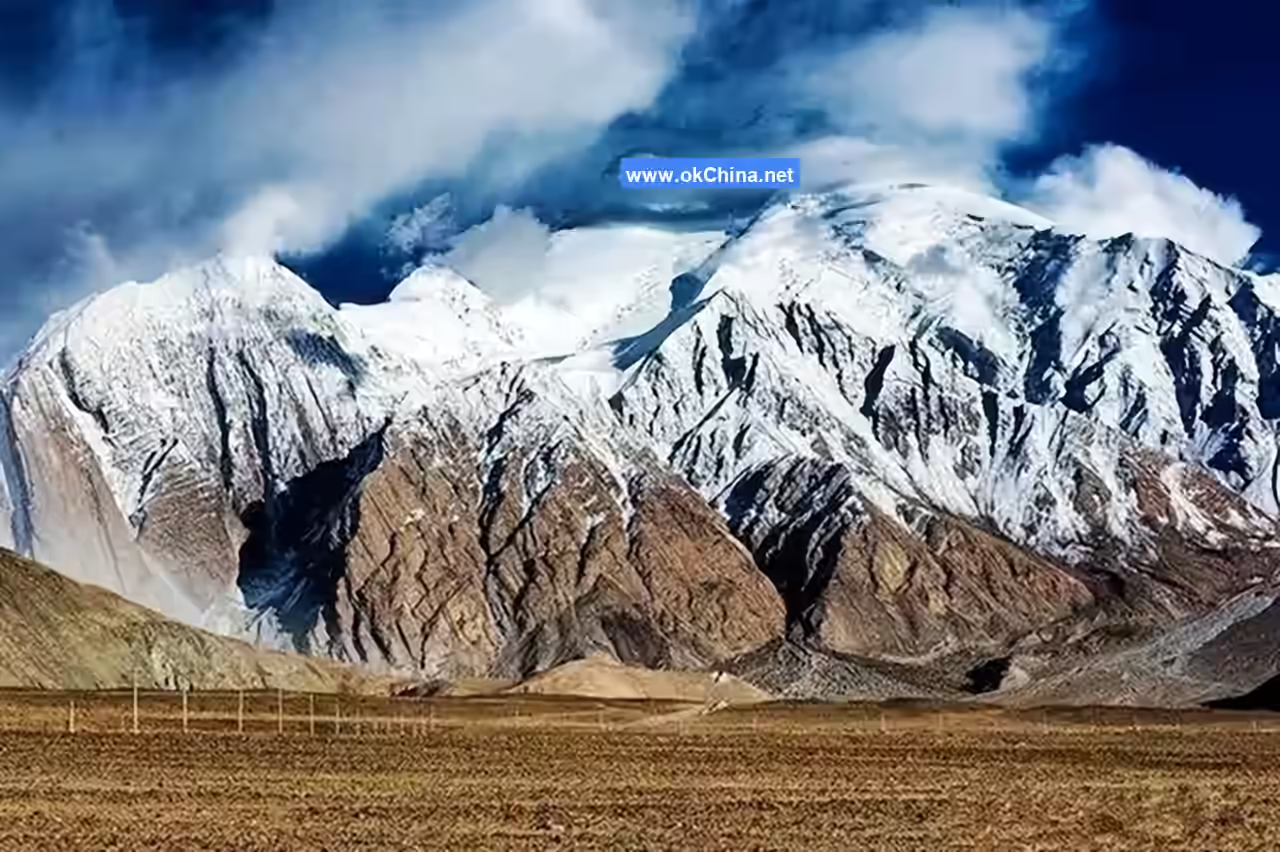
Muztagh Ata, with an elevation of 7,509 meters, is the iconic peak of the Pamir Plateau, revered as the "Father of Ice Mountains." Its massive mountain body features a dome-shaped summit perpetually covered in snow and crisscrossed by glaciers. Its majestic and spectacular form attracts countless mountaineering enthusiasts and tourists. Climbing Muztagh Ata is an extremely challenging activity requiring excellent physical fitness and professional mountaineering skills. For ordinary tourists, appreciating the magnificent scenery of Muztagh Ata near the base camp at the mountain's foot is also an unforgettable experience. In the early morning, sunlight bathes the snow-capped peak, turning it golden against the backdrop of the azure sky, creating a breathtaking picture.
Karakul Lake
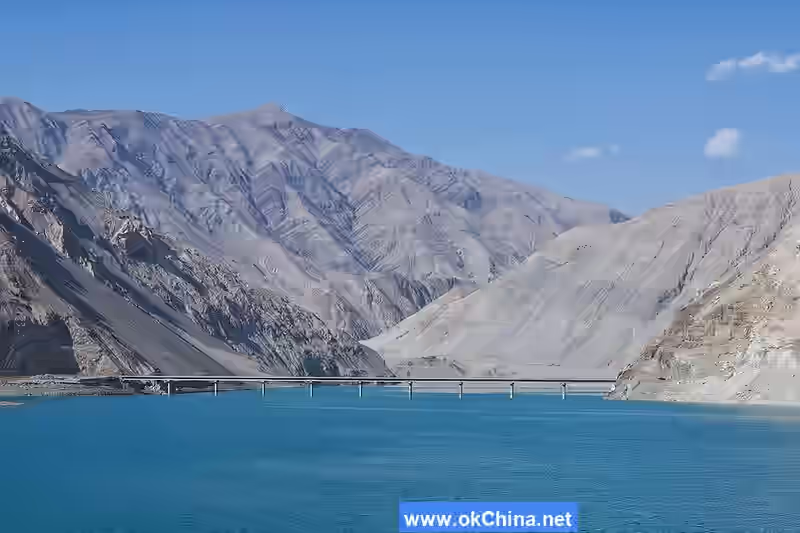
Karakul Lake is situated at the foot of Muztagh Ata, at an altitude of approximately 3,600 meters. The lake's waters are deep and tranquil, surrounded by mountains with snow-capped peaks reflected on its surface, creating a dreamlike scene. The lake covers an area of about 10 square kilometers. Its color changes with weather and light—sometimes sapphire blue like a gemstone, sometimes emerald green like jadeite, and sometimes a mysterious bluish-gray. The lakeshore is lush with water plants and grass, making it excellent grazing land for cattle and sheep. Visitors can stroll here, experiencing the serenity and beauty of the plateau lake, or take a boat ride on the lake to admire the grandeur of Muztagh Ata up close.
Stone City
Within the Pamir Tourist Area of Kashgar Region lies a mysterious ancient fortress that seems to have emerged from the scrolls of history—Stone City. It stands quietly north of Taxkorgan County town, witnessing the vicissitudes of time and bearing profound historical and cultural heritage.
Stone City was initially built during the Han Dynasty and served as the royal city of Puli, one of the Thirty-six Kingdoms of the Western Regions. At that time, located at the crucial intersection of the middle and southern routes of the ancient Silk Road, it was a vital hub for trade and cultural exchange between East and West. Caravans shuttled through incessantly, camel bells echoing through the valleys. They brought silk, porcelain, and tea from the Central Plains, and took away spices, jewels, fine horses, and more from the Western Regions. Consequently, Stone City flourished, with shops lining its streets and bustling crowds. Merchants, envoys, and monks from various countries gathered here, where different languages, costumes, and cultures intermingled and collided, blossoming into a splendid tapestry of civilization.
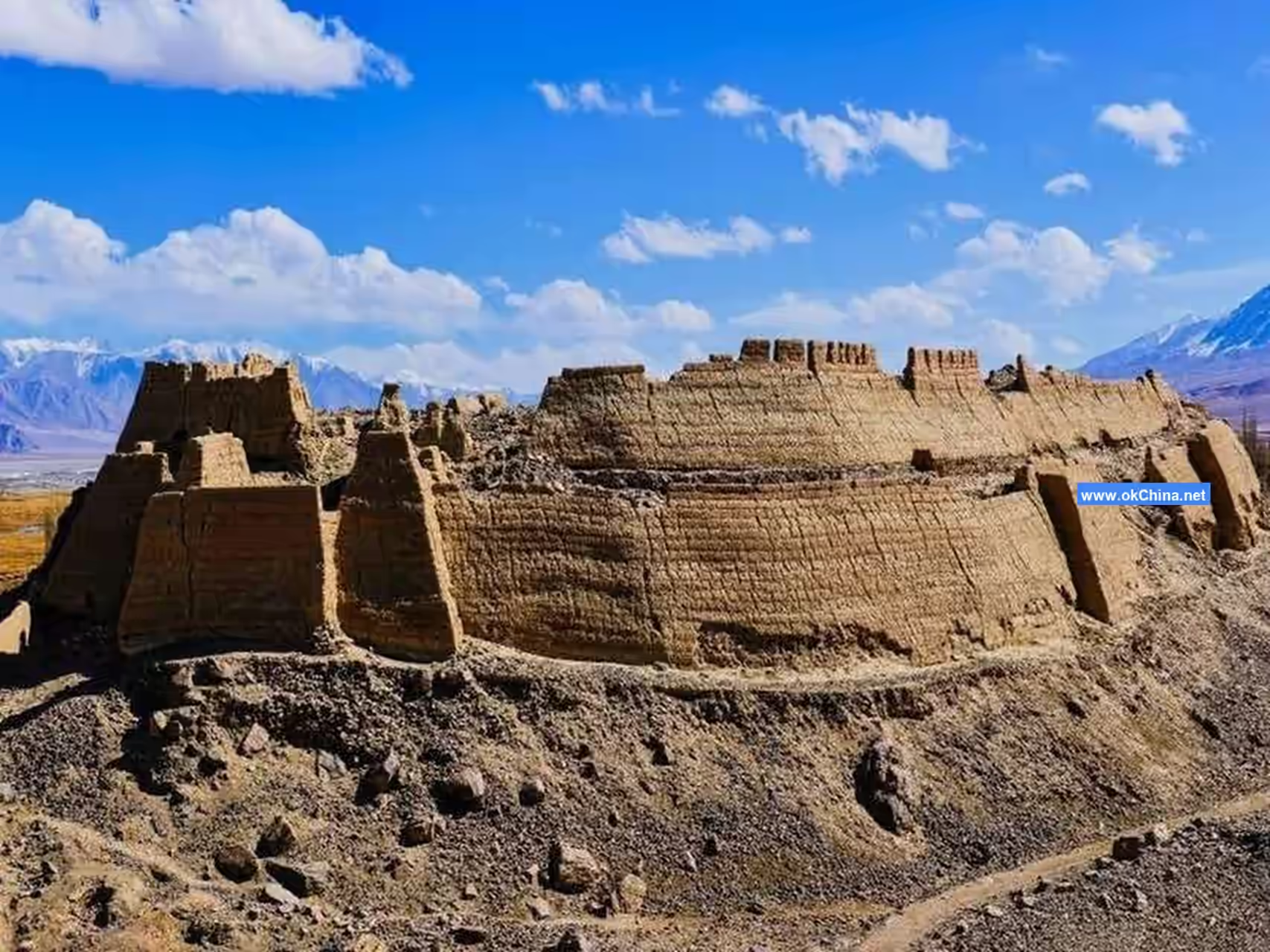
This ancient city was entirely constructed from stacked stones, showcasing exquisite craftsmanship that inspires awe. The city walls are tall and sturdy, with a circumference of approximately 1,300 meters and heights reaching over 20 meters at their highest points. The stones fit together tightly without any mortar, yet they have withstood millennia of wind and rain, standing firm—a testament to the exceptional skill and wisdom of ancient artisans. The layout within the city is orderly, with remains of houses, stupas, and other architectural relics still clearly discernible. The once-magnificent palace complex, presumably where the kings of Puli issued commands and handled affairs, now lies in ruins, yet still evokes the grandeur of its past. The stupas are important symbols of religious cultural dissemination, witnessing the prosperity and transmission of Buddhism in this region. The exquisite carvings and decorations on the stupas speak of the devotion and reverence of past believers.
As history's wheel rolled forward, dynasties changed, international relations shifted, and Silk Road routes gradually altered, the prosperity of Stone City gradually faded. However, its historical value has never been forgotten. During the Tang Dynasty, it remained an important military stronghold, garrisoned with large numbers of troops guarding the frontier's peace. The monk Xuanzang also passed through here upon his return from his westward journey to obtain Buddhist scriptures and recorded Stone City in his writings, spreading its fame far and wide, cementing its status as a mysterious ancient city of the Western Regions in people's minds.
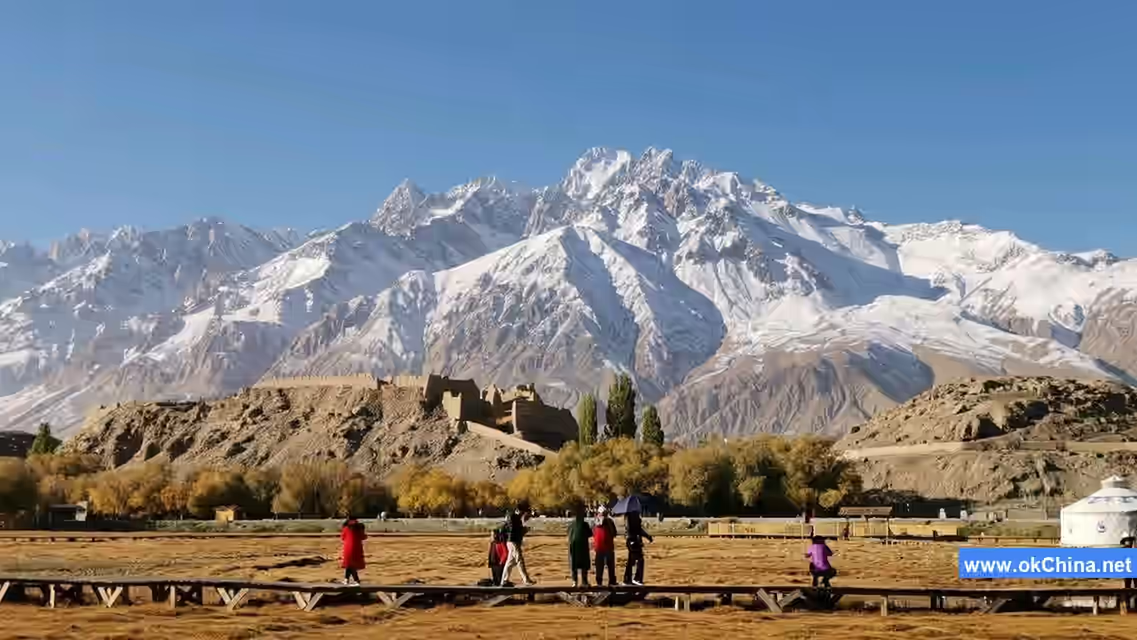
Over the course of time, Stone City has endured countless wars and natural disasters. In modern times, although some structures were destroyed in warfare, the main structure has tenaciously survived. Today, when visitors stand atop Stone City, it feels like traveling through time, witnessing ancient battlefields with armored horses and hearing the distant camel bells of the Silk Road. Overlooking the Taxkorgan River Valley, distant snow-capped mountains stand majestic, their pure white peaks gleaming with sacred light under the sun; grasslands spread like green carpets across the land, with herds of cattle and sheep grazing and playing leisurely; rivers flow ceaselessly, winding through the valleys like silver ribbons. This magnificent natural landscape, juxtaposed with the ancient Stone City, creates a picturesque scene, inspiring heartfelt admiration for nature's artistry and the long history of humanity. Stone City is not merely an ancient architectural relic; it is a vivid history book, narrating to future generations the millennia of dramatic changes and civilizational intermingling on the Pamir Plateau.
Golden Grass Beach
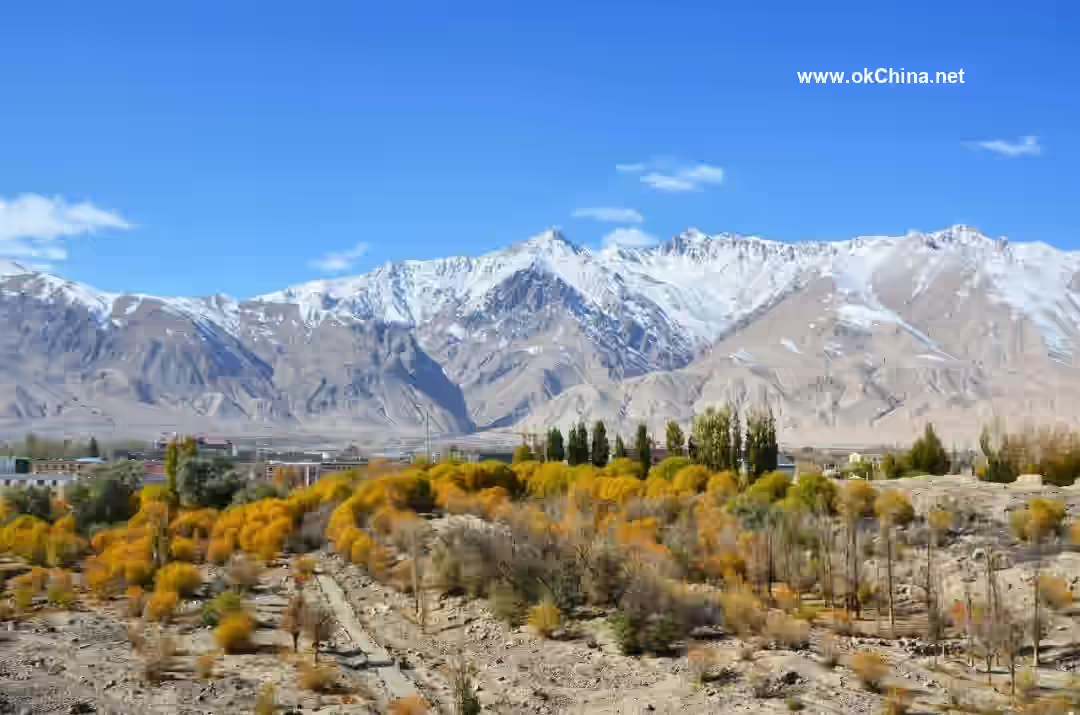
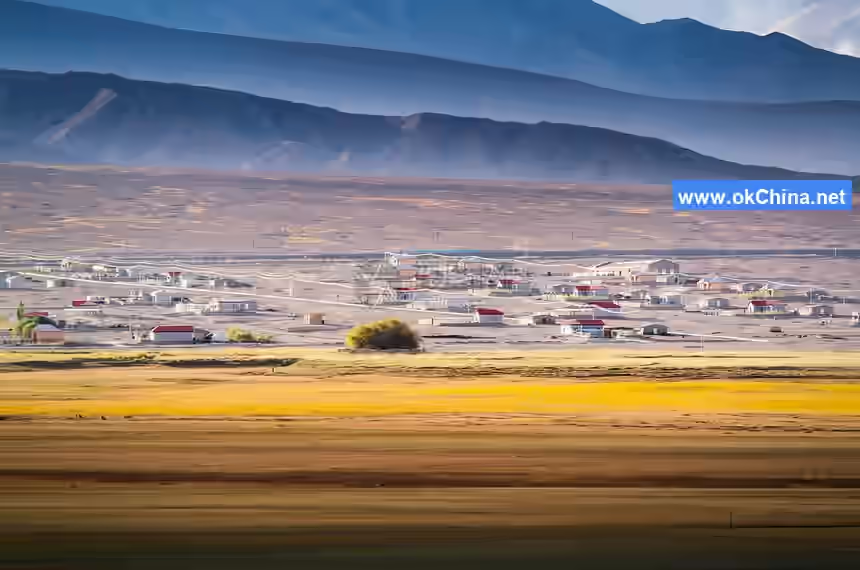
Golden Grass Beach is located on both banks of the Taxkorgan River, adjacent to Stone City. It is a vast wetland grassland, named for its golden grasses in autumn. The grassland is crisscrossed by streams, lush with water plants and grass, and dotted with herds of cattle and sheep. During early morning and evening, when sunlight slants across the grassland, the entire area turns golden and radiant. Visitors can ride horses here, experiencing the vastness and grandeur of the grassland, or observe traditional scenes of Tajik herders' lives, immersing themselves in the rich ethnic culture.
Tourist Activities
(1) Mountaineering and Exploration
For tourists with an adventurous spirit, the Pamir Tourist Area offers excellent opportunities for mountaineering and exploration. Peaks like Muztagh Ata attract mountaineering enthusiasts from around the world. During the climb, they face challenges such as high altitude, extreme cold, and hypoxia, while also appreciating the plateau's unique natural scenery and magnificent landscapes. Prior to climbing, thorough preparation is necessary, including physical training, equipment acquisition, and learning professional mountaineering knowledge.#### (II) Trekking
Trekking across the Pamir Plateau is another way to experience its charm. Travelers can follow the ancient Silk Road, traversing high mountains, deep valleys, grasslands, and wetlands, feeling the awe-inspiring craftsmanship of nature and the vicissitudes of history. During the trek, one can admire diverse landscapes, rare flora and fauna, and interact with local herders to learn about their way of life and cultural traditions. However, trekking requires a certain level of physical fitness and wilderness survival skills, along with thorough preparation of supplies and safety measures.
(III) Folk Culture Experience
The Pamir tourist area is home to ethnic minorities such as the Tajik people. Visitors can immerse themselves in local villages and participate in folk culture experiences. They can learn traditional Tajik handicrafts, such as weaving exquisite handmade items or creating ethnic-style clothing. They can also savor traditional Tajik cuisine, like pilaf, baked naan, and milk tea, and watch traditional Tajik song and dance performances, such as the Eagle Dance. In this dance, performers mimic the graceful and powerful movements of an eagle, reflecting the Tajik people's reverence for the eagle and their yearning for freedom. Through these cultural activities, visitors can gain a deeper understanding of the cultural essence of ethnic minorities and foster exchanges and friendships between different ethnic groups.
(IV) Photography and Artistic Creation
The stunning scenery of the Pamir tourist area is a paradise for photography enthusiasts. Whether it's the majestic snow-capped mountains, azure lakes, ancient stone cities, or scenes of herders' lives on the grasslands, all provide rich material for photographic creation. Here, photographers can capture the magnificent light and shadow of snow-capped mountains at sunrise and sunset, the vibrant color changes of lakes, and the harmonious scenes of herders with their livestock. Under different seasons and weather conditions, the Pamir tourist area reveals unique charms, offering endless inspiration for photography enthusiasts.
IV. Cultural Resources
Cultural Resources
The Pamir tourist area boasts profound and diverse cultural resources. As a key node on the ancient Silk Road, it has been a melting pot of various cultures. Ancient Persian, Indian, Central Plains, and local Western Region cultures have intermingled and influenced one another, forming a unique regional cultural character. The Tajik people, as the main ethnic group here, possess a long history and splendid culture. Their language, script, religious beliefs, and customs are all distinctive. The Tajik people practice Islam, and their religious culture is deeply reflected in architecture, art, and daily life. For example, mosques feature unique architectural styles with exquisite interior decorations. Religious festivals such as Eid al-Adha and Eid al-Fitr are celebrated with grand ceremonies, attracting visitors to participate. Additionally, the Pamir tourist area is rich in ancient legends and stories, which, combined with the local natural landscapes and historical sites, add a mysterious cultural hue to this land.
Myths and Legends
Since ancient times, the Pamir Plateau has been shrouded in mystery, with many moving myths and legends circulating. Among them, the legend of Muztagh Ata is widely known. It is said that Muztagh Ata is the embodiment of a Tajik youth. This young man fell in love with a beautiful maiden and, to seek happiness for her, braved all dangers to ascend to the heavens and ask the gods for the secret of happiness. Touched by his sincerity, the gods granted him seeds of happiness but required him to sow them on the highest peak in the human world. The youth returned to earth with the seeds, endured countless hardships to find this highest peak, and sowed them. From then on, the peak became covered with various rare flowers, plants, and trees, turning into a fairyland on earth. The youth, forever guarding the peak, transformed into Muztagh Ata. This legend not only reflects the Tajik people's yearning for beautiful love and a happy life but also adds a touch of romance and mystery to Muztagh Ata.
Comments
Post a Comment