Hulunbuir Grassland · Morgele River Scenic Area
I. Introduction (General Overview, including bilingual name, location, and significance)
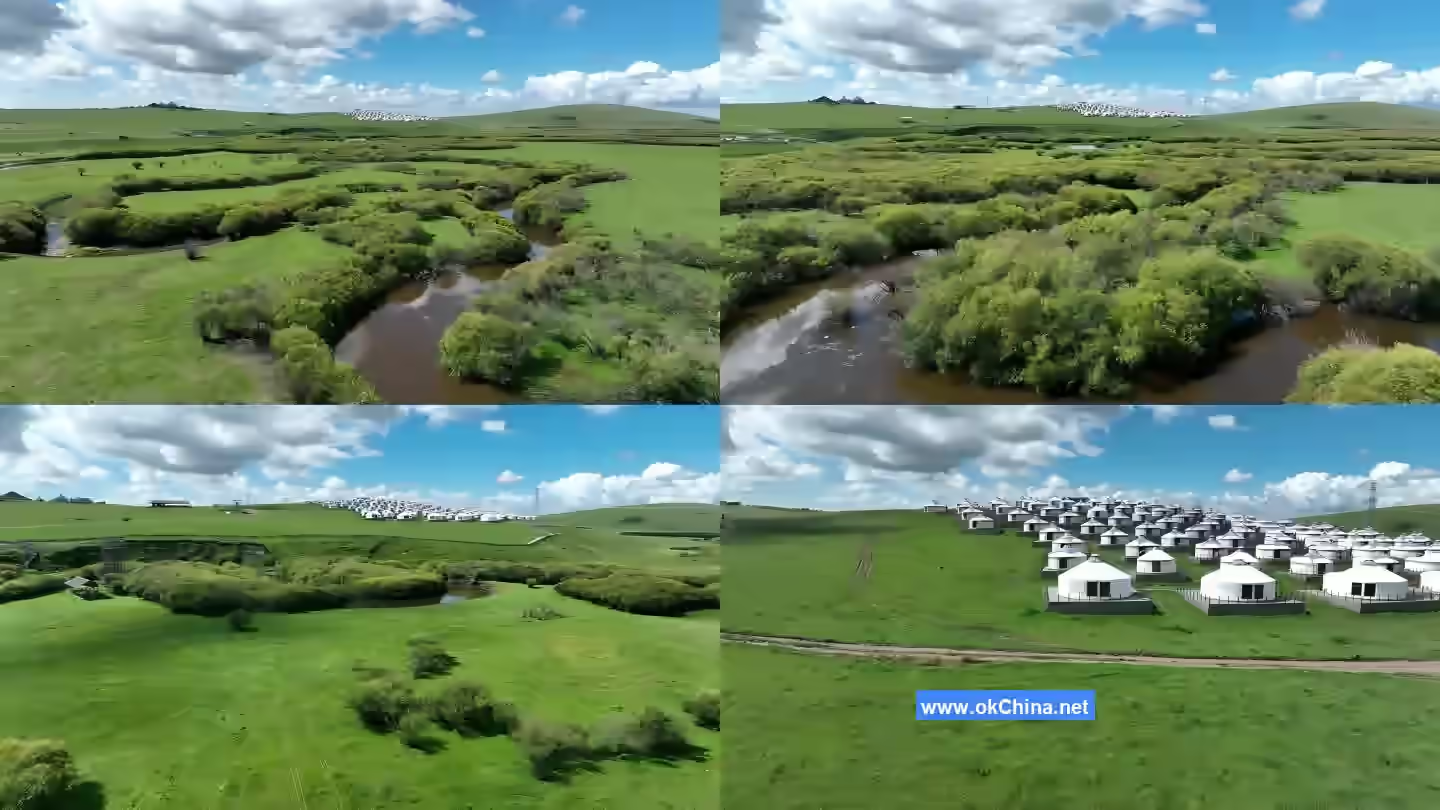
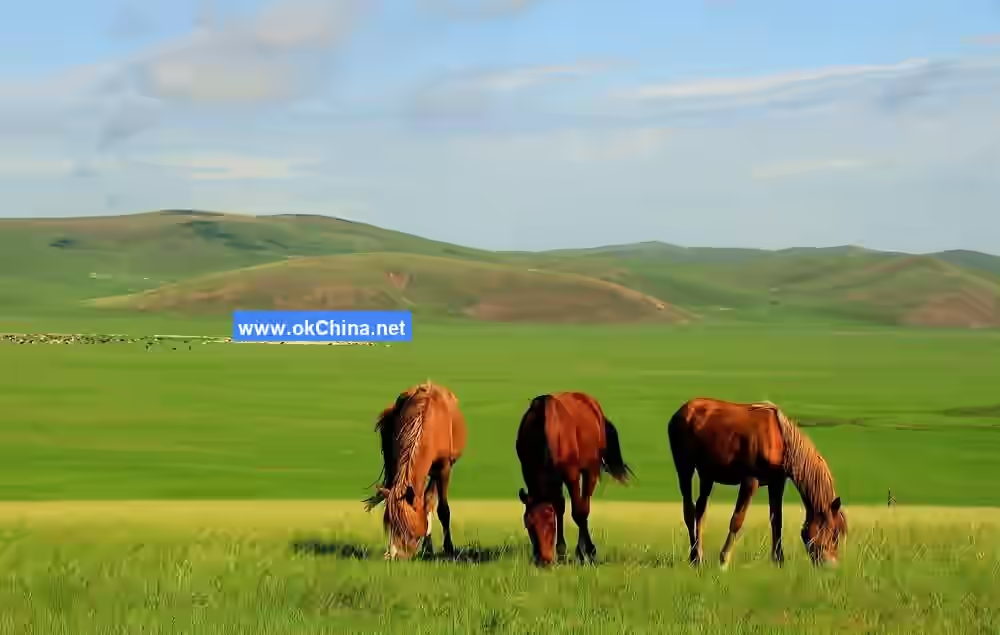
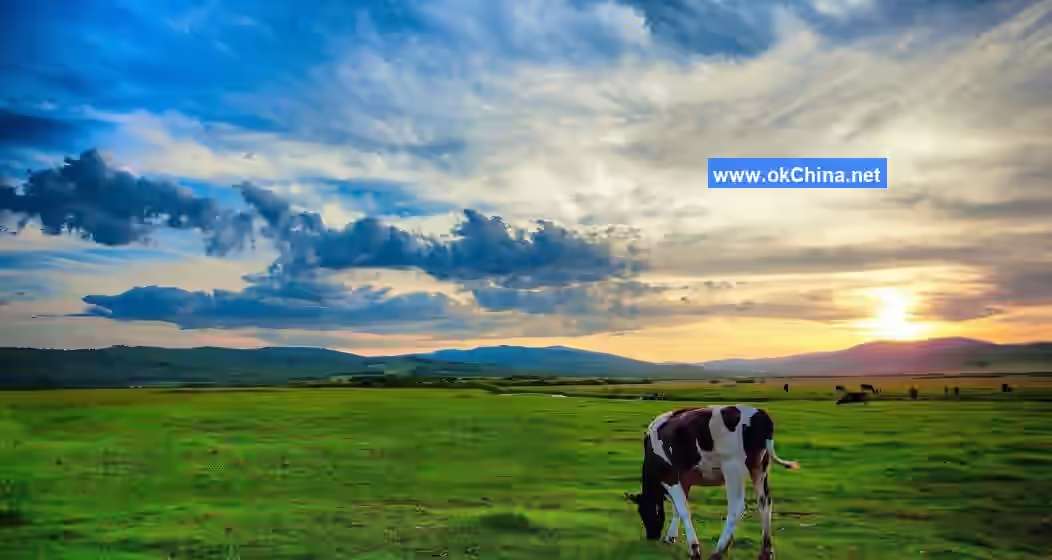
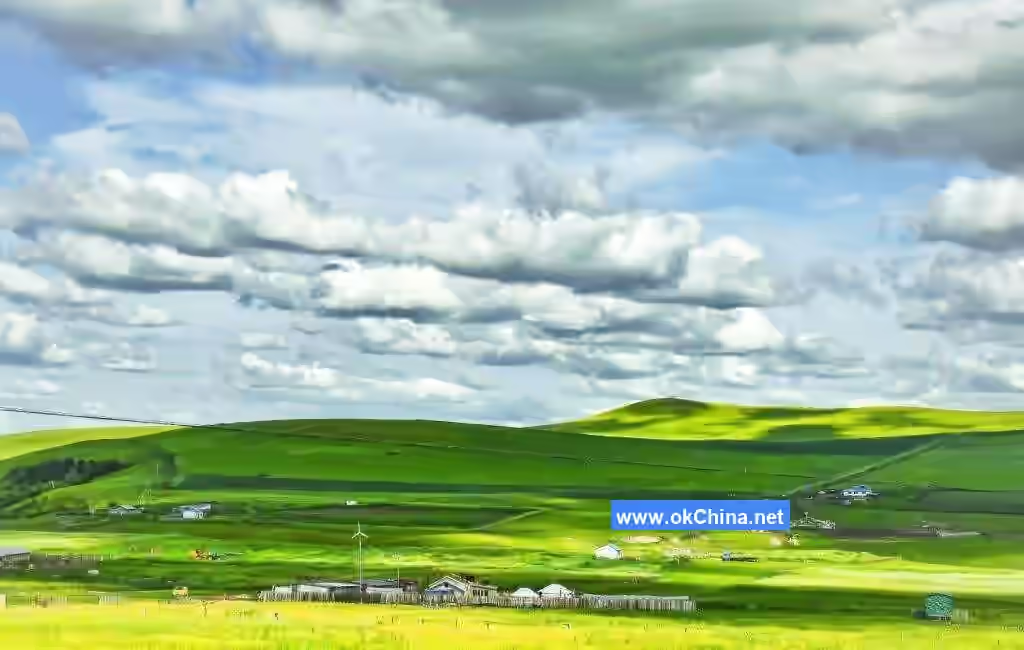
The Hulunbuir Grassland · Morgele River Scenic Area, abbreviated as the Morgele River Scenic Area, is located in Chen Barag Banner, Hulunbuir City, Inner Mongolia Autonomous Region, with a total area of 51.42 square kilometers. The Morgele River Scenic Area is situated in the heart of the Hulunbuir Grassland, representing the most important, typical, and representative meadow grassland area of Hulunbuir. With a development focus on "ecological grassland, grassland ecology," the scenic area showcases the evolution and development of ecological civilization concepts within nomadic culture over millennia, the customs and traditions of various ethnic groups rooted deep in the Hulunbuir Grassland, and the historical context of the integration and development of grassland culture with Central Plains culture. The scenic area currently features two visitor centers, three viewing platforms, two scenic spots, two camp hotels, tea break facilities, and other amenities. On February 6, 2024, the Hulunbuir Grassland · Morgele River Scenic Area met the standards for a National 5A-level Tourist Attraction and was officially designated as such.
Hulunbuir Grassland
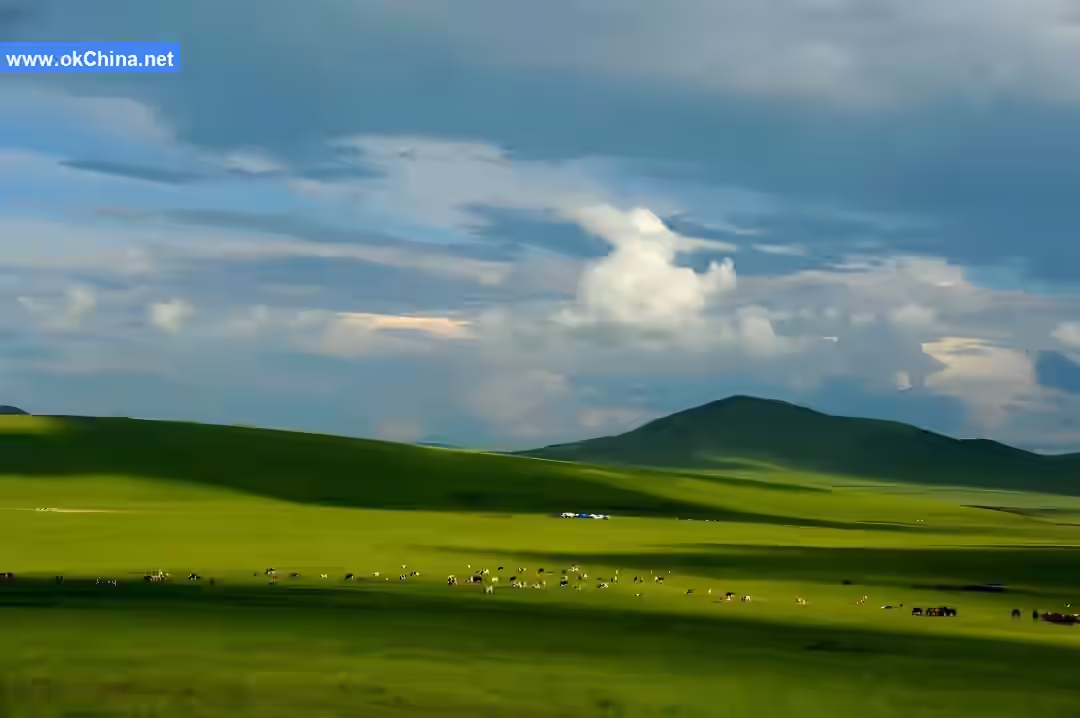
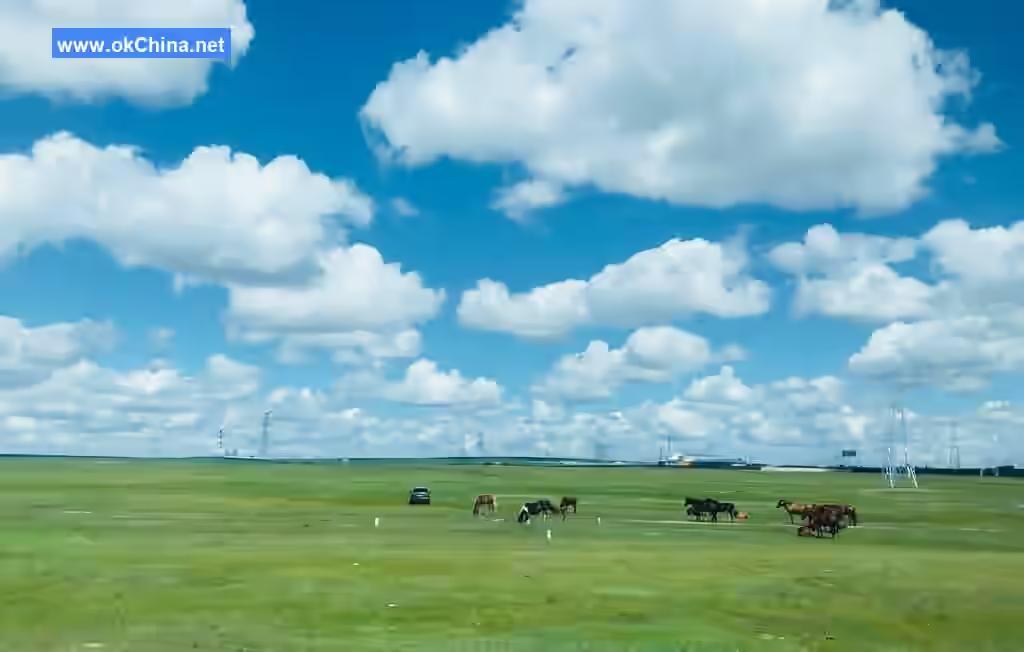
The Hulunbuir Grassland is located in the northeastern part of the Inner Mongolia Autonomous Region, on the Hulunbuir Plateau west of the Greater Khingan Mountains. It is named after Hulun Lake and Buir Lake. The terrain slopes from high in the east to low in the west, with elevations ranging between 650 and 700 meters. It spans approximately 350 kilometers from east to west and 300 kilometers from north to south, covering a total area of about 113,000 square kilometers (149 million mu), of which 8.3333 million hectares are usable pastureland. Hulunbuir Grassland is a world-renowned natural pasture, one of the world's four major grasslands, acclaimed as the best grassland in the world, and one of China's top twenty tourist attractions. Hulunbuir Grassland is the birthplace of numerous ancient civilizations and nomadic peoples, including the Donghu, Xiongnu, Xianbei, Shiwei, Uyghur, Turkic, Khitan, Jurchen, and Mongol ethnic groups. It is hailed by historians as the "Cradle of Northern Chinese Nomadic Peoples" and holds a significant place in world history.
Morgele River
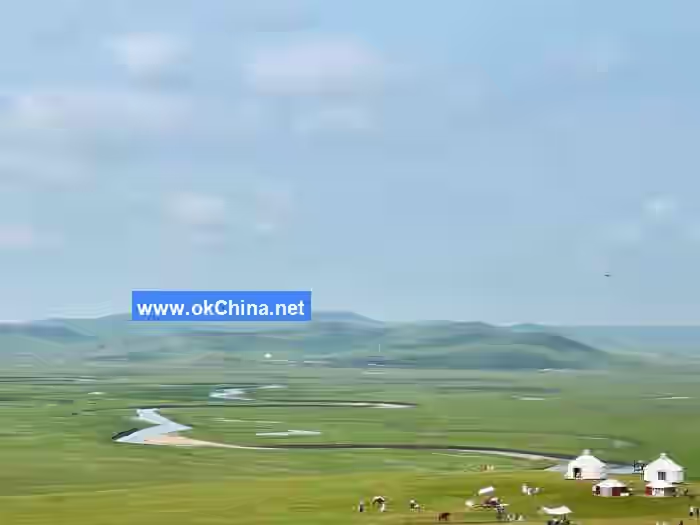
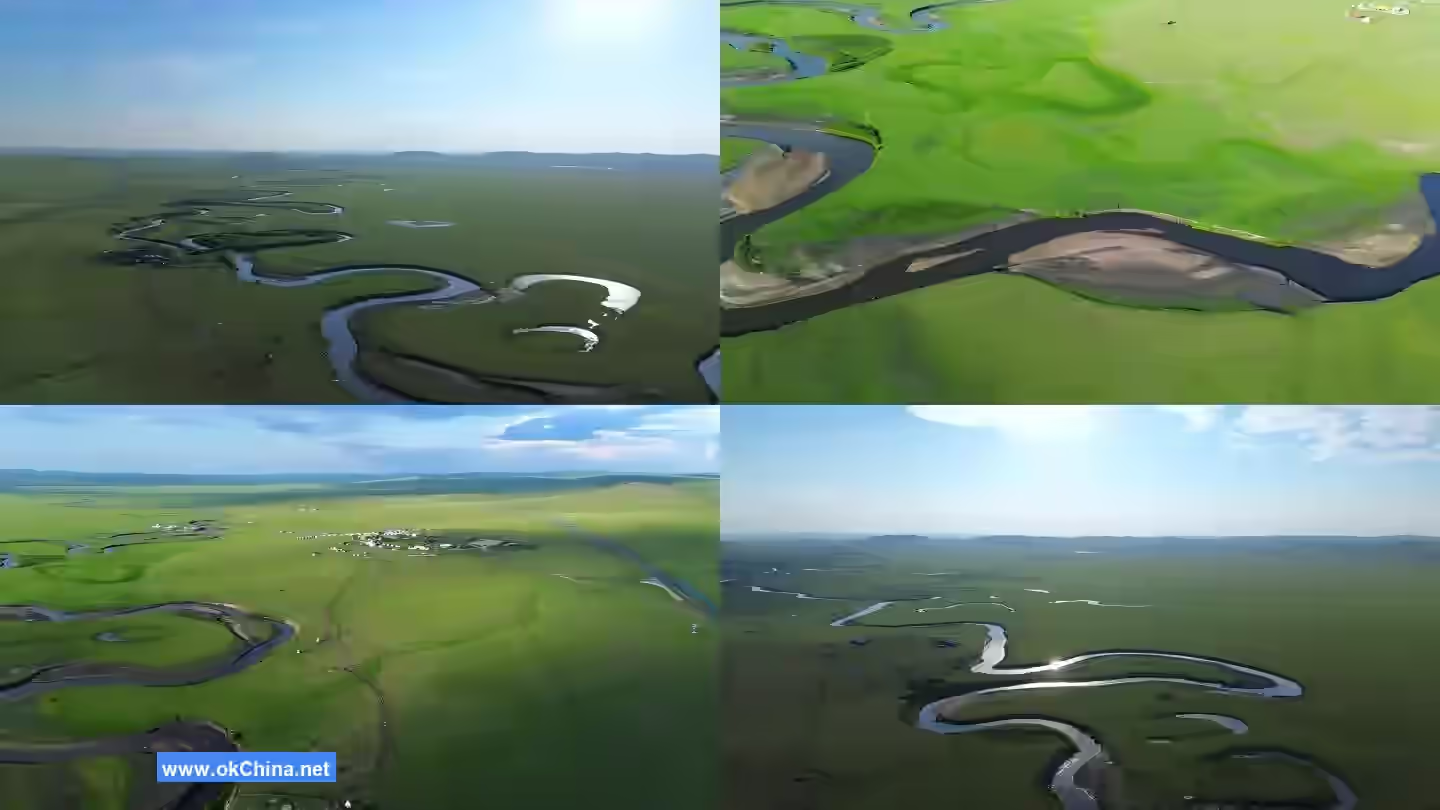
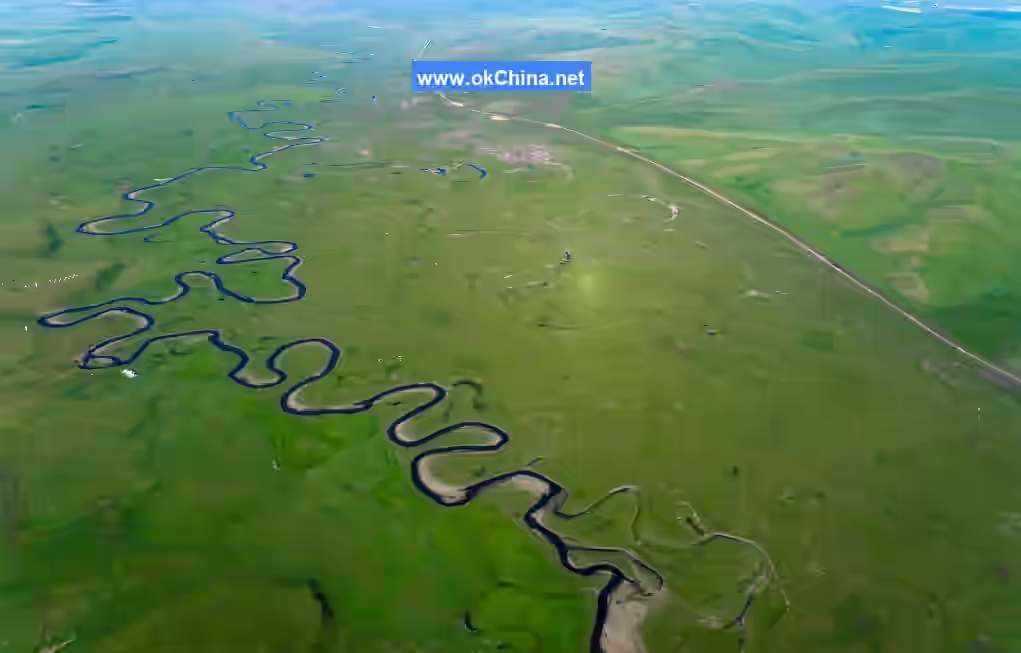
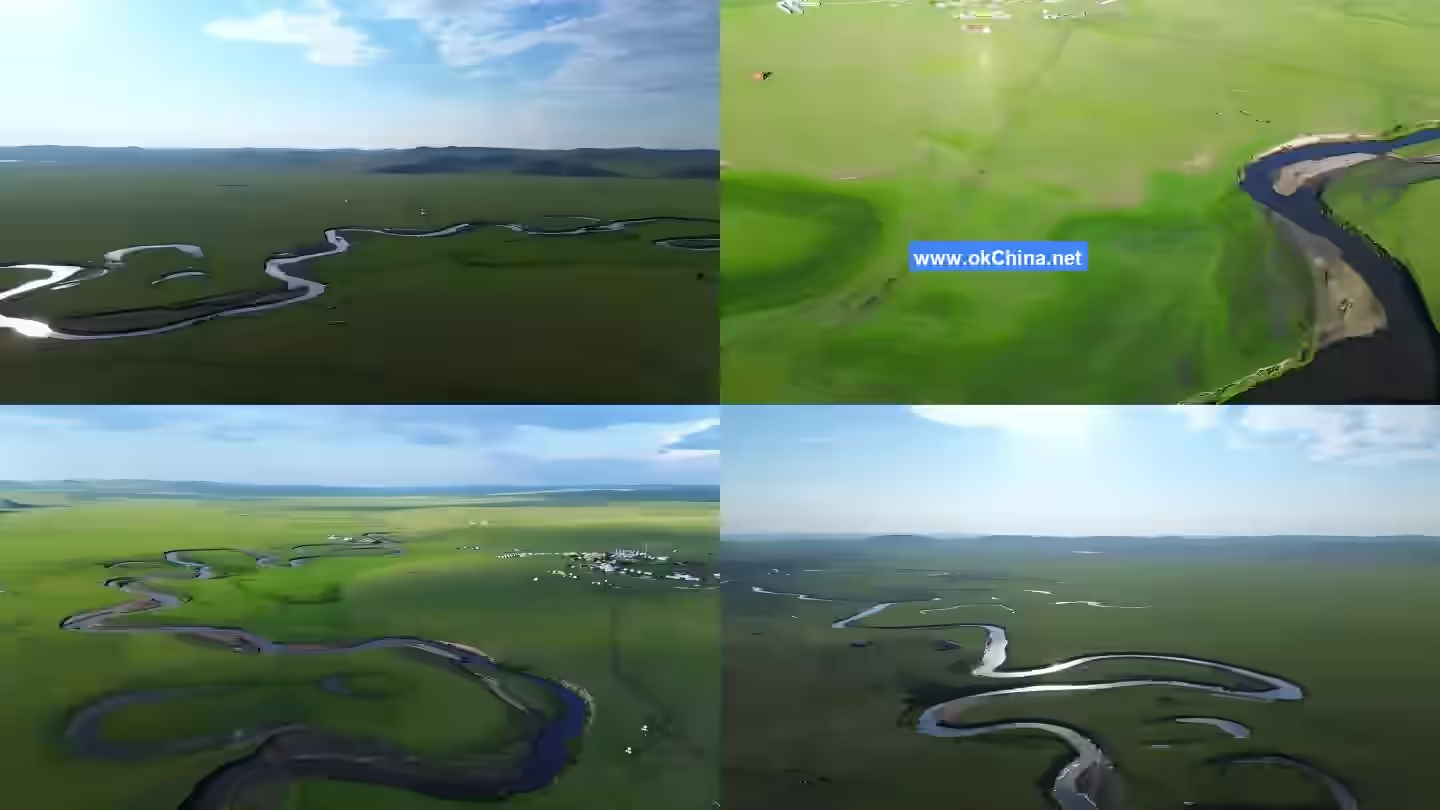
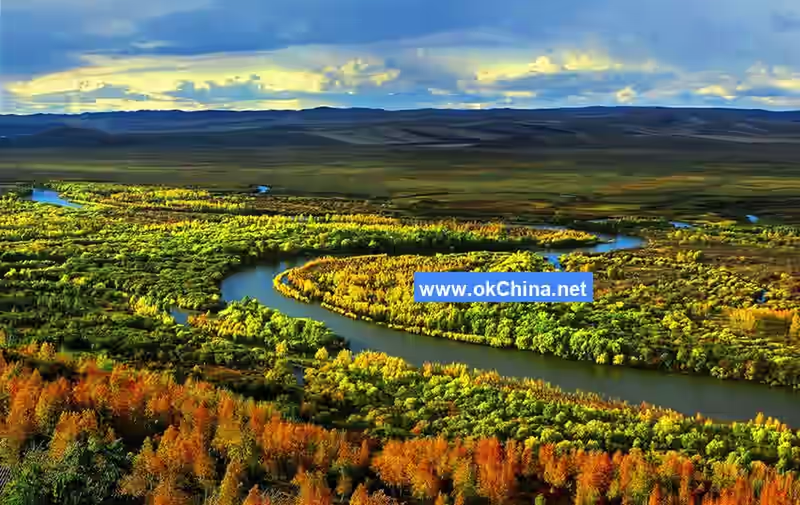
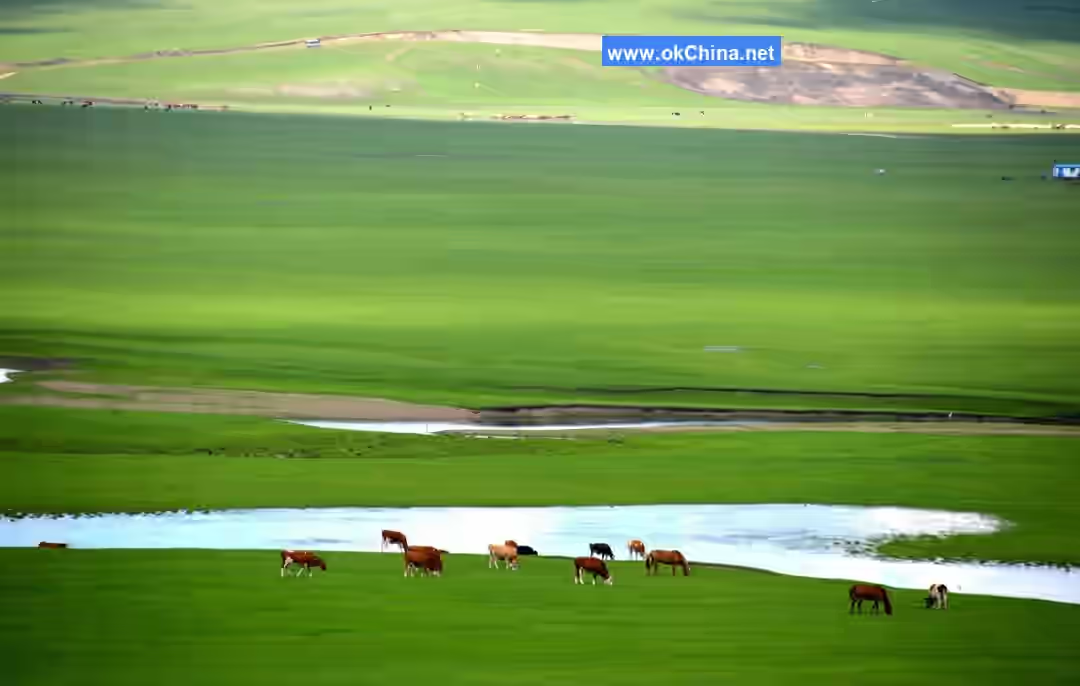
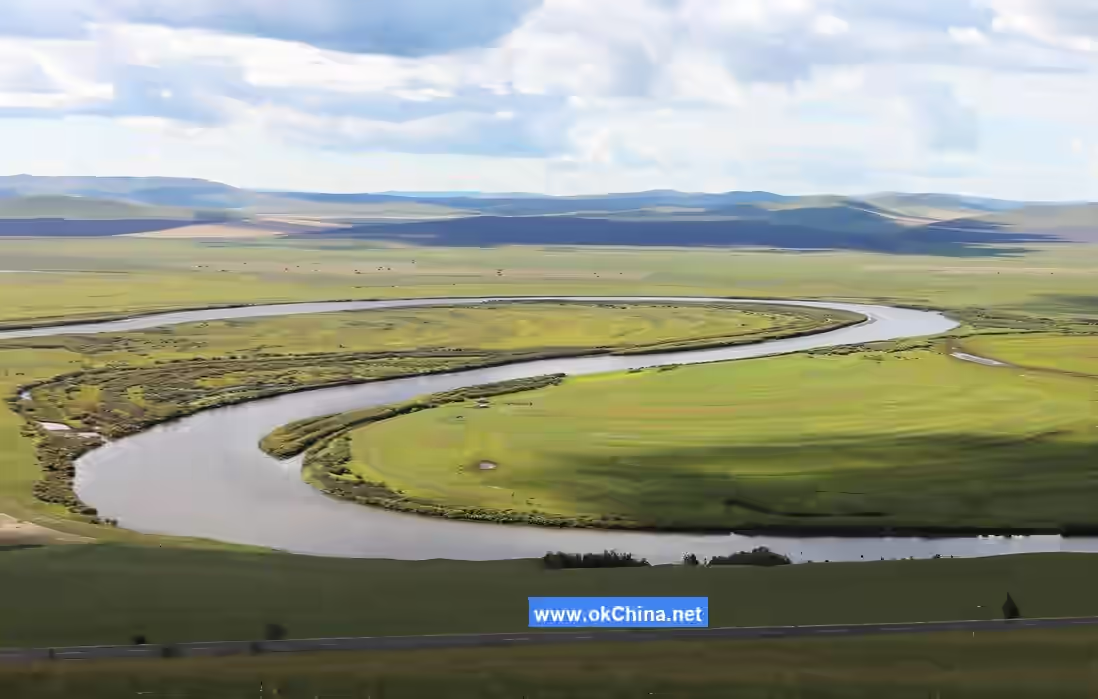
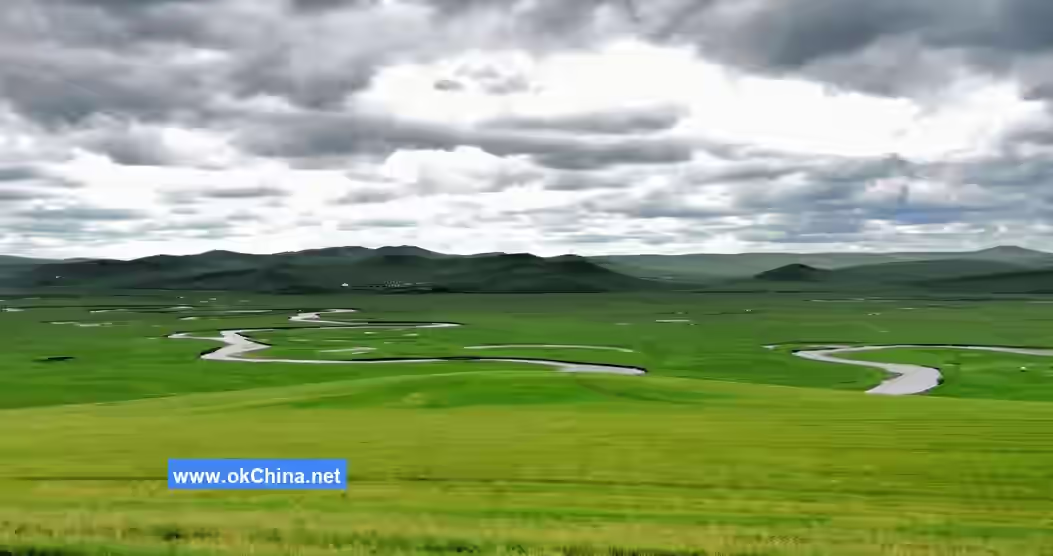
The Morgele River, a tributary of the Hailar River, which is the upper source of the Heilongjiang River, is also known as the Morigele River, Morigen River, or Morgen River. Its name is a transliteration from Mongolian, meaning "winding river" or "meeting river." It is located within Chen Barag Banner, Hulunbuir City, Inner Mongolia Autonomous Region. Originating from the western foothills of the Greater Khingan Mountains, it flows from northeast to southwest through the entire territory of Chen Barag Banner. The river is 319 kilometers long with a basin area of 4,987 square kilometers. Its main tributaries include Urdusurong, Hadehanhundi, Bilutuhundi, Hadatu River, and Ganjinggou. The terrain within the river basin is relatively flat and open, with a gentle river gradient. The river channel is meandering and winding, earning it the reputation of "the world's most winding river." Both banks are lush with water and grass, making it an excellent natural pasture. The lower reaches flow into Hoh Nuur Lake, exiting from the southeastern end of the lake to join the Hailar River.
II. Orientation and Layout (Introducing the scenic area's geographical location, climate, hydrology, flora and fauna resources, etc.)
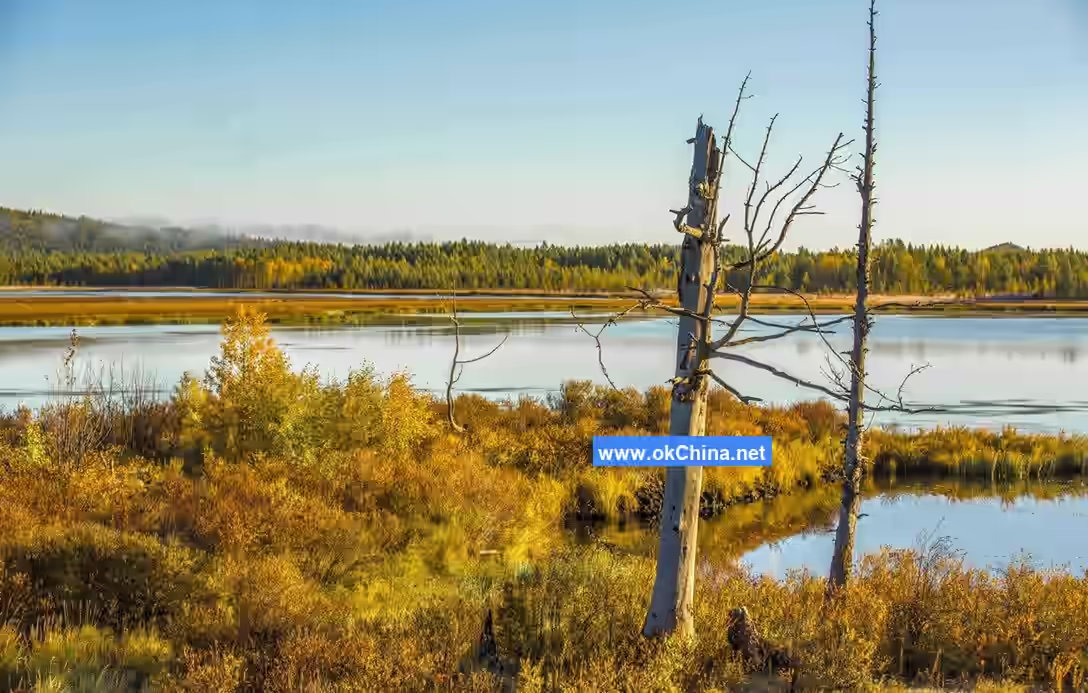
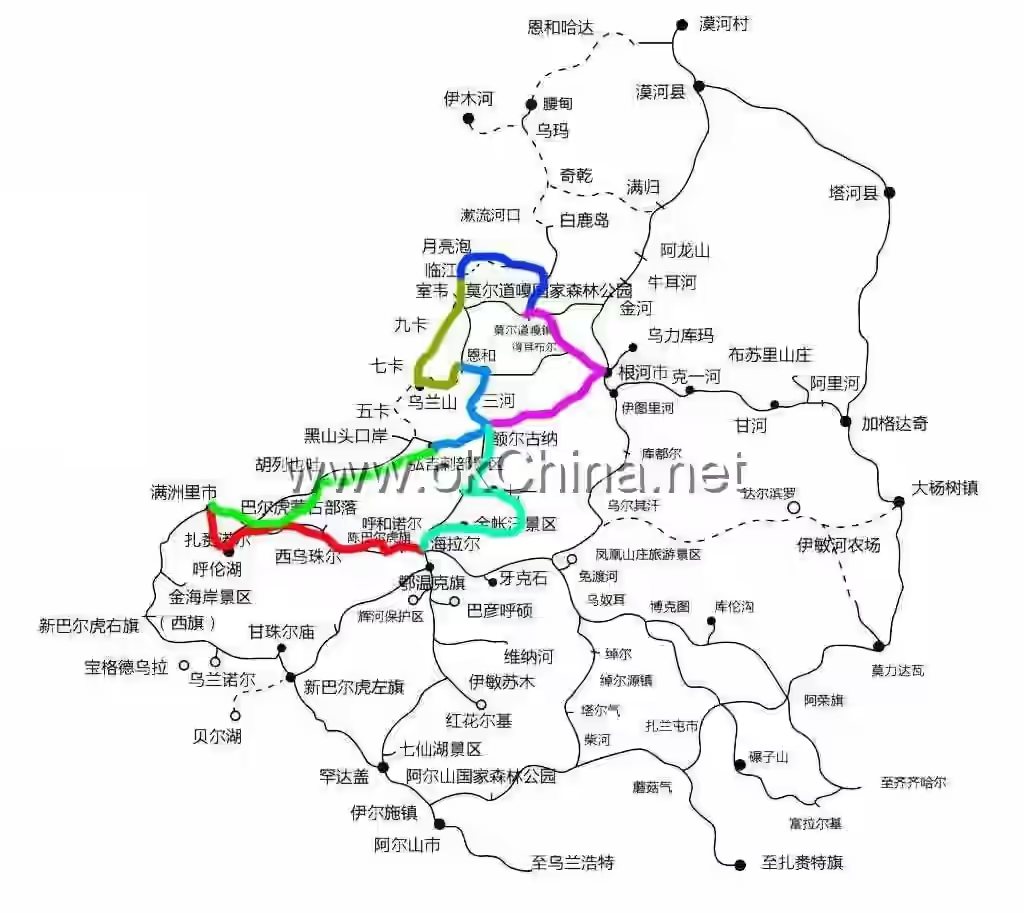
The Hulunbuir Grassland is located in the northeastern part of the Inner Mongolia Autonomous Region. It is a world-renowned natural pasture, one of the world's four major grasslands, acclaimed as the best grassland in the world, and one of China's top twenty tourist attractions. Situated west of the Greater Khingan Mountains, it is a collective term for the grasslands of New Barag Right Banner, New Barag Left Banner, Chen Barag Banner, Ewenki Banner, Hailar District, Manzhouli City, the southern part of Ergun City, and the western part of Yakeshi City. It spans approximately 350 kilometers from east to west and 300 kilometers from north to south, covering a total area of about 113,000 square kilometers. Over 3,000 rivers crisscross the area, and more than 500 lakes are scattered like stars. The terrain slopes from high in the east to low in the west, with elevations between 650 and 700 meters, showing a regular distribution from east to west. It spans three zones: forest steppe, meadow steppe, and arid steppe. Except for the eastern region, which accounts for about 10.5% of the area and is a transitional forest-steppe zone, the rest is mostly natural pastureland. Perennial herbaceous plants are the basic ecological characteristic of the Hulunbuir Grassland plant communities. The grassland boasts approximately over 1,000 plant species, belonging to 100 families and 450 genera.
The Hulunbuir Grassland has four distinct seasons and is praised by the world as a beautiful garden. The average annual temperature on the Hulunbuir Grassland is around 0°C, with a frost-free period of 85 to 155 days. It experiences a temperate continental climate, falling within a semi-arid region, with annual precipitation of about 250–350 mm. The general climatic characteristics are: cold and dry winters, hot and rainy summers, with significant annual and diurnal temperature variations. Spring wheat, potatoes, and a small amount of vegetables can be cultivated.
The Hulunbuir Grassland · Morgele River Scenic Area is located in the core heartland of China's most beautiful grassland—the Hulunbuir Grassland. It centers around the most beautiful section of the Morgele River, known as "the world's most winding river," and encompasses folk cultural resources and domains typically represented by the original ecological nomadic production and lifestyle. The scenic area covers 51.42 square kilometers.
III. Key Scenic Spots (Introducing scenic spot features, topography, recreational activities, etc.)
Scenic Area Main Gate
The curved lines on the gate represent the Morgele River, "the world's most winding river." The circle above the sculpted arc represents the rising red sun over the grassland. At one end of the arc, a robust herdsman drives Mongolian horses, galloping swiftly.
Visitor Center
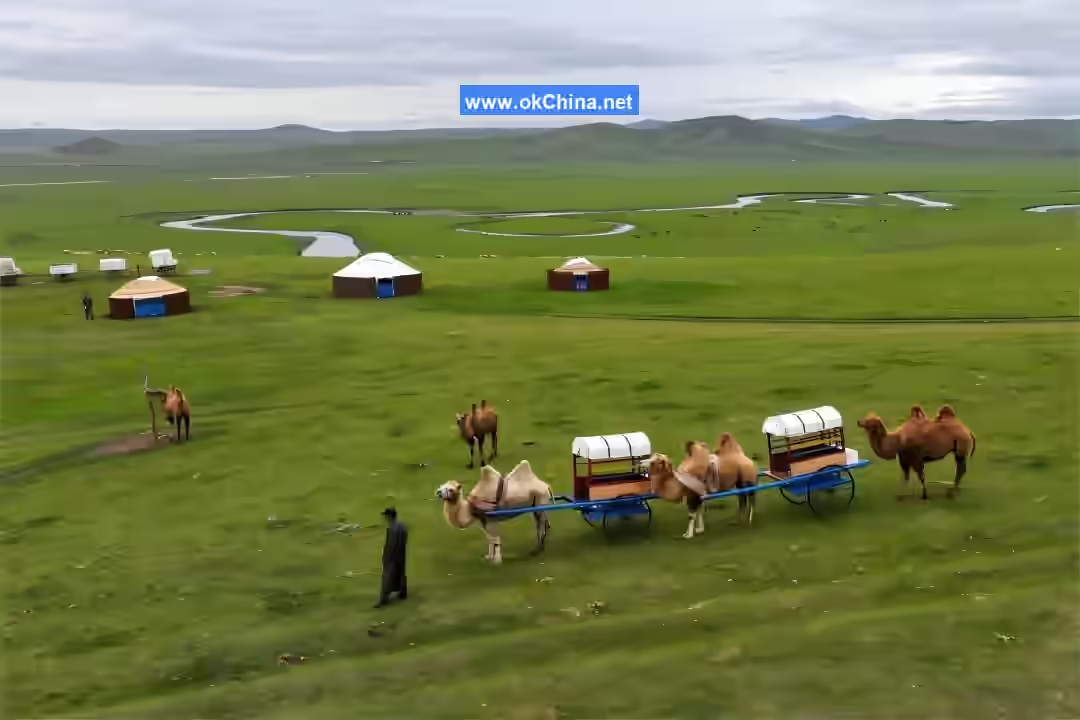
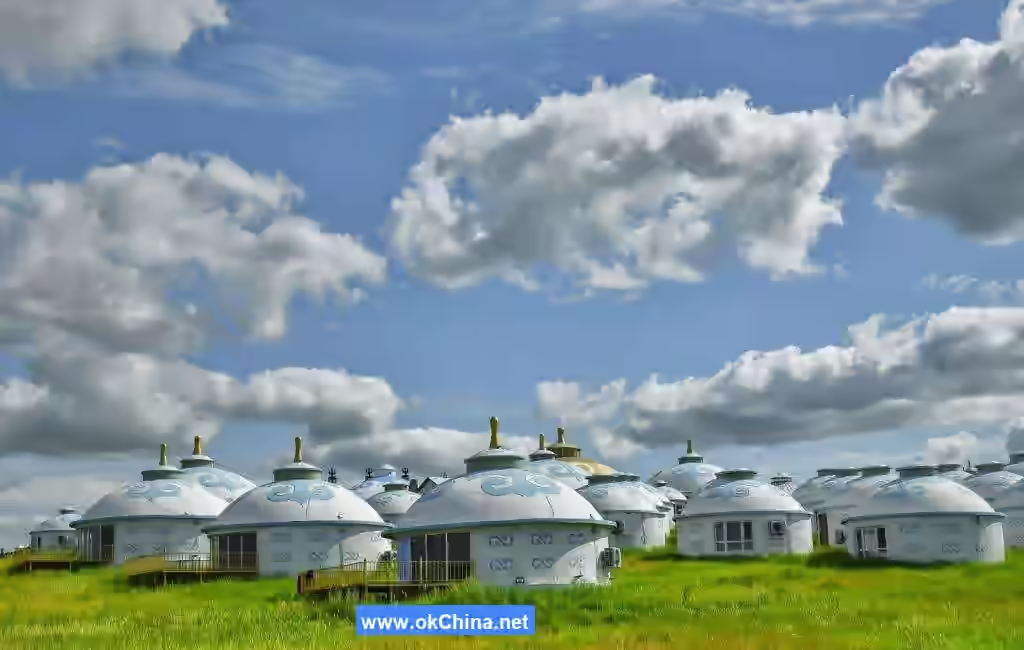
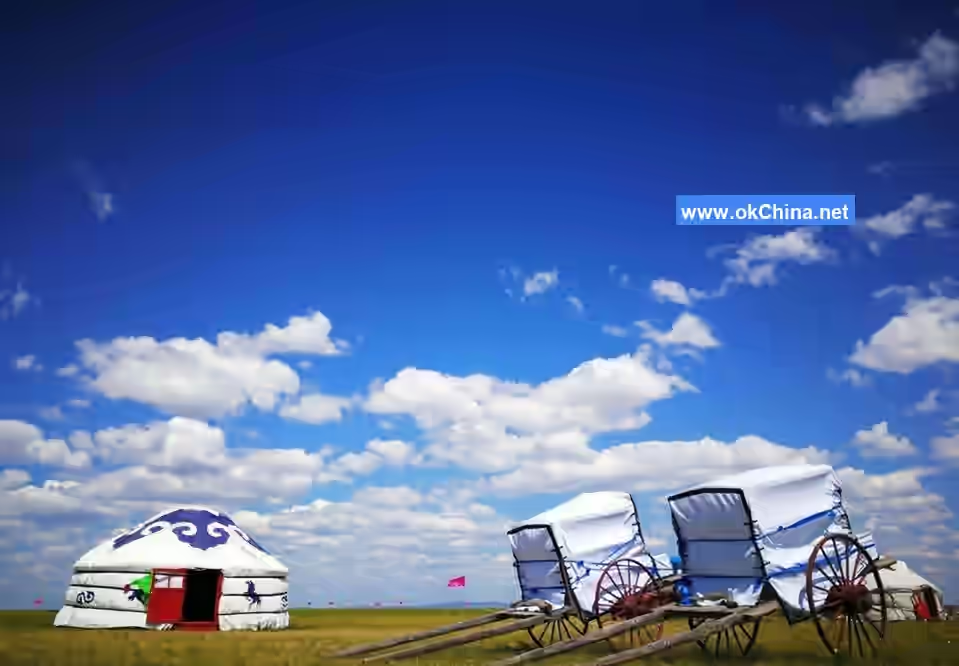
The main visitor center, located in the southern part of the scenic area, is constructed using traditional wooden structures, with the architectural form modeled after the most typical local dwelling on the grassland—the Mongolian yurt.
The visitor center is a two-story building. The first floor functions include attraction ticket sales, merchandise purchase, visitor inquiries, rental of accessibility equipment, as well as providing supporting services such as light meals and snacks, tea breaks, video screenings, and scenic shuttle bus transfers. It is a multifunctional one-stop service venue integrating dining, accommodation, transportation, sightseeing, shopping, and entertainment. The second floor houses the light meal and snack area, exhibition area, and office area.
Morgen Post Station
Morgen Post Station is the first post station in the scenic area. "Morgen" in Mongolian translates to "wise, intelligent." The post station covers an area of approximately 3,900 square meters, is constructed entirely of wood, and has a "品"-shaped layout.
At Morgen Post Station, you can not only witness the grandeur and vastness of the Morgele River but also immerse yourself in experiencing the remarkable wisdom and traces of production of the ancient nomadic civilization. You can enjoy a leisurely Morgele tea break and visit the Chen Barag Banner JD Specialty Store to savor the abundant fruits of nomadic production. Meanwhile, the post station interior includes functional service facilities such as consultation services, information inquiries, commercial services, and tourist restrooms. The corridors on both sides also provide spaces for rest and viewing.
Ajinai Post Station
"Ajinai" in Mongolian means "steed." In grassland nomadic culture, not all horses can be called "Ajinai." Only the horse that wins the championship at the grandest "Naadam" festival on the grassland can be called "Ajinai," carrying the auspicious meaning of "riding the champion steed."
Ajinai Post Station is the largest of the three viewing platforms in the scenic area, consisting of an entrance sculpture area, a landscape passageway, and a platform square, with rest corridors set up around it. The overall shape resembles a horse-head fiddle (Morin khuur). This viewing platform is relatively high in elevation, offering open vistas, allowing visitors to appreciate the Morgele River scenery from a new height. Additionally, the eagerly anticipated Haidongqing Mounted Police flag-raising ceremony can be viewed here daily at 09:30.
Muyun Mountain Top Hotel
Muyun Mountain Top Hotel is located at an excellent viewing point on the south bank of the Morgele River. It has been awarded the title of "Inner Mongolia Autonomous Region Internet Celebrity Check-in Spot" and is called "China's Most Beautiful Grassland Hotel" by netizens.
Morgele River Summer Pasture
The Morgele River Summer Pasture is located east of National Highway 332 in the northeastern part of Chen Barag Banner, Hulunbuir City, approximately 60 kilometers from Hailar District, the central city of Hulunbuir.
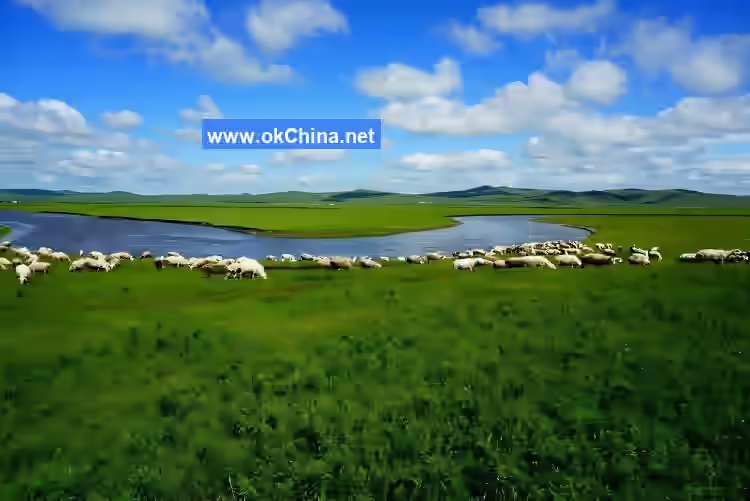
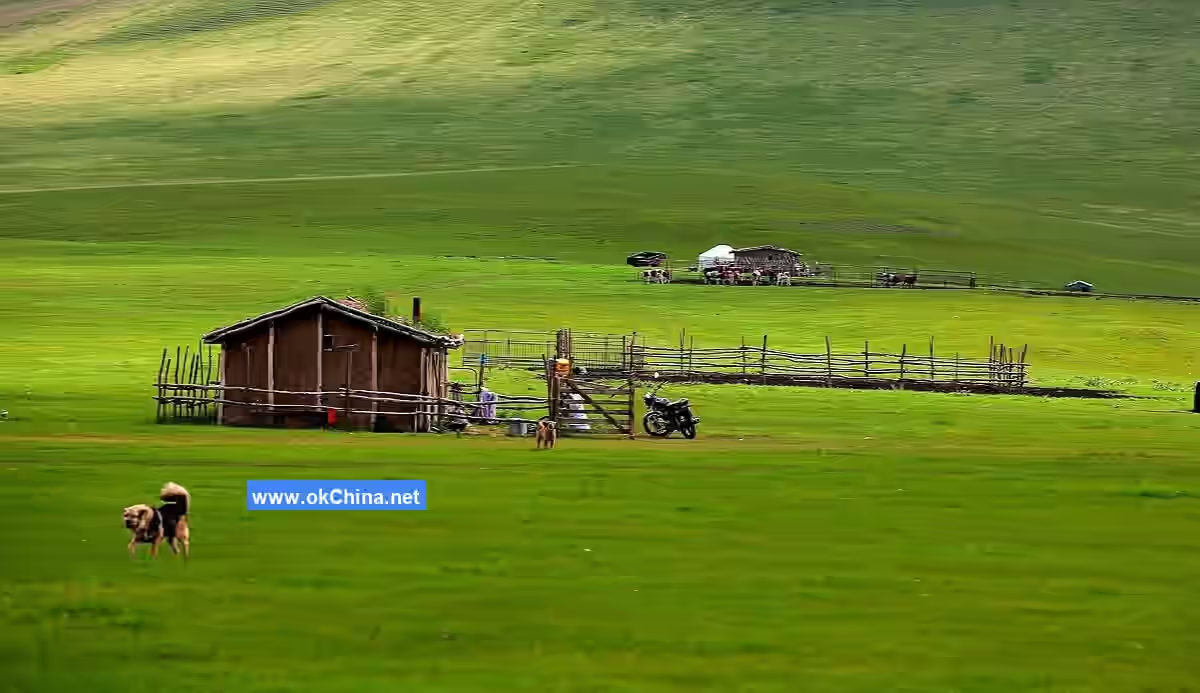
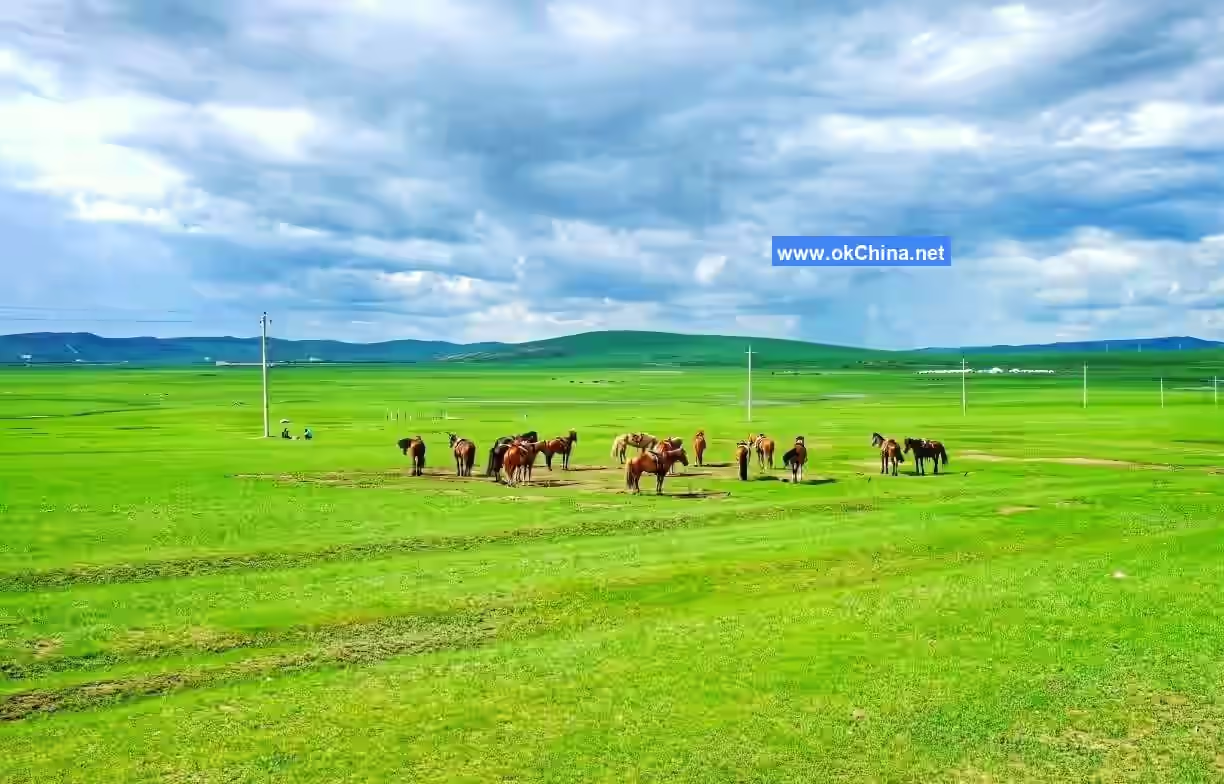
This area features lush water and grass, a cool climate, and pleasant scenery. It is the high-quality pastureland where herders from Chen Barag Banner have practiced seasonal migration for generations. Because the Morgele River runs from east to west through the summer pasture, this grazing land is called the Morgele River Summer Pasture. It is currently also the largest contiguous summer grazing land in Hulunbuir City and a scenic original ecological grassland. It is currently also the largest contiguous summer grazing land in Hulunbuir City and a scenic original ecological grassland.
Haolin Wenduri Post Station
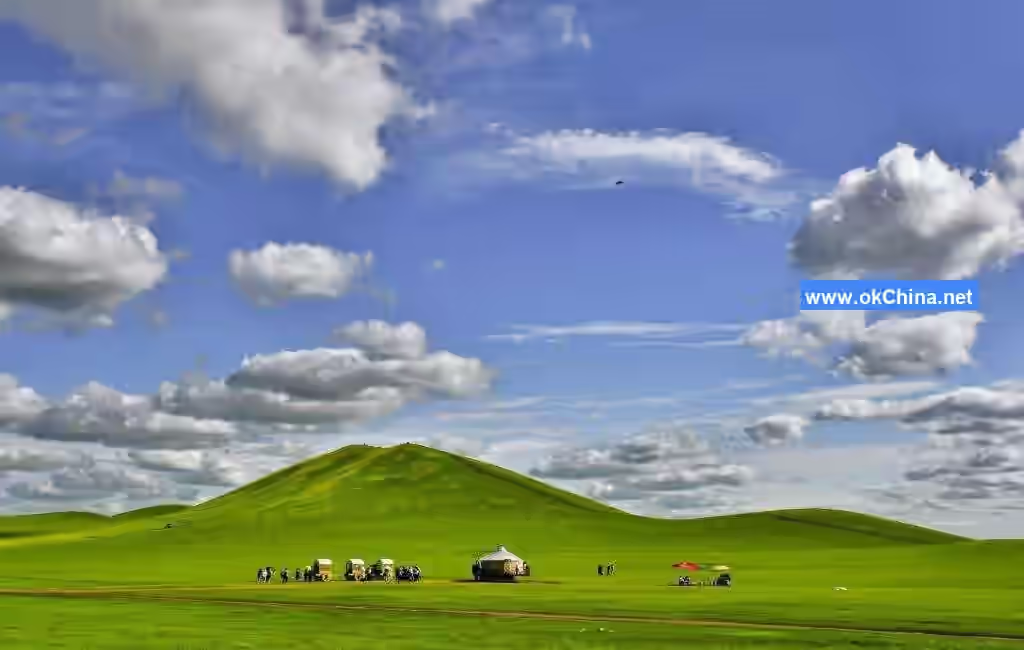
"Haolin Wenduri" originates from Mongolian, meaning "high, far." The viewing platform is designed with the motif of "the sun and moon encircling," symbolizing ethnic unity. This viewing platform has a diameter of over 40 meters and is constructed entirely of wood. It is the viewing platform with the greatest height difference, offering extremely open views, allowing for a complete appreciation of the Morgele River scenery. Opposite it lies the scenic area's famous Horseback Mountain landscape. It is the highest viewing platform in the scenic area.
Morgele River
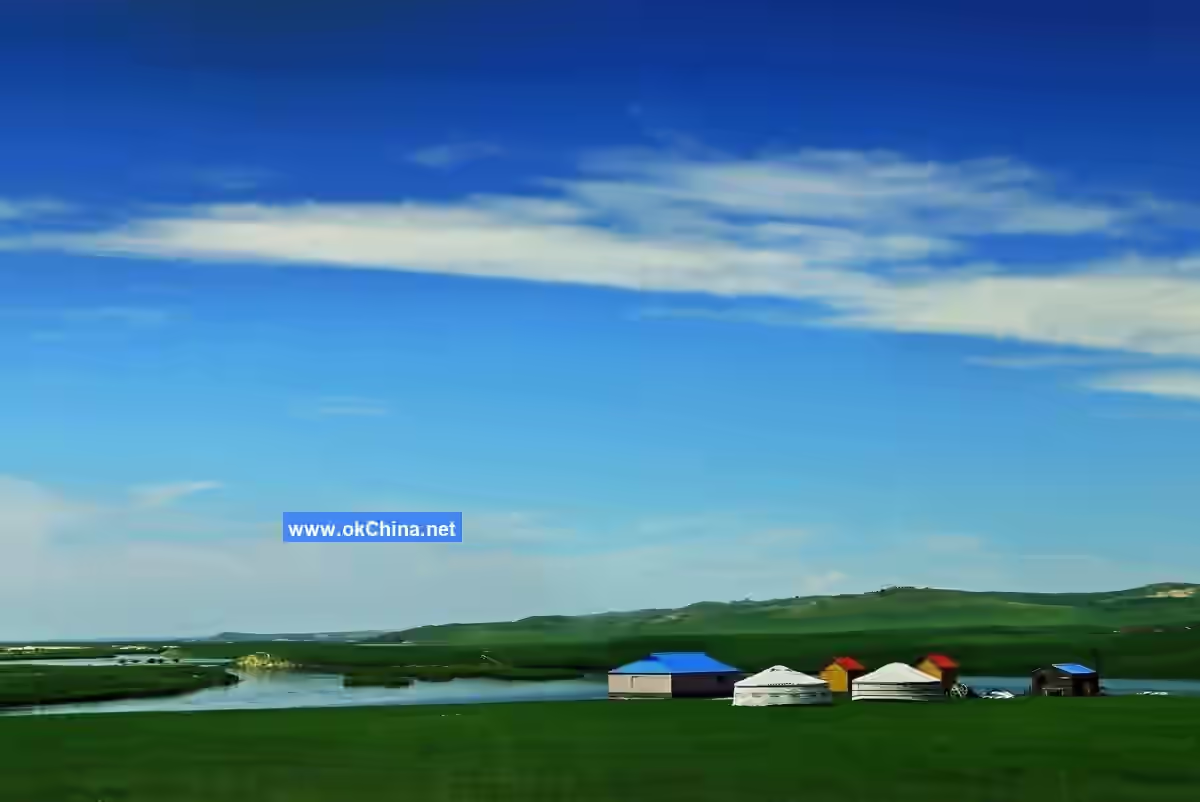
The Morgele River on the Chen Barag Grassland of Hulunbuir is locally known as the First Winding Water. This area is a tourist attraction featuring nomadic tribes as its landscape. It is a natural pasture of Hulunbuir. During the lush season, many nomadic herders gather here, forming a natural nomadic tribe. The Golden Horde Mongolian Tribe by the Morgele River is built according to the traveling camp of Genghis Khan, recreating the style of the Mongolian tribes of that era. Every summer, Mongolian and Ewenki herders from Chen Barag Banner practicing "Aot'er" (seasonal migration) naturally form a nomadic tribal community in this picturesque location with clear waters and lush grasslands.
Hulun Lake
Hulun Lake is a major scenic beauty of the Hulunbuir Grassland. Standing by the lake, one cannot see the opposite shore. By the lakeside, one often encounters sudden weather changes where a clear sky quickly turns stormy, bringing rain, while the sun in the west remains undimmed—a rare "sun shower."
IV. Cultural Resources (including myths, poems, famous figures, etc.)
Legends and StoriesLong, long ago, the grasslands were plagued by wind demons and sand monsters, leaving the land barren, water as precious as gold, livestock on the brink of extinction, and the bones of herders scattered everywhere. In a brave Mongolian tribe on the grasslands, there was a pair of lovers. The girl, named Hulun, was talented, beautiful, and skilled in singing and dancing. The boy, named Bell, possessed immense strength and was an expert rider and archer. To save the grasslands and pursue their love, they courageously battled the demons and monsters. They subdued the wind demons, eradicated the sand monsters, brought nourishing rain, and spread life, making the grasslands exceptionally beautiful. To express their gratitude and commemorate them, the people of the grasslands named their homeland Hulunbuir. This is the Hulunbuir Grassland, one of the world's three major grasslands, administratively known as Hulunbuir League (abbreviated as Hulun League).
Historical Records
From the book Visiting Ancient Inner Mongolia by historian Jian Bozan, it is known that the Hulunbuir Grassland is the cradle of China's ethnic minorities. Historically, the Xianbei, Khitan, Jurchen, and Mongol peoples all grew up in this cradle and spent their youthful eras here. From here, they marched westward to attack the gates of the Great Wall, entered the Yellow River basin, and stepped onto the stage of Chinese history. Hulunbuir is the backstage of the historical stage for China's nomadic peoples.
Folk Customs
Activities
- Dismounting Wine and Songs of Welcome: When guests arrive at a Mongolian yurt on the grassland, the hospitable herders first offer dismounting wine, sing welcoming songs, and present hada scarves.
- Tasting Ethnic Snacks: Inside the yurt, visitors can sample milk tea, dried milk curds, milk skin, cheese, fried millet, and more.
Worship at the Aobao
Worship at the Aobao is one of the grand sacrificial ceremonies of the Mongolian people. The Aobao is typically built on high mountains or hills, constructed from stones into a solid conical tower. At the top, a long pole is inserted, tied with livestock horns and scripture streamers, while around it are stones for burning juniper incense. Branches are placed around the Aobao, along with offerings such as whole sheep, mare's milk wine, butter, and cheese.
Wrestling
Wrestling is one of the most solemn competitive activities among the Mongolian people, having been a men's event at the Nadam Fair for over 700 years.
Archery
The bow and arrow were tools for hunting and important weapons for warfare and defense among the ancient Mongols. As early as 700 years ago, the Mongols were renowned worldwide for their riding and archery skills. Later, archery gradually evolved into a sport and has been passed down to this day.
Woriqie Dance
"Woriqie" means "swan" in the Evenki language. The Woriqie Dance is a folk entertainment dance of the Evenki people. The number of participants is unlimited, and both men and women can join. Usually, it involves a pair dancing while others watch and cheer. At the climax, men and women may join together, dancing in a group, with women often in the majority.
Lvrigeren
"Lvrigeren" means "dance" in the Oroqen language. The dance movements of the Oroqen people typically start slow and gradually speed up, ending with intense actions. Dancers usually perform without accompaniment, singing while they dance.
Comments
Post a Comment