Heshun Ancient Town
1. Introduction
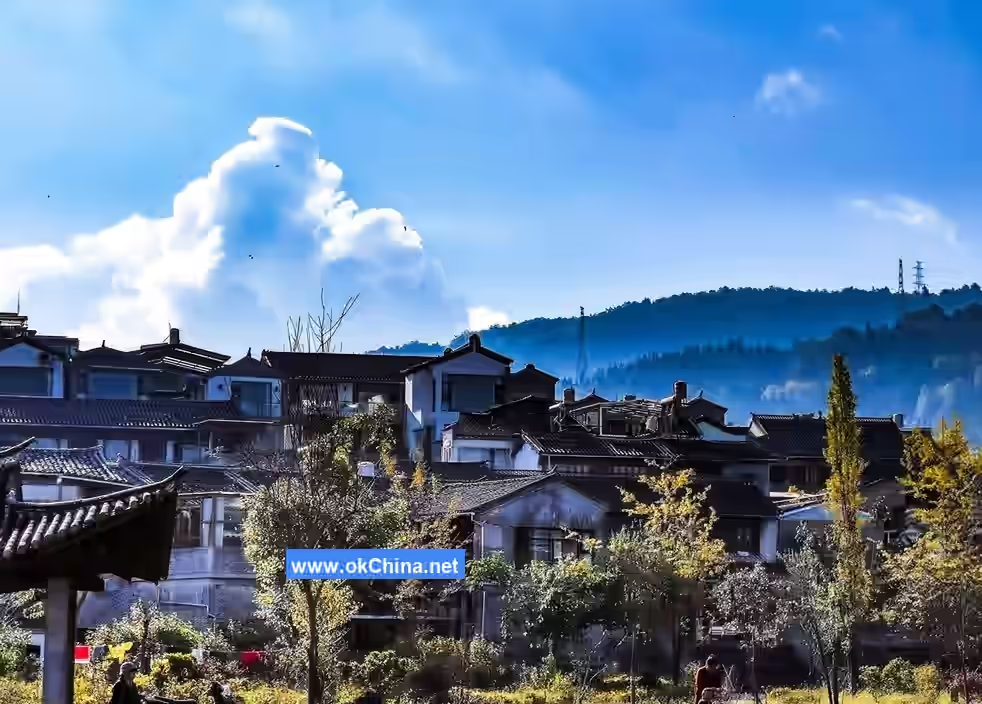
Heshun Ancient Town, located 4 kilometers southwest of the urban area of Tengchong City, Yunnan Province, is a famous hometown of overseas Chinese in Yunnan. For over six hundred years, Central Plains culture, Western culture, Nanzhao culture, and frontier culture have intersected and blended here, forming a unique culture of overseas Chinese hometowns and caravan culture, making Heshun one of the four typical eco-cultural villages in Yunnan Province.
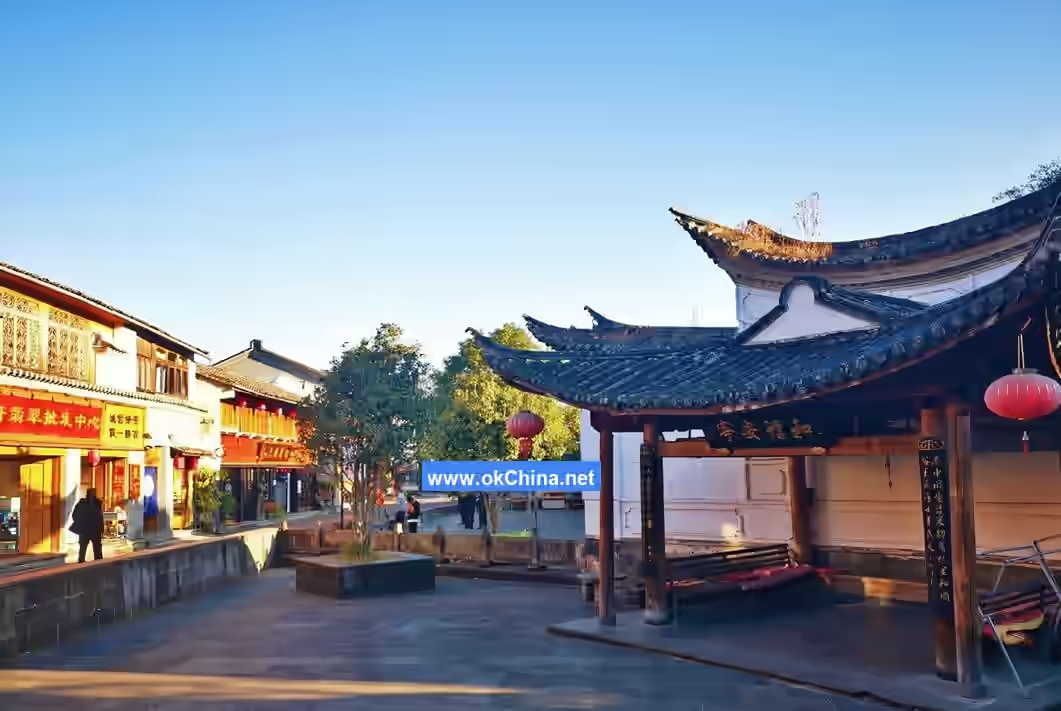
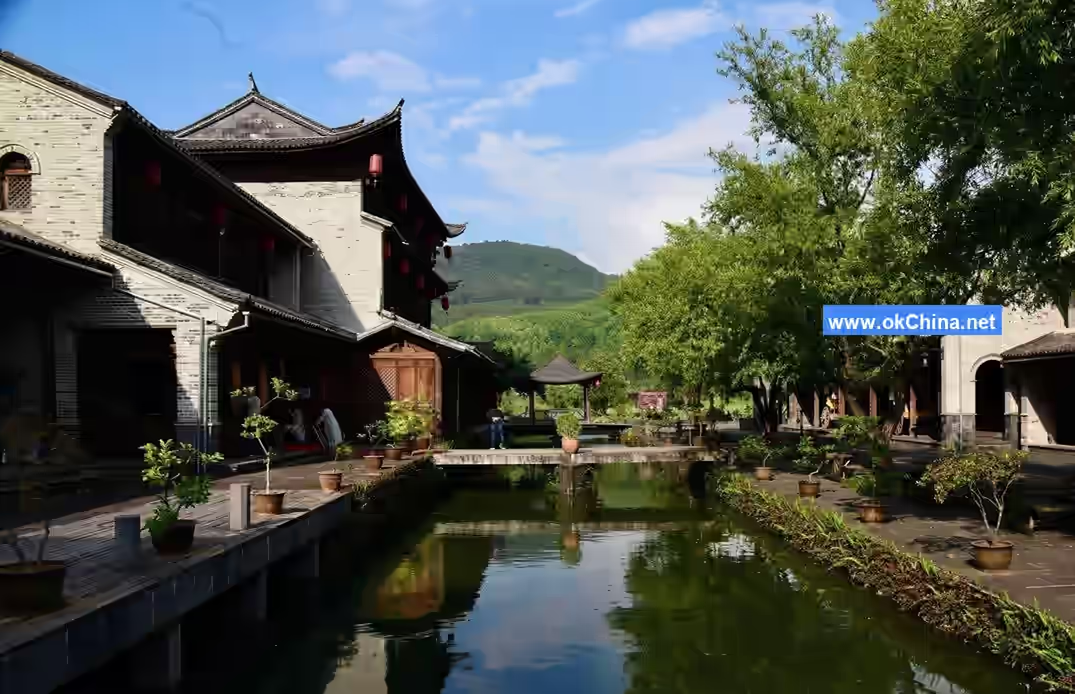
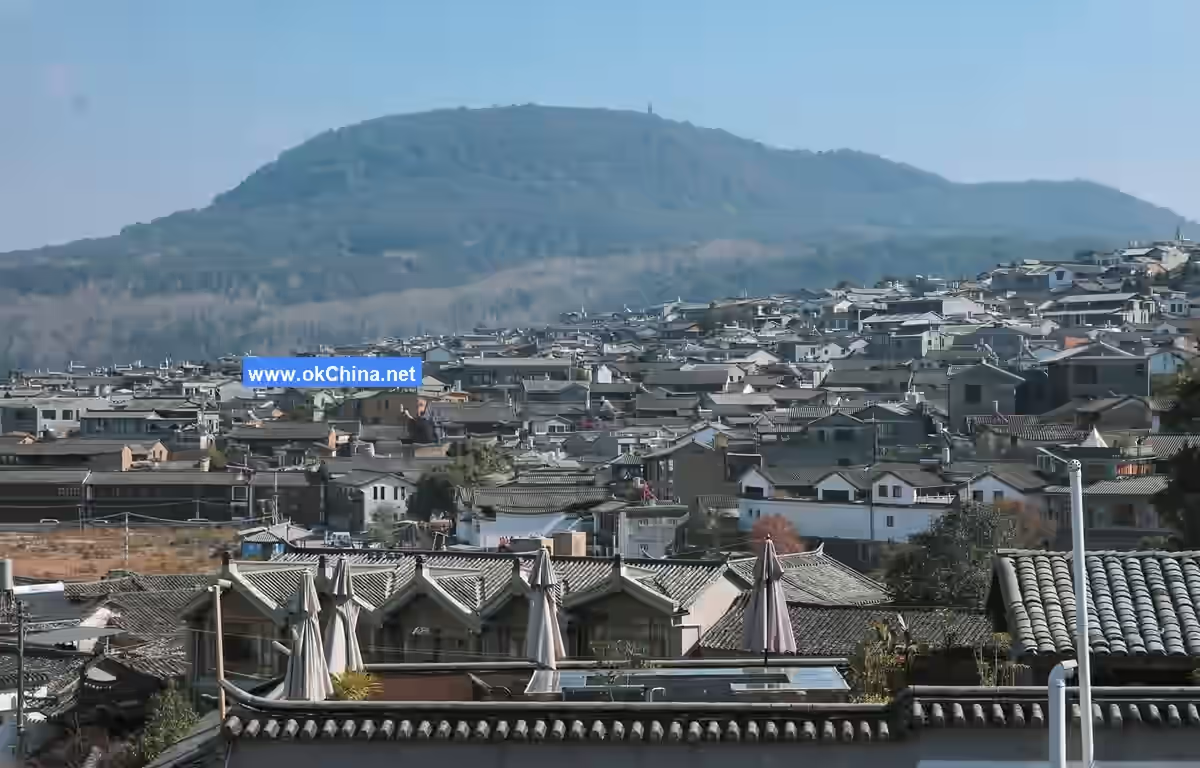
Heshun Ancient Town is built against mountains and beside water, stretching for several miles along the hills. It clusters temples, Taoist shrines, ancestral halls, and numerous alleys, along with over 100 residential compounds from the Qing Dynasty. The architecture combines Chinese and Western styles, featuring both the elegance of Huizhou-style architecture and the clarity of Western-style buildings, along with a touch of Southeast Asian charm.
2. Geographical Environment
2.1 Location and Territory
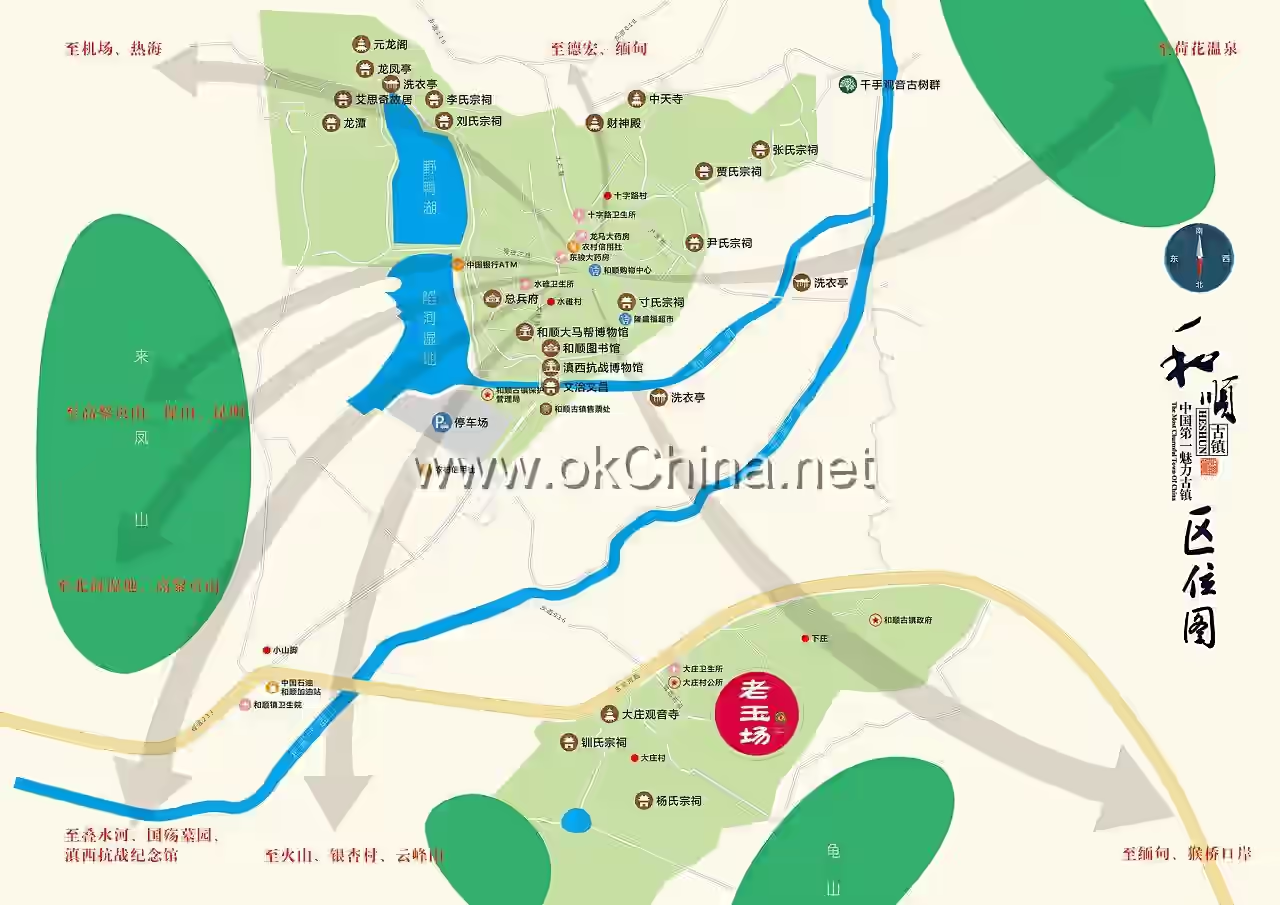
Heshun Ancient Town is located 4 kilometers southwest of the urban area of Tengchong City, Yunnan Province.
2.2 Topography and Landforms
Heshun Ancient Town is surrounded by volcanoes, with one volcano each to the east, south, west, and north. The center is a horseshoe-shaped basin. The highest elevation within the town is 2,091 meters, and the lowest is 1,490 meters.
2.3 Climate Characteristics
Heshun Ancient Town has an average annual temperature of 15°C–17°C, an aridity index of 0.46–0.55, and an average annual precipitation of 1,400–1,600 mm. It has distinct dry and rainy seasons, with a mild climate and abundant rainfall, belonging to the subtropical climate type.
3. Main Attractions
3.1 Heshun Shunhe Memorial Archway
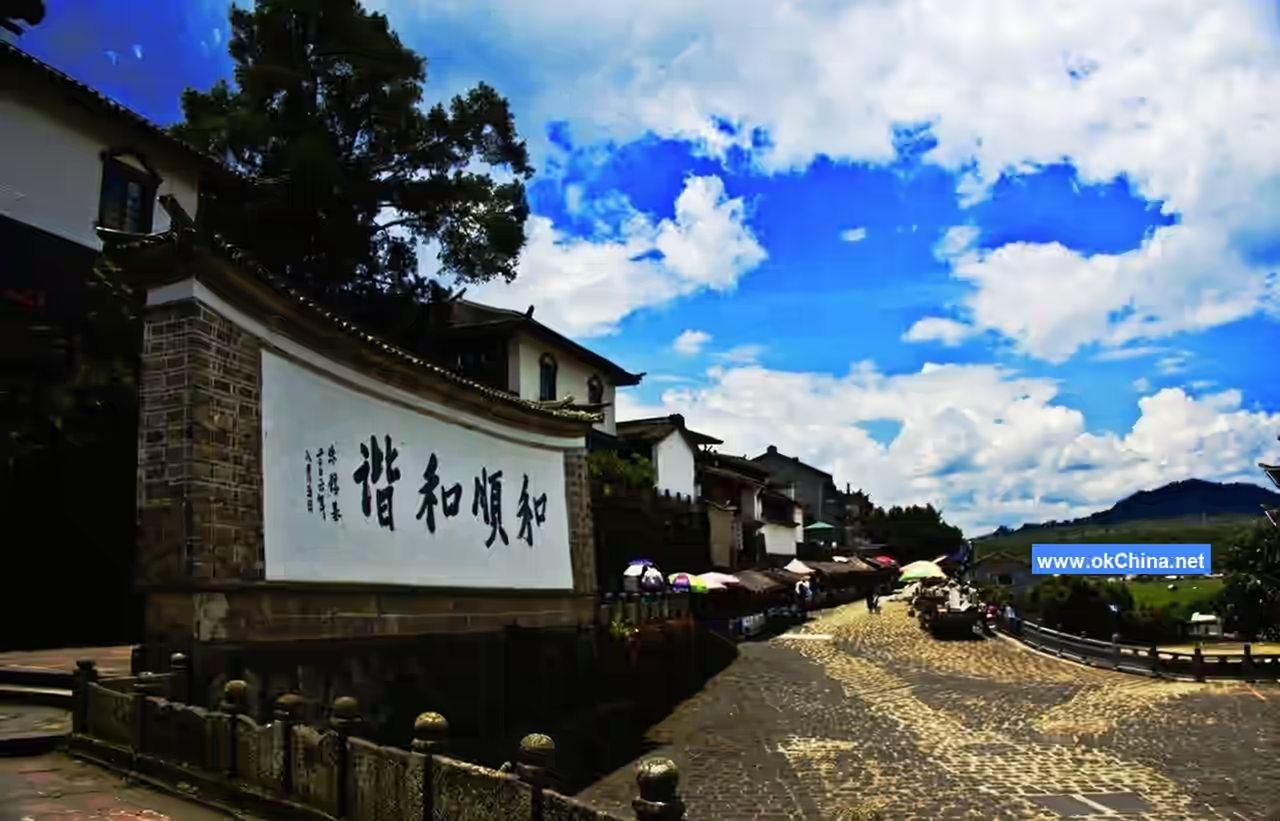
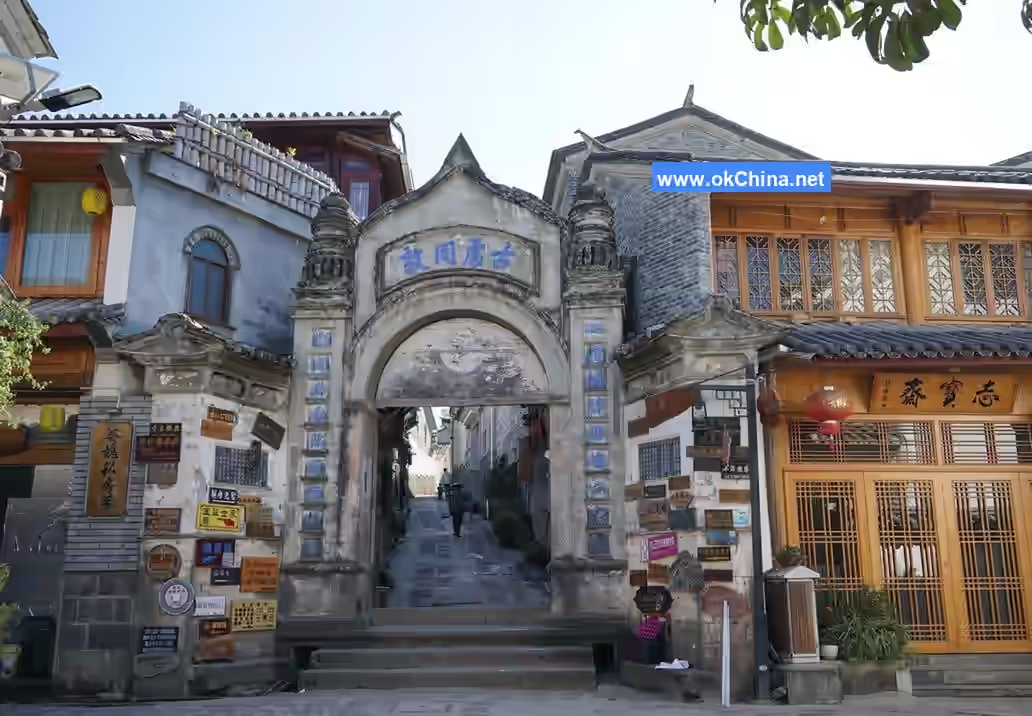
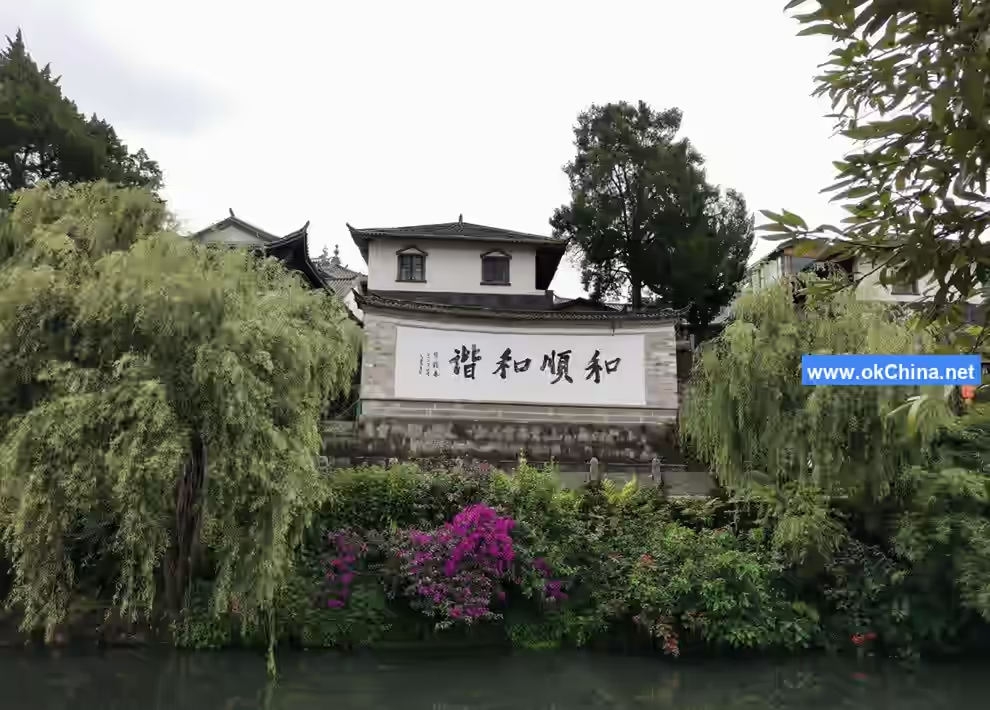
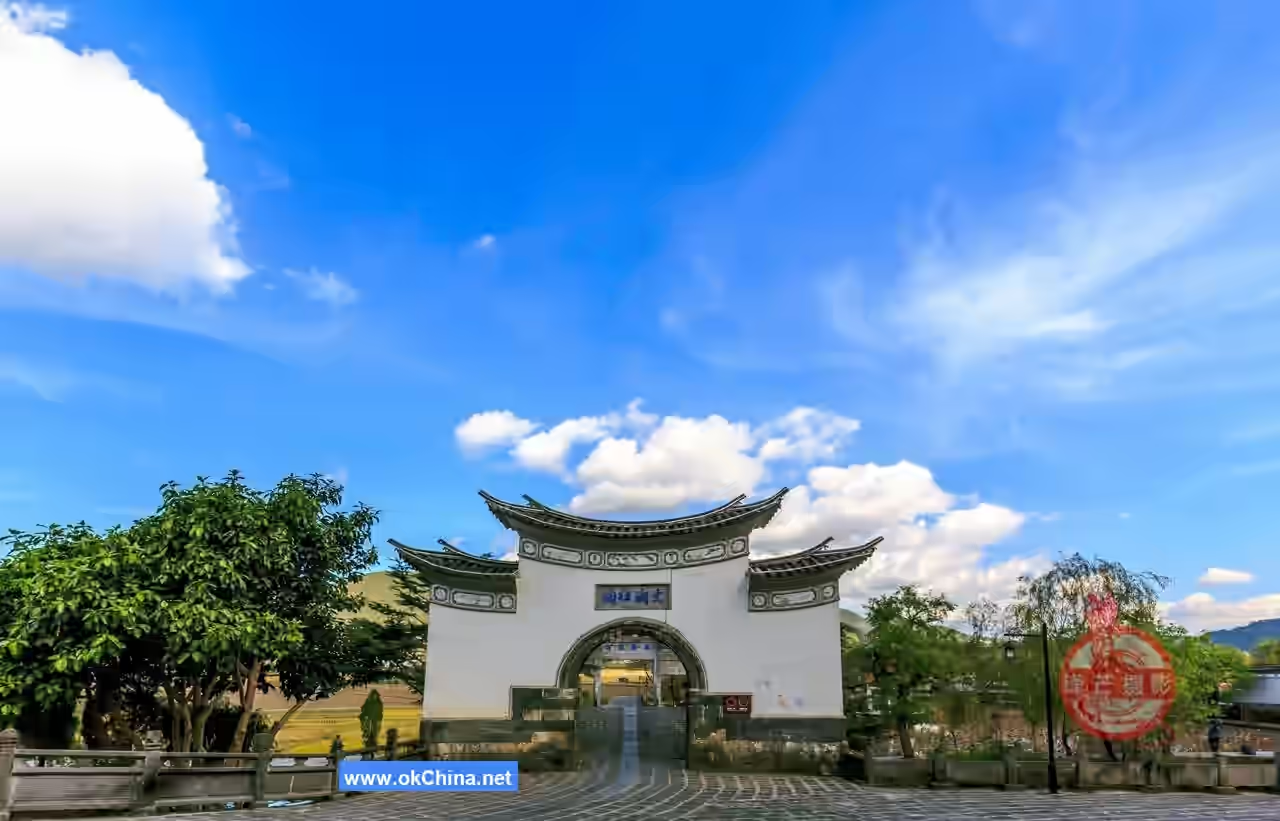
The Heshun Shunhe Memorial Archway was built in 2001 and is a landmark of Heshun. Chinese people cherish the characters "He" (harmony) and "Shun" (smoothness). No matter how they are combined, they evoke longing and contemplation. Here, the palindrome rhetorical device is cleverly used to form the combination "Heshun Shunhe," expressing beautiful aspirations for life and good wishes for people. On the back of the archway, the characters "Ren Li" (Benevolent Village) were inscribed by Zhao Fan, a renowned scholar in modern Chinese history who served as the Daoyin (circuit intendant) of Tengyue. It signifies that Heshun is a village that values traditional culture, benevolence, and morality.
3.2 Memorial Archways
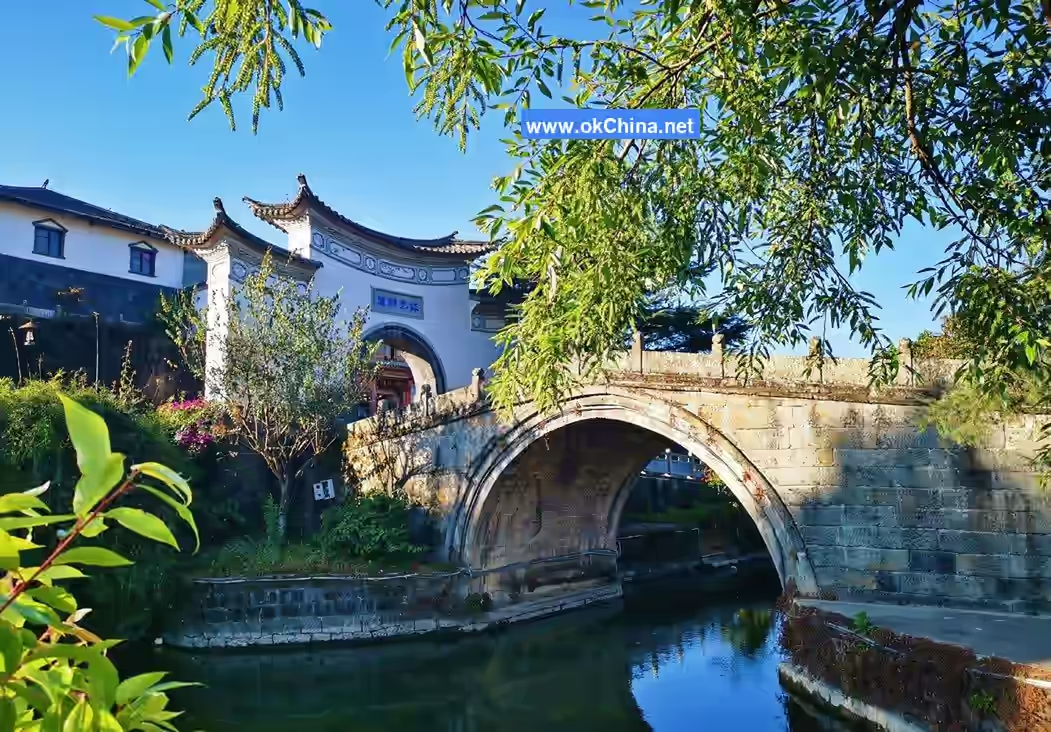
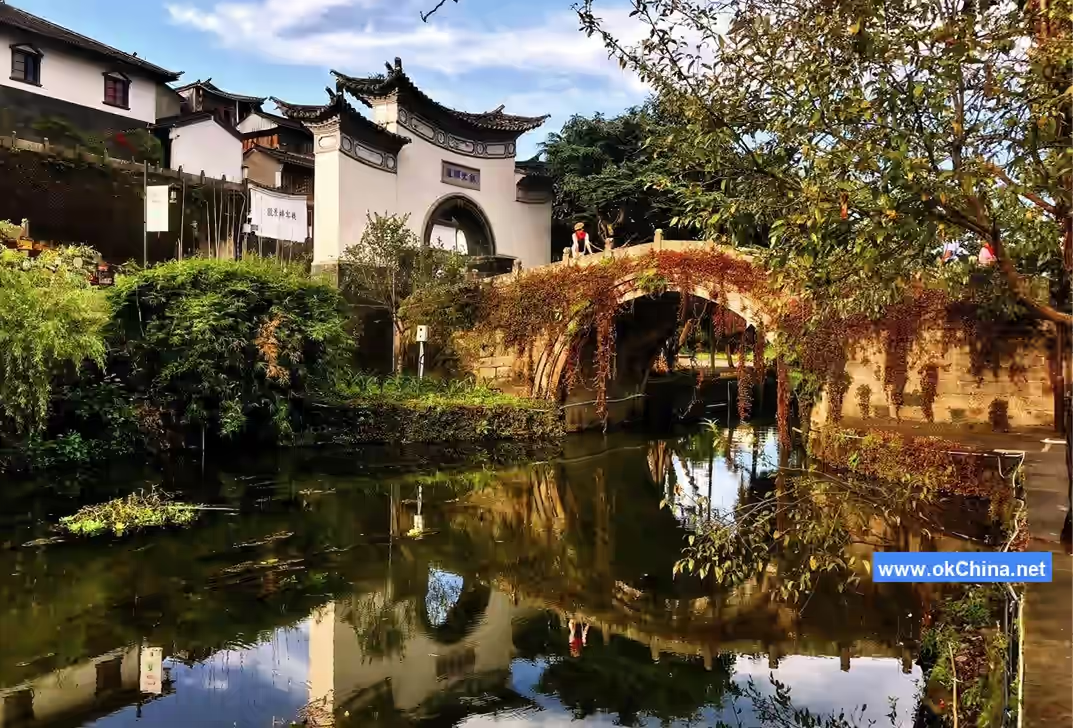
The memorial archways in Heshun Ancient Town were structures erected in ancient times to honor meritorious deeds, imperial examination successes, virtuous governance, loyalty, filial piety, and moral integrity. Historically, Heshun had 12 memorial archways built during the late Qing Dynasty and early Republic of China, which were later destroyed in the 1960s and 1970s. After 2002, they were gradually restored. Heshun's memorial archways are divided into three categories: Centenarian Archways, Cultural Archways, and Chastity and Filial Piety Archways. The "Wen Zhi Guang Chang" (Cultural Prosperity) Archway at the old bridgehead of Shuanghong Bridge is a Cultural Archway, while the "Bing Qing Yu Jie" (Pure as Ice and Jade) Archway at the new bridgehead of Shuanghong Bridge is a Chastity and Filial Piety Archway.
3.3 Yuzhou Pavilion
Yuzhou Pavilion was built in memory of Mr. Cun Shusheng, the first principal of Yiqun Middle School and former vice president of Yunnan University. Cun Shusheng, styled Yuzhou, was the first county magistrate of Tengchong County People's Government. He served as a standing committee member of the National Committee of the Chinese People's Political Consultative Conference (CPPCC), a standing committee member of the Central Committee of the China Democratic League, vice chairman of the Yunnan Provincial Committee of the CPPCC, and chairman of the Yunnan Provincial Committee of the China Democratic League. He was a renowned educator in Yunnan. The stele "Yuzhou Pavilion" in the pavilion was inscribed by Chu Tunan, former vice chairman of the Standing Committee of the National People's Congress. The road beside the lotus pond of Yuzhou Pavilion is called Qiunong Road, named after Li Zuhua (styled Qiunong), the second principal of Yiqun Middle School, reflecting Heshun's fine tradition of respecting teachers and valuing education.
3.4 Shuanghong Bridge (Double Rainbow Bridge)
The old Shuanghong Bridge was first built in the early Jiajing period of the Ming Dynasty. It is said to have been constructed under the leadership of the bridgehead elder, Cun Yu. It was rebuilt in the 10th year of the Guangxu reign of the Qing Dynasty (1884). The new Shuanghong Bridge was built in 1921. The two bridges resemble two rainbows lying over the water, hence the name Shuanghong Bridge. Both bridges are exquisitely designed, with green willows shading the banks and red lotuses reflecting the sunlight. The sound of village women washing clothes by pounding is constant; beneath the bridges, geese and ducks play in the water, and fish swim in the shallow depths, presenting a serene and beautiful scene reminiscent of the Jiangnan water towns.
3.5 Heshun Library
Heshun Library was founded in the 17th year of the Republic of China (1928). It is a rural library established with donations from overseas Chinese from this hometown in Myanmar to revitalize local culture and education. In 1980, it was incorporated into the public library system. It currently houses over 110,000 volumes, distributed among collections of ancient books, Republic of China-era books, Chinese rare book reprints, and modern books, with a relatively rich collection of documentary literature. Inside, there are inscriptions by many cultural luminaries such as Hu Shi, Xiong Qinglai, and Li Shizeng. Heshun Library is hailed as the largest rural library in China and is now a national key cultural relics protection unit and a patriotic education base of the All-China Federation of Returned Overseas Chinese.
3.6 Heshun Renjia (Heshun Homestead)
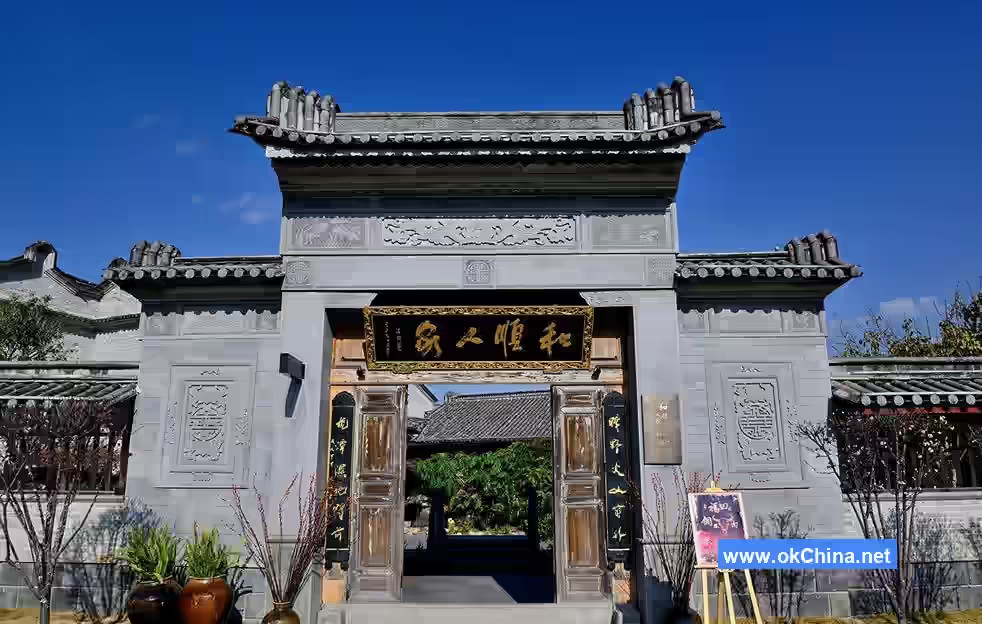
Heshun Renjia is a century-old house that was relocated entirely from another location. It was once the private library of Zhang Muxin, a modern business magnate from Tengchong and founder of the Hong Kong Fudian Bank. Now converted into a restaurant, Heshun Renjia offers a tranquil environment rich in cultural atmosphere, making it an excellent place to experience Heshun culture and savor local flavors.
3.7 Wenchang Palace
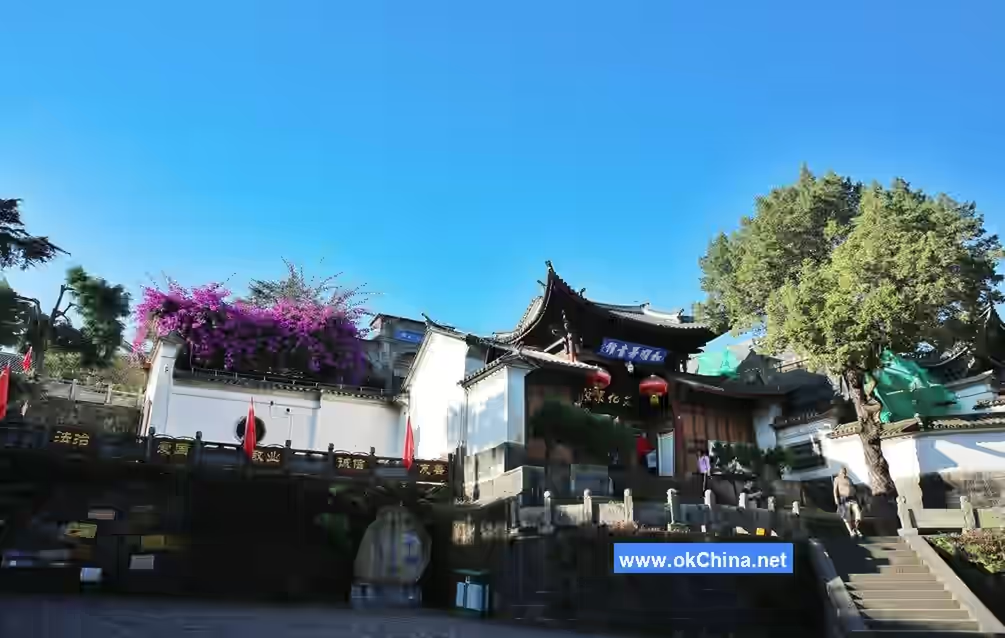
Wenchang Palace is dedicated to the Wenchang Emperor, the Taoist deity in charge of literary fortune and scholarly success. The Heshun Wenchang Palace was built during the Daoguang period of the Qing Dynasty (1821–1850). It consists of the main hall, rear hall, Kuixing Pavilion, Zhuyi Pavilion, connecting hall, two side wings, main gate, and the large front platform. Embedded under the left and right pavilions are the "Heshun Liang Chao Ke Jia Ti Ming Bei" (Stele Recording Heshun's Imperial Examination Successes in Two Dynasties), which records a total of 809 individuals from Heshun who achieved imperial examination success during the Ming and Qing dynasties, including 8 provincial graduates (juren), over 600 county graduates (xiucai), and more than 180 who held official positions in the imperial court. Wenchang Palace is the cradle of education in Heshun. In the first year of the Xuantong reign of the Qing Dynasty (1909), a two-level primary school was opened here. In the 29th year of the Republic of China (1940), Yiqun Middle School, founded with donations from Heshun overseas Chinese, was established here.
3.8 Yunnan-Myanmar Anti-Japanese War Museum
In 2005, marking the 60th anniversary of the victory of the Chinese War of Resistance Against Japan and the World Anti-Fascist War, Yunnan Bolian Heshun Tourism and Culture Development Company established the Yunnan-Myanmar Anti-Japanese War Museum on the site of the former command headquarters of the 20th Group Army of the Expeditionary Force that recaptured Tengchong. It displayed thousands of anti-war artifacts collected by the renowned collector Mr. Duan Shengkui. As China's first museum on the theme of the Yunnan-Myanmar Anti-Japanese War funded and curated by private entities, it once had a significant impact. In 2013, the artifacts exhibited in this museum were relocated to the government-run Western Yunnan Anti-Japanese War Memorial Hall.
3.9 Heshun Alley
Heshun Alley is built along the Sanhe River of Heshun Ancient Town, consisting of nearly 10,000 square meters of ancient architecture, including the old residence of Zhang Songlin, the late Qing Dynasty Tengyue Regional Commander. Adjacent to Heshun's wetlands, fields, and lotus ponds, the alley features the Great Caravan Museum, which uses 3,000 cultural relics and nearly a hundred old photographs to display the history of the Southwest Silk Road, the life of the great caravans, the glorious history of Yunnan merchants, and the "Zou Yi Fang" (going to foreign lands) lifestyle of the Heshun people. The "Home of the Jade King" in the alley allows you to experience the jade culture of "jade originating from Tengyue, transported via Heshun." Here, you can also see demonstrations of traditional papermaking, wood carving, and other folk handicrafts.
3.10 Preface Hall of the Great Caravan Museum
The Southern Silk Road started from Chengdu, Sichuan, passing through Yibin, Zhaotong, Qujing, Kunming, Chuxiong, Nanhua, and Yunnanyi to reach Dali, known as the "Five-Foot Road." Another route started south from Chengdu, passing through Qionglai, Ya'an, Lingguan, Xichang, and Yao'an to Dali, known as the "Lingguan Road." The two routes converged in Dali and then proceeded westward through Yangbi, Yongping, Baoshan, and Tengchong to Myanmar. The section from Baoshan to Myanmar is called the "Yongchang Road."
The primary mode of transport on the Southern Silk Road was caravan horse transport. Sculptures in the hall depict the scene of caravan leaders (Maguatou) leading large caravans over mountains and ridges. For over two thousand years, the great caravans traveling on the Southern Silk Road made indelible contributions to strengthening material and cultural exchanges between China and the world.
3.11 Caravan Hall of the Great Caravan Museum
The Caravan Hall displays 571 physical artifacts, comprehensively reflecting the history of the great caravans traveling on the Southern Silk Road. The great caravans of the Southern Silk Road were the largest in scale, longest in history, and most distinctive in the world. Through centuries of experience, caravans developed unique organizational structures, codes, and jargon, forging a spirit of adventure, diligence, trustworthiness, and unity, thus forming a unique caravan culture.
3.12 Yunnan Merchants Hall of the Great Caravan Museum
Relying on the Southern Silk Road, Yunnan merchants became one of the earliest Chinese merchant groups to engage with the world. The hall displays 1,126 physical artifacts. The showcased Tengyue merchant group is one of the more famous and representative among Yunnan merchants, being one of the earliest to venture into the world. Their trading houses reached as far as India, spread throughout Myanmar, and major domestic commercial ports. They cared deeply for their homeland, supporting the 1911 Revolution, the War of Resistance Against Japan, and the War to Resist U.S. Aggression and Aid Korea. They were Confucian merchants with a strong sense of national responsibility and a commitment to the world.
3.13 "Zou Yi Fang" Hall of the Great Caravan Museum
Heshun people refer to venturing to Southeast Asian countries like Myanmar to start businesses or make a living as "Zou Yi Fang" (going to foreign lands). Over four hundred years of "Zou Yi Fang" history have made Heshun a famous hometown of overseas Chinese in Southwest China.
The "Zou Yi Fang" Hall displays 575 exquisite daily items such as porcelain and glassware from different countries, showcasing the influence of the "Zou Yi Fang" tradition on the lives of Heshun people. The story of Yin Rong, the "National Teacher of Four Dynasties," reflects the history of struggle and entrepreneurship of Heshun people who "went to foreign lands" in foreign countries.### 3.14 Water Impression
Water Impression is located in Xianhe of Heshun Ancient Town. Xianhe is a wetland characterized by rich biodiversity. As the main source of the Sanhe River in Heshun, it boasts a well-preserved ecosystem with abundant flora and fauna resources. According to a survey of the Heshun wetland by the National Plateau Wetland Research Center, there are 187 species of plants, 58 species of birds, 21 species of mammals, 14 species of reptiles, and 9 species of amphibians distributed here.
Through Water Impression, visitors can "farm, admire lotuses, watch birds, and paddle boats," experiencing the beauty of Heshun's natural ecology amidst the fusion of pastoral charm and cultural scenes.
Beyond its irreplaceable ecological functions, Xianhe in Heshun also possesses uniquely captivating natural scenery. An overseas traveler from Heshun once wrote a lyric poem titled "Recalling Jiangnan · Homesickness": "My hometown is fine, best at Xianhetou, where purple swallows dart through green willow groves, and black oxen rest by red lotus ponds, companions row a solitary boat." This vividly depicts the beautiful scenery of green willows, purple swallows, red lotuses, and black oxen along Hianhe in Heshun.
3.15 Shadow Puppet Theater
Tengchong shadow puppetry, also known as leather figure play or lantern shadows, was introduced in the early Ming Dynasty with the deployment of large numbers of military households from the Central Plains for garrison farming and border defense. It has a history of over 600 years. It was once quite popular in old Tengchong, with troupes in most townships. Over time, many have faded away. By 2018, the well-preserved Liujiazhai Troupe in Gudong Town remained, not only the sole surviving shadow puppet troupe in Tengchong but also in the entire Yunnan province, regarded as a living fossil of Yunnan shadow puppetry. On October 1, 2008, the "Shadow Puppet Art Museum" was opened in Heshun Alley, displaying 483 shadow puppet figures, including 236 headpieces and 106 body pieces with attached heads. The museum's collection consists of private items provided by local villager Jia Zhiwei.
3.16 Heshun Commander-in-Chief's Mansion
Originally the old residence of Zhang Songlin, a high-ranking official of the first rank in the Qing Dynasty, the Zhenwei General and Tengyue Commander-in-Chief, the Heshun Commander-in-Chief's Mansion was built in the late Guangxu period and holds significant historical and cultural value. The hotel is adjacent to the Heshun wetland, offering distant views of green mountains and fertile fields and close-up sights of wetland scenery with wild ducks and egrets fluttering. Willow-lined lotus ponds, village women washing clothes, children playing in the water, and herds of cattle and horses—all the picturesque scenes of a water town are captured here.
3.17 Laundry Pavilions
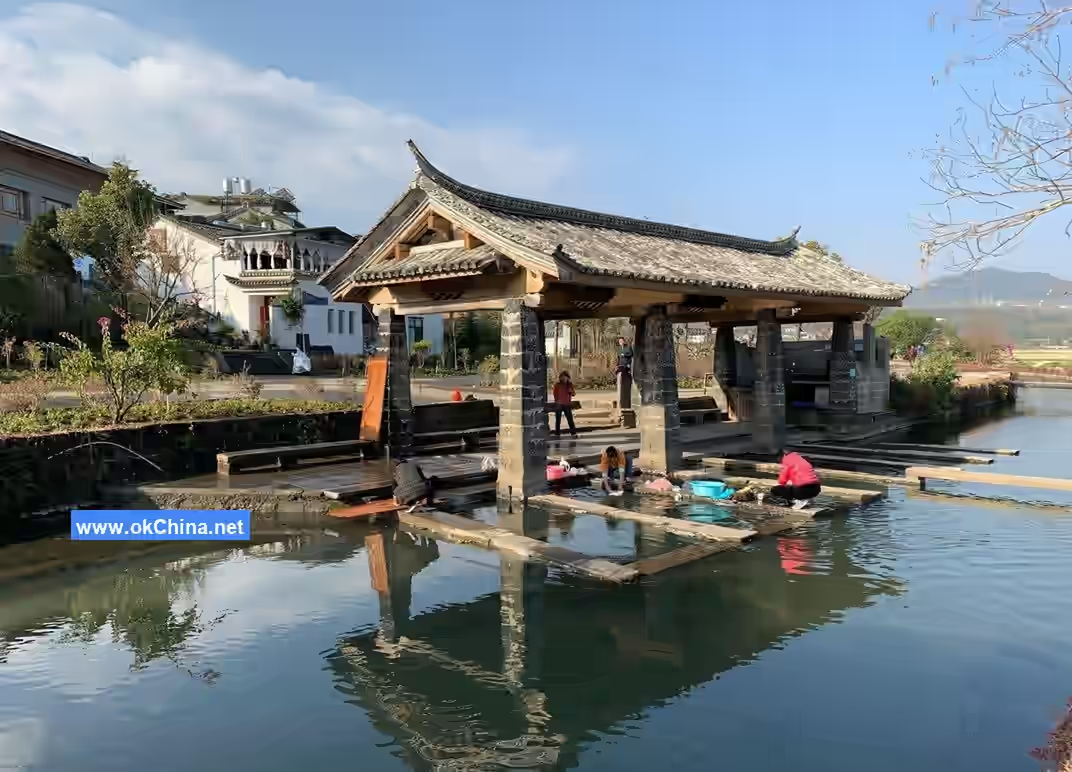
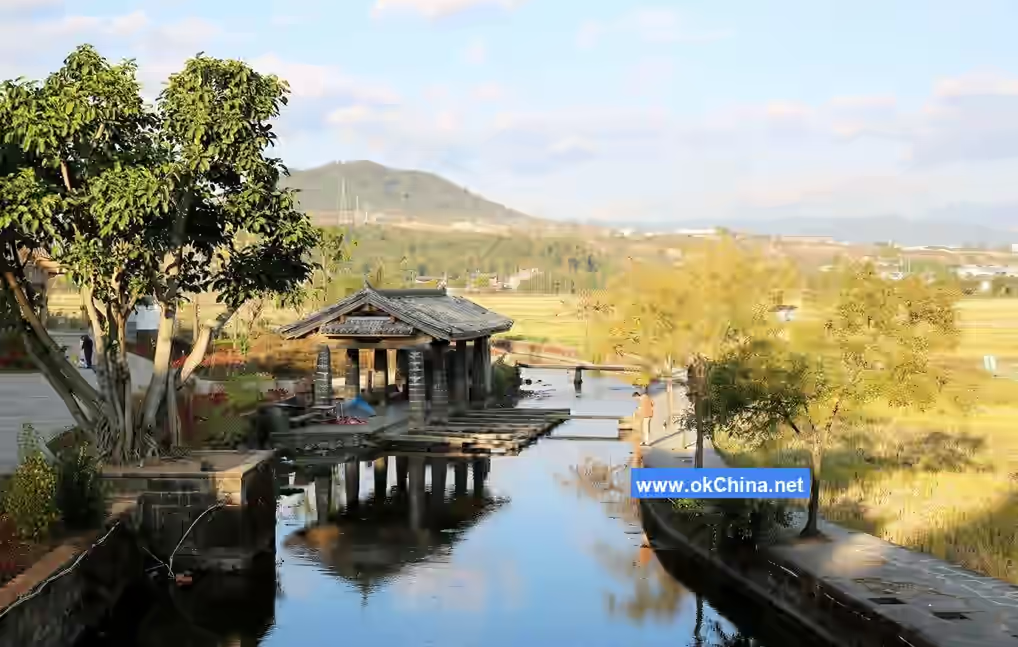
The elders of Heshun went abroad to "seek livelihoods in foreign lands," always concerned about their families back home. To provide the women of their hometown with sheltered places for washing clothes, six laundry pavilions of varying styles were gradually built along the river starting from the Guangxu period of the Qing Dynasty. These are the most unique and tender-hearted public welfare structures in Heshun.
3.18 Heshun Family Tradition Cultural Corridor
The Heshun Family Tradition Cultural Corridor is built along Wild Duck Lake, stretching over 400 meters. It features more than twenty meticulously designed and created stone carvings and installations, distilling over a dozen stories of Heshun's family tradition culture. Divided into sixteen sections such as "Seeking Livelihoods Abroad," "Inspiration," and "Filial Piety," it collectively showcases the moral exemplars, cultural and educational pioneers, anti-Japanese heroes, and patriotic models that emerged throughout Heshun's history. It serves as a window displaying and inheriting Heshun's outstanding family tradition culture.
3.19 Li Clan Ancestral Hall
The Li Clan Ancestral Hall was built in the ninth year of the Republic of China (1920), covering an area of over 4,000 square meters. It is grand in scale, situated on high ground with broad views and a tranquil environment. Inside, there are couplets inscribed by Tan Yankai and Li Genyuan, senior figures of the Republic era. The Li family of Heshun produced a number of cultural celebrities, including Li Yuegai, Secretary-General to Yunnan Governor Cai E, and the philosopher Ai Siqi (Li Shengxuan). Li Yuegai, Ai Siqi's father, was a veteran of the Yunnan Double Ninth Uprising during the Xinhai Revolution and served as Secretary-General of the Yunnan National Protection Army. The famous "Proclamation Against Yuan Shikai's Monarchy" was penned by him, earning him the praise "A Pen in the Southern Sky" from master scholar Zhang Taiyan. He later served as the First Frontier Commissioner of Western Yunnan, achieving remarkable administrative accomplishments and leaving behind literary works.
3.20 Liu Clan Ancestral Hall
The Liu Clan Ancestral Hall was built in the fifth year of the Xianfeng reign of the Qing Dynasty (1856), nearly 150 years ago. In front of the hall lies a crescent-shaped lotus pond, with a double-arched stone bridge leading to the platform. An exquisitely decorated archway-style gate stands on the platform. Inside the hall, there are sequentially arranged halls, wing rooms, and the main hall. The main hall is dedicated to the founding ancestors of the Liu clan and houses the "Three Ancestors' Admonition Stele." A Clan Ancestral Hall Culture Museum is set up here, showcasing the characteristics of "harmony" and "vitality" in Heshun's ancestral hall culture.
3.21 Centenarian Memorial Archway
Centenarian Memorial Archways were erected to honor elders who reached advanced age and were highly respected. Historically, Heshun had three such archways, all destroyed during the Cultural Revolution. The current one below the Li Clan Ancestral Hall in Shuidui was erected for the centenarian wife of Li Degui from Shuidui. The stone arch bears the inscription "Tianmu Peak High" by Tang Jiyao, Governor of Yunnan. The Centenarian Archway is a symbol of longevity among Heshun people and a scenic spot in the town.
3.22 Yuanlong Pavilion
Yuanlong Pavilion was originally a Guanyin Hall. In the 27th year of the Qianlong reign of the Qing Dynasty, villagers built a pavilion in front of the hall, naming it Yuanlong Pavilion. After subsequent renovations over the years, it became a Taoist temple integrating Confucianism, Buddhism, and Taoism. In front of Yuanlong Pavilion lies the clear, rippling Longtan Pond, while behind it are lush ancient trees. Comprising the mountain gate, Dragon King Hall, Sanguan Hall, Kuixing Pavilion, and Guanyin Hall, it is ingeniously conceived and compactly structured, nestled against green hills and facing clear waters, resembling a fairyland on earth.
3.23 Ai Siqi Memorial Hall
The Ai Siqi Memorial Hall is located in the northeastern part of Heshun Ancient Town. It was built in 1918 by Ai Siqi's father, Li Yuegai (a veteran of the Xinhai Revolution who followed Dr. Sun Yat-sen). The memorial hall faces the serene Yuanlong Pond in front and is backed by Fengshan Mountain, situated on high ground with beautiful surroundings. It is a Sino-Western style brick-and-wood quadrangle building. The entrance gate bears the plaque "Ai Siqi Memorial Hall." The courtyard features exquisite architecture, connecting corridors, and Western-style decorative balconies. In front of the main hall, there is a circular stone archway entwined with green vines, presenting an elegant and古朴 charm.
Ai Siqi (March 2, 1910 – March 22, 1966), born Li Shengxuan in Tengchong, Yunnan, was of Mongolian ethnicity. He was a renowned Marxist philosopher, educator, and revolutionary. He served successively as Director of the Philosophy Teaching and Research Office and Vice President of the Central Party School, Vice President of the Chinese Philosophical Society, and Member of the Philosophy and Social Sciences Division of the Chinese Academy of Sciences. He was born in March 1910 in Shuidui Village, Heshun, and left with his father at the age of two, studying in Hong Kong, Kunming, Nanjing, and other places. He joined the Communist Party of China in 1935 and went to Yan'an in 1937. Ai Siqi was an influential and famous Marxist philosopher who authored many popular philosophical works throughout his life. In particular, his books "Philosophy for the Masses" and "Philosophy and Life" guided countless young people onto the path of revolution. His book "Dialectical Materialism and Historical Materialism" long served as a philosophy textbook in higher education institutions.
3.24 Cun Clan Ancestral Hall
The Cun Clan Ancestral Hall was initially built during the Jiaqing period of the Qing Dynasty. Representing traditional Han Chinese ancestral hall architecture, its main gate consists of three European-style stone arched doorways and a lintel with South Asian stylistic features, making it a typical example of the fusion of Han, South Asian, and Western cultures.
Among the eight major clan ancestral halls in Heshun, the Cun Clan Ancestral Hall is the earliest built. According to stele records: In the tenth year of Jiaqing (1805), the then clan leader, martial arts student Cun Guangyuan, organized the clan to pledge donations and raise funds before the deities. Later, investments were made in cotton trade in Myanmar. After profits were made, the main hall and main gate were erected on the second day of the twelfth lunar month in the thirteenth year of Jiaqing (1808). In the summer of the fourteenth year of Jiaqing (1809), the gable walls, perimeter walls, and corridor steps were built. The hall rooms were constructed in the twenty-fourth year of Jiaqing (1819). The screen wall in front of the hall was built in the second year of Daoguang (1822). The family altar seats were installed in the third year of Daoguang (1823). The warm chamber and memorial tablets were completed in the fifth year of Daoguang (1825). The new main gate was rebuilt in the twenty-fifth year of the Republic of China (1936). The entire construction spanned 126 years, involving the diligent work of several generations before completion. It includes the main hall, left and right wing buildings, a screen wall, a front hall, a garden, and two courtyards.
3.25 Curved House Folk Residence Museum
The building is called "Curved House" by locals because it follows the curve of the alleyway. Curved House is not only a residential building but also the nickname for the prominent merchant family, the Li family of the Yongmaohe firm. The Curved House residence is a complex of courtyard buildings with a layout of three rows of houses, three main rooms, and one screen wall. It is now open as the "Folk Residence Museum." The Yongmaohe firm was representative of commercial success, renowned in Tengchong's business circles alongside the "East Dong" and "West Dong" firms. During the Daoguang period of the Qing Dynasty, the firm's owner went to Myanmar for trade and livelihood, gradually developing it into a transnational firm with its headquarters in Mandalay, Myanmar, and branches in Shanghai, Lhasa, Kunming, Xiaguan, Baoshan, Tengchong, and other places within China. The firm spanned five generations, boasting over a hundred years of glorious history.
3.26 Platform
Platforms are mostly built at the entrances of main alleyways in front of villages and in front of ancestral halls and temples, enclosed by stone railings. Some platforms have curved screen walls. At every alleyway entrance or in front of landmark buildings in Heshun, there are crescent-shaped structures called platforms, some accompanied by screen walls. Platforms serve as places for villagers to rest and chat.
3.27 Thousand-Hand Guanyin Ancient Tree Group
Heshun Ancient Town boasts a superior natural ecology, with nearly a hundred ancient and famous trees over a century old within the town. Besides the two Taiwania trees at the Kuige Pavilion, the Thousand-Hand Guanyin Ancient Tree Group located at Zhangjiapo in Heshun is also quite distinctive. The group consists of seven towering century-old camphor trees. Five of them stand in a straight line. Viewed up close, they resemble green canopies and giant umbrellas; from a distance, they look like a thousand arms stretching out in all directions, remarkably resembling the legendary Thousand-Hand Guanyin.### 3.28 Zhongtian Temple Zhongtian Temple in Heshun is located at the southwestern foot of the mountain behind the main village. It was initially built in the eighth year of the Ming Chongzhen era (1635) with funds donated by local villager Zhang Chaohai. The front hall and main gate were constructed first, along with a donation of incense land. Later, fellow villagers continued the work, gradually completing the temple. In the eighteenth year of the Qing Kangxi era (1679), the Imperial Hall was expanded. Repairs were carried out and a commemorative stele was erected in the eighth year of the Yongzheng era (1730). Further repairs and restorations were made in the sixth year of the Qianlong era (1741), and the temple was "renovated and reconstructed anew" in the forty-first year of Qianlong. Later, due to natural disasters causing walls to collapse, villagers again donated funds, and the abbot personally traveled to various ports in Myanmar to solicit the majority of the funds needed for repairs throughout the temple. It was rebuilt in the nineteenth year of the Jiaqing era (1814) but was later destroyed. Reconstruction took place during the Guangxu era (1875-1908). In the 1930s, the Three Sovereigns Hall was built, and plans for the Three Pure Ones Hall began in the 1940s but were halted due to the Japanese occupation of Tengchong. The temple's construction technique is exceptional, featuring four beams and eight pillars, high-quality materials, and a distinctive style. The eight door screens in the Imperial Hall are exquisitely crafted with delicate reliefs, considered first-class workmanship. The temple complex consists of the Mountain Gate, Maitreya Hall, Guanyin Hall, Mahavira Hall, Guandi Hall, Three Sovereigns Hall, Heavenly Gate, Imperial Hall Horse King Hall, and God of Wealth Hall. Built along Heshun's main axis following the mountain's contour, the layout is orderly, tiered, and rational, making it the largest temple in Heshun. The total area is 5,000 square meters, with the hall area covering about 1,140 square meters and auxiliary areas about 777 square meters. It is not only a place for local villagers to worship and chant but also renowned throughout western Yunnan, attracting a continuous stream of pilgrims from near and far.
3.29 Kuige (Scholar's Pavilion)
Kuige, also known as Aofeng Temple, was initially built during the Ming Dynasty. The existing structure is a reconstruction from the nineteenth year of the Qing Guangxu era (1893). Villagers worship the God of Literature (Kuixing) here and historically used it as a school. It also serves as a summer retreat and leisure spot for locals. The complex comprises the Mountain Gate, Entrance Hall, Qingjing Temple, Kuixing Pavilion, Jusu Pavilion, and Chunyang Tower. Li Genyuan, acting Premier of the Republic of China, once resided here for half a year, leaving behind numerous stone inscriptions, poems, and writings. Currently, Kuige preserves 33 stone tablets inscribed with calligraphy by local literati since the Ming Dynasty and notable figures who came to Tengchong for border defense. The styles are diverse and exceptionally beautiful.
3.30 Wild Duck Lake
Covering an area of over 150 mu (approximately 10 hectares), it earned its name as Wild Duck Lake because its excellent ecological environment gradually made it a habitat for wild ducks and other waterfowl. The lake, together with the surrounding green mountains, trees, and residential buildings, forms a beautiful scene described as: "Distant mountains stretch vast and hazy, nearby waters flow serene and deep; beneath the sloping land lie countless homes, a sight surpassing even little Suzhou and Hangzhou."
4. Cultural Activities
4.1 Historical Development
In the fifteenth year of the Ming Hongwu era (1382), Zhu Yuanzhang ordered "Lan Yu and Mu Ying to attack Dali, dividing troops to Heqing, Lijiang, and Jinchi (present-day Baoshan), all of which were captured" (History of Ming). The ancestors of the Cun, Liu, Li, Yin, and Jia families in present-day Heshun were soldiers who came from Baxian County in Chongqing. They later established military settlements in Heshun (see Heshun genealogies of the Liu, Li, Cun, and Jia clans). Around the Zhengde era of the Ming Dynasty (circa 1500), Heshun was called "Yangwendun" Township (see the extant Ming Zhengde-era stele "Record of Initiating Water Conservancy Projects in Yangwendun Township, Tengyue Prefecture"). In the twelfth year of the Ming Chongzhen era (1639), Xu Xiake visited Tengchong and recorded it as "Heshangtun." In the thirty-second year of the Qing Kangxi era (1693), it was called "Heshun." In the forty-first year of Kangxi (1702), it was refined to "Heshun," the name used to this day. In the second year of the Qing Daoguang era (1822), it was changed to Heshun Lian. In the eighteenth year of the Republic of China (1929), it was changed to Heshun Township. In 1950, it was successively established as a township, commune, and district, and in 1984, it was re-established as a township.
4.2 Origin of the Name
Heshun's ancient name was "Yangwendun." Because a small river winds around the village, it was renamed "Heshun." Later, taking the meaning of "scholars harmonious and people compliant," it was refined to its current name.
4.3 Caravan Culture
For generations, the people of Heshun ventured abroad from the mountains, using large horse caravans as the primary means of transport connecting China, India, and Myanmar. This gave rise to a group of prominent merchants known as the "Jade King," "Cotton Yarn King," "Rice King," etc., earning Heshun the reputation as the "Hometown of Jade Carried by Horse Caravans." At the entrance to the ancient town, there is a Caravan Museum displaying many items from the caravan era. The Heshun Ancient Town currently has a Caravan Museum that recreates caravan life scenes and exhibits various cultural relics from the caravan period, as well as different types of horse gear.
4.4 Overseas Chinese Hometown Culture
Heshun is a famous hometown of overseas Chinese. The number of its residents living abroad is more than double the population residing within the township. Historically, people from Heshun drove large horse caravans from the mountains, traveling far and wide along the ancient Southwest Silk Road, venturing into "foreign lands." Since Heshun is only 70 kilometers from Myanmar, many went there to trade jade. Others traveled as far as India, the United States, and Canada, with quite a few becoming immensely wealthy. Upon returning home in glory, they built mansions in Heshun and also funded the construction of ancestral halls. The township has eight major ancestral halls, each with a distinct style.
4.5 War of Resistance Culture
In the spring and summer of the thirty-first year of the Republic of China (1942), after the Japanese invading army captured Myanmar, they immediately extended the claws of war into western Yunnan, attempting to drive straight along the Burma Road to occupy all of Yunnan and threaten Chongqing. From then on, "dark clouds bore down on the city, threatening to crush it." Baoshan, located at the southwestern frontier, transformed overnight from the rear of the resistance into the front line. The Western Yunnan-Burma War of Resistance Museum is adjacent to the Heshun Library and Wenchang Palace. It is the former site of the headquarters of the 20th Group Army of the Chinese Expeditionary Force. The site was originally a Tudigong (Earth God) Temple, served as the Expeditionary Force command post during the war, and later became the Heshun Town government office. The museum houses nearly 7,000 cultural relics, including artifacts from the Chinese Expeditionary Force, Chinese Army in India, American and British Allied forces, civilian resistance, and items left by the Japanese invaders.
Comments
Post a Comment