Grape Valley Scenic Area, Turpan
I. Introduction
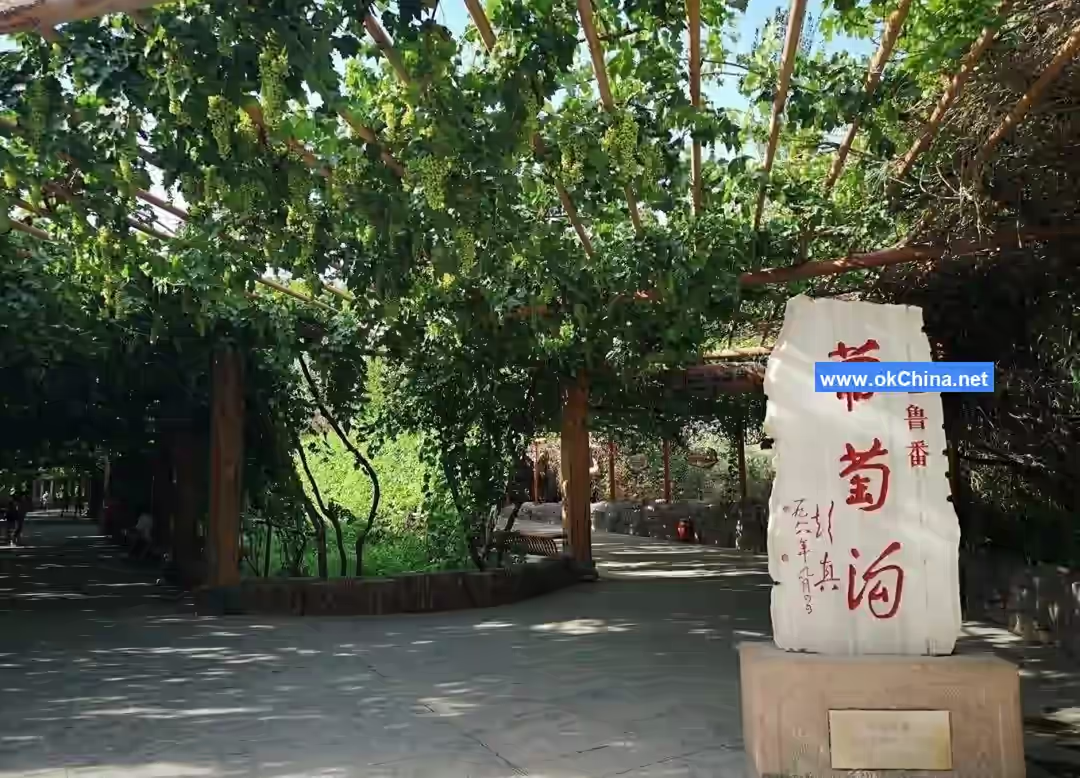
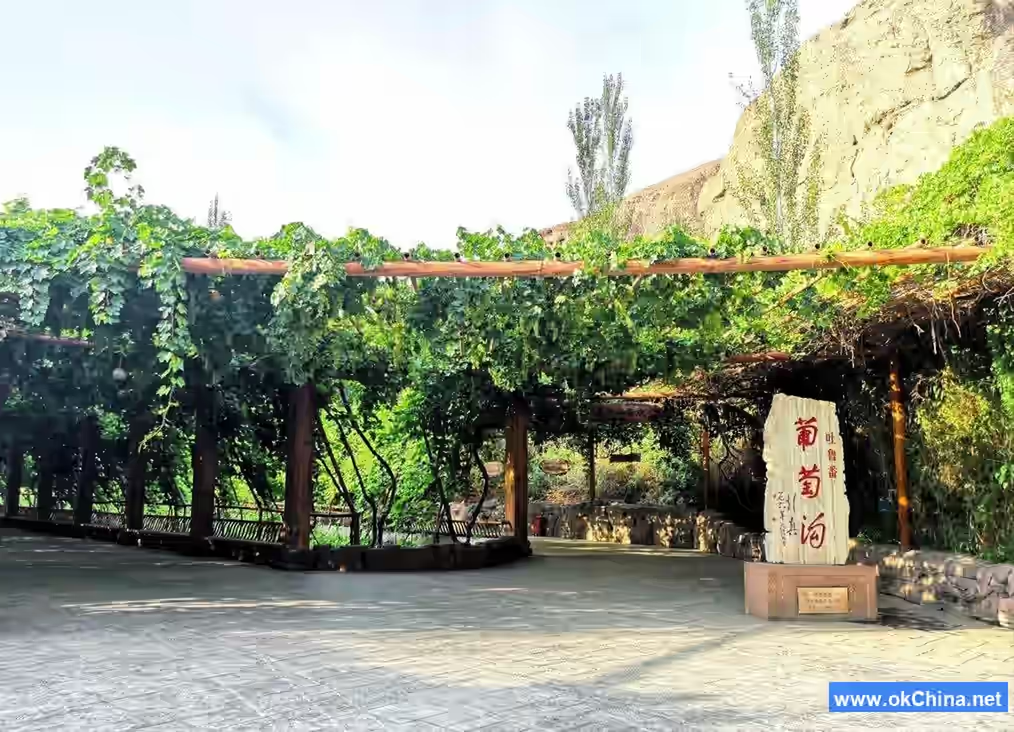
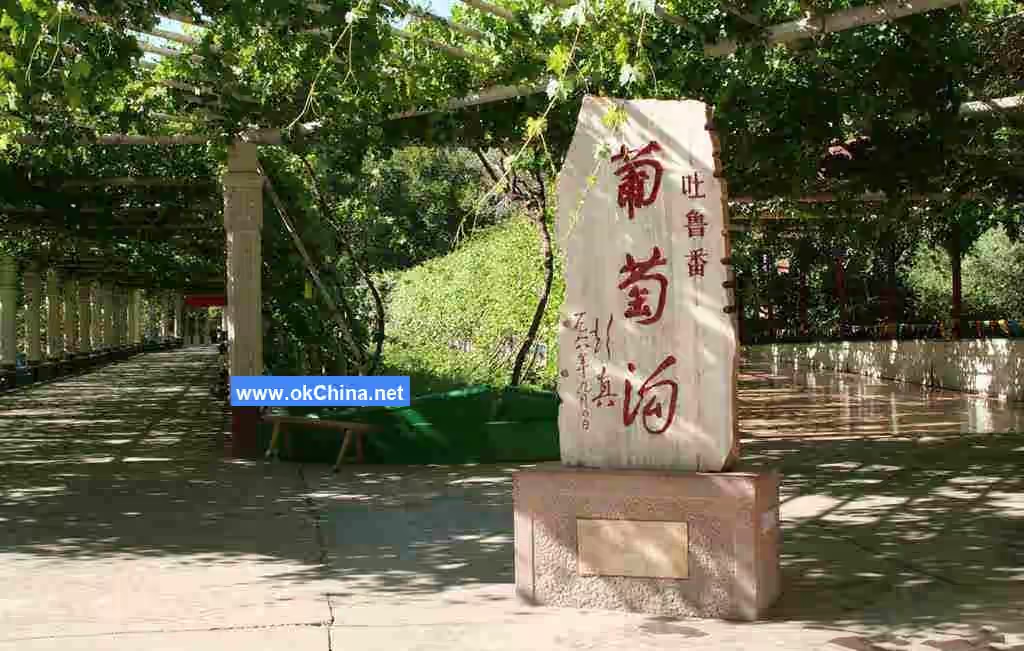
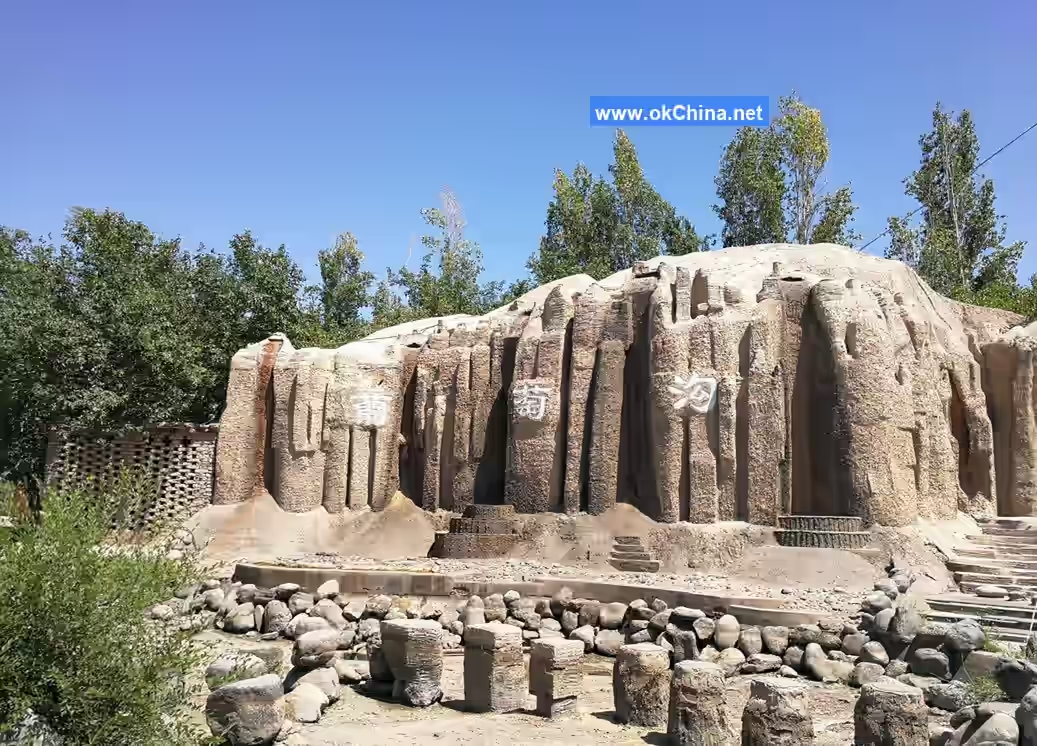
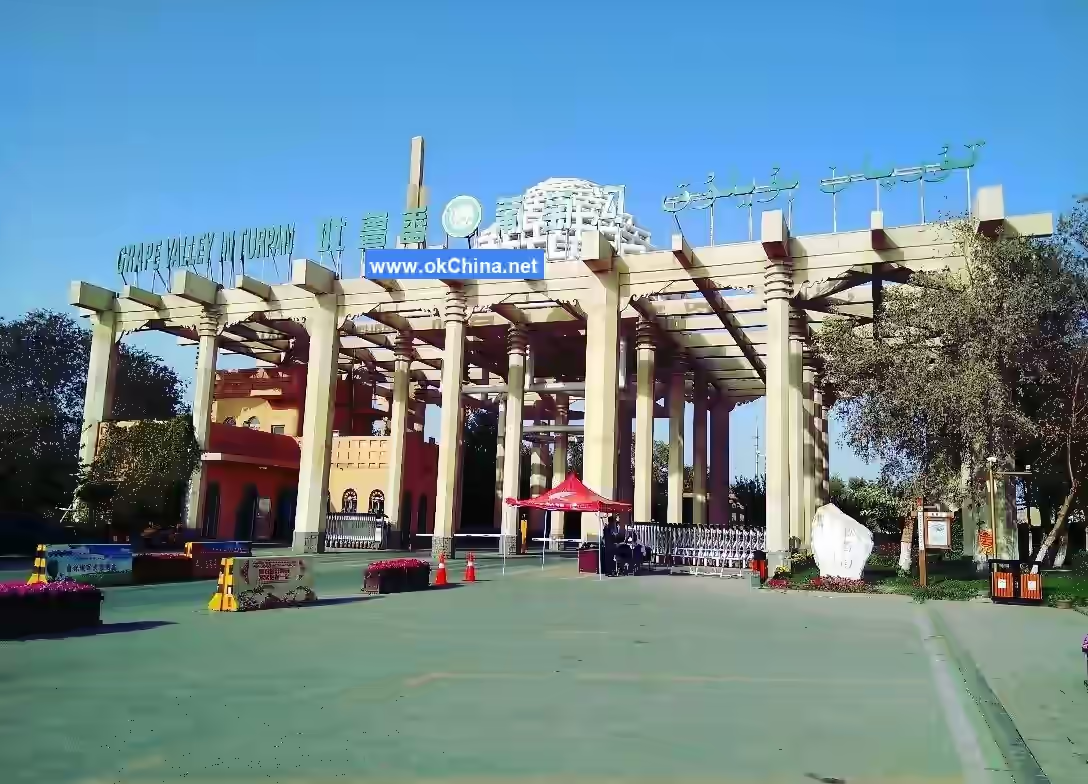
Located in Putao Town, 15 kilometers northeast of Turpan City and 10 kilometers from the city center, Grape Valley sits at an altitude of 300 meters. It is a canyon on the western side of the Flaming Mountains, stretching 8 kilometers from north to south and 0.6–2.0 kilometers from east to west, featuring a long, narrow, and gently sloping valley. On the western bank of the valley, cliffs stand facing each other, steep and imposing like a screen. Within the valley, streams meander, their water pure and clear.
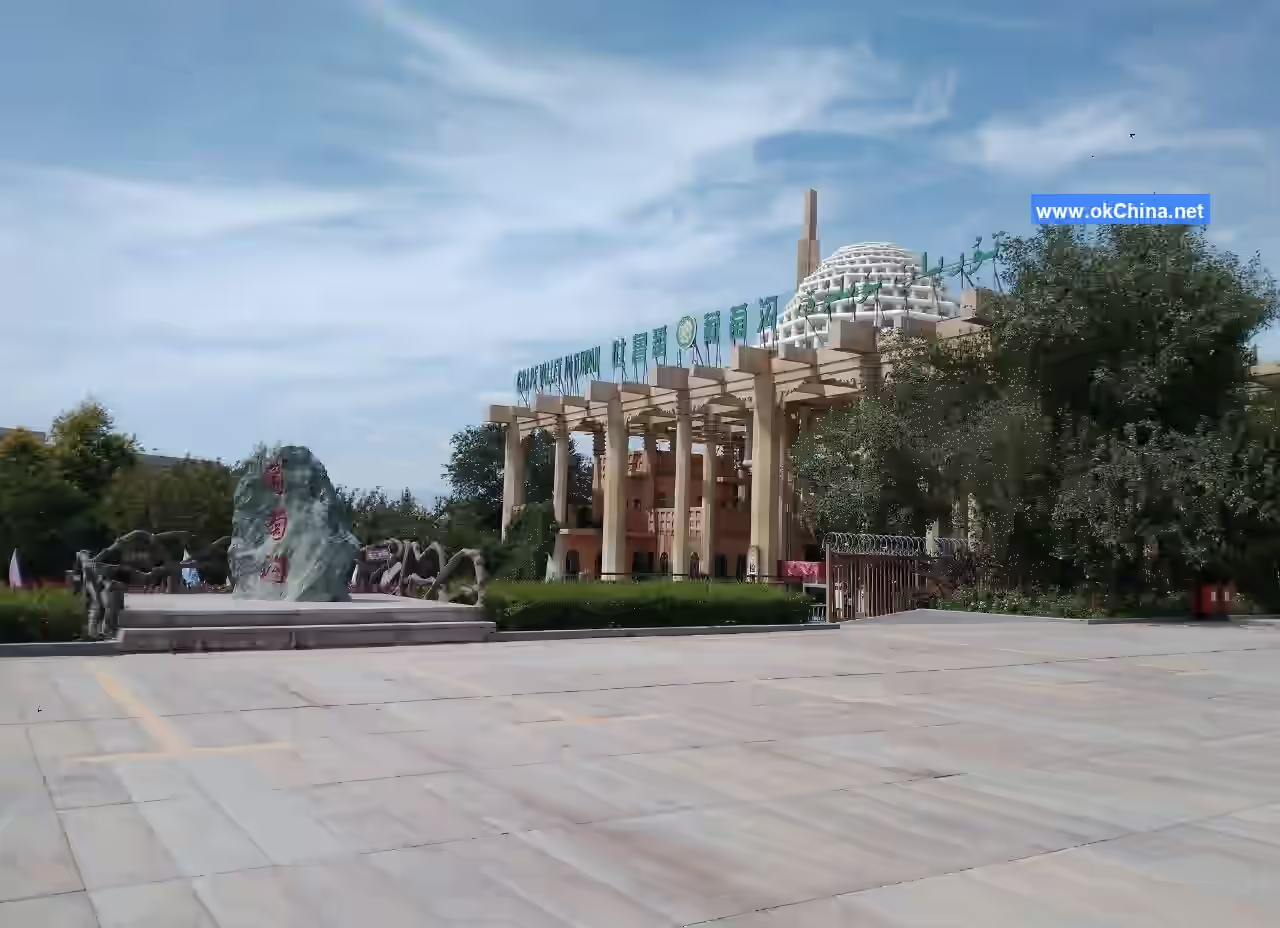
Grape Valley is the largest valley in the Flaming Mountains range. It resembles a green silk ribbon, gracefully floating in the heart of the basin. Designated as a National 5A-level Scenic Area, it is a serene retreat for summer escape, sightseeing, and tourism, attracting hundreds of thousands of visitors annually. In Grape Valley, visitors can not only experience the wondrous landscapes of nature and taste the world's sweetest grapes but also enjoy the passionate dances of Uyghur youths, thrilling Dawaz (tightrope walking) performances, and the lively, festive sight of young women picking grapes—a feast for the eyes.
II. Formation and Evolution
Turpan is a basin lying 154 meters below sea level, receiving only 16 millimeters of annual precipitation while experiencing evaporation exceeding 3,000 millimeters.
Running east-west through the center of this "great fire basin" are the Flaming Mountains. Although not particularly high, these mountains are entirely reddish-brown, with surface folds running to their summits, resembling towering flames rising from the Gobi Desert. Standing under the scorching sun at the foot of the Flaming Mountains, one can almost feel the heat. Within the valleys of the Flaming Mountains lies Grape Valley, like a green silk ribbon tightly encircling the crimson foothills.
Grape Valley stretches 7 kilometers in length, with its widest point about 2 kilometers. It is a fold in the piedmont zone on the southern slope of the Bogda Peak in the Tianshan Mountains, formed by the Flaming Mountains fault zone and river erosion.
III. Historical Changes
Ancient Times
During the Northern and Southern Dynasties period, Turpan had already become an important grape-growing region. Documents unearthed in Turpan, such as the Account of Grape Vineyard Acreage for Officials like Gao Changshi of the Gaochang Kingdom during the Qu Family Rule and the Petition by Lü Azi to Purchase a Mulberry and Grape Vineyard from the Sixth Year of Gaochang Yanchang (566 AD), are records related to grape vineyard leases and sales contracts. These documents indicate that grape cultivation was already widespread at that time.
In the Ming Dynasty, seedless white grapes were extensively cultivated in the Turpan region. The Nongzheng Quanshu (Complete Treatise on Agriculture) records: "The green grape of the Western Regions is called 'Rabbit's Eye,' its flavor surpassing that of 'thorn honey'; it is seedless, making it an exceptional variety." Based on a grapevine excavated from the Yanghai ancient tombs, local grape cultivation history exceeds 3,000 years.
Modern Era
The Grape Valley (scenic area) was established in 1981 and has since developed into an area renowned for its unique natural scenery and profound historical accumulation of grape culture.
In 1994, Grape Valley cultivated 315.6 hectares of grapes, producing 8,601 tons of fresh grapes.
In May 2006, the project team for the Turpan Grape Valley Scenic Area Tourism Master Plan conducted tourism image surveys and questionnaires within the Turpan Grape Valley scenic area.
Since 2013, Turpan has actively developed distinctive homestays within its tourism industry. It has promoted a shift from the accommodation sector's previous model dominated by star-rated hotels to a new integrated development model featuring characteristic hotels, homestay inns, folk culture parks, and homestay visit points. This has formed a new tourism pattern of "scenic area + distinctive ethnic homestays." The distinctive ethnic homestays in the Grape Valley scenic area represent an upgrade and transformation of traditional small-scale family residences.
As of May 2024, there are 2,282 households within Grape Valley, with a permanent population of 11,000 people.
IV. Main Attractions
Overview
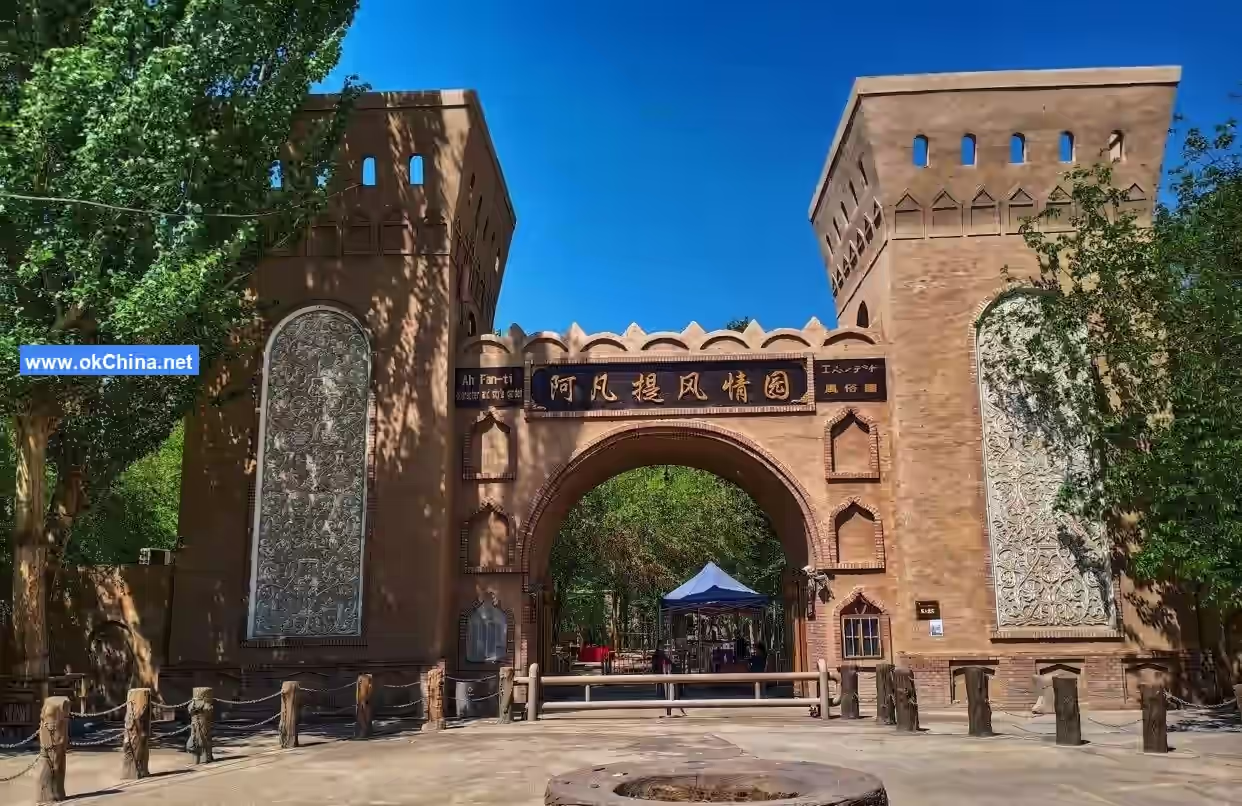
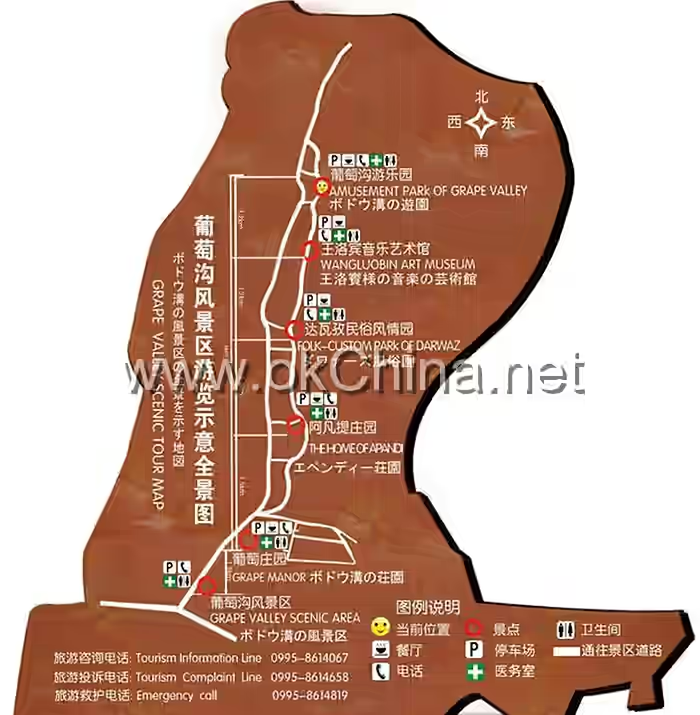
From north to south, Grape Valley sequentially features five main tourist areas: the Grape Valley Amusement Park, Wang Luobin Music and Art Museum, Dawaz Folk Custom Park, Awati Amusement Park, and the Grape Orchards. The scenic area also offers homestays, agritourism farms, and restaurants.
In 2024, the scenic area focused on upgrading infrastructure such as the tourist center public toilets and added 300 sightseeing electric vehicles and projects like the "Ant Castle." Frog Lane was developed into a new internet-famous check-in spot, with the wooden doors in the grape field walls along the road being replaced.
Grape Orchards
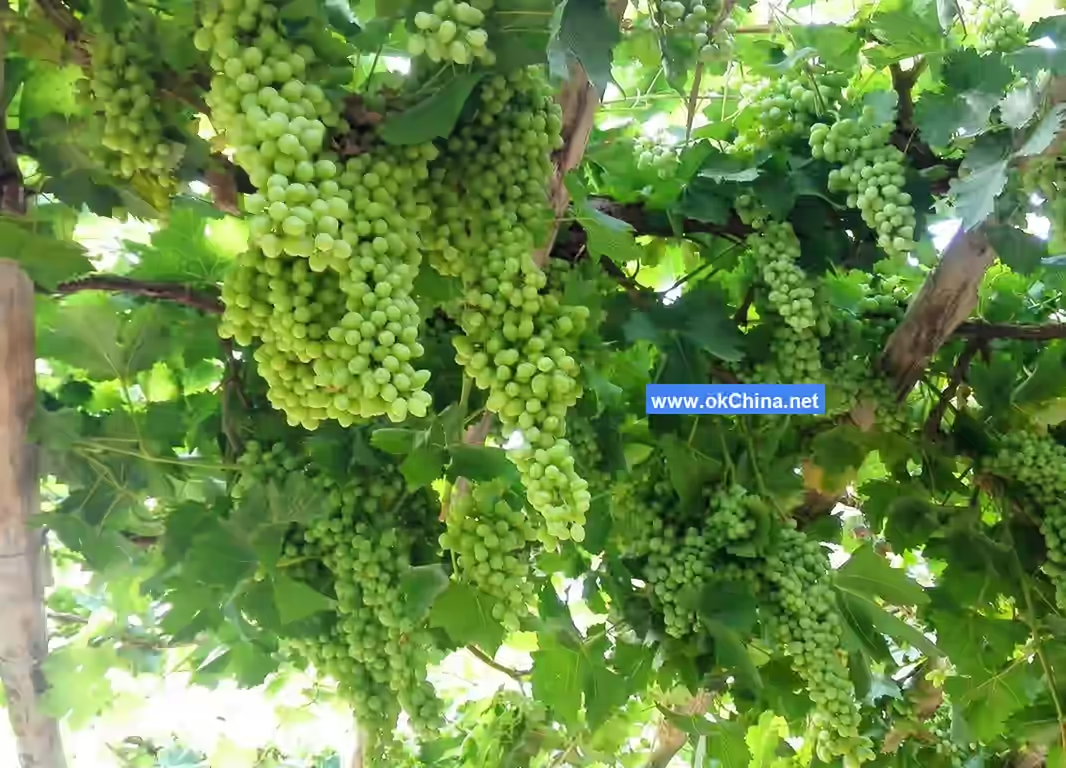
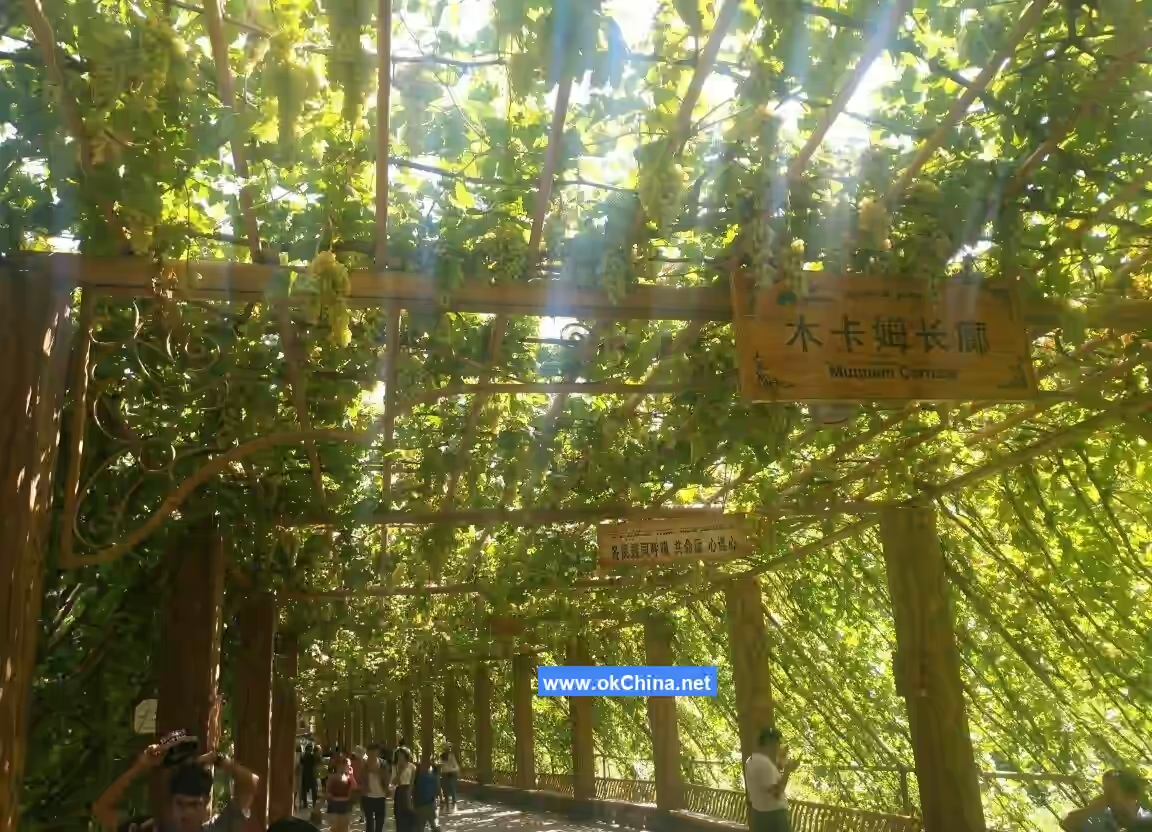
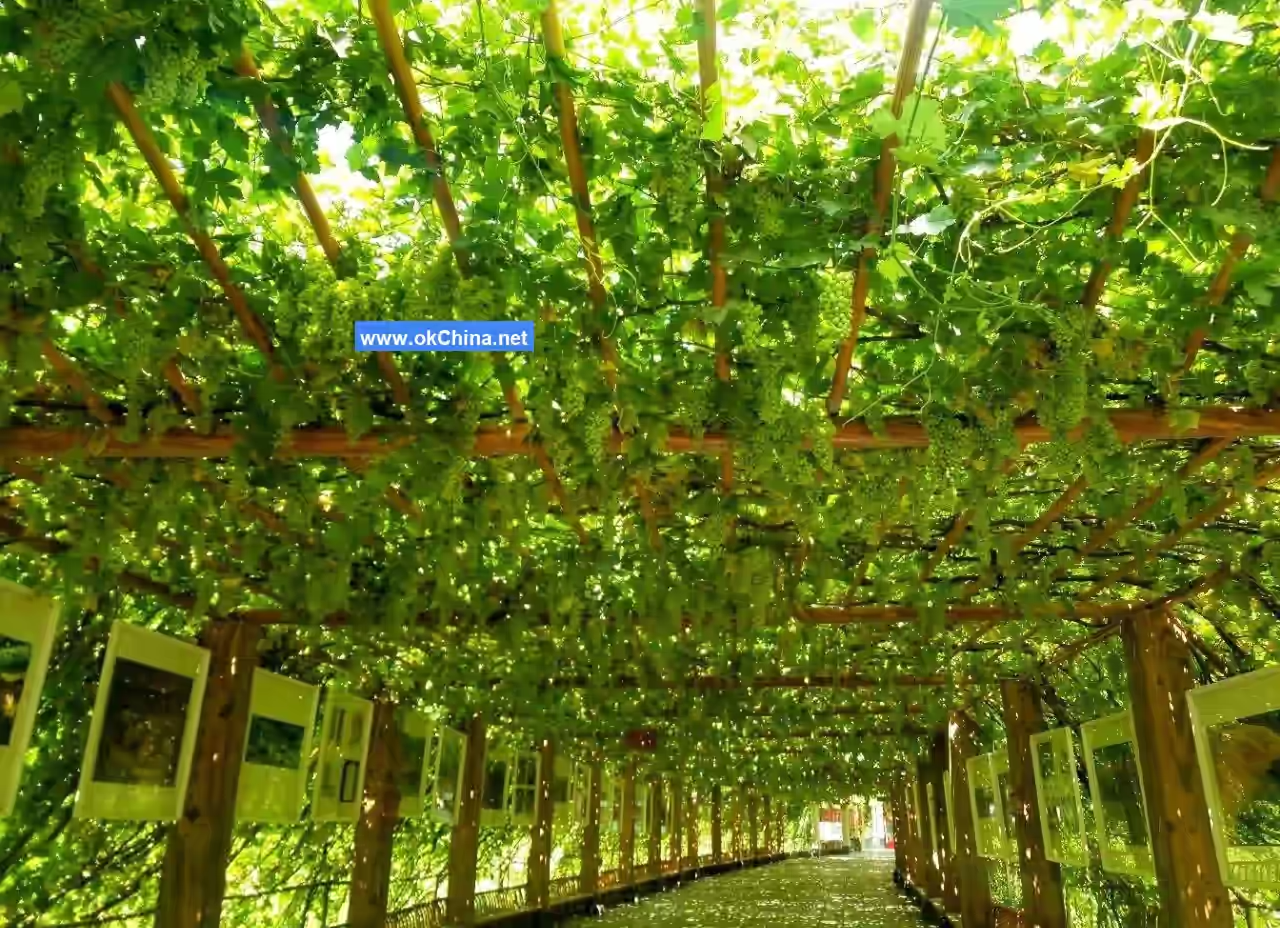
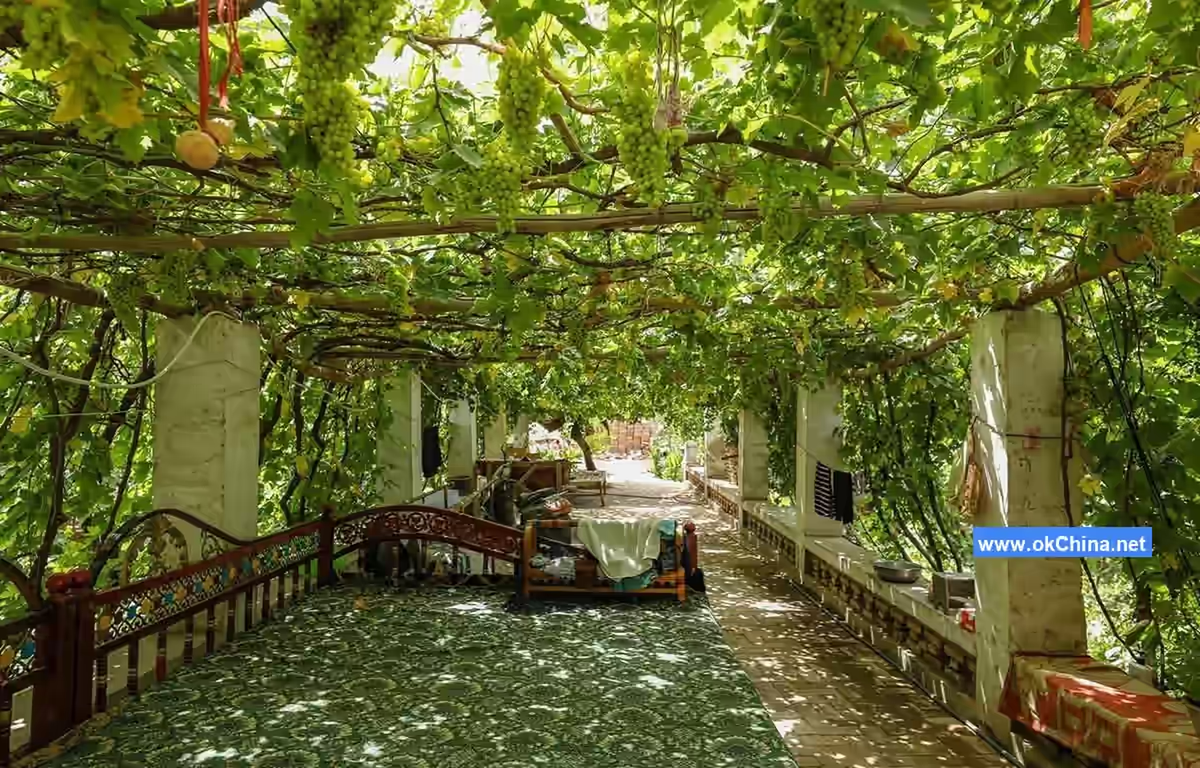
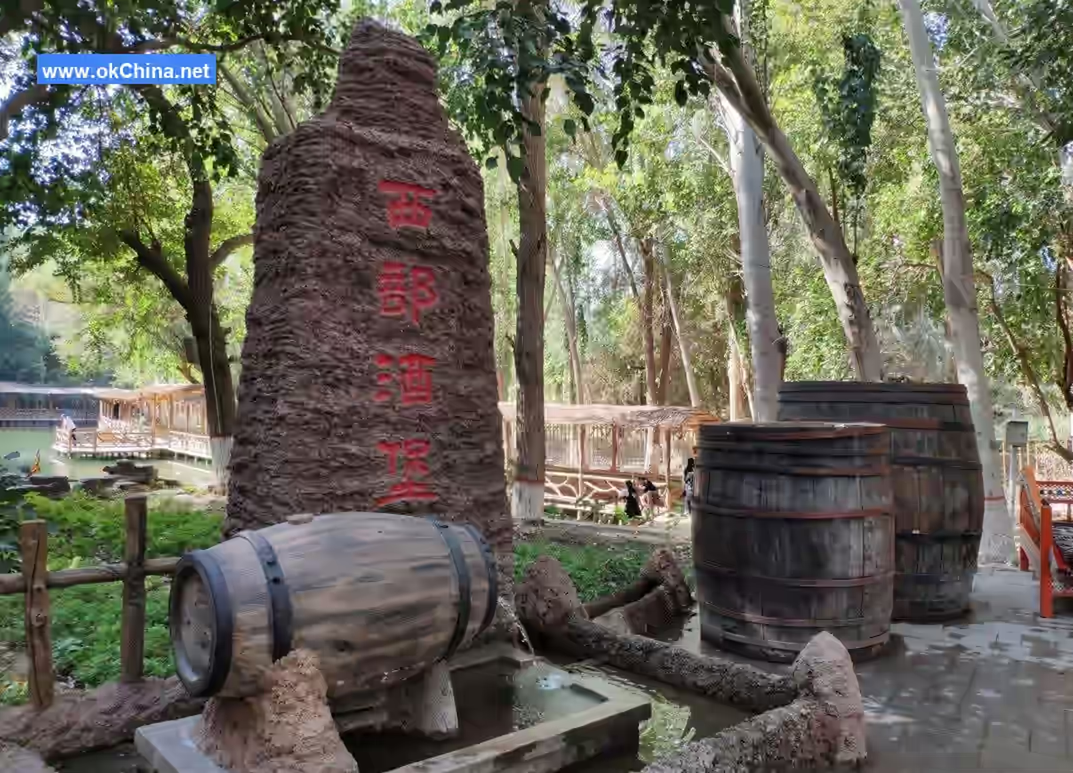
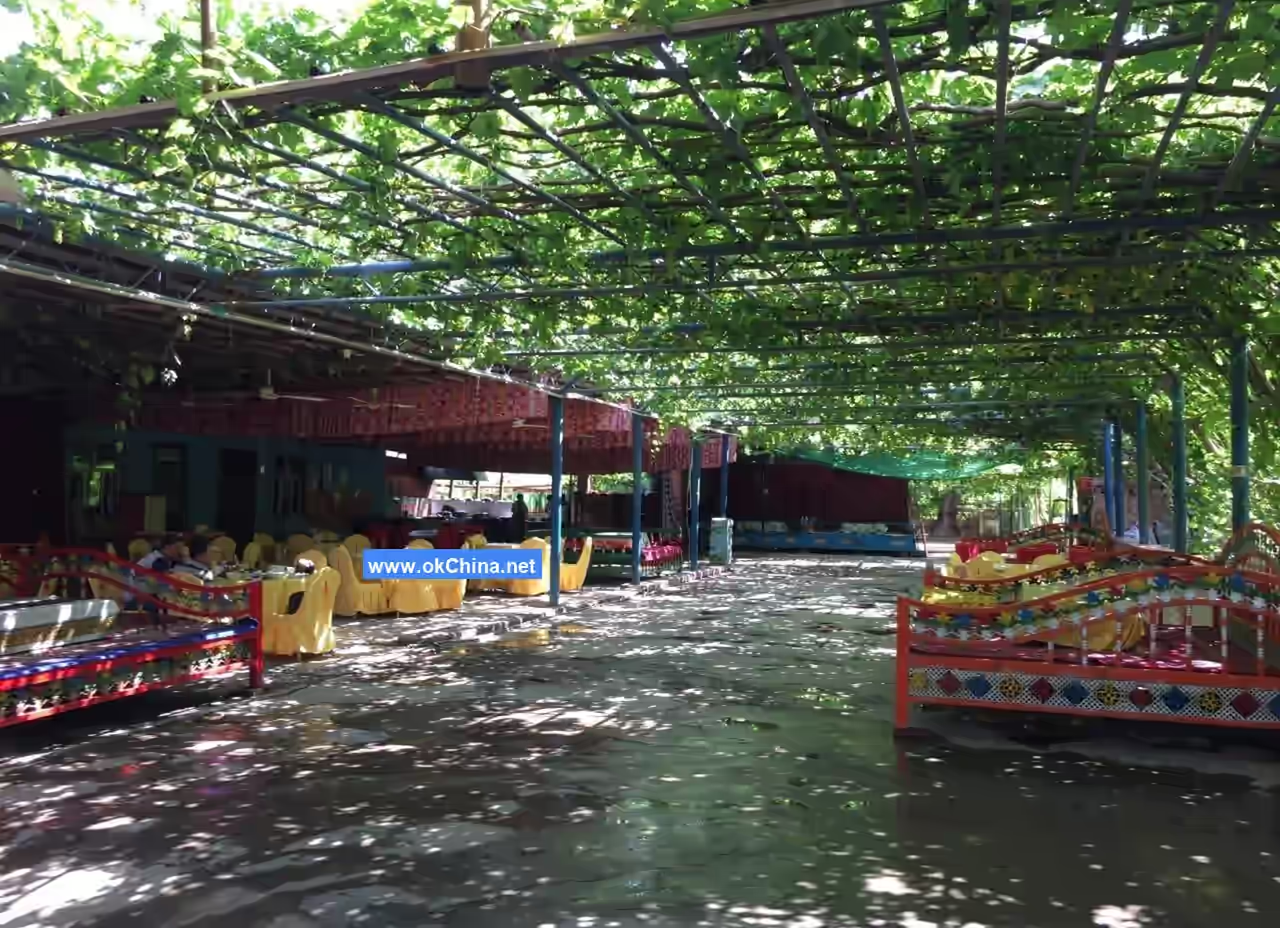
The Grape Valley Scenic Area in Turpan is covered with grape orchards. Upon entering an orchard, the first sight is endless rows of grape trellises, neatly arranged as if showcasing their grandeur to visitors. Grapevines wind and climb the trellises, forming green barriers. The variety of grapes here is extensive, including seedless white, mare's nipple, red grape, Kashgar, and over a hundred other types. Each summer, the vines are laden with clusters of crystal-clear grapes, plump and round, as enticing as emeralds and amethysts. Under the sunlight, the grapes glisten with a captivating sheen, making mouths water. Visitors can stroll beneath the trellises, enjoying the cool shade, and reach out to touch the hanging grape clusters. The orchards are filled with the rich aroma of grapes—a unique scent blending sunshine, earth, and fruit, deeply refreshing. Farmers work diligently in the orchards, skillfully pruning, watering, and fertilizing, passing down grape cultivation techniques through generations. One can see the simple, joyful smiles on their faces, reflecting anticipation and happiness for the harvest. Here, visitors can also participate in grape-picking activities, experiencing the joy of harvest. Plucking a ripe grape and placing it in the mouth, a gentle bite releases its sweet juice, instantly spreading a delightful, refreshing flavor that lingers. Additionally, traditional drying houses are located around the orchards. Built from adobe with ventilation holes covering their walls, these houses are used in autumn to naturally air-dry harvested grapes into delicious raisins. Visitors can enter these drying houses to learn about the raisin-making process, taste freshly made raisins, and experience Turpan's unique raisin culture. The grape orchards of Turpan's Grape Valley are not only a place to enjoy beautiful scenery and delicious food but also an excellent destination to understand Turpan's agricultural culture and experience rural life, captivating visitors and immersing them in this green treasure.
Thousand-Eye Lake
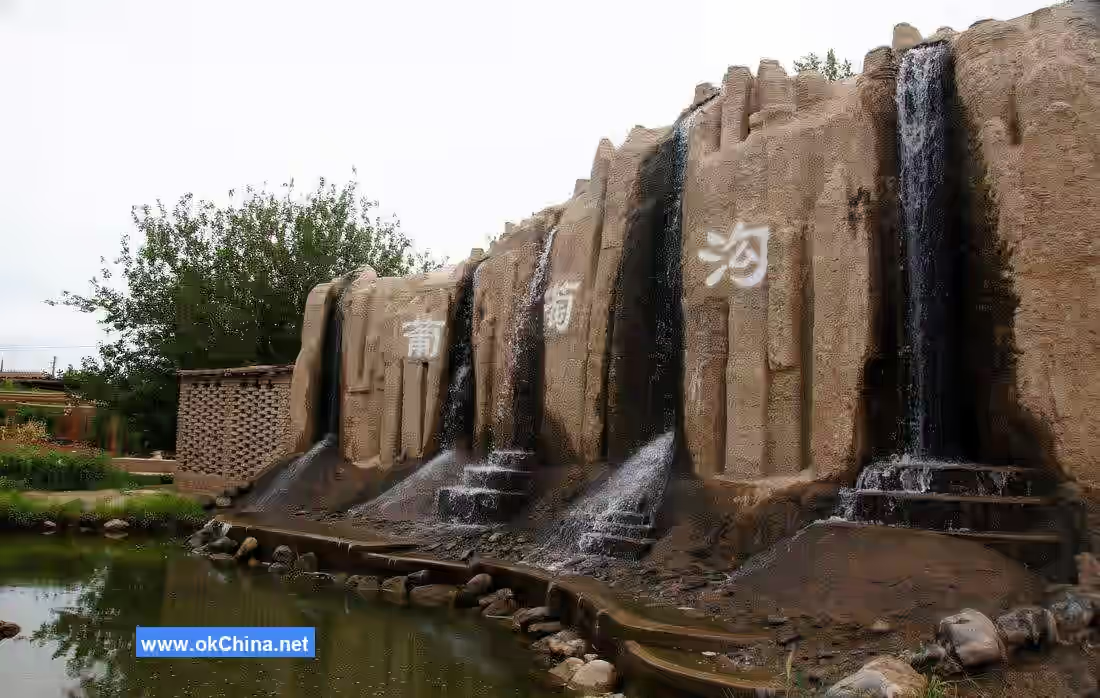
Within the Grape Valley Scenic Area in Turpan, there is a perennial flowing waterfall revered by the local people as "Thousand-Eye Lake." The name derives from its unique topography; the lake surface is dotted with numerous spring openings, resembling countless eyes gazing at the sky and earth, hence the name. The lake water is clear to the bottom, shimmering with ripples that glitter like gold under the sunlight. The lake is surrounded by lush vegetation—green trees and grasses reflecting in the water, creating a colorful painting. Weeping willows by the lakeside sway gently, their slender branches dancing in the wind like a green skirt bestowed upon the lake by nature. Reed marshes sway gracefully along the shore, providing habitat for various waterbirds and small animals. Walking along the lakeside paths, one can hear the crisp songs of birds intertwining with the murmuring of the lake, composing a beautiful natural symphony. Fish swim freely in the lake, occasionally leaping out of the water, splashing strings of crystal droplets, adding vitality and energy to the tranquil surface. Visitors can enjoy leisurely fishing by the lake, savoring moments of peace and relaxation. When a breeze crosses the lake, ripples form, causing the reflections of the sky, trees, and mountains in the water to sway dreamily. Thousand-Eye Lake offers distinct scenery in each season. In spring, wildflowers bloom in vibrant colors along the shore, complementing the lake, full of life and hope. In summer, it is a summer retreat; the cool lake water and dense vegetation bring refreshing comfort. In autumn, leaves by the lake gradually turn yellow and red, falling onto the water like small boats drifting, offering a unique charm. In winter, the lake sometimes freezes with a thin layer of ice, dressing Thousand-Eye Lake in silver, resembling a snowy fairy-tale world. No matter the season, Thousand-Eye Lake surprises and moves visitors. It is not only a beautiful natural landscape but also a tranquil harbor where people can relax, return to nature, forget all worries and fatigue, and fully enjoy nature's gifts.
Husband-and-Wife Trees
Within the Grape Valley Scenic Area in Turpan, there is a pair of 200-year-old "Husband-and-Wife Trees." These two old mulberry trees have their roots tightly intertwined. They bear abundant fruit annually and provide dense shade from the fierce sun. The local Uyghur community explains that this pair of trees symbolizes the happy family life of Uyghur families in the region.
Wang Luobin Memorial HallThe Wang Luobin Memorial Hall is located in Grape Valley. The elderly gentleman once lived and experienced life in Turpan, where he composed many timeless musical masterpieces. Upon entering the Wang Luobin Memorial Hall, the first sight that greets visitors is the statue of Mr. Wang Luobin, smiling, with eyes that reveal his passion and dedication to music. The statue is surrounded by flowers and greenery, as if narrating people's admiration and fond memories of him. The hall displays a vast collection of precious artifacts, photographs, manuscripts, and audiovisual materials, vividly showcasing Mr. Wang Luobin's legendary life and his outstanding achievements in music creation. From his early days collecting folk music materials across western regions to composing and adapting a series of beloved classic songs, such as "In That Distant Place," "The Girl from Dabancheng," and "Lift Your Veil," every stage is meticulously documented. Here, visitors can listen to Mr. Wang Luobin's melodious and captivating songs through multimedia displays, experiencing the rich western charm and sincere emotions embedded in his music. The hall also showcases Mr. Wang Luobin's creative experiences and daily life in Turpan. He visited Turpan multiple times, deeply moved by its local customs and folk music, which inspired him to compose many songs related to Turpan. Visitors can gain a deeper understanding of how he integrated Turpan's cultural elements into his music, appreciating the close connection between music and regional culture. Additionally, the memorial hall regularly hosts music and cultural activities, such as Wang Luobin song concerts and music creation seminars. Visitors can participate in these events, personally experiencing the charm of Wang Luobin's music, and even have the opportunity to interact with music artists, further deepening their understanding and love for music. The Wang Luobin Memorial Hall is not only a tribute to and continuation of Mr. Wang Luobin's musical achievements but also an important platform for spreading western music culture and promoting cultural exchange. It allows every visitor to immerse themselves in the ocean of music, appreciate the infinite charm of music and the profound depth of culture, and leave with reverence and emotion for music, while also gaining a deeper understanding of Turpan, a land brimming with musical inspiration. The people of Turpan adore Wang Luobin and his beloved songs. Wang Luobin, in turn, watches over Grape Valley, interpreting the pearl-like musical notes of Turpan's years.
Dawaz High-Wire Performance
Dawaz high-wire performance is a traditional acrobatic art form of the Uyghur people that has been passed down for thousands of years. "Dawaz" means "high-wire walking" in the Uyghur language. It is recorded in the "Compendium of the Turkic Languages," written between 1072 and 1074, with descriptions such as "walking on soft ropes, performing Dawaz." At the Grape Valley Dawaz Amusement Park, visitors can enjoy Dawaz performances free of charge.
Shade Houses
The shade houses for drying raisins are square earthen structures with walls made of adobe bricks that are perforated for ventilation. Grapes are hung inside in long clusters, and after more than 40 days of exposure to Turpan's uniquely dry, hot winds, they turn into raisins.
Museum
There is a Grape Museum in the Grape Valley Scenic Area of Turpan City. The museum displays Uyghur totemic and religious culture, with walls adorned with grape patterns. In the center of the hall, there is a schematic diagram showing the distribution of grape varieties, providing a detailed overview of Turpan's topography and the layout of Grape Valley.
V. Resources and Culture
Natural Resources
Fruit Resources
As of 2017, the Grape Valley Scenic Area in Turpan City boasts 52 varieties of grapes with different colors and shapes. These include the most famous seedless white grapes, large horse-teat grapes, medicinal suosuo grapes, as well as red grapes, Kashgar grapes, black grapes, and varieties introduced from abroad such as Aibiao, seedless purple, seedless red, and muscat. These diverse grape varieties are scattered across the courtyards of local farmhouses in the valley, forming a magnificent green grape corridor.
Plant Resources
Grape Valley is home to a variety of trees, including mulberry, peach, apricot, apple, pomegranate, fig, walnut, watermelon, melon, elm, poplar, and locust.
Ancient Records
According to "Records of the Grand Historian: Account of Dayuan" and "Book of Han: Account of the Western Regions," when Zhang Qian was sent as an envoy to the Western Regions, he discovered grape cultivation here. During the Sixteen Kingdoms period under the Northern Liang, there were already records of grape cultivation in Turpan. Documents appointing officials to manage grape irrigation were unearthed from the Astana tombs. Both the "History of the Northern Dynasties: Account of Gaochang" and the "Book of Liang: Account of Gaochang" mention Turpan as "abundant in five fruits" and "rich in grapes."
The Qing Dynasty poet Xiao Xiong wrote in his "Miscellaneous Poems of the Western Regions":
"Green vines spread over the trellis before the eaves,
Adorned with round pearls like strings of beads.
Surpassing three hundred lychees in flavor,
The taste of Dayuan, the smoke of Han homes."
In the poem, "strings of beads" refers to grape clusters. In his notes, Xiao Xiong also mentioned varieties such as horse-teat grapes and suosuo grapes produced in Turpan. Among them, the seedless white grape is considered the finest, described as "larger than broad beans, perfectly round like dripping pearls. Its color lies between jade, white, and green, shining with a crystalline brilliance indistinguishable from jade."
Historical Legends
In the Grape Valley Amusement Park, there is a "Thousand-Eye Lake." Legend has it that when the Tang monk and his three disciples passed by the Flaming Mountains on their journey to the West to retrieve scriptures, Sun Wukong battled Princess Iron Fan and used the Banana Leaf Fan to extinguish the flames. Not long after, an evil dragon appeared on the mountain. It was ten zhang long and nine meters thick, and every year on the third day of the third lunar month, it would descend the mountain to devour young boys and girls, wreaking havoc on the land. The common people suffered greatly, and even local officials were not spared. To secure their own safety, the local officials would send a pair of young boys and girls to the mountain before sunrise on the third day of the third lunar month to satisfy the evil dragon's hunger. This went on year after year, claiming countless innocent young lives. As the third day of the third lunar month approached one year, the officials and villagers were distressed over the lack of young boys and girls to send. At that moment, a young couple in love came to the government office, volunteering to rid the people of this scourge. As requested by the couple, the officials gave the young man a sword and the young woman a set of ropes. On the morning of the third day of the third lunar month, as the eastern sky glowed with morning light, the couple climbed to the mountaintop. Before long, the evil dragon leaped out of the valley. The young man, taking advantage of the dragon's unpreparedness, thrust his sword fiercely into its jaws, while the young woman used her ropes to bind the dragon. After a fierce battle, the evil dragon was slain. Unfortunately, the young man also succumbed to his injuries and passed away. The young woman was overwhelmed with grief, and her tears flowed like rain, converging into countless "clear springs" that nourished Grape Valley and brought blessings to the people.
Comments
Post a Comment