Detian Transnational Waterfall Scenic Area, Chongzuo City
1. Introduction
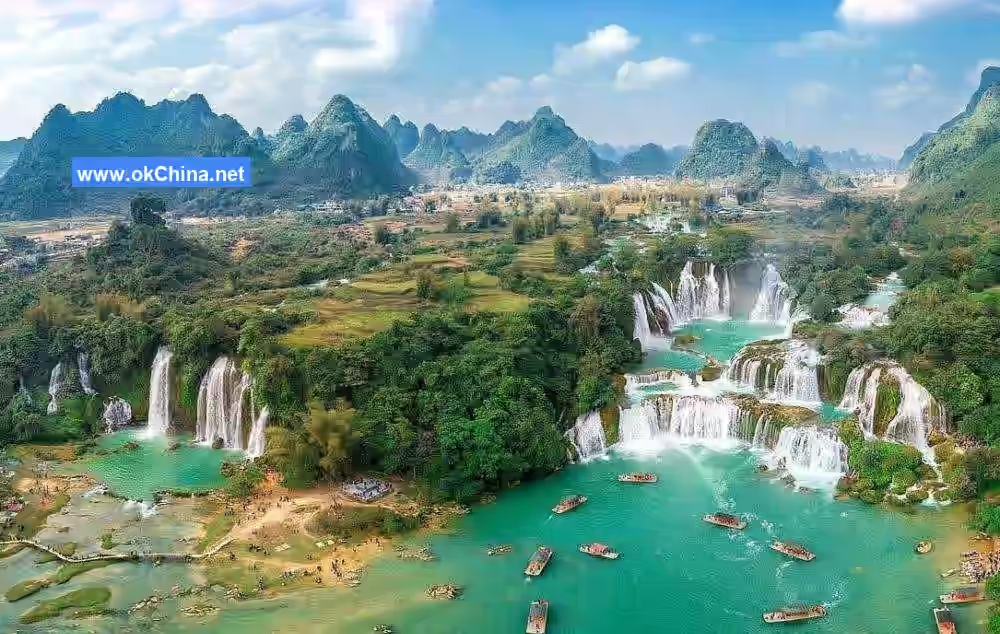
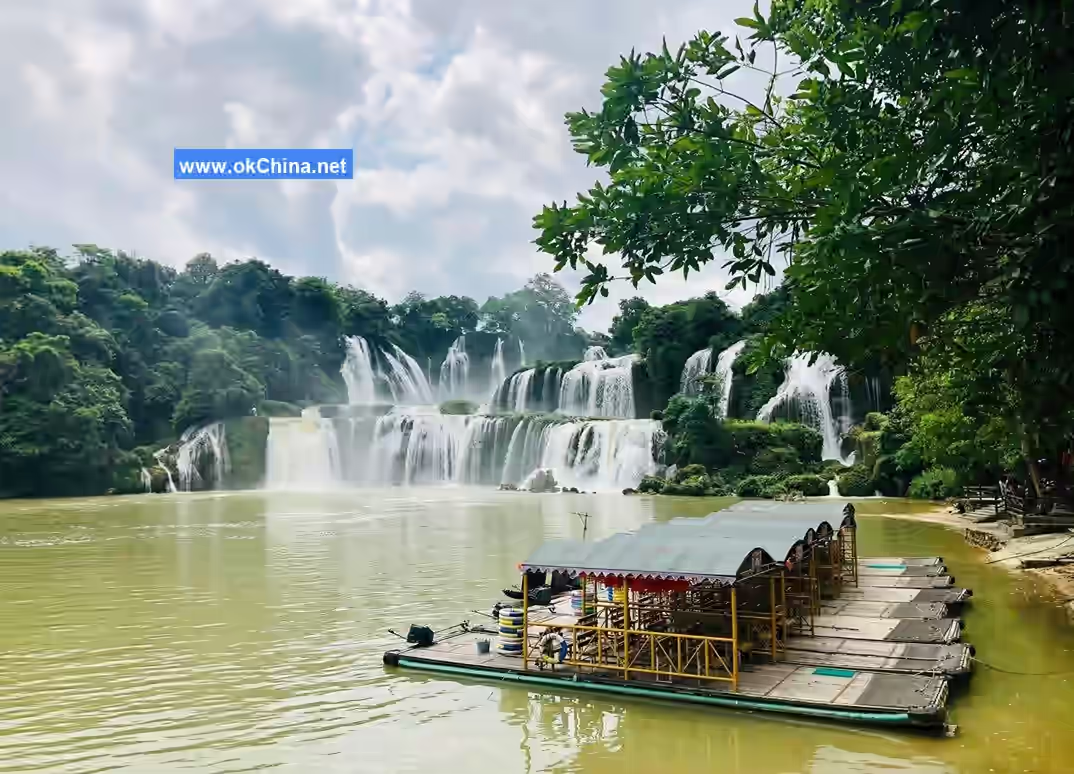
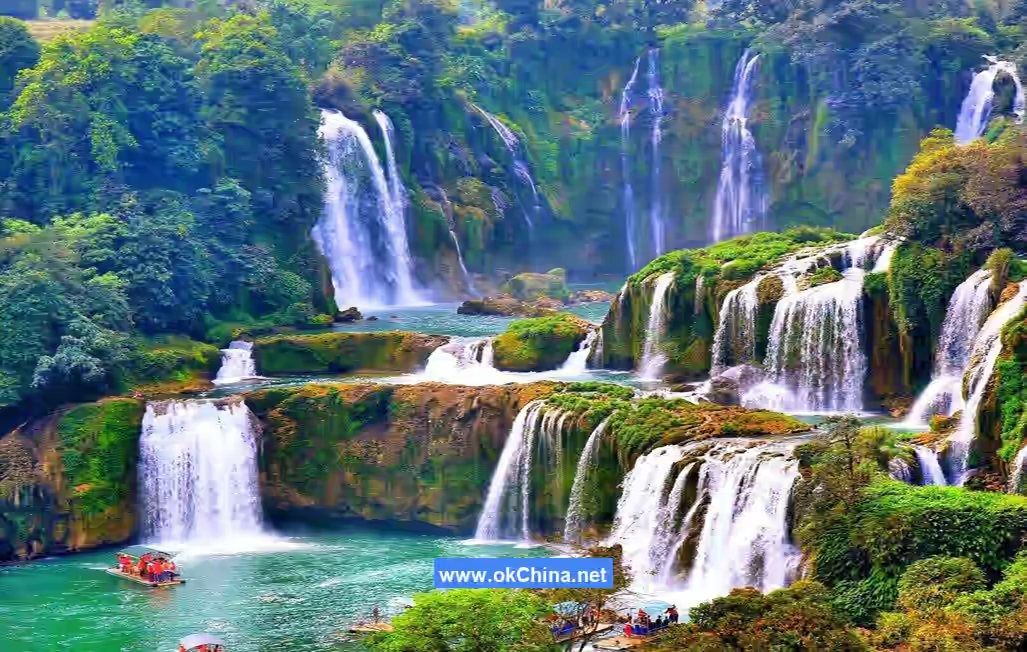
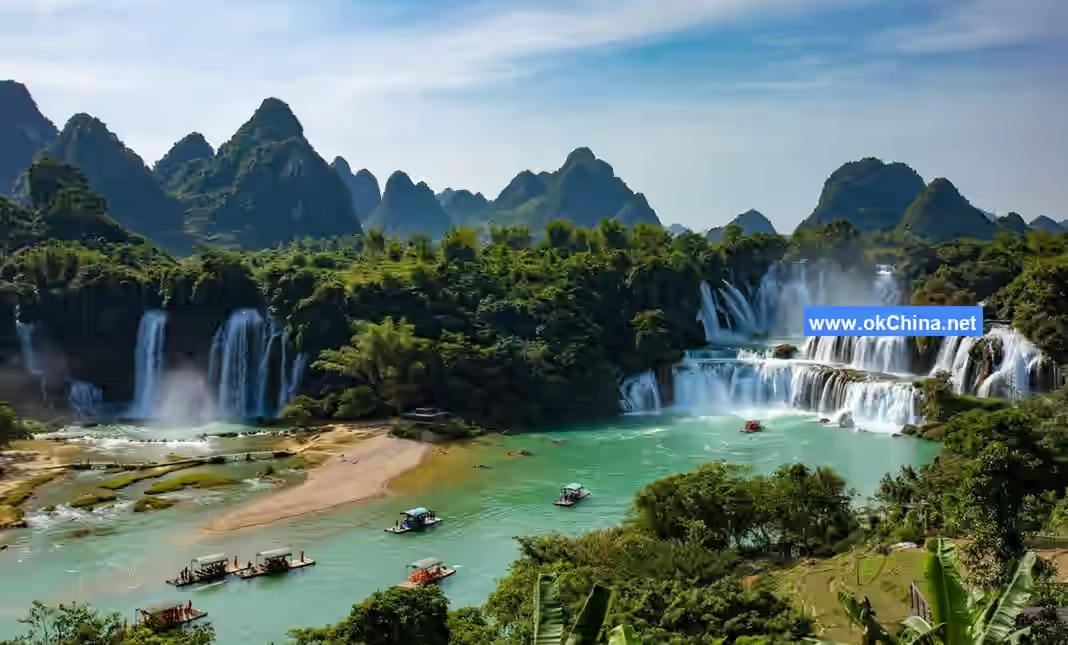
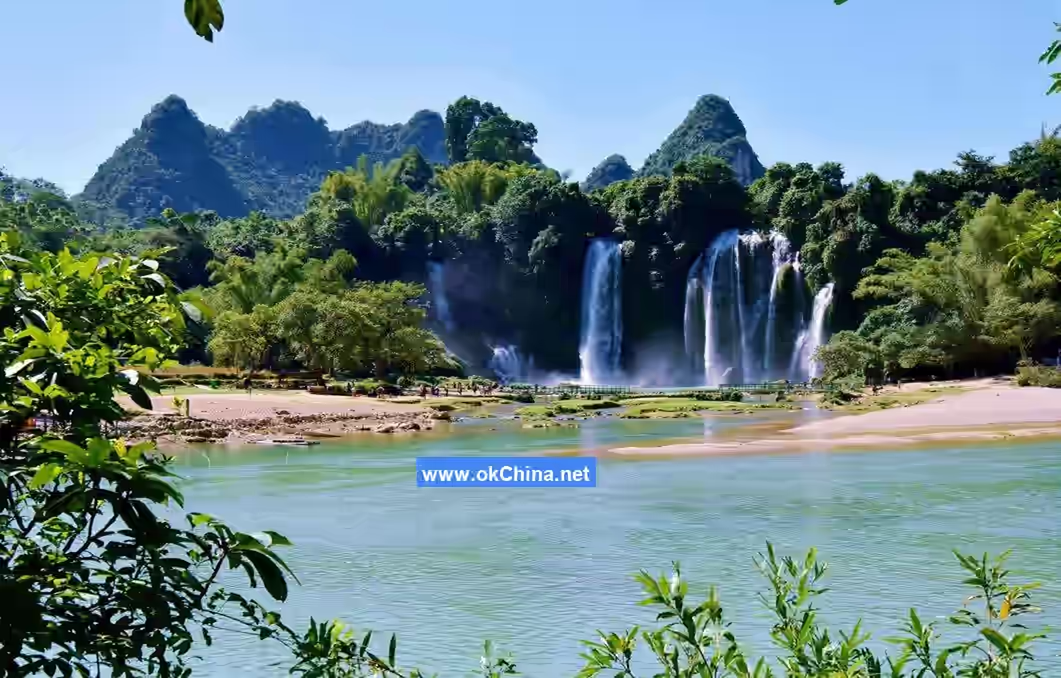
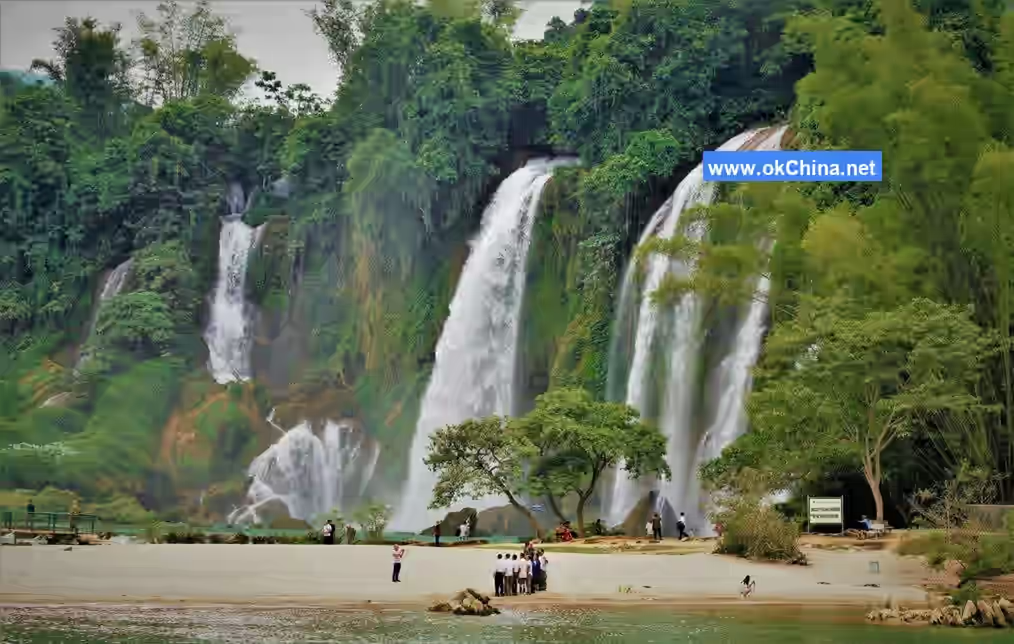
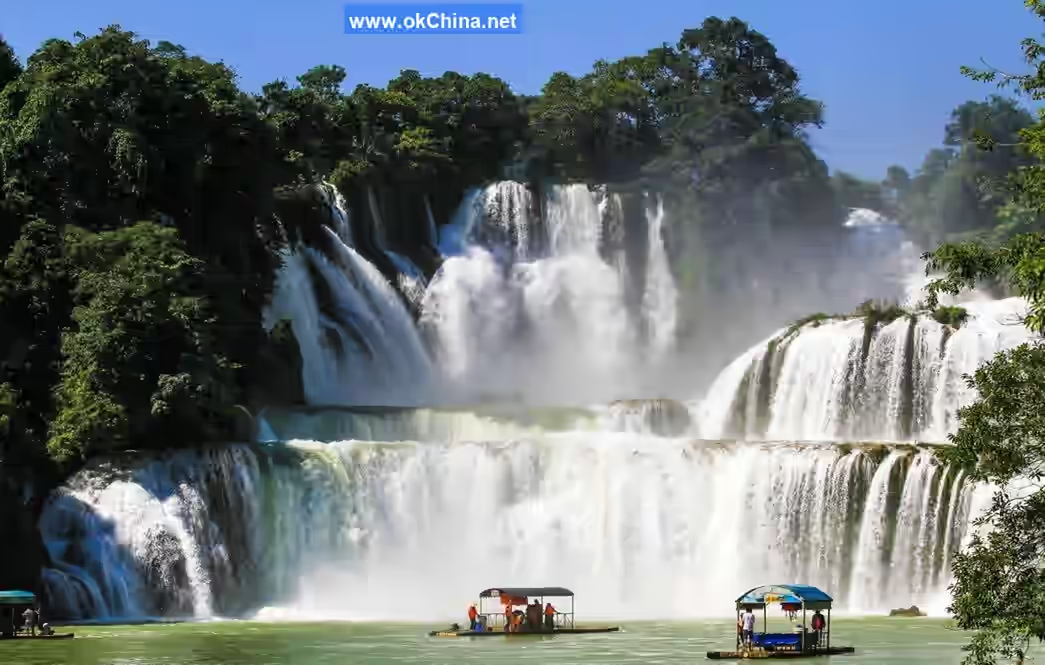
Detian Waterfall is located in Detian Village, Shuolong Town, Daxin County, Chongzuo City, Guangxi Zhuang Autonomous Region, on the upper reaches of the Guichun River at the border between China and Vietnam. The waterfall is majestic and spectacular, connecting with the adjacent Ban Gioc Waterfall ("Bản Giốc & Đức Thiên") in Vietnam. It is the largest transnational waterfall in Asia and the fourth largest in the world, with an average annual water flow approximately three times that of the Huangguoshu Waterfall in Guizhou. It is a National AAAAA Tourist Attraction in China. It also served as an outdoor filming location for the TV dramas "Wine Is Mellow in the Hometown" and "The Journey of Flower," making it a magical and wonderful place.
2. History and Culture
In a place where Guangxi Zhuang Autonomous Region in southwestern China borders Vietnam, a clear river has flowed since time immemorial. Regardless of the seasons or the cold and heat, it remains emerald green and pure, like a girl from the mountains. People gave it a beautiful name—the Guichun River.
The Guichun River flows quietly into Vietnam, then winds back to Guangxi, finally reaching the border town of Shuolong. After a long period of tranquility, its power erupts in an instant, breaking through thousands of cliffs and valleys, surging past high cliffs and dense forests, and rushing for thousands of miles, marking the boundary between China and Vietnam. Perhaps it is the work of nature: the stubborn, cascading water plunges from cliffs over 60 meters high, crashing against layers of rocks, twisting and turning, splashing water droplets, and creating a misty haze. From afar, it resembles a white silk hanging from the sky; up close, it looks like flying pearls and splashing jade. Refracted by sunlight, it displays a kaleidoscope of colors, while the roaring sound of the water reverberates through the valley. Unintentionally, another enchanting miracle was formed: the world's fourth-largest and Asia's largest transnational waterfall—Detian Waterfall. Thus, from the day it was created, Detian Waterfall became the most passionate expression of the Guichun River.
Detian Waterfall and Vietnam's Ban Gioc Waterfall are connected as one, like a pair of intimate sisters, graceful and standing hand in hand. Gazing through the ethereal mist, one might imagine a beauty by the water, her waist wrapped in the spring river like a jade belt, her flowing hair cascading like a waterfall, leaning against towering peaks and strange rocks, backed by terraced fields and ancient trees, smiling coyly and conveying affection with her eyes. This is truly a poetic, romantic, and elegant place, where every step reveals a scene and every corner holds emotion. Amidst it all, one feels as if wandering through a painting, free from distractions and worldly dust. One might wish to find a place with lush green grass and murmuring streams, build a thatched cottage, plant a few peach trees, cultivate a few acres of land, and when the flowers bloom brightly on the branches, emulate the elegance of the Tang dynasty scholars, hold hands with a loved one, and forge a bond of wine cups, flower branches, and hermitic fate.
3. Geographic Environment
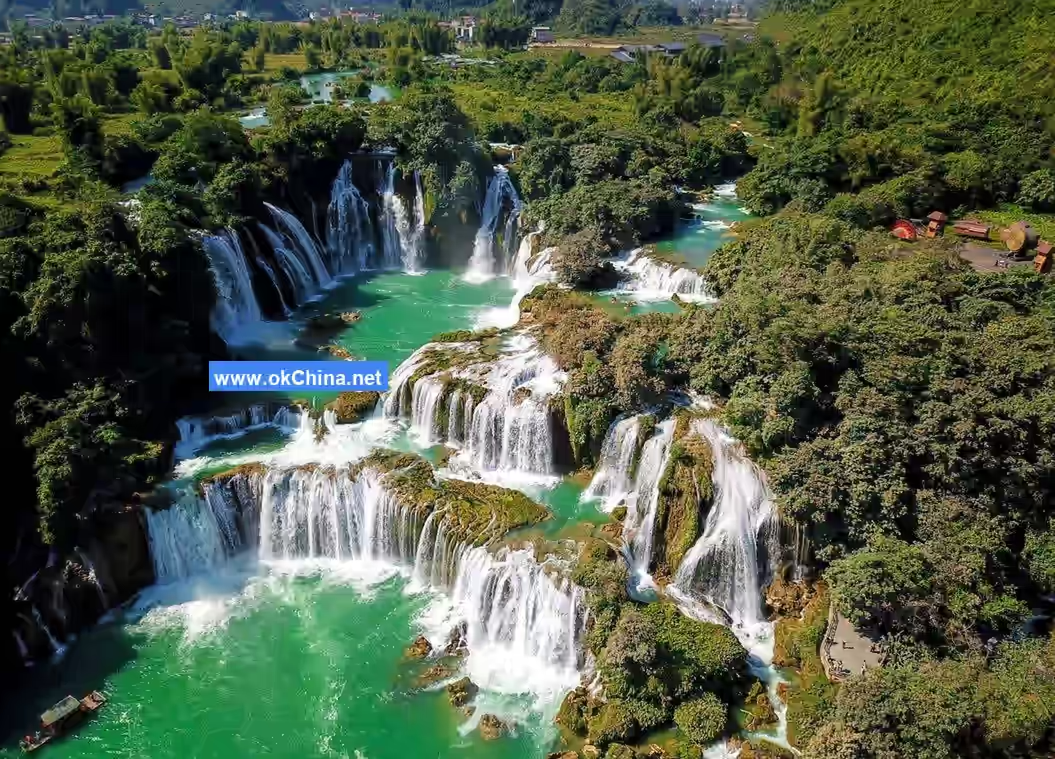
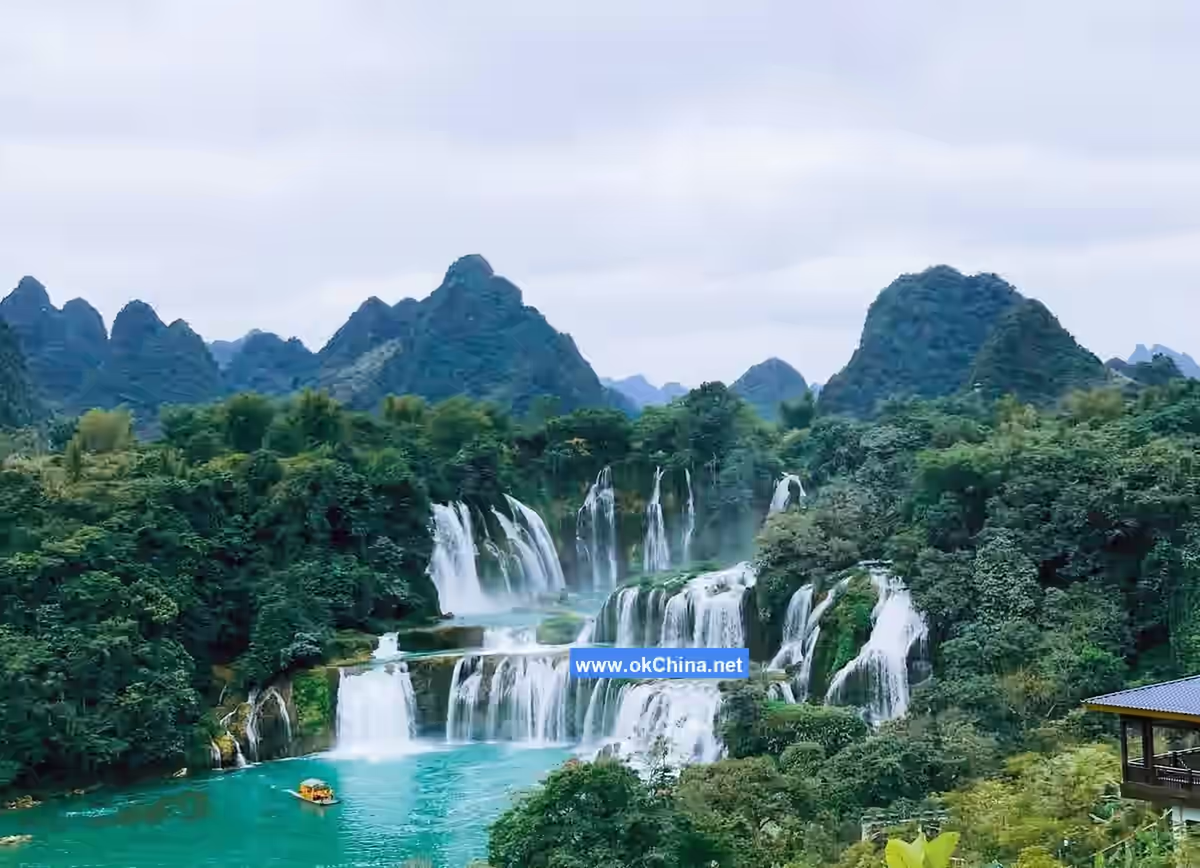
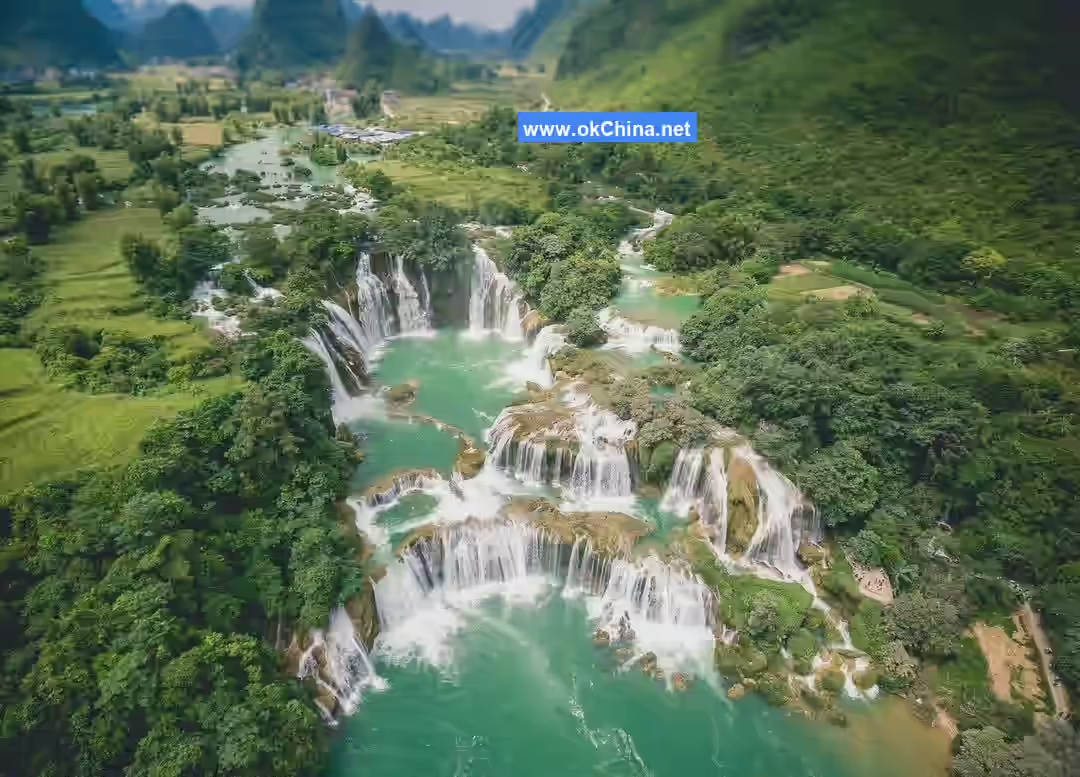
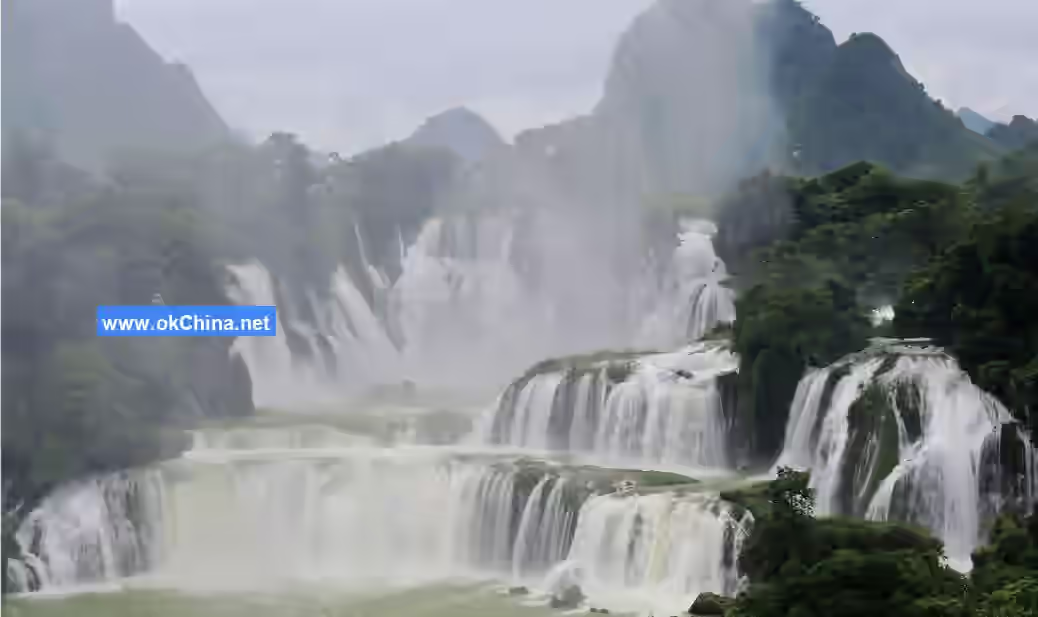
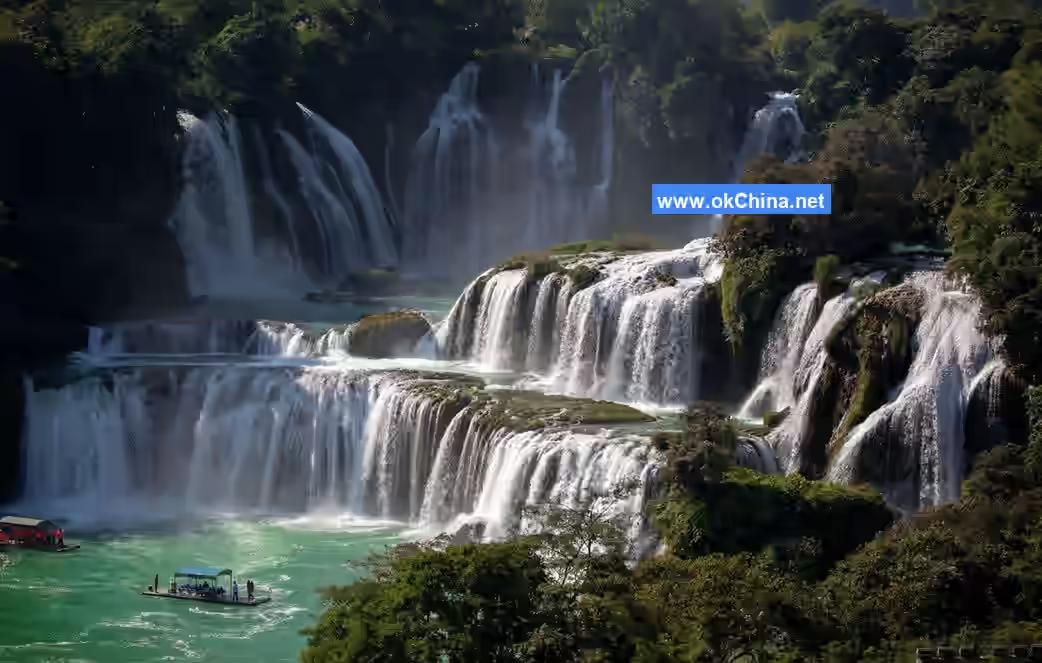
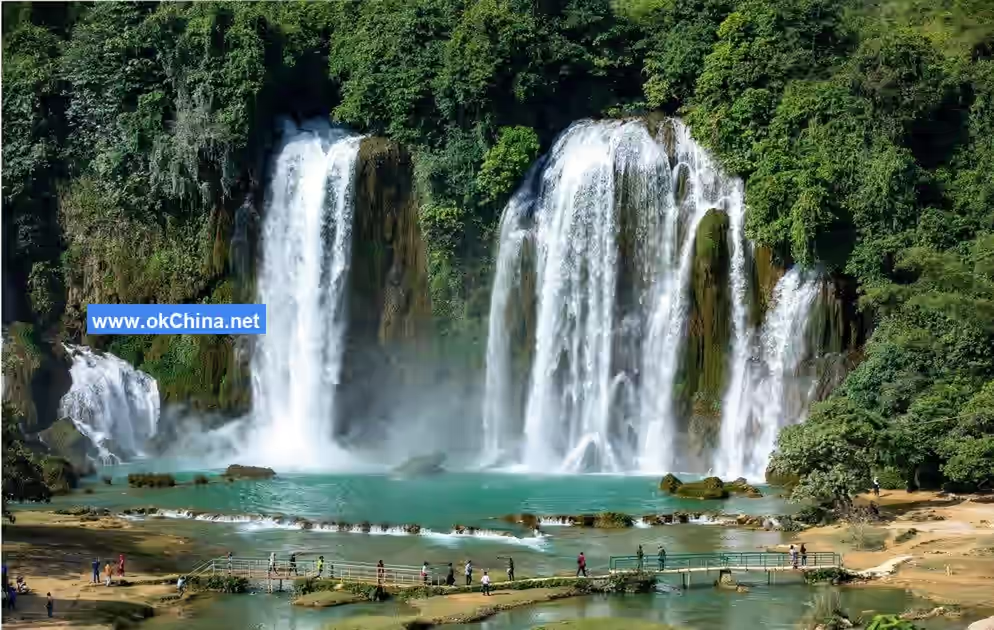
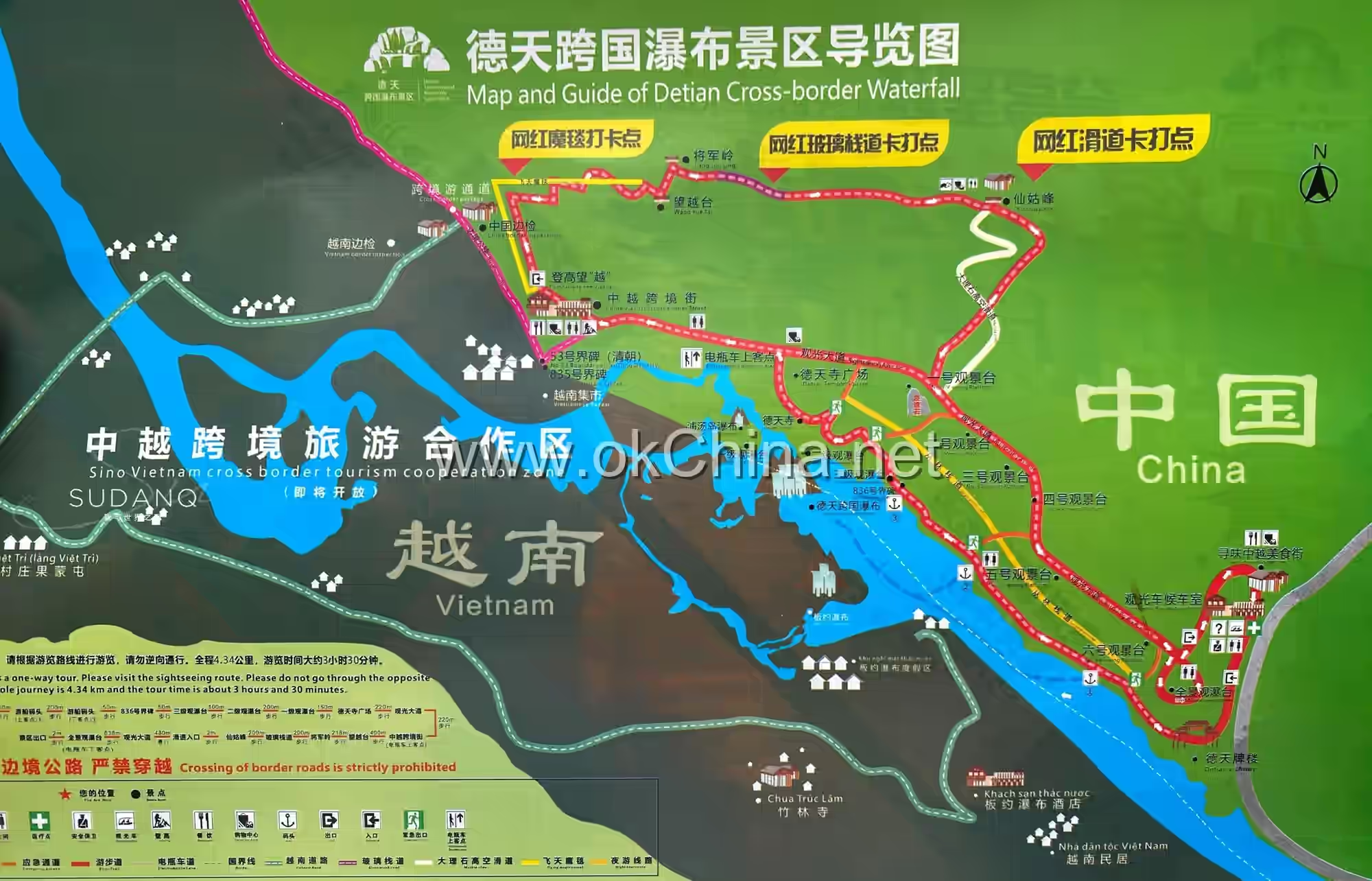
Detian Waterfall is located on the upper reaches of the Guichun River in Daxin County, approximately 50 meters from Boundary Marker No. 53 on the China-Vietnam border. The clear Guichun River is a tributary of the Zuo River and also serves as the border river between China and Vietnam. Detian Waterfall is its masterpiece as it flows past Putang Island. The mighty waters of the Guichun River surge from the north, while the three-tiered cliffs of Putang Island stand tall, blocking the river's flow. The river plunges from cliffs over 50 meters high, crashing against solid rocks, splashing water droplets, and creating a misty haze. From afar, it resembles white silk hanging from the sky; up close, it looks like flying pearls and splashing jade. Refracted by sunlight, it displays a kaleidoscope of colors, while the roaring sound of the water reverberates through the valley, creating a majestic scene. The waterfall cascades in three tiers, with a maximum width of over 200 meters, a depth of over 60 meters, and a drop of over 70 meters. Its average annual flow is 50 cubic meters per second, and the local geology consists of thick-bedded dolomite. It is the largest natural waterfall in Southeast Asia and is designated as a top-tier scenic spot by the state. It is connected to Vietnam's Ban Gioc Waterfall, like a pair of intimate sisters. Residents from both sides of the border engage in trade downstream from the waterfall, once relying on shoulder poles and human labor.
4. Main Attractions
4.1 Main Detian Waterfall
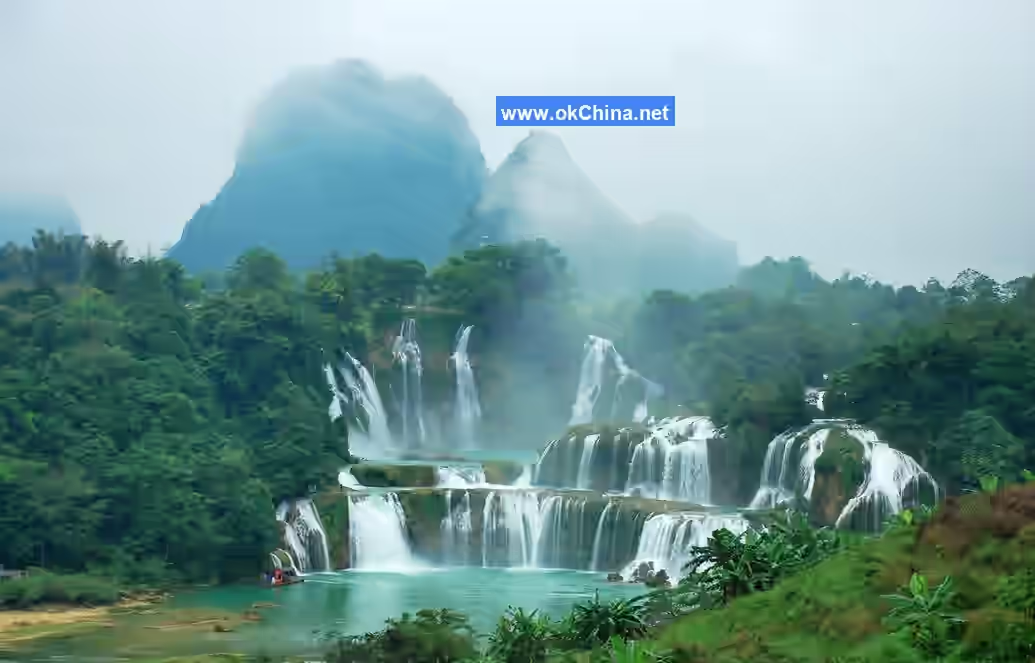
The main Detian Waterfall resembles a silver river descending from the heavens, majestic and grand. During the high-water season, the river rushes down with a thunderous roar that can be heard for miles. From a distance, the three streams of water look like three white dragons plunging from the cliff top, crashing against the rocks and creating layers of mist. Refracted by sunlight, a brilliant rainbow forms across the border, resembling a bridge connecting the friendship between China and Vietnam. Approaching the waterfall, the misty spray brings a refreshing coolness, allowing one to instantly feel the immense power of nature. At this moment, the roar of the waterfall fills the entire space, shaking one's soul as if all the noise of the world is drowned out by the majestic sound of the water.
4.2 Observation Deck
Following the winding path to the observation deck, one can take in the full view of Detian Waterfall. This is a paradise for photography enthusiasts, as the waterfall presents different beauties from various angles and at different times of the day. In the early morning, sunlight filters through the morning mist, casting a dreamlike, fairy-tale glow over the waterfall. At noon, under direct sunlight, the waterfall appears even more dazzlingly white against the blue sky, with the rushing water clearly visible. In the evening, the lingering glow of the sunset drapes the waterfall in a golden veil, softening the entire scene and adding a unique charm. Standing on the observation deck and gazing into the distance, one can not only admire the grandeur of the waterfall but also overlook the landscape of the China-Vietnam border. The distant mountains roll continuously, lush and green, complementing the rushing waterfall to form a breathtaking landscape painting.
4.3 Guichun River
As the source of Detian Waterfall, the Guichun River flows quietly along the China-Vietnam border. Originating in Jingxi County, Guangxi, it stretches 150 kilometers in length. Near Detian Village, the terrain drops sharply, creating the wonder of Detian Waterfall. The Guichun River is crystal clear and flows gently, resembling a green silk ribbon that lightly divides the lands of China and Vietnam. The riverbanks are densely vegetated with swaying bamboo, and occasionally, fishermen can be seen casting nets into the river. Their leisurely figures and the tranquil river surface create a harmonious pastoral scene. Visitors can take a bamboo raft and glide slowly along the Guichun River, experiencing the coolness and serenity of the water up close while admiring the natural scenery and exotic charm on both banks. On the raft, one can reach out and touch the clear water, look up to see the majestic waterfall, and become enchanted by this unique experience, reluctant to leave.
4.4 Transnational Market
The transnational market within the Detian Waterfall Scenic Area is a place full of exotic charm. It gathers specialty goods from both China and Vietnam, offering a dazzling array of products. Vietnamese coffee, perfume, and unique handicrafts such as wood carvings and bamboo weavings are all available, while Chinese snacks, souvenirs, and ethnic clothing are also popular among tourists. In the market, vendors from both countries enthusiastically greet customers, bargaining with tourists in slightly broken Mandarin or Vietnamese, creating a lively atmosphere. Visitors can sample Vietnamese specialties such as banh mi sandwiches, spring rolls, and drip coffee, experiencing the unique culinary culture of Vietnam. At the same time, they can select some special souvenirs to take home and share the beautiful memories of their journey with friends and family. Strolling through the transnational market, with the sounds of Chinese and Vietnamese intermingling in the air, one feels as if immersed in a world of multicultural fusion, deeply appreciating the unique charm of the border region.
4.5 Boundary Markers
Within the Detian Waterfall Scenic Area, there are several boundary markers that bear witness to the demarcation of the border between China and Vietnam. Among them, Boundary Marker No. 835 is particularly famous, serving as one of the important symbols of the China-Vietnam border. The boundary marker stands quietly, carrying the weight of history and the friendship between the two countries. Visitors come to the marker to take photos and experience the wonder of crossing borders. Standing beside the marker, with China's prosperity on one side and Vietnam's exotic scenery on the other, this unique geographical location evokes awe at the marvels of nature and the ingenuity of human border demarcation. Around the boundary marker, residents from both sides frequently interact, engaging in small-scale trade activities. This grassroots exchange and interaction add a sense of harmony and融洽 to the border region.
4.6 Secondary and Tertiary Waterfalls
In addition to the main waterfall, Detian Waterfall also includes secondary and tertiary waterfalls. The secondary waterfall is located downstream from the main waterfall. Although its flow is relatively smaller, it still possesses its own unique charm. It resembles a gentle companion to the main waterfall, with water cascading slowly from a height to form layered curtains that shimmer with crystalline light under the sun. The tertiary waterfall is more hidden, requiring visitors to follow a small path deeper into the scenic area to discover it. Nestled among a grove of green trees, water trickles out from between the rocks like a white silk ribbon winding through the forest, serene and elegant. Although the secondary and tertiary waterfalls are not as large as the main waterfall, they complement it, together forming the complete water system landscape of Detian Waterfall and showcasing the richness, diversity, and artistry of nature.
4.7 Green Island and Flowing Clouds
Green Island and Flowing Clouds is a unique landscape within the Detian Waterfall Scenic Area. In the middle of the Guichun River, there is a small green island covered with shady trees and swaying bamboo. As the river rushes from upstream and flows past the island, it splits into multiple streams. Under the sunlight, the water appears as light and agile as flowing clouds. When the water level is high, the currents crash against the rocks of the island, creating layers of white spray that contrast beautifully with the green vegetation, presenting a colorful and stunning scene. Visitors can stroll along the riverside boardwalk to the best viewing point to appreciate this marvelous natural landscape up close. The beauty of Green Island and Flowing Clouds lies in its dynamism and变幻; different seasons and water levels present different scenery, offering new surprises with each visit.
5. Local Customs and Culture
5.1 Zhuang Ethnic Folk CultureDaxin County, where the Detian Waterfall is located, is a settlement area of the Zhuang ethnic group, where Zhuang folk culture has been well preserved and developed. The Zhuang people are warm, hospitable, and skilled in singing and dancing. Their traditional costumes are vibrant in color and exquisite in design, primarily featuring shades of blue, black, and brown, adorned with intricate embroidery and silver ornaments, showcasing a unique ethnic style. During major festivals or celebrations, the Zhuang people don their traditional attire, singing and dancing to mark the occasion. Visitors here have the opportunity to enjoy Zhuang song and dance performances, such as the lively bamboo pole dance and melodious mountain song duets. Participating in these activities, dancing and singing alongside the Zhuang people, offers an unforgettable experience filled with their enthusiasm and vitality.
The traditional architecture of the Zhuang people is also distinctive, with stilt houses being a typical example. These structures generally consist of two levels: the lower level is used for raising livestock and storing farming tools, while the upper level serves as living quarters. Wood is the primary building material, and the roofs are gabled, covered with tiles or thatch. In some ancient villages, well-preserved stilt houses can still be seen, scattered harmoniously among the mountains and rivers, blending seamlessly with the surrounding natural environment to create picturesque rural landscapes. Visitors can explore these villages, tour the traditional Zhuang architecture, learn about their residential culture and way of life, and appreciate their wisdom in living in harmony with nature.
Zhuang cuisine is equally rich and diverse. Five-color glutinous rice is one of their traditional delicacies, made primarily from glutinous rice dyed black, red, yellow, purple, and white using the juices of plants such as maple leaves, yellow flowers, and purple vine. Once steamed, the rice is vibrant in color and fragrant. It is said that five-color glutinous rice holds significant symbolic meaning in traditional Zhuang festivals, representing good fortune and a bountiful harvest. Additionally, other Zhuang dishes like stir-fried pork with sour bamboo shoots, lemon duck, and rice noodle rolls are beloved by visitors for their unique flavors and preparation methods. Tourists can savor authentic Zhuang cuisine at local farmhouse restaurants, experiencing the unique charm of Zhuang food culture.
5.2 Sino-Vietnamese Border Trade and Exchange
Due to its location on the Sino-Vietnamese border, border trade is highly active around Detian Waterfall. In addition to the cross-border market within the scenic area, larger border trade markets can be found in places like Shuolong Town. Every morning, vendors from both China and Vietnam bring their goods to these markets for trade. The markets offer a wide variety of products, covering agricultural goods, handicrafts, daily necessities, and more. Chinese products such as fruits, electronics, and clothing are popular among Vietnamese consumers, while Vietnamese specialties like coffee, cashews, and rosewood products also have a market share in China. This border trade not only promotes economic development in both countries but also strengthens exchanges and understanding between their peoples.
In the border areas, folk exchanges between the Chinese and Vietnamese people are also frequent. The border residents share similar languages and customs, and many have cross-border family ties. They often travel between the two countries, visiting each other and sharing experiences in production and daily life. During traditional festivals such as the Spring Festival and Mid-Autumn Festival, border residents from both sides celebrate together, organizing various cultural activities. These friendly folk exchanges enhance the friendship between the Chinese and Vietnamese people, laying a solid foundation for the long-term stable development of bilateral relations. While visiting the Detian Waterfall scenic area, tourists can interact with local border residents, learn about their cross-border life experiences and cultural exchange stories in the Sino-Vietnamese border region, and experience this unique border culture.
5.3 Border Natural Scenery and Ecological Protection
The border areas surrounding Detian Waterfall boast beautiful natural scenery, with mountains and rivers intertwined, high forest coverage, and a pristine ecological environment. Here, visitors can find not only majestic waterfalls and clear rivers but also dense primeval forests and unique karst landscapes. This land is home to many rare flora and fauna, such as the white-headed langur, black langur, and golden camellia, which are precious gifts from nature.
To protect this beautiful natural scenery and ecological environment, the governments of both China and Vietnam have implemented a series of measures. Within the scenic area, environmental protection education and publicity for tourists have been strengthened, encouraging civilized tourism practices such as not littering or damaging vegetation. At the same time, efforts to monitor and protect the ecological environment have been intensified, with the establishment of nature reserves, restrictions on development and construction activities, and the protection of habitats for rare flora and fauna. While enjoying the scenery, visitors should also enhance their environmental awareness, actively participate in ecological protection efforts, and work together to safeguard the green mountains and clear waters of this border region.
5.4 Legends and Stories of the Border Region
The border areas around Detian Waterfall are rich in legends and stories, adding a mysterious cultural dimension to the land. Among these, there are many versions of the legend about Detian Waterfall. One tale suggests that long ago, the Milky Way burst its banks, causing water to pour down and form Detian Waterfall. Another legend tells of two dragons fighting fiercely over a pearl in the border region, their struggle causing the river to flood and ultimately forming the waterfall. Although these legends are mythical, they reflect the local people’s reverence for nature and their longing for a better life.
Additionally, there are stories about war and peace in the border region. Historically, the Sino-Vietnamese border area has experienced multiple wars and upheavals. Today, with the improvement and development of bilateral relations, the region has embraced peace and prosperity. These stories remind people of the hard-won nature of peace and encourage them to cherish the current peaceful environment. While visiting Detian Waterfall, tourists can listen to local guides recount these legends and stories, gaining a deeper appreciation for the rich cultural heritage and historical changes of the border region.
Comments
Post a Comment