
Dajue Mountain Scenic Area in Fuzhou City
1. Introduction
Dajue Mountain Scenic Area in Fuzhou City is located within Zixi County, Fuzhou City, Jiangxi Province, bordering Guangze County in Fujian Province. It lies approximately 130 kilometers east of the Wuyi Mountain Scenic Area in Fujian, 150 kilometers west of the Dajinhu Scenic Area in Taining, Fujian, and 70 kilometers north of the Longhu Mountain Scenic Area in Jiangxi. Covering an area of 204 square kilometers, it is a scenic area themed around Dajue culture.
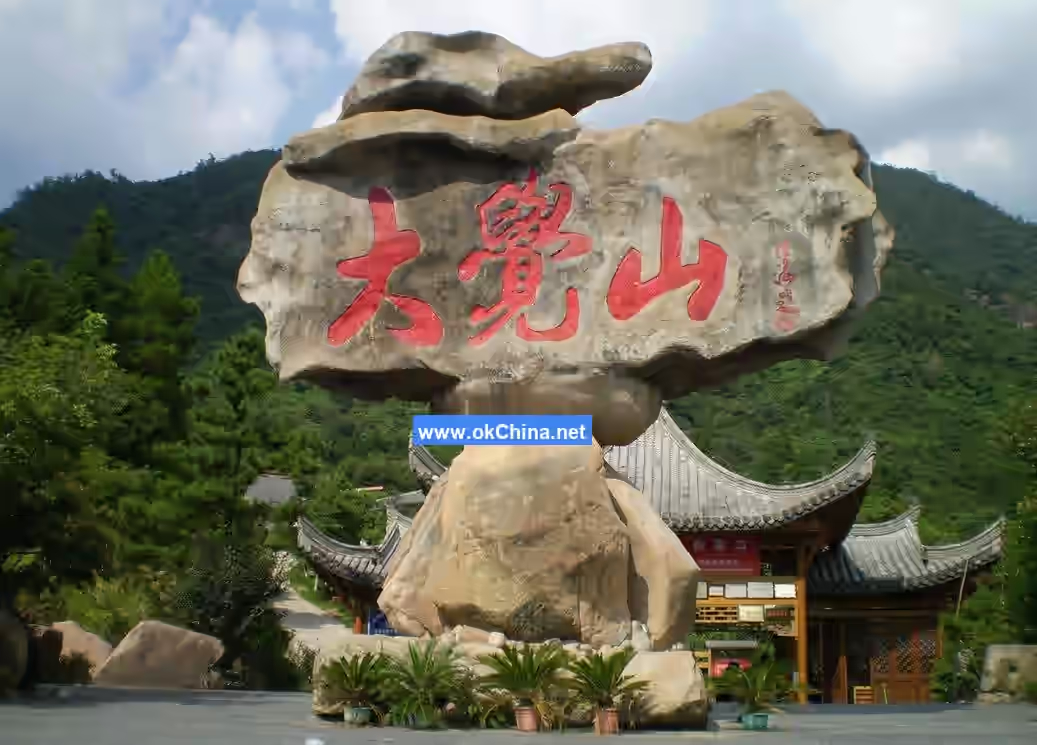
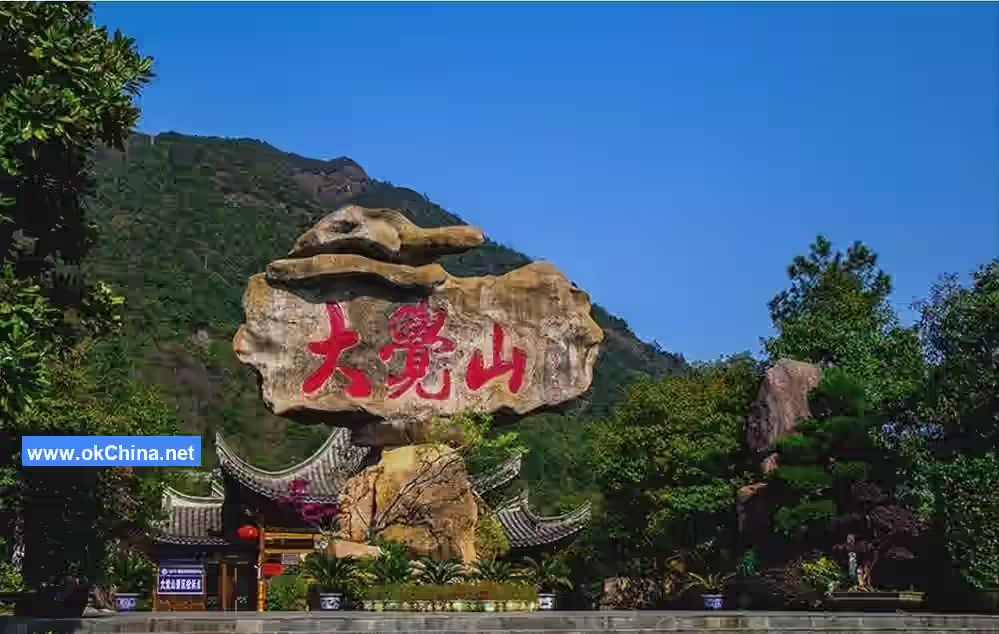
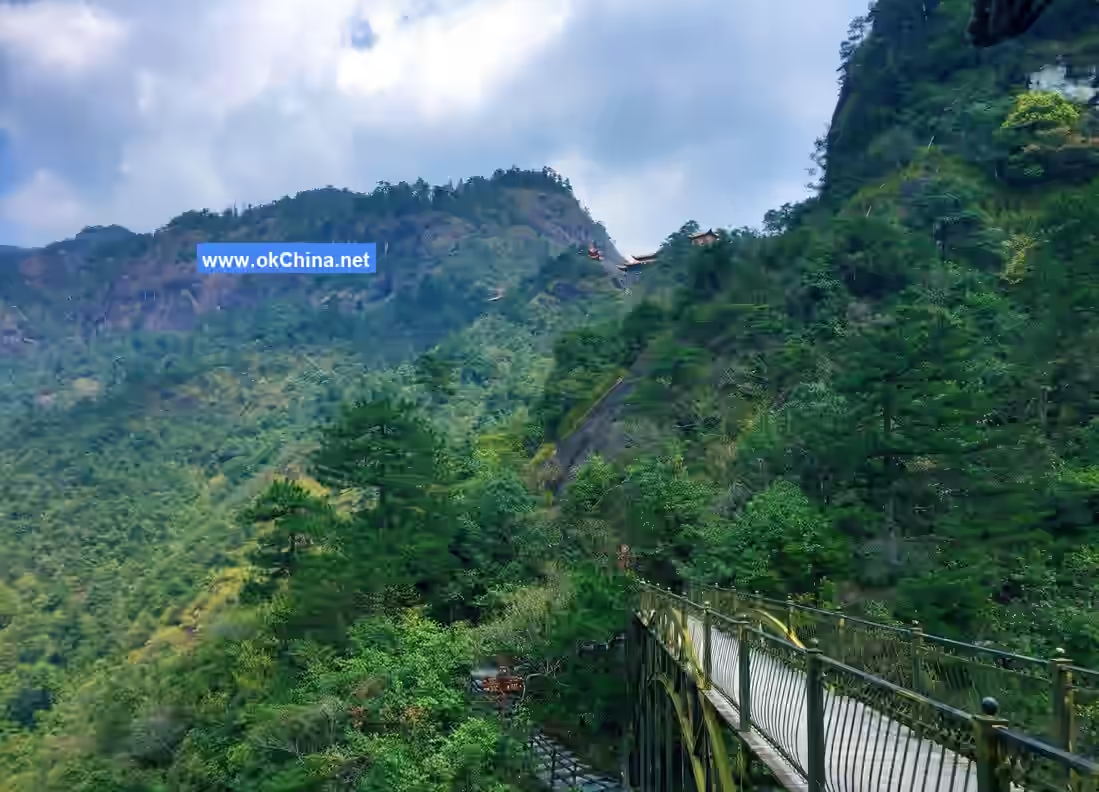
Dajue Mountain was formed during the Late Mesozoic era and is a religious pilgrimage site integrating Confucianism, Taoism, and Buddhism. The Dajue Mountain Scenic Area in Fuzhou City features a mid-subtropical humid monsoon climate, with an average elevation of around 900 meters. Hedong Peak, located east of Dajue Rock Temple, stands at 1,364 meters, making it the highest peak in the scenic area. On December 31, 2002, the scenic area was solely funded and constructed by Li Qiming, Chairman of Hainan Chinese Ethnic Culture Village, and officially opened for operation in May 2006. The Dajue Mountain Scenic Area is divided into eastern and western zones. The eastern zone is centered around 300,000 mu of primitive forest, forming a primitive forest tourism area. The western zone is a comprehensive tourist area focusing on religious culture and canyon rafting. Major attractions include Dajue Rock Temple, The Great Awakener, Dajue Mountain Canyon Rafting, and Dajue Mountain Film and Television City.
2. Geographical Environment
2.1 Location and Territory
Dajue Mountain Scenic Area in Fuzhou City is located within Zixi County, Fuzhou City, Jiangxi Province, bordering Guangze County in Fujian Province. It lies approximately 130 kilometers east of the Wuyi Mountain Scenic Area in Fujian, 150 kilometers west of the Dajinhu Scenic Area in Taining, Fujian, and 70 kilometers north of the Longhu Mountain Scenic Area in Jiangxi. It covers an area of 204 square kilometers.
2.2 Topography and Landforms
The average elevation of Dajue Mountain Scenic Area in Fuzhou City is around 900 meters. Hedong Peak, located east of Dajue Rock Temple, stands at 1,364 meters, making it the highest peak in the scenic area. Due to geological tectonic cutting and water erosion, canyons serve as the main access routes into Dajue Mountain.
2.3 Climate
Dajue Mountain Scenic Area in Fuzhou City has a mid-subtropical humid monsoon climate, characterized by abundant rainfall (annual average of 1,929.9 mm), ample sunshine (annual average of 1,596.7 hours), and an annual average temperature of 16.9°C.
2.4 Biodiversity
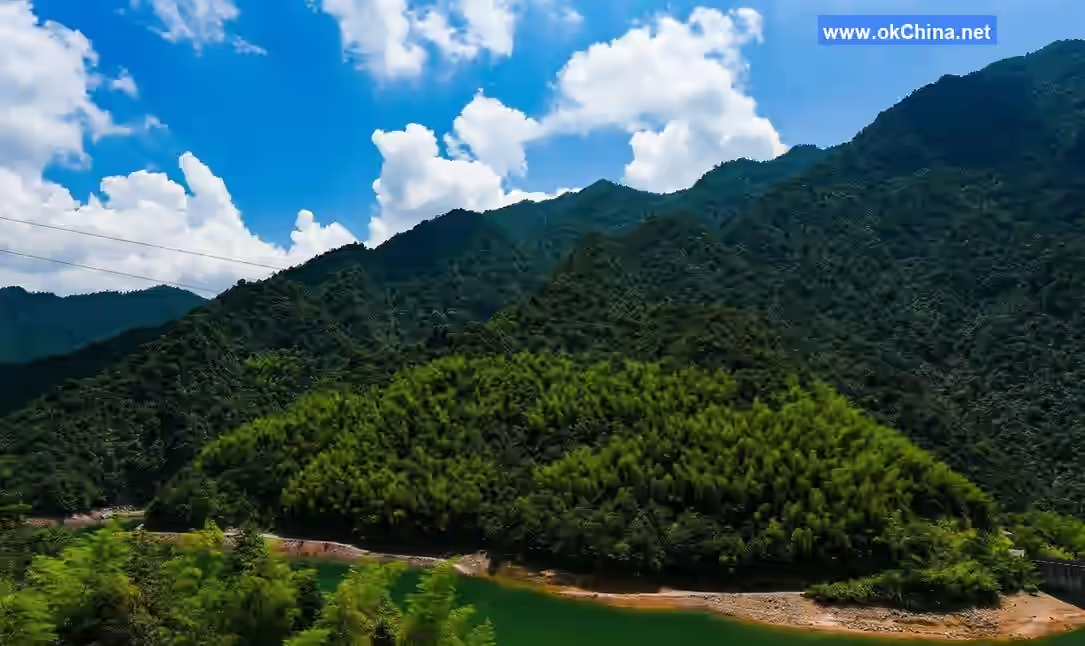
Dajue Mountain Scenic Area in Fuzhou City hosts 2,483 species of higher plants, including large areas of rare and endangered species such as native southern yew (Taxus chinensis var. mairei), long-leaf torreya (Torreya grandis), Bretschneidera sinensis, Cinnamomum camphora, Platycrater arguta, and Michelia martinii. It is also home to 387 species of terrestrial vertebrates and rare birds and beasts, including clouded leopards, black muntjacs, golden eagles, and serows.
3. Major Attractions
Scenic Area Layout
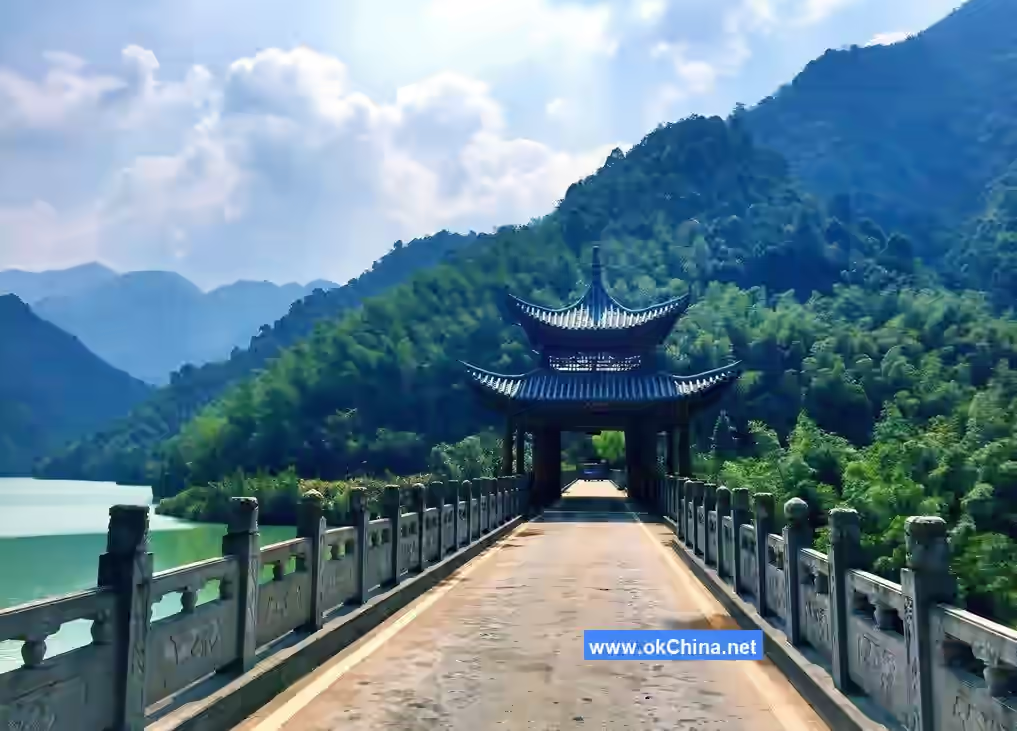
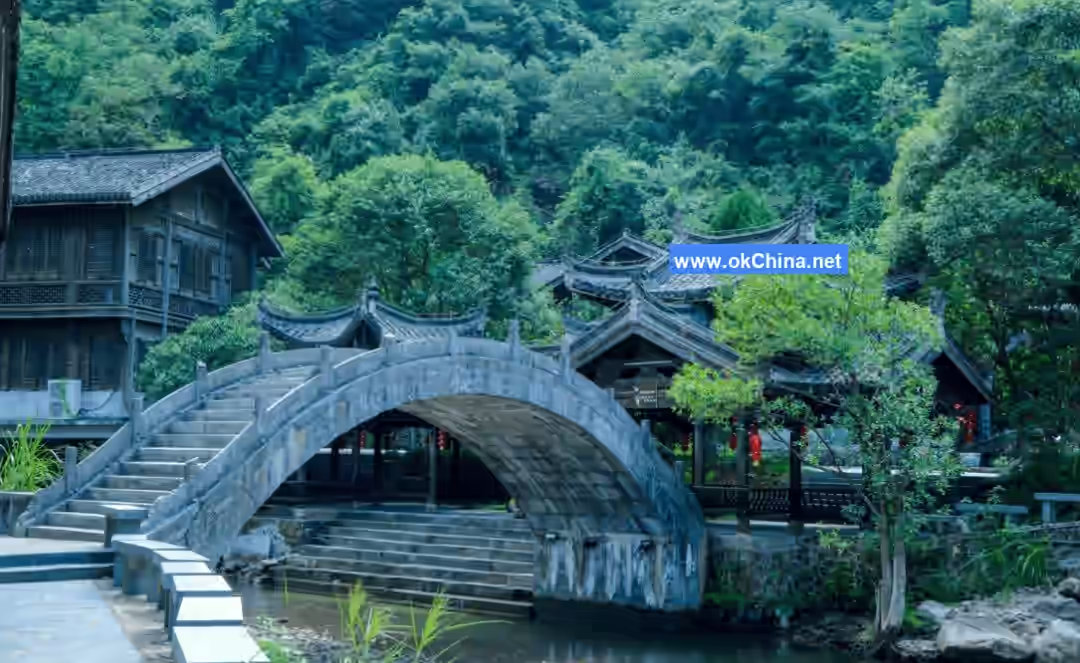
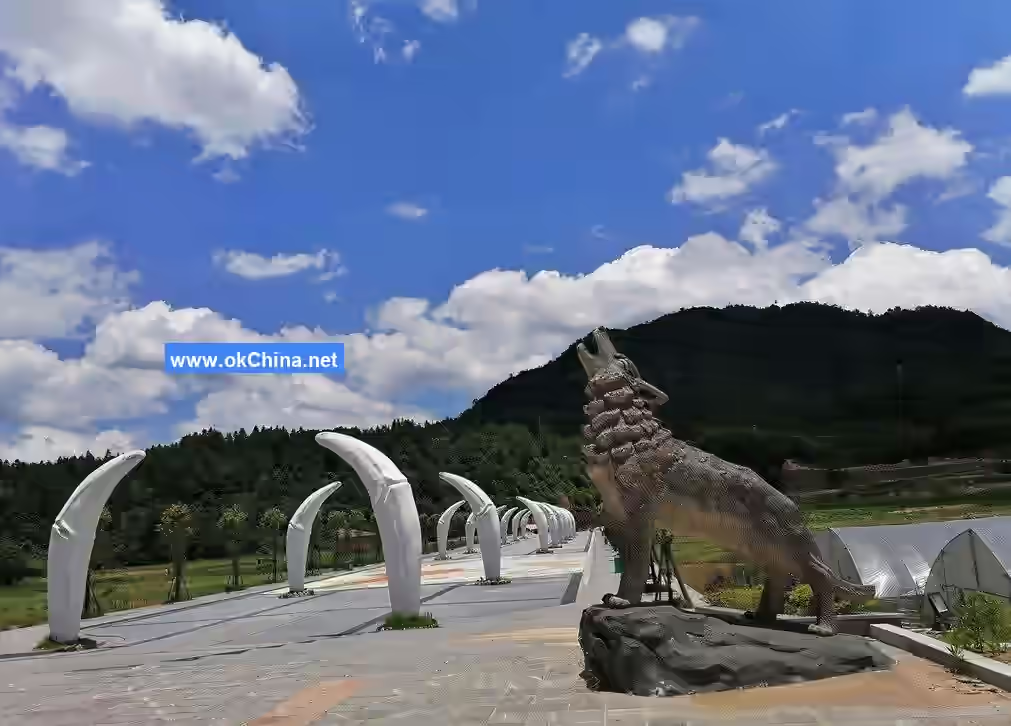
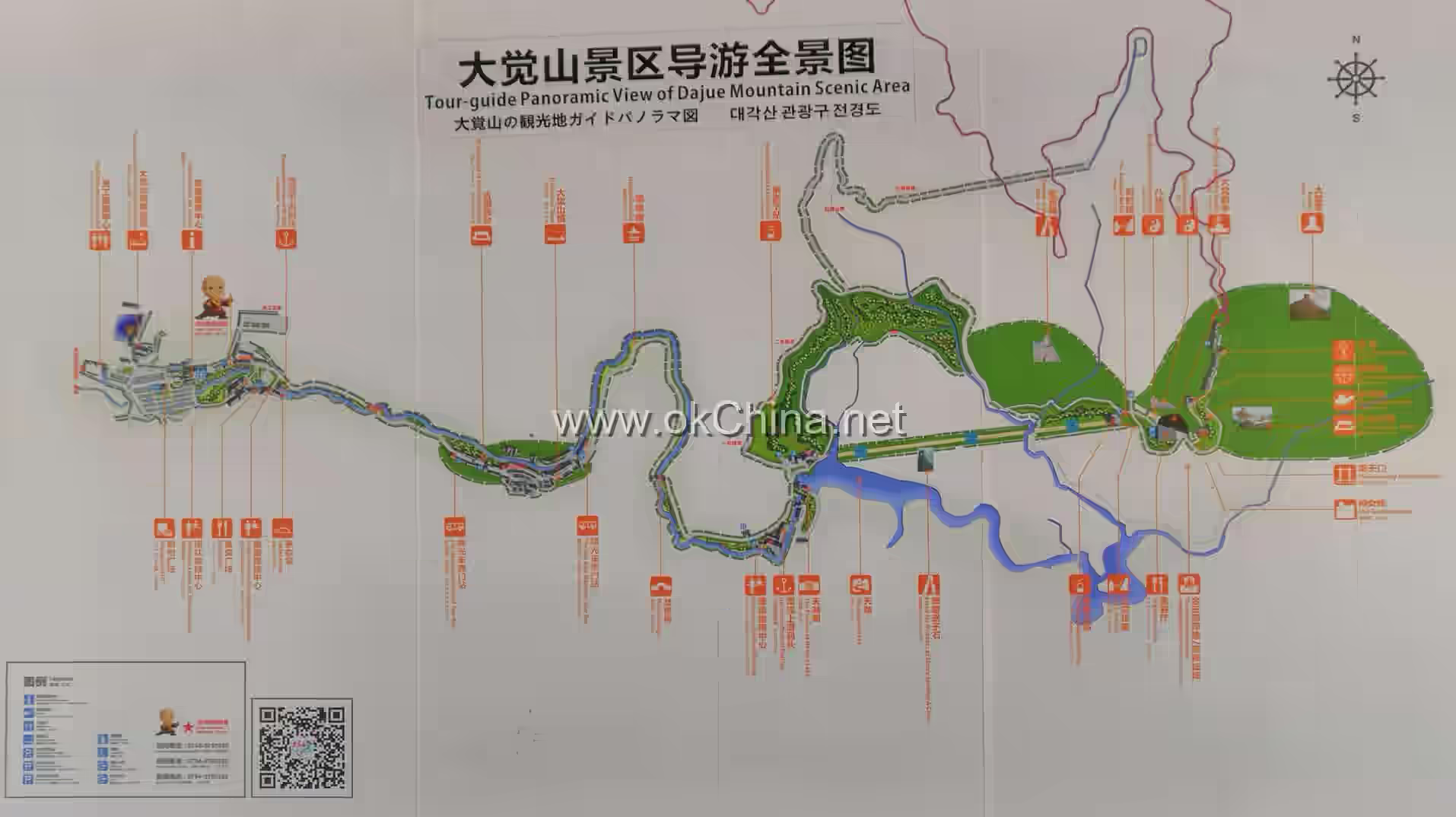
Dajue Mountain Scenic Area in Fuzhou City is divided into eastern and western zones. The eastern zone is centered around 300,000 mu of primitive forest, forming a primitive forest tourism area. The western zone is a comprehensive tourist area focusing on religious culture and canyon rafting. Completed projects within the scenic area include a large tourist square, a scenic area shopping center, a food street, a reception center, a gravity water storage dam, a 7.5-kilometer-long, 24-meter-wide scenic avenue leading to the eastern zone, a 2.6-kilometer electric vehicle lane, small bridges and flowing water, artistic pavilions, scenic area landscaping, and the Grand Canyon Rafting. Major attractions include Dajue Rock Temple, The Great Awakener, Dajue Mountain Canyon Rafting, and Dajue Mountain Film and Television City.
3.1 Dajue Rock Temple
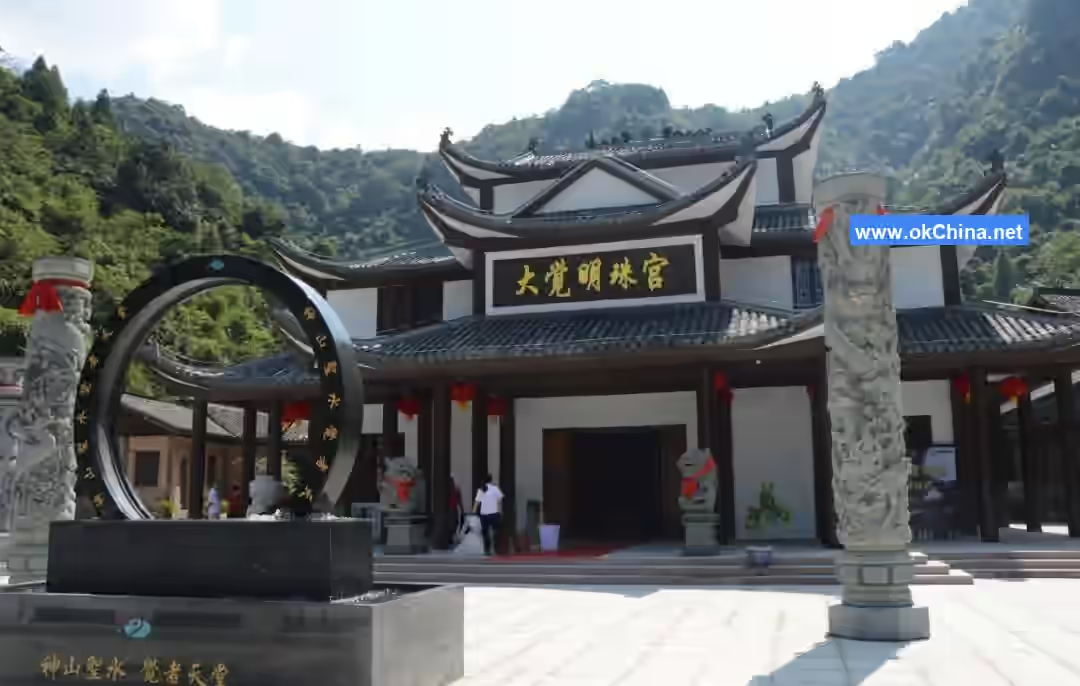
Dajue Rock Temple is the soul of the Dajue Mountain Scenic Area, a temple integrating Confucianism, Buddhism, and Taoism. Legend has it that a lion king descended from heaven to Dajue Mountain, wreaking havoc, harming all realms, and causing immense suffering among the people. To subdue the lion king, Tathagata Buddha summoned all bodhisattvas and deities to descend to Dajue Mountain and jointly capture it. However, the lion king possessed extraordinary magical powers, and all the buddhas and deities who arrived could not subdue it. Eventually, Tathagata Buddha himself descended to Dajue Mountain. Finding the lion king asleep, Buddha commanded the Eight Immortals to press down on it, while Guanyin manifested her power, lifting the Southern Heavenly Gate and the Marriage Pavilion to crush it, and the Heavenly Street to pin down its tail. Upon waking, the lion king roared with its mouth wide open, and Tathagata Buddha subdued it with a single breath of immortal energy. This event formed a massive granite cave on Dajue Mountain, measuring 69 meters deep, 99 meters wide, and 19 meters high, resembling a giant lion with its mouth agape, hence the name Lion Rock, later renamed Dajue Rock Temple.
Dajue Rock Temple is the granite cave formed by the lion king's open mouth. It houses three main halls: the Mahavira Hall, the Ksitigarbha Hall, and the Guanyin Hall. The Mahavira Hall is located in the center of the cave. The cave's interior is majestic, with the sounds of Buddhist chants and the fragrance of incense wafting through the high mountain cavern. Dajue Rock Temple was first built in the first year of the Xianhe era of the Eastern Jin Dynasty (326 AD), boasting a history of over 1,700 years. The eminent Tang Dynasty monk, Great Awakening Chan Master from Lingyin Temple in Hangzhou, retreated from the mundane world and traveled here. He practiced meditation and worshipped Buddha, achieving enlightenment before ascending to the Western Pure Land. This attracted pilgrims from both Jiangxi and Fujian provinces to worship here, giving rise to the name Dajue Rock Temple.
3.2 The Great Awakener
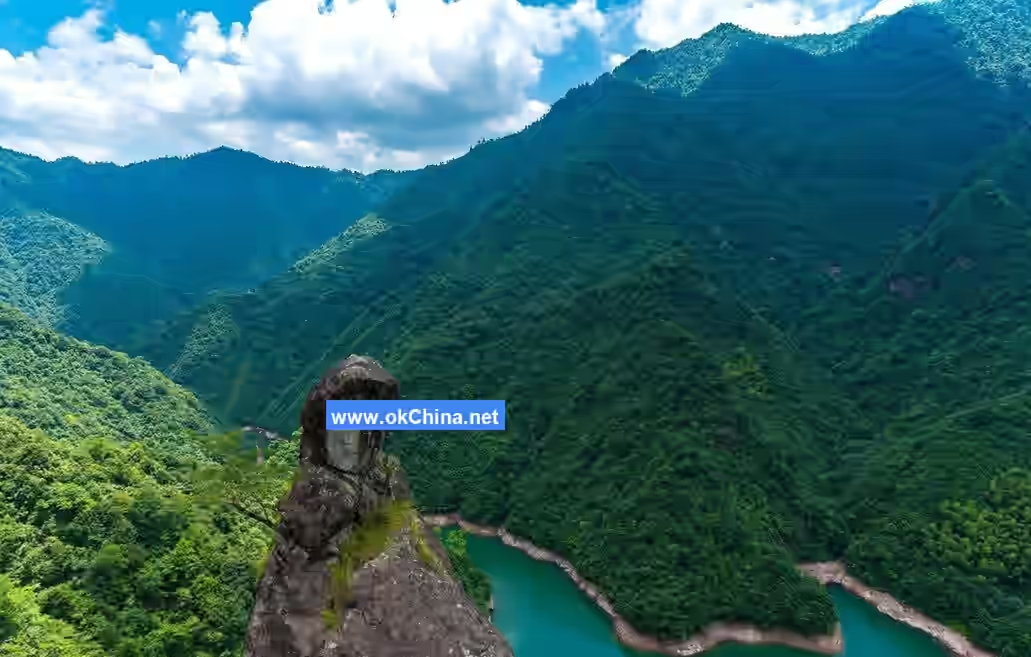
The Great Awakener, standing at 1,338 meters, is majestic, awe-inspiring, and grand, hailed by people as the "Son of the Earth, the Primordial Heavenly Lord." It is situated east of Dajue Rock Temple and is the core of Dajue Mountain's religious and cultural tourism. What is "Da Jue" (Great Awakening)? It signifies the great enlightenment and awakening of all people. What is "Zhe" (The One)? It signifies a person. The Great Awakener combines these two into one, forming an inseparable organic whole that constitutes all things. From a human-centric perspective, The Great Awakener represents the highest state of human pursuit, the symbol of the Son of the Earth. Taking heaven as the primordial origin, The Great Awakener is the sun shining upon all things, representing people's yearning for a beautiful, lofty spiritual realm and psychological pursuit.
3.3 Dajue Mountain Canyon Rafting
Dajue Mountain Rafting, located within Zixi County, Fuzhou City, Jiangxi Province, is touted as the "Number One Rafting in Asia" and is an ideal activity for tourists seeking excitement, speed, and thrills. Dajue Mountain Canyon Rafting is one of the scenic area's attractions, described as "igniting the passion of life and fully enjoying the essence of nature." The rafting course starts from Dajue Lake, spans 2.6 kilometers with a drop of 188 meters, passing through "one gorge, three bends, six pools, nine waterfalls, and eighteen turns," and takes approximately 120 minutes to complete. The Dajue Mountain Canyon Rafting features a unique terrain structure with significant drops, a short course, and fast-flowing water. The journey includes flying waterfalls, navigating gorges, splashing waves, and offers unparalleled excitement and thrills. Surrounded by green waters, embraced by verdant mountains, and set against ancient, vast, and primeval natural beauty, it combines movement and stillness, offering thrilling yet safe adventures through纵横交错的纵横交错的纵横交错的纵横交错的纵横交错的纵横交错的纵横交错的纵横交错的纵横交错的纵横交错的纵横交错的纵横交错的纵横交错的纵横交错的纵横交错的纵横交错的纵横交错的纵横交错的纵横交错的纵横交错的纵横交错的纵横交错的纵横交错的纵横交错的纵横交错的纵横交错的纵横交错的纵横交错的纵横交错的纵横交错的纵横交错的纵横交错的纵横交错的纵横交错的纵横交错的纵横交错的纵横交错的纵横交错的纵横交错的纵横交错的纵横交错的纵横交错的纵横交错的纵横交错的纵横交错的纵横交错的纵横交错的纵横交错的纵横交错的纵横交错的纵横交错的纵横交错的纵横交错的纵横交错的纵横交错的纵横交错的纵横交错的纵横交错的纵横交错的纵横交错的纵横交错的纵横交错的纵横交错的纵横交错的纵横交错的纵横交错的纵横交错的纵横交错的纵横交错的纵横交错的纵横交错的纵横交错的纵横交错的纵横交错的纵横交错的纵横交错的纵横交错的纵横交错的纵横交错的纵横交错的纵横交错的纵横交错的纵横交错的纵横交错的纵横交错的纵横交错的纵横交错的纵横交错的纵横交错的纵横交错的纵横交错的纵横交错的纵横交错的纵横交错的纵横交错的纵横交错的纵横交错的纵横交错的纵横交错的纵横交错的纵横交错的纵横交错的纵横交错的纵横交错的纵横交错的纵横交错的纵横交错的纵横交错的纵横交错的纵横交错的纵横交错的纵横交错的纵横交错的纵横交错的纵横交错的纵横交错的纵横交错的纵横交错的纵横交错的纵横交错的纵横交错的纵横交错的纵横交错的纵横交错的纵横交错的纵横交错的纵横交错的纵横交错的纵横交错的纵横交错的纵横交错的纵横交错的纵横交错的纵横交错的纵横交错的纵横交错的纵横交错的纵横交错的纵横交错的纵横交错的纵横交错的纵横交错的纵横交错的纵横交错的纵横交错的纵横交错的纵横交错的纵横交错的纵横交错的纵横交错的纵横交错的纵横交错的纵横交错的纵横交错的纵横交错的纵横交错的纵横交错的纵横交错的纵横交错的纵横交错的纵横交错的纵横交错的纵横交错的纵横交错的纵横交错的纵横交错的纵横交错的纵横交错的纵横交错的纵横交错的纵横交错的纵横交错的纵横交错的纵横交错的纵横交错的纵横交错的纵横交错的纵横交错的纵横交错的纵横交错的纵横交错的纵横交错的纵横交错的纵横交错的纵横交错的纵横交错的纵横交错的纵横交错的纵横交错的纵横交错的纵横交错的纵横交错的纵横交错的纵横交错的纵横交错的纵横交错的纵横交错的纵横交错的纵横交错的纵横交错的纵横交错的纵横交错的纵横交错的纵横交错的纵横交错的纵横交错的纵横交错的纵横交错的纵横交错的纵横交错的纵横交错的纵横交错的纵横交错的纵横交错的纵横交错的纵横交错的纵横交错的纵横交错的纵横交错的纵横交错的纵横交错的纵横交错的纵横交错的纵横交错的纵横交错的纵横交错的纵横交错的纵横交错的纵横交错的纵横交错的纵横交错的纵横交错的纵横交错的纵横交错的纵横交错的纵横交错的纵横交错的纵横交错的纵横交错的纵横交错的纵横交错的纵横交错的纵横交错的纵横交错的纵横交错的纵横交错的纵横交错的纵横交错的纵横交错的纵横交错的纵横交错的纵横交错的纵横交错的纵横交错的纵横交错的纵横交错的纵横交错的纵横交错的纵横交错的纵横交错的纵横交错的纵横交错的纵横交错的纵横交错的纵横交错的纵横交错的纵横交错的纵横交错的纵横交错的纵横交错的纵横交错的纵横交错的纵横交错的纵横交错的纵横交错的纵横交错的纵横交错的纵横交错的纵横交错的纵横交错的纵横交错的纵横交错的纵横交错的纵横交错的纵横交错的纵横交错的纵横交错的纵横交错的纵横交错的纵横交错的纵横交错的纵横交错的纵横交错的纵横交错的纵横交错的纵横交错的纵横交错的纵横交错的纵横交错的纵横交错的纵横交错的纵横交错的纵横交错的纵横交错的纵横交错的纵横交错的纵横交错的纵横交错的纵横交错的纵横交错的纵横交错的纵横交错的纵横交错的纵横交错的纵横交错的纵横交错的纵横交错的纵横交错的纵横交错的纵横交错的纵横交错的纵横交错的纵横交错的纵横交错的纵横交错的纵横交错的纵横交错的纵横交错的纵横交错的纵横交错的纵横交错的纵横交错的纵横交错的纵横交错的纵横交错的纵横交错的纵横交错的纵横交错的纵横交错的纵横交错的纵横交错的纵横交错的纵横交错的纵横交错的纵横交错的纵横交错的纵横交错的纵横交错的纵横交错的纵横交错的纵横交错的纵横交错的纵横交错的纵横交错的纵横交错的纵横交错的纵横交错的纵横交错的纵横交错的纵横交错的纵横交错的纵横交错的纵横交错的纵横交错的纵横交错的纵横交错的纵横交错的纵横交错的纵横交错的纵横交错的纵横交错的纵横交错的纵横交错的纵横交错的纵横交错的纵横交错的纵横交错的纵横交错的纵横交错的纵横交错的纵横交错的纵横交错的纵横交错的纵横交错的纵横交错的纵横交错的纵横交错的纵横交错的纵横交错的纵横交错的纵横交错的纵横交错的纵横交错的纵横交错的纵横交错的纵横交错的纵横交错的纵横交错的纵横交错的纵横交错的纵横交错的纵横交错的纵横交错的纵横交错的纵横交错的纵横交错的纵横交错的纵横交错的纵横交错的纵横交错的纵横交错的纵横交错的纵横交错的纵横交错的纵横交错的纵横交错的纵横交错的纵横交错的纵横交错的纵横交错的纵横交错的纵横交错的纵横交错的纵横交错的纵横交错的纵横交错的纵横交错的纵横交错的纵横交错的纵横交错的纵横交错的纵横交错的纵横交错的纵横交错的纵横交错的纵横交错的纵横交错的纵横交错的纵横交错的纵横交错的纵横交错的纵横交错的纵横交错的纵横交错的纵横交错的纵横交错的纵横交错的纵横交错的纵横交错的纵横交错的纵横交错的纵横交错的纵横交错的纵横交错的纵横交错的纵横交错的纵横交错的纵横交错的纵横交错的纵横交错的纵横交错的纵横交错的纵横交错的纵横交错的纵横交错的纵横交错的纵横交错的纵横交错的纵横交错的纵横交错的纵横交错的纵横交错的纵横交错的纵横交错的纵横交错的纵横交错的纵横交错的纵横交错的纵横交错的纵横交错的纵横交错的纵横交错的纵横交错的纵横交错的纵横交错的纵横交错的纵横交错的纵横交错的纵横交错的纵横交错的纵横交错的纵横交错的纵横交错的纵横交错的纵横交错的纵横交错的纵横交错的纵横交错的纵横交错的纵横交错的纵横交错的纵横交错的纵横交错的纵横交错的纵横交错的纵横交错的纵横交错的纵横交错的纵横交错的纵横交错的纵横交错的纵横交错的纵横交错的纵横交错的纵横交错的纵横交错的纵横交错的纵横交错的纵横交错的纵横交错的纵横交错的纵横交错的纵横交错的纵横交错的纵横交错的纵横交错的纵横交错的纵横交错的纵横交错的纵横交错的纵横交错的纵横交错的纵横交错的纵横交错的纵横交错的纵横交错的纵横交错的纵横交错的纵横交错的纵横交错的纵横交错的纵横交错的纵横交错的纵横交错的纵横交错的纵横交错的纵横交错的纵横交错的纵横交错的纵横交错的纵横交错的纵横交错的纵横交错的纵横交错的纵横交错的纵横交错的纵横交错的纵横交错的纵横交错的纵横交错的纵横交错的纵横交错的纵横交错的纵横交错的纵横交错的纵横交错的纵横交错的纵横交错的纵横交错的纵横交错的纵横交错的纵横交错的纵横交错的纵横交错的纵横交错的纵横交错的纵横交错的纵横交错的纵横交错的纵横交错的纵横交错的纵横交错的纵横交错的纵横交错的纵横交错的纵横交错的纵横交错的纵横交错的纵横交错的纵横交错的纵横交错的纵横交错的纵横交错的纵横交错的纵横交错的纵横交错的纵横交错的纵横交错的纵横交错的纵横交错的纵横交错的纵横交错的纵横交错的纵横交错的纵横交错的纵横交错的纵横交错的纵横交错的纵横交错的纵横交错的纵横交错的纵横交错的纵横交错的纵横交错的纵横交错的纵横交错的纵横交错的纵横交错的纵横交错的纵横交错的纵横交错的纵横交错的纵横交错的纵横交错的纵横交错的纵横交错的纵横交错的纵横交错的纵横交错的纵横交错的纵横交错的纵横交错的纵横交错的纵横交错的纵横交错的纵横交错的纵横交错的纵横交错的纵横交错的纵横交错的纵横交错的纵横交错的纵横交错的纵横交错的纵横交错的纵横交错的纵横交错的纵横交错的纵横交错的纵横交错的纵横交错的纵横交错的纵横交错的纵横交错的纵横交错的纵横交错的纵横交错的纵横交错的纵横交错的纵横交错的纵横交错的纵横交错的纵横交错的纵横交错的纵横交错的纵横交错的纵横交错的纵横交错的纵横交错的纵横交错的纵横交错的纵横交错的纵横交错的纵横交错的纵横交错的纵横交错的纵横交错的纵横交错的纵横交错的纵横交错的纵横交错的纵横交错的纵横交错的纵横交错的纵横交错的纵横交错的纵横交错的纵横交错的纵横交错的纵横交错的纵横交错的纵横交错的纵横交错的纵横交错的纵横交错的纵横交错的纵横交错的纵横交错的纵横交错的纵横交错的纵横交错的纵横交错的纵横交错的纵横交错的纵横交错的纵横交错的纵横交错的纵横交错的纵横交错的纵横交错的纵横交错的纵横交错的纵横交错的纵横交错的纵横交错的纵横交错的纵横交错的纵横交错的纵横交错的纵横交错的纵横交错的纵横交错的纵横交错的纵横交错的纵横交错的纵横交错的纵横交错的纵横交错的纵横交错的纵横交错的纵横交错的纵横交错的纵横交错的纵横交错的纵横交错的### 3.10 Immortal's Reading Cave The Immortal's Reading Cave is located to the right near Dajue Temple, consisting of two interconnected small stone chambers. Legend has it that this was where Guanyin Bodhisattva studied and chanted scriptures. After Guanyin Bodhisattva came here to cultivate, pilgrims flocked to the site. Unaccustomed to the bustle, Guanyin Bodhisattva opened up two caves beside Dajue Temple, where she would usually read and chant scriptures. Below the cave, there is a spring where she washed her inkstone, and in the distance, there is a stone shaped like an inkstone and a stone brush rest, used by her for grinding ink and resting her brush. There is also a tale that identifies this as the reading cave of Wang Anshi. It is said that when he visited Dajue Mountain, he discovered a natural cave not far from the temple, studied there, and left behind his writing tools.
3.11 Dajue Mountain Heavenly Lake
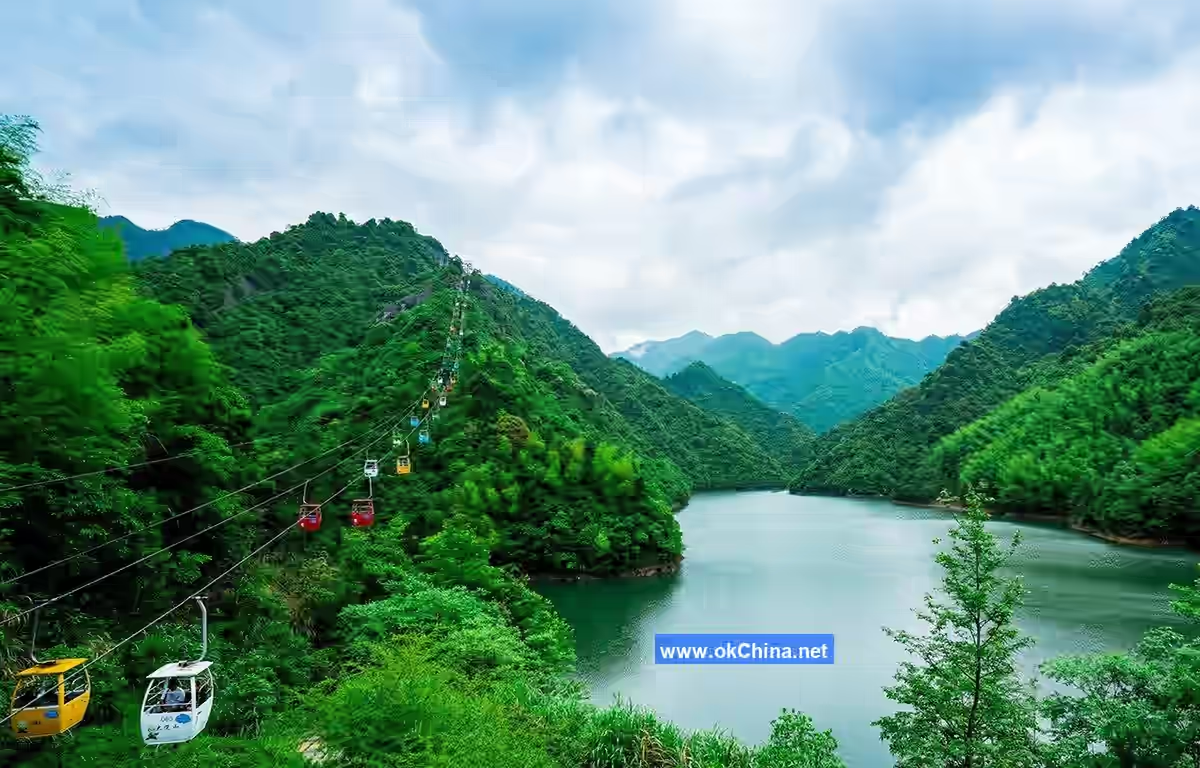
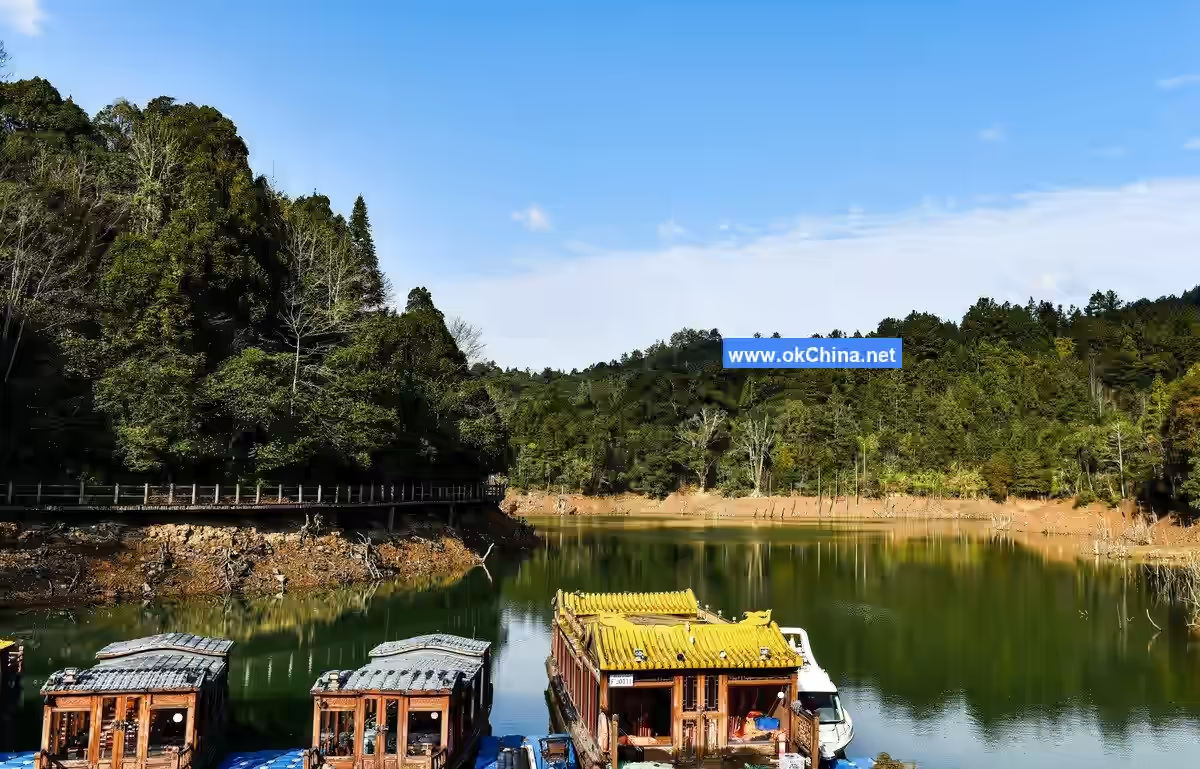
Dajue Mountain Heavenly Lake, also known as Dajue Lake, covers an area of 15 square kilometers. Its sparkling blue waves complement the surrounding green mountains, and this high-altitude flat lake encircles the main peak of Dajue Temple. At sunrise, the lake surface is often shrouded in mist and clouds, with radiant sunlight stretching for miles. Dajue Lake is 2,700 meters long, with a maximum depth of 47 meters, a catchment area of approximately 15 square kilometers, and a storage capacity of 2 million cubic meters. It is one of the must-visit attractions for tourists coming to Dajue Mountain.
4. Cultural Resources
4.1 Historical Evolution
Dajue Mountain formed during the Late Mesozoic era. After over 300 million years of terrestrial evolution, it developed a geological and geographical environment and natural ecosystem described as "viewed horizontally, it appears as a ridge; viewed from the side, it looks like a peak, with varying heights and distances."
In the first year of the Xianhe era of the Eastern Jin Dynasty, the Lion Rock Temple on Lotus Mountain was established. By the Zhenguan period of the Tang Dynasty, the Great Awakening Chan Master from Lingyin Temple in Hangzhou, seeking seclusion from worldly affairs, traveled to this area to practice and propagate Buddhism. Later, Buddhism coexisted with Taoism and Confucianism here, promoting the religious culture of the homeland in terms of "mind, body, and principle." Later generations referred to the temple as Dajue Chan Temple Mountain, and the mountain became famously known as Dajue Sacred Mountain through the ages.
Dajue Mountain is a sacred pilgrimage site integrating Confucianism, Taoism, and Buddhism, with a history spanning over 1,600 years. In 1984, the Zixi County People's Government, responding to the requests of Buddhist devotees, decided to open Dajue Rock Temple on Dajue Mountain as a Buddhist activity site. In 1985, Dajue Rock Temple was renovated, with the construction of a meditation platform, a guest hall, a kitchen, and the crafting of three Buddha statues, establishing it as the center for Buddhist activities in the Zixi region.
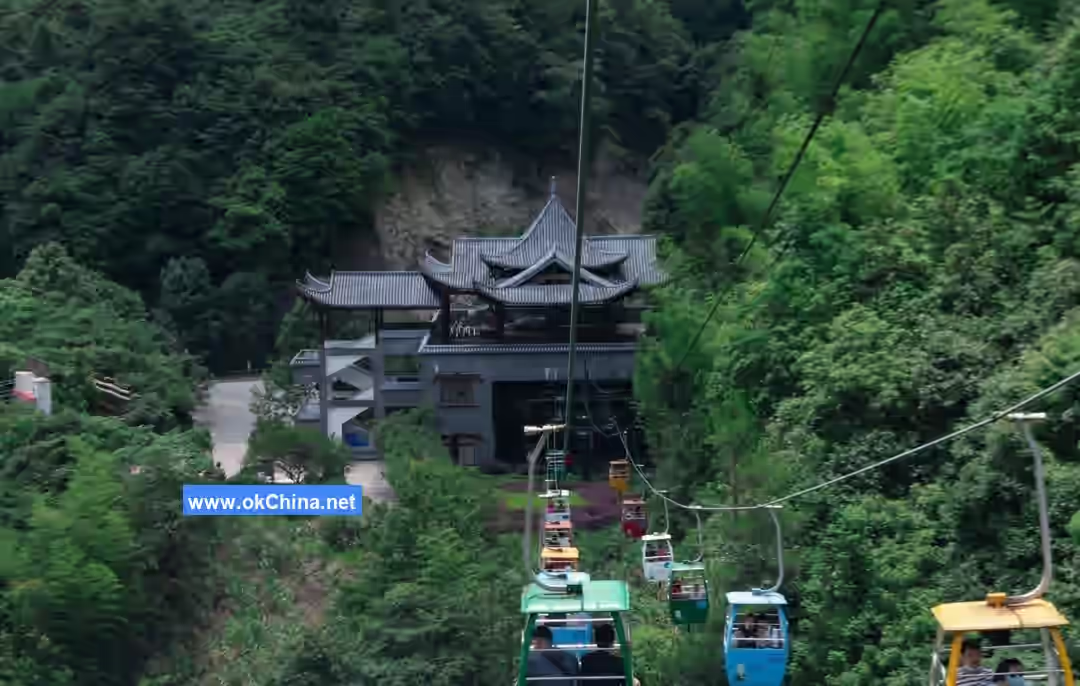
On December 31, 2002, the Dajue Mountain Scenic Area in Fuzhou City was solely founded and invested in by Li Qiming, Chairman of Hainan Chinese Ethnic Culture Village, with a total investment of 1 billion RMB commencing construction. In May 2006, the Dajue Mountain Scenic Area in Fuzhou City officially opened for operation. Starting in 2009, the Dajue Mountain Scenic Area collaborated with CRRC Zhuzhou Group in Hunan to research and develop the Dajue Mountain Cliff Off-Road Monorail Sightseeing Train project. In 2012, the Dajue Mountain Cliff Off-Road Monorail Sightseeing Train project was successfully developed and began trial operations. On July 11, 2024, at the Dajue Mountain Scenic Area in Fuzhou City, 30 sets of high-mountain cliff straddle-type monorail sightseeing vehicles and their track systems were delivered. This delivered 11.8-kilometer Dajue Mountain "Cliff Train" project is the longest known "cliff train" route in China operating on cliff faces with the known vehicle type.
4.2 Related Legends
4.2.1 Legend of Dajue Mountain
There are many legends about the development and origin of Dajue Mountain. One popular folk tale tells of a hundred lions in the ancient Xiaoshi Forest of Nanlin County fighting over territory. The victors occupied Xiaoshi, while the defeated fled in disarray. A lioness settled here, and over a long period, she transformed into a massive stone mountain lying across Lotus Mountain in the Wuyi Mountain range. This cave is said to be the lioness's open mouth. Later, the Great Awakening Chan Master traveled here, developed the area, and built a temple, thus renaming Lion Rock to Dajue Rock Temple.
4.2.2 Dragon Spring Cave
Legend of the Dragon Spring Cave on Dajue Mountain: This place was formerly known as the "Oil and Rice" Cave. Monks, nuns, and pilgrims coming to pray had to bring their own food. However, the two openings of the Dragon Spring Cave would automatically flow with oil and rice, precisely meeting the daily needs of the temple. Later, a monk attempted to obtain extra oil and rice to sell. He enlarged the cave openings at midnight, but this act was discovered by an immortal. Deeming such greed unacceptable, the immortal sealed the openings with stones. Since then, the spring has never flowed with oil or rice again; only the Clever Spring continues to flow, becoming what people call "Dragon Water."
4.2.3 Immortal's Reading Cave
Legend of the Immortal's Reading Cave on Dajue Mountain: To the right not far from Dajue Temple, there are two interconnected small stone chambers. Legend has it that this was where Guanyin Bodhisattva studied and chanted scriptures. After Guanyin Bodhisattva came here to cultivate, pilgrims came in an endless stream. Unaccustomed to the bustle, Guanyin Bodhisattva opened up two caves beside Dajue Temple, where she would usually read and chant scriptures. Below the cave, there is a spring where she washed her inkstone, and in the distance, there is a stone shaped like an inkstone and a stone brush rest, used by her for grinding ink and resting her brush. There is also a folk legend that the Chinese statesman Wang Anshi once visited Dajue Mountain, and this is Wang Anshi's Reading Cave. It is said that when he came to Dajue Mountain, he discovered a natural cave not far from the temple, studied there, and left behind his writing tools.
Comments
Post a Comment