Bosten Lake Scenic Area in Bayingolin Mongol Autonomous Prefecture
I. Introduction
Bosten Lake Scenic Area in Bayingolin Mongol Autonomous Prefecture, abbreviated as Bosten Lake Scenic Area, is a tourist attraction located within Bohu Town, Bohu County, Bayingolin Mongol Autonomous Prefecture, Xinjiang Uygur Autonomous Region. The scenic area covers an area of 988 square kilometers and is a natural scenic spot characterized by its lake and water landscapes.
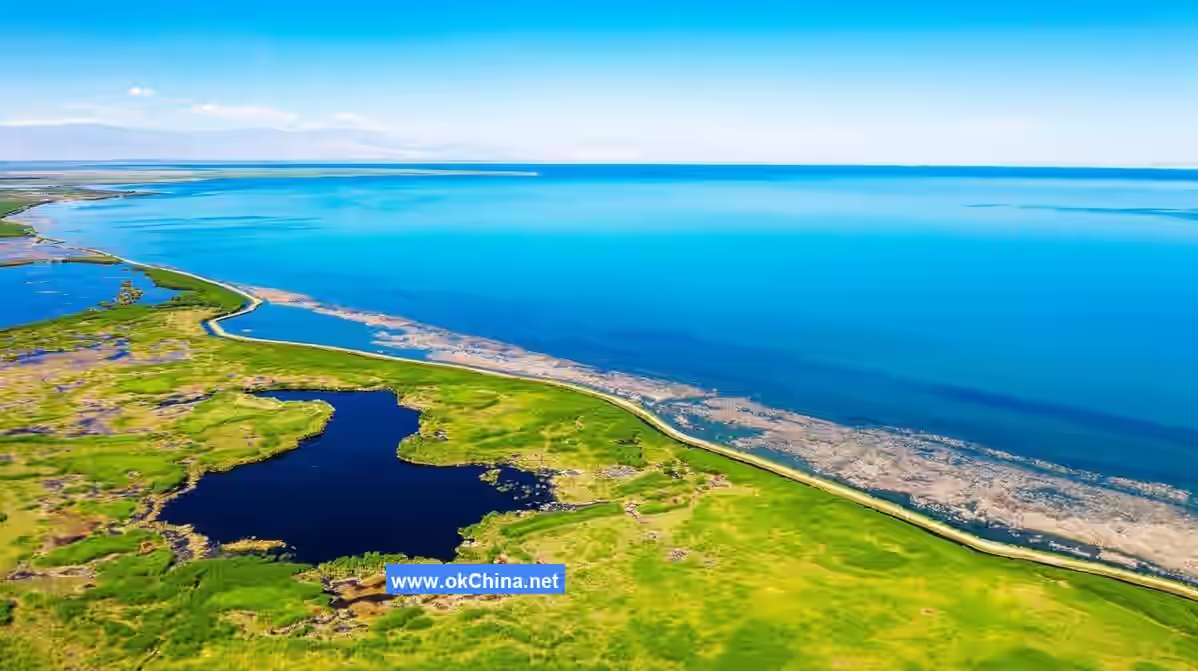
Bosten Lake, known in Mongolian as Bosten Nuur, translates to "standing," named after the three central hills standing in the lake. Historically referred to as the "West Sea," it is situated in the Yanqi Basin and is China's largest inland freshwater lake. The total surface area of the lake is approximately 1,000 square kilometers, with a maximum depth of 17 meters. It is connected upstream to the Kaidu River and downstream to the Kongque River, divided into large and small lake areas. The Bosten Lake Scenic Area primarily features the scenery of Bosten Lake and consists of the Dahekou Scenic Area and the Lotus Sea World Scenic Area. Bosten Lake coexists harmoniously with snow-capped mountains, lake views, oases, deserts, rare birds, and exotic animals, forming a rich and diverse landscape painting.
II. Orientation and Layout
Location and Territory
Bosten Lake Scenic Area is located in Bohu Town, Bohu County, Bayingolin Mongol Autonomous Prefecture, Xinjiang Uygur Autonomous Region, on the southeastern side of the Yanqi Basin. The scenic area covers an area of 988 square kilometers.
Climate Characteristics
Bohu County, where Bosten Lake Scenic Area is located, lies deep inland and experiences a mid-temperate continental desert climate. The climate is mild, with moderate heat, minimal dry hot winds, and humid air. The annual average temperature is 9.1°C, with annual sunshine hours ranging from 2,793.6 to 3,136.5 hours and a frost-free period of approximately 219 days.
Hydrological Features
Bosten Lake has a history of 3,000–4,000 years. Its total water area is 1,646 square kilometers, with a total storage capacity of nearly 10 billion cubic meters. The large lake area covers over 1,200 square kilometers, stretching about 55 kilometers from east to west and 25 kilometers from north to south, with an average water depth of around 10 meters. The small lake area covers about 400 square kilometers, featuring dense lake clusters with 16 small lakes of varying sizes. The water in Bosten Lake mainly comes from the Kaidu River, which is 610 kilometers long. The river originates from the Tianshan Mountains at an altitude of over 4,000 meters, with glacial meltwater and summer precipitation being the primary sources of replenishment. The summer season, with higher temperatures and more precipitation, is the flood season for the Kaidu River.
Natural Resources
Animal Resources
Bosten Lake is home to 32 species of fish, including grass carp, silver carp, bighead carp, common carp, crucian carp, and red perch, with an annual yield of about 4,000 tons. It is the largest fishery production base in Xinjiang.
Plant Resources
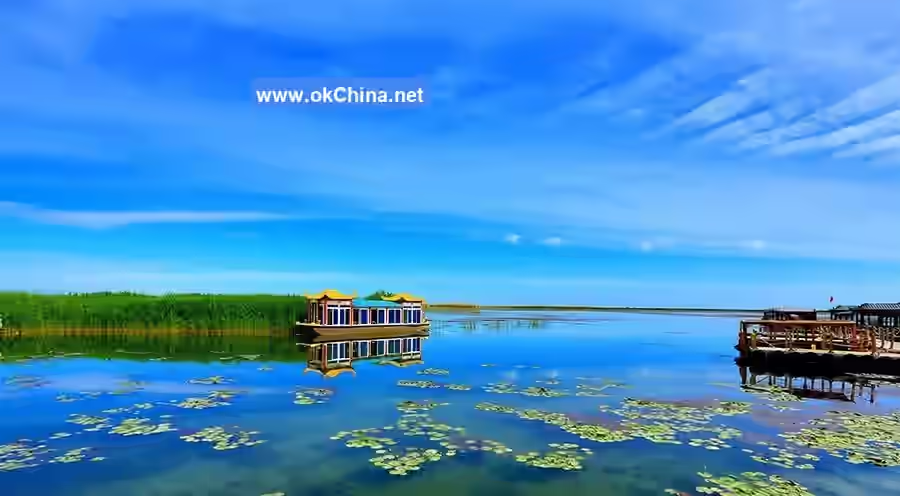
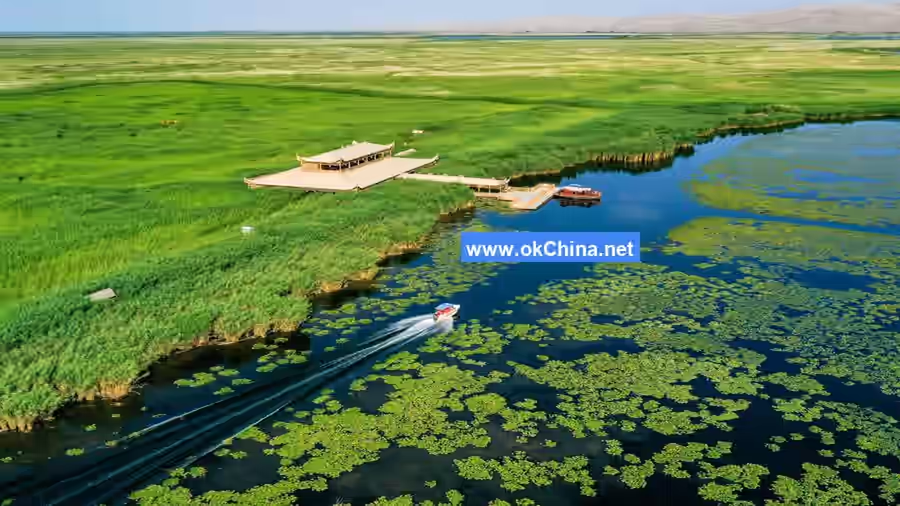
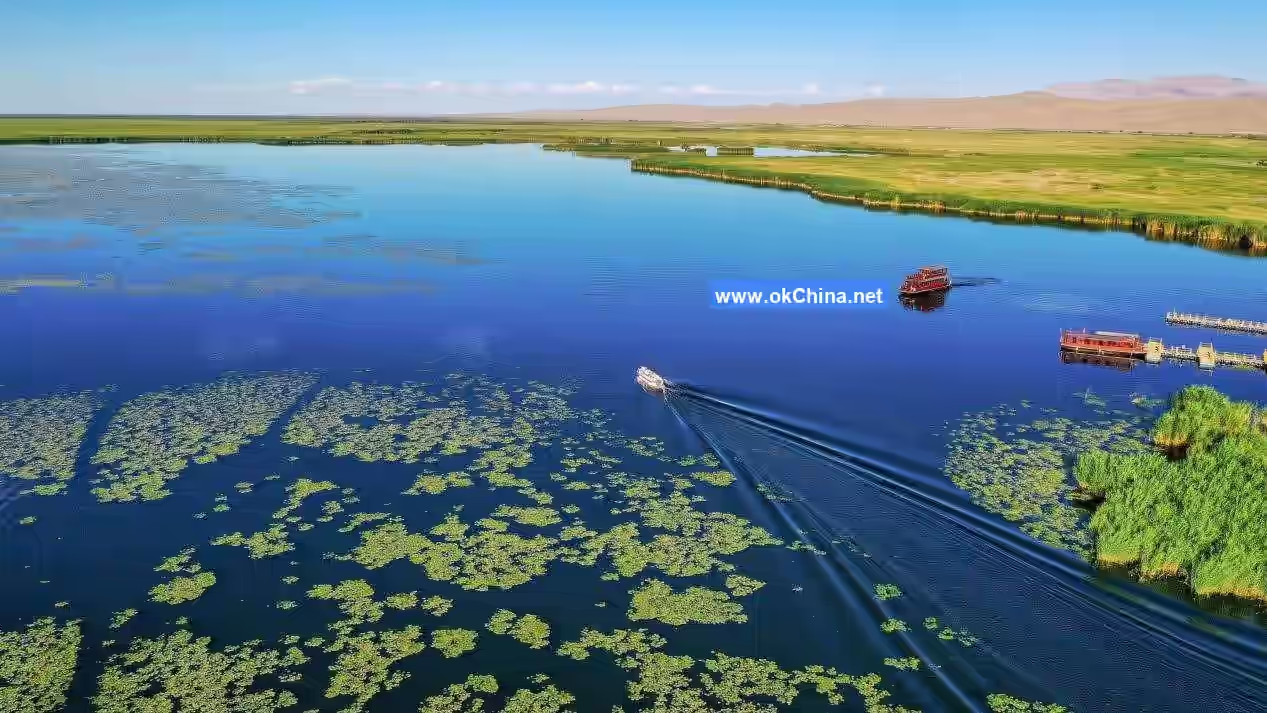
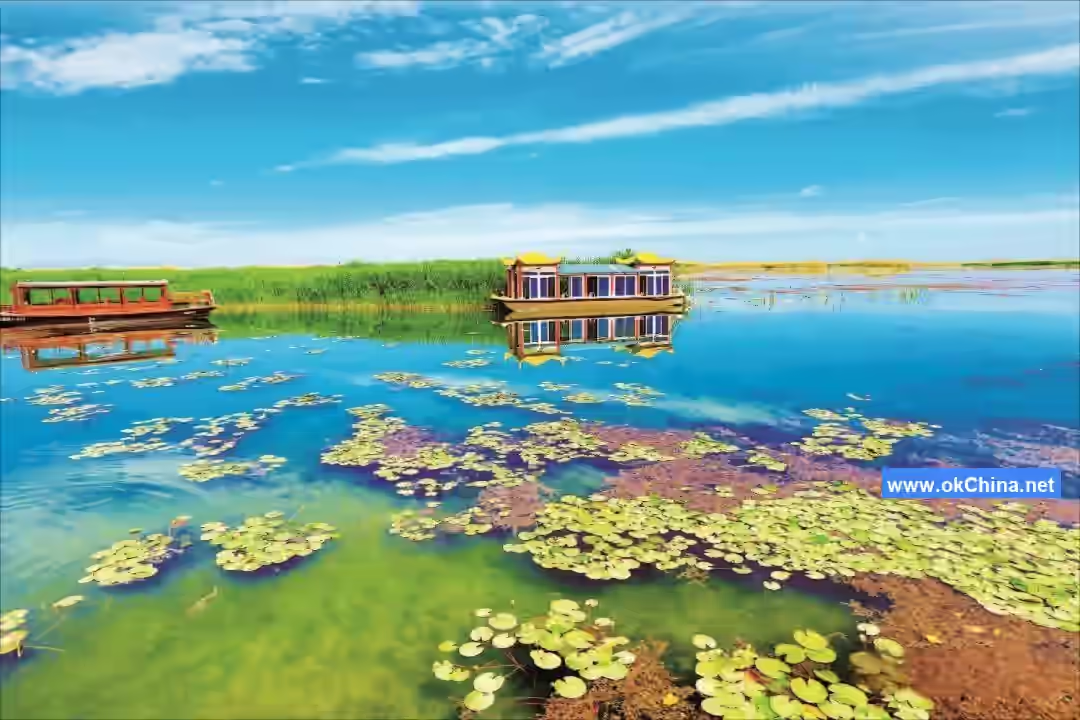
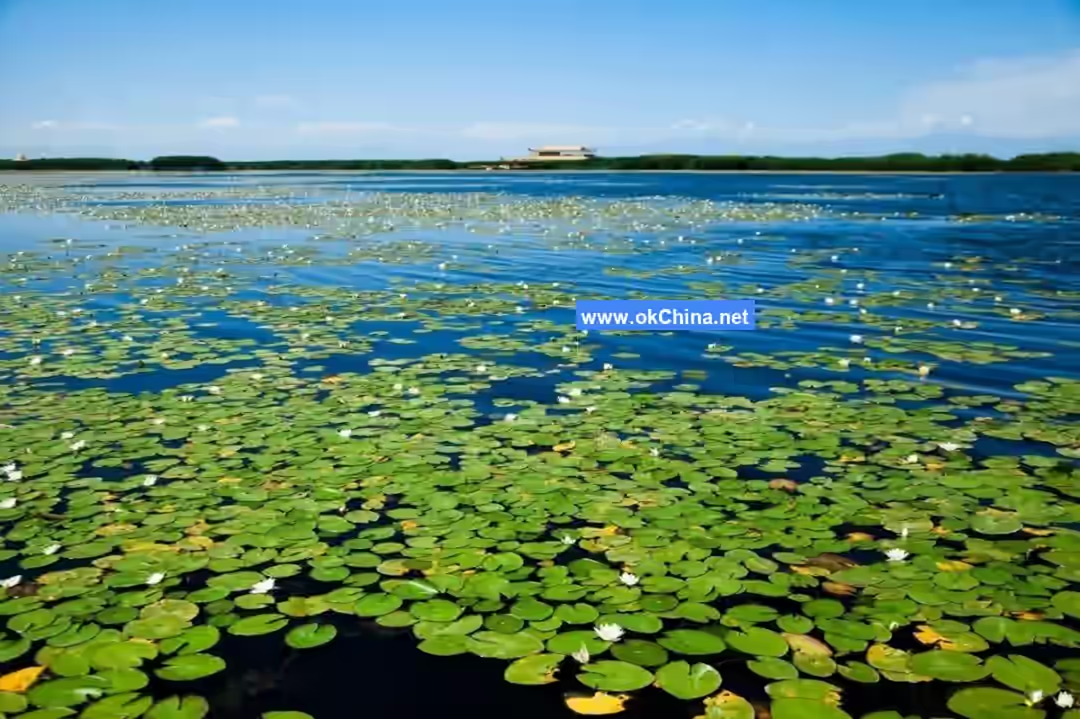
Over 80,000 mu of wild water lilies and 400,000 mu of natural reeds grow along the shores of Bosten Lake, earning it the reputation of "Bosten Lake's Pearl Necklace."
Scenic Area Layout
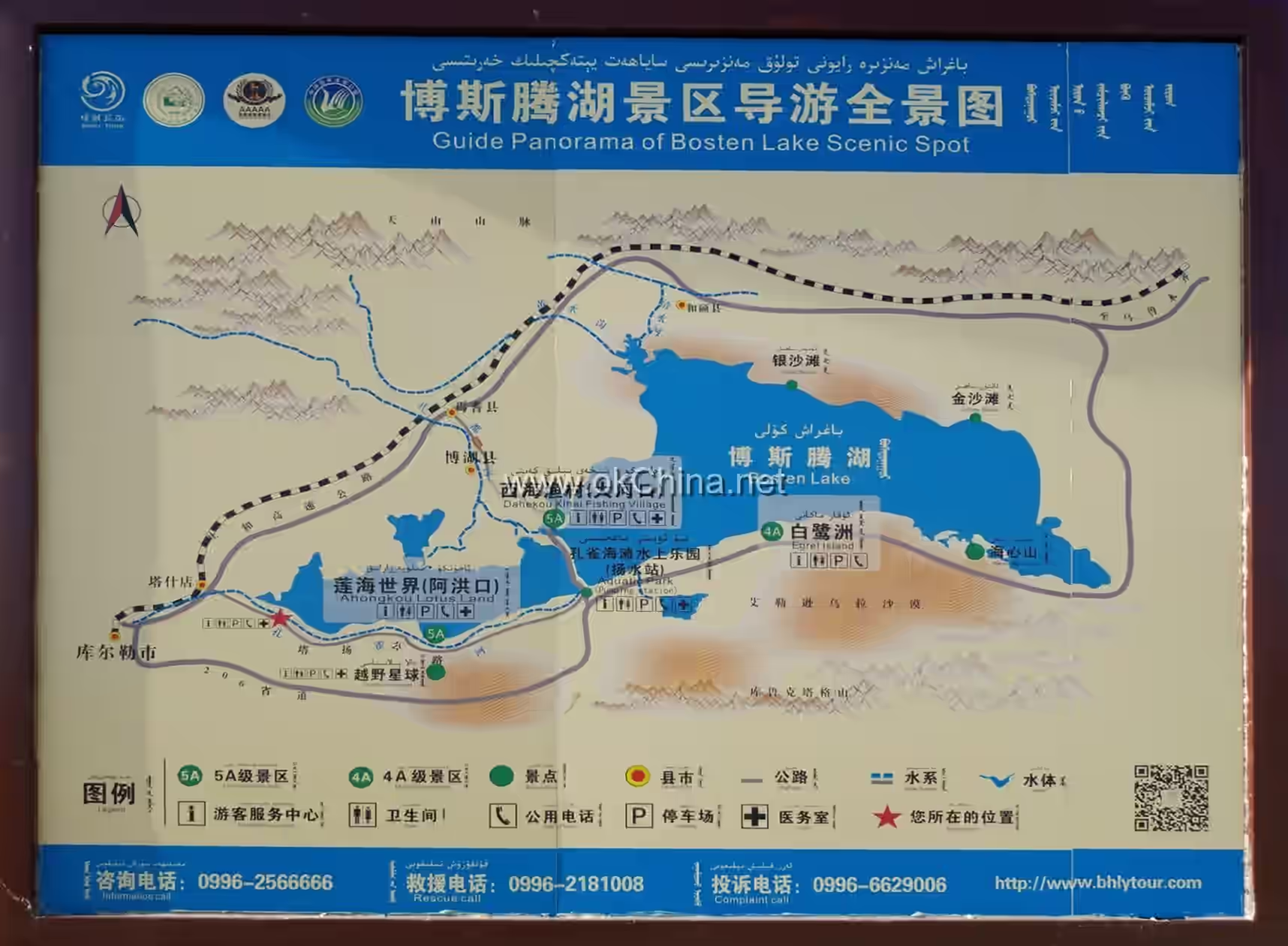
Bosten Lake can be divided into the large lake area and the small lake area. The large lake area covers nearly 1,000 square kilometers, while the small lake area covers several hundred square kilometers. Dahekou is located on the western shore of Bosten Lake. The Lotus Sea World Scenic Area is situated in the small lake area on the southwestern part of Bosten Lake.
III. Key Scenic Areas
Dahekou Scenic Area
Overview
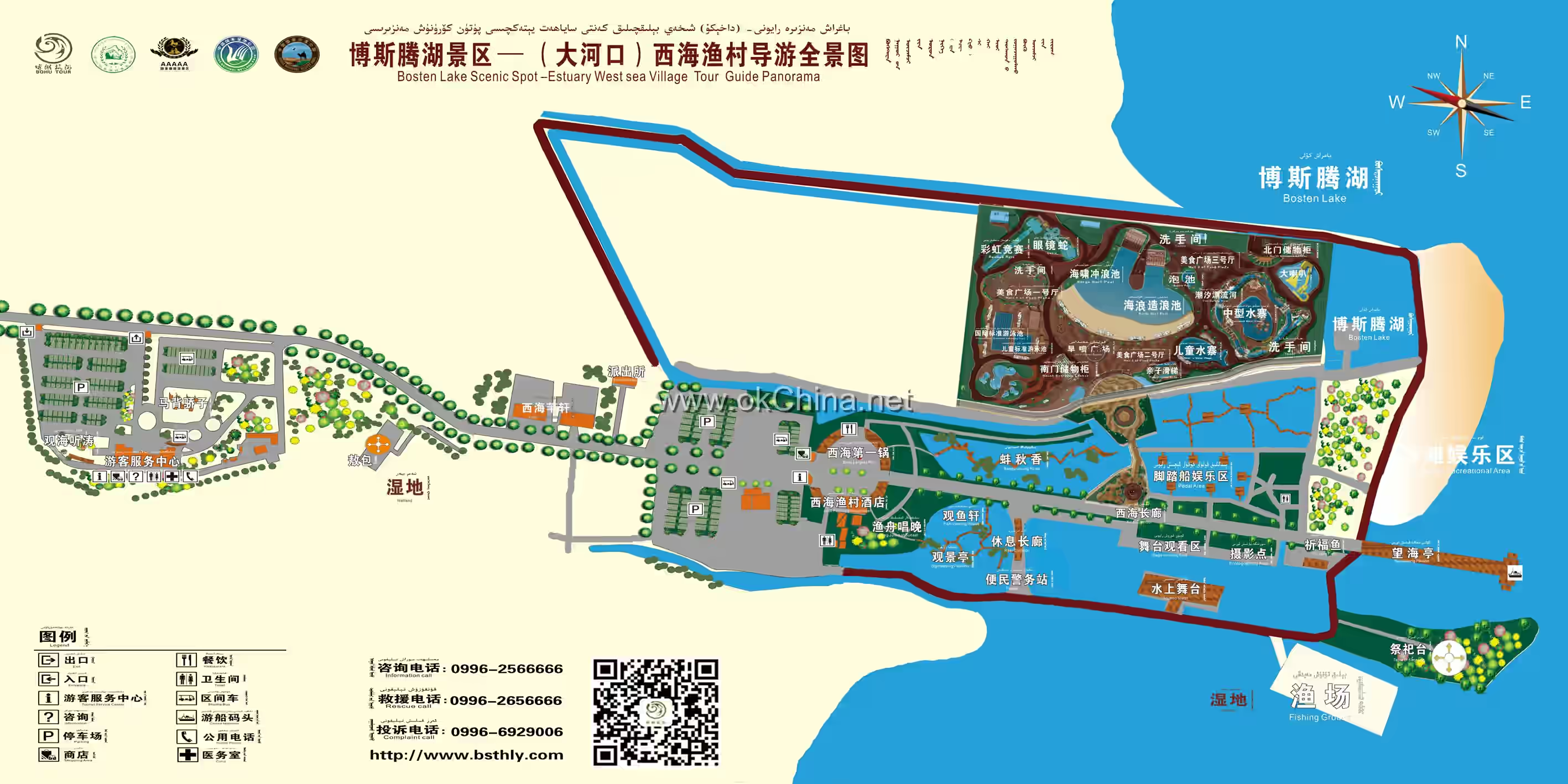
Dahekou Scenic Area (West Sea Fishing Village) is located at the entrance of the Kaidu River into Bosten Lake, hence its name "Dahekou" (Big River Mouth). Dahekou enjoys a superior geographical location, being 25 kilometers from the Southern Xinjiang Railway, 22 kilometers from National Highway 314, and 12 kilometers from Bohu County town, with direct bus connections to the county. Transportation is extremely convenient. The total area covers over 500 mu.
Scenic Area Gate
The gate of Dahekou Scenic Area is 13 meters wide and 10.6 meters high. The tall gate tower is painted in an ecological log color, with thick hemp ropes tied between wooden pillars and connected with giant rivets. This symbolic design vividly showcases the primitive and rustic passion of the Mongolian people while fully reflecting the "great river culture" of embracing all rivers and being inclusive. It generously displays the ethnic customs of Bayingolin Mongol Autonomous Prefecture.
West Sea's First Pot
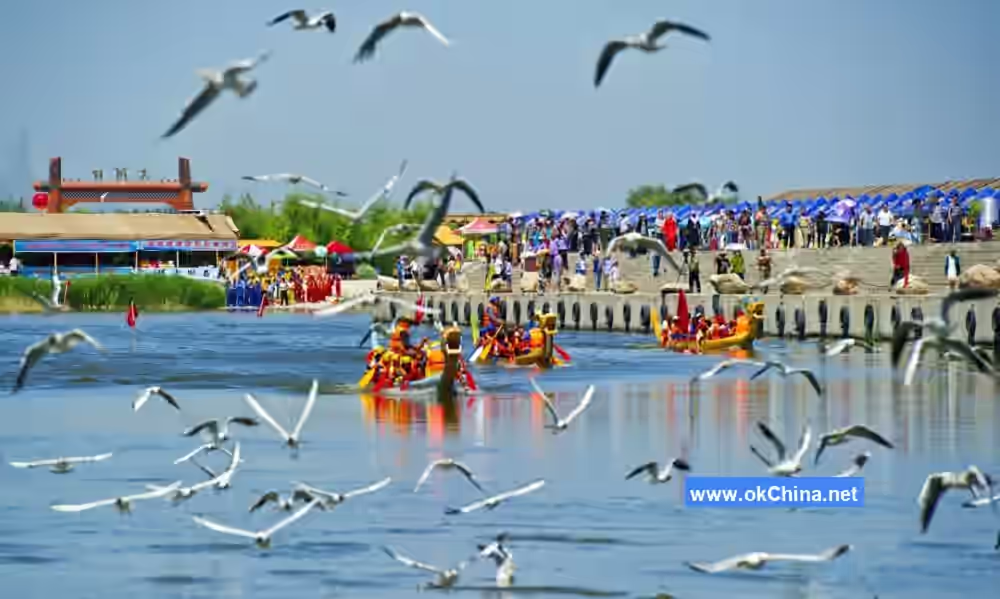
Located on the north side of the square, the West Sea's First Pot resembles a noble Mongolian Khan's crown from a distance. The pot has a bottom diameter of 4 meters, symbolizing the 40th anniversary of Bohu County's establishment in 2011. It stands 0.856 meters high, weighs 3 tons, and has a volume of 10 cubic meters. Made from 10mm-thick metals such as manganese, iron, and brass, the pot is evenly decorated with 60 water ripples and 60 fish patterns, reflecting Bosten Lake's rich fish culture, water culture, and folk culture. The five shining golden characters "West Sea's First Pot" were personally inscribed by the nationally renowned calligrapher Mr. Tao Ran. The pot can hold 5 tons of water and 4 tons of fish. During the annual Lake Worship and Fishing Festival, the West Sea's First Pot is lit to stew fish, serving a delicious fish feast to guests from all directions. This single pot can provide a fish feast for 10,000 people simultaneously. During the Dragon Boat Festival, a "Ten-Thousand-Person Zongzi Feast" is held, attracting tens of thousands of tourists from all over to taste the delicacies, creating an extremely spectacular scene. The West Sea's First Pot has also been awarded the Guinness World Record for the largest copper-clad craft pot.
Grilled Fish Area
In the ethnic-flavored grilled fish area, visitors can enjoy a variety of delicious wild organic grilled fish from Bosten Lake, including precious species like pond smelt, blackfish, and five-striped perch. The most famous is the ethnic-style grilled fish, particularly grilled five-striped perch. The chefs marinate the fish a day in advance to enhance the flavor, then grill it with cumin, chili powder, salt, and cooking oil. The result is spicy but not overpowering, oily but not greasy, fragrant and tender, and numbing but not dull, leaving a lasting impression. Pairing it with locally produced "Bosten Lake" liquor adds an extra layer of flavor. Grilled fish has become a must-try dish for tourists from all over, with some saying, "If you come to Bohu without tasting the local specialty grilled fish, you haven't truly been to Bohu."
Fishing Boats at Dusk
The small boats and fishermen are handcrafted from reeds by numerous folk artists, reflecting the hardworking, simple, and carefree lives of the fishermen. Bosten Lake is one of Xinjiang's largest fish-producing waters. Relatively speaking, the lives of fishermen are simple, repetitive, and monotonous, and they work very hard. However, on the waters of Bosten Lake, you can see hundreds of fishing boats heading toward the lake center. The fishermen wear happy smiles while fishing, occasionally singing familiar songs, exuding a sense of freedom and ease.
Fish Viewing Pavilion
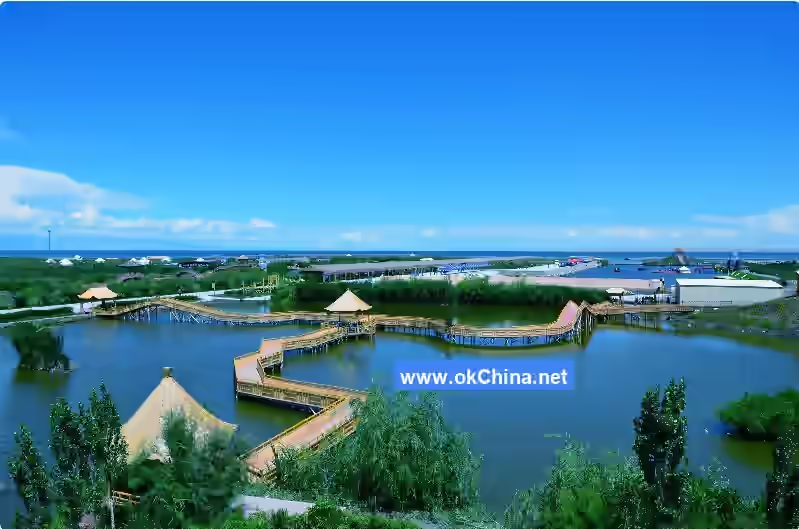
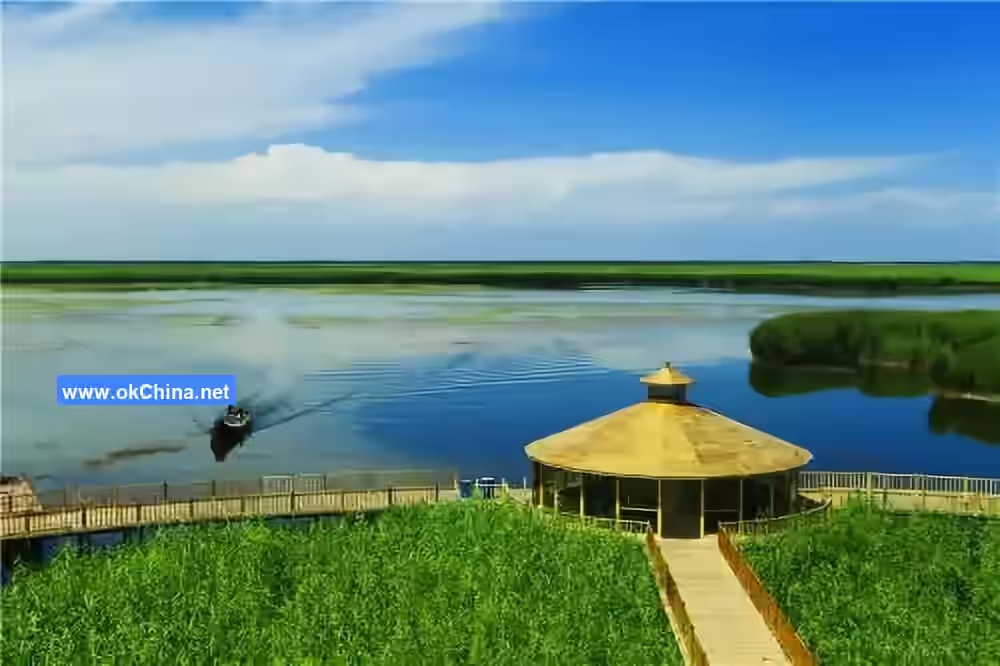
The Fish Viewing Pavilion consists of several exquisite pavilions on the lake surface, connected by winding corridors that extend over the water. The central pavilion allows visitors to sit and enjoy watching the fish.
Inland Fishing Port Dock
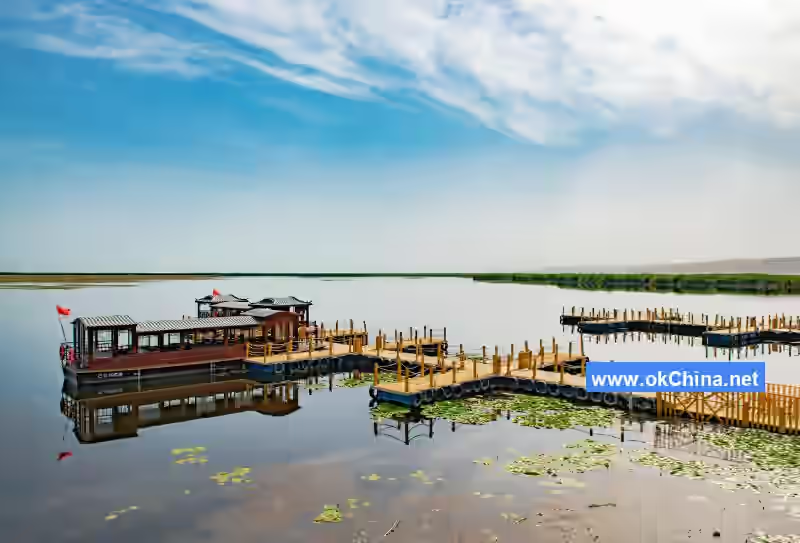
The West Sea Fishing Port Dock is the largest inland fishing port dock in the five northwestern provinces of China. The sight of tourist boats, fishing boats, and speedboats lined up along the floating bridges on both sides of the water makes one feel as if they are at a seaside port. The fish-shaped patterns on both sides of the gate fully reflect Bosten Lake's rich fish and water culture. The construction of the port began in early November 2007 and was completed in December 2008, taking 13 months. The entire fishing port project includes a new 235-meter-long dock, a 125-meter-long berthing line, and can accommodate 150 boats, with a daily maximum unloading capacity of 5,000 tons. After the completion of the Bosten Lake Fishing Port Dock, the era of manually loading and unloading aquatic products or using livestock for transportation came to an end.
Water Stage
Major festivals such as the Fishing Festival, Reed Festival, and Ice and Snow Festival feature grand opening and closing ceremonies held on the water stage. A massive semicircular arch nearly 50 meters tall is decorated with colorful flags during festival activities, visible from several kilometers away, enhancing the festive atmosphere and becoming a landmark of Dahekou. The design of the water stage is very clever, with a staircase leading directly from the arched gate to the water platform. During festivals, large-scale song and dance performances are held on the water platform. Visitors can enjoy the water performances up close from the West Sea Fishing Port Dock on the opposite shore.
West Sea Corridor
The West Sea Corridor is 400 meters long and 7 meters wide, stretching majestically into the blue lake water, giving a sense of grandeur and openness. The corridor's roof is made of reed curtains woven from Bosten Lake's characteristic reeds, providing shade and heat relief while being environmentally friendly and aesthetically pleasing, fully reflecting Bosten Lake's reed culture. The sides of the corridor display representative natural landscapes around Bosten Lake and photos from festivals, allowing visitors to better appreciate the lake's magnificent beauty and the Mongolian ethnic culture. The "Lake Worship" ceremony, which pays homage to heaven, earth, and the lake god, prays for the perpetual繁衍 of all living beings. This traditional religious ritual expresses the local people's aspirations and wishes for a better life, as well as their heartfelt gratitude for nature's gifts, vividly reflecting the harmonious relationship between humans and nature. Culture is the soul of tourism, and tourism is the carrier of culture. The corridor is flanked by four beautiful lotus ponds (featuring Xiang lotus varieties).
Jiang Taigong Fishing Garden
The Jiang Taigong Fishing Garden consists of several wooden huts connected to platform fishing pavilions, offering a quiet and peaceful environment. Fishing on the platform brings a sense of tranquility and calm.
Western Region Entertainment City
The Western Region Entertainment City is a unique and thrilling attraction based on the demons and monsters from "Journey to the West," allowing visitors to experience the culture of the classic tale in an exciting way. The Kaidu River, which flows through Bohu County, is the "Tongtian River" and "Liusha River" from "Journey to the West." At the Baixin Leisure Square by the Kaidu River, skilled craftsmen have carved a scene from "Journey to the West" featuring the four pilgrims on their journey to the West, using thousands of tons of white marble. The Western Region Entertainment City is 120 meters long and features 20关卡. This entertainment city is one of the best in Xinjiang, offering absolute thrills, excitement, and fun.
Mongolian CampThe Mongolian Grand Camp features bold and unrestrained designs, with patterned felt curtains and red gates facing the direction of the sunrise. It consists of nine yurts of varying characteristics—one large and eight small. The large yurt can accommodate over 60 people, while the smaller ones can hold more than 20 each. The grand central yurt is majestic, with eight enormous ox horn sculptures arranged on either side of the main entrance, resembling eight warriors guarding the yurt, said to also ward off evil spirits. At the Mongolian Grand Camp, visitors can enjoy entertainment activities with Mongolian ethnic characteristics, such as horseback riding, archery, fishing, and boating.
Wanghai Pavilion
From Wanghai Pavilion, visitors can enjoy the seamless blend of water and sky in the large lake area of Bosten Lake. Directly opposite lies the distinct scenery of the Egret Islet Scenic Area. To the left are the Golden Sand Beach and Silver Sand Beach scenic areas, while to the right are the Lotus Sea World (Ahongkou) Scenic Area and the Lotus Flower Lake Scenic Area.
West Sea Sand Waves Entertainment Zone
A wide variety of recreational facilities are available: monster slides, dragon-head slides, beach volleyball, beach soccer, desert motorcycle experiences, parasailing behind speedboats, free-play children's inflatable beds, lake cruises on tour boats, luxury yacht exhibitions, speedboat tours of Bosten Lake, wild fishing, water battle boat fights, leisurely fish watching, pedal boating, and a series of other entertainment activities.
Lotus Sea World Scenic Area
The Lotus Sea World Scenic Area is located within Bohu County, in the small lake cluster northeast of Korla City and southwest of Bosten Lake. It is 40 kilometers from Bohu County town and 42 kilometers from Korla City, serving as a transportation hub connecting the Hexi Corridor to the east, Urumqi to the north, and Ruoqiang to the south. Development and construction of the area officially began in 1997.
Lotus Sea World is an important component of the ecological tourism around Bosten Lake Scenic Area and a key part of the small lake cluster of Bosten Lake. The scenic area stretches from the south gate of Bosten Lake in the west to Ahongkou in the east, and from the Tayang Highway in the south to the small lake region around Dawuxun Nuoer in the north. The small lake cluster covers an area of 464 square kilometers, with the scenic area itself spanning 354.4 square kilometers, of which 106.7 square kilometers is water. It boasts China's largest wild water lily community, with vast expanses of wild water lilies and 400,000 mu of natural reeds growing along the water's edge. Known as the "pearl necklace of Bosten Lake" and a "beautiful paradise for wild water lilies," it has earned the name "Lotus Sea World." Here, visitors can wander through reed marshes, admire lotus ponds, savor the charm of lotus ponds, and experience the ambiance of southern China. The clear blue waters and sky complement each other, while reeds and water lilies create picturesque scenes, forming a harmonious and natural beautiful landscape.
IV. Cultural Resources
Bosten Lake Specialties
- Bosten Lake Grass Carp and Bosten Lake Carp: These fish grow completely naturally in Bosten Lake for no less than three years. The pristine wild environment and the clear, expansive waters of Bosten Lake contribute to the superior quality of these fish. On November 14, 2013, the former General Administration of Quality Supervision, Inspection and Quarantine approved the implementation of geographical indication product protection for "Bosten Lake Grass Carp" and "Bosten Lake Carp."
- Bosten Lake Reeds: The reed area of Bosten Lake is one of the four major reed regions in China and the largest reed production area in Xinjiang. Bohu Reed Root Tea is made from wild reed roots harvested from Bosten Lake waters, aged over three years. By adding essential oil from Tianshan snow chrysanthemums, the mild taste of the reed root tea is enhanced, resulting in a unique tea flavor, clear and bright liquor, and a refreshing, lasting taste. It also holds significant medicinal value.
The Love Legend of the Mongolian Youth Bosten and the Han Girl Gaya
Legend has it that long ago, the area where Bosten Lake now lies was a vast grassland with beautiful scenery and abundant water and grass. The Mongolian youth Bosten and the Han girl Gaya lived on this grassland and were deeply in love. However, their happiness was short-lived. The Rain God in the heavens discovered the beautiful Gaya and, captivated by her beauty, sought to forcibly take her as his wife. Gaya refused steadfastly, preferring death to submission. Enraged, the Rain God punished Gaya and the people of the grassland by withholding rain for years, causing a severe drought. Rivers dried up, pastures withered, livestock perished, and the herders' lives fell into despair, yet Gaya still did not yield to the Rain God's tyranny.
The brave Bosten, witnessing the suffering of his beloved and the villagers, stepped forward and decided to engage in a life-and-death struggle with the Rain God to save Gaya and the entire grassland. With his courage and strength, he battled the Rain God for eighty-one days and finally forced the Rain God to relent, agreeing to restore rainfall to the grassland. However, Bosten, exhausted from the ordeal, died from sheer fatigue. Upon learning of Bosten's death, Gaya was overwhelmed with grief. Her tears flowed incessantly, eventually converging into a vast lake, and Gaya herself died of sorrow and indignation. To commemorate this brave and faithful couple, the local herders named the lake "Bosten Lake." Since then, Bosten Lake has remained eternally on this land, like the love of this couple, nourishing all things and bearing witness to countless love stories and the joys and sorrows of human life.
Awards and Honors
- On May 17, 2002, the Bosten Lake Scenic Area was reviewed and confirmed by the State Council of the People's Republic of China as one of the fourth batch of National Key Scenic Areas.
- In January 2012, the Bosten Lake Scenic Area successfully became a National AAAAA Tourist Attraction.
- On May 27, 2014, the Bosten Lake Scenic Area was assessed and confirmed by the National Tourism Attractions Quality Rating Committee as a National AAAAA Tourist Attraction.
- On March 4, 2019, the Bosten Lake Scenic Area was rated as a Provincial-Level Ecological Tourism Demonstration Zone by the Xinjiang Uygur Autonomous Region Department of Culture and Tourism and the Xinjiang Uygur Autonomous Region Department of Ecology and Environment.
- On December 22, 2022, the Bosten Lake Scenic Area was rated as one of the first batch of Provincial-Level Civilized Tourism Demonstration Units by the Xinjiang Uygur Autonomous Region Department of Culture and Tourism.
- On October 31, 2024, the Bosten Lake Scenic Area was selected as one of the third batch of National-Level Civilized Tourism Demonstration Units.
Comments
Post a Comment